Disability Histories – serie
Visar alla böcker i serien Disability Histories. Handla med fri frakt och snabb leverans.
16 produkter
16 produkter
1 214 kr
Skickas inom 5-8 vardagar
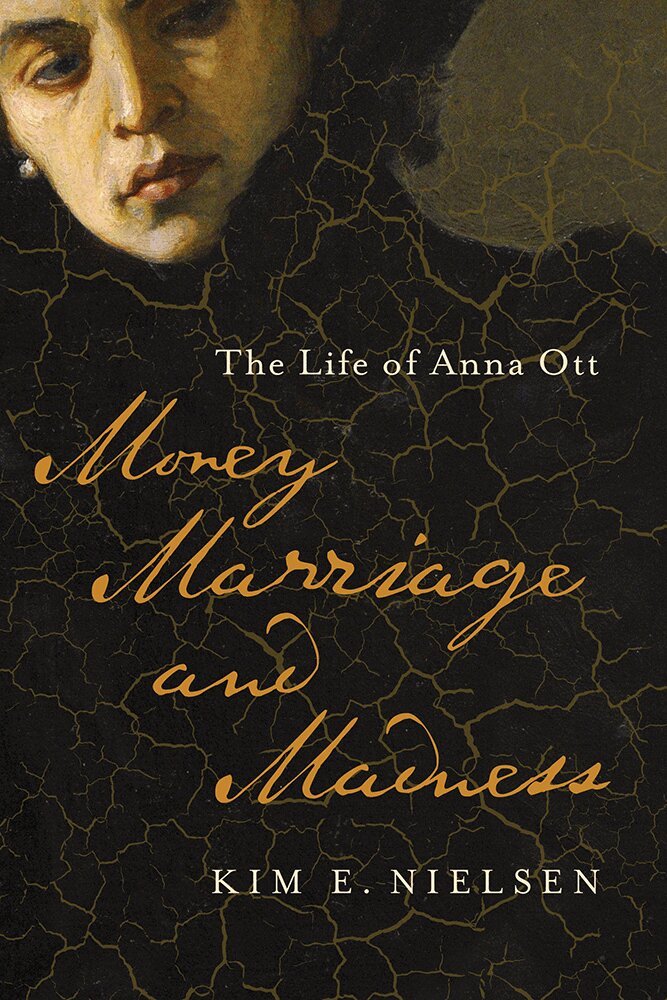
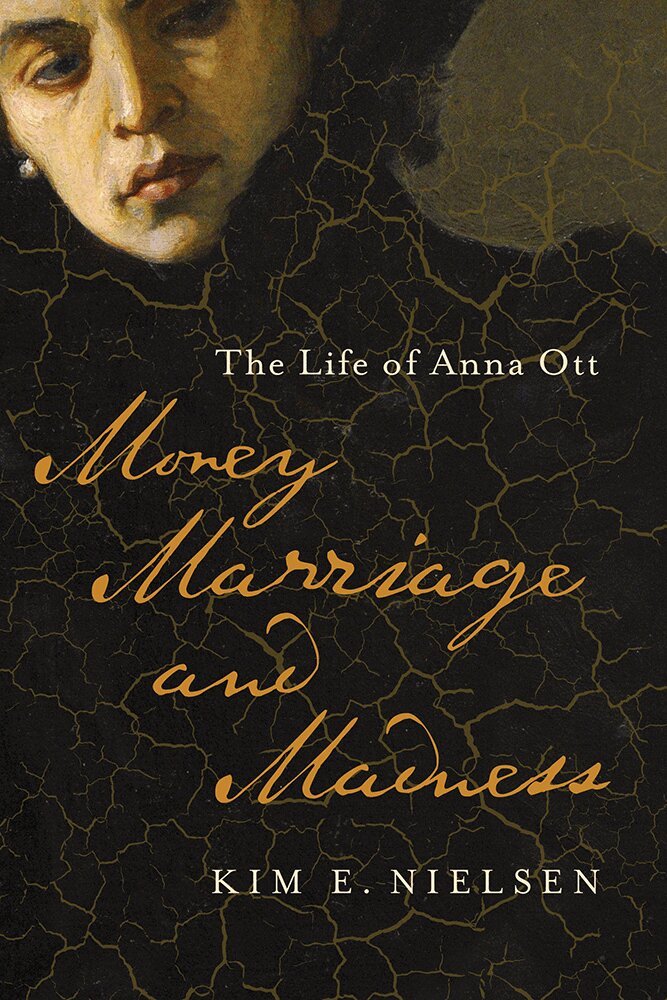
Anna Ott died in the Wisconsin State Hospital for the Insane in 1893. She had enjoyed status and financial success first as a physician's wife and then as the only female doctor in Madison. Throughout her first marriage, attempts to divorce her abusive second husband, and twenty years of institutionalization, Ott determinedly shaped her own life. Kim E. Nielsen explores a life at once irregular and unexceptional. Historical and institutional structures, like her whiteness and laws that liberalized divorce and women's ability to control their property, opened up uncommon possibilities for Ott. Other structures, from domestic violence in the home to rampant sexism and ableism outside of it, remained a part of even affluent women's lives. Money, Marriage, and Madness tells a forgotten story of how the legal and medical cultures of the time shaped one woman-and what her life tells us about power and society in nineteenth century America.
1 214 kr
Skickas inom 5-8 vardagar
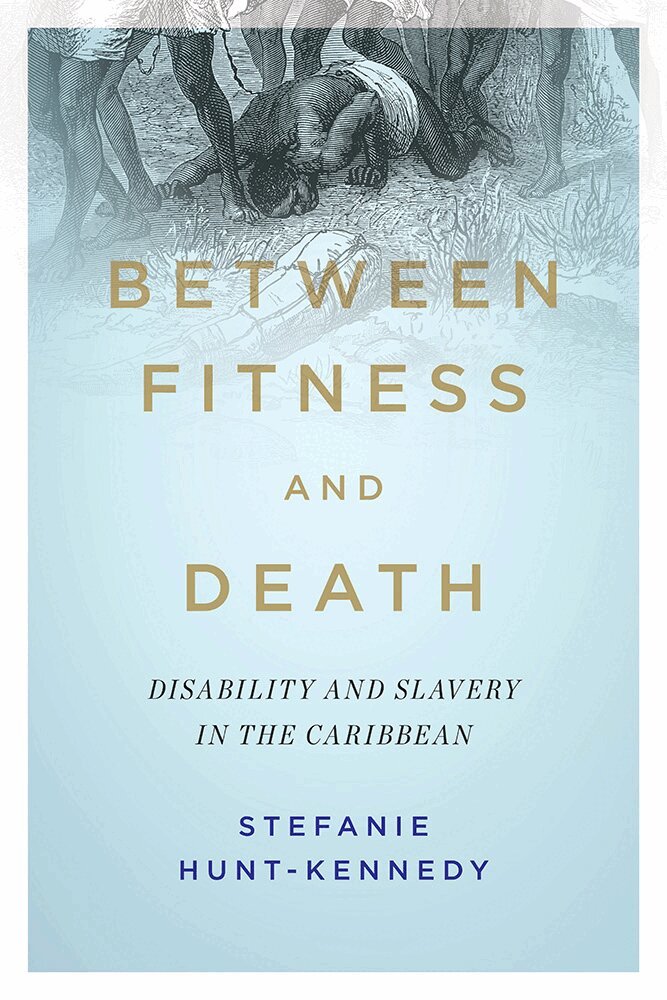
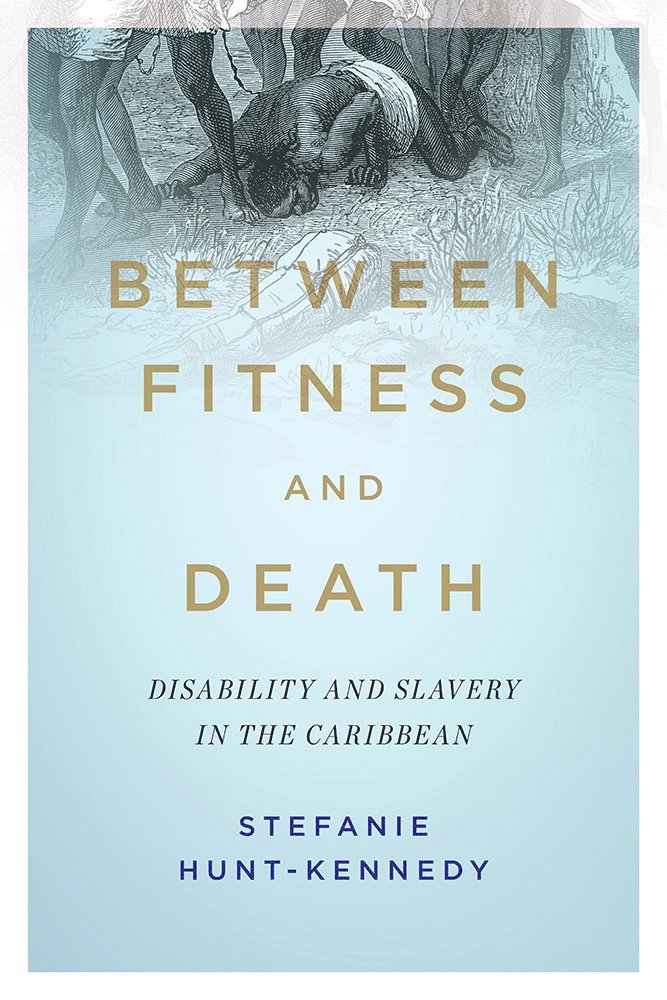
Long before the English became involved in the African slave trade, they imagined Africans as monstrous and deformed beings. The English drew on pre-existing European ideas about monstrosity and deformity to argue that Africans were a monstrous race, suspended between human and animal, and as such only fit for servitude. Joining blackness to disability transformed English ideas about defective bodies and minds. It also influenced understandings of race and ability even as it shaped the embodied reality of people enslaved in the British Caribbean. Stefanie Hunt-Kennedy provides a three-pronged analysis of disability in the context of Atlantic slavery. First, she examines the connections of enslavement and representations of disability and the parallel development of English anti-black racism. From there, she moves from realms of representation to reality in order to illuminate the physical, emotional, and psychological impairments inflicted by slavery and endured by the enslaved. Finally, she looks at slave law as a system of enforced disablement.Audacious and powerful, Between Fitness and Death is a groundbreaking journey into the entwined histories of racism and ableism.
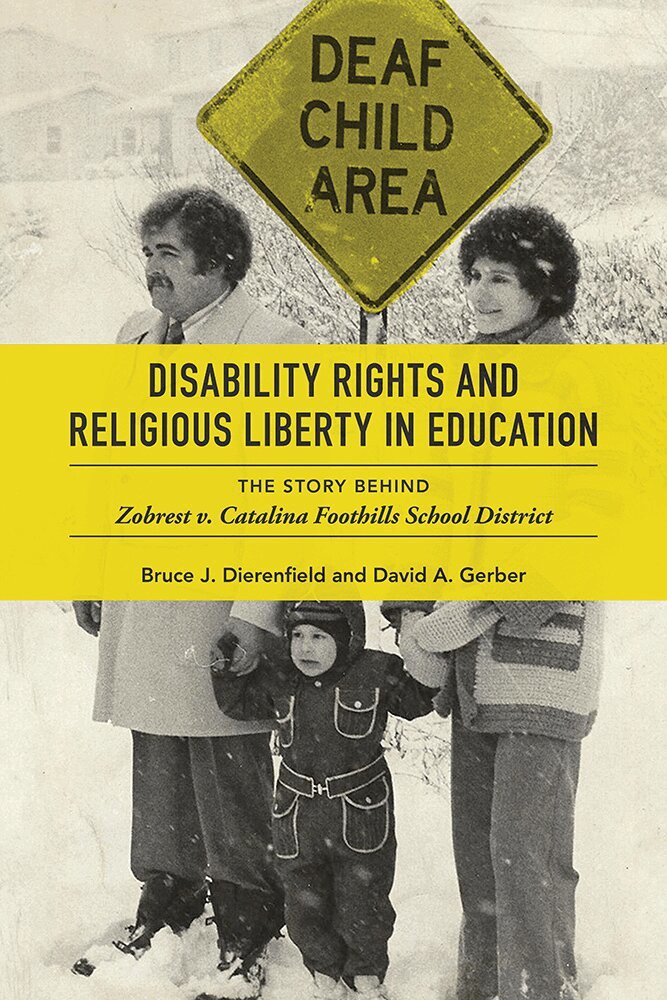
Disability Rights and Religious Liberty in Education
The Story Behind Zobrest V. Catalina Foothills School District
Inbunden, Engelska, 2020
1 179 kr
Skickas inom 5-8 vardagar
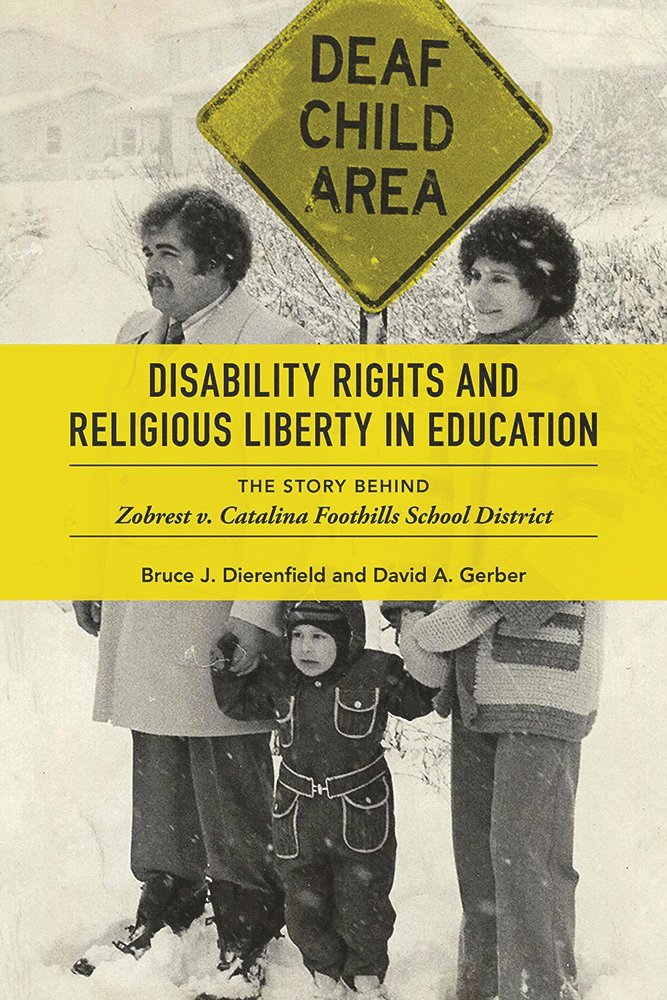
In 1988, Sandi and Larry Zobrest sued a suburban Tucson, Arizona, school district that had denied their hearing-impaired son a taxpayer-funded interpreter in his Roman Catholic high school. The Catalina Foothills School District argued that providing a public resource for a private, religious school created an unlawful crossover between church and state. The Zobrests, however, claimed that the district had infringed on both their First Amendment right to freedom of religion and the Individuals with Disabilities Education Act (IDEA). Bruce J. Dierenfield and David A. Gerber use the Zobrests' story to examine the complex history and jurisprudence of disability accommodation and educational mainstreaming. They look at the family's effort to acquire educational resources for their son starting in early childhood and the choices the Zobrests made to prepare him for life in the hearing world rather than the deaf community. Dierenfield and Gerber also analyze the thorny church-state issues and legal controversies that informed the case, its journey to the U.S. Supreme Court, and the impact of the high court's ruling on the course of disability accommodation and religious liberty.
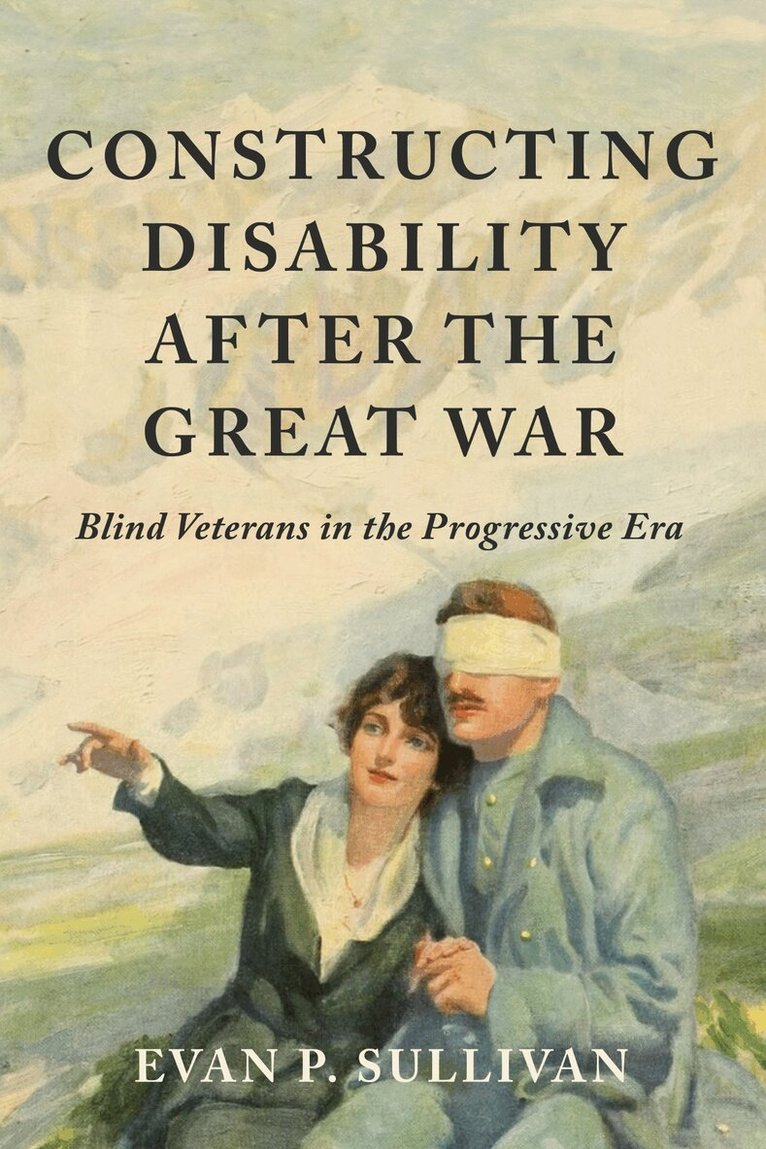
Constructing Disability After the Great War
Blind Veterans in the Progressive Era
Inbunden, Engelska, 2024
1 214 kr
Skickas inom 5-8 vardagar
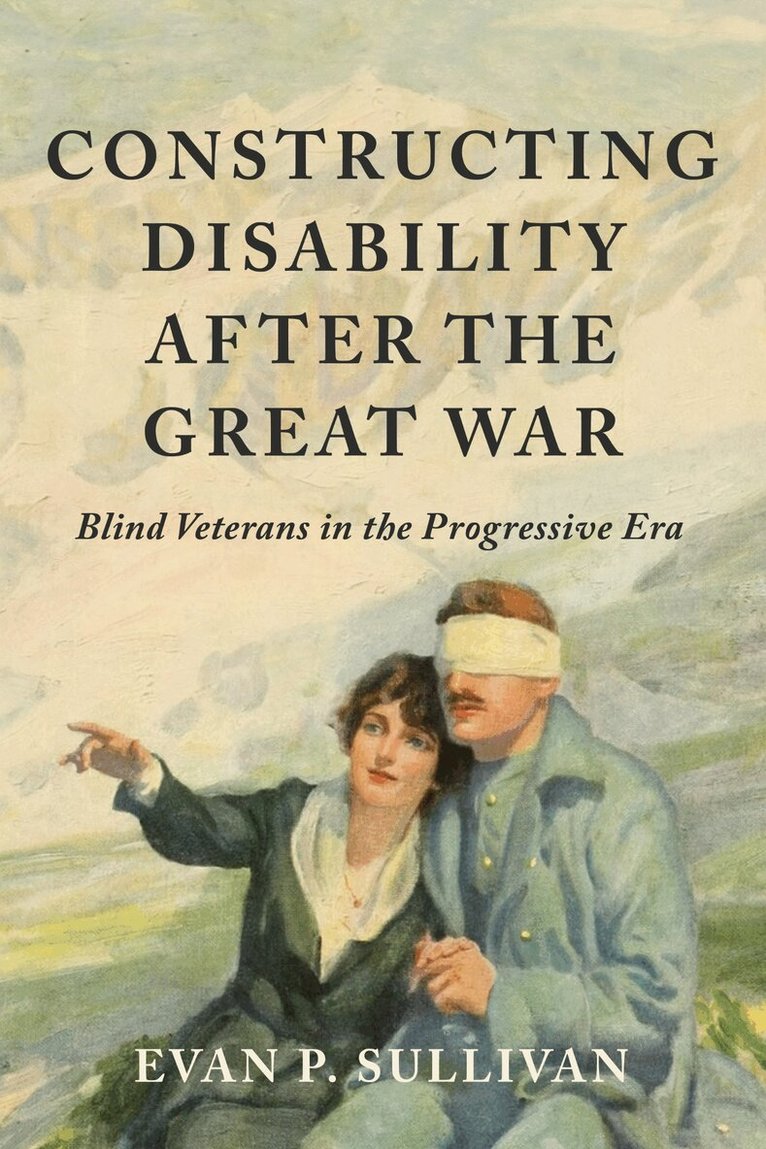
As Americans--both civilians and veterans--worked to determine the meanings of identity for blind veterans of World War I, they bound cultural constructs of blindness to all the emotions and contingencies of mobilizing and fighting the war, and healing from its traumas. Sighted Americans’ wartime rehabilitation culture centered blind soldiers and veterans in a mix of inspirational stories. Veterans worked to become productive members of society even as ableism confined their unique life experiences to a collection of cultural tropes that suggested they were either downcast wrecks of their former selves or were morally superior and relatively flawless as they overcame their disabilities and triumphantly journeyed toward successful citizenship. Sullivan investigates the rich lives of blind soldiers and veterans and their families to reveal how they confronted barriers, gained an education, earned a living, and managed their self-image while continually exposed to the public’s scrutiny of their success and failures.
1 378 kr
Skickas inom 5-8 vardagar
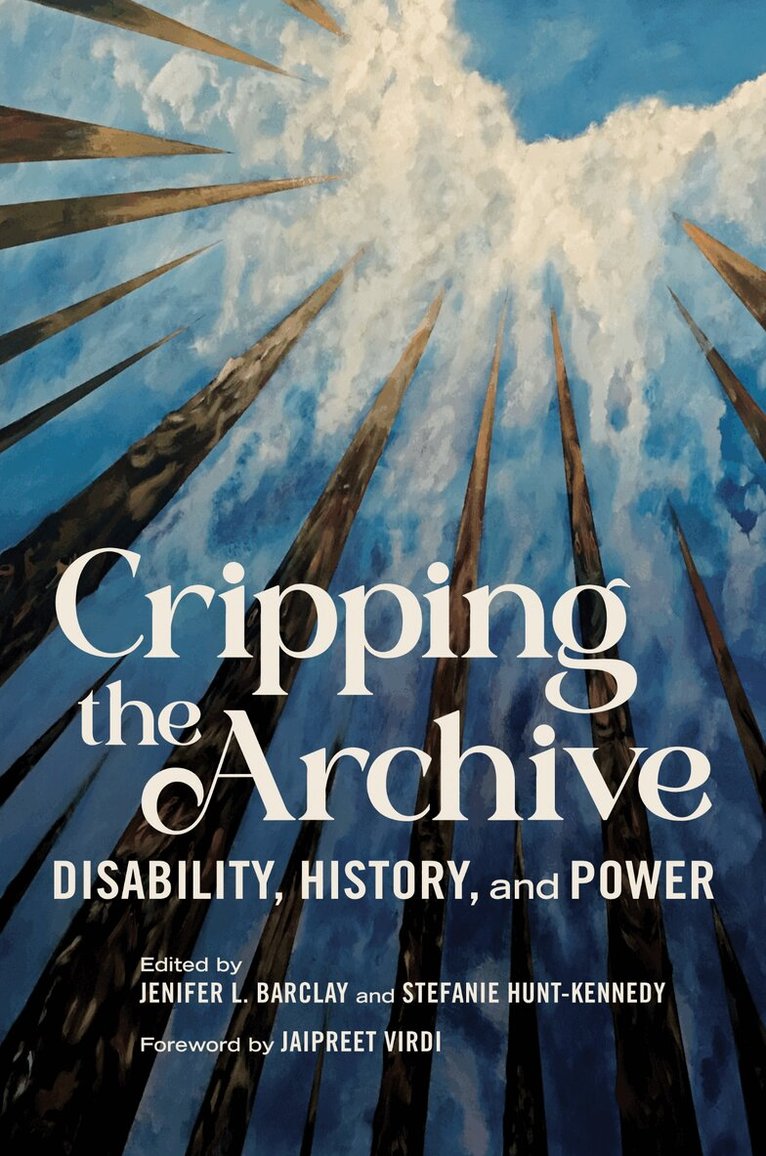
How do we explain the conspicuous absence of disability from the histories we write? What forces and factors create this dynamic? How can disability be everywhere and nowhere, present and absent, and obvious and overlooked in both the historical record and historians' interpretations of the past? Jenifer L. Barclay and Stefanie Hunt-Kennedy edit a collection of interdisciplinary essays that consider how and why physical, sensory, intellectual, and psychological disabilities are underrepresented, erased, or distorted in the historical record. The contributors draw on the methodology and practice of cripping to uncover disability in contested archives and explore ways to build inclusive archives accountable to, and centered on, disabled people and disability justice. Throughout, they show ableness informing the politics of the archive as a physical space, a discriminatory record, and a collection of silences. An essential contribution to research methods and disability justice, Cripping the Archive offers a blueprint for intersectional and interdisciplinary approaches that bridge disability studies, history, and archival studies.
486 kr
Kommande
How can histories of place foreground disability, ableism, and disabled people? How can disability histories root into place? Why does place-based disability history matter now? Kathleen M. Brian collects essays that, each in their own way, respond to these pressing questions. Disability and place constitute one another. Disabled people make worlds through creativity, adaptability, and reciprocal care, while disability offers distinctive routes to understanding present, past, and future worlds. At the same time, places evoke memory, story, and meaning – however contested – and influence how people understand and live disability. Informed by cutting-edge theories and inventive methods, the contributors' brief studies of particular places highlight this mutuality. Framing the essays are open-ended questions and abundant resources that invite specialist and non-specialist readers alike to join ongoing conversations. Innovative and world-making, This Is a Place We Made models what is possible when historical practice is guided by an ethics of access, collaboration, and proximity.
1 895 kr
Kommande
In post-socialist Poland, the state offers no support for its disabled citizens and often abandons families to care for them. Natalia Pamula draws on memoirs, novels, journalistic accounts, protest statements, and interviews to excavate the voices of disabled people and caregivers caught within a system that both privatizes care and denies aid to families. Polish politicians regularly idealize the family. But, as Pamula shows, such rhetoric coerces people into a state of violent intimacy that forces the burden of care onto family members bound by love, dependence, and responsibility. As the narratives show, disability destabilizes national myths, challenges heteronormative and patriarchal family ideals, and exposes continuities between socialist and capitalist regimes in their treatment of disabled citizens. A rich blend of activism and analysis, Disability Disruptions ventures outside Anglophone notions of disability to highlight how Poland's disabled people and caregivers overcome lack of recognition, resist social death, and rewrite public memory.
1 862 kr
Kommande
How can histories of place foreground disability, ableism, and disabled people? How can disability histories root into place? Why does place-based disability history matter now? Kathleen M. Brian collects essays that, each in their own way, respond to these pressing questions. Disability and place constitute one another. Disabled people make worlds through creativity, adaptability, and reciprocal care, while disability offers distinctive routes to understanding present, past, and future worlds. At the same time, places evoke memory, story, and meaning – however contested – and influence how people understand and live disability. Informed by cutting-edge theories and inventive methods, the contributors' brief studies of particular places highlight this mutuality. Framing the essays are open-ended questions and abundant resources that invite specialist and non-specialist readers alike to join ongoing conversations. Innovative and world-making, This Is a Place We Made models what is possible when historical practice is guided by an ethics of access, collaboration, and proximity.
304 kr
Skickas inom 5-8 vardagar
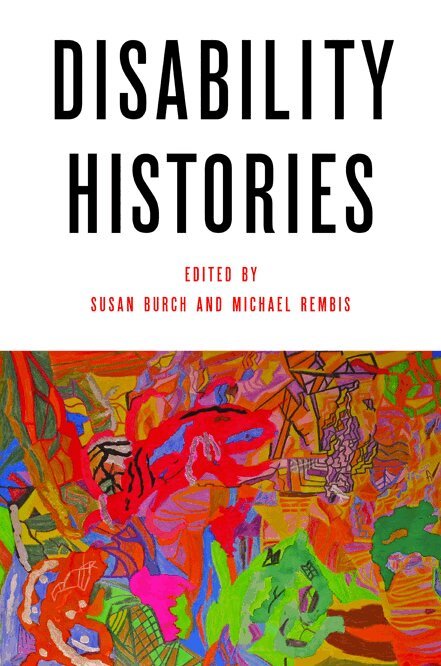
The field of disability history continues to evolve rapidly. In this collection, Susan Burch and Michael Rembis present essays that integrate critical analysis of gender, race, historical context, and other factors to enrich and challenge the traditional modes of interpretation still dominating the field. Contributors delve into four critical areas of study within disability history: family, community, and daily life; cultural histories; the relationship between disabled people and the medical field; and issues of citizenship, belonging, and normalcy. As the first collection of its kind in over a decade, Disability Histories not only brings readers up to date on scholarship within the field but fosters the process of moving it beyond the U.S. and Western Europe by offering work on Africa, South America, and Asia. The result is a broad range of readings that open new vistas for investigation and study while encouraging scholars at all levels to redraw the boundaries that delineate who and what is considered of historical value.Informed and accessible, Disability Histories is essential for classrooms engaged in all facets of disability studies within and across disciplines.
240 kr
Skickas inom 5-8 vardagar
Anna Ott died in the Wisconsin State Hospital for the Insane in 1893. She had enjoyed status and financial success first as a physician's wife and then as the only female doctor in Madison. Throughout her first marriage, attempts to divorce her abusive second husband, and twenty years of institutionalization, Ott determinedly shaped her own life. Kim E. Nielsen explores a life at once irregular and unexceptional. Historical and institutional structures, like her whiteness and laws that liberalized divorce and women's ability to control their property, opened up uncommon possibilities for Ott. Other structures, from domestic violence in the home to rampant sexism and ableism outside of it, remained a part of even affluent women's lives. Money, Marriage, and Madness tells a forgotten story of how the legal and medical cultures of the time shaped one woman-and what her life tells us about power and society in nineteenth century America.
278 kr
Skickas
Long before the English became involved in the African slave trade, they imagined Africans as monstrous and deformed beings. The English drew on pre-existing European ideas about monstrosity and deformity to argue that Africans were a monstrous race, suspended between human and animal, and as such only fit for servitude. Joining blackness to disability transformed English ideas about defective bodies and minds. It also influenced understandings of race and ability even as it shaped the embodied reality of people enslaved in the British Caribbean. Stefanie Hunt-Kennedy provides a three-pronged analysis of disability in the context of Atlantic slavery. First, she examines the connections of enslavement and representations of disability and the parallel development of English anti-black racism. From there, she moves from realms of representation to reality in order to illuminate the physical, emotional, and psychological impairments inflicted by slavery and endured by the enslaved. Finally, she looks at slave law as a system of enforced disablement.Audacious and powerful, Between Fitness and Death is a groundbreaking journey into the entwined histories of racism and ableism.
Disability Rights and Religious Liberty in Education
The Story Behind Zobrest V. Catalina Foothills School District
Häftad, Engelska, 2020
287 kr
Skickas inom 5-8 vardagar
In 1988, Sandi and Larry Zobrest sued a suburban Tucson, Arizona, school district that had denied their hearing-impaired son a taxpayer-funded interpreter in his Roman Catholic high school. The Catalina Foothills School District argued that providing a public resource for a private, religious school created an unlawful crossover between church and state. The Zobrests, however, claimed that the district had infringed on both their First Amendment right to freedom of religion and the Individuals with Disabilities Education Act (IDEA). Bruce J. Dierenfield and David A. Gerber use the Zobrests' story to examine the complex history and jurisprudence of disability accommodation and educational mainstreaming. They look at the family's effort to acquire educational resources for their son starting in early childhood and the choices the Zobrests made to prepare him for life in the hearing world rather than the deaf community. Dierenfield and Gerber also analyze the thorny church-state issues and legal controversies that informed the case, its journey to the U.S. Supreme Court, and the impact of the high court's ruling on the course of disability accommodation and religious liberty.
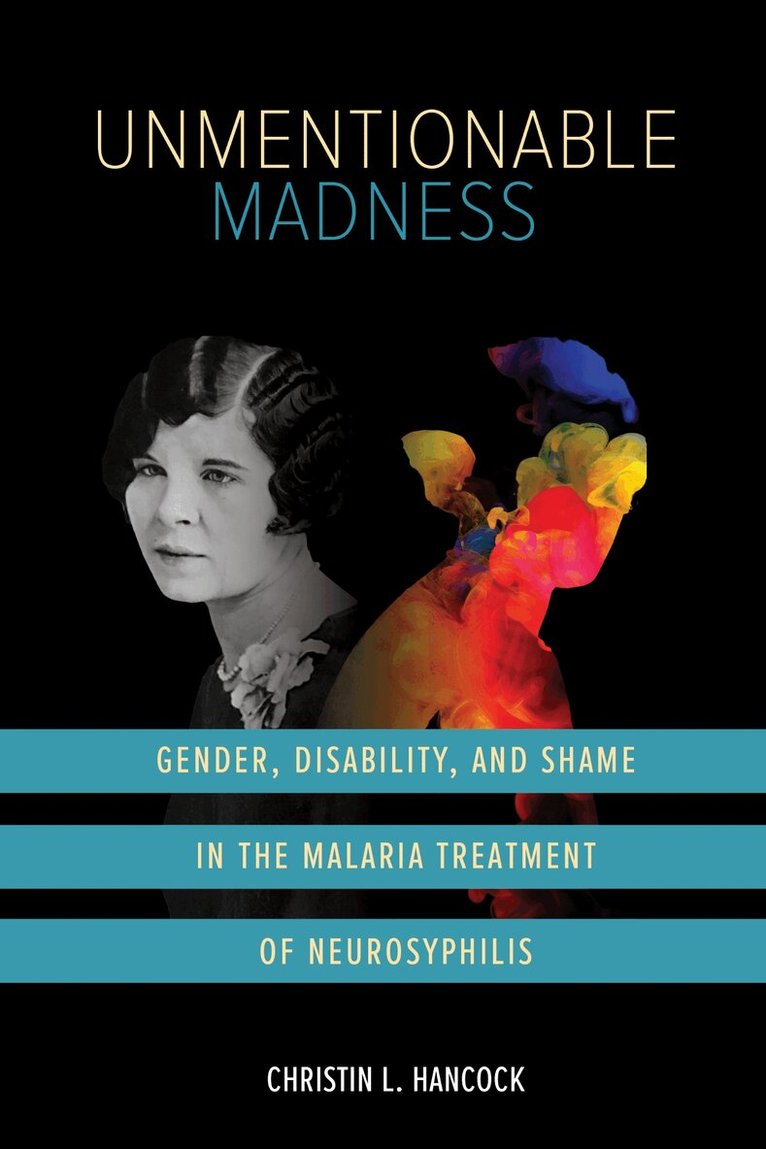
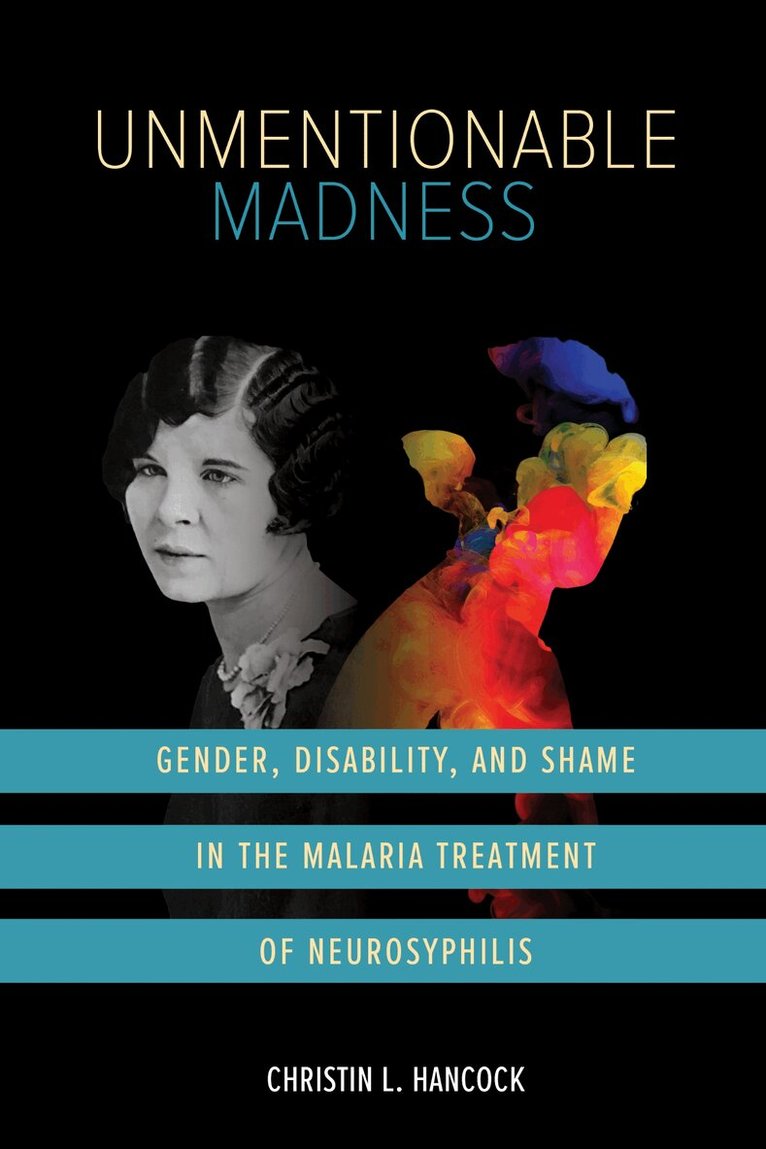
Unmentionable Madness
Gender, Disability, and Shame in the Malaria Treatment of Neurosyphilis
Häftad, Engelska, 2025
281 kr
Skickas inom 5-8 vardagar
In 1930, neurosyphilis struck an unsuspecting Mabel Smith. Doctors at the Central State Hospital for the Insane in Indianapolis turned to malaria therapy--a radical treatment that relied on the belief that infection with malaria might save Smith’s life by attacking the bacterium that causes syphilis. Christin L. Hancock looks through the lens of feminist disability to examine the popular but ethically suspect treatment and its consequences. As Hancock shows, the treatment’s purported success rate relied on the disabled minds and bodies of people incarcerated in mental hospitals. The backgrounds and identities of these patients reflected and perpetuated attitudes around poverty, gender, race, and disability while betraying authorities’ desire to protect the public from women and men perceived as abnormal, sexually tainted, and unworthy of community life. Paying special attention to the patients’ voices and experiences, Unmentionable Madness offers a disability history that confronts the ethics of experimentation.
Constructing Disability After the Great War
Blind Veterans in the Progressive Era
Häftad, Engelska, 2024
281 kr
Skickas inom 5-8 vardagar
As Americans--both civilians and veterans--worked to determine the meanings of identity for blind veterans of World War I, they bound cultural constructs of blindness to all the emotions and contingencies of mobilizing and fighting the war, and healing from its traumas. Sighted Americans’ wartime rehabilitation culture centered blind soldiers and veterans in a mix of inspirational stories. Veterans worked to become productive members of society even as ableism confined their unique life experiences to a collection of cultural tropes that suggested they were either downcast wrecks of their former selves or were morally superior and relatively flawless as they overcame their disabilities and triumphantly journeyed toward successful citizenship. Sullivan investigates the rich lives of blind soldiers and veterans and their families to reveal how they confronted barriers, gained an education, earned a living, and managed their self-image while continually exposed to the public’s scrutiny of their success and failures.
302 kr
Skickas
How do we explain the conspicuous absence of disability from the histories we write? What forces and factors create this dynamic? How can disability be everywhere and nowhere, present and absent, and obvious and overlooked in both the historical record and historians' interpretations of the past? Jenifer L. Barclay and Stefanie Hunt-Kennedy edit a collection of interdisciplinary essays that consider how and why physical, sensory, intellectual, and psychological disabilities are underrepresented, erased, or distorted in the historical record. The contributors draw on the methodology and practice of cripping to uncover disability in contested archives and explore ways to build inclusive archives accountable to, and centered on, disabled people and disability justice. Throughout, they show ableness informing the politics of the archive as a physical space, a discriminatory record, and a collection of silences. An essential contribution to research methods and disability justice, Cripping the Archive offers a blueprint for intersectional and interdisciplinary approaches that bridge disability studies, history, and archival studies.
631 kr
Kommande
In post-socialist Poland, the state offers no support for its disabled citizens and often abandons families to care for them. Natalia Pamula draws on memoirs, novels, journalistic accounts, protest statements, and interviews to excavate the voices of disabled people and caregivers caught within a system that both privatizes care and denies aid to families.Polish politicians regularly idealize the family. But, as Pamula shows, such rhetoric coerces people into a state of violent intimacy that forces the burden of care onto family members bound by love, dependence, and responsibility. As the narratives show, disability destabilizes national myths, challenges heteronormative and patriarchal family ideals, and exposes continuities between socialist and capitalist regimes in their treatment of disabled citizens.A rich blend of activism and analysis, Disability Disruptions ventures outside Anglophone notions of disability to highlight how Poland's disabled people and caregivers overcome lack of recognition, resist social death, and rewrite public memory.