Ecocriticism Unbound – serie
Visar alla böcker i serien Ecocriticism Unbound. Handla med fri frakt och snabb leverans.
4 produkter
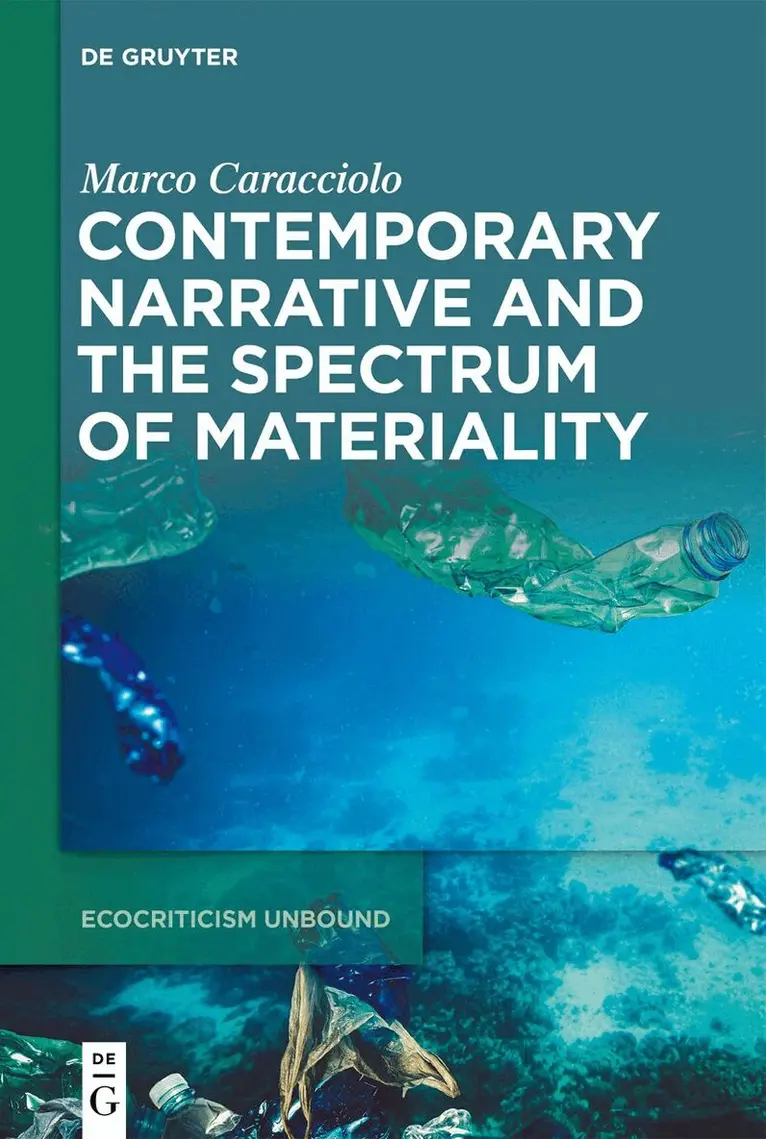
Contemporary Narrative and the Spectrum of Materiality
Inbunden, 2023
1640 kr
Lägg i varukorg
How do physical things differ from non-things—human subjects, animals, abstract ideas, or processes? Those questions, which are as old as philosophy itself, have inspired contemporary debates in ecocriticism, thing theory, and in the interdisciplinary field of new materialism. This book argues that …
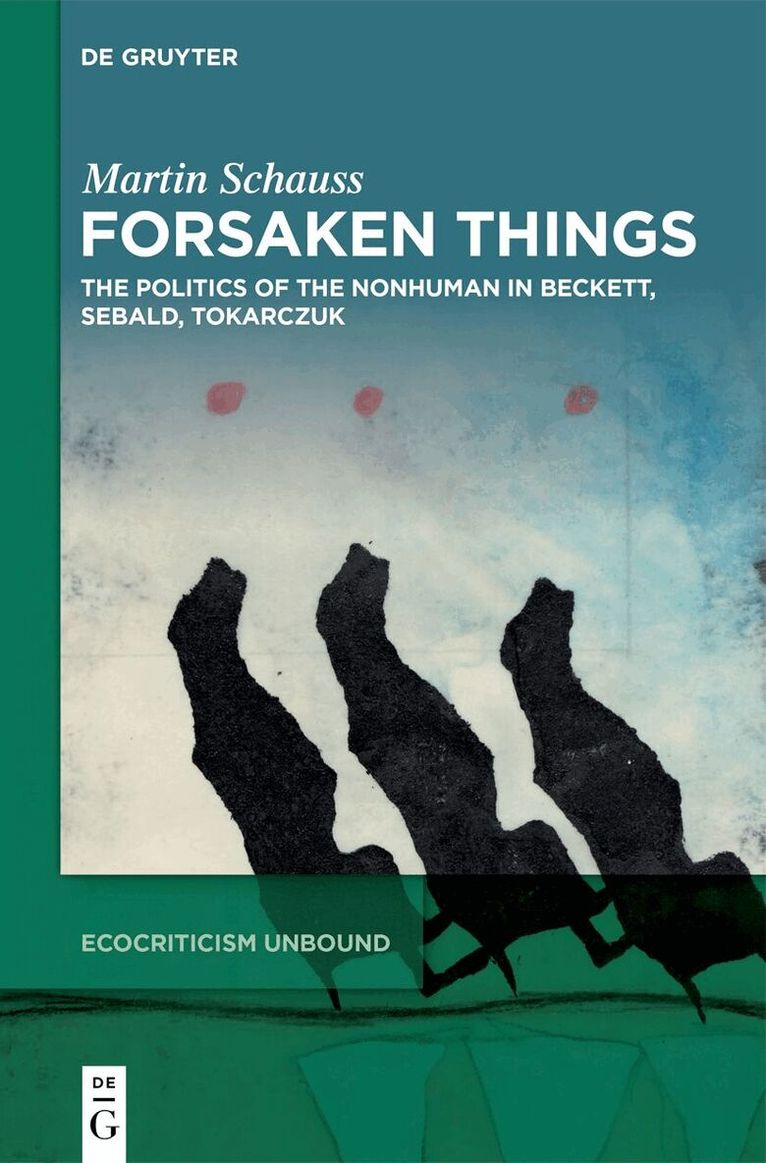
Forsaken Things
The Politics of the Nonhuman in Beckett, Sebald, Tokarczuk
Inbunden, 2026
1639 kr
Kommande
Forsaken Things explores how three late modernist writers turned to objects, environments, and creaturely life to make sense of history and our perception of the world. Responding critically to the recent, influential ‘nonhuman turn’ in literary studies, the book advances a conception of ‘late …
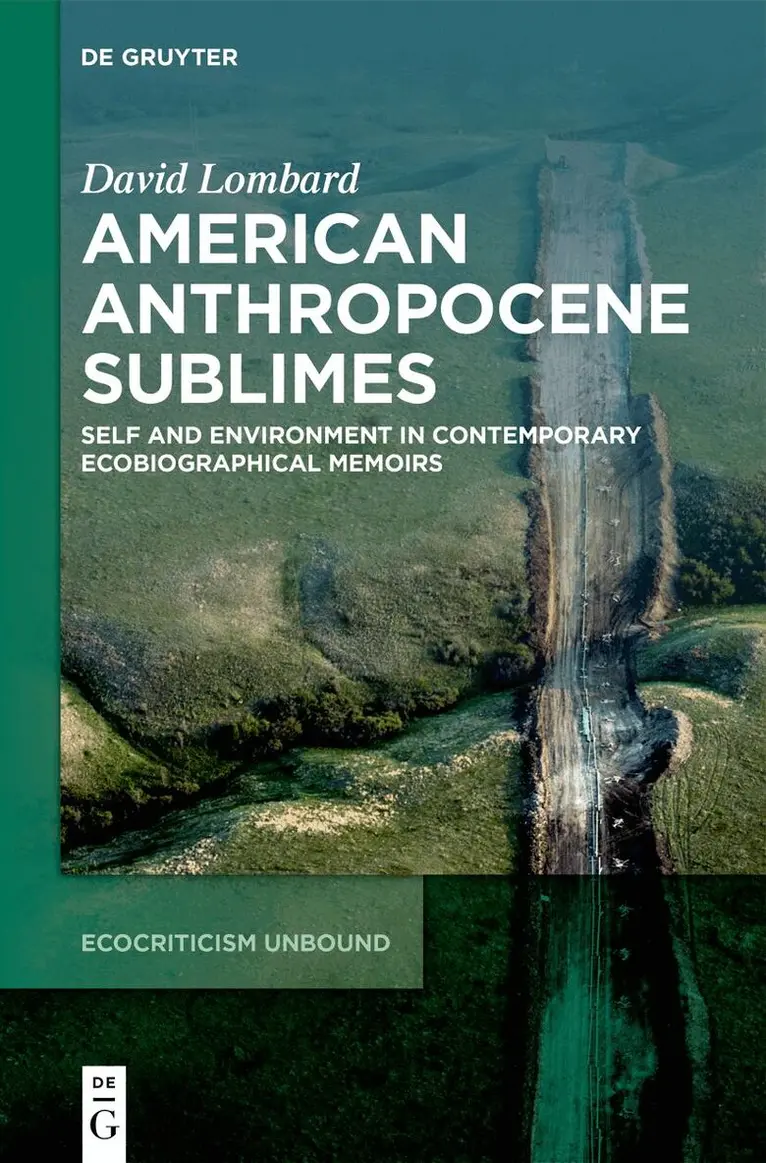
American Anthropocene Sublimes
Self and Environment in Contemporary Ecobiographical Memoirs
Inbunden, 2026
1681 kr
Kommande
The environmental memoir has become a culturally prominent literary form and provides an ideal site for investigating the shifting destinies of the concept of the sublime in the context of ecological crises and the Anthropocene. This book explores the affordances and limits of the sublime as a …
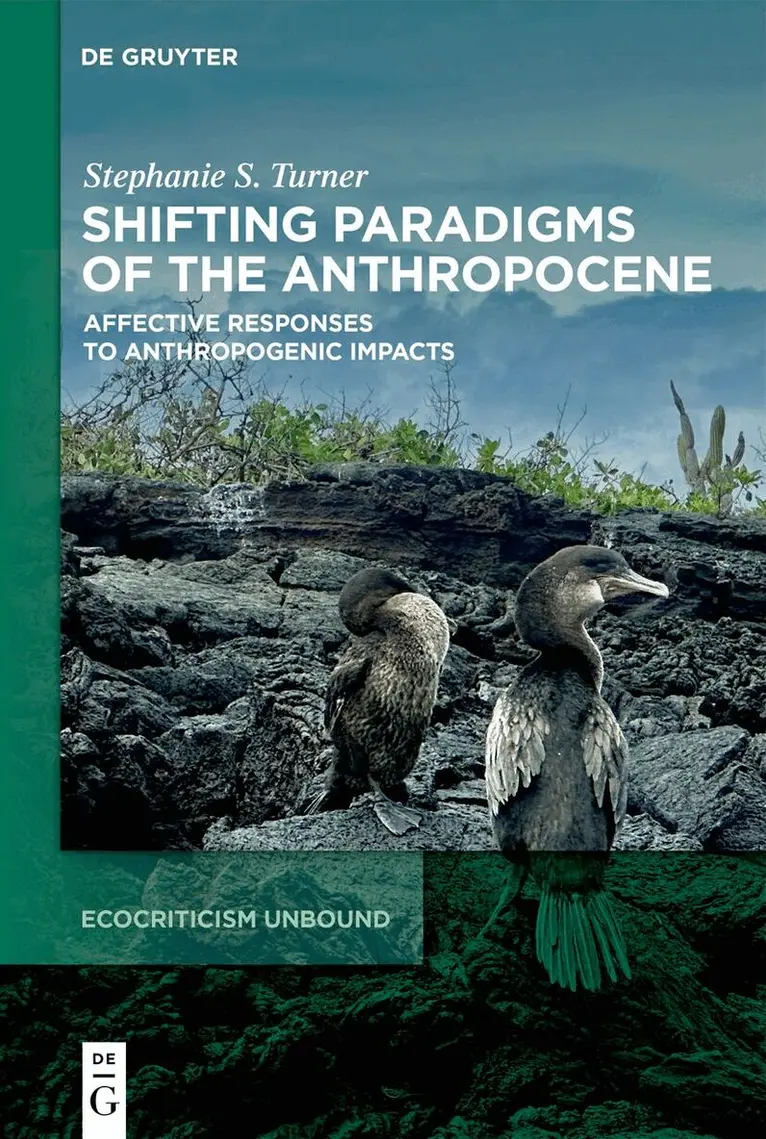
Shifting Paradigms of the Anthropocene
Affective Responses to Anthropogenic Impacts
Inbunden, 2026
1619 kr
Lägg i varukorg
As a conceptual framework, the Anthropocene has fostered transdisciplinary analyses of global anthropogenic impacts in diverse fields: Earth system sciences, conservation biology, and the environmental humanities. The transdisciplinarity of these analyses reflects a paradigm shift in critiquing the …