Elements in The Archaeology of Ancient Israel – serie
Visar alla böcker i serien Elements in The Archaeology of Ancient Israel. Handla med fri frakt och snabb leverans.
16 produkter
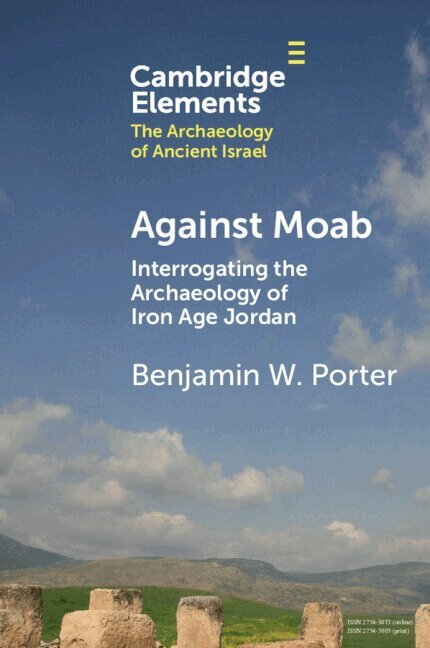
Against Moab
Interrogating the Archaeology of Iron Age Jordan
Häftad, 2025
291 kr
Lägg i varukorg
Known as a place, a people, and a kingdom at various points in the second and first millennia BCE, Moab has long sustained the attention of archaeologists, philologists, and historians, in part because of its adjacent location to ancient Israel. The past 150 years of research in what is today …
Edom in Judah
Trade, Migration, and Kinship in the Late Iron Age Southern Levant
Häftad, 2024
317 kr
Lägg i varukorg
During the late Iron Age (800-539 BCE) in the semi-arid southern Levant, small competing kingdoms navigated a tenuous position between their local populace and the external empires who dominated the region. For kingdoms such as Judah and Edom, this period was also one of opportunity due to their …
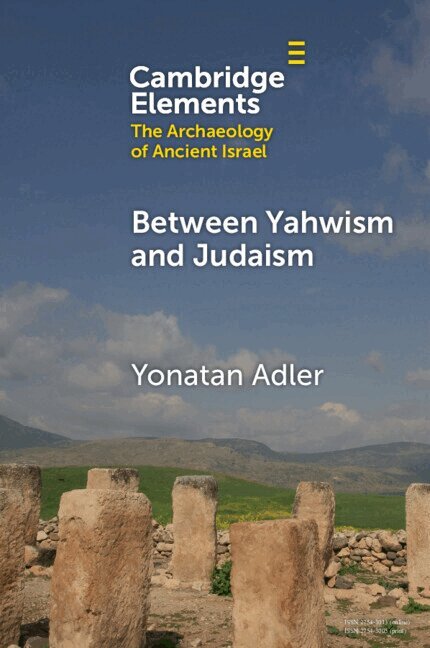
Between Yahwism and Judaism
Judean Cult and Culture during the Early Hellenistic Period (332-175 BCE)
Häftad, 2025
317 kr
Lägg i varukorg
This Element seeks to characterize key aspects of the cult and culture of the Judean populace at large, in Judea and the diaspora, during the Early Hellenistic period (332-175 BCE). It asks if this period signals cultural continuity with the Yahwism of the past, or cultural rupture with the …
Between Yahwism and Judaism
Judean Cult and Culture during the Early Hellenistic Period (332-175 BCE)
Inbunden, 2025
938 kr
Lägg i varukorg
This Element seeks to characterize key aspects of the cult and culture of the Judean populace at large, in Judea and the diaspora, during the Early Hellenistic period (332-175 BCE). It asks if this period signals cultural continuity with the Yahwism of the past, or cultural rupture with the …
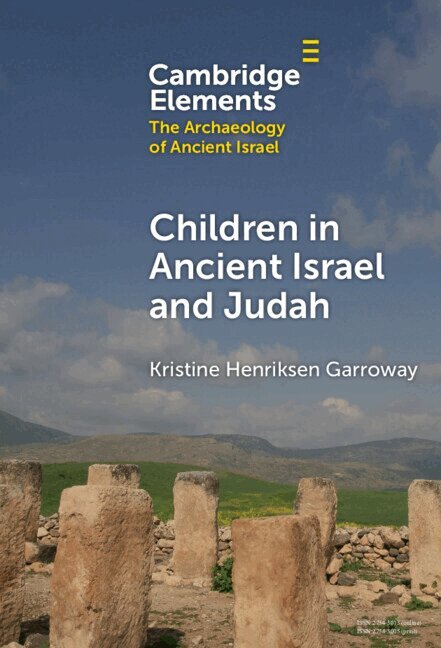
Children in Ancient Israel and Judah
Av Kristine Henriksen Garroway
Inbunden, 2026
903 kr
Kommande
Most studies of ancient Israelite families have taken children for granted. Scholarship assumed children were present but, thinking that children were invisible in the archaeological record, it did not pay much attention to them. In recent years, a new emerging field of inquiry promises to enrich …
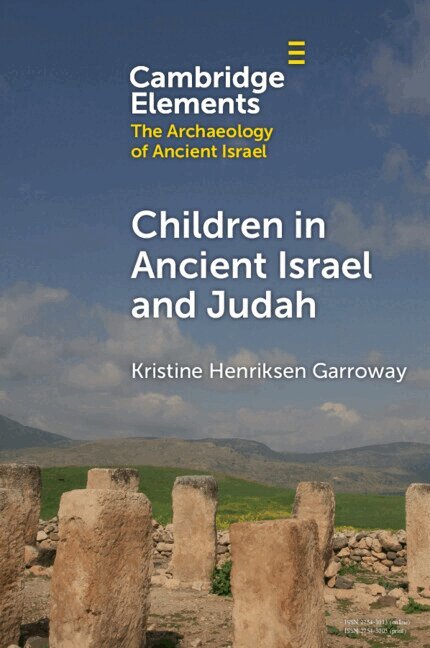
Children in Ancient Israel and Judah
Av Kristine Henriksen Garroway
Häftad, 2026
282 kr
Kommande
Most studies of ancient Israelite families have taken children for granted. Scholarship assumed children were present but, thinking that children were invisible in the archaeological record, it did not pay much attention to them. In recent years, a new emerging field of inquiry promises to enrich …
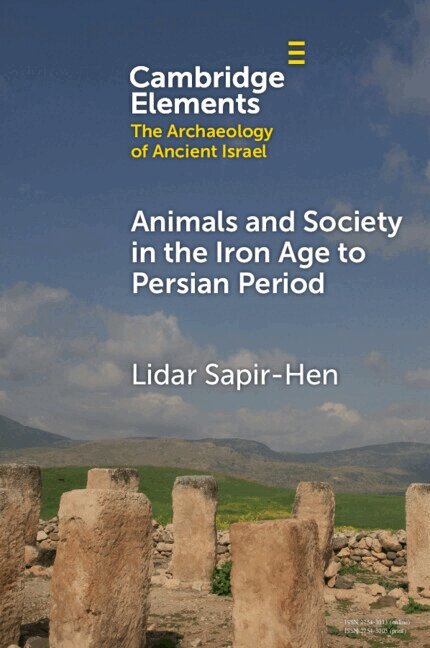
Animals and Society in the Iron Age to the Persian Period
Economy, Culture and Environment
Häftad, 2026
291 kr
Kommande
This Element explores the roles of animals in the Iron Age and Persian periods, times of major environmental, social, and political change. It examines how livestock and wild animals were managed, exchanged, and consumed across diverse communities, and how these practices reflected social …
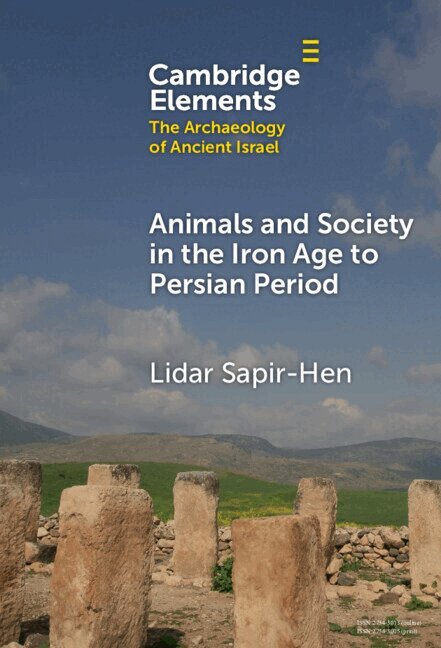
Animals and Society in the Iron Age to the Persian Period
Economy, Culture and Environment
Inbunden, 2026
930 kr
Lägg i varukorg
This Element explores the roles of animals in the Iron Age and Persian periods, times of major environmental, social, and political change. It examines how livestock and wild animals were managed, exchanged, and consumed across diverse communities, and how these practices reflected social …
Edom in Judah
Trade, Migration, and Kinship in the Late Iron Age Southern Levant
Inbunden, 2024
938 kr
Lägg i varukorg
During the late Iron Age (800-539 BCE) in the semi-arid southern Levant, small competing kingdoms navigated a tenuous position between their local populace and the external empires who dominated the region. For kingdoms such as Judah and Edom, this period was also one of opportunity due to their …
Cultural Memory in the Hebrew Bible
Genesis to Kings
Inbunden, 2026
911 kr
Lägg i varukorg
The relationship between the biblical representations of the past and the history of the second and early first millennia BCE is best comprehended by the concept of cultural memory. This volume investigates the dynamics of cultural memory in the Hebrew Bible, with case studies on the ancestors, the …
Cultural Memory in the Hebrew Bible
Genesis to Kings
Häftad, 2026
282 kr
Lägg i varukorg
The relationship between the biblical representations of the past and the history of the second and early first millennia BCE is best comprehended by the concept of cultural memory. This volume investigates the dynamics of cultural memory in the Hebrew Bible, with case studies on the ancestors, the …
Against Moab
Interrogating the Archaeology of Iron Age Jordan
Inbunden, 2025
938 kr
Lägg i varukorg
Known as a place, a people, and a kingdom at various points in the second and first millennia BCE, Moab has long sustained the attention of archaeologists, philologists, and historians, in part because of its adjacent location to ancient Israel. The past 150 years of research in what is today …
Climate and Environment in the Southern Levant, 1300-300 BCE
1300-300 BCE
Häftad, 2026
317 kr
Lägg i varukorg
Past climate fluctuations significantly shaped human ways of life. This Element reconstructs the Southern Levant climate (ca. 1300-300 BCE) using high-resolution, well-dated paleoclimate records. Results show a 150-year arid phase ending the Late Bronze Age, likely driving the collapse of eastern …
Climate and Environment in the Southern Levant, 1300-300 BCE
1300-300 BCE
Inbunden, 2026
938 kr
Lägg i varukorg
Past climate fluctuations significantly shaped human ways of life. This Element reconstructs the Southern Levant climate (ca. 1300-300 BCE) using high-resolution, well-dated paleoclimate records. Results show a 150-year arid phase ending the Late Bronze Age, likely driving the collapse of eastern …
A Historical Archaeology of the Kingdom of Israel, Ca. 1000-720 BCE
Av Omer Sergi
Inbunden, 2026
930 kr
Kommande
This element offers a fresh and distinctive viewpoint on the historical-archaeology of monarchic Israel during the Iron Age (ca. 1000-720 BCE). It provides an easy-to-read archaeological overview of main finds from key sites in the northern parts of the southern Levant, which opens the door to …
A Historical Archaeology of the Kingdom of Israel, Ca. 1000-720 BCE
Av Omer Sergi
Häftad, 2026
291 kr
Kommande
This element offers a fresh and distinctive viewpoint on the historical-archaeology of monarchic Israel during the Iron Age (ca. 1000-720 BCE). It provides an easy-to-read archaeological overview of main finds from key sites in the northern parts of the southern Levant, which opens the door to …