Emerald Studies in Alternativity and Marginalization Book Set (2017-2019) – serie
Visar alla böcker i serien Emerald Studies in Alternativity and Marginalization Book Set (2017-2019). Handla med fri frakt och snabb leverans.
4 produkter
4 produkter
966 kr
Skickas inom 5-8 vardagar
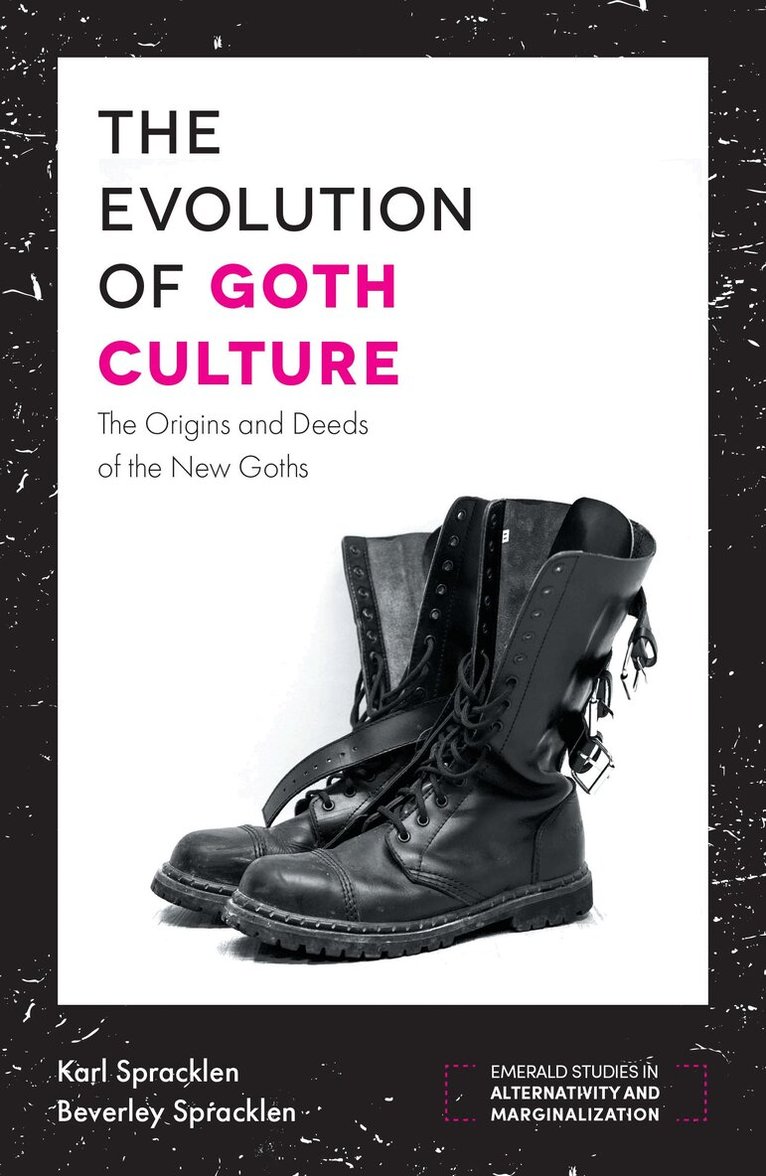
The origins and deeds of the old Goths were constructed by Roman historians in fear of the Goth as a barbarian outsider; at the same time, the Goths were themselves the heroic subject of their own histories, constructed by their supporters as stories of their mythical origin and the deeds that led them to be rulers of their own kingdoms in post-Roman Late Antiquity. Who the old Goths were, their origins and their deeds, was a product of history, historiography and myth-making. In this book, Spracklen and Spracklen use the idea of collective memory to explore the controversies and boundary-making surrounding the genesis and progression of the modern gothic alternative culture. Spracklen and Spracklen argue that goth as sub-culture in the eighties was initially counter cultural, political and driven by a musical identity that emerged from punk. However, as goth music globalised and became another form of pop and rock music, goth in the nineties retreated into an alternative sub-culture based primarily on style and a sense of transgression and profanity. By this century goth became the focus of teenage rebellions, moral panics and growing commodification of counter-cultural resistance, so that by the goth has effectively become another fashion choice in the late-modern hyper-real shopping malls, devoid generally of resistance and politics. Goth, like punk, is in danger of being co-opted altogether by capitalism. This book suggests that the only way for goth culture to survive is if it becomes transgressive and radical again.
940 kr
Skickas inom 5-8 vardagar
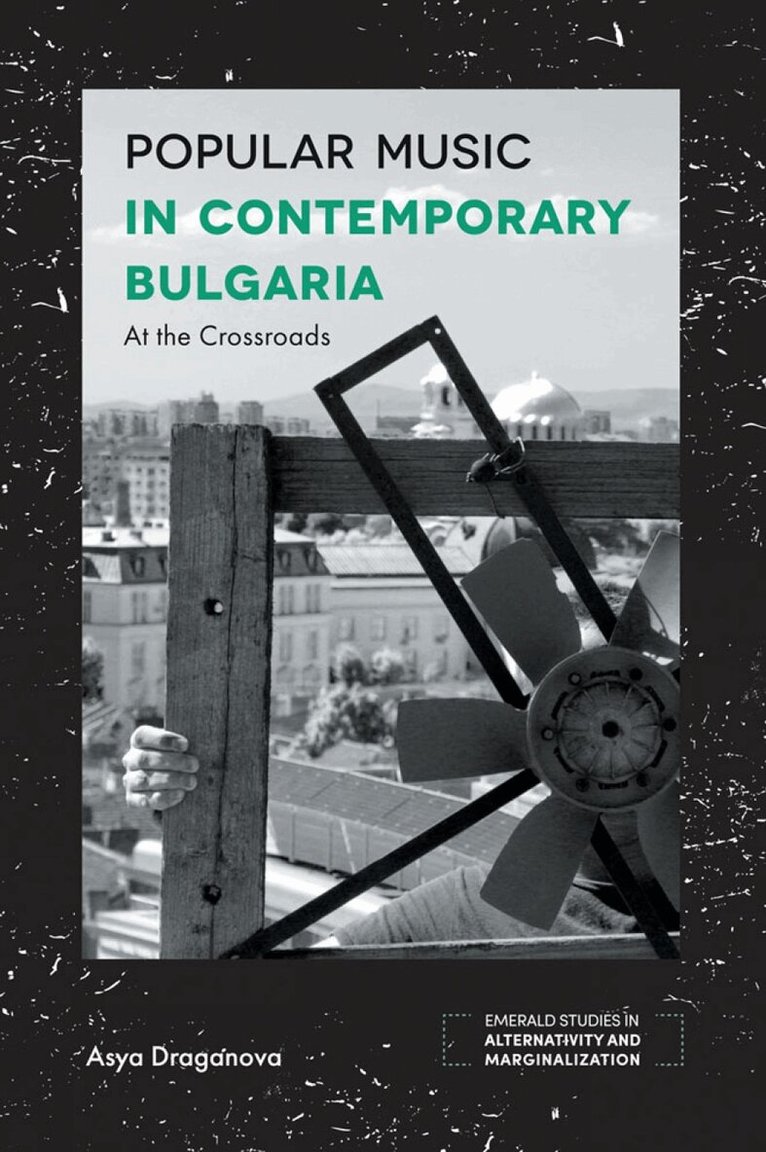
Bulgarian popular music, the meanings it articulates, and the infrastructures of its creation, operates within a web of inter-dependencies with changing social and political contexts. Positioned on the edge of Europe, between the cultural constructs of the 'East' and 'West', Bulgarian popular music negotiates the complexities of perceived 'global' values and specificities of the 'local'. This book takes an ethnographic approach to qualitative methodologies to create a mosaic of perspectives through the participation of music artists, critics, business figures, copyright specialists, and young audiences. It employs the metaphor of the 'crossroads' to describe the realities of the contemporary Bulgarian popular music field, developed amidst the prolonged transitions that followed the communist era. In the context of struggles for social change, popular music has participated in the creation of rituals and symbols of protest and resistance. At the same time, the new market environment created opportunities for popular music to formulate a business approach to producing standardised content. The Balkans, are a melting pot of music traditions, but are also framed as pathologically different from the rest of Europe. This book suggests that an internalised negative stereotype adds tacit complexities to Bulgarian popular music, while at the same time, expressive markers of identity, such as folklore and language, are celebrated.
638 kr
Skickas inom 5-8 vardagar
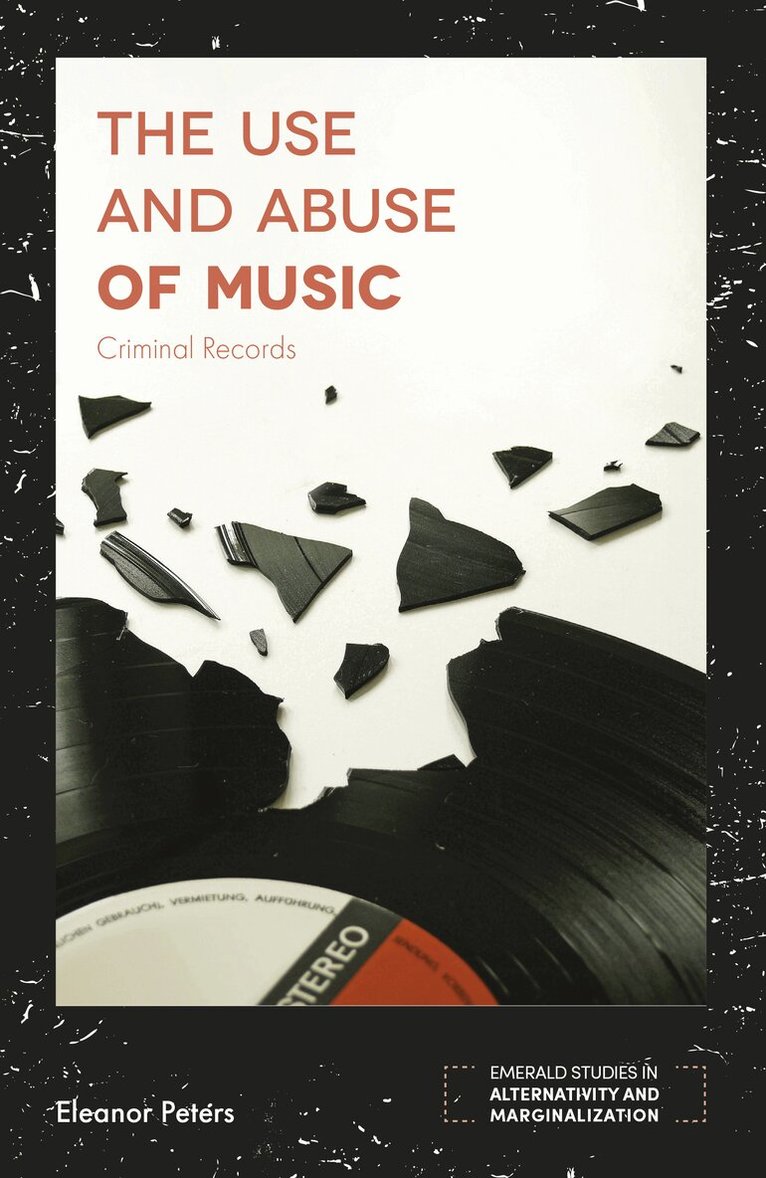
Music may not be an obvious area for a criminologist's attention, but there are many areas appropriate for analysis in the relationship between sound, music, rights and harm. The Use and Abuse of Music: Criminal Records explores how music is utilised to include, exclude, dominate and silence. Analysing the connection between music and crime from an expressly critical criminological perspective, the book is divided into three main parts. Firstly, focusing on the concept of 'harmful' or deviant music, genres such as UK drill music and heavy metal are examined to highlight the connections between certain genres and criminalisation. Moving away from specifics of genre, the second section considers the use of music in war and conflict. Finally, the book reflects on the censorship and silencing of subcultures and individuals through music, highlighting the inequalities surrounding who is permitted to make noise which is often exemplified by racist, sexist and prejudicial actions. This illuminating exploration of the deviant and transgressive nature of music is ideal for researchers, scholars and students working within the fields of criminology, sociology and musicology.
660 kr
Skickas inom 5-8 vardagar
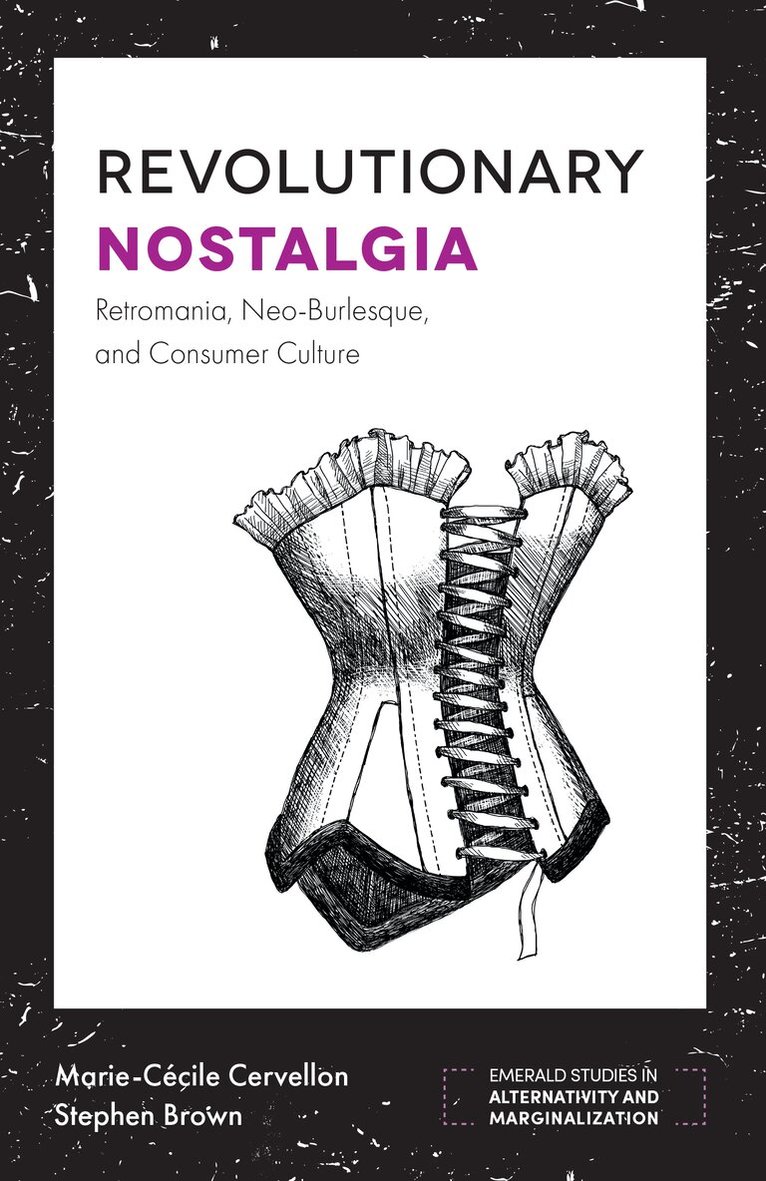
Nostalgia, they say, is not what it used to be. Once a witticism, this statement about the past has come to pass. Nostalgia really isn’t what it used to be. Less than a generation ago, it was regarded as reactionary, as regressive, as reprehensible. Now, it is considered conducive to health, wealth, and human wellbeing. It is something that helps sell products and move merchandise, an underexploited critical resource with emancipatory potential. Nowhere is this transformation better illustrated than in the neo-burlesque community, whose members not only embrace the art-form’s golden age, and happily acquire heritage goods and vintage services, but turn their nostalgic leanings to emancipatory effect. They are retro revolutionaries, feather boa-wearing insurgents who find women’s liberation in sequins and stilettos. This book shines a spotlight on weapons-grade nostalgia, indicating how it is integral to insurrections throughout history, be they political, technological, or cultural. It reveals, through a combination of empirical ethnographic research and revolutionary literary criticism, the part nostalgia plays in a subversive consumer collective that uses fans, fishnets, and frivolity to fight for the right to party against patriarchy and find a fourth-wave form of female emancipation that foregoes old-school feminist fault-finding for good old-fashioned fun, fun, fun.