Encyclopedia of South American Aquatic Insects – Serie
Visar alla böcker i serien Encyclopedia of South American Aquatic Insects. Handla med fri frakt och snabb leverans.
6 produkter
6 produkter
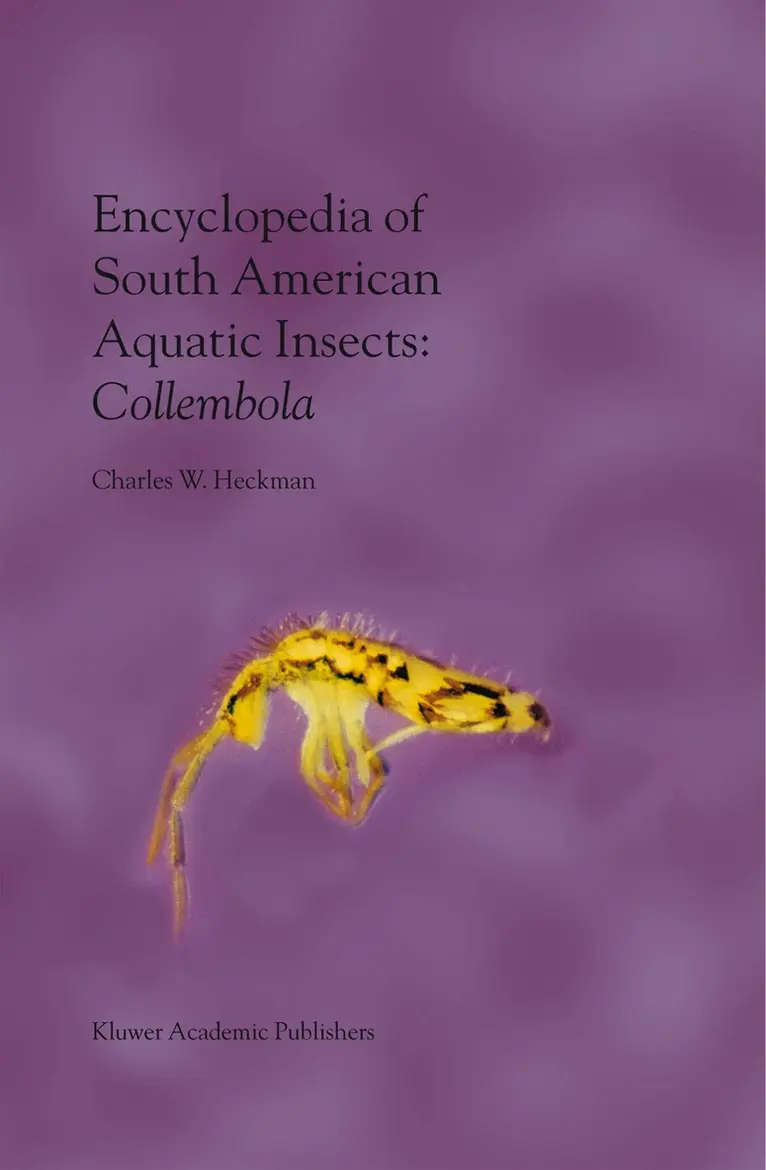
Encyclopedia of South American Aquatic Insects: Collembola
Illustrated Keys to Known Families, Genera, and Species in South America
Inbunden, Engelska, 2001
2 328 kr
Skickas inom 10-15 vardagar
This text is designed to facilitate identification of South American insects likely to be encountered in, on, or near water, on wetlands, and in unusual aquatic habitats, such as bromelias, pitcher plants, and mosses. In the case of some taxa encompassing both aquatic and terrestrial species, it is expanded to permit identification of all species, regardless of habitat. This work begins with a short general introduction. The scope for the first volume is the Collembola. It includes all species known from South America by the end of the 1990s and permits a state-of-the-art identification to species. In the case of specimens belonging to undescribed species or those not previously reported from South America, it permits identification to genus or family and gives the reader reasonable certainty that his specimen does not belong to the known fauna of the continent. The keys are richly illustrated to permit non-specialists in the group to reliably identify specimens. Taxnomic revisions are intentionally avoided, but doubtful taxa are so-designated in the key.
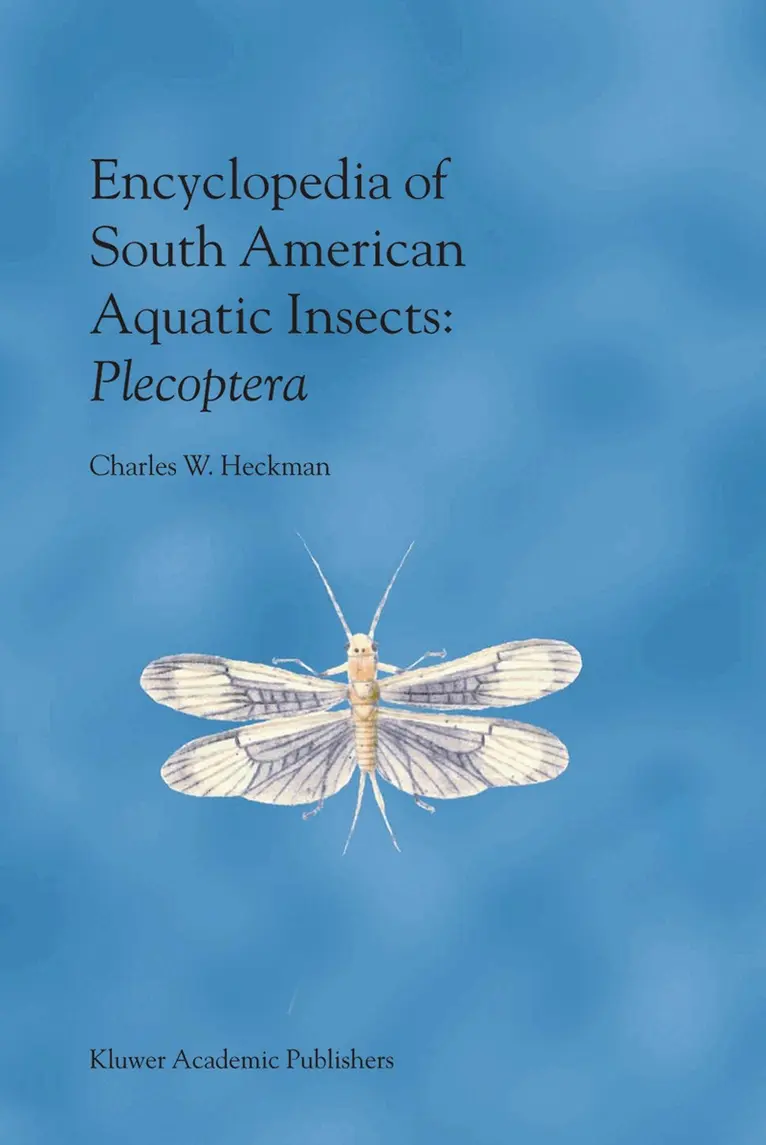
Encyclopedia of South American Aquatic Insects: Plecoptera
Illustrated Keys to Known Families, Genera, and Species in South America
Inbunden, Engelska, 2003
2 117 kr
Skickas inom 10-15 vardagar
This text is part of a series designed to facilitate identification of South American insects likely to be encountered in, on, or near water, on wetlands, and in unusual aquatic habitats. It permits identification of all known adults and larvae. Each volume of the "Encyclopedia of South American Aquatic Insects" begins with a short general introduction. The scope of this volume is the Plecoptera. It includes all species known from South America as of the year 2002 and permits a state-of-the-art identification of the species. In the case of specimens belonging to undescribed species or those not previously reported from South America, it permits identification to genus or family and gives the reader reasonable certainty that his specimen does not belong to the known fauna of the continent. The keys are richly illustrated to permit non-specialists in the group to reliably identify specimens. Taxonomic revisions are intentionally avoided, but doubtful taxa are so designated in the keys. The volume is meant for anyone interested in identifying aquatic stoneflies, including entomologists, stream biologists, ecologists, zoogeographers, fishery biologists and naturalists.
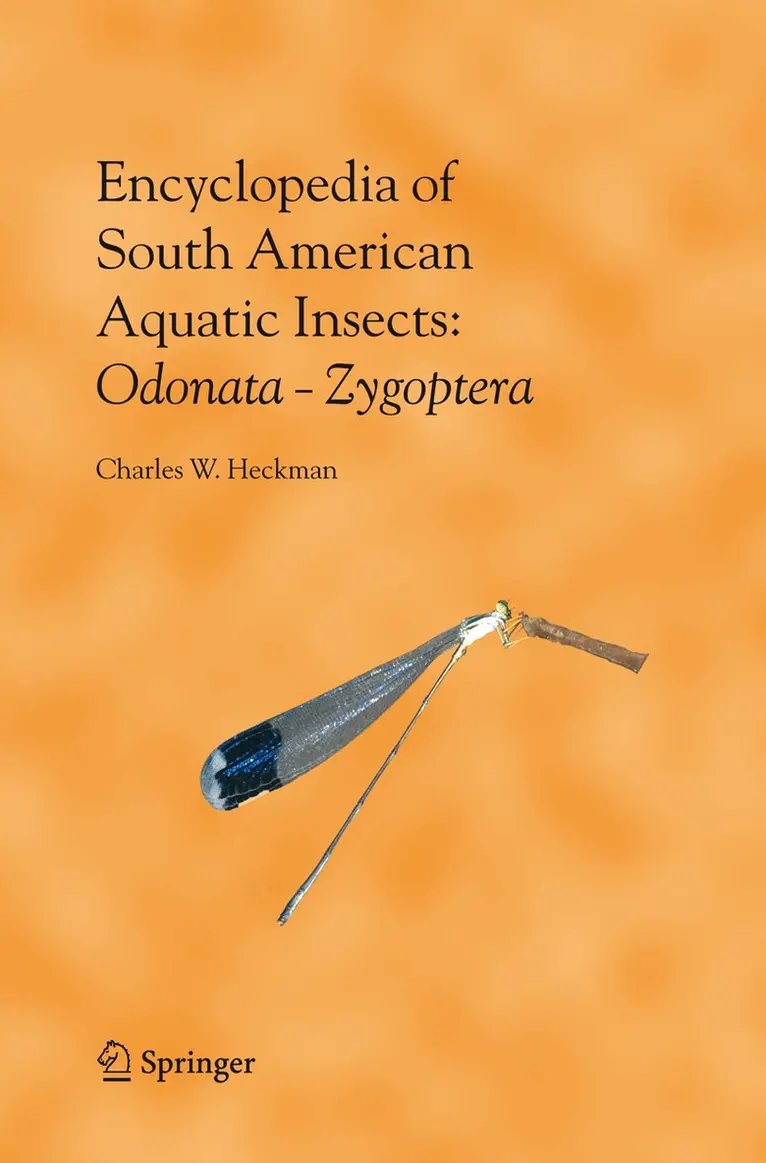
Encyclopedia of South American Aquatic Insects: Odonata - Zygoptera
Illustrated Keys to Known Families, Genera, and Species in South America
Inbunden, Engelska, 2008
3 172 kr
Skickas inom 10-15 vardagar
The original goal was to include all genera known from South America and all species from Brazil, but for most groups, the scope was expanded to encompass all species in South America, and, in some cases, to include terrestrial species of orders that include both terrestrial and aquatic taxa.
2 117 kr
Skickas inom 10-15 vardagar
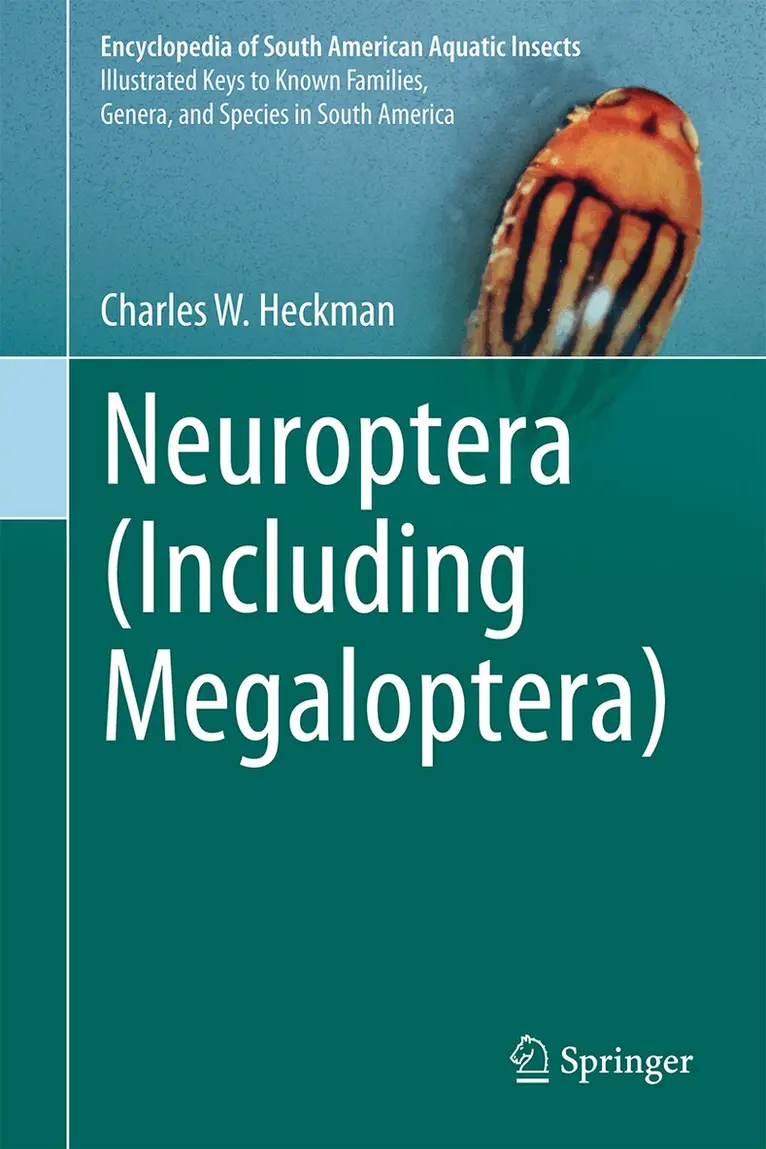
This order once encompassed all insects with a complex network of wing veins, regardless of whether their metamorphosis was incomplete or complete. By the early 20th century, most of the species had been transferred to new orders, leaving only a small percentage of the insects once assigned to the Neuroptera remaining in that order. By the second half of the 20th century, some of the taxonomists began to believe that the fragmentation of this order had gone too far, and that the order Megaloptera needed to be grouped in some way with Neuroptera, either by making them suborders of the same order or by creating a superorder to accommodate both.This volume provides a discussion of both taxa, tentatively regrouping both in the order Neuroptera. While all known species of Megaloptera in South America have completely aquatic larval stages, few species in the suborder Planipennia, formerly called Neuroptera sensu stricto, are aquatic during any of their life stages. The most interesting of the exceptions are species in the family Sisyridae, some of which develop as larvae inside freshwater sponges.Because only a relatively small number of species are still included in Neuroptera sensu lato, this book provides keys to all known South American species that have been described well enough to be identified with any degree of certainty. Many species in the family Chloropidae, the neuropteran family with the greatest number of recognized species in South America, have proven to be valuable as biological controls for insect pests in agriculture. Their importance for tropical agriculture is another reason for including terrestrial species in this book. The series will continue with volumes providing keys to identify species of other South American orders, but in most cases, only aquatic insects can be included in the keys to the species.
2 117 kr
Skickas inom 10-15 vardagar
This order once encompassed all insects with a complex network of wing veins, regardless of whether their metamorphosis was incomplete or complete. By the early 20th century, most of the species had been transferred to new orders, leaving only a small percentage of the insects once assigned to the Neuroptera remaining in that order. By the second half of the 20th century, some of the taxonomists began to believe that the fragmentation of this order had gone too far, and that the order Megaloptera needed to be grouped in some way with Neuroptera, either by making them suborders of the same order or by creating a superorder to accommodate both.This volume provides a discussion of both taxa, tentatively regrouping both in the order Neuroptera. While all known species of Megaloptera in South America have completely aquatic larval stages, few species in the suborder Planipennia, formerly called Neuroptera sensu stricto, are aquatic during any of their life stages. The most interesting of the exceptions are species in the family Sisyridae, some of which develop as larvae inside freshwater sponges.Because only a relatively small number of species are still included in Neuroptera sensu lato, this book provides keys to all known South American species that have been described well enough to be identified with any degree of certainty. Many species in the family Chloropidae, the neuropteran family with the greatest number of recognized species in South America, have proven to be valuable as biological controls for insect pests in agriculture. Their importance for tropical agriculture is another reason for including terrestrial species in this book. The series will continue with volumes providing keys to identify species of other South American orders, but in most cases, only aquatic insects can be included in the keys to the species.
Encyclopedia of South American Aquatic Insects: Hemiptera - Heteroptera
Illustrated Keys to Known Families, Genera, and Species in South America
Inbunden, Engelska, 2011
3 488 kr
Skickas inom 10-15 vardagar
Hemiptera - Heteroptera encompasses the three well-defined suborders of the true bugs which are adapted to an aquatic or littoral habitat. The book begins with a section on the biology these insects and provides illustrations of the basic features of their morphology and outlines the larval development. Brief outlines of the ecological and zoogeographical peculiarities of the three aquatic suborders are presented individually, and various methods for observing, collecting, preserving, rearing, and examining specimens are discussed.Most of the book is devoted to keys for the identification of adults to species, and notes are provided that will help recognize the known larvae. Unlike most other aquatic insects, the larval instars of the heteropteran species closely resemble the adults in their morphology, preferred habitats, and feeding habits. Therefore, distinguishing features of those relatively few larvae which have been described in detail are usually mentioned in the keys to the adults rather than being included in separate keys. In addition to the most important features for determining the individual species, many keys include additional notes on the morphology, which is intended to give the user a better chance of recognizing specimens of species not yet known to science. After the currently recognized name of each species, the known range is provided. Regions of the world outside of South America, South American countries, and the states of Brazil from which the species has been reported are listed. Following the range information, major synonyms previously used for the species in the literature are provided. If subspecies have beendescribed and are still recognized as such, they are also discussed. Finally, if the status of the species is regarded as uncertain because of a poor description, strong resemblance to another species, or any other reason, a note is added that a detailed study will be necessary to clarify the status of the taxon. Taxonomic revisions in the book itself are strictly avoided.To provide the user of the keys with maximum assistance in making reliable identifications, the book is richly illustrated with pen and ink drawings of thousands of individual morphological structures arranged in 820 figures. The book is intended to make a significant impact toward popularizing the study of South American water bugs by assembling and condensing the information in hundreds of individual publications on the group, which appeared in many books and journals published in many different countries over the past 200 years. Some of these works are very difficult to obtain in South America, and their lack creates serious impediments to systematic, ecological, and zoogeographical research. In the more than 730 titles appearing in the bibliography, the original descriptions and revisions of almost all South American species can be found.