Errantries - Böcker
Visar alla böcker i serien Errantries. Handla med fri frakt och snabb leverans.
10 produkter
10 produkter
1 218 kr
Skickas inom 7-10 vardagar
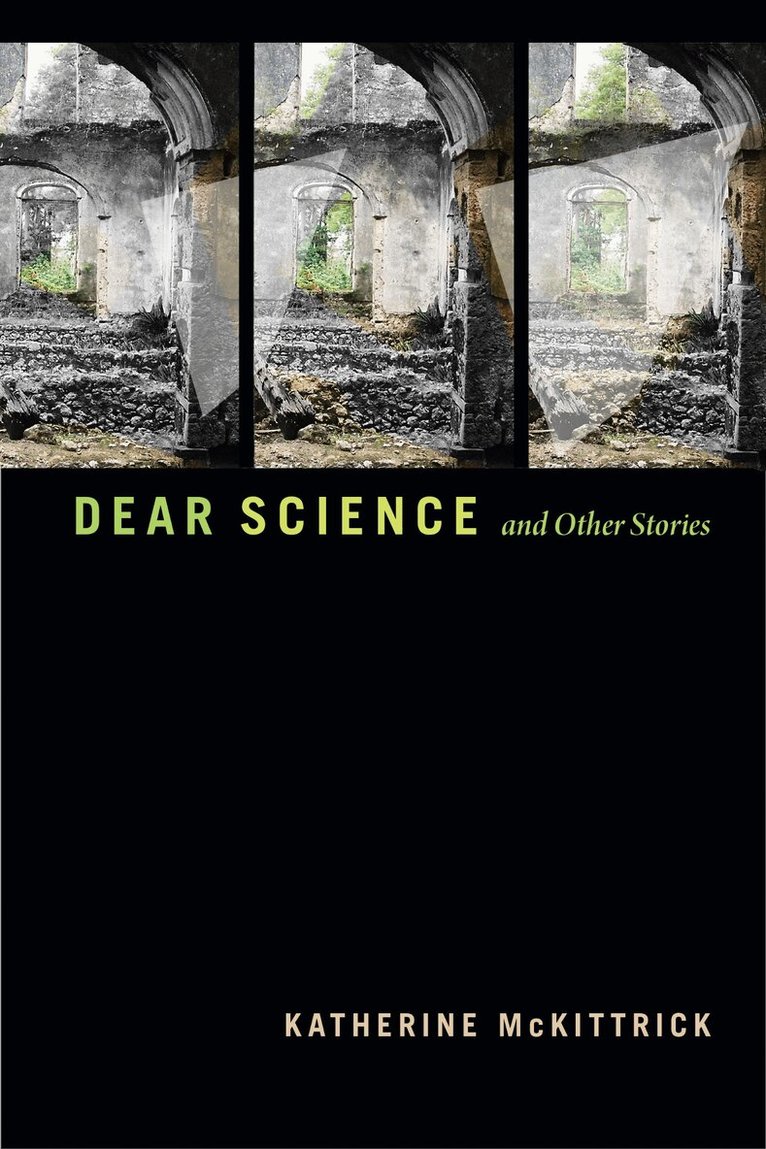
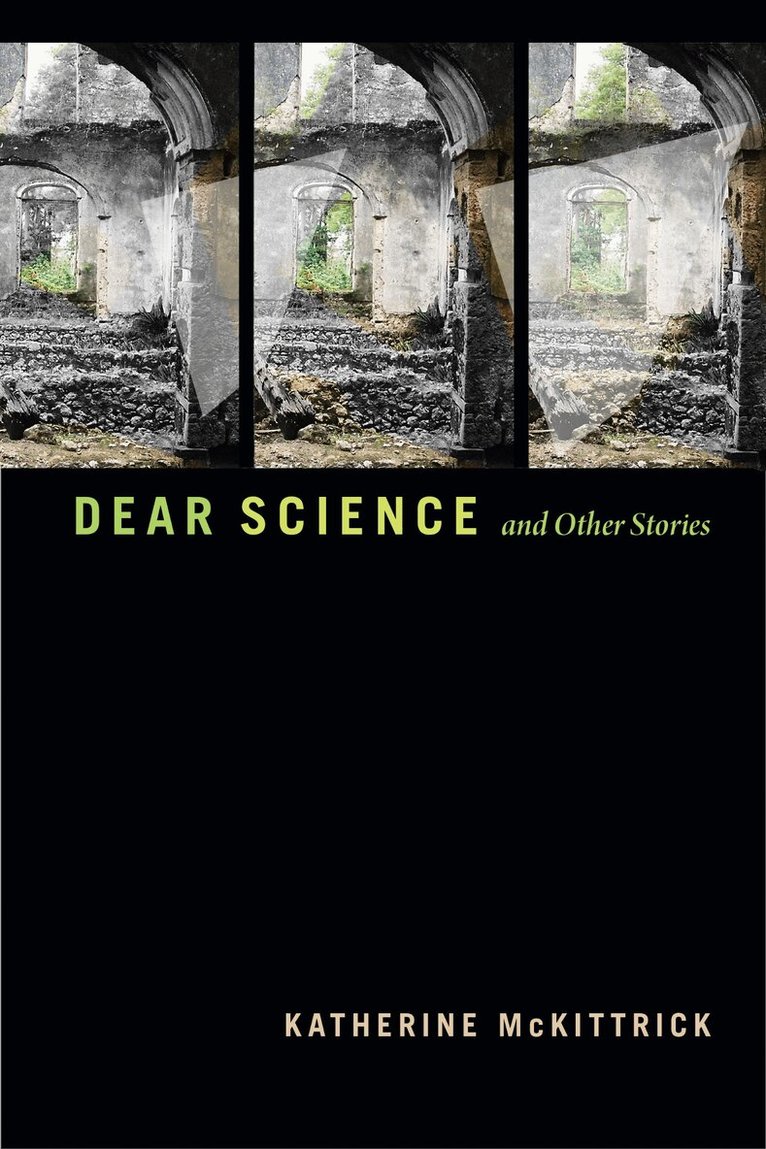
In Dear Science and Other Stories Katherine McKittrick presents a creative and rigorous study of black and anticolonial methodologies. Drawing on black studies, studies of race, cultural geography, and black feminism as well as a mix of methods, citational practices, and theoretical frameworks, she positions black storytelling and stories as strategies of invention and collaboration. She analyzes a number of texts from intellectuals and artists ranging from Sylvia Wynter to the electronica band Drexciya to explore how narratives of imprecision and relationality interrupt knowledge systems that seek to observe, index, know, and discipline blackness. Throughout, McKittrick offers curiosity, wonder, citations, numbers, playlists, friendship, poetry, inquiry, song, grooves, and anticolonial chronologies as interdisciplinary codes that entwine with the academic form. Suggesting that black life and black livingness are, in themselves, rebellious methodologies, McKittrick imagines without totally disclosing the ways in which black intellectuals invent ways of living outside prevailing knowledge systems.
310 kr
Skickas inom 7-10 vardagar
In Dear Science and Other Stories Katherine McKittrick presents a creative and rigorous study of black and anticolonial methodologies. Drawing on black studies, studies of race, cultural geography, and black feminism as well as a mix of methods, citational practices, and theoretical frameworks, she positions black storytelling and stories as strategies of invention and collaboration. She analyzes a number of texts from intellectuals and artists ranging from Sylvia Wynter to the electronica band Drexciya to explore how narratives of imprecision and relationality interrupt knowledge systems that seek to observe, index, know, and discipline blackness. Throughout, McKittrick offers curiosity, wonder, citations, numbers, playlists, friendship, poetry, inquiry, song, grooves, and anticolonial chronologies as interdisciplinary codes that entwine with the academic form. Suggesting that black life and black livingness are, in themselves, rebellious methodologies, McKittrick imagines without totally disclosing the ways in which black intellectuals invent ways of living outside prevailing knowledge systems.
1 090 kr
Skickas inom 7-10 vardagar
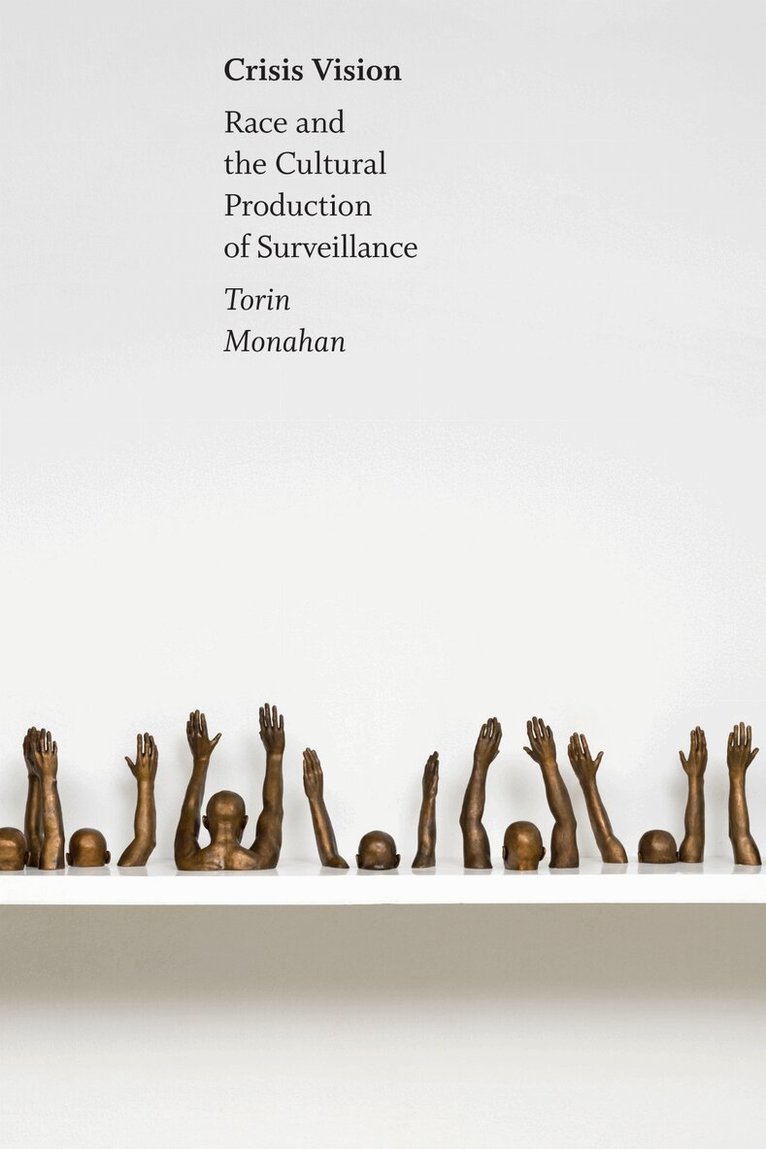
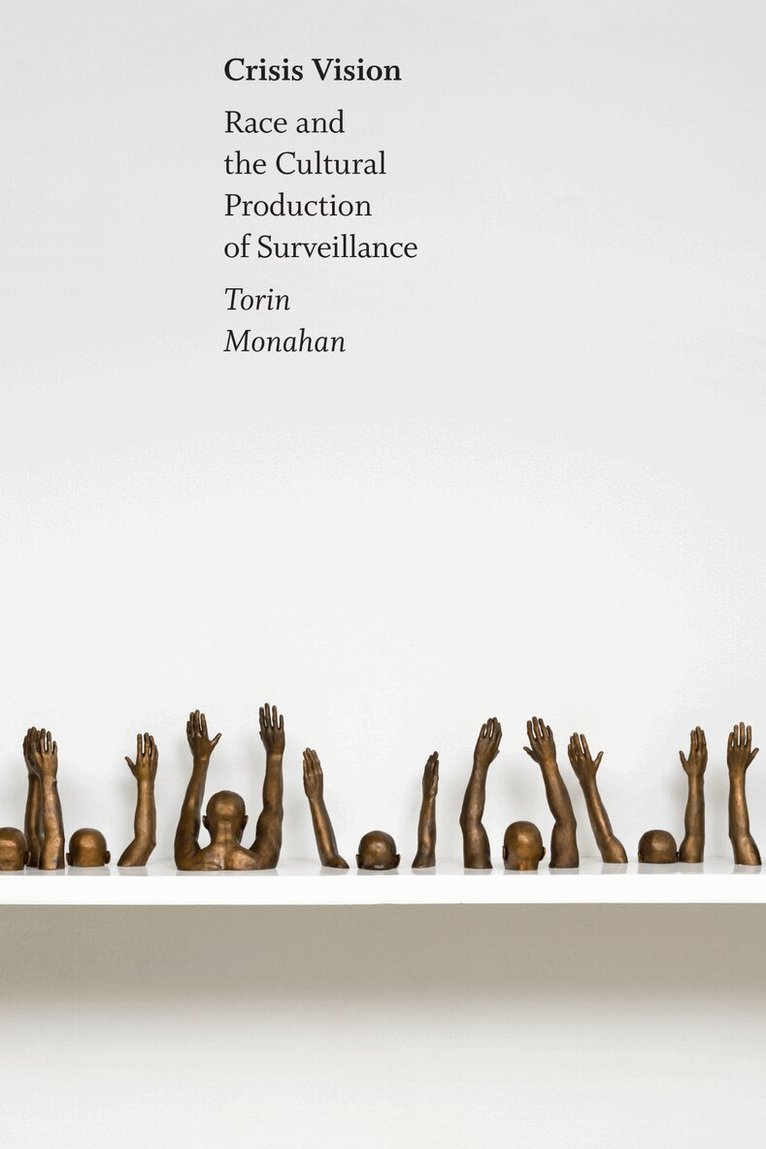
In Crisis Vision, Torin Monahan explores how artists confront the racializing dimensions of contemporary surveillance. He focuses on artists ranging from Kai WiedenhÖfer, Paolo Cirio, and Hank Willis Thomas to Claudia Rankine and Dread Scott, who engage with what he calls crisis vision-the regimes of racializing surveillance that position black and brown bodies as targets for police and state violence. Many artists, Monahan contends, remain invested in frameworks that privilege transparency, universality, and individual responsibility in ways that often occlude racial difference. Other artists, however, disrupt crisis vision by confronting white supremacy and destabilizing hierarchies through the performance of opacity. Whether fostering a recognition of a shared responsibility and complicity for the violence of crisis vision or critiquing how vulnerable groups are constructed and treated globally, these artists emphasize ethical relations between strangers and ask viewers to question their own place within unjust social orders.
278 kr
Skickas inom 7-10 vardagar
In Crisis Vision, Torin Monahan explores how artists confront the racializing dimensions of contemporary surveillance. He focuses on artists ranging from Kai WiedenhÖfer, Paolo Cirio, and Hank Willis Thomas to Claudia Rankine and Dread Scott, who engage with what he calls crisis vision-the regimes of racializing surveillance that position black and brown bodies as targets for police and state violence. Many artists, Monahan contends, remain invested in frameworks that privilege transparency, universality, and individual responsibility in ways that often occlude racial difference. Other artists, however, disrupt crisis vision by confronting white supremacy and destabilizing hierarchies through the performance of opacity. Whether fostering a recognition of a shared responsibility and complicity for the violence of crisis vision or critiquing how vulnerable groups are constructed and treated globally, these artists emphasize ethical relations between strangers and ask viewers to question their own place within unjust social orders.
1 090 kr
Skickas inom 7-10 vardagar
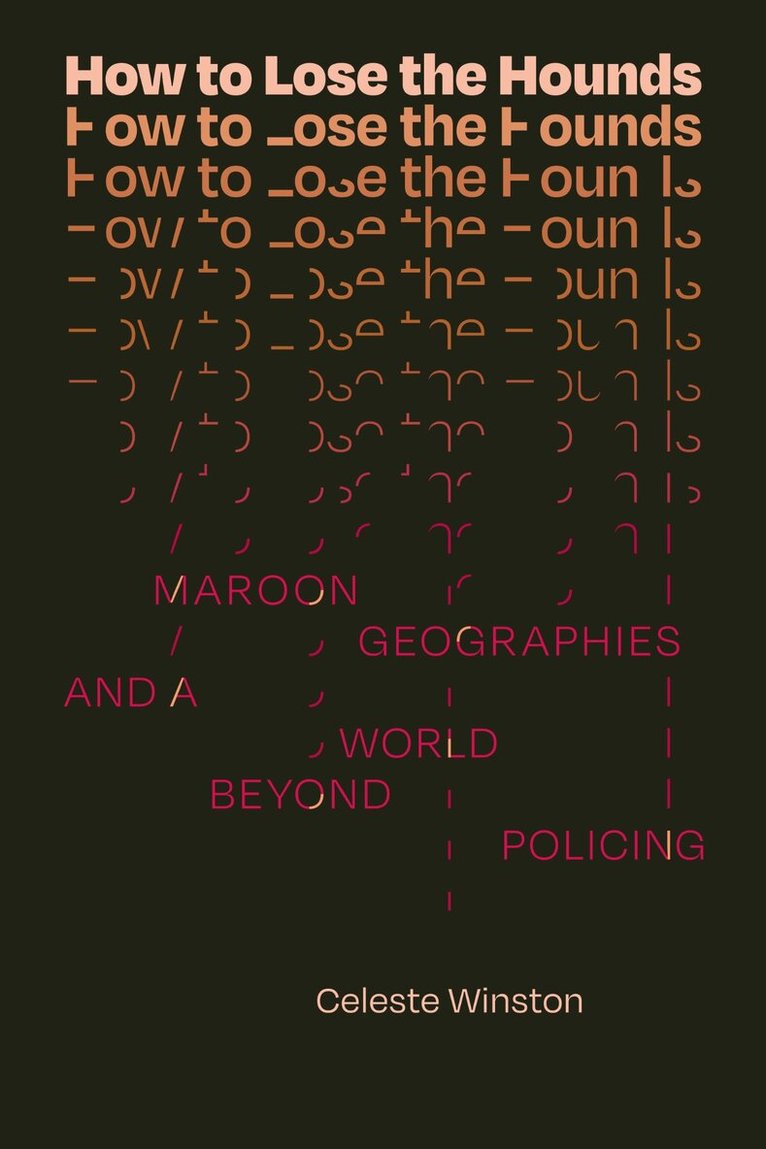
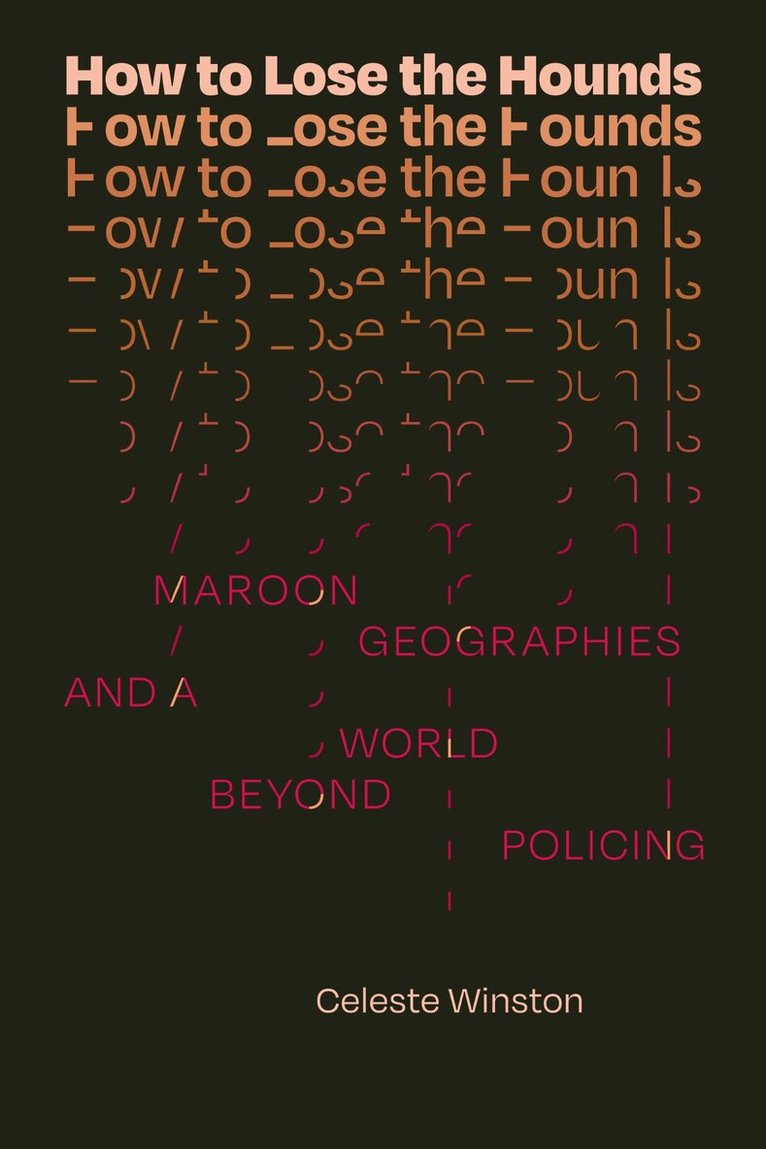
In How to Lose the Hounds Celeste Winston explores marronage-the practice of flight from and placemaking beyond slavery-as a guide to police abolition. She examines historically Black maroon communities in the Maryland suburbs of Washington, DC, that have been subjected to violent excesses of police power from slavery until the present day. Tracing the long and ongoing historical geography of Black freedom struggles in the face of anti-Black police violence in these communities, Winston shows how marronage provides critical lessons for reimagining public safety and community well-being. These freedom struggles take place in what Winston calls maroon geographies-sites of flight from slavery and the spaces of freedom produced in multigenerational Black communities. Maroon geographies constitute part of a Black placemaking tradition that asserts life-affirming forms of community. Winston contends that maroon geographies operate as a central method of Black flight, holding ground, and constructing places of freedom in ways that imagine and plan a world beyond policing.
278 kr
Skickas inom 7-10 vardagar
In How to Lose the Hounds Celeste Winston explores marronage-the practice of flight from and placemaking beyond slavery-as a guide to police abolition. She examines historically Black maroon communities in the Maryland suburbs of Washington, DC, that have been subjected to violent excesses of police power from slavery until the present day. Tracing the long and ongoing historical geography of Black freedom struggles in the face of anti-Black police violence in these communities, Winston shows how marronage provides critical lessons for reimagining public safety and community well-being. These freedom struggles take place in what Winston calls maroon geographies-sites of flight from slavery and the spaces of freedom produced in multigenerational Black communities. Maroon geographies constitute part of a Black placemaking tradition that asserts life-affirming forms of community. Winston contends that maroon geographies operate as a central method of Black flight, holding ground, and constructing places of freedom in ways that imagine and plan a world beyond policing.
1 307 kr
Skickas inom 7-10 vardagar
In Apartheid Remains, Sharad Chari explores how people handle the remains of segregation and apartheid in South Africa as witnessed through portals in an industrial-residential landscape in the Indian Ocean city of Durban. Through long-term historical and ethnographic research, Chari portrays South Africa’s twentieth century as a palimpsest that conserves the remains of multiple pasts, including attempts by the racial state to remake territory and personhood while instead deepening spatial contradictions and struggles. When South Durban’s denizens collectively mobilized in various ways---through Black Consciousness politics and other attempts at refusing the ruinous articulation of biopolitics, sovereignty, and capital---submerged traditions of the Indian Ocean and the Black Atlantic offered them powerful resources. Of these, Chari reads Black documentary photography as particularly insightful audiovisual blues critique. At the tense interface of Marxism, feminism, and Black study, he offers a method and form of geography attentive to the spatial and embodied remains of history. Apartheid Remains looks out from South Durban to imaginations of abolition of all forms of racial capitalism and environmental suffering that define our planetary predicament.
344 kr
Skickas
In Apartheid Remains, Sharad Chari explores how people handle the remains of segregation and apartheid in South Africa as witnessed through portals in an industrial-residential landscape in the Indian Ocean city of Durban. Through long-term historical and ethnographic research, Chari portrays South Africa’s twentieth century as a palimpsest that conserves the remains of multiple pasts, including attempts by the racial state to remake territory and personhood while instead deepening spatial contradictions and struggles. When South Durban’s denizens collectively mobilized in various ways---through Black Consciousness politics and other attempts at refusing the ruinous articulation of biopolitics, sovereignty, and capital---submerged traditions of the Indian Ocean and the Black Atlantic offered them powerful resources. Of these, Chari reads Black documentary photography as particularly insightful audiovisual blues critique. At the tense interface of Marxism, feminism, and Black study, he offers a method and form of geography attentive to the spatial and embodied remains of history. Apartheid Remains looks out from South Durban to imaginations of abolition of all forms of racial capitalism and environmental suffering that define our planetary predicament.
1 504 kr
Kommande
341 kr
Kommande