Europa International Perspectives - Böcker
Visar alla böcker i serien Europa International Perspectives. Handla med fri frakt och snabb leverans.
8 produkter
8 produkter
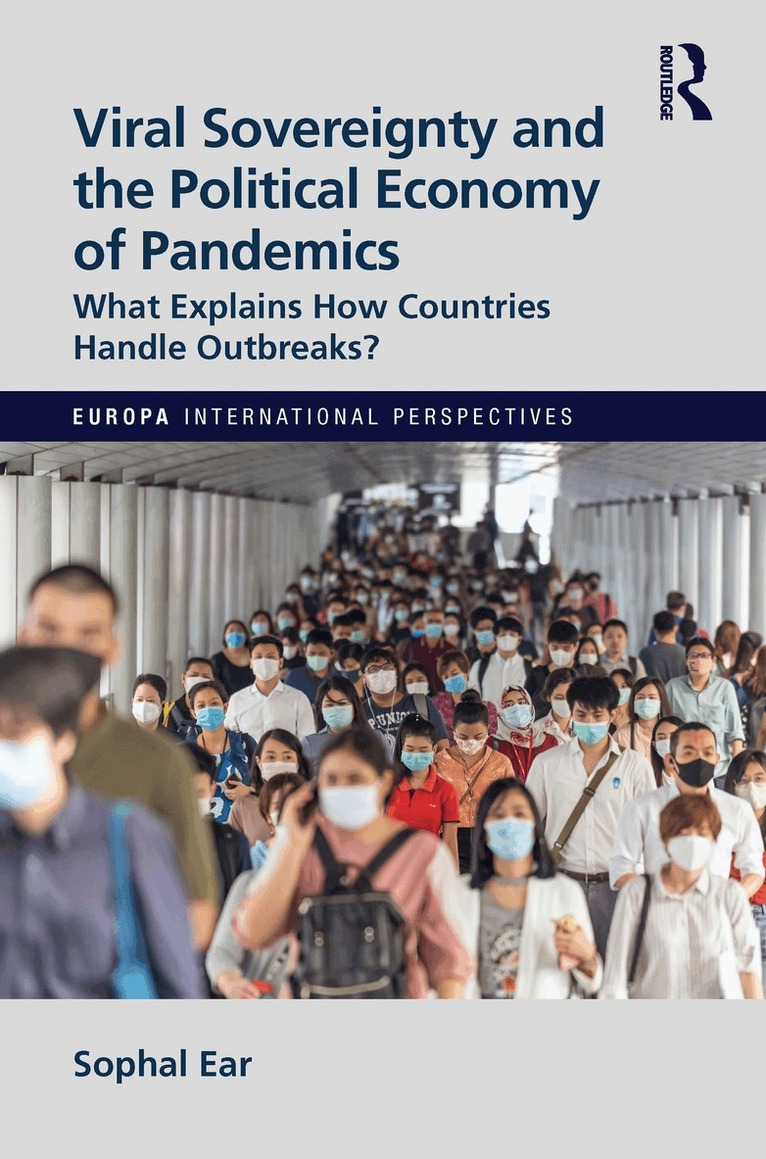
Viral Sovereignty and the Political Economy of Pandemics
What Explains How Countries Handle Outbreaks?
Inbunden, Engelska, 2021
1 977 kr
Skickas inom 10-15 vardagar
Over the past few decades a number of emerging infectious diseases (EIDs) have disrupted societies throughout the world, including HIV, Ebola, H5N1 (or ‘‘avian flu’’) and SARS, and of course the coronavirus disease (COVID-19) which spread worldwide to become a global pandemic. As well as EIDs, countries and regions also contend with endemic diseases, such as malaria. There are many factors that have contributed to the rise in, and spread of, EIDs and other diseases, including overpopulation, rapid urbanization, environmental degradation, and antibiotic resistance. Political and cultural responses to disease can greatly affect their spread. The global community needs to defend itself against disease threats: one weak link is enough to start a chain reaction that results in a global pandemic such as COVID-19. Some states take a nationalistic approach towards combating disease; however, international cooperation and meaningful ‘‘viral sovereignty’’—empowering countries to create effective health institutions and surveillance systems in order to contain disease—must be considered. This volume, with a focus on Southeast Asia, Africa and North America, considers the intersection between disease, politics, science, and culture in the global battle against pandemics, making use of case studies and interviews to examine the ways in which governments and regions handle outbreaks and pandemics.
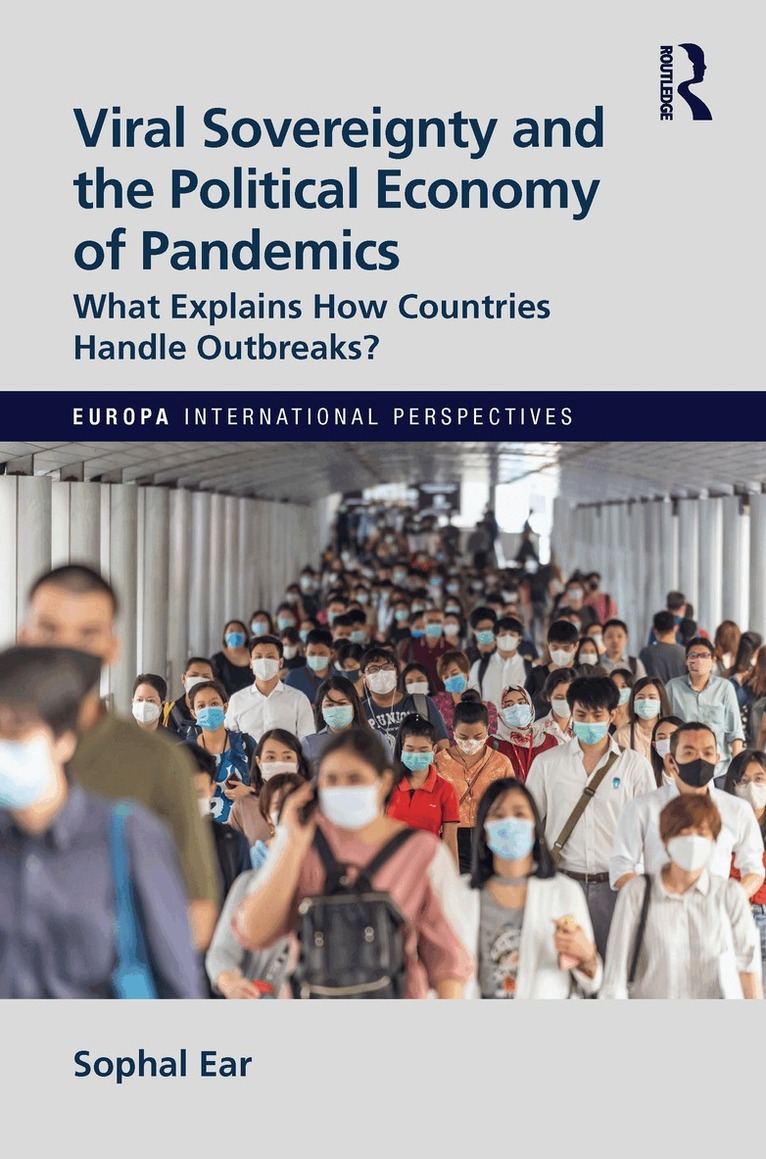
Viral Sovereignty and the Political Economy of Pandemics
What Explains How Countries Handle Outbreaks?
Häftad, Engelska, 2024
578 kr
Skickas inom 10-15 vardagar
Over the past few decades a number of emerging infectious diseases (EIDs) have disrupted societies throughout the world, including HIV, Ebola, H5N1 (or ‘‘avian flu’’) and SARS, and of course the coronavirus disease (COVID-19) which spread worldwide to become a global pandemic. As well as EIDs, countries and regions also contend with endemic diseases, such as malaria. There are many factors that have contributed to the rise in, and spread of, EIDs and other diseases, including overpopulation, rapid urbanization, environmental degradation, and antibiotic resistance. Political and cultural responses to disease can greatly affect their spread. The global community needs to defend itself against disease threats: one weak link is enough to start a chain reaction that results in a global pandemic such as COVID-19. Some states take a nationalistic approach towards combating disease; however, international cooperation and meaningful ‘‘viral sovereignty’’—empowering countries to create effective health institutions and surveillance systems in order to contain disease—must be considered. This volume, with a focus on Southeast Asia, Africa and North America, considers the intersection between disease, politics, science, and culture in the global battle against pandemics, making use of case studies and interviews to examine the ways in which governments and regions handle outbreaks and pandemics.
2 996 kr
Skickas inom 10-15 vardagar
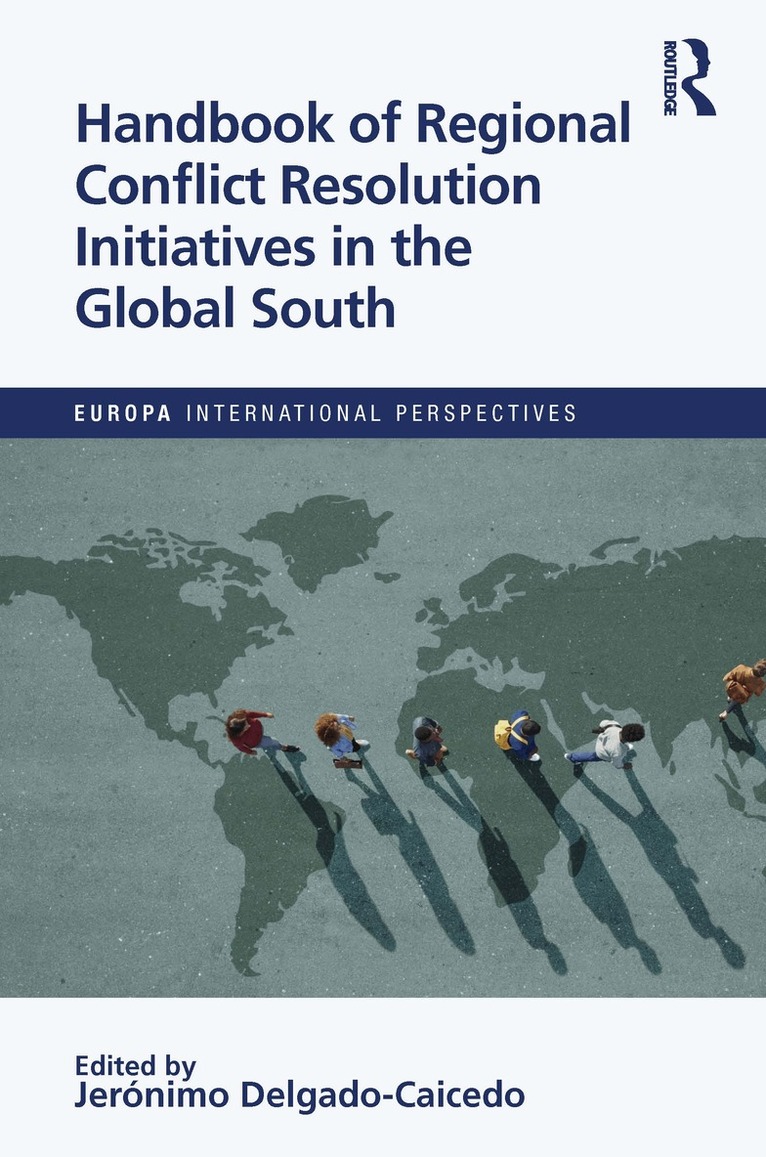
During the first half of the twentieth century, the international system was largely dominated by the USA and the colonial powers of western Europe. After the two world wars, the political and economic dominance of these states guaranteed them and their allies an almost complete control of world politics. However, as it is the norm in the international system, power structures are not immutable. After the end of the Cold War, rapid changes to the existing international hierarchies took place, as new countries from the so-called ‘‘developing world’’ began to emerge as crucial actors capable of questioning and altering the power dynamics of the world. It is therefore unthinkable to ignore emerging countries such as Russia, the People’s Republic of China, India, Brazil or South Africa in the decision-making process in today’s world order.In addition, there is a group of smaller, yet increasingly important countries that, while acknowledging their inability radically to change the rules of the international system, are still eager to shift power relations and enhance their influence in the world. Argentina, Colombia, Egypt, Indonesia, Iran, South Korea, Mexico, Nigeria, Pakistan, Saudi Arabia, Turkey and Vietnam are generally recognised as part of this grouping of emerging powers from the Global South.While there is a consensus amongst academics that emerging powers from the Global South must have a stabilising role within their own regions, previous analyses have focused primarily on the impact that emerging powers have had in their own regions’ conflict resolution initiatives. This volume, instead, aims to go beyond these analyses and provide new insights regarding the effect that this stabilising role has on the continental and global positioning of emerging powers. In other words, this book explores the relation between a country’s involvement in conflict resolution initiatives and its positioning in the international system. The volume will contribute to this approach using the perspective of academics and practitioners from countries of the Global South, particularly from states that have strengthened - or sometimes weakened - their position in the international hierarchy of power through a leading role in regional conflict resolution initiatives.
646 kr
Skickas inom 10-15 vardagar
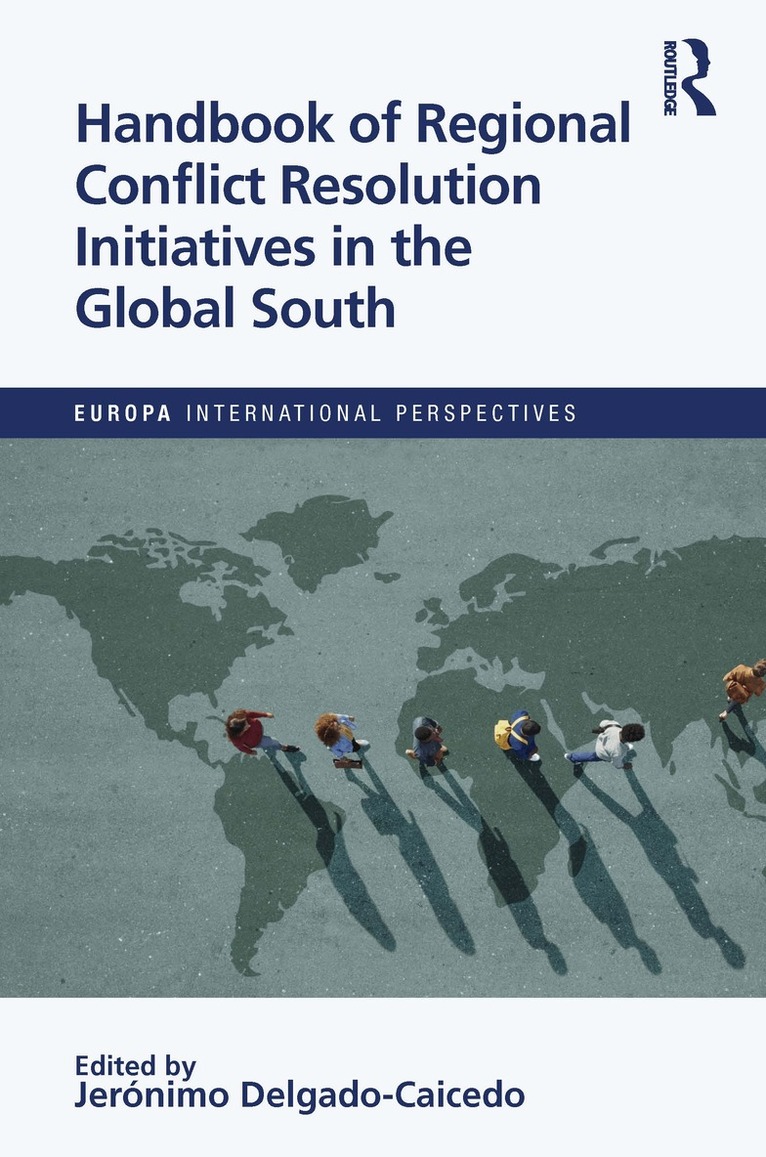
During the first half of the twentieth century, the international system was largely dominated by the USA and the colonial powers of western Europe. After the two world wars, the political and economic dominance of these states guaranteed them and their allies an almost complete control of world politics. However, as it is the norm in the international system, power structures are not immutable. After the end of the Cold War, rapid changes to the existing international hierarchies took place, as new countries from the so-called ‘‘developing world’’ began to emerge as crucial actors capable of questioning and altering the power dynamics of the world. It is therefore unthinkable to ignore emerging countries such as Russia, the People’s Republic of China, India, Brazil or South Africa in the decision-making process in today’s world order.In addition, there is a group of smaller, yet increasingly important countries that, while acknowledging their inability radically to change the rules of the international system, are still eager to shift power relations and enhance their influence in the world. Argentina, Colombia, Egypt, Indonesia, Iran, South Korea, Mexico, Nigeria, Pakistan, Saudi Arabia, Turkey and Vietnam are generally recognised as part of this grouping of emerging powers from the Global South.While there is a consensus amongst academics that emerging powers from the Global South must have a stabilising role within their own regions, previous analyses have focused primarily on the impact that emerging powers have had in their own regions’ conflict resolution initiatives. This volume, instead, aims to go beyond these analyses and provide new insights regarding the effect that this stabilising role has on the continental and global positioning of emerging powers. In other words, this book explores the relation between a country’s involvement in conflict resolution initiatives and its positioning in the international system. The volume will contribute to this approach using the perspective of academics and practitioners from countries of the Global South, particularly from states that have strengthened - or sometimes weakened - their position in the international hierarchy of power through a leading role in regional conflict resolution initiatives.
2 724 kr
Skickas inom 10-15 vardagar
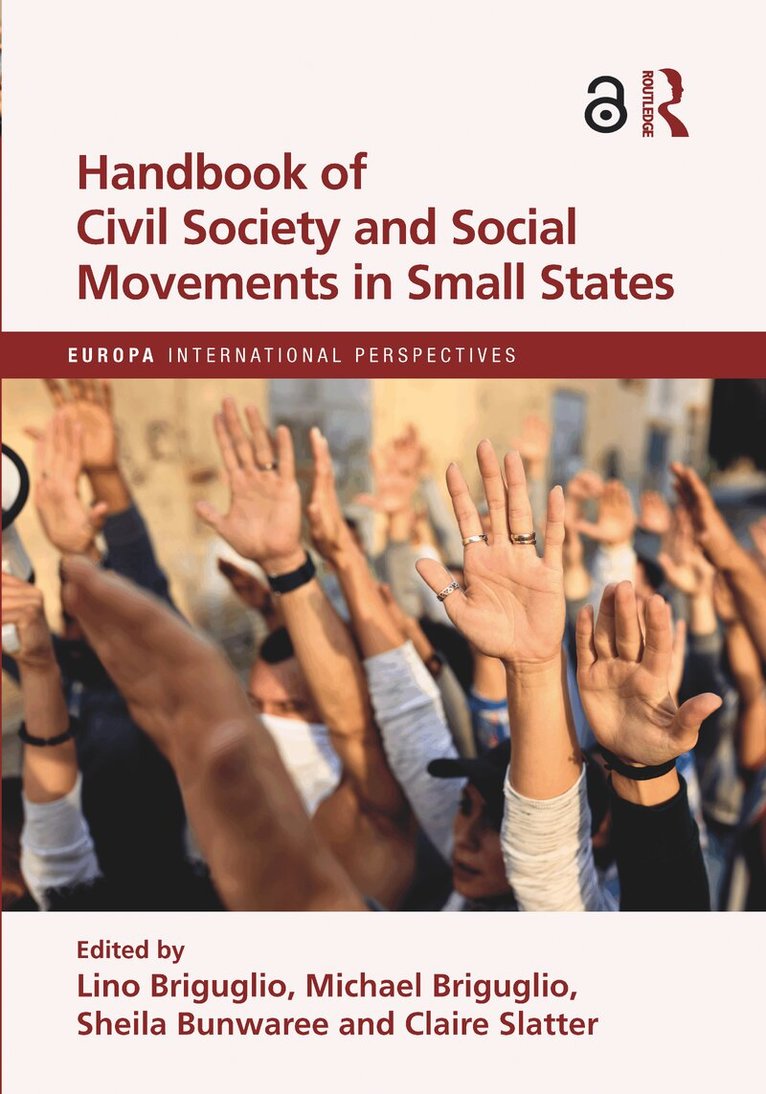
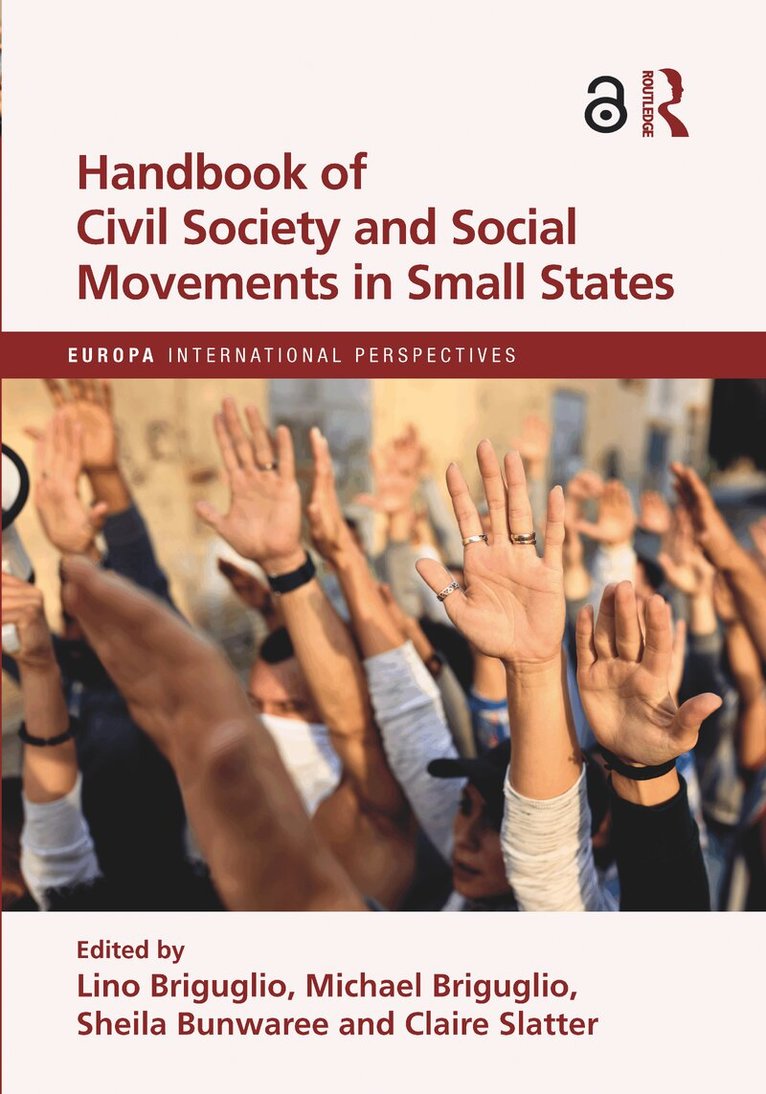
This volume is unique because of its focus on small states. There are many studies on civil society and social movements, but none that specifically deal with this category of countries. As is well known, small states have particular characteristics, including a limited ability to reap the benefits of economies of scale, a high degree of exposure to forces outside their control, and the proximity of politicians to the voters, often leading to clientelistic relationships and patronage networks. The small island developing states have the additional problem of high environmental vulnerability, with some also dealing with disproportionate ecological footprints. These factors have a bearing on the organization and performance of civil society organizations and social movements, as explained in several chapters of this book. The volume is organized in three parts, dealing with aspects of civil society and social moments in small states in the political, social and environmental spheres, respectively. Various definitions of civil society are proposed in the chapters, but most authors associate the term with organized groups, operating in the interest of citizens, independently of government and commercial business, including various forms of non-governmental organizations (NGOs). Civil society also encompasses social movements, which are considered to be loosely organized collective campaigns in pursuit of social goals. These two terms are sometimes used interchangeably; however, some authors argue that social movements tend to engage in ‘contentious politics’ including protests, while NGOs engage through more organized and institutional routes.
646 kr
Skickas inom 10-15 vardagar
This volume is unique because of its focus on small states. There are many studies on civil society and social movements, but none that specifically deal with this category of countries. As is well known, small states have particular characteristics, including a limited ability to reap the benefits of economies of scale, a high degree of exposure to forces outside their control, and the proximity of politicians to the voters, often leading to clientelistic relationships and patronage networks. The small island developing states have the additional problem of high environmental vulnerability, with some also dealing with disproportionate ecological footprints. These factors have a bearing on the organization and performance of civil society organizations and social movements, as explained in several chapters of this book. The volume is organized in three parts, dealing with aspects of civil society and social moments in small states in the political, social and environmental spheres, respectively. Various definitions of civil society are proposed in the chapters, but most authors associate the term with organized groups, operating in the interest of citizens, independently of government and commercial business, including various forms of non-governmental organizations (NGOs). Civil society also encompasses social movements, which are considered to be loosely organized collective campaigns in pursuit of social goals. These two terms are sometimes used interchangeably; however, some authors argue that social movements tend to engage in ‘contentious politics’ including protests, while NGOs engage through more organized and institutional routes.
Environmental and Socioeconomic Vulnerabilities and Resilience in Small States
Inbunden, Engelska, 2025
2 113 kr
Skickas inom 10-15 vardagar
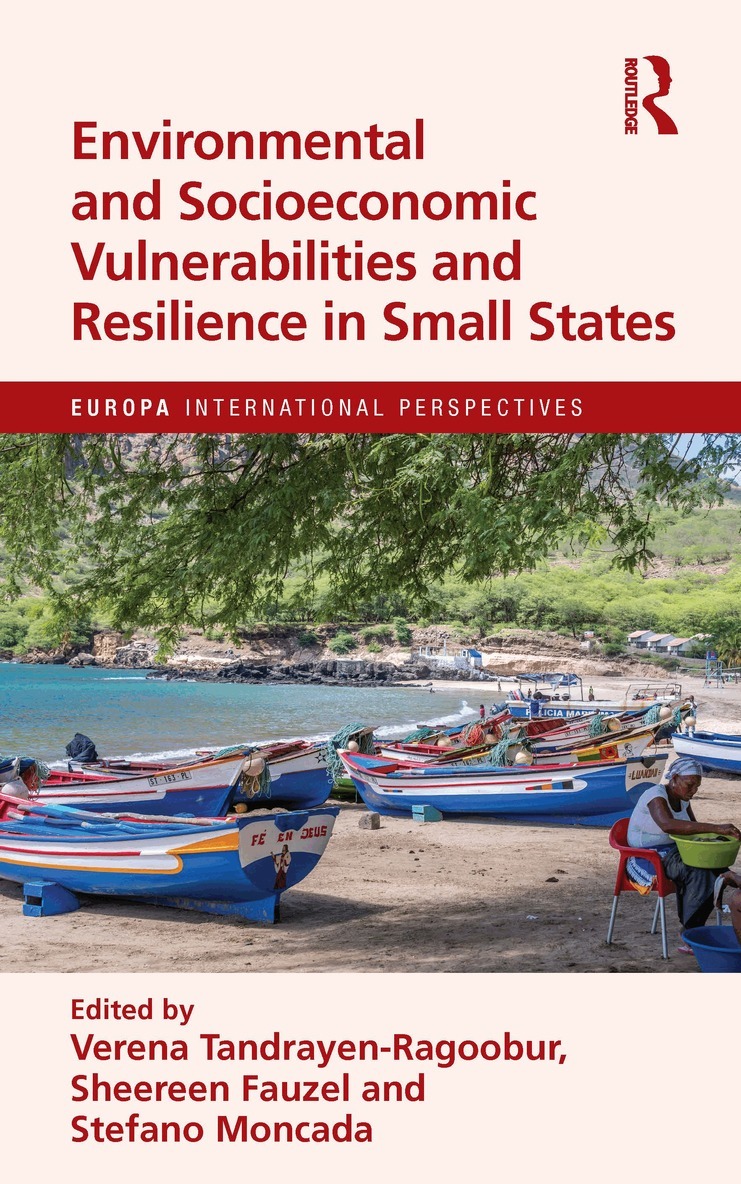
Small states face a number of challenges, mainly because of their geographical positioning and inherent characteristics, such as small populations, limited resources endowment and market constraints that make them more vulnerable to exogenous economic shocks. Climate change is adding a further layer of difficulty, making it more challenging to build long-lasting resilience. Building resilience in small states is crucial to enhance their capacity to address external shocks, however, this can vary depending on the specific context, geographical location and the socioeconomic conditions of each country. Tailored approaches and solutions are necessary to address the unique challenges faced by individual small states.This volume, which adopts a humanitarian and development approach to address risks, vulnerability and resilience of populations in small states exposed to shocks, contributes to the growing academic literature on economic, environmental, social and climate vulnerability and resilience. In conjunction with efforts to address root causes of vulnerabilities, promote social justice and foster sustainable development, the book explores whether there is a more holistic approach that combines resilience with a focus on equity, social change and transformative actions, which can enhance the effectiveness of resilience efforts.Written by experts in the field of small states and small island developing states, this book is an invaluable tool for those researching the impact of contemporary environmental and socioeconomic issues on small states worldwide.
3 132 kr
Skickas inom 10-15 vardagar
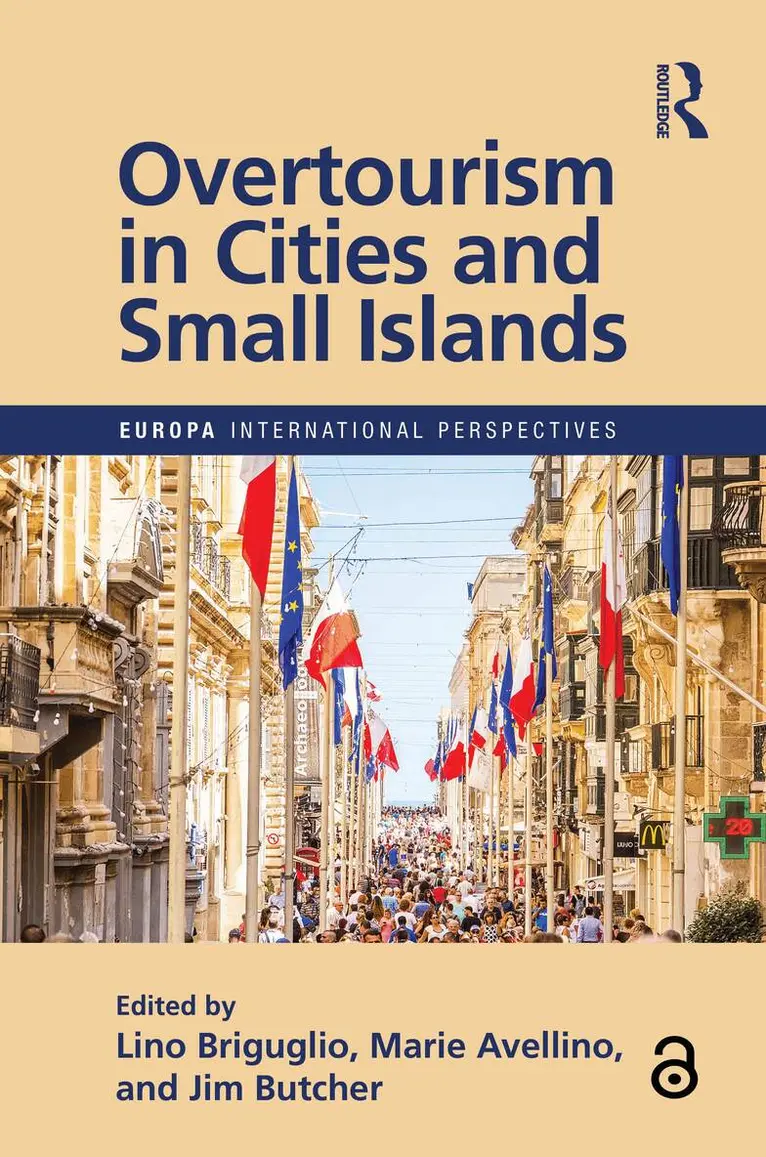
This volume explores the issue of tourism and overtourism in cities and small islands, finding the commonalities and differences between the two. Although there are common overtourism elements in cities and in small islands, there are also distinct factors. In this collection of studies, the authors and editors present a comprehensive examination of the challenges of overtourism, with a focus on cities in Europe and small islands worldwide. The chapters investigate how the success of tourism increasingly threatens the very qualities that attract visitors, with the attendant disruption of daily life, the displacement of local communities through gentrification, and the commodification of cultural heritage. The authors expose the political dimensions that often prioritize economic gains over sustainability, and the difficulty of effectively controlling the inflow of tourism without hurting the livelihoods of people employed in the sector, while exploring lesser-known aspects of overtourism—from the role museums might play in mitigation to the misrepresentations perpetuated by social media.As well as the problems associated with mass tourism, the volume’s case studies also examine potential solutions. Smart technology, stakeholder co-operation, quality tourism approaches and community activism all offer pathways forward, although each destination faces unique challenges requiring tailored responses. At a time of intense protests against overtourism, the volume asks whether overtourism will eventually correct itself when destinations lose their appeal, or are we witnessing the permanent transformation of places?A must-read for policymakers, tourism professionals, researchers and students, this book provides crucial insights into one of the pressing challenges of the globalized world.