Feminist Bookshelf: Ideas for the 21st Century – Serie
Visar alla böcker i serien Feminist Bookshelf: Ideas for the 21st Century. Handla med fri frakt och snabb leverans.
4 produkter
4 produkter
310 kr
Skickas inom 7-10 vardagar
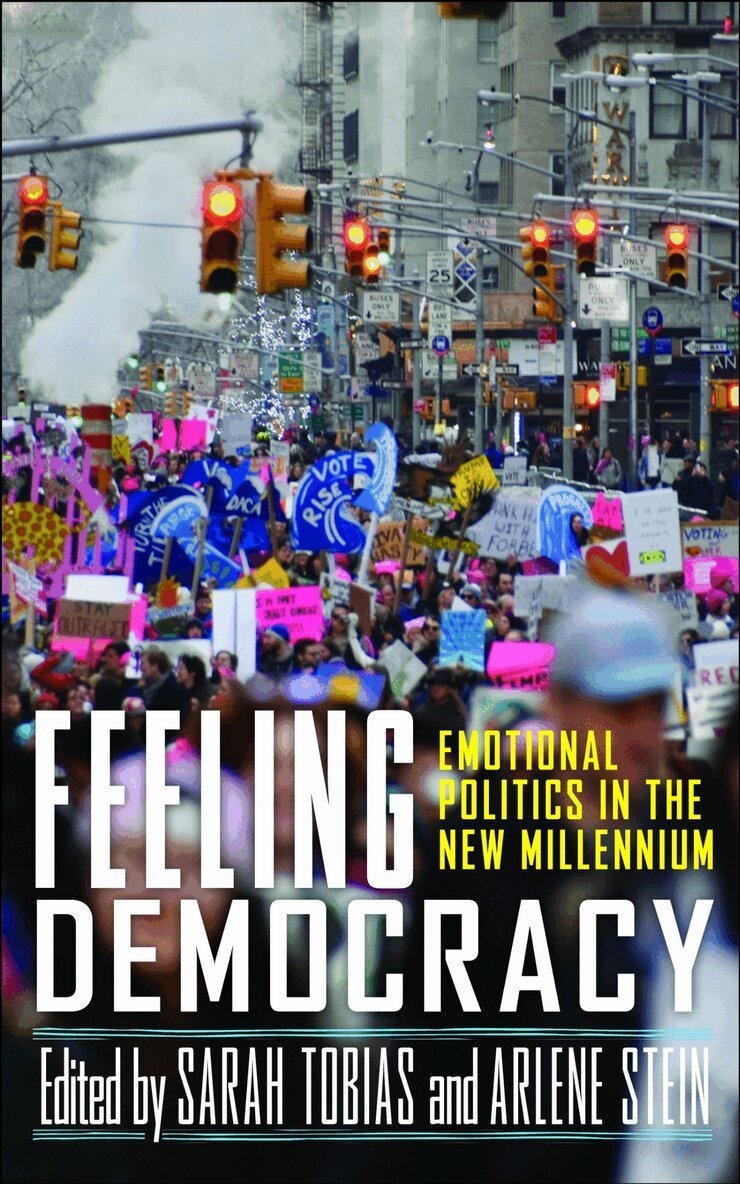
Cultural critic Lauren Berlant wrote that “politics is always emotional,” and her words hold especially true for politics in the twenty-first century. From Obama to Trump, from Black Lives Matter to the anti-abortion movement, politicians and activists appeal to hope, fear, anger, and pity, all amplified by social media. The essays in Feeling Democracy examine how both reactionary and progressive politics are driven largely by emotional appeals to the public. The contributors in this collection cover everything from immigrants’ rights movements to white nationalist rallies to show how solidarities forged around gender, race, and sexuality become catalysts for a passionate democratic politics. Some essays draw parallels between today’s activist strategies and the use of emotion in women-led radical movements from the 1960s and 1970s, while others expand the geographic scope of the collection by considering Asian decolonial politics and Egyptian pro-democracy protests. Incorporating scholarship from fields as varied as law, political science, philosophy, psychoanalysis, and history, Feeling Democracy considers how emotional rhetoric in politics can be a double-edged sword-often wielded by authoritarian populists who seek to undermine democracy but sometimes helping to bring about a genuine renewal of participatory democracy.
1 589 kr
Skickas inom 7-10 vardagar
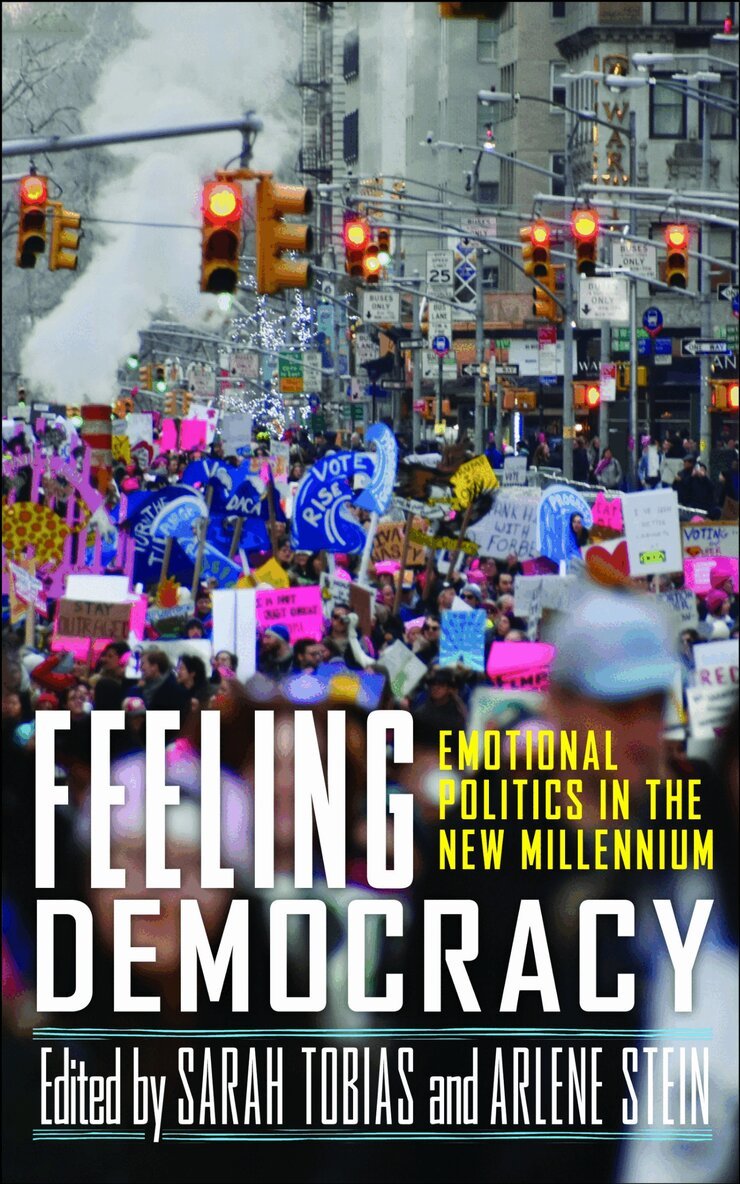
Cultural critic Lauren Berlant wrote that “politics is always emotional,” and her words hold especially true for politics in the twenty-first century. From Obama to Trump, from Black Lives Matter to the anti-abortion movement, politicians and activists appeal to hope, fear, anger, and pity, all amplified by social media. The essays in Feeling Democracy examine how both reactionary and progressive politics are driven largely by emotional appeals to the public. The contributors in this collection cover everything from immigrants’ rights movements to white nationalist rallies to show how solidarities forged around gender, race, and sexuality become catalysts for a passionate democratic politics. Some essays draw parallels between today’s activist strategies and the use of emotion in women-led radical movements from the 1960s and 1970s, while others expand the geographic scope of the collection by considering Asian decolonial politics and Egyptian pro-democracy protests. Incorporating scholarship from fields as varied as law, political science, philosophy, psychoanalysis, and history, Feeling Democracy considers how emotional rhetoric in politics can be a double-edged sword-often wielded by authoritarian populists who seek to undermine democracy but sometimes helping to bring about a genuine renewal of participatory democracy.
310 kr
Skickas inom 7-10 vardagar
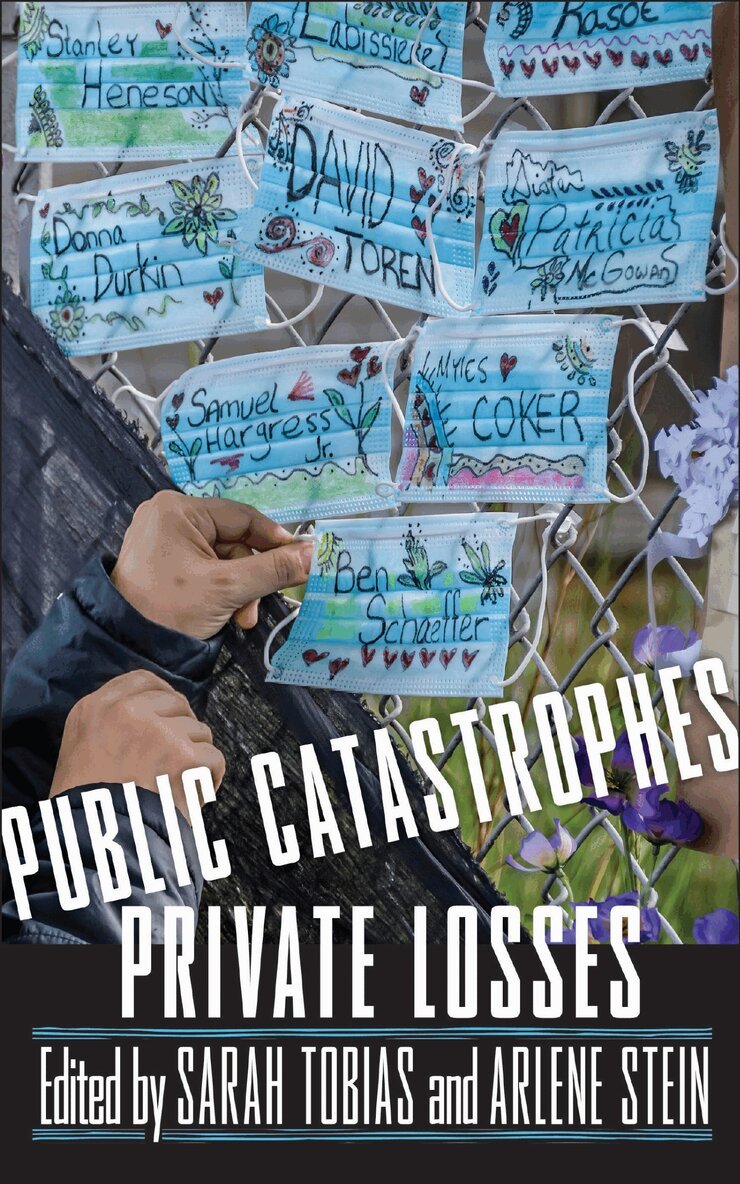
From COVID to climate-change-induced wildfires and hurricanes, we live in an era when catastrophes have become the new normal. But even though these events affect us all, some members of society are more vulnerable to harm than others. This essay collection explores how the definition of catastrophe might be expanded to include many forms of large-scale structural violence on communities, species, and ecosystems. Using feminist methodologies, the contributors to Public Catastrophes, Private Losses trace the connections between seemingly unrelated forms of violence such as structural racism, environmental degradation, and public health crises. In contrast to a news media that focuses on mass fatalities and immediate consequences, these essays call our attention to how catastrophes can also involve slow violence with long-term effects. The authors also consider how these catastrophes are profoundly shaped by government action or inaction, offering a powerful critique of how government neglect has cost lives and demonstrating how vulnerable populations can be better protected. The essays in this collection examine how public catastrophes imprint themselves on lives, as individuals and communities narrate, process, and grapple with legacies of loss. The book is thus a feminist intervention that challenges the binary between public and private, personal and political.
1 589 kr
Skickas inom 7-10 vardagar
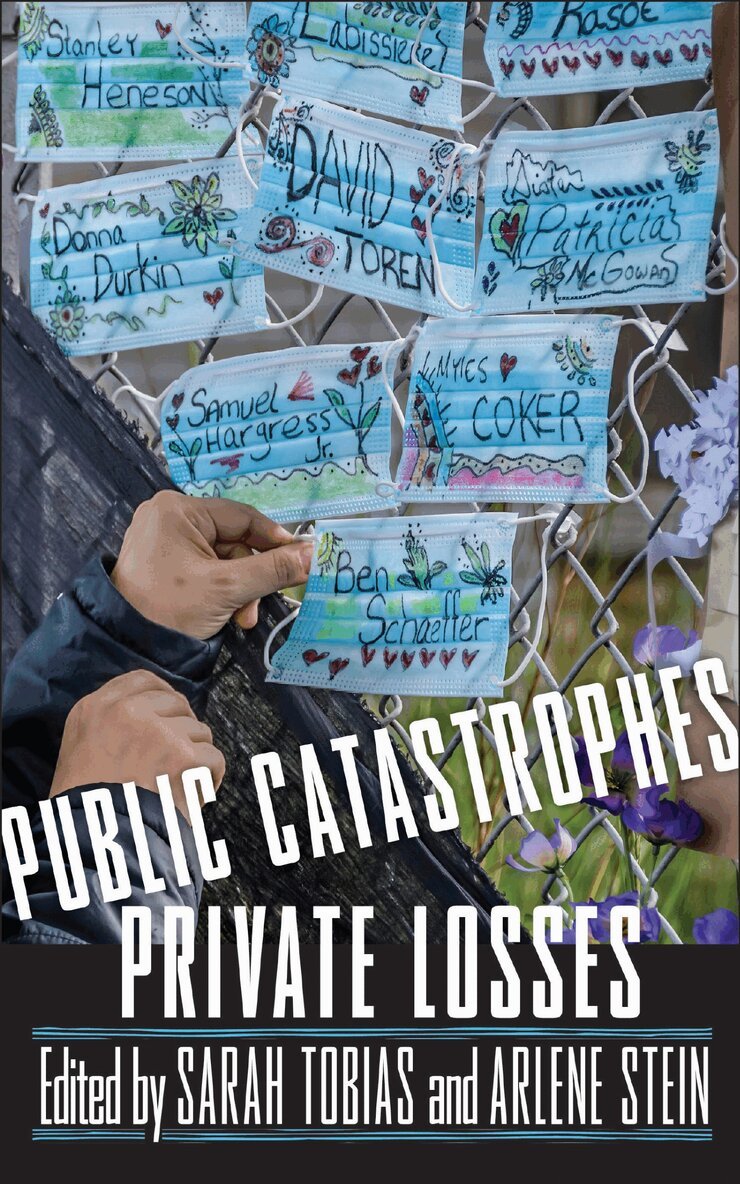
From COVID to climate-change-induced wildfires and hurricanes, we live in an era when catastrophes have become the new normal. But even though these events affect us all, some members of society are more vulnerable to harm than others. This essay collection explores how the definition of catastrophe might be expanded to include many forms of large-scale structural violence on communities, species, and ecosystems. Using feminist methodologies, the contributors to Public Catastrophes, Private Losses trace the connections between seemingly unrelated forms of violence such as structural racism, environmental degradation, and public health crises. In contrast to a news media that focuses on mass fatalities and immediate consequences, these essays call our attention to how catastrophes can also involve slow violence with long-term effects. The authors also consider how these catastrophes are profoundly shaped by government action or inaction, offering a powerful critique of how government neglect has cost lives and demonstrating how vulnerable populations can be better protected. The essays in this collection examine how public catastrophes imprint themselves on lives, as individuals and communities narrate, process, and grapple with legacies of loss. The book is thus a feminist intervention that challenges the binary between public and private, personal and political.