Food on the Go - Böcker
Visar alla böcker i serien Food on the Go. Handla med fri frakt och snabb leverans.
7 produkter
7 produkter
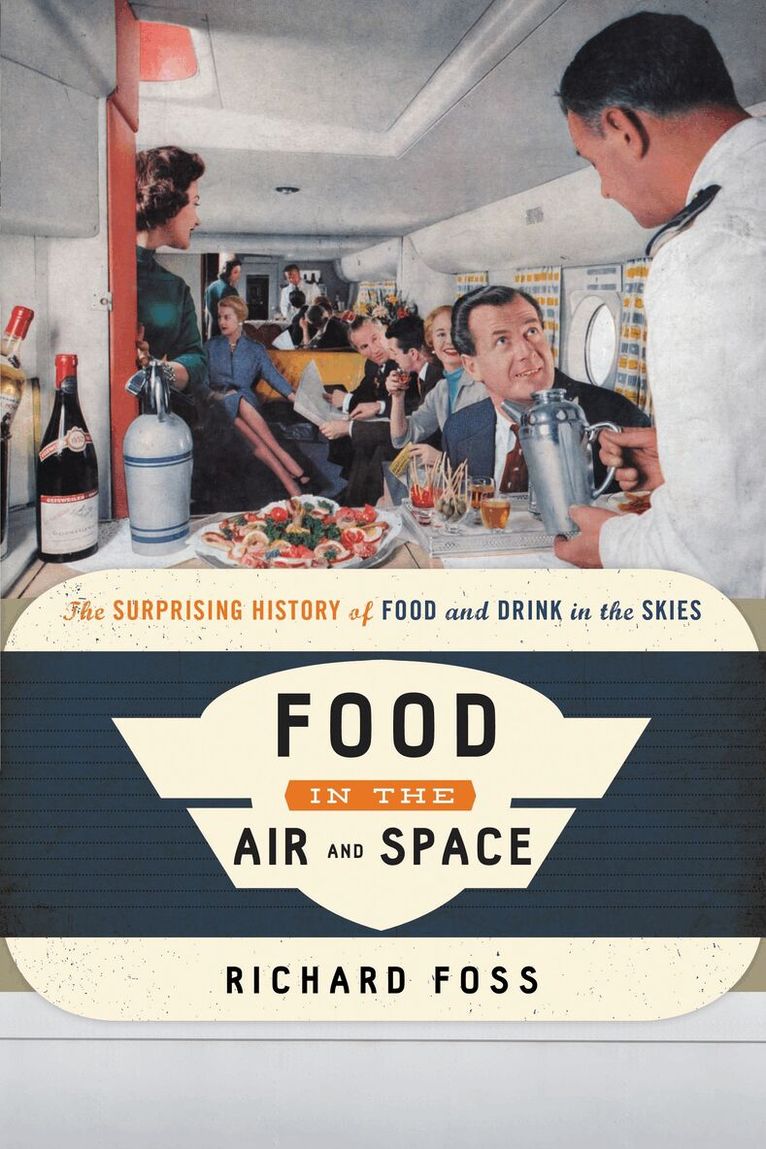
Food in the Air and Space
The Surprising History of Food and Drink in the Skies
Inbunden, Engelska, 2014
626 kr
Skickas inom 10-15 vardagar
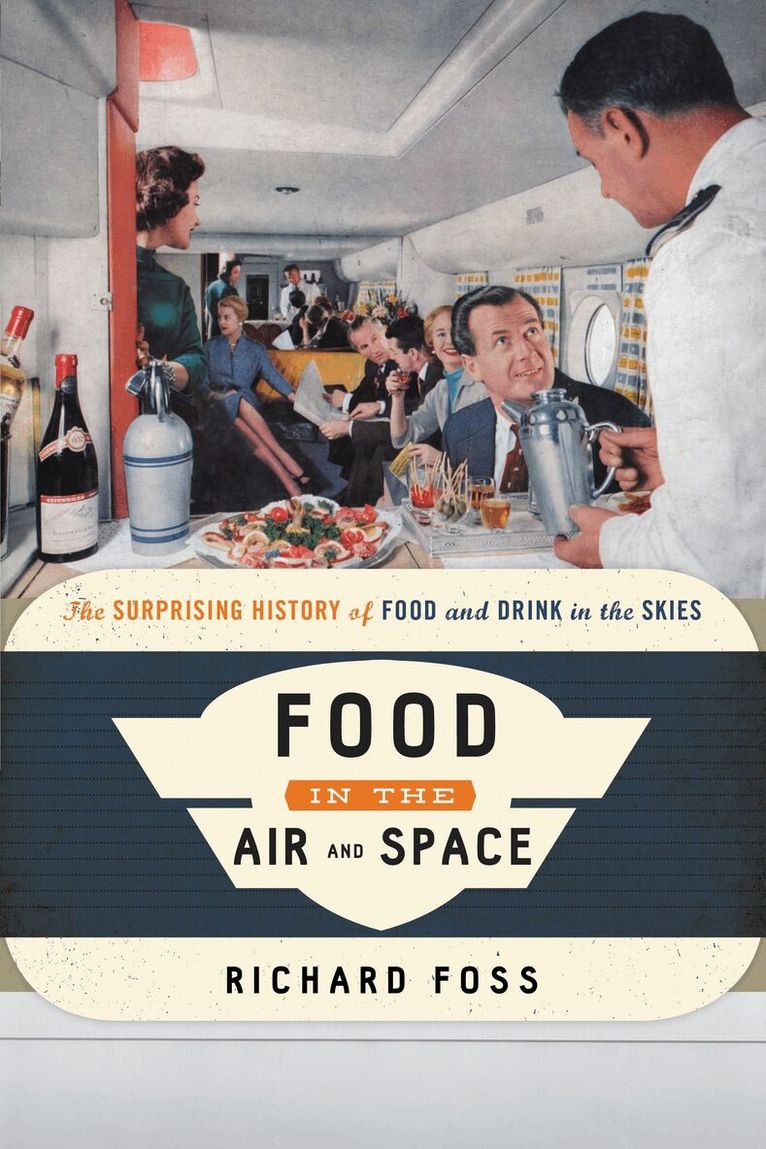
In the history of cooking, there has been no more challenging environment than those craft in which humans took to the skies. The tale begins with meals aboard balloons and zeppelins, where cooking was accomplished below explosive bags of hydrogen, ending with space station dinners that were cooked thousands of miles below.This book is the first to chart that history worldwide, exploring the intricacies of inflight dining from 1783 to the present day, aboard balloons, zeppelins, land-based aircraft and flying boats, jets, and spacecraft. It charts the ways in which commercial travelers were lured to try flying with the promise of familiar foods, explains the problems of each aerial environment and how chefs, engineers, and flight crew adapted to them, and tells the stories of pioneers in the field. Hygiene and sanitation were often difficult, and cultural norms and religious practices had to be taken into account. The history is surprising and sometimes humorous—at times some ridiculous ideas were tried, and airlines offered some strange meals to try to attract passengers. It’s an engrossing story with quite a few twists and turns, and this first book on the subject tells it with a light touch.
626 kr
Skickas inom 10-15 vardagar
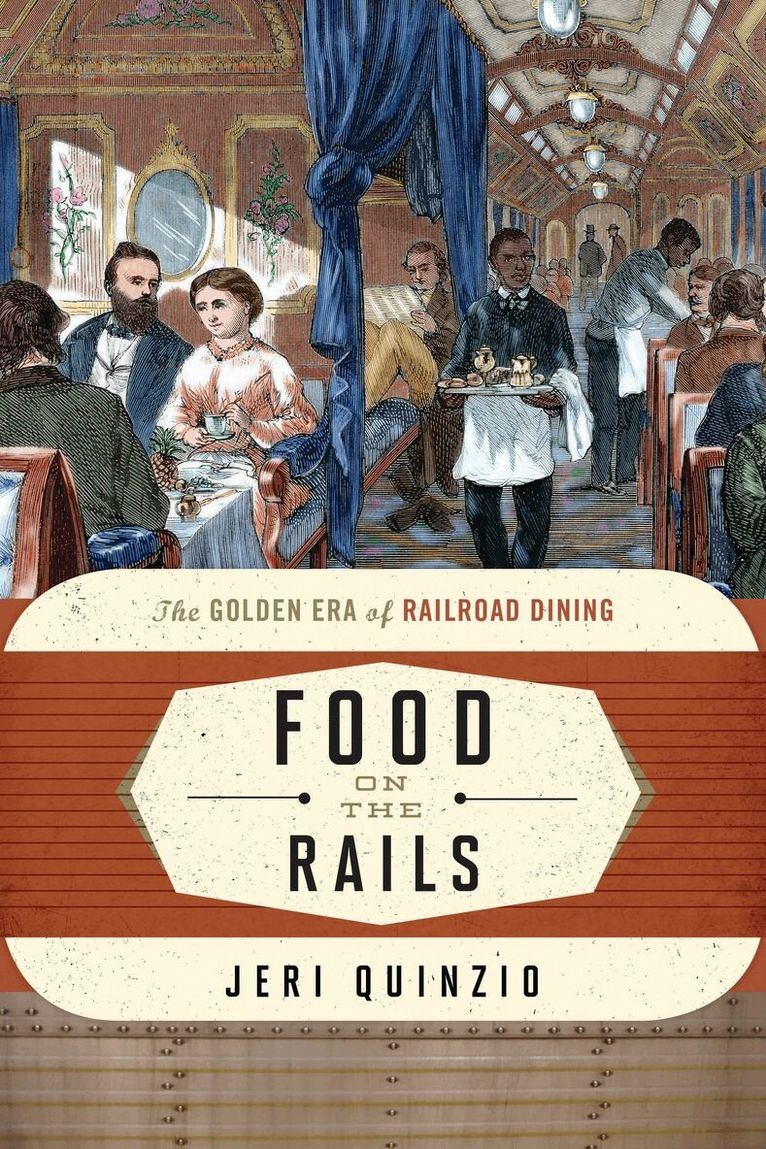
In roughly one hundred years – from the 1870s to the 1970s – dining on trains began, soared to great heights, and then fell to earth. The founders of the first railroad companies cared more about hauling freight than feeding passengers. The only food available on trains in the mid-nineteenth century was whatever passengers brought aboard in their lunch baskets or managed to pick up at a brief station stop. It was hardly fine dining. Seeing the business possibilities in offering long-distance passengers comforts such as beds, toilets, and meals, George Pullman and other pioneering railroaders like Georges Nagelmackers of Orient Express fame, transformed rail travel. Fine dining and wines became the norm for elite railroad travelers by the turn of the twentieth century. The foods served on railroads – from consommé to turbot to soufflé, always accompanied by champagne - equaled that of the finest restaurants, hotels, and steamships. After World War II, as airline travel and automobiles became the preferred modes of travel, elegance gave way to economy. Canned and frozen foods, self-service, and quick meals and snacks became the norm. By the 1970s, the golden era of railroad dining had come grinding to a halt.Food on the Rails traces the rise and fall of food on the rails from its rocky start to its glory days to its sad demise. Looking at the foods, the service, the rail station restaurants, the menus, they dining accommodations and more, Jeri Quinzio brings to life the history of cuisine and dining in railroad cars from the early days through today.
626 kr
Skickas inom 10-15 vardagar
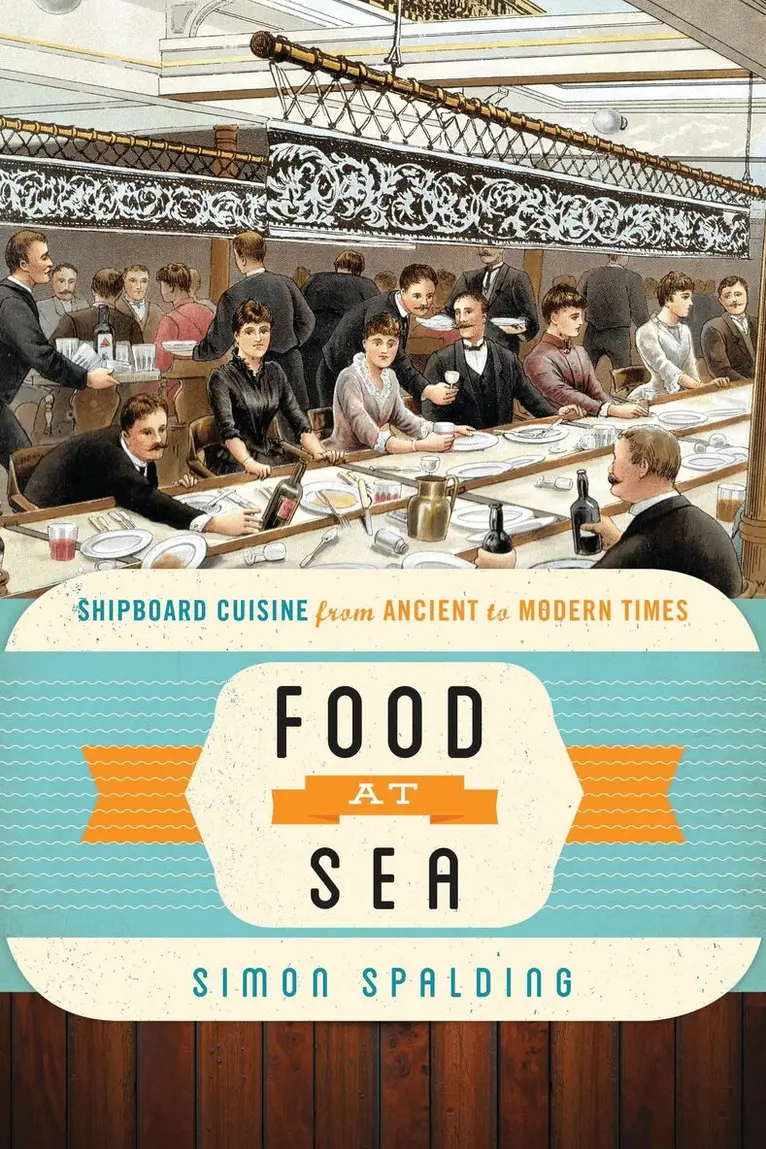
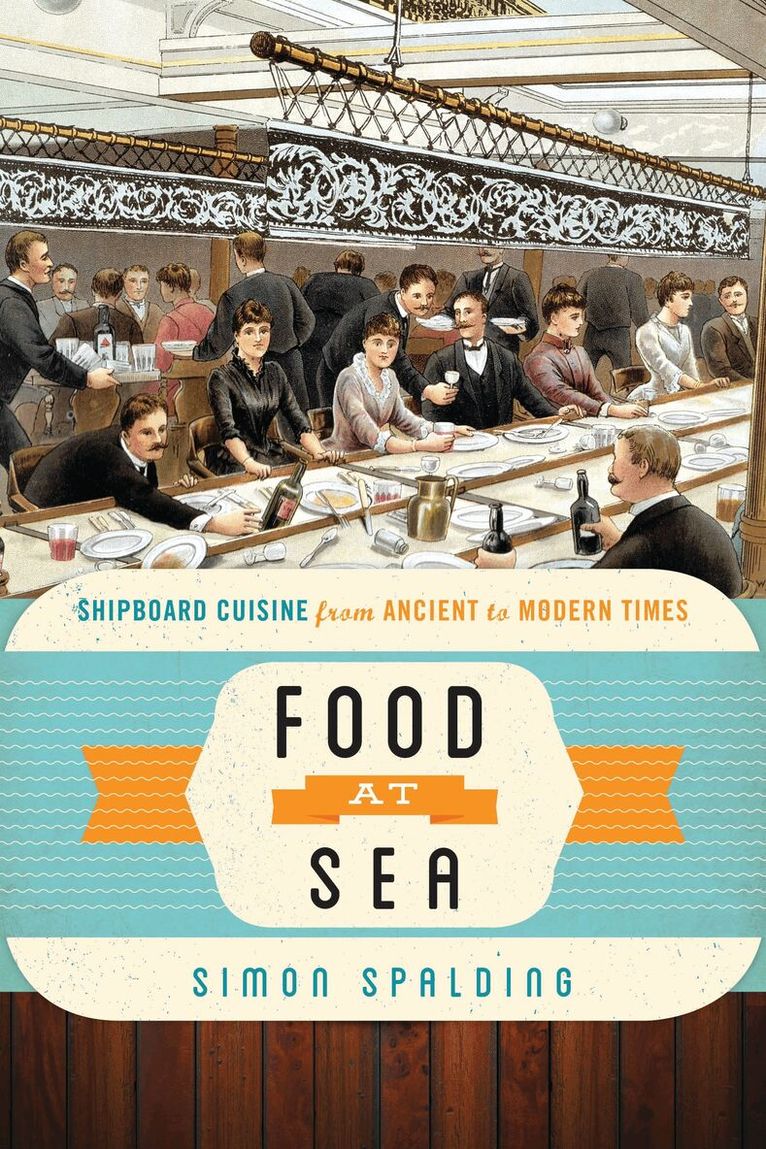
Food at Sea: Shipboard Cuisine from Ancient to Modern Times traces the preservation, preparation, and consumption of food at sea, over a period of several thousand years, and in a variety of cultures. The book traces the development of cooking aboard in ancient and medieval times, through the development of seafaring traditions of storing and preparing food on the world’s seas and oceans. Following a largely chronological format, Simon Spalding shows how the raw materials, cooking and eating equipments, and methods of preparation of seafarers have both reflected the shoreside practices of their cultures, and differed from them. The economies of whole countries have developed around foods that could survive long trips by sea, and new technologies have evolved to expand the available food choices at sea.Changes in ship construction and propulsion have compelled changes in food at sea, and Spalding’s book explores these changes in cargo ships, passenger ships, warships, and other types over the centuries in fascinating depth of detail. Selected passages from songs and poems, quotes from seafarers famous and obscure, and new insights into culinary history all add spice to the tale.
571 kr
Skickas inom 10-15 vardagar
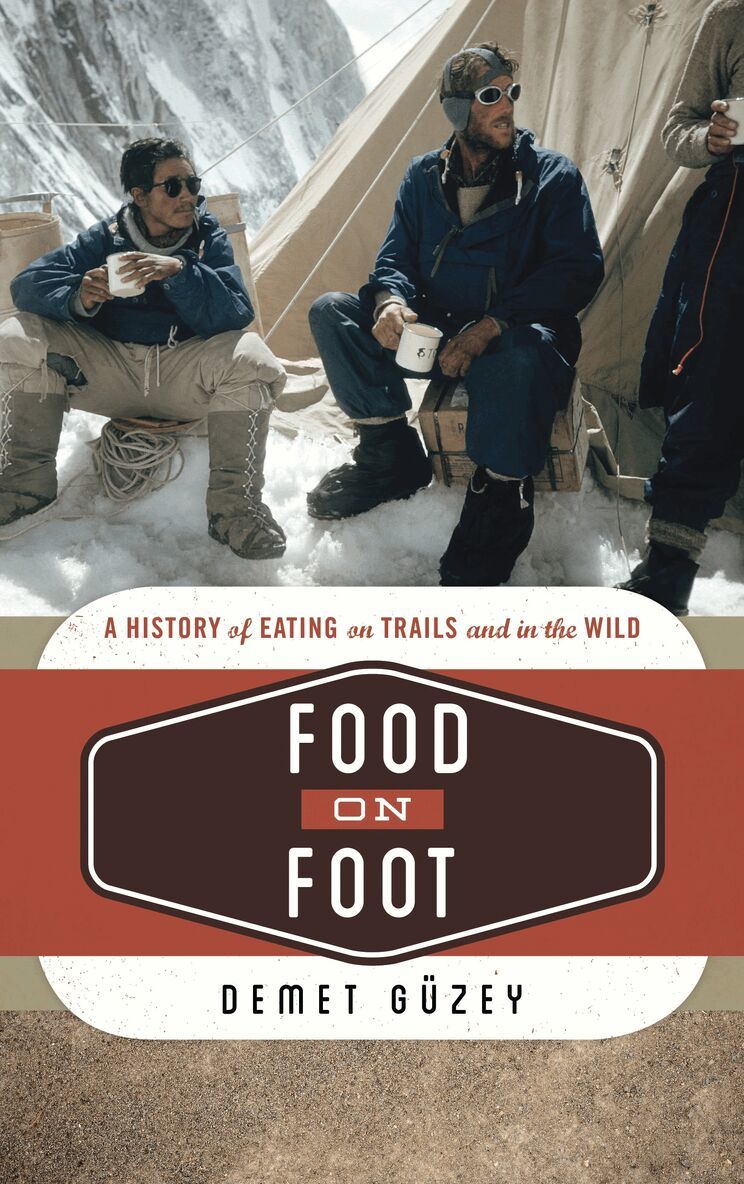
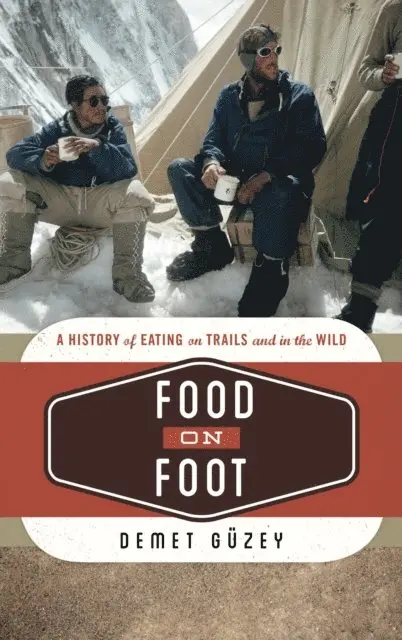
What did great adventurers eat during their expeditions to the far corners of the world? How did they view the role of food in their survival and wellbeing? What about hikers and backpackers today who set out to enjoy nature, pushing their own boundaries of comfort for adventure. How does food impact their experience? And what do they have in common with pilgrims and soldiers?Food is a significant element of our relationship with nature. Whether a historical expedition or a weekend camping trip, a journey made on foot requires sustenance. Without mastering our relationship with food we would have not been to the South Pole or summited Mt. Everest or expanded to the west of America. However, in the reporting of these expeditions so far food has rarely taken a central role. It is possible to take a different stance and look at our time on trails with food as the leading character. Here, Demet Güzey offers a fun and interesting read on the social and cultural history, developments and challenges in food on trails and in the wild. She explores personal accounts, news articles and anecdotes to highlight how food has accompanied us in mountaineering, desert travel, and pilgrimage, in the army or on the street. From tinned foods to foraging in the wild, worm-infested hardtack to palate-dulling army rations, loss of appetite in high altitude to starvation at the trenches, no stone is left unturned in this tour of how we manage food on foot, and how disasters happen when we do not manage it so well. Readers will delight in both the stories of many of the famous explorations and the more current journeys.
447 kr
Skickas inom 10-15 vardagar
Food at Sea: Shipboard Cuisine from Ancient to Modern Times traces the preservation, preparation, and consumption of food at sea, over a period of several thousand years, and in a variety of cultures. The book traces the development of cooking aboard in ancient and medieval times, through the development of seafaring traditions of storing and preparing food on the world’s seas and oceans. Following a largely chronological format, Simon Spalding shows how the raw materials, cooking and eating equipments, and methods of preparation of seafarers have both reflected the shoreside practices of their cultures, and differed from them. The economies of whole countries have developed around foods that could survive long trips by sea, and new technologies have evolved to expand the available food choices at sea.Changes in ship construction and propulsion have compelled changes in food at sea, and Spalding’s book explores these changes in cargo ships, passenger ships, warships, and other types over the centuries in fascinating depth of detail. Selected passages from songs and poems, quotes from seafarers famous and obscure, and new insights into culinary history all add spice to the tale.
442 kr
Skickas inom 7-10 vardagar
In roughly one hundred years – from the 1870s to the 1970s – dining on trains began, soared to great heights, and then fell to earth. The founders of the first railroad companies cared more about hauling freight than feeding passengers. The only food available on trains in the mid-nineteenth century was whatever passengers brought aboard in their lunch baskets or managed to pick up at a brief station stop. It was hardly fine dining. Seeing the business possibilities in offering long-distance passengers comforts such as beds, toilets, and meals, George Pullman and other pioneering railroaders like Georges Nagelmackers of Orient Express fame, transformed rail travel. Fine dining and wines became the norm for elite railroad travelers by the turn of the twentieth century. The foods served on railroads – from consommé to turbot to soufflé, always accompanied by champagne - equaled that of the finest restaurants, hotels, and steamships. After World War II, as airline travel and automobiles became the preferred modes of travel, elegance gave way to economy. Canned and frozen foods, self-service, and quick meals and snacks became the norm. By the 1970s, the golden era of railroad dining had come grinding to a halt.Food on the Rails traces the rise and fall of food on the rails from its rocky start to its glory days to its sad demise. Looking at the foods, the service, the rail station restaurants, the menus, they dining accommodations and more, Jeri Quinzio brings to life the history of cuisine and dining in railroad cars from the early days through today.
Food in the Air and Space
The Surprising History of Food and Drink in the Skies
Häftad, Engelska, 2016
447 kr
Skickas inom 10-15 vardagar
In the history of cooking, there has been no more challenging environment than those craft in which humans took to the skies. The tale begins with meals aboard balloons and zeppelins, where cooking was accomplished below explosive bags of hydrogen, ending with space station dinners that were cooked thousands of miles below.This book is the first to chart that history worldwide, exploring the intricacies of inflight dining from 1783 to the present day, aboard balloons, zeppelins, land-based aircraft and flying boats, jets, and spacecraft. It charts the ways in which commercial travelers were lured to try flying with the promise of familiar foods, explains the problems of each aerial environment and how chefs, engineers, and flight crew adapted to them, and tells the stories of pioneers in the field. Hygiene and sanitation were often difficult, and cultural norms and religious practices had to be taken into account. The history is surprising and sometimes humorous—at times some ridiculous ideas were tried, and airlines offered some strange meals to try to attract passengers. It’s an engrossing story with quite a few twists and turns, and this first book on the subject tells it with a light touch.