Fuel - Böcker
Visar alla böcker i serien Fuel. Handla med fri frakt och snabb leverans.
6 produkter
6 produkter
286 kr
Kommande
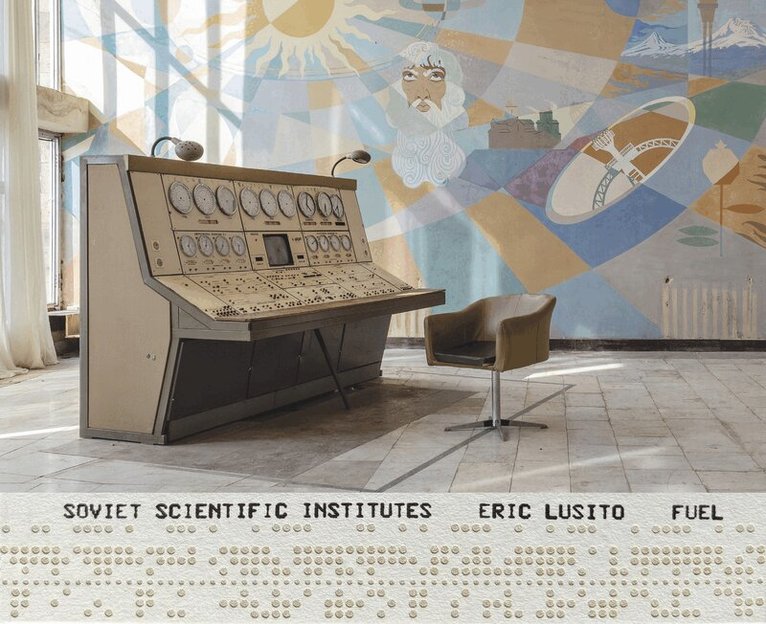
These photographs of once top-secret institutes reveal both fantastical and futuristic technology, alongside crumbling and decrepit facilities, forming a unique document of the condition and situation of scientific research in the post-Soviet landscape. In Soviet Scientific Institutes photographer Eric Lusito takes us on a journey through time, space and science. Gigantic control panels, monumental telescopes, inexplicable machinery – the facilities he documents might be found in comic book and graphic novel fantasies or the science fiction of Jules Verne and H.G. Wells. But why were these institutes built and what purposes do they serve today? The Soviets promoted science as a utopian ideal to replace religion and rapidly modernise the country. 'Big science' projects, primarily for Cold War military purposes, involved thousands of researchers working in complete secrecy. In the 1990s, after the collapse of the Soviet Union, many institutes were left destitute, their sophisticated technology condemned to extinction. But some scientists persevered, adapting to the new landscape. Today, defying the odds, they persist – even in wartime – to continue their work. Lusito gained unique access to sites across former republics and satellites of the USSR – from a cosmic ray research centre in the remote Armenian mountains, to one of the world's largest radars located in Ukraine, which locals believed to be a climate-altering weapon. The first visual account of this once closed world, this awe-inspiring publication bears witness to our never-ending quest for knowledge.
380 kr
Skickas inom 7-10 vardagar
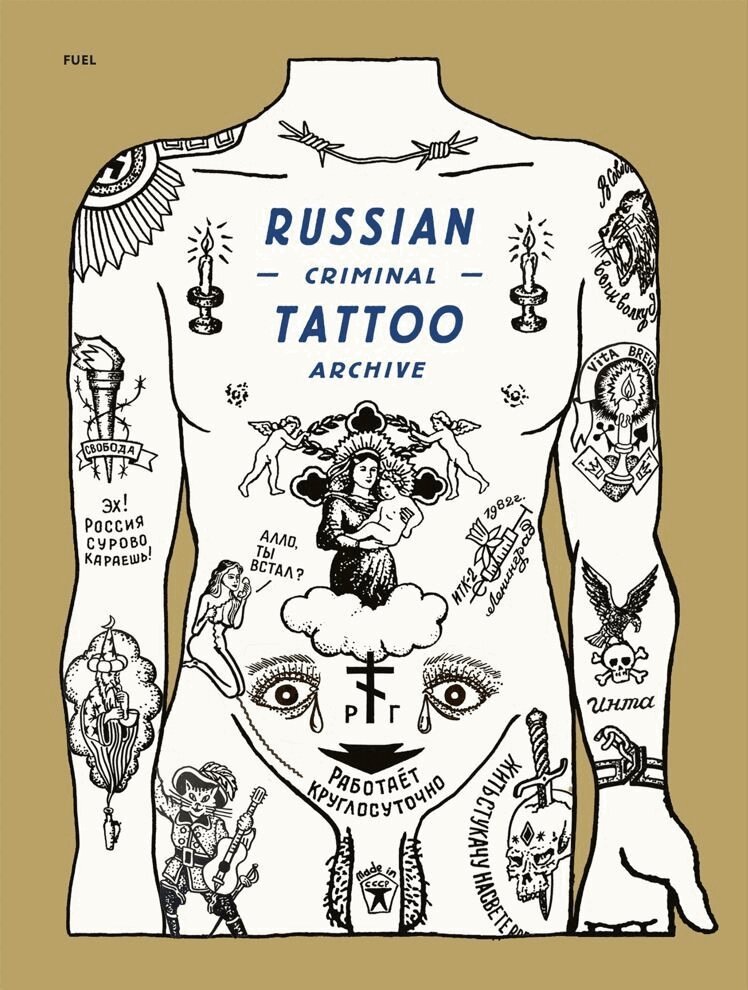
The Russian Criminal Tattoo Archive presents highlights from FUEL’s singular collection of authentic material on this subject. Previously unpublished in its original form, this work comprises ink on paper drawings by Danzig Baldaev, the photographic albums of Arkady Bronnikov and prisoner portraits by Sergei Vasiliev. The selection is contextualised with insights from Mark Vincent PhD (author and academic specialising in the Soviet Gulag) and Alison Nordström (photography scholar, writer and curator).The meticulous depictions of tattoos by prison guard Danzig Baldaev are reproduced in facsimile, authenticated by his signature and stamp, alongside his handwritten notes on the reverse. The paper has yellowed with age, giving the exquisite drawings a visceral temporality – almost like skin.Sergei Vasiliev’s photographs portray inmates in startling intimacy. He achieves a remarkable level of trust within the closed criminal society, a strict hierarchy, where outsiders are viewed with hostile suspicion.Arkady Bronnikov’s collection of photographs are shown in the albums in which they were collected. Used exclusively to aid police in their investigations, they depict a motley line-up of assorted body parts.This unique book is the only publication of primary material on this subject, highlighting the pioneering methods of these three individuals used to document this unique phenomenon.
259 kr
Skickas inom 7-10 vardagar
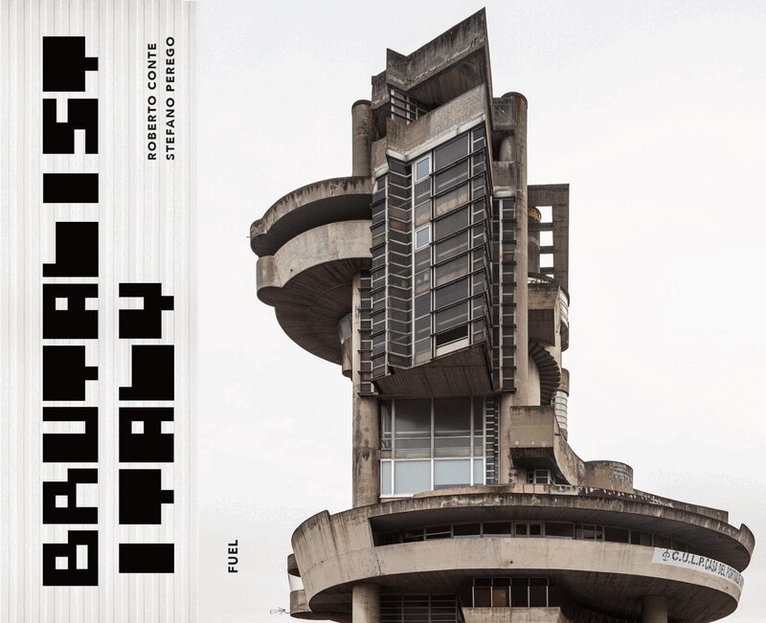
Containing over 140 exclusive photographs – ranging from private homes to football stadia – across every region of the country, Brutalist Italy is the first publication to focus entirely on this subject. Best books of 2023 (Architecture and Design) - Financial Times ‘Brutalist Italian architecture enthusiasts and concrete completists will be spoilt for choice by Roberto Conte and Stefano Perego’s pictorial tour.’ - Wallpaper* What makes Italian Brutalist buildings different to their counterparts in other countries? Containing over 140 exclusive photographs – ranging from private homes to churches and cemeteries via football stadia – across every region of the country, Brutalist Italy is the first publication to focus entirely on this subject. Architectural photographers Roberto Conte and Stefano Perego (authors of Soviet Asia) have spent the past five years travelling over 20,000 kilometres documenting the monumental concrete structures of their native country. Brutalism – with its minimalist aesthetic, favouring raw materials and structural elements over decorative design – has a complex relationship with Italian history. After World War II, Italian architects were keen to distance themselves from fascism, without rejecting the architectural modernism that had flourished during that era. They developed a form of contemporary architecture that engaged with traditional methods and materials, drawing on uncontaminated historical references. This plurality of pasts assimilated into new constructions is a recurring feature of the country’s Brutalist buildings, imparting to them a unique identity. From the imposing social housing of Le Vele di Scampia to the celestial Our Lady of Tears Sanctuary, Syracuse – Brutalist Italy collects the most compelling examples of this extraordinary architecture for the first time in a single volume. The book is dual language, with texts in both English and Italian.
287 kr
Skickas inom 7-10 vardagar
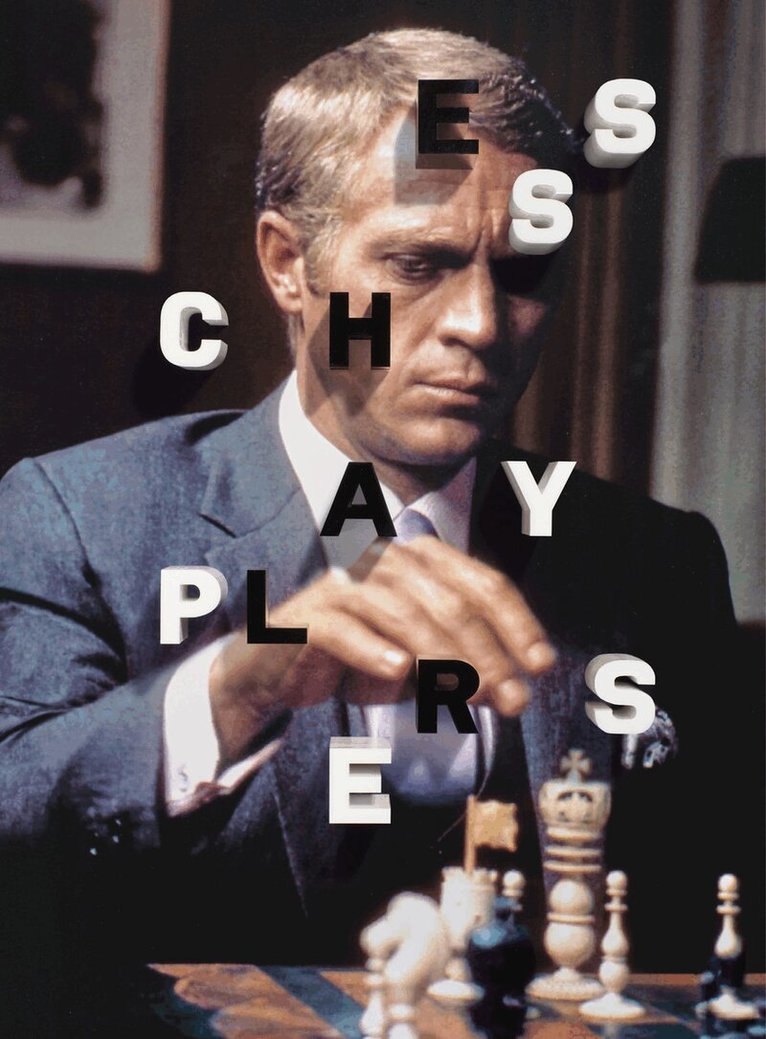
An incredible collection of images of chess players from the last 130 years, showcasing the unique relationship between chess and culture, featuring world famous actors, artists, politicians and musicians.You don’t have to play chess to appreciate Chess Players: from Charlie Chaplin to Wu-Tang Clan, but as Martin Amis asks in his illuminating essay: What are they playing at?’These evocative photographs transcend the chessboard, spanning 130 years – from a steamship crossing the Atlantic in 1888, to the zero-gravity of space – showcasing the diverse range of individuals who have embraced the game across continents and eras.Marcel Duchamp’s iconic quote, ‘All chess players are artists,' resonates through these pages. David Hockney likened the games strategic thinking to that of making art 'Drawing is rather like playing chess: your mind races ahead of the moves that you eventually make.''Chess is war over the board', said Bobby Fischer (grand master and world chess champion) – but here John Lennon and Yoko Ono checkmate this notion, with their all-white, chess ‘peace’ set.Hollywood stars played chess on and off the screen – Humphrey Bogart deploys a Sicilian Defence against Lauren Bacall, while Faye Dunaway and Steve McQueen plot their next gambit in the iconic chess seduction scene from 'The Thomas Crown Affair' (1968).With an introduction by Dylan Loeb McClain, former chess columnist for The New York Times, the photographs in Chess Players help explain the enduring attraction of this cerebral game, from pawn to king, amateur to grandmaster.
240 kr
Skickas inom 7-10 vardagar
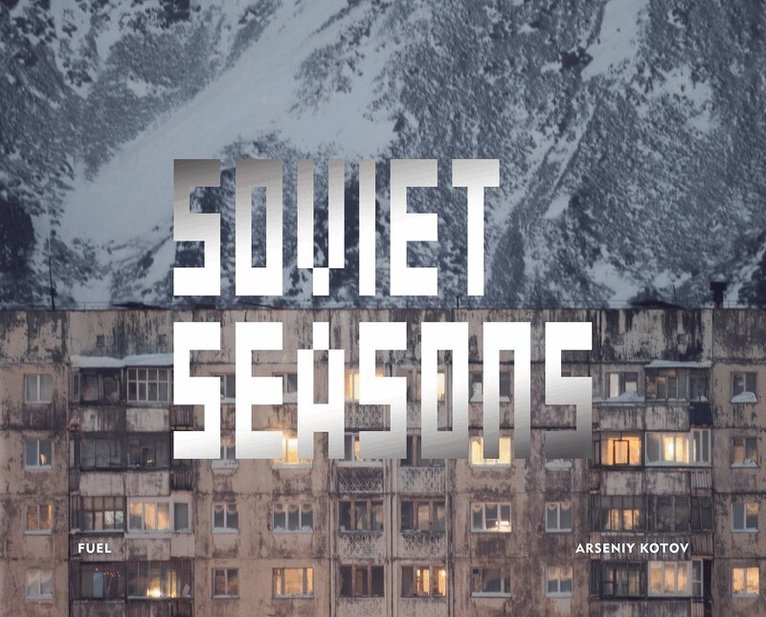
In Soviet Seasons Kotov’s photographs reveal unfamiliar aspects of the post-Soviet terrain. From snow-blanketed Siberia in winter, to the mountains of the Caucasus in summer, these images show how a once powerful, utopian landscape has been affected by the weight of nature itself. This uniquely broad perspective could only be achieved by a photographer such as Kotov. Singularly dedicated to exploring every corner of his country, Kotov often hitch-hikes across vast distances. On these journeys he chronicles not only the architectural achievements of the Soviet empire, but also its overlooked or simply undocumented constructions. Arseniy Kotov: ‘In this book I reveal the beauty and diversity of this vast region, showing both cities and nature at different times of the year. I have travelled widely across Russia and its neighbouring countries, where I captured the landscape of post-Soviet cities and witnessed the seasonal changes.’
216 kr
Skickas inom 5-8 vardagar