Geneva Timber and Forest Discussion Papers – serie
Visar alla böcker i serien Geneva Timber and Forest Discussion Papers. Handla med fri frakt och snabb leverans.
14 produkter
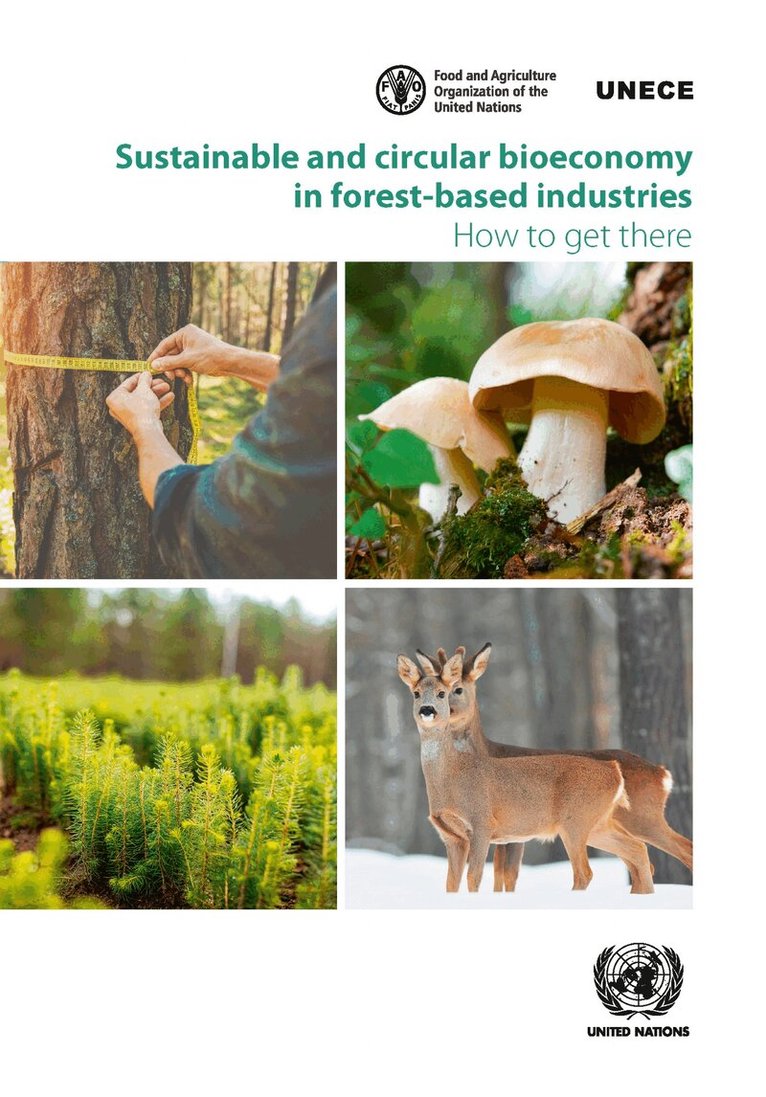
Sustainable and Circular Bioeconomy in Forest-based Industries
How to Get There
Av United Nations Economic Commission for Europe
Häftad, 2025
213 kr
Lägg i varukorg
A sustainable and circular bioeconomy presents opportunities to improve climate change adaptation and resilience by promoting ecosystem restoration, nutrient and water retention in soils, supporting Indigenous People and local livelihoods based on biological products and services as well as …
Circularity Concepts in the Pulp and Paper Industry
Av United Nations Economic Commission for Europe
Häftad, 2025
456 kr
Lägg i varukorg
The circularity of paper and paperboard value chains is implemented principally thanks to the link between the design and production on the one hand and the use and end-of-life management on the other. As paper products become more complex and have to fulfil more functions, it is important that …
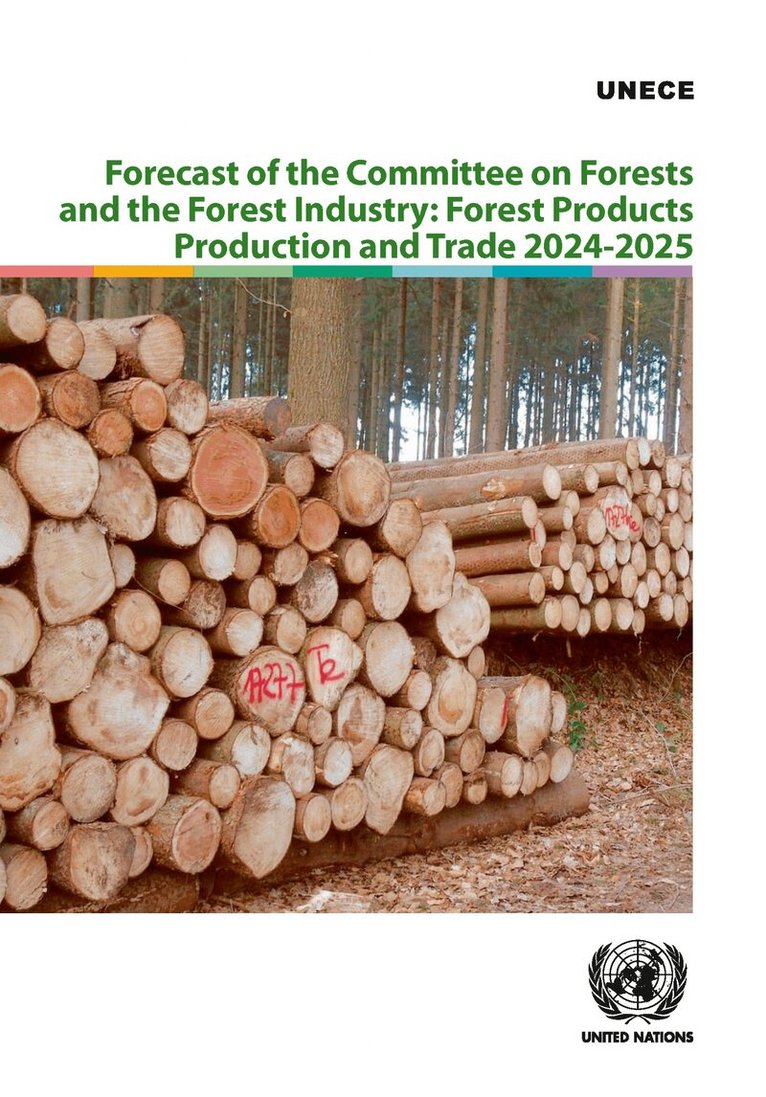
Forecast of the Committee on Forests and the Forest Industry: Forest Products Production and Trade 2024-2025
Av United Nations Economic Commission for Europe
Häftad, 2025
213 kr
Lägg i varukorg
This publication is the statistical supplement to the 82nd session of the UNECE Committee on Forests and the Forest Industry about the current and next year's forest products markets. The tables in the publication show detailed forest products production and trade forecasts by country for 2024 and …
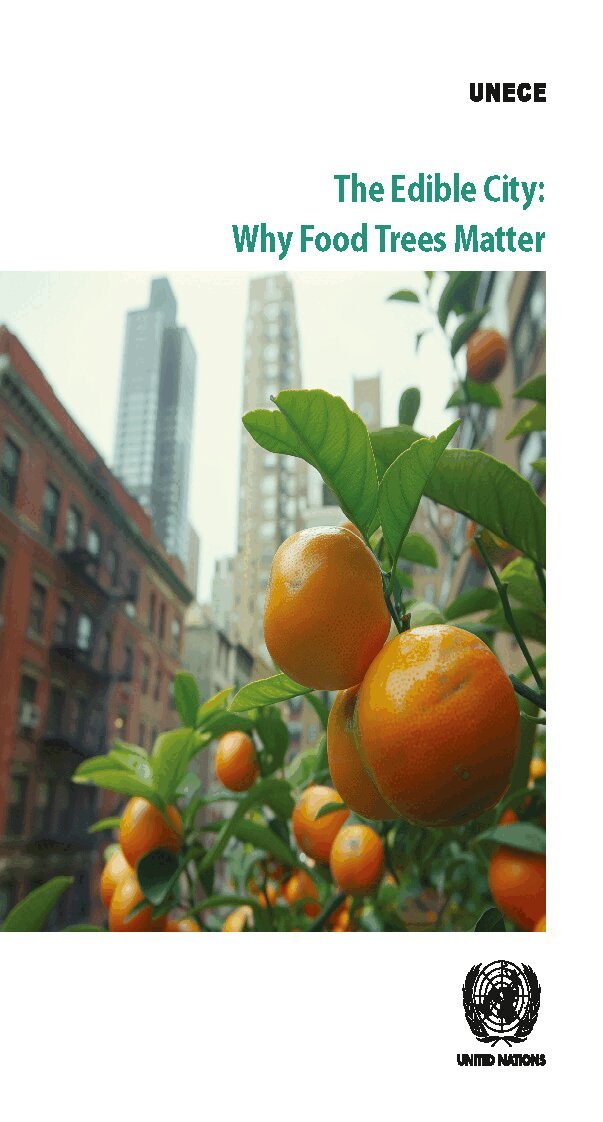
Edible City: Why Food Trees Matter
More Than Just Shade: the Benefits of Nature-based Solutions for More Resilient Cities
Av United Nations Economic Commission for Europe
Häftad, 2025
231 kr
Lägg i varukorg
This guide is designed to help local and national officials implement integrated nature-based solutions for enhancing food resilience in urban areas. By strategically integrating fruit-bearing trees, “food trees” into city landscapes, the guide promotes healthier, more sustainable, and …
Forest Landscape Restoration in the Caucasus and Central Asia
Background Study for the Ministerial Roundtable on Forest Landscape Restoration and the Bonn Challenge in the Caucasus and Central Asia (21-22 June 2018, Astana, Kazakhstan)
Av United Nations Economic Commission for Europe, United Nations Publications
Häftad, 2019
288 kr
Lägg i varukorg
This study, focusing primarily on the period from the collapse of the Soviet Union until the present day, identifies the key drivers of forest degradation and the potential for forest landscape restoration in the Caucasus and Central Asia. The study was undertaken to support the preparation of …
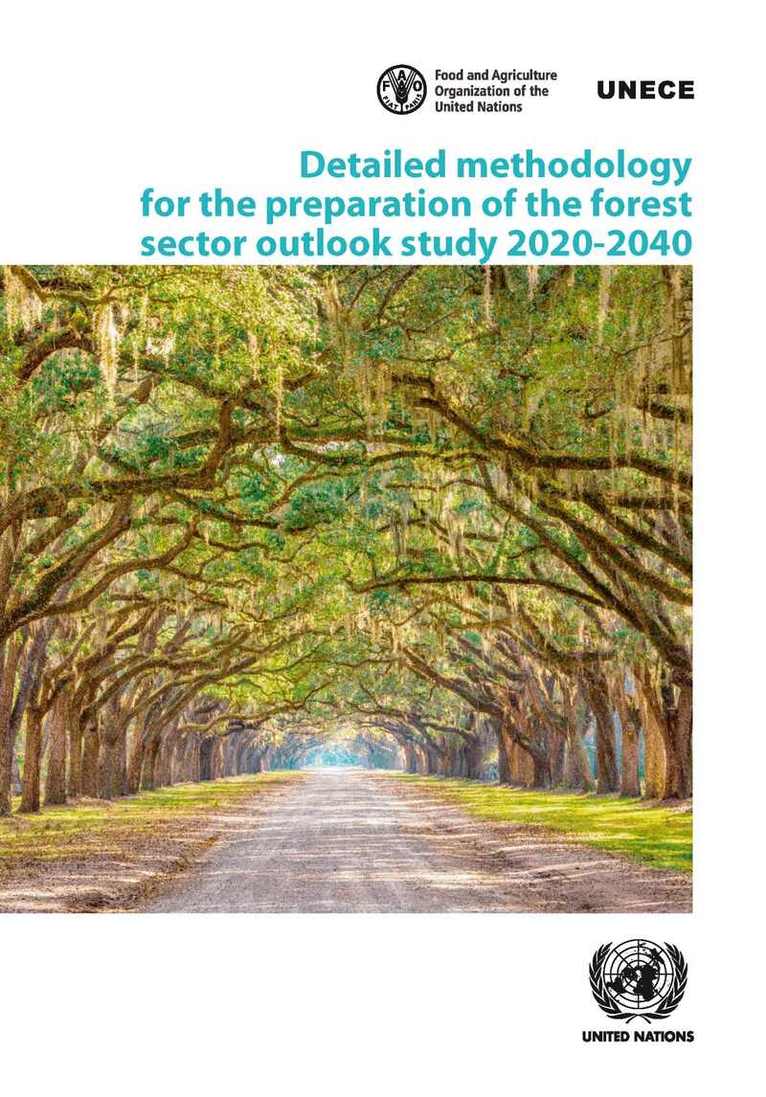
Detailed Methodology for the Preparation of the Forest Sector Outlook Study 2020-2040
Av United Nations Economic Commission for Europe
Häftad, 2024
213 kr
Lägg i varukorg
The Forest Sector Outlook Study 2020-2040 (FSOS) for the UNECE region provides information that supports decision-making by showing the possible medium- and long-term consequences of specific policy choices and structural changes, using scenario analyses whenever possible. The study is the first to …
Pilot Project on the System for the Evaluation of the Management of Forests (SEMAFOR)
Av United Nations Economic Commission for Europe, United Nations Publications
Häftad, 2017
400 kr
Tillfälligt slut
The study presents the results of the SEMAFOR (System for the Evaluation of the Management of Forests) pilot study, which tested the method through voluntary assessment of the sustainability of forest management in European countries, on the basis of the Pan-European set of criteria and indicators. …
ECE Committee on Forests and the Forest Industry and FAO European Forestry Commission
70 Years Working Together in the Service of Forests and People
Av United Nations Economic Commission for Europe, United Nations
Häftad, 2018
400 kr
Tillfälligt slut
The ECE Timber Committee and the FAO European Forestry Commission emerged from the International Timber Conference held in 1947 as the key elements of the United Nations tasked with working on matters related to the forest sector in Europe. During their first 70 years of joint activity, the …
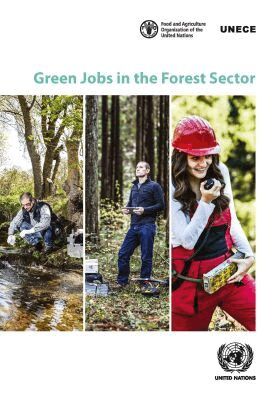
Green Jobs in the Forest Sector
Av United Nations Economic Commission for Europe, United Nations Publications
Häftad, 2019
344 kr
Tillfälligt slut
The study Green Jobs in the Forest Sector provides an overview of existing Green Forest Jobs and identifies possible areas for future activities and jobs in the forest sector, and may serve as starting point for further analysis and discussion on the future of Green Forest Jobs. It offers a …
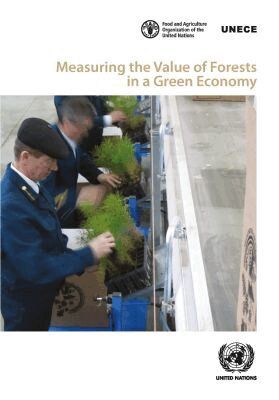
Measuring the Value of Forests in a Green Economy
Av United Nations Economic Commission for Europe, United Nations
Häftad, 2019
231 kr
Tillfälligt slut
This paper presents green economy related definitions and concepts, and internationally developed assessment methods, notably natural capital accounting approaches, and in this way explore aligning forest sector approaches to those being used in wider contexts. It also proposes preliminary …
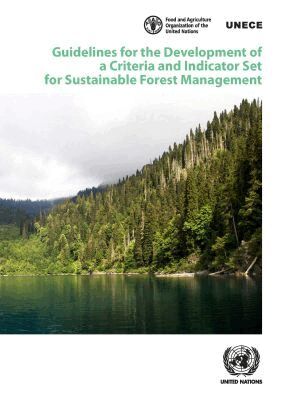
Guidelines for the Development of a Criteria and Indicator Set for Sustainable Forest Management
Av United Nations Economic Commission for Europe, United Nations Publications
Häftad, 2019
400 kr
Tillfälligt slut
Criteria and indicators constitute an increasingly common policy tool to implement sustainable forest management (SFM) and to define clear priorities and targets. This should improve monitoring, reporting and assessment of key aspects of SFM performance. These guidelines provide specific concepts, …
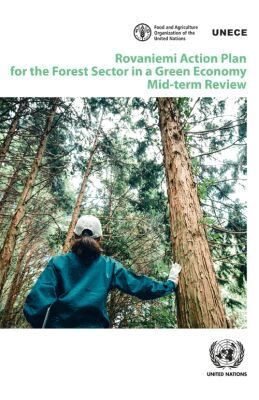
Rovaniemi Action Plan for the Forest Sector in a Green Economy: Mid-Term Review
mid-term review
Av United Nations Economic Commission for Europe, United Nations Publications
Häftad, 2019
344 kr
Tillfälligt slut
This publication is a mid-term review of actions that have been implemented and are in line with the Rovaniemi Action Plan (RAP). Stakeholders of the RAP provided input and the Joint Section also reviewed its own activities. This study also contains a general review of actions reported during 2017 …
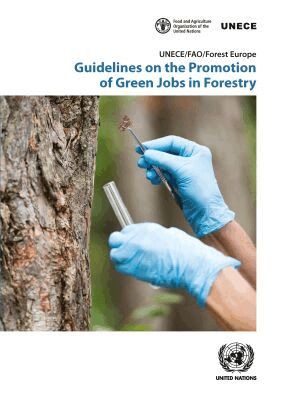
Guidelines on the Promotion of Green Jobs in Forestry
Av United Nations Economic Commission for Europe, United Nations Publications
Häftad, 2021
231 kr
Tillfälligt slut
This publication is intended to assist stakeholders in the forestry sector to successfully navigate the transition to a forest sector that is fully engaged in the green economy. New and increasing opportunities for providing forest-based services and products, growing business and revenue as well …
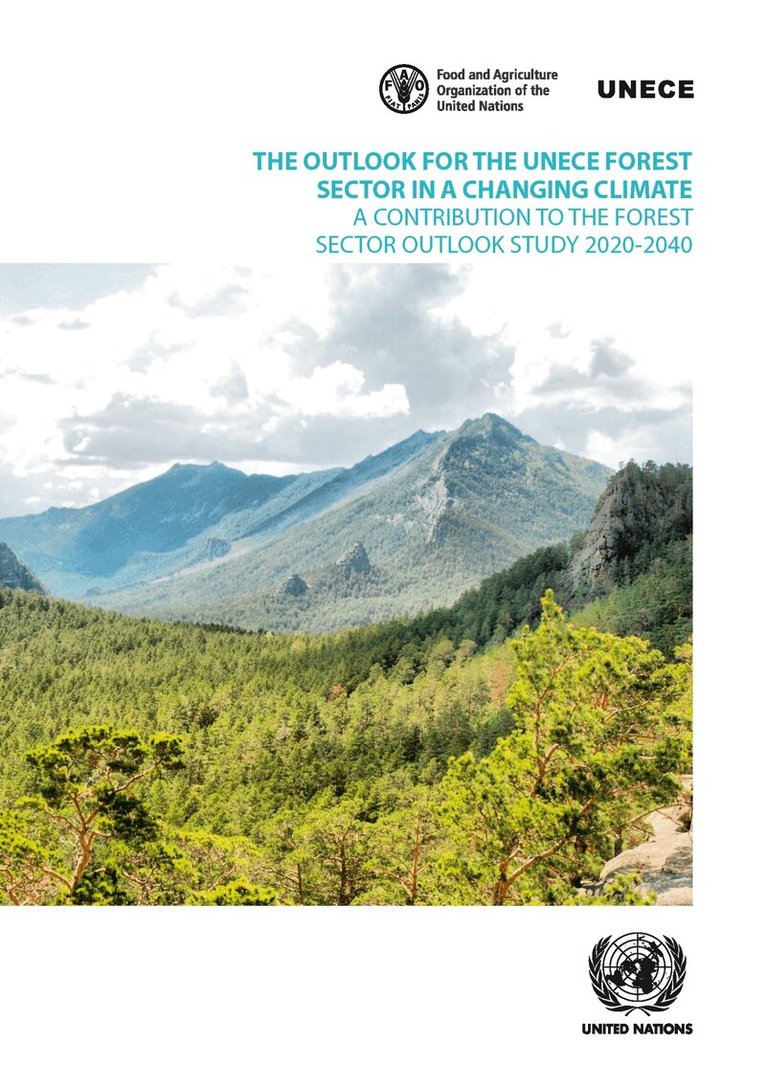
Outlook for the UNECE Forest Sector in a Changing Climate
A Contribution to the Forest Sector Outlook Study 2020-2040
Av United Nations Economic Commission for Europe, United Nations Publications
Häftad, 2023
288 kr
Tillfälligt slut
The Forest Sector Outlook Study 2020-2040 (FSOS) for the UNECE region provides information that supports decision-making by showing the possible medium and long-term consequences of specific policy choices and structural changes, using scenario analyses whenever possible. The study is the first to …