History of British Intelligence - Böcker
Visar alla böcker i serien History of British Intelligence. Handla med fri frakt och snabb leverans.
11 produkter
11 produkter
Del 4 - History of British Intelligence
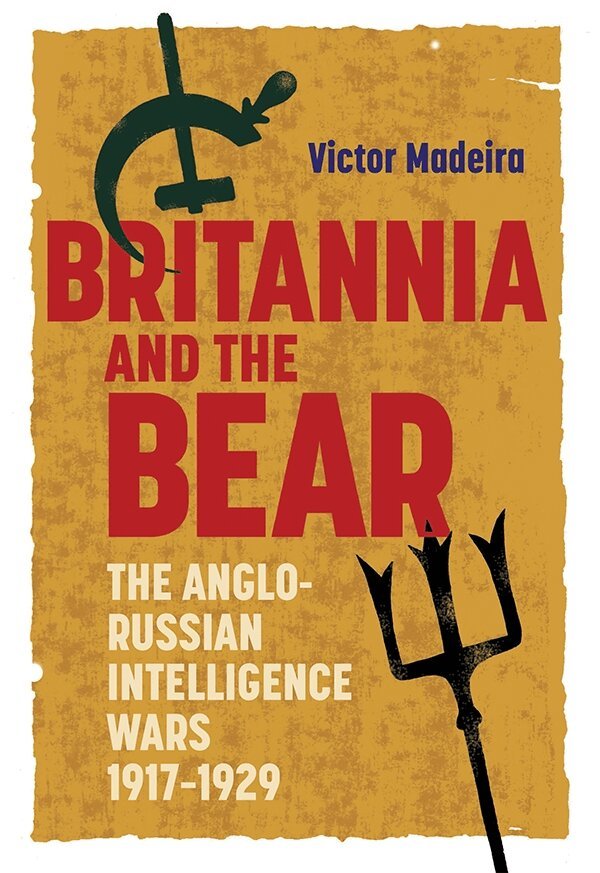
Britannia and the Bear
The Anglo-Russian Intelligence Wars, 1917-1929
Häftad, Engelska, 2016
345 kr
Skickas inom 7-10 vardagar
Now in paperback, a compelling narrative about how two Great Powers of the early twentieth century did battle, both openly and in the shadowsDecades before the Berlin Wall went up, a Cold War had already begun raging. But for Bolshevik Russia, Great Britain - not America - was the enemy. Now, for the first time, Victor Madeira tells a story that has been hidden away for nearly a century. Drawing on over sixty Russian, British and French archival collections, Britannia and the Bear offers a compelling new narrative about how two great powers did battle, both openly and in the shadows.By exploring British and Russian mind-sets of the time this book traces the links between wartime social unrest, growing trade unionism in the police and the military, and Moscow's subsequent infiltration of Whitehall. As earlyas 1920, Cabinet ministers were told that Bolshevik intelligence wanted to recruit university students from prominent families destined for government, professional and intellectual circles. Yet despite these early warnings, men such as the Cambridge Five slipped the security net fifteen years after the alarm was first raised.Now in paperback, Britannia and the Bear tells the story of Russian espionage in Britain in these critical interwar years and reveals how British Government identified crucial lessons but failed to learn many of them. The book underscores the importance of the first Cold War in understanding the second, as well as the need for historical perspective in interpreting the mind-sets of rival powers. Victor Madeira has a decade's experience in international security affairs, and his work has appeared in leading publications such as Intelligence and National Security and The Historical Journal. He completed his doctorate in Modern International History at Gonville and Caius College, Cambridge.
Del 6 - History of British Intelligence
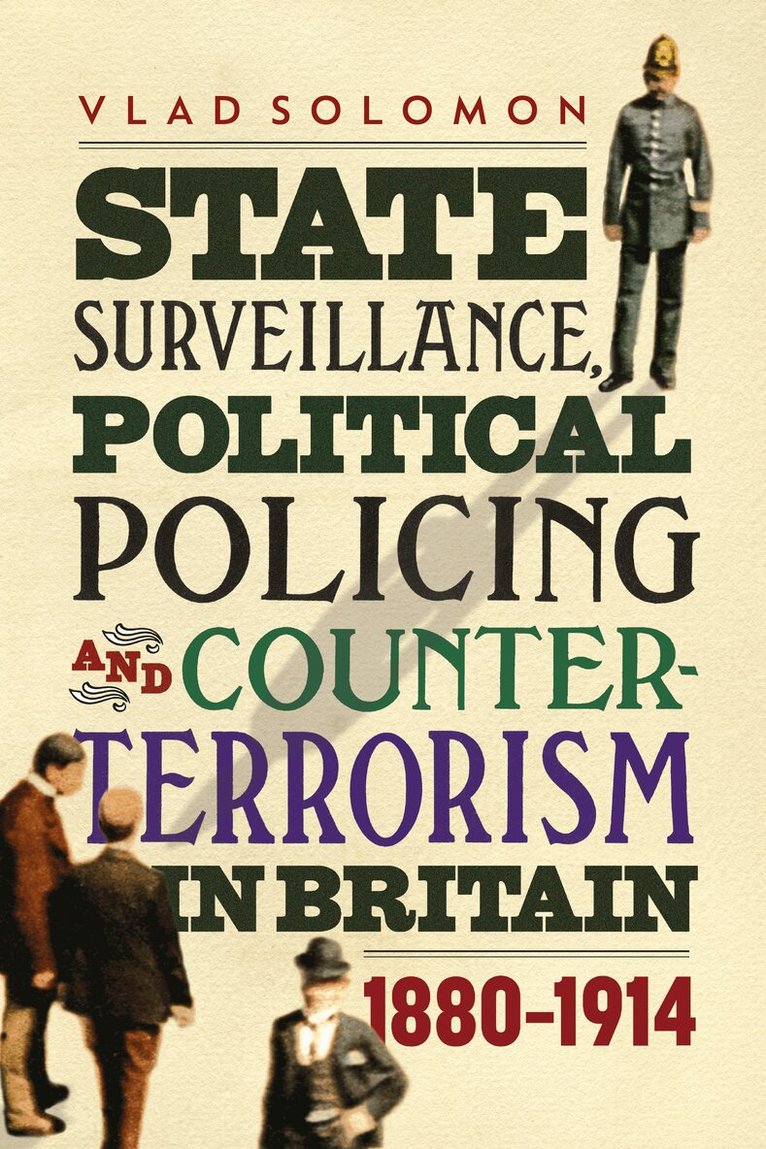
State Surveillance, Political Policing and Counter-Terrorism in Britain
1880-1914
Inbunden, Engelska, 2021
947 kr
Skickas inom 7-10 vardagar
Examines the formation of state surveillance and the emergence of institutionalized political policing in late Victorian and Edwardian Britain.This book deals with the formation of state surveillance and the emergence of institutionalized political policing in late Victorian and Edwardian Britain. Little has been written on this early formative period for the British security state, which began in earnest as a response to the Fenian dynamite campaign of the 1880s. Based on newly declassified documents, Solomon weaves together separate narrative threads which converge to paint a complex picture of the institutional innovations and personal rivalries that produced Britain's first national political police. The interactions between high-ranking bureaucrats, policemen and politicians reveal how often conflicting ideas on controlling organized radicalism coalesced into a unified counter-subversive strategy. Stressing the distinctness of the early British model of political policing, the narrative goes past the confines of a scholarly account by using source material to flesh out multidimensional characters, ranging from choleric Home Secretaries to remorseful anarchist double agents embroiled in a high-stakes and often unscrupulous combination of espionage, collusion and betrayal.
Del 3 - History of British Intelligence
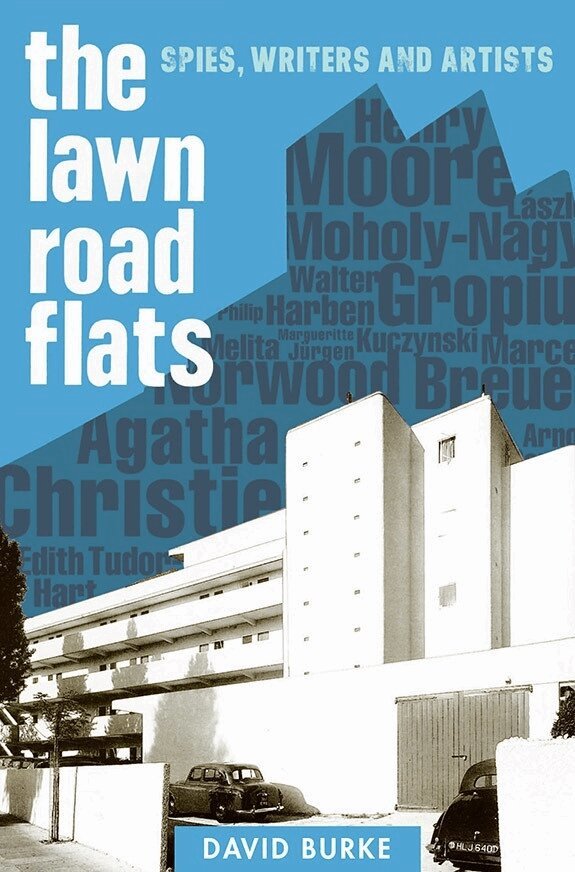
Lawn Road Flats
Spies, Writers and Artists
Häftad, Engelska, 2019
247 kr
Skickas
The story of a modernist building with a significant place in the history of Soviet espionage in Britain, where communist spies rubbed shoulders with British artists, sculptors and writersThe Isokon building, also know as Lawn Road Flats, in London was the haunt of some of the most prominent Soviet agents working against Britain in the 1930s and 40s, among them Arnold Deutsch, the controller of the group of Cambridge spies who came to be known as the "Magnificent Five" after the Western movie The Magnificent Seven; the photographer Edith Tudor-Hart; and Melita Norwood, the longest-serving Soviet spy in British espionage history (andinspiration for Judi Dench's character in Red Joan).However, it wasn't only spies who were attracted to the Lawn Road Flats. The crime writer Agatha Christie wrote her only spy novel N or M? in the Flats, and anumber of other artists, architects and writers were also drawn there, among them the Bauhaus exiles Walter Gropius, László Moholy-Nagy and Marcel Breuer; the sculptors and painters Henry Moore and Barbara Hepworth; the novelist Nicholas Monsarrat; the writer and founder of The Good Food Guide Raymond Postgate; and the poet (and Bletchley Park intelligence officer) Charles Brasch. The Isokon building boasted its own restaurant and dining club, wheremany of the Flats' most famous residents rubbed shoulders with some of the most dangerous communist spies ever to operate in Britain. Agatha Christie often said that she invented her characters from what she observed going on around her. With the Kuczynskis - probably the most successful family of spies in the history of espionage - in residence, she would have had plenty of material.This book tells the story of a remarkable Modernist building and its even more extraordinary cast of characters.DAVID BURKE is a historian of intelligence and international relations and author of The Spy Who Came In From the Co-op: Melita Norwood and the Ending of Cold War Espionage and Russia and the British Left: From the 1848 Revolutions to the General Strike.
Del 5 - History of British Intelligence
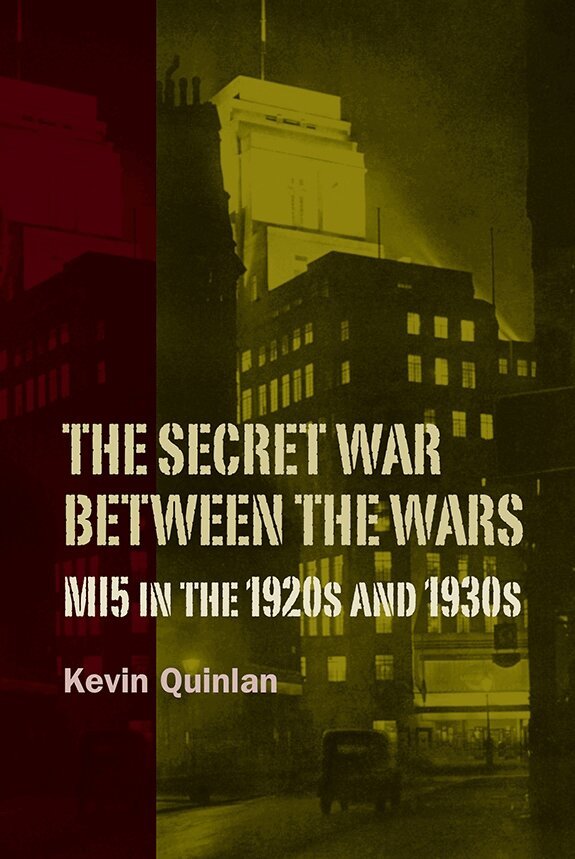
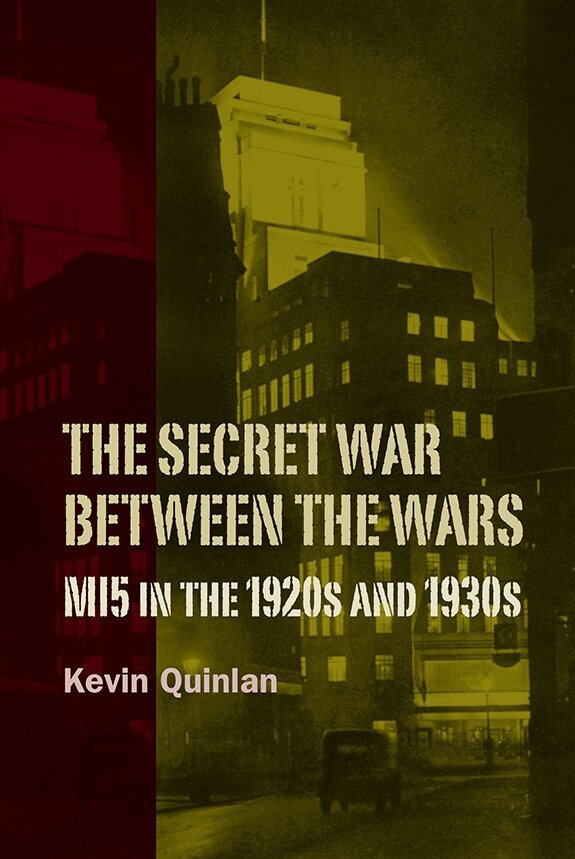
Secret War Between the Wars: MI5 in the 1920s and 1930s
Häftad, Engelska, 2022
345 kr
Skickas inom 7-10 vardagar
The methods developed by British intelligence in the early twentieth century continue to resonate today. Much like now, the intelligence activity of the British in the pre-Second World War era focused on immediate threats posed by subversive, clandestine networks against a backdrop of shifting great power politics.Even though the First World War had ended, the battle against Britain's enemies continued unabated during the period of the 1920s and 1930s. Buffeted by political interference and often fighting for their very survival, Britain's intelligence services turned to fight a new, clandestine war against rising powers Soviet Russia and Nazi Germany.Using recently declassified files of the British Security Service (MI5), The Secret War Between the Wars details the operations and tradecraft of British intelligence to thwart Communist revolutionaries, Soviet agents, and Nazi sympathizers during the interwar period. This new study charts the development of British intelligence methods and policies in the early twentieth century and illuminates the fraught path of intelligence leading to the Second World War. An analysis of Britain's most riveting interwar espionage cases tells the story of Britain's transition between peace and war.The methods developed by British intelligence in the early twentieth century continue to resonate today. Much like now, the intelligence activity of the British in the pre-Second World War era focused on immediate threats posed by subversive, clandestine networks against a backdrop of shifting great power politics. As Western countries continue to face the challenge of terrorism, and in an era of geopolitical change heralded by the rise of China and the resurgence of Russia, a return to the past may provide context for a better understanding of the future.Kevin Quinlan received his PhD in History from the University of Cambridge. He works in Washington, DC.
Del 7 - History of British Intelligence
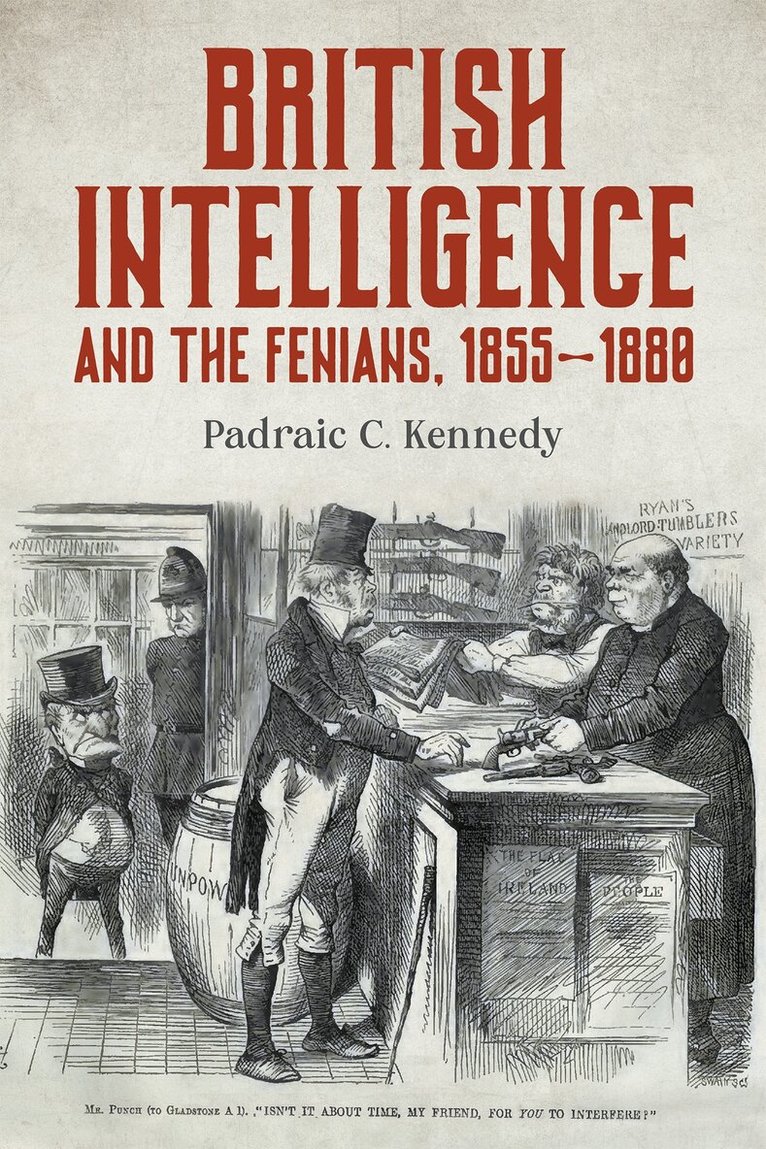
British Intelligence and the Fenians, 1855–1880
Inbunden, Engelska, 2024
1 636 kr
Skickas inom 7-10 vardagar
Shows how mid-Victorian efforts to gather information about the Fenians laid the foundation for later British domestic intelligence in both Ireland and mainland Britain.British Intelligence and the Fenians provides the first narrative account of the sustained and systematic use of espionage and secret policing in response to Fenianism between 1855 and 1880. It shows that despite the absence of a formal separate political police force or permanent intelligence agency, the British administration in Ireland created a sophisticated intelligence network to combat the revolutionary threat posed by the Fenian Brotherhood in America and the Irish Republican Brotherhood in Britain. The hub of this intelligence network was the Irish administration's "F. Department", which analysed thousands of reports about Fenianism from throughout Great Britain, North America, and continental Europe. Authorities also established a corresponding "separate and secret organization" in London. Such arrangement provided both Irish and English officials ready access to shared intelligence about Fenianism until the end of the 1870s. However, government's agents never managed to infiltrate the leadership of the Fenian organization in Ireland. Such failure left Ireland's rulers uncertain about Fenian intentions and prone to resort to extra-legal measures in response to perceived threats. The book makes an invaluable contribution to our understanding of early political policing and espionage in Britain. By examining in detail what information was collected, how it was analysed and disseminated, and the use policy makers made of it, it more generally offers an interpretation of the role of intelligence in governing Ireland.PADRAIC C. KENNEDY is Associate Professor at the Department of History and Political Science, York College of Pennsylvania.
Del 2 - History of British Intelligence
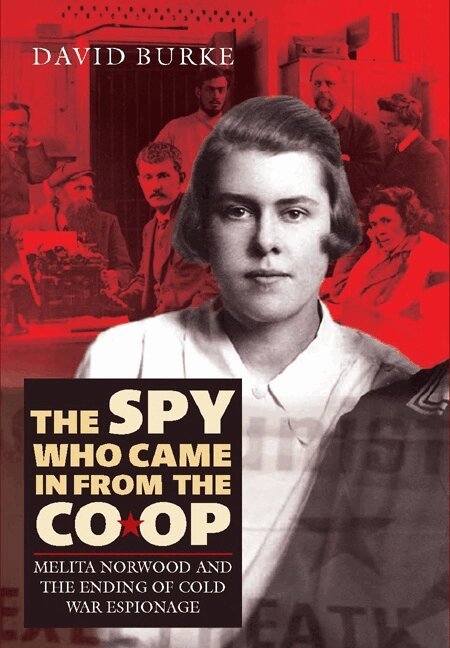
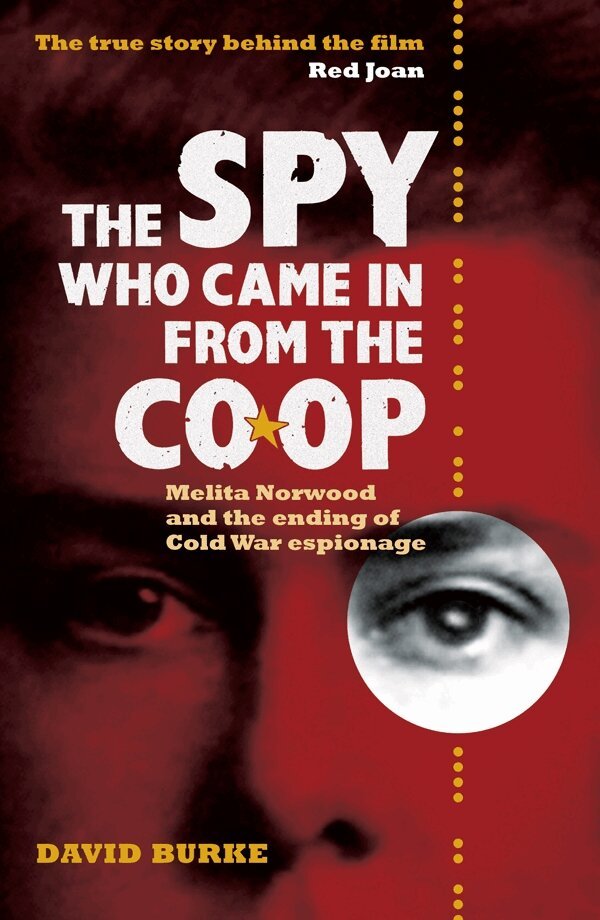
Spy Who Came In From the Co-op
Melita Norwood and the Ending of Cold War Espionage
Inbunden, Engelska, 2008
294 kr
Skickas inom 5-8 vardagar
A story of wartime intelligence, super-power relations and spies and their handlers - seen through the experience of Melita Norwood.On September 11th 1999 The Times newspaper carried the front page article "Revealed: the quiet woman who betrayed Britain for 40 years. The spy who came in from the Co-op." Melita Norwood, the last of the atomic spies, hadfinally been run to ground, but at 87 she was deemed too old to prosecute. Her crime: the shortening of the Soviet Union's atomic bomb project by up to 5 years.At a time when the world faces fresh dilemmas caused by the proliferation of nuclear weapons, this is the remarkable story of a much earlier drama. After the atomic bomb strikes on Hiroshima and Nagasaki in August 1945, British and American intelligence estimated the earliest date for the production of a Soviet bomb to be 1953. In fact, the Soviet Union went nuclear in 1948, and tested an atomic bomb in 1949. The Soviet Union's bomb coincided with the onset of The Cold War, and threatened humankind with extinction. Melita Norwood was a member of one of those communist spy networks in America and Britain, who by guaranteeing those weapons of mass destruction threw down a challenge to America as sole superpower in the post-Second World War era. This fascinating book sets her in the context of the times, and uses her as a prism and focus through which to investigate the whole milieu.Dr DAVID BURKE is a Supervisor for the Rise of the Secret World: Governments and Intelligence Communities since 1900 at the University of Cambridge.
378 kr
Skickas inom 5-8 vardagar
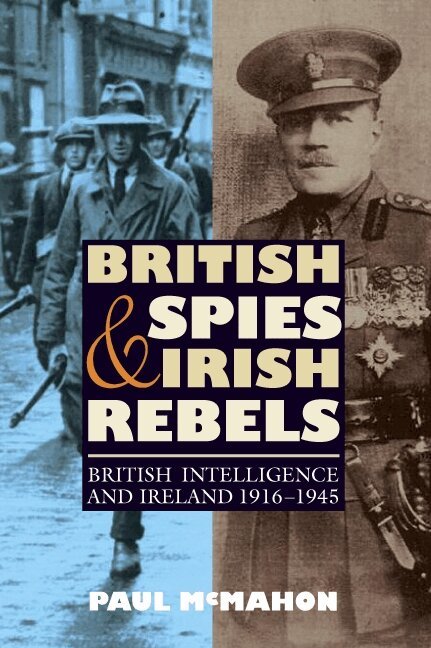
Using recently opened archives, this book provides new insights into the history of the British intelligence community and helps explain Anglo-Irish relations during a time of momentous change. The lessons it draws still echo today, as Britain contends with the threat posed by violent militants, whether from Ireland or further afield.One of the Irish Times' Books of the Year, 2008The struggle between British intelligence agencies and Irish revolutionaries has lasted for centuries - and still goes on. But it was at its most intense during the first half of the twentieth century. Ireland experienced a bloody rebellion, bitter partition and a stuttering march towards independence. Britain grappled with imperial decline and world war, while government agencies were worrying about being stabbed in the back by their Irish neighbour. Using recently opened archives, this book reveals for the first time how intelligence and intelligence agencies shaped Anglo-Irish relations during this formative period.The book casts light on characters long kept in the shadows - IRA gunrunners, Bolshevik agitators, Nazi saboteurs, British double agents. It shows what happened when Irish revolutionaries stopped fighting, formed governments and started sharing information with London - while doing everything possible to hide this from the Irish public. It also fills in a missing chapter in the history of the British intelligence community, tracing its evolution from amateurishbeginnings, through a painful adolescence, to the sophisticated apparatus that is largely still with us.The book probes some deeper questions about intelligence and the complex Anglo-Irish relationship. What has the most influence on government policy? The work of professional intelligence agencies? Or the misconceptions and preconceptions that politicians and civil servants bring to their jobs? Why are secrets so seductive - and sometimes so misleading? Packed with anecdotes and unexpected paradoxes, this book provides new insights into the history of the British intelligence community and helps explain the twists and turns of Anglo-Irish relations during a time of momentous change. The lessons it draws still echo today, as Britain contends with the threat posed by violent militants, whether from Ireland or further afield.PAUL MCMAHON received his bachelor's degree from University College Dublin, before studying for an MPhil and a PhD at Cambridge University. He has worked as a management consultant and policy advisor focussing on climate change and food security.
Del 3 - History of British Intelligence
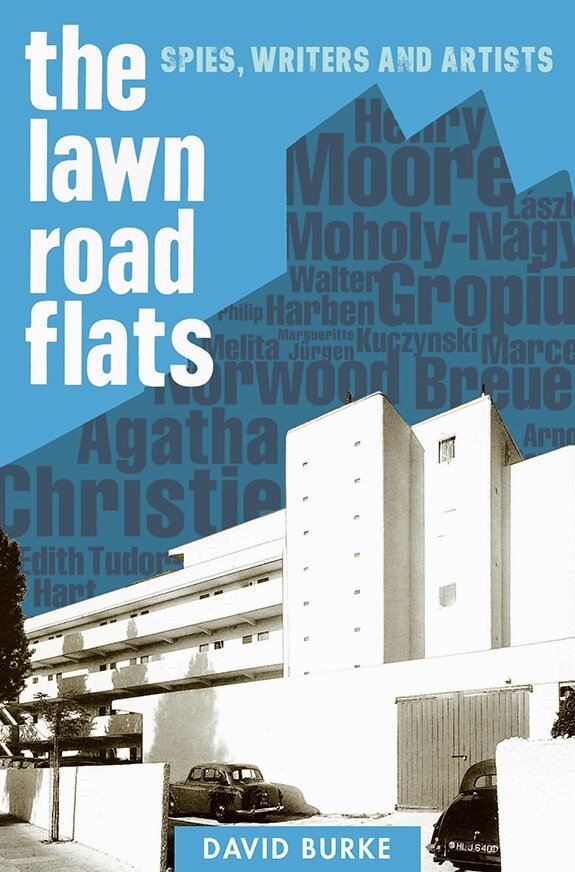
Lawn Road Flats
Spies, Writers and Artists
Inbunden, Engelska, 2014
364 kr
Skickas inom 5-8 vardagar
The story of a modernist building with a significant place in the history of Soviet espionage in Britain, where communist spies rubbed shoulders with British artists, sculptors and writersThe Isokon building, Lawn Road Flats, in Belsize Park on Hampstead's lower slopes, is a remarkable building. The first modernist building in Britain to use reinforced concrete in domestic architecture, its construction demanded new building techniques. But the building was as remarkable for those who took up residence there as for the application of revolutionary building techniques.There were 32 Flats in all, and they became a haunt of some of the most prominent Soviet agents working against Britain in the 1930s and 40s, among them Arnold Deutsch, the controller of the group of Cambridge spies who came to be known as the "Magnificent Five" after the Western movie The Magnificent Seven; the photographer Edith Tudor-Hart; and Melita Norwood, the longest-serving Soviet spy in British espionage history.However, it wasn't only spies who were attracted to the Lawn Road Flats, the Bauhaus exiles Walter Gropius, László Moholy-Nagy and Marcel Breuer; the pre-historian V. Gordon Childe; and the poet (and Bletchley Park intelligence officer) Charles Brasch all made their way there. A number of British artists, sculptors andwriters were also drawn to the Flats, among them the sculptor and painter Henry Moore; the novelist Nicholas Monsarrat; and the crime writer Agatha Christie, who wrote her only spy novel N or M? in the Flats. The Isokon buildingboasted its own restaurant and dining club, where many of the Flats' most famous residents rubbed shoulders with some of the most dangerous communist spies ever to operate in Britain. Agatha Christie often said that she invented her characters from what she observed going on around her. With the Kuczynskis - probably the most successful family of spies in the history of espionage - in residence, she would have had plenty of material.DAVID BURKEis a historian of intelligence and international relations and author of The Spy Who Came In From the Co-op: Melita Norwood and the Ending of Cold War Espionage (The Boydell Press, 2009).
Spy Who Came In From the Co-op
Melita Norwood and the Ending of Cold War Espionage
Häftad, Engelska, 2013
295 kr
Skickas inom 7-10 vardagar
A story of wartime intelligence, super-power relations and spies and their handlers - seen through the experience of Melita Norwood.On September 11th 1999 The Times newspaper carried the front page article "Revealed: the quiet woman who betrayed Britain for 40 years. The spy who came in from the Co-op." Melita Norwood, the last of the atomic spies, hadfinally been run to ground, but at 87 she was deemed too old to prosecute. Her crime: the shortening of the Soviet Union's atomic bomb project by up to 5 years.At a time when the world faces fresh dilemmas caused by the proliferation of nuclear weapons, this is the remarkable story of a much earlier drama. After the atomic bomb strikes on Hiroshima and Nagasaki in August 1945, British and American intelligence estimated the earliest date for the production of a Soviet bomb to be 1953. In fact, the Soviet Union went nuclear in 1948, and tested an atomic bomb in 1949. The Soviet Union's bomb coincided with the onset of The Cold War, and threatened humankind with extinction. Melita Norwood was a member of one of those communist spy networks in America and Britain, who by guaranteeing those weapons of mass destruction threw down a challenge to America as sole superpower in the post-Second World War era. This fascinating book sets her in the context of the times, and uses her as a prism and focus through which to investigate the whole milieu.Dr DAVID BURKE is a Supervisor for the Rise of the Secret World: Governments and Intelligence Communities since 1900 at the University of Cambridge.
Del 4 - History of British Intelligence
Britannia and the Bear
The Anglo-Russian Intelligence Wars, 1917-1929
Inbunden, Engelska, 2014
1 198 kr
Skickas inom 7-10 vardagar
A compelling new narrative about how two Great Powers of the early twentieth century did battle, both openly and in the shadowsDecades before the Berlin Wall went up, a Cold War had already begun raging. But for Bolshevik Russia, Great Britain - not America - was the enemy. Now, for the first time, Victor Madeira tells a story that has been hidden away for nearly a century. Drawing on over sixty Russian, British and French archival collections, Britannia and the Bear offers a compelling new narrative about how two great powers of the time did battle, both openly and in theshadows.By exploring British and Russian mind-sets of the time this book traces the links between wartime social unrest, growing trade unionism in the police and the military, and Moscow's subsequent infiltration of Whitehall. As early as 1920, Cabinet ministers were told that Bolshevik intelligence wanted to recruit university students from prominent families destined for government, professional and intellectual circles. Yet despite these early warnings, men such as the Cambridge Five slipped the security net fifteen years after the alarm was first raised.Britannia and the Bear tells the story of Russian espionage in Britain in these critical interwar years and reveals how British Government identified crucial lessons but failed to learn many of them. The book underscores the importance of the first Cold War in understanding the second, as well as the need for historical perspective ininterpreting the mind-sets of rival powers. Victor Madeira has a decade's experience in international security affairs, and his work has appeared in leading publications such as Intelligence and National Securityand The Historical Journal. He completed his doctorate in Modern International History at Gonville and Caius College, Cambridge.
Del 5 - History of British Intelligence
Secret War Between the Wars: MI5 in the 1920s and 1930s
Inbunden, Engelska, 2014
1 523 kr
Skickas inom 11-20 vardagar
The methods developed by British intelligence in the early twentieth century continue to resonate today. Much like now, the intelligence activity of the British in the pre-Second World War era focused on immediate threats posed by subversive, clandestine networks against a backdrop of shifting great power politics.Even though the First World War had ended, the battle against Britain's enemies continued unabated during the period of the 1920s and 1930s. Buffeted by political interference and often fighting for their very survival, Britain's intelligence services turned to fight a new, clandestine war against rising powers Soviet Russia and Nazi Germany.Using recently declassified files of the British Security Service (MI5), The Secret War Between the Wars details the operations and tradecraft of British intelligence to thwart Communist revolutionaries, Soviet agents, and Nazi sympathizers during the interwar period. This new study charts the development of British intelligence methods and policies in the early twentieth century and illuminates the fraught path of intelligence leading to the Second World War. An analysis of Britain's most riveting interwar espionage cases tells the story of Britain's transition between peace and war.The methods developed by British intelligence in the early twentieth century continue to resonate today. Much like now, the intelligence activity of the British in the pre-Second World War era focused on immediate threats posed by subversive, clandestine networks against a backdrop of shifting great power politics. As Western countries continue to face the challenge of terrorism, and in an era of geopolitical change heralded by the rise of China and the resurgence of Russia, a return to the past may provide context for a better understanding of the future.Kevin Quinlan received his PhD in History from the University of Cambridge. He works in Washington, DC.