History of Ireland and the Irish Diaspora – serie
Visar alla böcker i serien History of Ireland and the Irish Diaspora. Handla med fri frakt och snabb leverans.
14 produkter
14 produkter
Häftad, Engelska, 2003
217 kr
Skickas inom 10-15 vardagar
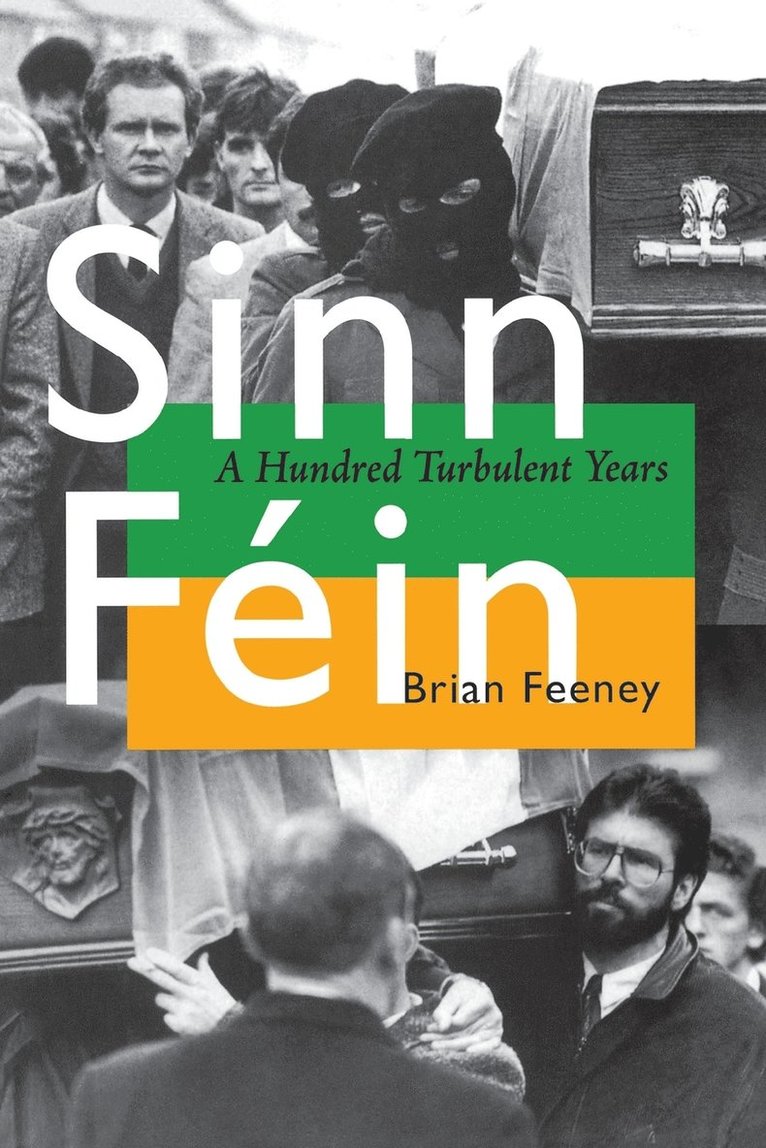
Sinn Féin (""ourselves alone"") is one of the most controversial political movements in Ireland. Here, for the first time, is the complete story of the rise and fall—and rise again—of a party that repeatedly has reshaped its identity over the course of a hundred years, moving from dual monarchy to dual strategy—the gun and the ballot box.From Arthur Griffith to Gerry Adams, this is a roll-call of major personalities from Irish and British history and politics, including Eamon de Valera, Countess Constance Markievicz, David Lloyd George, Michael Collins, Ruairí Ó Brádaigh, Cathal Goulding, Tomás MacGiolla, Margaret Thatcher, and Martin McGuinness.Now at the beginning of the twenty-first century, Sinn Féin seems poised to play a pivotal role in the Irish political arena, north and south, well into the future. Its place in history is still being written.Copublished with the O’Brien Press, Dublin.The Wisconsin edition is for sale only in North America and the Philippines.
Häftad, Engelska, 2003
217 kr
Skickas inom 10-15 vardagar
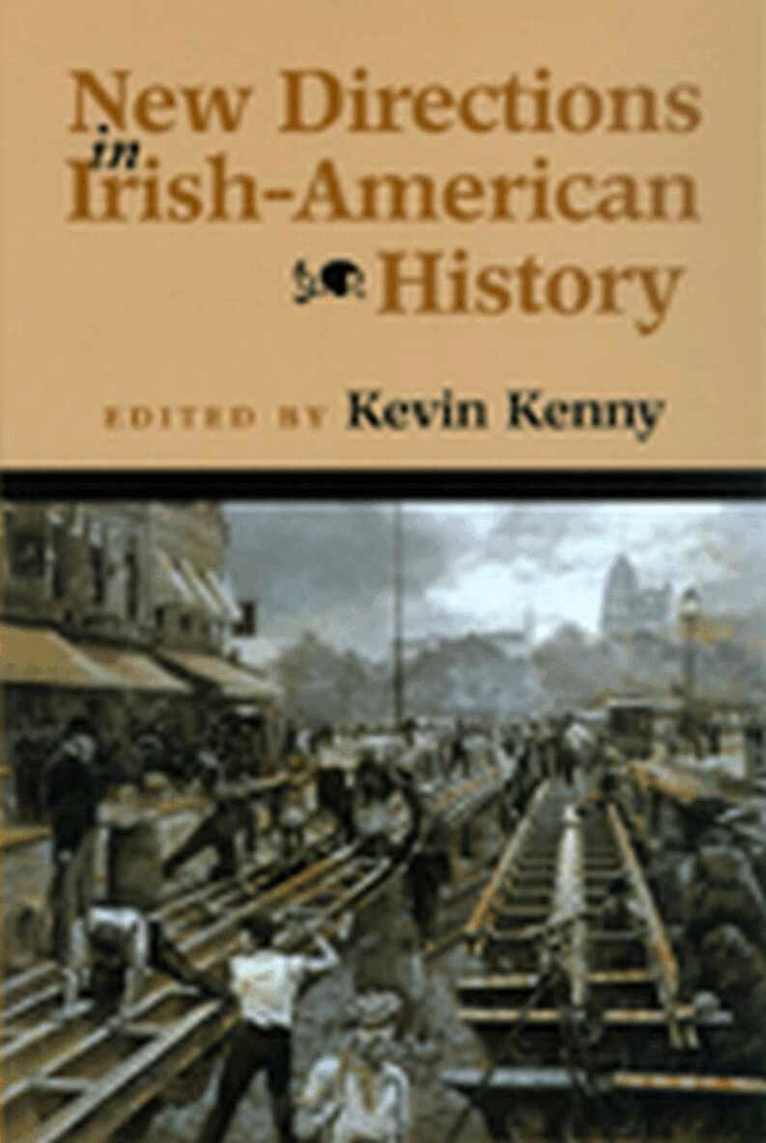
The writing of Irish American history has been transformed since the 1960s. This volume demonstrates how scholars from many disciplines are addressing not only issues of emigration, politics and social class but also race, labour, gender, representation, historical memory and return (both literal and symbolic) to Ireland. This scholarship embraces Protestants as well as Catholics, incorporates analysis from geography, sociology and literary criticism and proposes a transnational framework giving attention to both sides of the Atlantic.
Inbunden, Engelska, 2006
645 kr
Skickas inom 3-6 vardagar
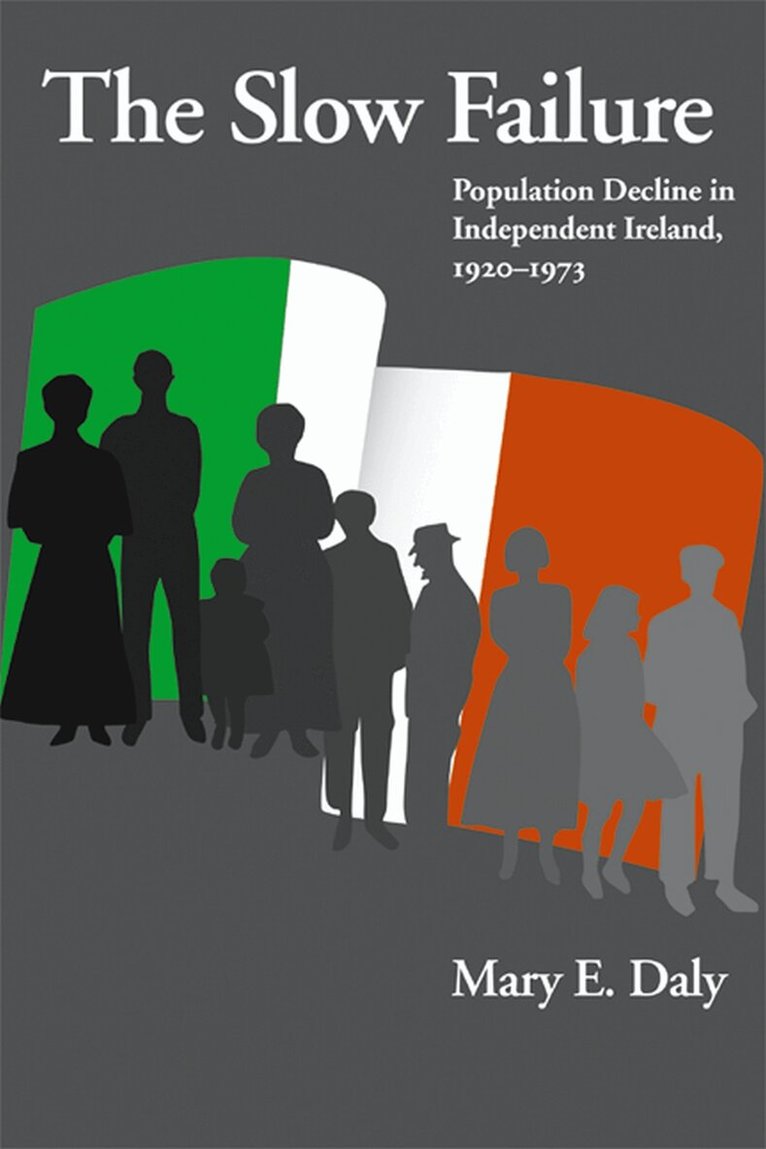
Today Ireland's population is rising, immigration outpaces emigration, most families have two or at most three children, and full-time farmers are in steady decline. But the opposite was true for more than a century, from the great famine of the 1840s until the 1960s. Between 1922 and 1966 - most of the first fifty years after independence - the population of Ireland was falling, in the 1950s as rapidly as in the 1880s. Mary Daly's ""The Slow Failure"" examines not just the reasons for the decline, but the responses to it by politicians, academics, journalists, churchmen, and others who publicly agonized over their nation's ""slow failure."" Eager to reverse population decline but fearful that economic development would undermine Irish national identity, they fashioned statistical evidence to support ultimately fruitless policies that encouraged large, rural farm families. Focusing on both Irish government and society, Daly places Ireland's population history in the mainstream history of independent Ireland. Daly's research reveals how pastoral visions of an ideal Ireland made it virtually impossible to reverse the fall in population. Promoting large families, for example, contributed to late marriages, actually slowing population growth further. The crucial issue of emigration failed to attract serious government attention except during World War II; successive Irish governments refused to provide welfare services for emigrants, leaving that role to the Catholic Church. Daly takes these and other elements of an often-sad story, weaving them into essential reading for understanding modern Irish history.
Häftad, Engelska, 2009
329 kr
Skickas inom 10-15 vardagar
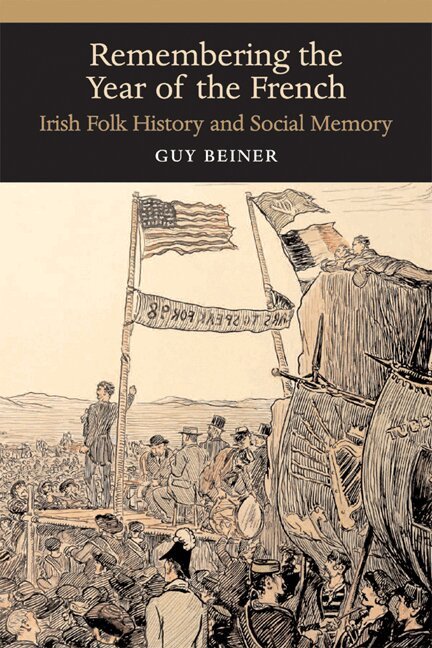
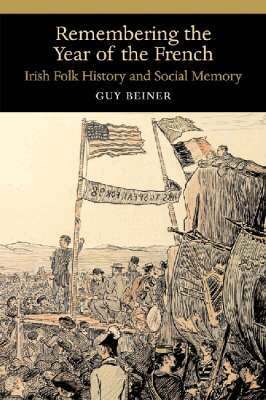
Remembering the Year of the French is a model of historical achievement, moving deftly between the study of historical events - the failed French invasion of the West of Ireland in 1798 - and folkloric representations of those events. Delving into the folk history found in Ireland's archives and rich oral traditions, Guy Beiner reveals alternate visions of the Irish past and brings into focus the vernacular histories, folk commemorative practices, and negotiations of memory that had gone largely unnoticed by historians. Though his focus is 1798, his work is also a comprehensive study of Irish folk history and of grassroots social memory.
Häftad, Engelska, 2007
329 kr
Skickas inom 10-15 vardagar
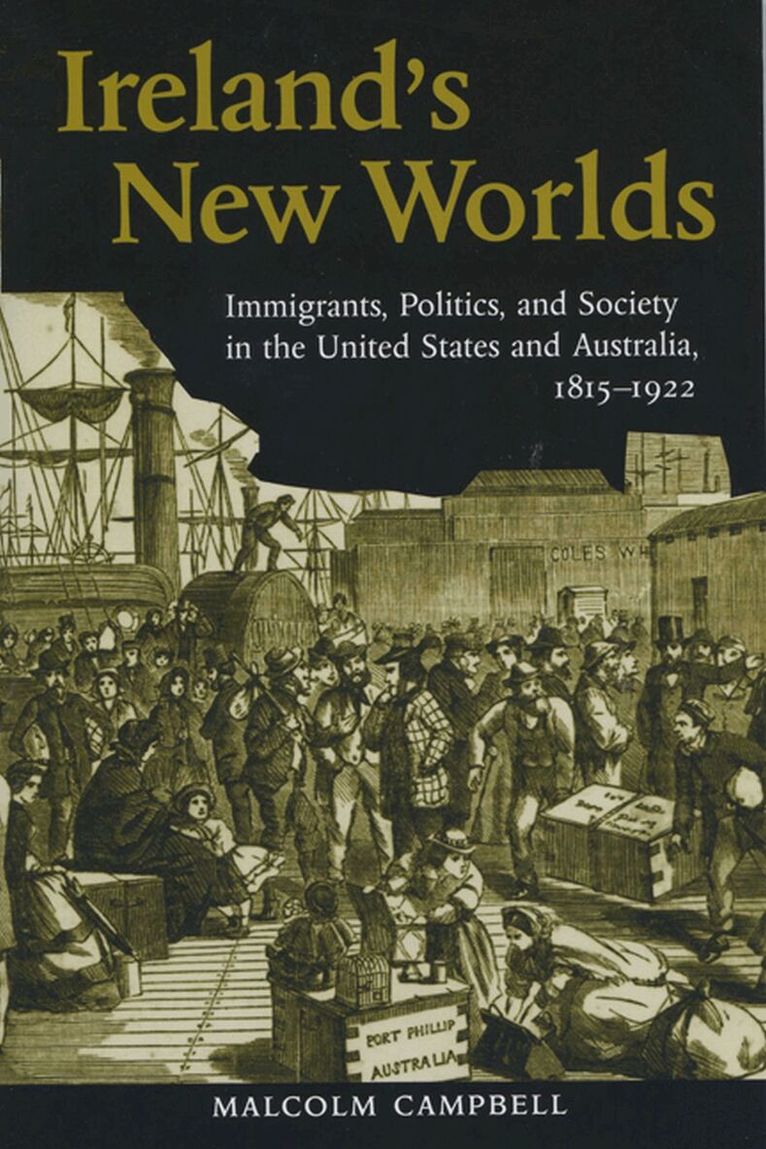
In the century between the Napoleonic Wars and the Irish Civil War, more than seven million Irish men and women left their homeland to begin new lives abroad. While the majority settled in the United States, Irish emigrants dispersed across the globe, many of them finding their way to another ""New World,"" Australia. ""Ireland's New Worlds"" is the first book to compare Irish immigrants in the United States and Australia. In a profound challenge to the national histories that frame most accounts of the Irish diaspora, Malcolm Campbell highlights the ways that economic, social, and cultural conditions shaped distinct experiences for Irish immigrants in each country, and sometimes in different parts of the same country. From differences in the level of hostility that Irish immigrants faced to the contrasting economies of the United States and Australia, Campbell finds that there was much more to the experiences of Irish immigrants than their essential ""Irishness."" America's Irish, for example, were primarily drawn into the population of unskilled laborers congregating in cities, while Australia's Irish, like their fellow colonialists, were more likely to engage in farming. Campbell shows how local conditions intersected with immigrants' Irish backgrounds and traditions to create surprisingly varied experiences in Ireland's new worlds.
Inbunden, Engelska, 2008
735 kr
Skickas inom 10-15 vardagar
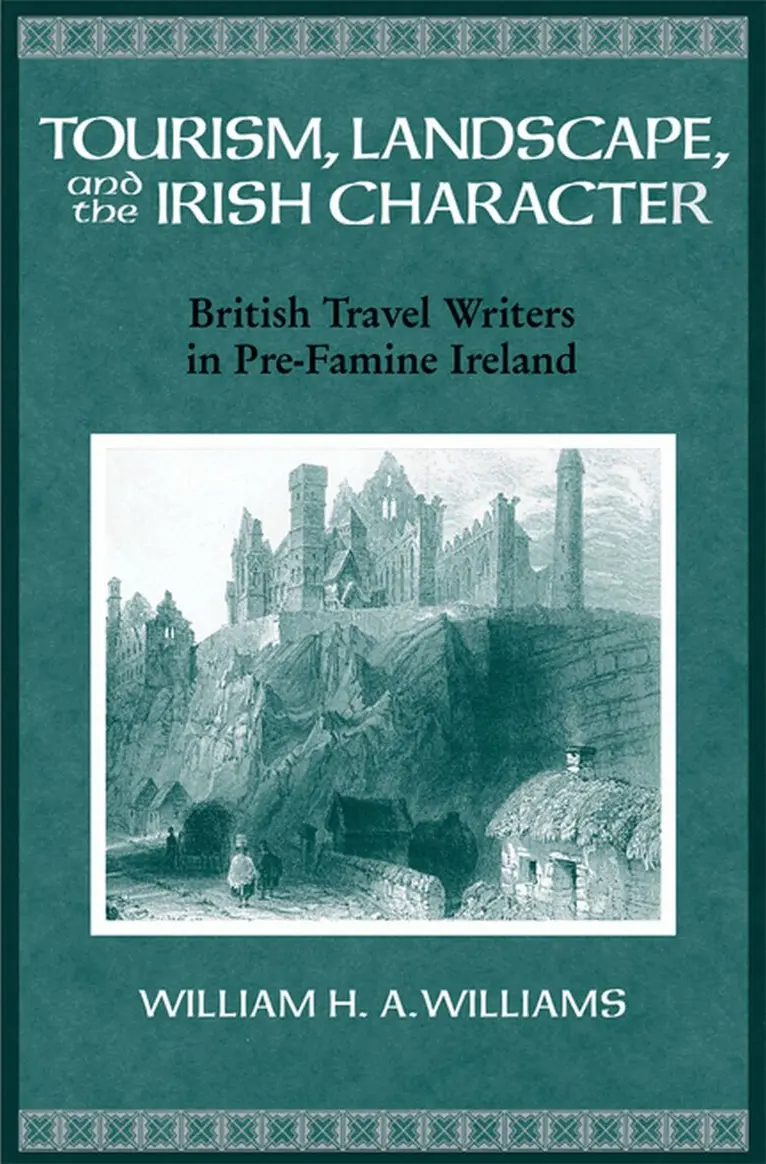
British tourists in Ireland in the eighteenth and nineteenth centuries were both charmed and repulsed. Picturesque but poor, abject yet sublime in its Gothic melancholy, the Ireland they experienced did not fit their British sense of progress, propriety, and Protestantism. ""Tourism, Landscape, and the Irish Character"" draws from more than one hundred accounts by English, Scottish, Welsh, and Anglo-Irish tourists written between 1750 and 1850 to probe the moral judgments British observers made about the Irish countryside and its native inhabitants. Whether consciously or not, these travel writers defined their own British identity in opposition to a perceived Irish strangeness: the rituals of Catholicism, the seemingly histrionic lamentations of the funeral wake, cemeteries with displays of human bones, the archaic Irish language or the Celtic-infused English that they heard spoken. Overlooking the acute despair in England's own industrial cities, they opined that the poverty, bog lands, and ill-thatched houses of rural Ireland indicated failures of the Irish character. By the eve of the Famine of the 1840s, travel writers were employing stereotypes of Celtic, Catholic carelessness in the south of Ireland and Saxon neatness and enterprise in predominantly Protestant Ulster, even calling for ""Saxon"" colonization of the west of Ireland. The Famine cleared the land of many of the peasants, but the western landscape, magnificent in its scenery but poor in its soil, eventually defeated most of the British ""colonists,"" leaving the region to an ever-increasing number of tourists who could enjoy the picturesque mountainscapes without the distracting contradiction of an impoverished populace.
Häftad, Engelska, 2012
325 kr
Skickas inom 5-8 vardagar
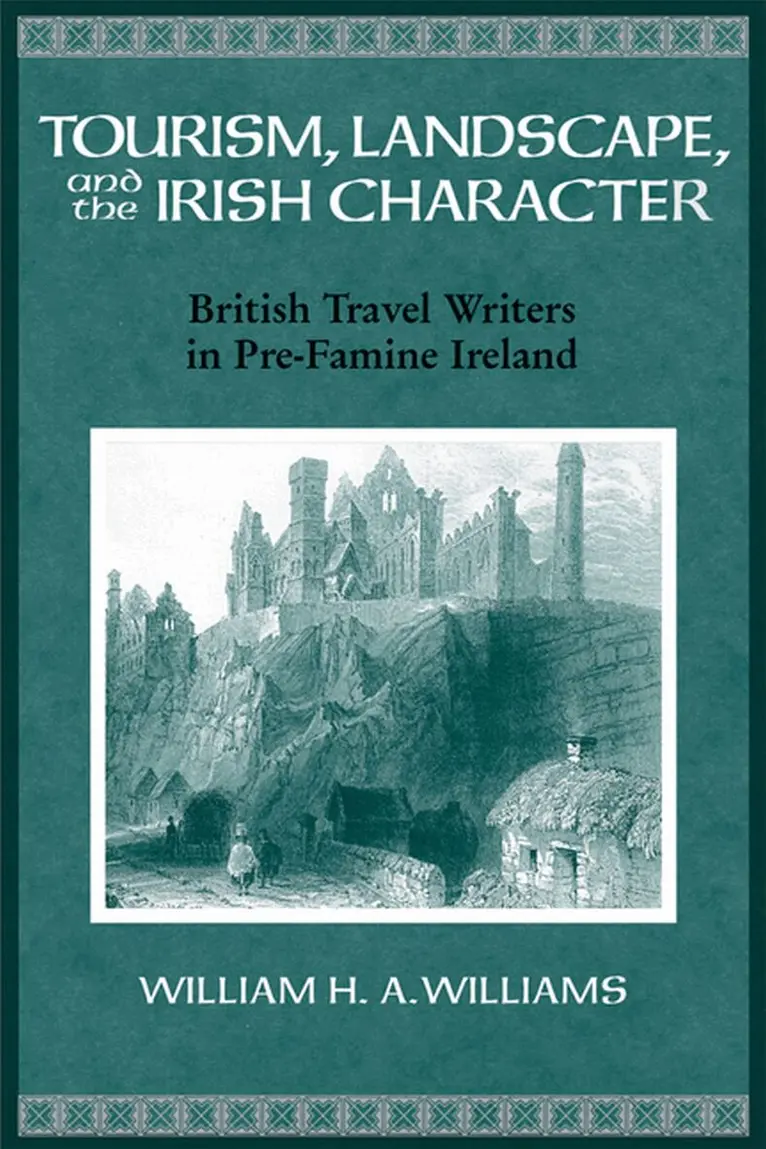
British tourists in Ireland in the eighteenth and nineteenth centuries were both charmed and repulsed. Picturesque but poor, abject yet sublime in its Gothic melancholy, the Ireland they experienced did not fit their British sense of progress, propriety, and Protestantism. Tourism, Landscape, and the Irish Character draws from more than one hundred accounts by English, Scottish, Welsh, and Anglo-Irish tourists written between 1750 and 1850 to probe the moral judgements British observers made about the Irish countryside and its native inhabitants. Whether consciously or not, these travel writers defined their own British identity in opposition to a perceived Irish strangeness: the rituals of Catholicism, the seemingly histrionic lamentations of the funeral wake, cemeteries with displays of human bones, the archaic Irish language or the Celtic-infused English that they heard spoken. Overlooking the acute despair in England's own industrial cities, they opined that the poverty, bog lands, and ill-thatched houses of rural Ireland indicated failures of the Irish character. By the eve of the Famine of the 1840s, travel writers were employing stereotypes of Celtic, Catholic carelessness in the south of Ireland and Saxon neatness and enterprise in predominantly Protestant Ulster, even calling for "Saxon" colonisation of the west of Ireland. The Famine cleared the land of many of the peasants, but the western landscape, magnificent in its scenery but poor in its soil, eventually defeated most of the British "colonists," leaving the region to an ever-increasing number of tourists who could enjoy the picturesque mountainscapes without the distracting contradiction of an impoverished populace.
Häftad, Engelska, 2009
385 kr
Skickas inom 10-15 vardagar
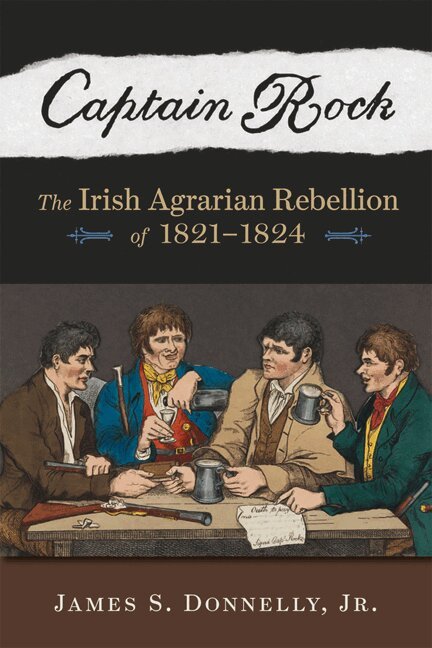
Named for its mythical leader “Captain Rock,” avenger of agrarian wrongs, the Rockite movement of 1821–24 in Ireland was notorious for its extraordinary violence. In Captain Rock, James S. Donnelly, Jr., offers both a fine-grained analysis of the conflict and a broad exploration of Irish rural society after the French revolutionary and Napoleonic wars.Originating in west Limerick, the Rockite movement spread quickly under the impact of a prolonged economic depression. Before long the insurgency embraced many of the better-off farmers. The intensity of the Rockites’ grievances, the frequency of their resort to sensational violence, and their appeal on such key issues as rents and tithes presented a nightmarish challenge to Dublin Castle—prompting in turn a major reorganization of the police, a purging of the local magistracy, the introduction of large military reinforcements, and a determined campaign of judicial repression. A great upsurge in sectarianism and millenarianism, Donnelly shows, added fuel to the conflagration. Inspired by prophecies of doom for the Anglo-Irish Protestants who ruled the country, the overwhelmingly Catholic Rockites strove to hasten the demise of the landed elite they viewed as oppressors.Drawing on a wealth of sources—including reports from policemen, military officers, magistrates, and landowners as well as from newspapers, pamphlets, parliamentary inquiries, depositions, rebel proclamations, and threatening missives sent by Rockites to their enemies—Captain Rock offers a detailed anatomy of a dangerous, widespread insurgency whose distinctive political contours will force historians to expand their notions of how agrarian militancy influenced Irish nationalism in the years before the Great Famine of 1845–51.
Häftad, Engelska, 2010
329 kr
Skickas inom 10-15 vardagar
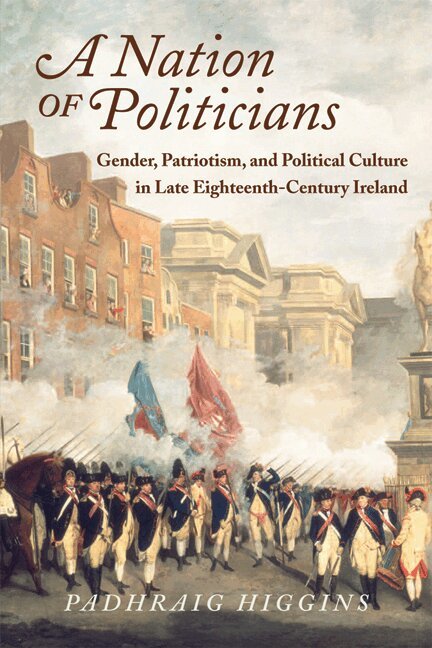
Between the years 1778 and 1784, groups that had previously been excluded from the Irish political sphere - women, Catholics, lower-class Protestants, farmers, shopkeepers, and other members of the labouring and agrarian classes - began to imagine themselves as civil subjects with a stake in matters of the state. This politicisation of non-elites was largely driven by the Volunteers, a local militia force that emerged in Ireland as British troops were called away to the American War of Independence. With remarkable speed, the Volunteers challenged central features of British imperial rule over Ireland and helped citizens express a new Irish national identity.In A Nation of Politicians, Padhraig Higgins argues that the development of Volunteer-initiated activities - associating, petitioning, subscribing, shopping, and attending celebrations - expanded the scope of political participation. Using a wide range of literary, archival, and visual sources, Higgins examines how ubiquitous forms of communication - sermons, songs and ballads, handbills, toasts, graffiti, theatre, rumours, and gossip - encouraged ordinary Irish citizens to engage in the politics of a more inclusive society and consider the broader questions of civil liberties and the British Empire. A Nation of Politicians presents a fascinating tale of the beginnings of Ireland’s richly vocal political tradition at this important intersection of cultural, intellectual, social, and public history.
Häftad, Engelska, 2014
329 kr
Skickas inom 10-15 vardagar
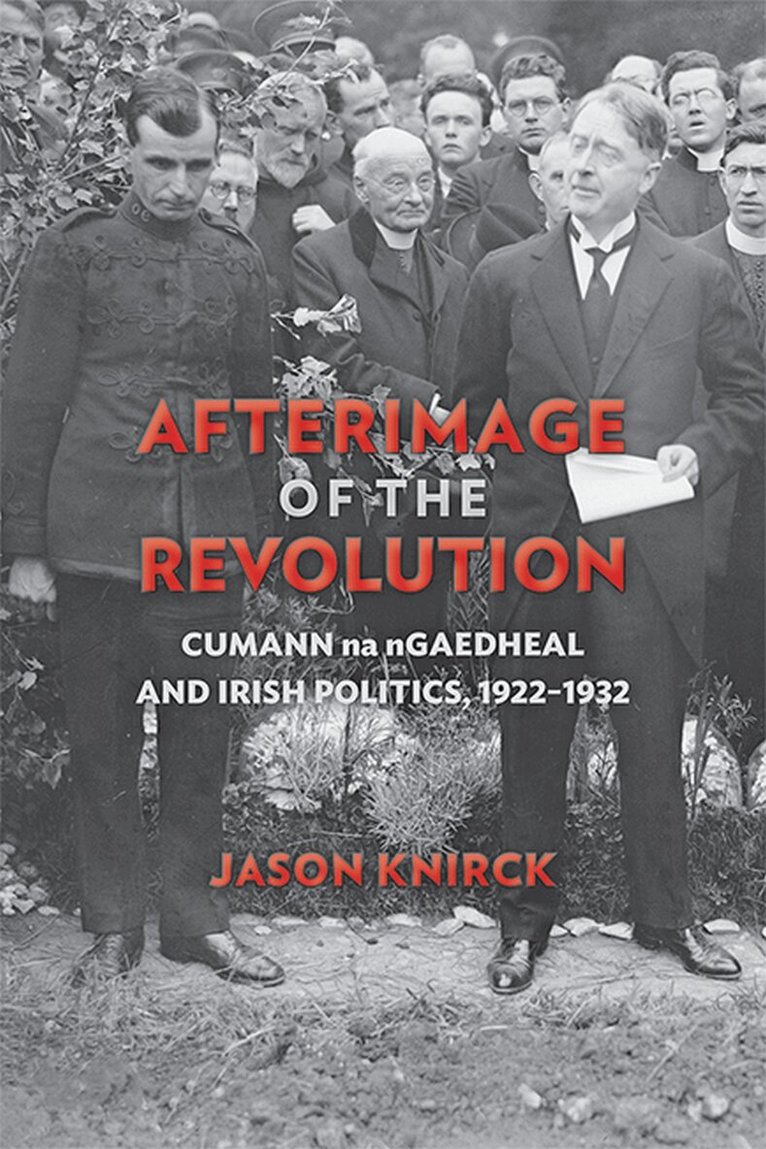
Ascending to power after the Anglo-Irish Treaty and a violent revolution against the United Kingdom, the political party Cumann na nGaedheal governed during the first ten years of the Irish Free State (1922–32). Taking over from the fallen Michael Collins and Arthur Griffith, Cumann na nGaedheal leaders such as W. T. Cosgrave and Kevin O'Higgins won a bloody civil war, created the institutions of the new Free State, and attempted to project abroad the independence of a new Ireland.In response to the view that Cumann na nGaedheal was actually a reactionary counterrevolutionary party, Afterimage of the Revolution contends that, in building the new Irish state, the government framed and promoted its policies in terms of ideas inherited from the revolution. In particular, Cumann na nGaedheal emphasised Irish sovereignty, the ""Irishness"" of the new state, and a strong sense of anticolonialism, all key components of the Sinn Féin party platform during the revolution. Jason Knirck argues that the 1920s must be understood as part of a continuing Irish revolution that led to an eventual independent republic. Drawing on state documents, newspapers, and private papers—including the recently released papers of Kevin O'Higgins—he offers a fresh view of Irish politics in the 1920s and integrates this period more closely with the Irish Revolution.
Häftad, Engelska, 2015
385 kr
Skickas inom 10-15 vardagar
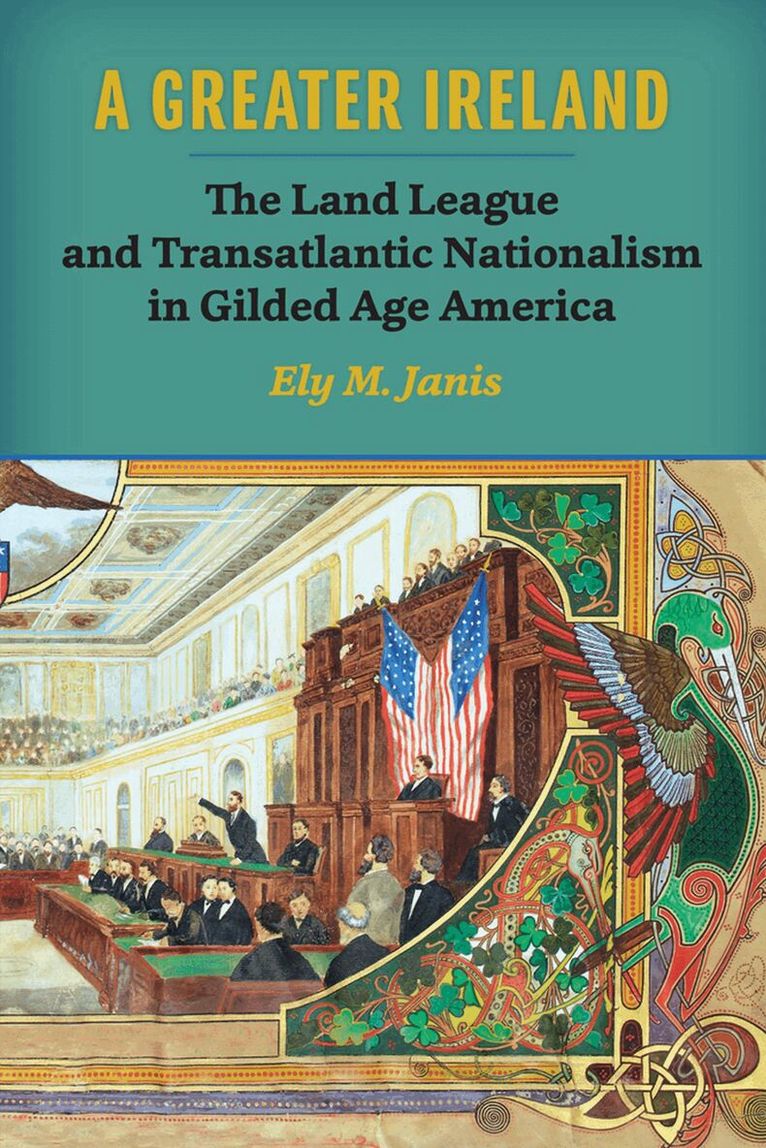
During the early 1880s a continual interaction of events, ideas, and people in Ireland and the United States created a ""Greater Ireland"" spanning the Atlantic that profoundly impacted both Irish and American society. In A Greater Ireland: The Land League and Transatlantic Nationalism in Gilded Age America, Ely M. Janis closely examines the Irish National Land League, a transatlantic organization with strong support in Ireland and the United States. Founded in Ireland in 1879 against the backdrop of crop failure and agrarian unrest, the Land League pressured the British government to reform the Irish landholding system and allow Irish political self-rule. The League quickly spread to the United States, with hundreds of thousands of Irish Americans participating in branches in their local communities.As this ""Greater Ireland"" flourished, new opportunities arose for women and working-class men to contribute within Irish-American society. Exploring the complex interplay of ethnicity, class, and gender, Janis demonstrates the broad range of ideological, social, and political opinion held by Irish Americans in the 1880s. Participation in the Land League deeply influenced a generation that replaced their old county and class allegiances with a common cause, shaping the future of Irish-American nationalism.
Häftad, Engelska, 2014
385 kr
Skickas inom 10-15 vardagar
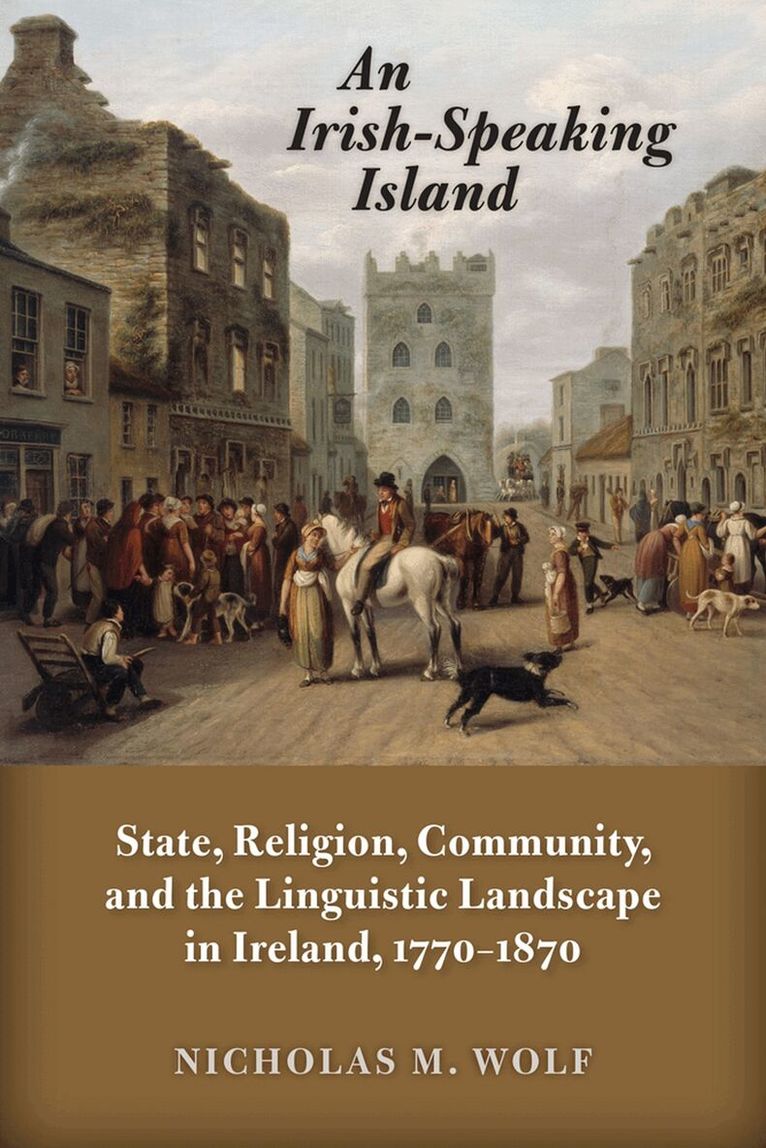
After 1770, Ireland experienced the establishment of modern forms of Irish Catholicism, new engagement by the public with the political process, and the growth of the modern state, represented by new legal and educational systems.An Irish-Speaking Island investigates the role in these developments of the population who spoke Irish in their daily lives - whether as a first or second language - and links the history of language contact and bilingualism with the broader history of Ireland in the eighteenth and nineteenth centuries.As late as 1840, Ireland had as many as four million Irish speakers - a significant proportion of the total population - who could be found in every county of the island and in all social classes and religious persuasions. Their impact on the modern history of Ireland and the United Kingdom cannot be captured by a simple conclusion that they became anglicized. Rather, Nicholas M. Wolf explores the complex ways in which the transition from Irish to English placed a premium on adaptive bilingualism and shaped beliefs and behavior in the domestic sphere, religious life, and oral culture within the community. An Irish-Speaking Island will interest not only historians but also scholars of linguistics, folklore, politics, literature, and religion.
Inbunden, Engelska, 2016
723 kr
Skickas
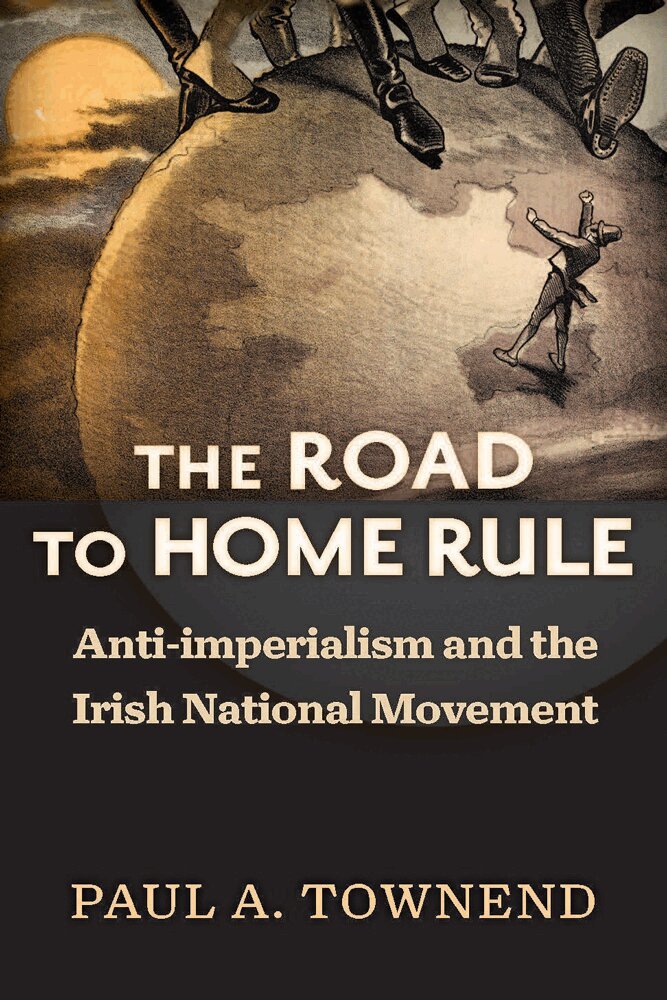
In the 1870s and 1880s, as the United Kingdom avidly built its empire in Asia and Africa, its rampant expansionism came under the scrutiny of its first and oldest colony, Ireland. Some Irish considered themselves loyal subjects and proud participants in the imperial enterprise, but others drew sharp analogies between the crown’s ongoing conquests of distant lands and its centuries-old oppression of their homeland. The Irish were aware of how the British army had brutally suppressed Afghans, Egyptians, Zulus, and Boers—and how returning troops were then redeployed to quash dissent in Ireland. In Irish eyes, misrule by British officials and absentee landlords mirrored imperial oppression across the globe.Paul Townend shows that a growing critique of British imperialism shaped a rapidly evolving Irish political consciousness and was a crucial factor giving momentum to the Home Rule and Land League campaigns. Examining newspaper accounts, the rich political cartoons of the era, and the rhetoric and actions of Irish nationalists, he argues that anti-imperialism was a far more important factor in the formation of the independence movement than has been previously recognized in historical scholarship.
Inbunden, Engelska, 2022
903 kr
Skickas inom 10-15 vardagar
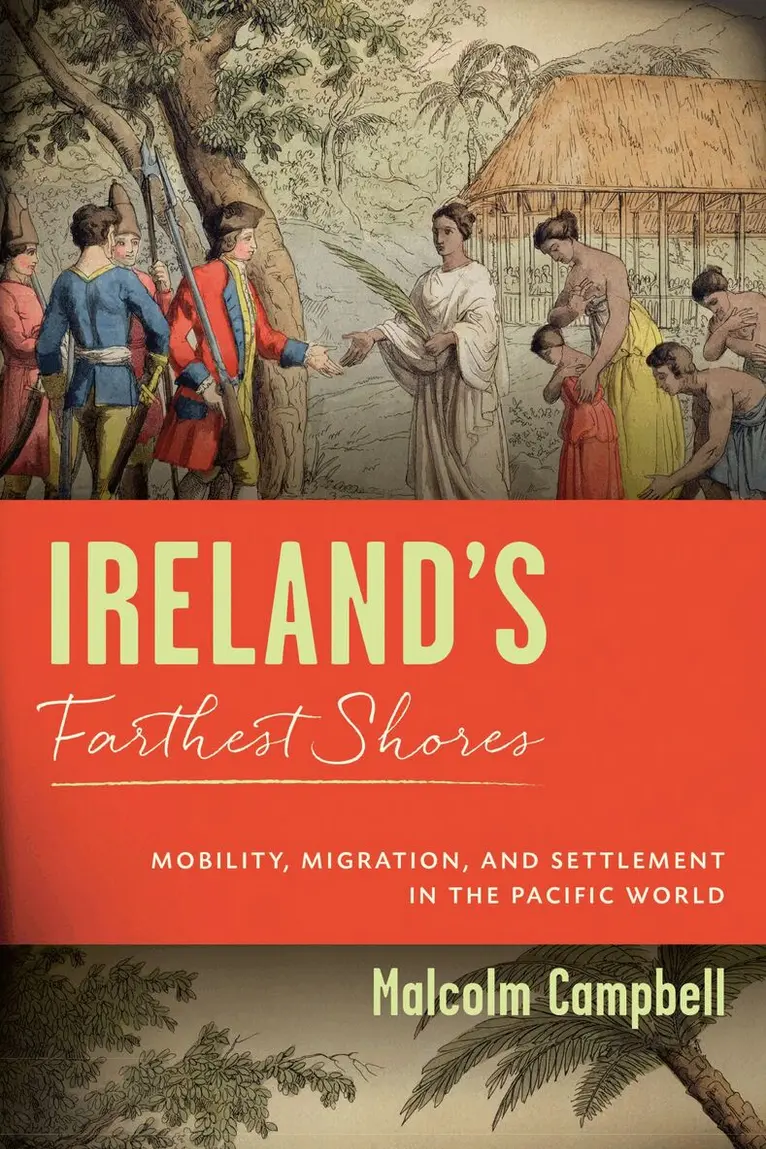
Irish people have had a long and complex engagement with the lands and waters encompassing the Pacific world. As the European presence in the Pacific intensified from the late eighteenth century, the Irish entered this oceanic space as beachcombers, missionaries, traders, and colonizers. During the nineteenth century, economic distress in Ireland and rapid population growth on the Pacific Ocean's eastern and western shores set in motion large-scale migration that exerted a deep political, social, and economic impact across the Pacific.Malcolm Campbell examines the rich history of Irish experiences on land and at sea, offering new perspectives on migration and mobility in the Pacific world and of the Irish role in the establishment and maintenance of the British Empire. This volume investigates the extensive transnational connections that developed among Irish immigrants and their descendants across this vast and unique oceanic space, ties that illuminate how the Irish participated in the making of the Pacific world and how the Pacific world made them.