Ibero-American Criminal Sciences – serie
Visar alla böcker i serien Ibero-American Criminal Sciences. Handla med fri frakt och snabb leverans.
2 produkter
2 produkter
Inbunden, Engelska, 2026
759 kr
Skickas inom 10-15 vardagar
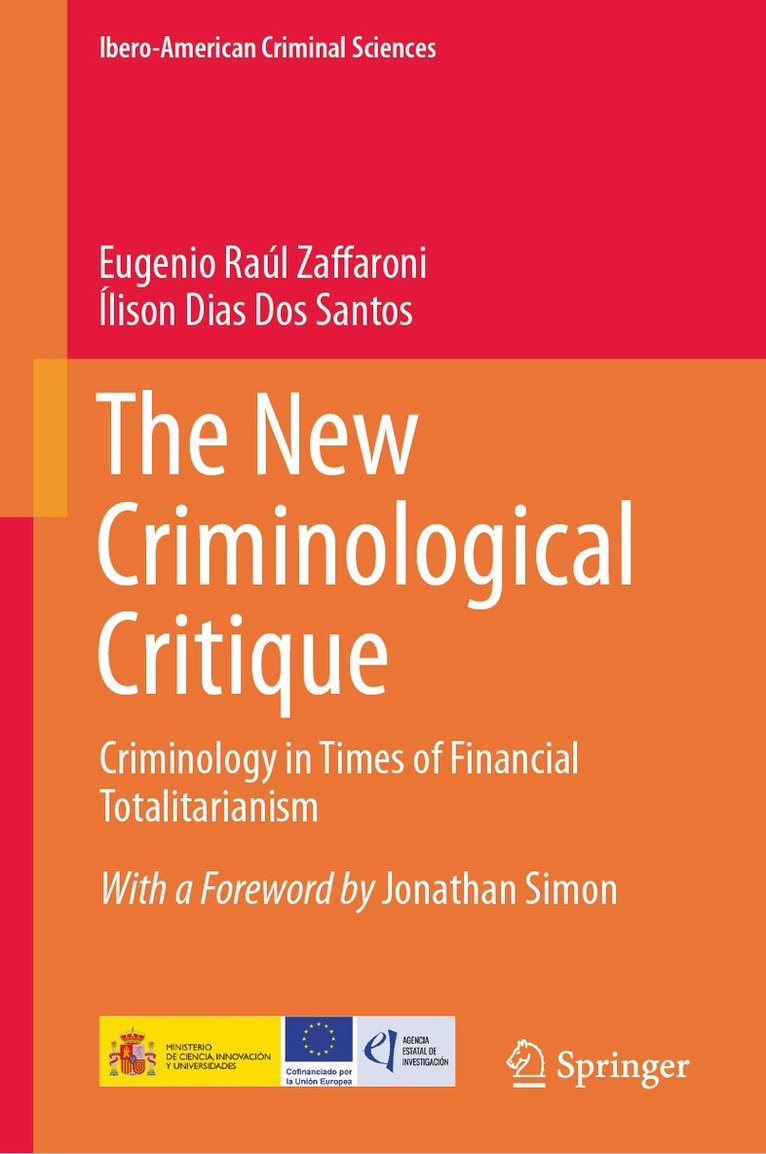
This book examines the rise of financial totalitarianism and its profound implications for criminal justice and criminological theory. It explores how the concentration of wealth and social exclusion, driven by corporate CEOs, has altered the role of politics in shaping criminal justice systems. The text argues that these shifts have given rise to a dystopian criminology, marked by a focus on total security, extreme prevention, zero tolerance policies, and pervasive surveillance. It critically assesses how these developments contribute to the criminalization of dissent, foster societal fears of outsiders, and institutionalize ethnic and cultural discrimination, all while maintaining a façade of administrative control. Drawing on historical and contemporary analysis, the book offers a framework for rethinking criminology in the context of financial and political power, advocating for a more critical approach to understanding crime, punishment, and justice in an increasingly unequal world.
Inbunden, Engelska, 2026
1 082 kr
Skickas inom 10-15 vardagar
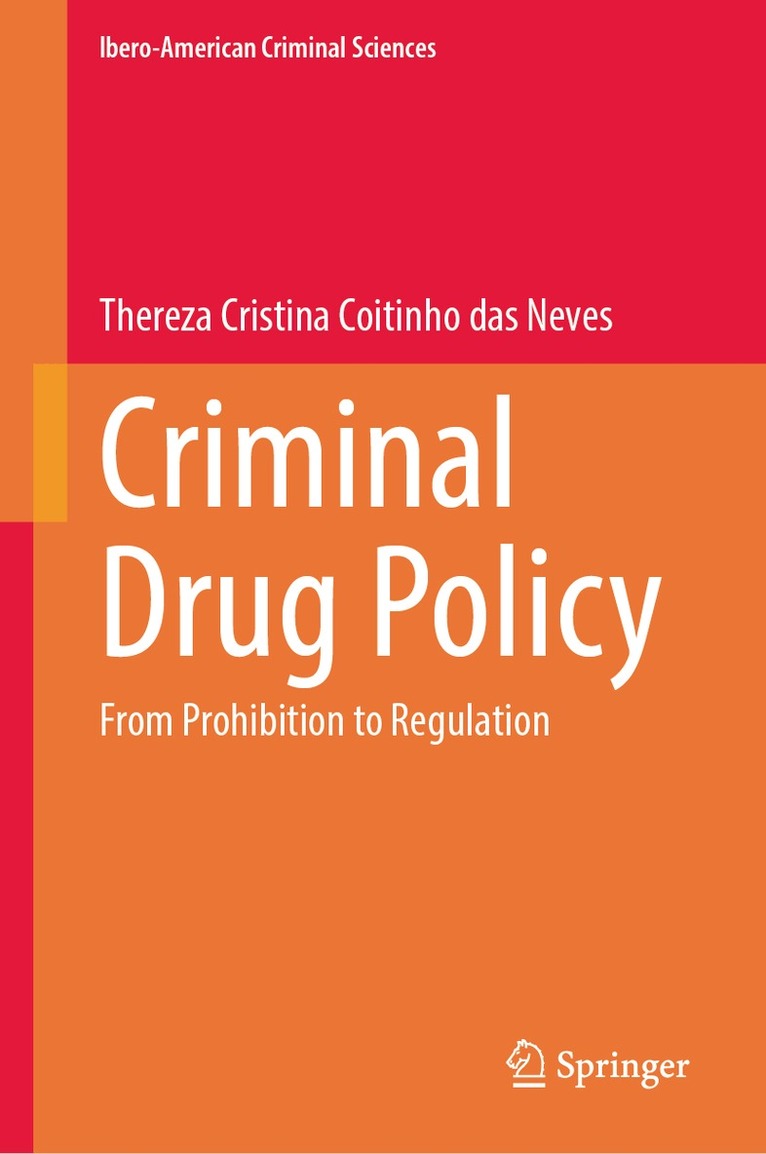
This book presents a critical examination of the global drug prohibition system, focusing on its historical development, societal impact, and inherent contradictions. Drawing from a wide array of interdisciplinary perspectives—spanning law, politics, history, sociology, and economics—the author explores how the criminalization of certain substances has not only failed to curb illicit drug use but also created harmful collateral consequences, particularly in Latin America.The book critiques the so-called "War on Drugs," initiated in the 1970s, and highlights its detrimental effects on marginalized communities, particularly in Brazil, where militarized police forces control poverty-stricken areas. Through a compelling analysis of the legal and geopolitical factors behind drug prohibition, it highlights the illegitimacy and social costs of punitive drug policies. This book emphasizes the urgent need for a paradigm shift towards drug regulation, arguing that the current punitive approach exacerbates human rights violations and perpetuates systemic violence.The work further offers practical solutions for reform, proposing alternative models of drug control that prioritize harm reduction and public health. With a focus on the necessity of global cooperation and the ethical imperative to protect human dignity, the book challenges readers to rethink entrenched ideologies surrounding drug use and criminal justice.