Indigenous Languages of Russia – serie
Visar alla böcker i serien Indigenous Languages of Russia. Handla med fri frakt och snabb leverans.
3 produkter
3 produkter
2 329 kr
Skickas inom 5-8 vardagar
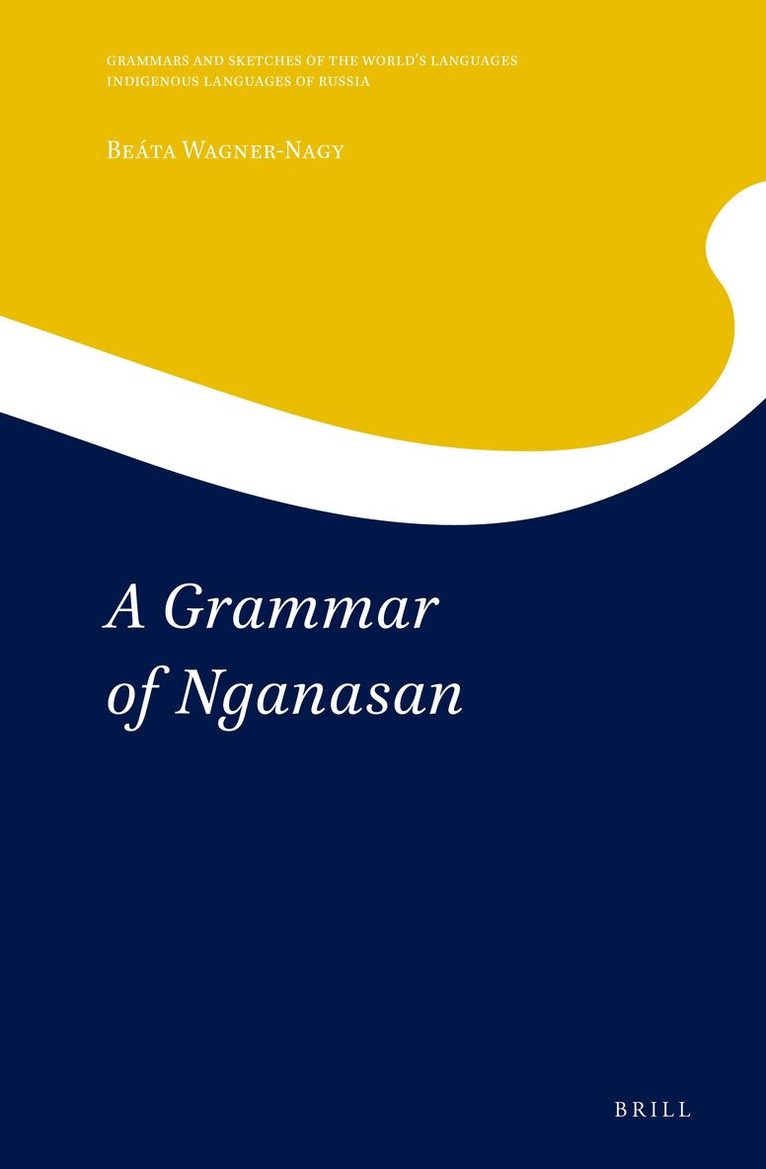
With this descriptive grammar of Nganasan Beáta Wagner-Nagy presents a comprehensive description of the highly endangered Samoyedic language, spoken only by a small number of individuals on Siberia’s Taimyr Peninsula. Based on corpus data from the Nganasan Spoken Language Corpus as well as field work the grammar follows a traditional structure. Contents range from a description of phonetic features and phonological processes over word classes, morphological features to syntactic and semantic properties. The grammar highlights morphophonological alternations as well as the pragmatic organization of Nganasan. A discussion of the core vocabulary completes the account in addition to two sample texts. The grammar reflects significant typological aspects thus serving as a reasonable basis for further comparison in Uralic studies.
Del 18 - Indigenous Languages of Russia
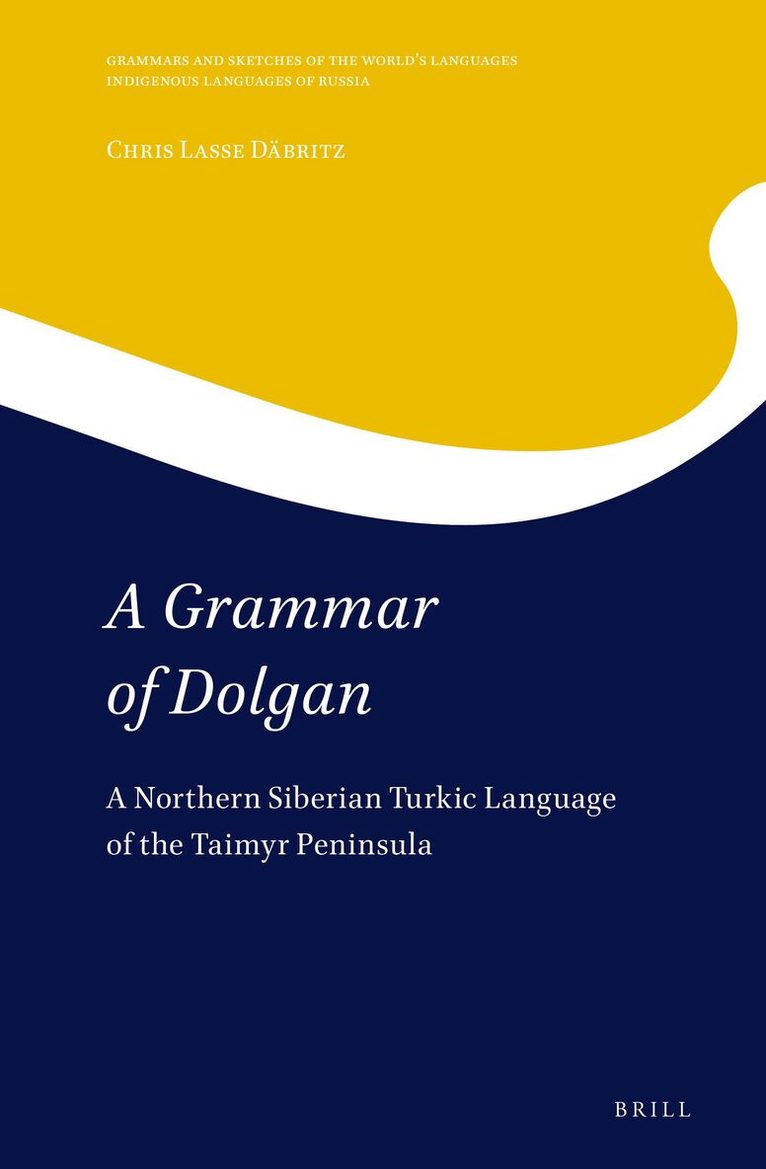
Grammar of Dolgan
A Northern Siberian Turkic Language of the Taimyr Peninsula
Inbunden, Engelska, 2022
2 936 kr
Skickas inom 5-8 vardagar
Dolgan is a severely endangered Turkic language spoken in the extreme north of the Russian Federation which has undergone noticeable substrate influence and thus exhibits grammatical structures differing from other Turkic languages. The grammar at hand is the first fully-fledged grammar of Dolgan in English language: It describes the Dolgan language system from an internal perspective basing on corpus data of natural Dolgan speech. It takes historical, comparative and typological perspectives, if applicable, but refrains from pertaining to a particular linguistic theory. Consequently, both Turcologists and general linguists can make use of it independently from their individual research question.
3 094 kr
Skickas inom 3-6 vardagar
The Soviet authorities denied the Besermans the right to self-identify. For decades, their language was dismissed as merely a dialect of Udmurt, a closely related language spoken by a different ethnic group. Only in 2021 was Beserman officially recognized as a separate language—by then, some fifteen years had already passed since intergenerational transmission had come to an end.This grammar demonstrates why such recognition matters. Drawing on many years of fieldwork within the Beserman community, it offers a comprehensive portrait of the language: its phonology, morphology, syntax, vocabulary, information structure, and pragmatics. More than 3,700 carefully selected examples bring these features to life and show that Beserman is, beyond doubt, a language worthy of study in its own right.