Insights on International Economic Law – serie
Visar alla böcker i serien Insights on International Economic Law. Handla med fri frakt och snabb leverans.
6 produkter
6 produkter
847 kr
Skickas inom 10-15 vardagar
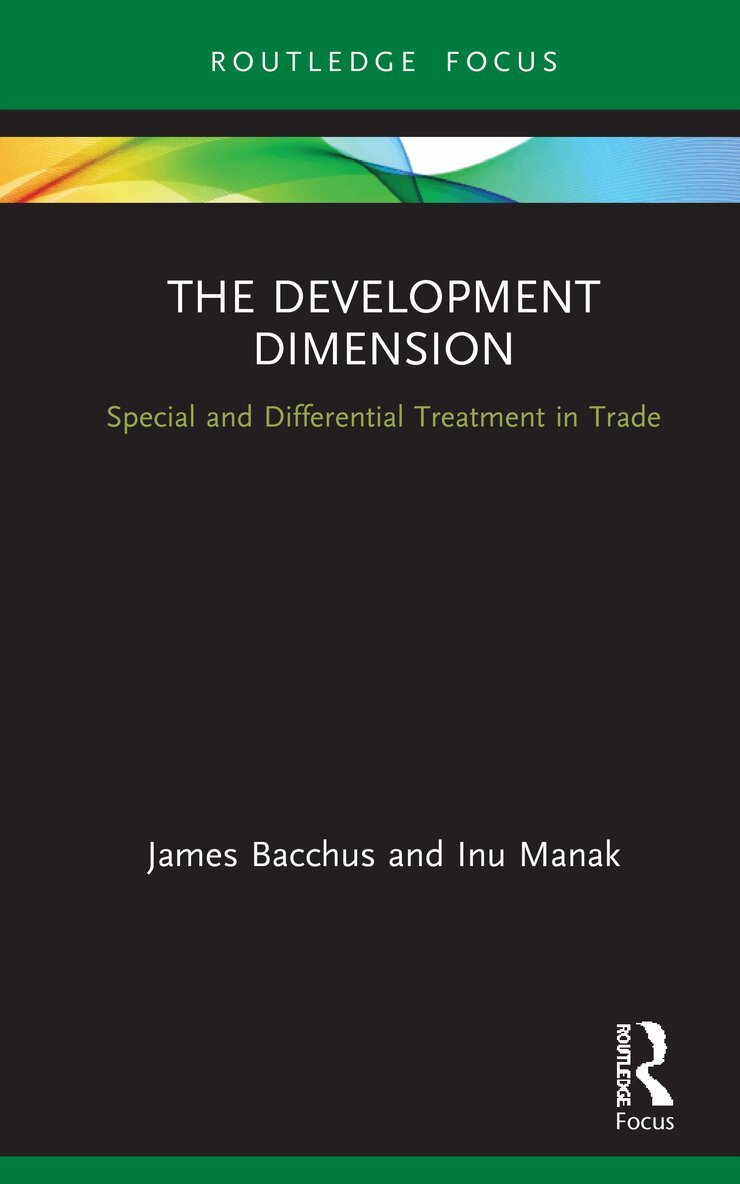
This book critically analyses the World Trade Organization’s approach to "special and differential treatment" (SDT) to argue that it is founded on seeking exemptions from WTO obligations, instead of creating an enabling environment for developing countries to integrate fully into the multilateral trading system. Through six key sections: United States Proposal on Special and Differential Treatment Responses to United States ProposalThe Evolution of Differential TreatmentFailure of the Current Approach to Differential TreatmentComplications Created by China’s Emergence in the Global EconomyAn Alternative Approach to Differential Treatmentthis book explores how, by adopting a new evidence-based, case-by-case approach to SDT, the development of the poorest countries can best be advanced, while at the same time ensuring that advanced developing countries carry their weight in the organization.It will be of interest to scholars and students of international trade law and political science, as well as trade practitioners such as lawyers, diplomats, and analysts.
287 kr
Skickas inom 10-15 vardagar
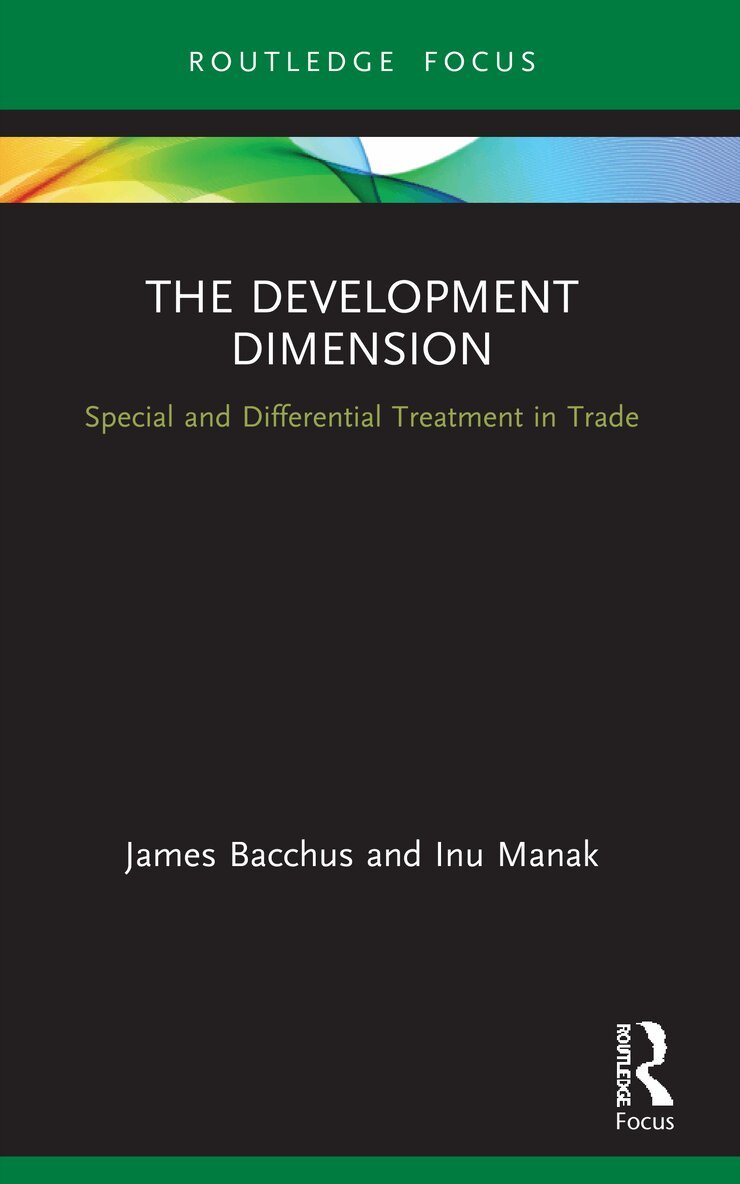
This book critically analyses the World Trade Organization’s approach to "special and differential treatment" (SDT) to argue that it is founded on seeking exemptions from WTO obligations, instead of creating an enabling environment for developing countries to integrate fully into the multilateral trading system. Through six key sections: United States Proposal on Special and Differential Treatment Responses to United States ProposalThe Evolution of Differential TreatmentFailure of the Current Approach to Differential TreatmentComplications Created by China’s Emergence in the Global EconomyAn Alternative Approach to Differential Treatmentthis book explores how, by adopting a new evidence-based, case-by-case approach to SDT, the development of the poorest countries can best be advanced, while at the same time ensuring that advanced developing countries carry their weight in the organization.It will be of interest to scholars and students of international trade law and political science, as well as trade practitioners such as lawyers, diplomats, and analysts.
694 kr
Skickas inom 10-15 vardagar
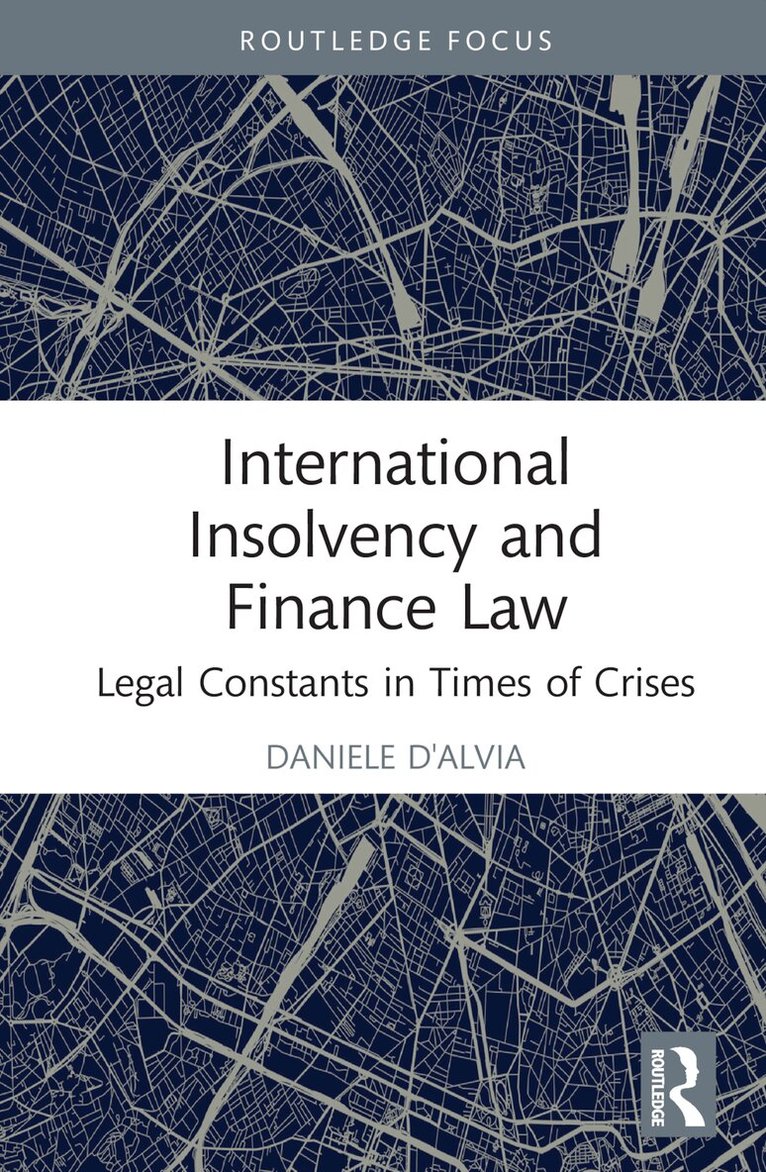
Focusing on the Global Financial Crisis 2007-2010 and the new emerging Covid-19 crisis in 2020, this book examines the discourse on risk and uncertainty in the markets through the lens of financial crises. Such crises represent a failure of the law to regulate, and constitute the basis through which a new theory of legal constants can be introduced in comparative law. Crisis impose a dramatic reformulation of the law, the Covid-19 confirms this trend, and new out-of-law instances are appearing beyond a paternalistic approach of direct State regulation. Restructuring procedures are playing a vital role in businesses’ survival, and new out-of-law mechanisms such as moratorium agreements and private workouts have become essential to preserve businesses. It is clear that the role of the law has completely changed, and this book argues that constants outside of the law are new ways to promote an “uncodified-codification” of the law. The case for uncodified uncertainty in the Covid-19 crisis is a primary example of how no codification process can ignore the importance of out-of-law instances in the act of making law. This book explores how this approach influences the harmonisation process of international economic law between national insolvency regimes and international agreed frameworks, demonstrating the role of comparative law in formulating legal constants using Covid-19 and the complexity of modern financial markets as the criterion to introduce the reader to this new theory, which claims a new role for comparative law in policy making processes within the framework of international economic law.
269 kr
Skickas inom 10-15 vardagar
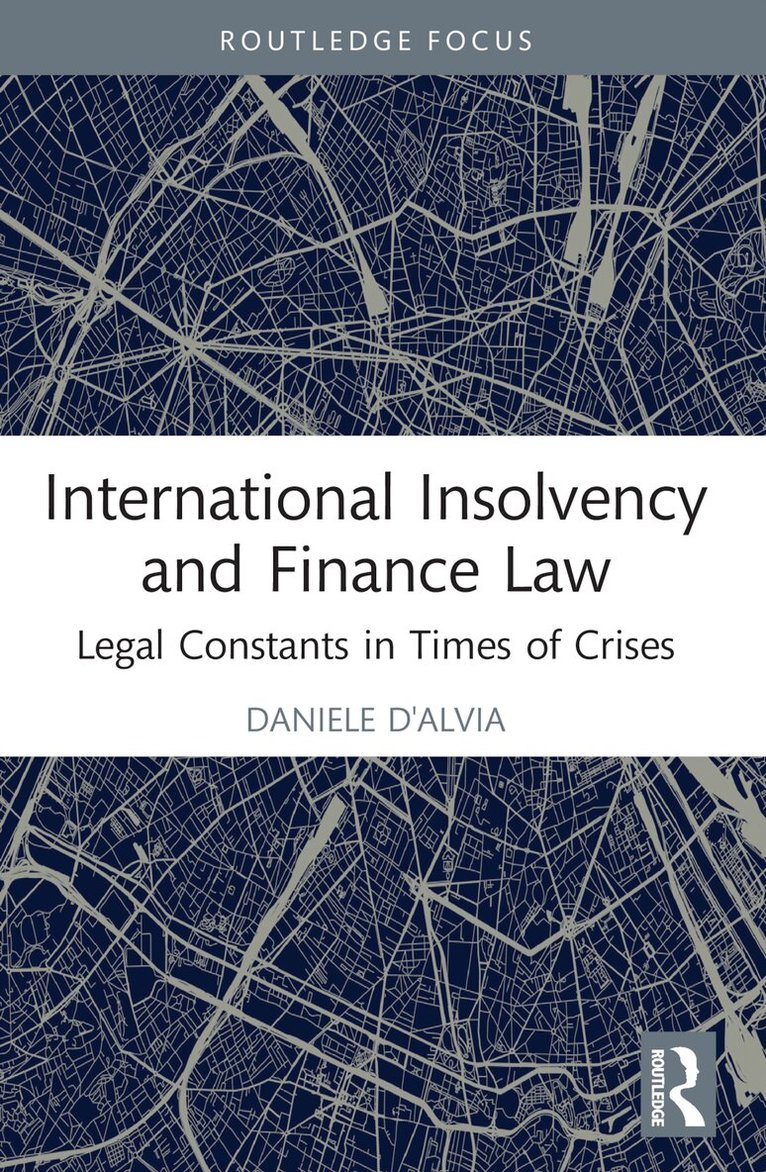
Focusing on the Global Financial Crisis 2007-2010 and the new emerging Covid-19 crisis in 2020, this book examines the discourse on risk and uncertainty in the markets through the lens of financial crises. Such crises represent a failure of the law to regulate, and constitute the basis through which a new theory of legal constants can be introduced in comparative law. Crisis impose a dramatic reformulation of the law, the Covid-19 confirms this trend, and new out-of-law instances are appearing beyond a paternalistic approach of direct State regulation. Restructuring procedures are playing a vital role in businesses’ survival, and new out-of-law mechanisms such as moratorium agreements and private workouts have become essential to preserve businesses. It is clear that the role of the law has completely changed, and this book argues that constants outside of the law are new ways to promote an “uncodified-codification” of the law. The case for uncodified uncertainty in the Covid-19 crisis is a primary example of how no codification process can ignore the importance of out-of-law instances in the act of making law. This book explores how this approach influences the harmonisation process of international economic law between national insolvency regimes and international agreed frameworks, demonstrating the role of comparative law in formulating legal constants using Covid-19 and the complexity of modern financial markets as the criterion to introduce the reader to this new theory, which claims a new role for comparative law in policy making processes within the framework of international economic law.
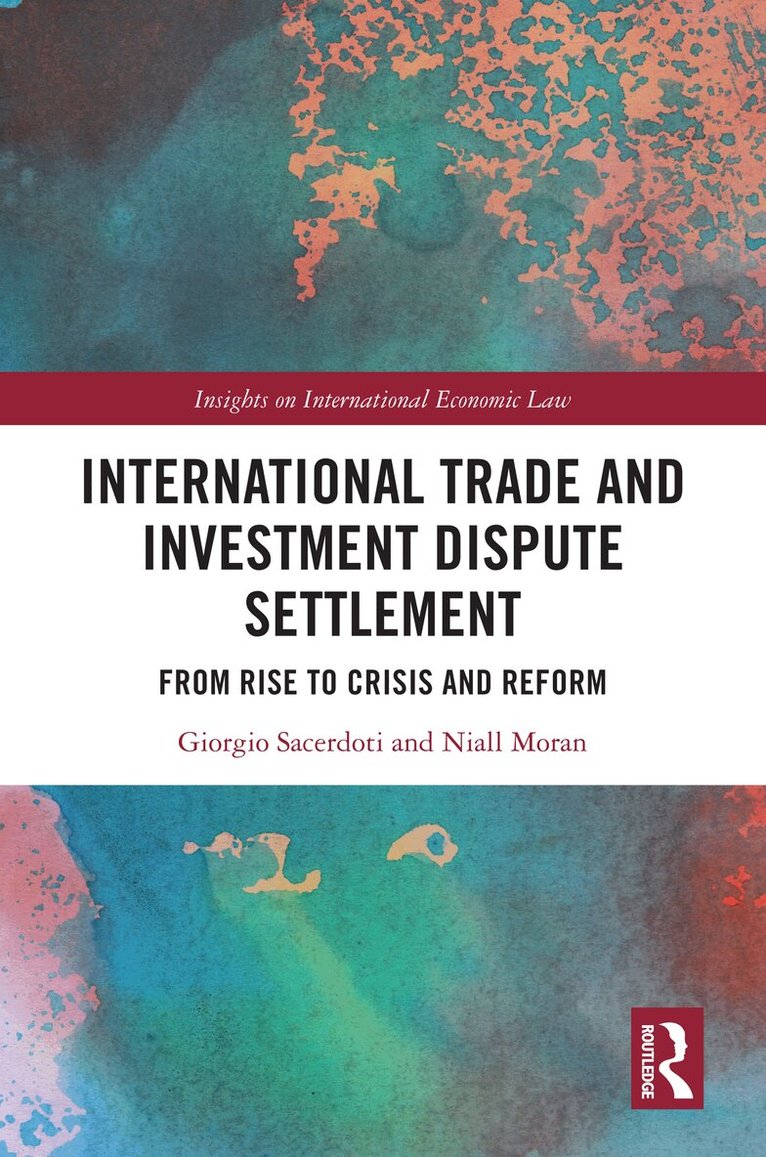
International Trade and Investment Dispute Settlement
From Rise to Crisis and Reform
Inbunden, Engelska, 2025
1 944 kr
Skickas inom 10-15 vardagar
This book provides a thorough comparative analysis of the trade dispute settlement system of the WTO, Regional Trade Agreements, and of Investor–State Dispute Settlement (ISDS).Reviewing in parallel their origins, features, development, and current challenges, highlighting commonalities and differences, the book analyzes criticisms leveled against both regimes, explores current reform efforts at the WTO, ICSID, and UNCITRAL (including the controversial proposal to replace ISDS with a Multilateral Investment Court), and engages in the on-going debate by evaluating possible outcomes. As to trade, the book highlights the WTO system's successful operation for more than 20 years and its hobbling functioning since the paralysis of the Appellate Body in 2019. As to ISDS, the book details the procedural protection granted to foreign investors under Bilateral Investment Treaties (BITs), other International Investment Agreements and investment chapters of trade agreements such as NAFTA, USMCA, CETA, and the CPTPP, alongside the impact of case law on the regulatory space of states.This authoritative book intends to serve as a fundamental reference for students and researchers in international investment and trade law, as well as for international lawyers, adjudicators, and diplomats involved in dispute settlement.
International Trade and Investment Dispute Settlement
From Rise to Crisis and Reform
Häftad, Engelska, 2026
629 kr
Kommande
This book provides a thorough comparative analysis of the trade dispute settlement system of the WTO, Regional Trade Agreements, and of Investor–State Dispute Settlement (ISDS).Reviewing in parallel their origins, features, development, and current challenges, highlighting commonalities and differences, the book analyzes criticisms leveled against both regimes, explores current reform efforts at the WTO, ICSID, and UNCITRAL (including the controversial proposal to replace ISDS with a Multilateral Investment Court), and engages in the on-going debate by evaluating possible outcomes. As to trade, the book highlights the WTO system's successful operation for more than 20 years and its hobbling functioning since the paralysis of the Appellate Body in 2019. As to ISDS, the book details the procedural protection granted to foreign investors under Bilateral Investment Treaties (BITs), other International Investment Agreements and investment chapters of trade agreements such as NAFTA, USMCA, CETA, and the CPTPP, alongside the impact of case law on the regulatory space of states.This authoritative book intends to serve as a fundamental reference for students and researchers in international investment and trade law, as well as for international lawyers, adjudicators, and diplomats involved in dispute settlement.