International Library of Architecture – serie
Visar alla böcker i serien International Library of Architecture. Handla med fri frakt och snabb leverans.
6 produkter
Adolf Loos
The Art of Architecture
E-bok, 2013
404 kr
Lägg i varukorg
Widely regarded as one of the most significant prophets of modern architecture, Adolf Loos was a celebrity in his own day. His work was emblematic of the turn-of-the-century generation that was torn between the traditional culture of the nineteenth century and the innovative modernism of the …
Adolf Loos
The Art of Architecture
E-bok, 2013
418 kr
Lägg i varukorg
Widely regarded as one of the most significant prophets of modern architecture, Adolf Loos was a celebrity in his own day. His work was emblematic of the turn-of-the-century generation that was torn between the traditional culture of the nineteenth century and the innovative modernism of the …
Adolf Loos
The Art of Architecture
Häftad, 2013
385 kr
Lägg i varukorg
Widely regarded as one of the most significant prophets of modern architecture, Adolf Loos was a star in his own time. His work was emblematic of the turn-of-the-century generation that was torn between the traditional culture of the nineteenth century and the innovative modernism of the twentieth. …
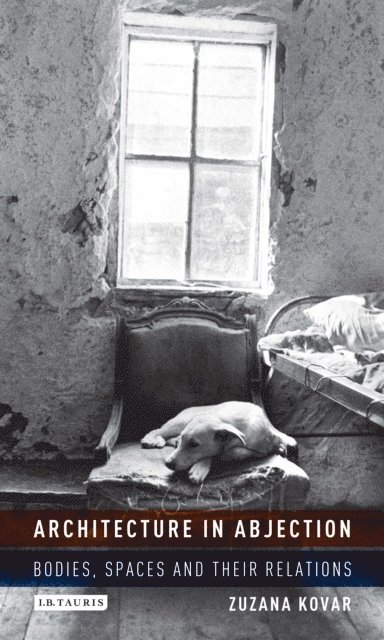
Architecture in Abjection
Bodies, Spaces and their Relations
Av Zuzana Kovar
Inbunden, 2017
1897 kr
Lägg i varukorg
This book marks a turning point in architectural theory by using philosophy to examine the field anew.Breaking from the traditional dualism within architecture - which presents the body as subject and space as object - it examines how such rigid boundaries can be softened. Zuzana Kovar thus engages …
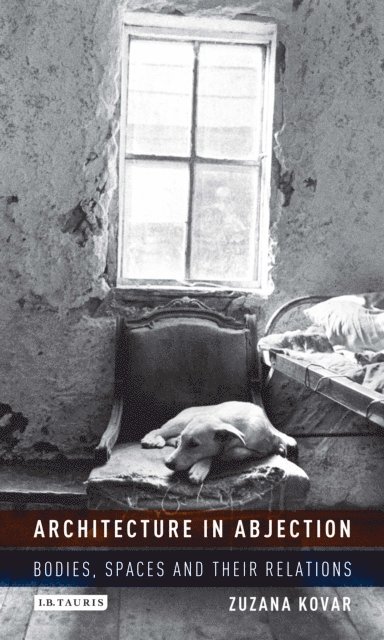
Architecture in Abjection
Bodies, Spaces and Their Relations
Av Zuzana Kovar
E-bok, 2017
2087 kr
Lägg i varukorg
This book marks a turning point in architectural theory by using philosophy to examine the field anew.Breaking from the traditional dualism within architecture - which presents the body as subject and space as object - it examines how such rigid boundaries can be softened. Zuzana Kovar thus engages …
Architecture in Abjection
Bodies, Spaces and Their Relations
Av Zuzana Kovar
E-bok, 2017
2087 kr
Lägg i varukorg
This book marks a turning point in architectural theory by using philosophy to examine the field anew.Breaking from the traditional dualism within architecture - which presents the body as subject and space as object - it examines how such rigid boundaries can be softened. Zuzana Kovar thus engages …