Katrina Bookshelf - Böcker
Visar alla böcker i serien Katrina Bookshelf. Handla med fri frakt och snabb leverans.
9 produkter
9 produkter
308 kr
Skickas inom 7-10 vardagar
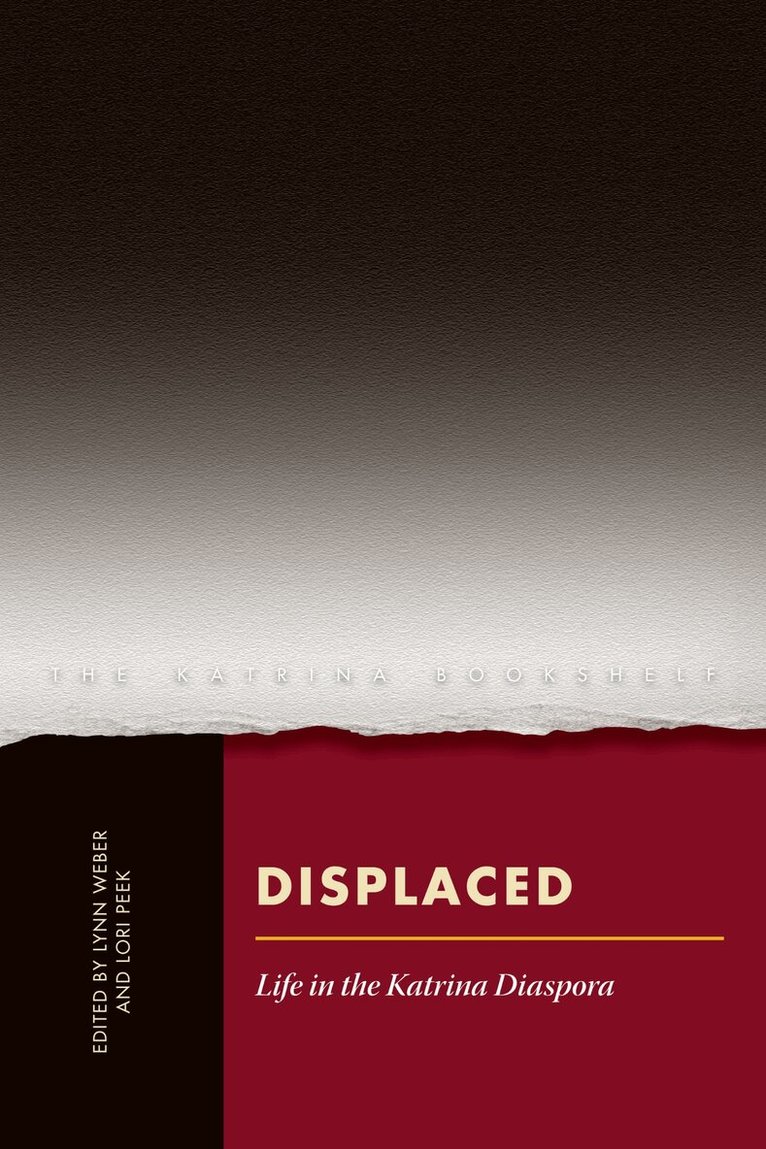
Hurricane Katrina forced the largest and most abrupt displacement in U.S. history. About 1.5 million people evacuated from the Gulf Coast preceding Katrina’s landfall. New Orleans, a city of 500,000, was nearly emptied of life after the hurricane and flooding. Katrina survivors eventually scattered across all fifty states, and tens of thousands still remain displaced. Some are desperate to return to the Gulf Coast but cannot find the means. Others have chosen to make their homes elsewhere. Still others found a way to return home but were unable to stay due to the limited availability of social services, educational opportunities, health care options, and affordable housing.The contributors to Displaced have been following the lives of Katrina evacuees since 2005. In this illuminating book, they offer the first comprehensive analysis of the experiences of the displaced. Drawing on research in thirteen communities in seven states across the country, the contributors describe the struggles that evacuees have faced in securing life-sustaining resources and rebuilding their lives. They also recount the impact that the displaced have had on communities that initially welcomed them and then later experienced “Katrina fatigue” as the ongoing needs of evacuees strained local resources. Displaced reveals that Katrina took a particularly heavy toll on households headed by low-income African American women who lost the support provided by local networks of family and friends. It also shows the resilience and resourcefulness of Katrina evacuees who have built new networks and partnered with community organizations and religious institutions to create new lives in the diaspora.
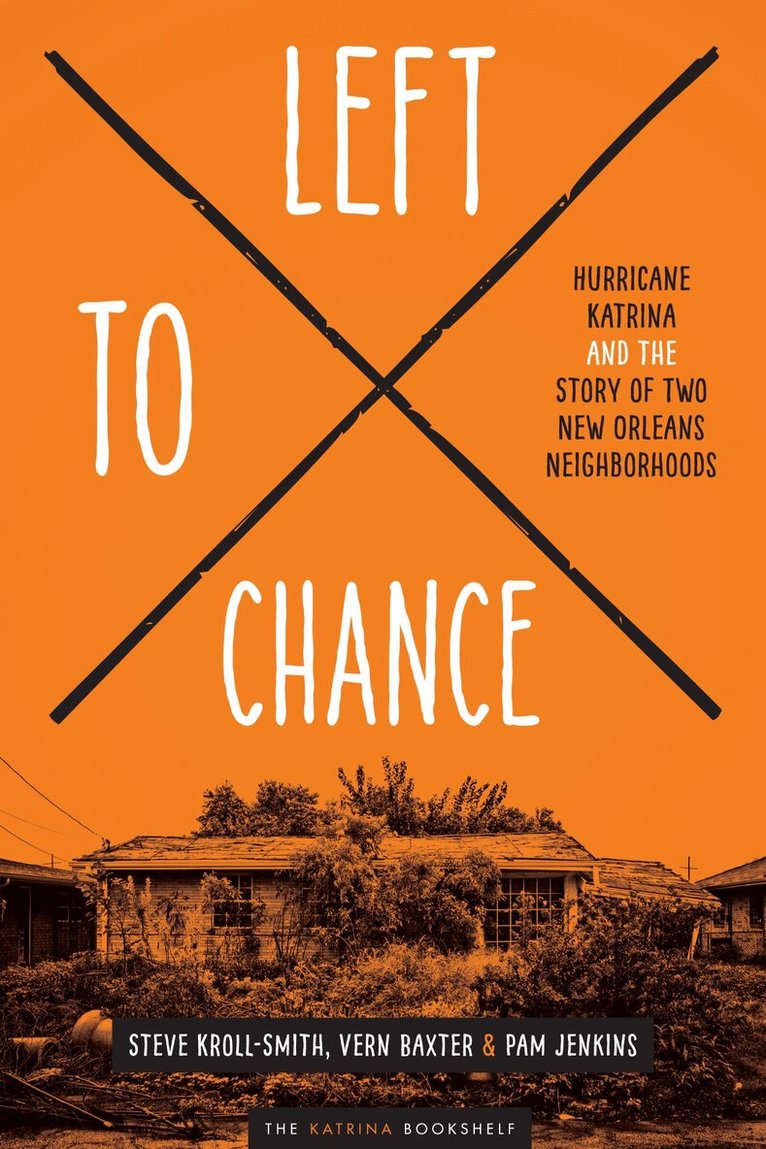
Left to Chance
Hurricane Katrina and the Story of Two New Orleans Neighborhoods
Häftad, Engelska, 2015
256 kr
Skickas inom 7-10 vardagar
How do survivors recover from the worst urban flood in American history, a disaster that destroyed nearly the entire physical landscape of a city, as well as the mental and emotional maps that people use to navigate their everyday lives? This question has haunted the survivors of Hurricane Katrina and informed the response to the subsequent flooding of New Orleans across many years.Left to Chance takes us into two African American neighborhoods-working-class Hollygrove and middle-class Pontchartrain Park-to learn how their residents have experienced “Miss Katrina” and the long road back to normal life. The authors spent several years gathering firsthand accounts of the flooding, the rushed evacuations that turned into weeks- and months-long exile, and the often confusing and exhausting process of rebuilding damaged homes in a city whose local government had all but failed. As the residents’ stories make vividly clear, government and social science concepts such as “disaster management,” “restoring normality,” and “recovery” have little meaning for people whose worlds were washed away in the flood. For the neighbors in Hollygrove and Pontchartrain Park, life in the aftermath of Katrina has been a passage from all that was familiar and routine to an ominous world filled with raw existential uncertainty. Recovery and rebuilding become processes imbued with mysteries, accidental encounters, and hasty adaptations, while victories and defeats are left to chance.
308 kr
Skickas inom 7-10 vardagar
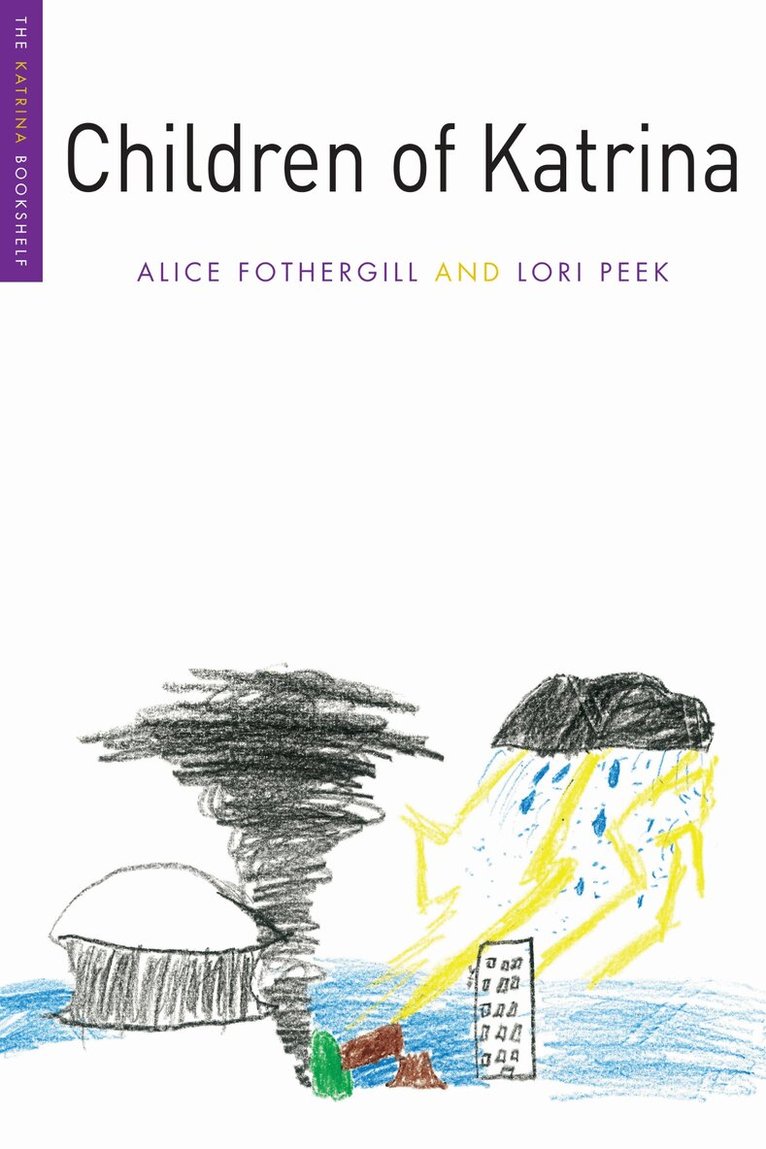
Winner, Betty and Alfred McClung Lee Book Award, Association for Humanist Sociology, 2016Outstanding Scholarly Contribution Award of the Section on Children and Youth, American Sociological Association, 2016Honorable Mention, Leo Goodman Award, Methodology Section, American Sociological Association, 2016When children experience upheaval and trauma, adults often view them as either vulnerable and helpless or as resilient and able to easily “bounce back.” But the reality is far more complex for the children and youth whose lives are suddenly upended by disaster. How are children actually affected by catastrophic events and how do they cope with the damage and disruption?Children of Katrina offers one of the only long-term, multiyear studies of young people following disaster. Sociologists Alice Fothergill and Lori Peek spent seven years after Hurricane Katrina interviewing and observing several hundred children and their family members, friends, neighbors, teachers, and other caregivers. In this book, they focus intimately on seven children between the ages of three and eighteen, selected because they exemplify the varied experiences of the larger group. They find that children followed three different post-disaster trajectories-declining, finding equilibrium, and fluctuating-as they tried to regain stability. The children’s moving stories illuminate how a devastating disaster affects individual health and well-being, family situations, housing and neighborhood contexts, schooling, peer relationships, and extracurricular activities. This work also demonstrates how outcomes were often worse for children who were vulnerable and living in crisis before the storm. Fothergill and Peek clarify what kinds of assistance children need during emergency response and recovery periods, as well as the individual, familial, social, and structural factors that aid or hinder children in getting that support.
256 kr
Skickas inom 7-10 vardagar
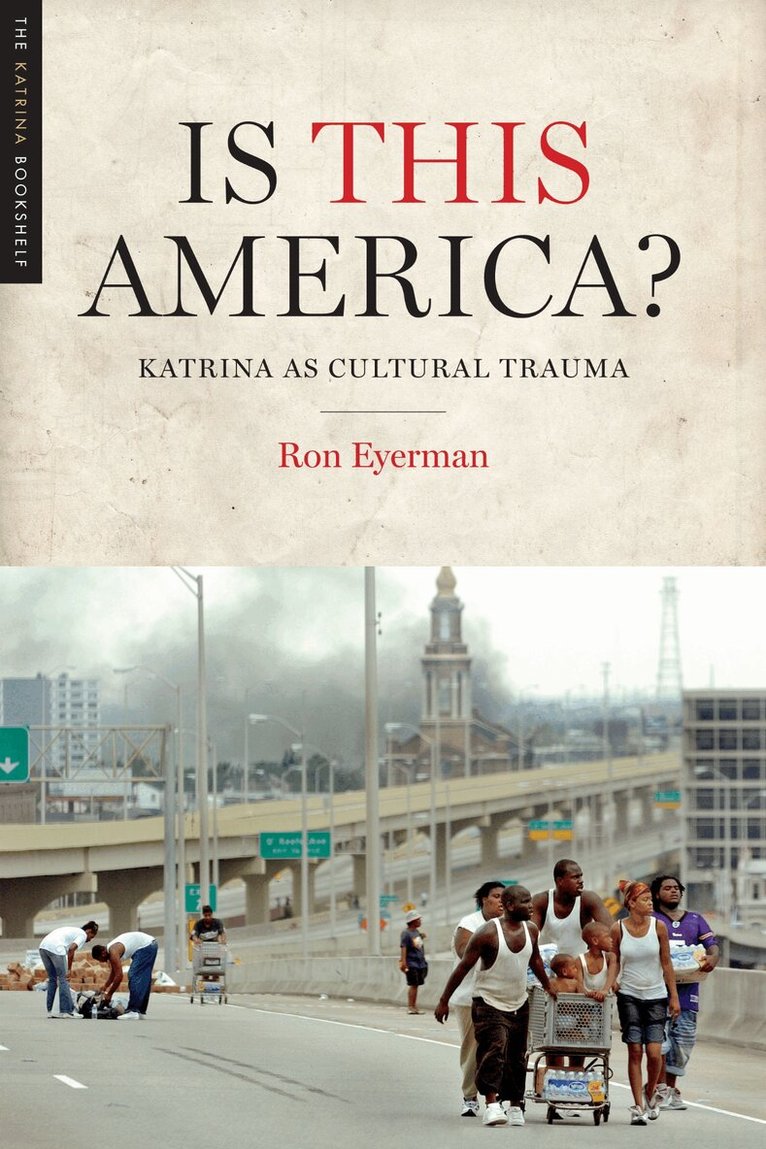
From police on the street, to the mayor of New Orleans and FEMA administrators, government officials monumentally failed to protect the most vulnerable residents of New Orleans and the Gulf Coast during the Katrina disaster. This violation of the social contract undermined the foundational narratives and myths of the American nation and spawned a profound, often contentious public debate over the meaning of Katrina’s devastation. A wide range of voices and images attempted to clarify what happened, name those responsible, identify the victims, and decide what should be done. This debate took place in forums ranging from mass media and the political arena to the arts and popular culture, as various narratives emerged and competed to tell the story of Katrina.Is This America? explores how Katrina has been constructed as a cultural trauma in print media, the arts and popular culture, and television coverage. Using stories told by the New York Times, New Orleans Times-Picayune, Time, Newsweek, NBC, and CNN, as well as the works of artists, writers, musicians, filmmakers, and graphic designers, Ron Eyerman analyzes how these narratives publicly articulated collective pain and loss. He demonstrates that, by exposing a foundational racial cleavage in American society, these expressions of cultural trauma turned individual experiences of suffering during Katrina into a national debate about the failure of the white majority in the United States to care about the black minority.
308 kr
Skickas inom 7-10 vardagar
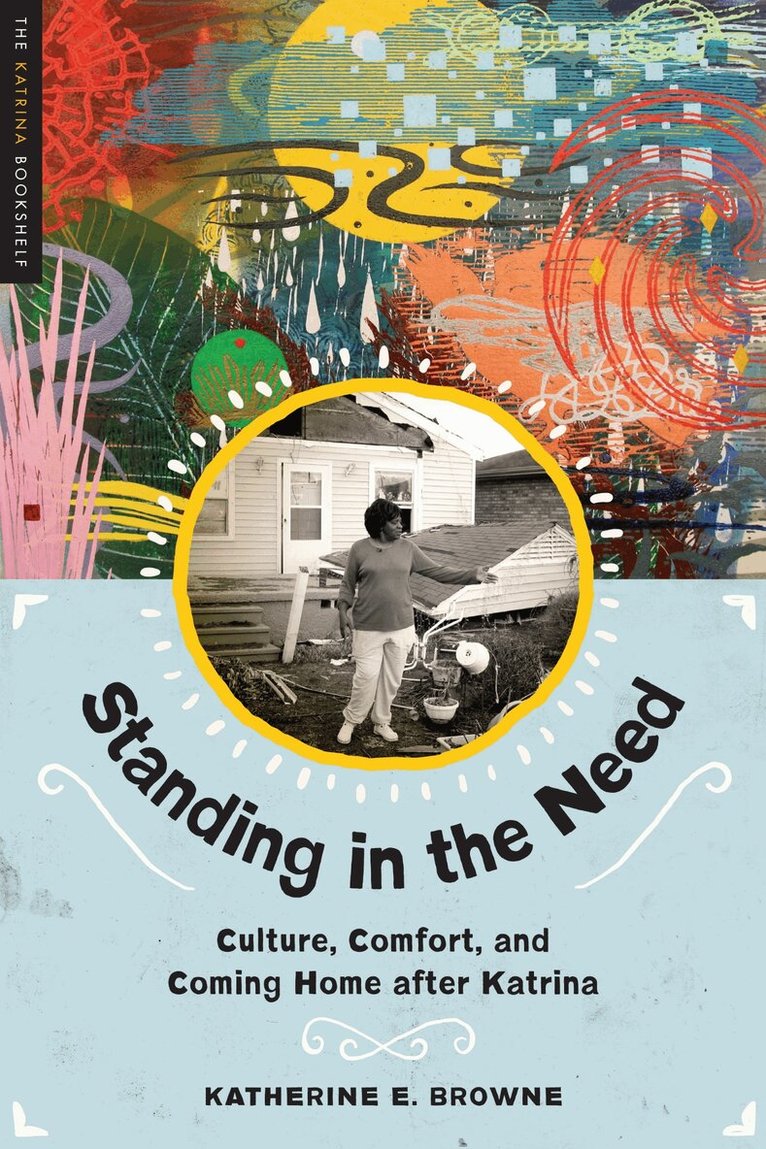
Standing in the Need presents an intimate account of an African American family’s ordeal after Hurricane Katrina. Before the storm struck, this family of one hundred fifty members lived in the bayou communities of St. Bernard Parish just outside New Orleans. Rooted there like the wild red iris of the coastal wetlands, the family had gathered for generations to cook and share homemade seafood meals, savor conversation, and refresh their interconnected lives.In this lively narrative, Katherine Browne weaves together voices and experiences from eight years of post-Katrina research. Her story documents the heartbreaking struggles to remake life after everyone in the family faced ruin. Cast against a recovery landscape managed by outsiders, the efforts of family members to help themselves could get no traction; outsiders undermined any sense of their control over the process. In the end, the insights of the story offer hope. Written for a broad audience and supported by an array of photographs and graphics, Standing in the Need offers readers an inside view of life at its most vulnerable.
Recovering Inequality
Hurricane Katrina, the San Francisco Earthquake of 1906, and the Aftermath of Disaster
Inbunden, Engelska, 2018
938 kr
Skickas inom 10-15 vardagar
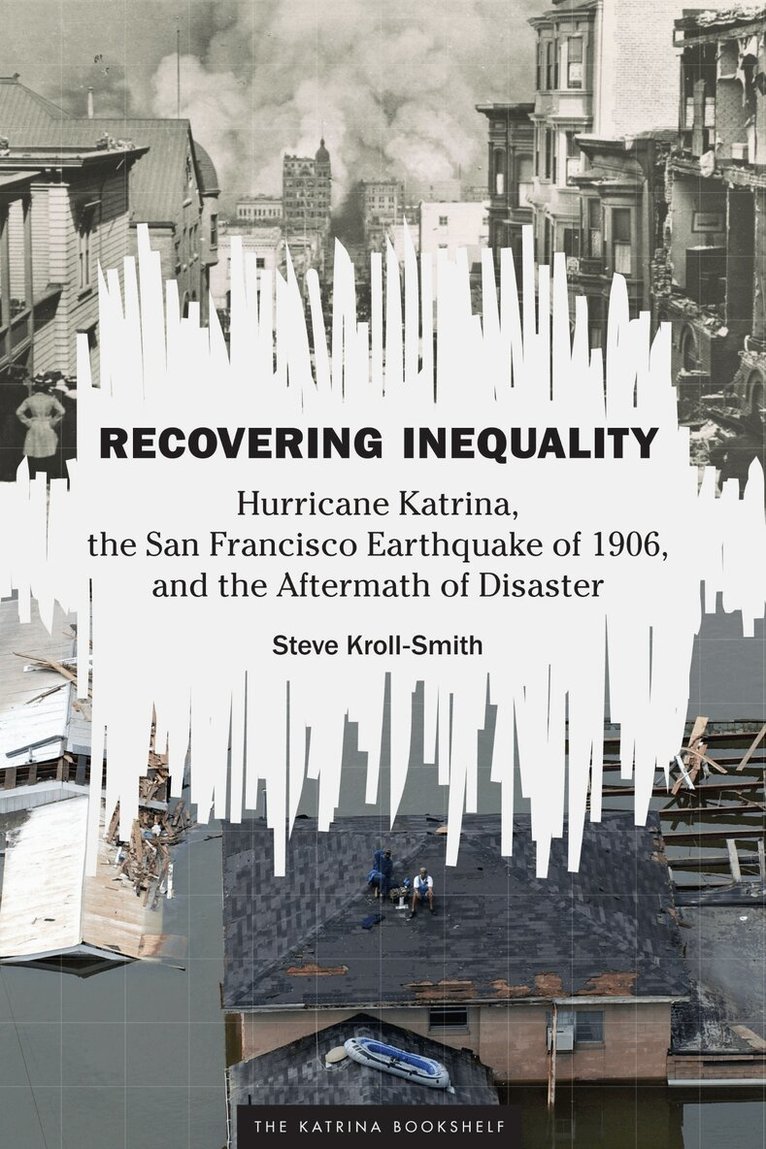
A lethal mix of natural disaster, dangerously flawed construction, and reckless human actions devastated San Francisco in 1906 and New Orleans in 2005. Eighty percent of the built environments of both cities were destroyed in the catastrophes, and the poor, the elderly, and the medically infirm were disproportionately among the thousands who perished. These striking similarities in the impacts of cataclysms separated by a century impelled Steve Kroll-Smith to look for commonalities in how the cities recovered from disaster. In Recovering Inequality, he builds a convincing case that disaster recovery and the reestablishment of social and economic inequality are inseparable.Kroll-Smith demonstrates that disaster and recovery in New Orleans and San Francisco followed a similar pattern. In the immediate aftermath of the flooding and the firestorm, social boundaries were disordered and the communities came together in expressions of unity and support. But these were quickly replaced by other narratives and actions, including the depiction of the poor as looters, uneven access to disaster assistance, and successful efforts by the powerful to take valuable urban real estate from vulnerable people. Kroll-Smith concludes that inexorable market forces ensured that recovery efforts in both cities would reestablish the patterns of inequality that existed before the catastrophes. The major difference he finds between the cities is that, from a market standpoint, New Orleans was expendable, while San Francisco rose from the ashes because it was a hub of commerce.
Recovering Inequality
Hurricane Katrina, the San Francisco Earthquake of 1906, and the Aftermath of Disaster
Häftad, Engelska, 2018
290 kr
Skickas inom 7-10 vardagar
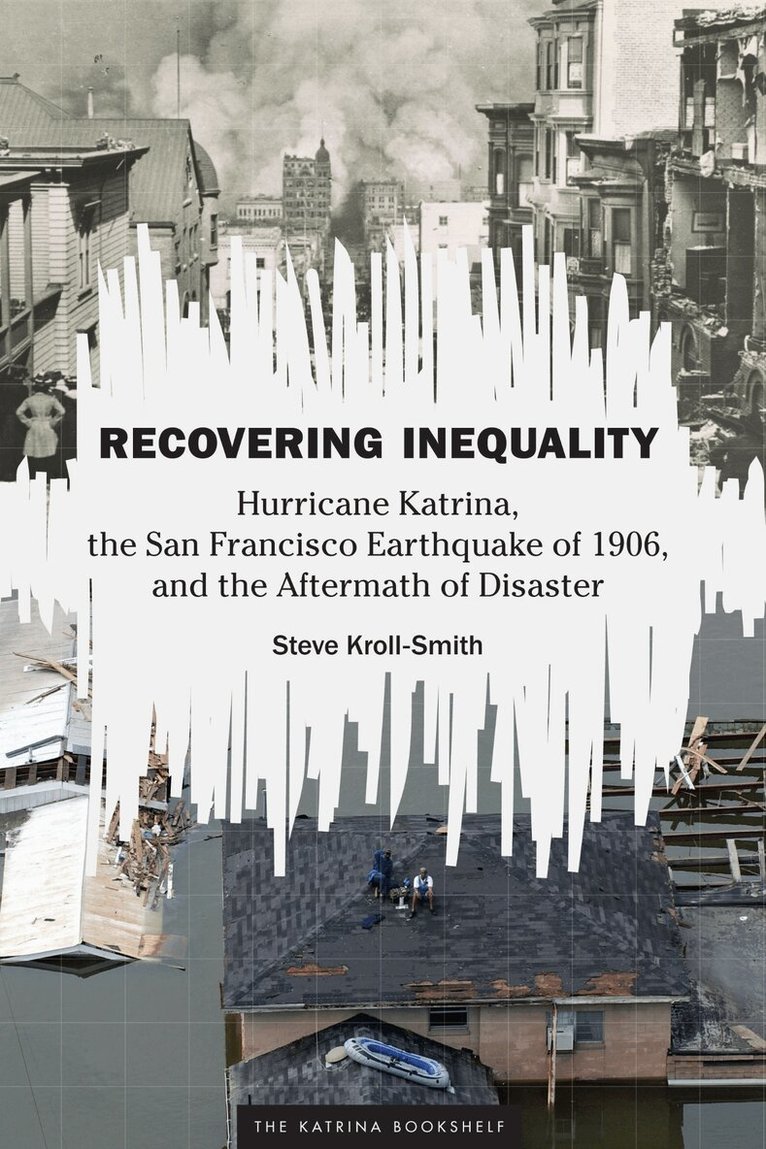
A lethal mix of natural disaster, dangerously flawed construction, and reckless human actions devastated San Francisco in 1906 and New Orleans in 2005. Eighty percent of the built environments of both cities were destroyed in the catastrophes, and the poor, the elderly, and the medically infirm were disproportionately among the thousands who perished. These striking similarities in the impacts of cataclysms separated by a century impelled Steve Kroll-Smith to look for commonalities in how the cities recovered from disaster. In Recovering Inequality, he builds a convincing case that disaster recovery and the reestablishment of social and economic inequality are inseparable.Kroll-Smith demonstrates that disaster and recovery in New Orleans and San Francisco followed a similar pattern. In the immediate aftermath of the flooding and the firestorm, social boundaries were disordered and the communities came together in expressions of unity and support. But these were quickly replaced by other narratives and actions, including the depiction of the poor as looters, uneven access to disaster assistance, and successful efforts by the powerful to take valuable urban real estate from vulnerable people. Kroll-Smith concludes that inexorable market forces ensured that recovery efforts in both cities would reestablish the patterns of inequality that existed before the catastrophes. The major difference he finds between the cities is that, from a market standpoint, New Orleans was expendable, while San Francisco rose from the ashes because it was a hub of commerce.
804 kr
Skickas inom 10-15 vardagar
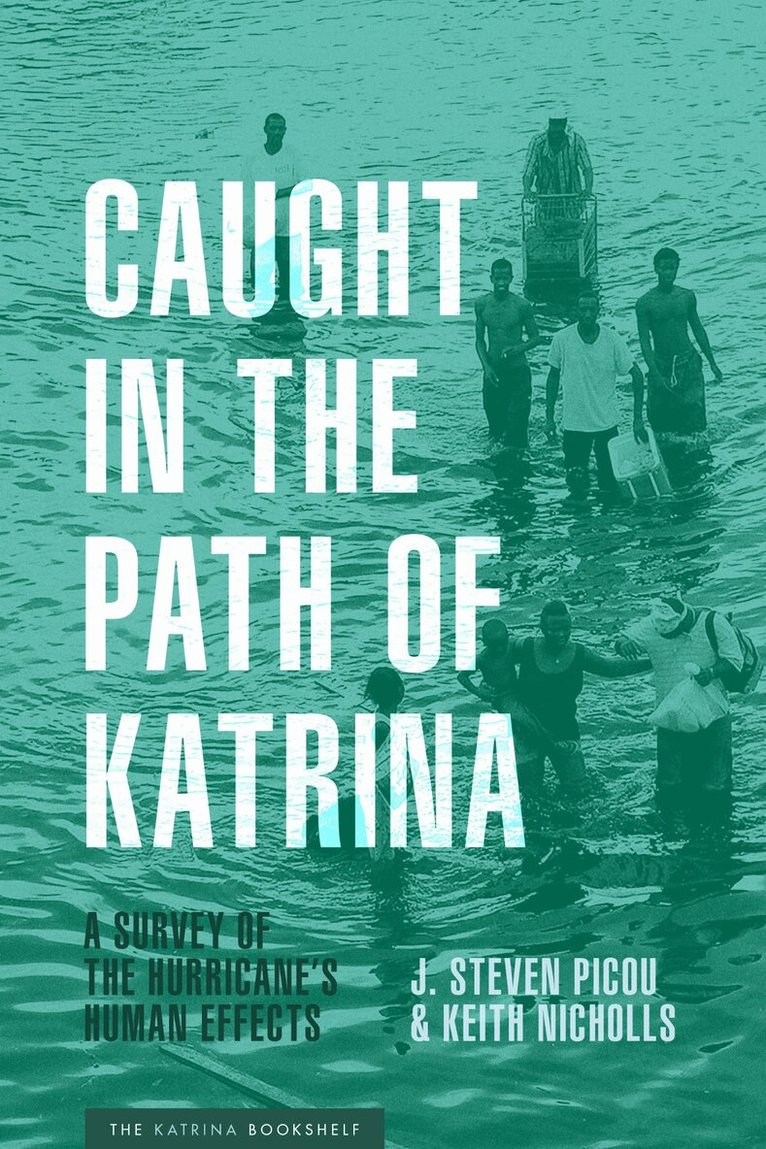
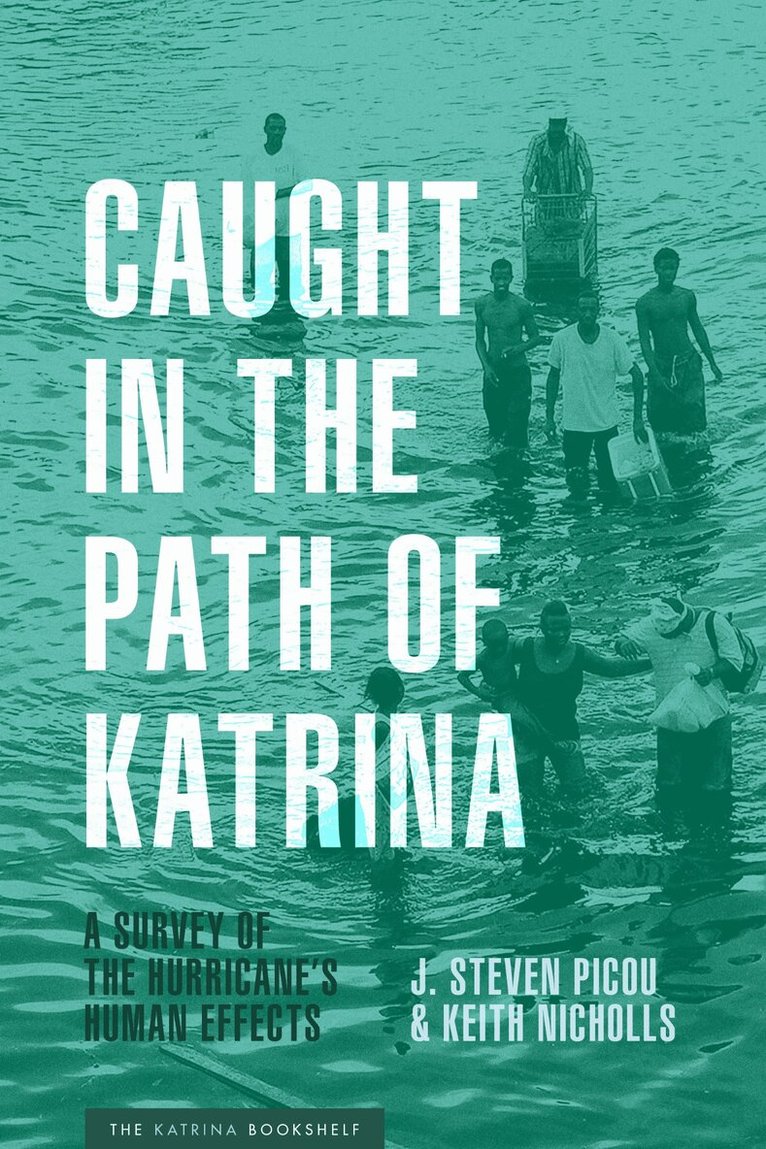
In 2008, three years after Hurricane Katrina cut a deadly path along the northern coast of the Gulf of Mexico, researchers J. Steven Picou and Keith Nicholls conducted a survey of the survivors in Louisiana and Mississippi, receiving more than twenty-five hundred responses, and followed up two years later with their than five hundred of the initial respondents. Showcasing these landmark findings, Caught in the Path of Katrina: A Survey of the Hurricane's Human Effects yields a more complete understanding of the traumas endured as a result of the Storm of the Century.The authors report on evacuation behaviors, separations from family, damage to homes, and physical and psychological conditions among residents of seven of the parishes and counties that bore the brunt of Katrina. The findings underscore the frequently disproportionate suffering of African Americans and the agonizingly slow pace of recovery. Highlighting the lessons learned, the book offers suggestions for improved governmental emergency management techniques to increase preparedness, better mitigate storm damage, and reduce the level of trauma in future disasters. Multiple major hurricanes have unleashed their destruction in the years since Katrina, making this a crucial study whose importance only continues to grow.
256 kr
Skickas inom 7-10 vardagar
In 2008, three years after Hurricane Katrina cut a deadly path along the northern coast of the Gulf of Mexico, researchers J. Steven Picou and Keith Nicholls conducted a survey of the survivors in Louisiana and Mississippi, receiving more than twenty-five hundred responses, and followed up two years later with their than five hundred of the initial respondents. Showcasing these landmark findings, Caught in the Path of Katrina: A Survey of the Hurricane's Human Effects yields a more complete understanding of the traumas endured as a result of the Storm of the Century.The authors report on evacuation behaviors, separations from family, damage to homes, and physical and psychological conditions among residents of seven of the parishes and counties that bore the brunt of Katrina. The findings underscore the frequently disproportionate suffering of African Americans and the agonizingly slow pace of recovery. Highlighting the lessons learned, the book offers suggestions for improved governmental emergency management techniques to increase preparedness, better mitigate storm damage, and reduce the level of trauma in future disasters. Multiple major hurricanes have unleashed their destruction in the years since Katrina, making this a crucial study whose importance only continues to grow.