Key Debates in Educational Policy - Böcker
Visar alla böcker i serien Key Debates in Educational Policy. Handla med fri frakt och snabb leverans.
5 produkter
5 produkter
383 kr
Skickas inom 10-15 vardagar
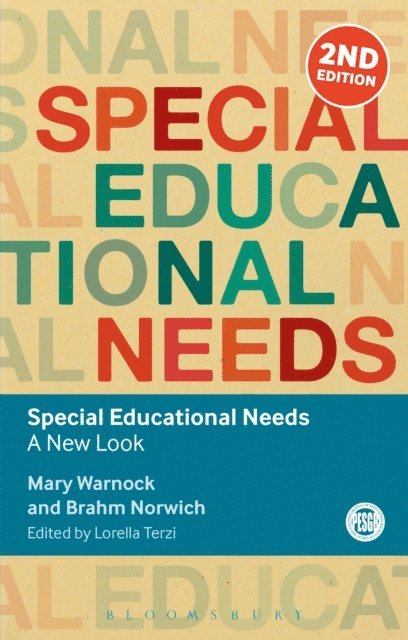
This title considers the philosophical debates surrounding special educational needs and inclusion. "Special Educational Needs: A New Look" by Mary Warnock was initially published by the Philosophy of Education Society of Great Britain in 2005. In this new edition, Warnock has updated her argument, Brahm Norwich has contributed a counter-argument and Lorella Terzi has provided a foreword and afterword, drawing the two debates together. The issues debated in this new edition of "Special Educational Needs: A New Look" include: The statement of special educational need - the concept of inclusion. "Special Educational Needs: A New Look" raises issues which will be of interest to all involved in special education and inclusion, including teachers, policy makers and educationalists. This innovative series is addressed to practitioners and policy-makers. It highlights the critical perspectives that philosophy can bring to bear on current education policy and provides a lively discussion of the issues. It aims to stimulate debate and to contribute to better informed educational initiatives.
383 kr
Skickas inom 10-15 vardagar
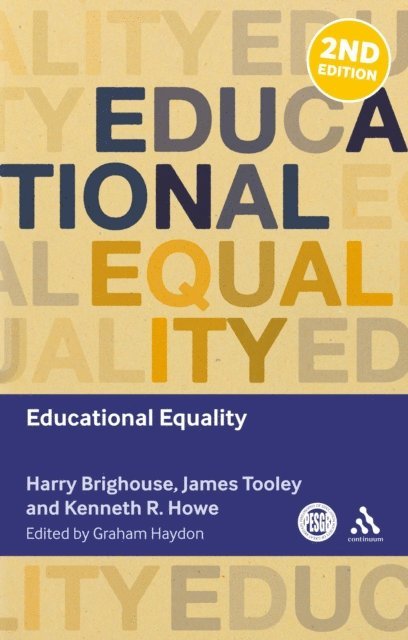
Considers the philosophical debates surrounding equality and education. This title covers issues such as: What is Educational Equality? Why Does Educational Equality Matter? And is Educational Equality Possible? It highlights the critical perspectives that philosophy can bring to bear on education policy and provides a discussion of the issues.
383 kr
Skickas inom 10-15 vardagar
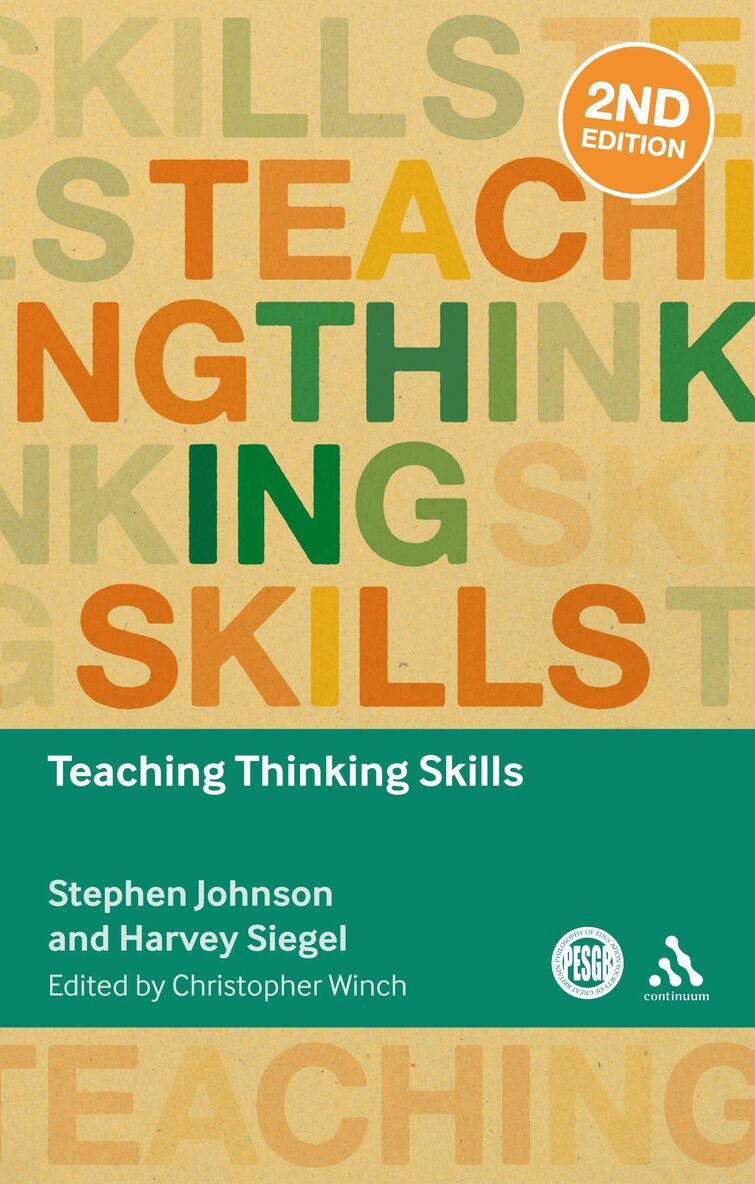
This title considers the philosophical debates surrounding the existance, teaching and transferability of thinking skills. "Teaching Thinking Skills" by Steve Johnson was initially published by the Philosophy of Education Society of Great Britain in 2000. In this new edition, Johnson has updated his argument, Harvey Siegel has contributed a counter-argument and Christopher Winch has provided a foreword and afterword, drawing the debates together. The issues debated in this new edition of "Teaching Thinking Skills" include: Do thinking skills exist? What are the aims of education? Can thinking skill be taught? Are thinking skills transferable? "Teaching Thinking Skills" raises issues not only for those concerned with thinking skills per se but more broadly for those concerned with the role of thinking in professional and vocational activities and with the extent to which abilities are broad or narrow, transferable or non-transferable. This innovative series is addressed to practitioners and policy-makers. It highlights the critical perspectives that philosophy can bring to bear on current education policy and provides a lively discussion of the issues.It aims to stimulate debate and to contribute to better informed educational initiatives.
474 kr
Skickas inom 10-15 vardagar
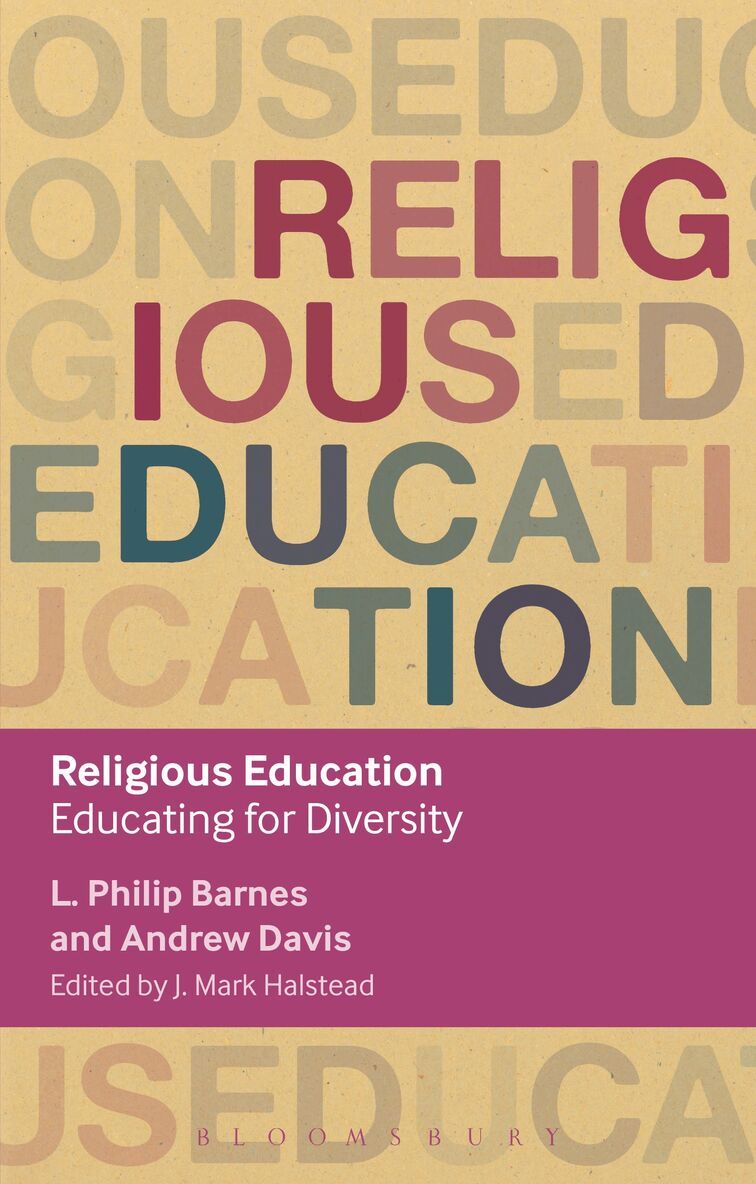
Religious Education: Educating for Diversity raises issues that are central to the theory and practice of education, and in particular religious education, in modern liberal democracies characterized by diversity in its different forms. What kind of religious education is best equipped both to challenge prejudice and intolerance in society and to develop responsible and respectful relationships between people from different communities or with different commitments? Two eminent educators address this question and propose contrasting answers. Attention is given to the aims of education and the contribution of religious education to the curriculum; historical forms of religious education; the nature of diversity in society; the roots of prejudice; different methodologies in religious education and their philosophical and religious commitments; and to positive strategies to enable religious education to realise its potential and contribute to the social and moral aims of liberal education.
383 kr
Skickas inom 10-15 vardagar
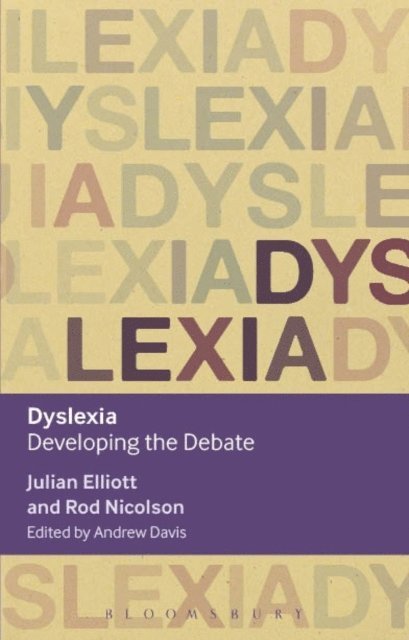
Dyslexia is often presented as a clearly delineated condition that can be diagnosed on the basis of appropriate cognitive tests with corresponding forms on intervention. However, this approachable text explores the issues behind this assertion in bringing together leading figures in the field to debate dyslexia.Julian Elliott shows that understandings and usage of the dyslexia label vary substantially with little consensus or agreement and in putting forward his critique draws upon research in several disciplinary fields to demonstrate the irrationality of these arguments. Roderick I. Nicolson demonstrates that current approaches to understanding, identification and support of dyslexia are catastrophically flawed in terms of their failure to consider the developmental nature of dyslexia. He develops two themes: first that the underlying cause of dyslexia is ‘delayed neural commitment’ for skills and neural circuits, and second that the cause of the reading disability is the introduction of formal instruction before the dyslexic child’s neural circuits for executive function are sufficiently developed. He argues that a more effective and cost-effective approach to identification and support involves ‘assessment for dyslexia’ rather than ‘of dyslexia’. Elliott and Nicolson respond to the points each other raise before Andrew Davis investigates how far the key claims of Elliott and Nicolson can withstand close conceptual investigation, and explores the inherent limitations of scientific research on this topic, given the value and conceptual issues concerned.