Lancaster Imprints – serie
Visar alla böcker i serien Lancaster Imprints. Handla med fri frakt och snabb leverans.
11 produkter
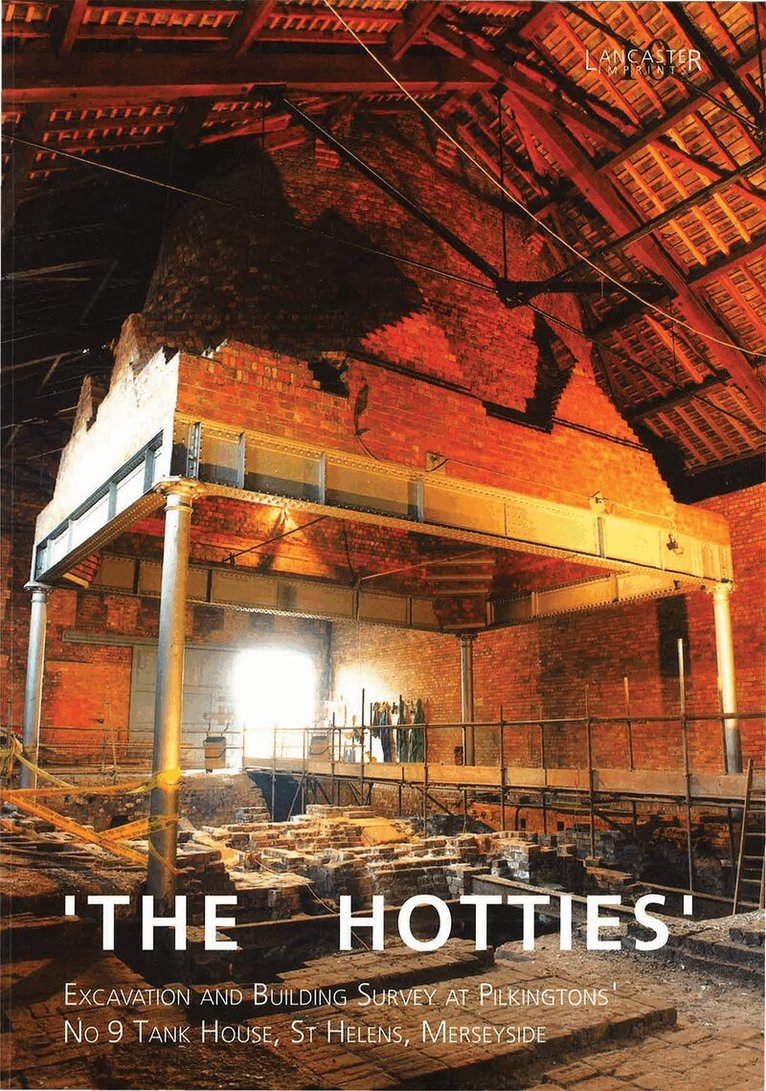
Hotties: Excavation and Building Survey at Pilkingtons No. 9 Tank House, St Helens Merseyside
Av Mick Krupa, Richard Heawood
Häftad, 2002
306 kr
Lägg i varukorg
Between 1991 and 1997, Lancaster University Archaeological Unit (now part of Oxford Archaeology) conducted a phased programme of standing building survey, excavation, and oral and documentary research, targeted on the remains of Pilkingtons' No 9 Tank House, on the 'Hotties' site in St Helens. The …
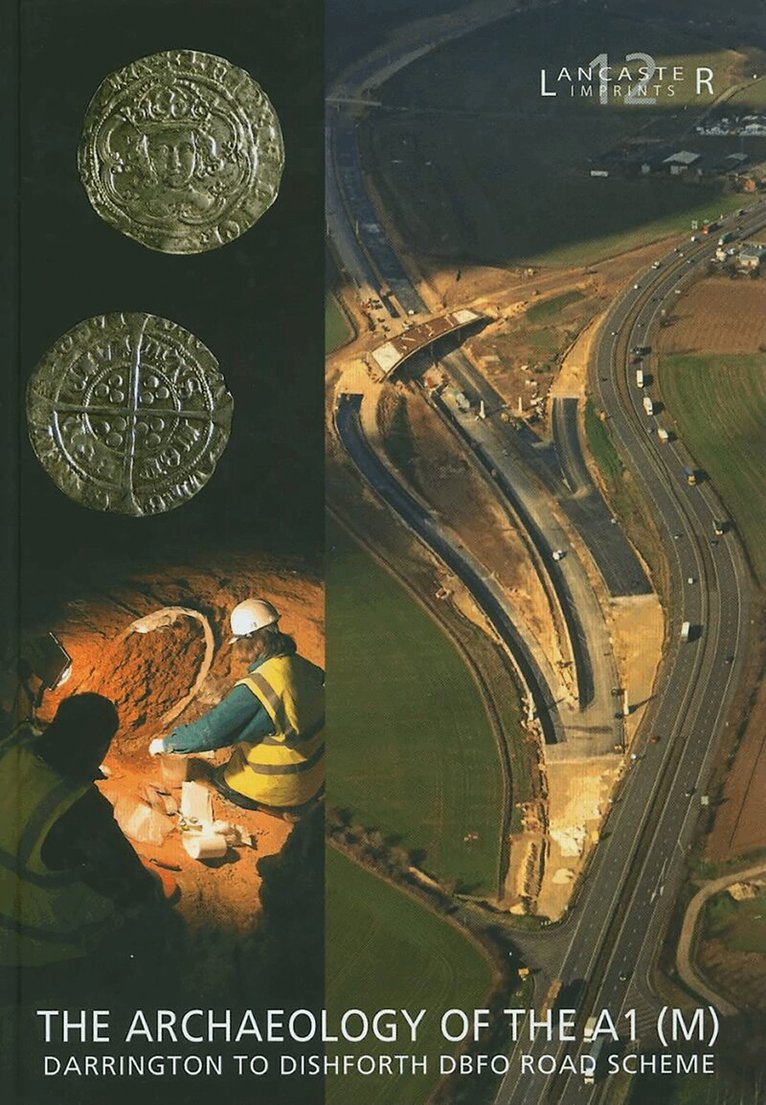
Archaeology of the A1 (M) Darrington to Dishforth DBFO Road Scheme
Av Fraser Brown
Inbunden, 2008
401 kr
Lägg i varukorg
The construction of the A1 (M) Darrington to Dishforth DBFO road scheme has provided an important opportunity to investigate landscape development over time in parts of West and North Yorkshire. Over 60 archaeological sites were investigated in advance of, and alongside, the massive engineering …
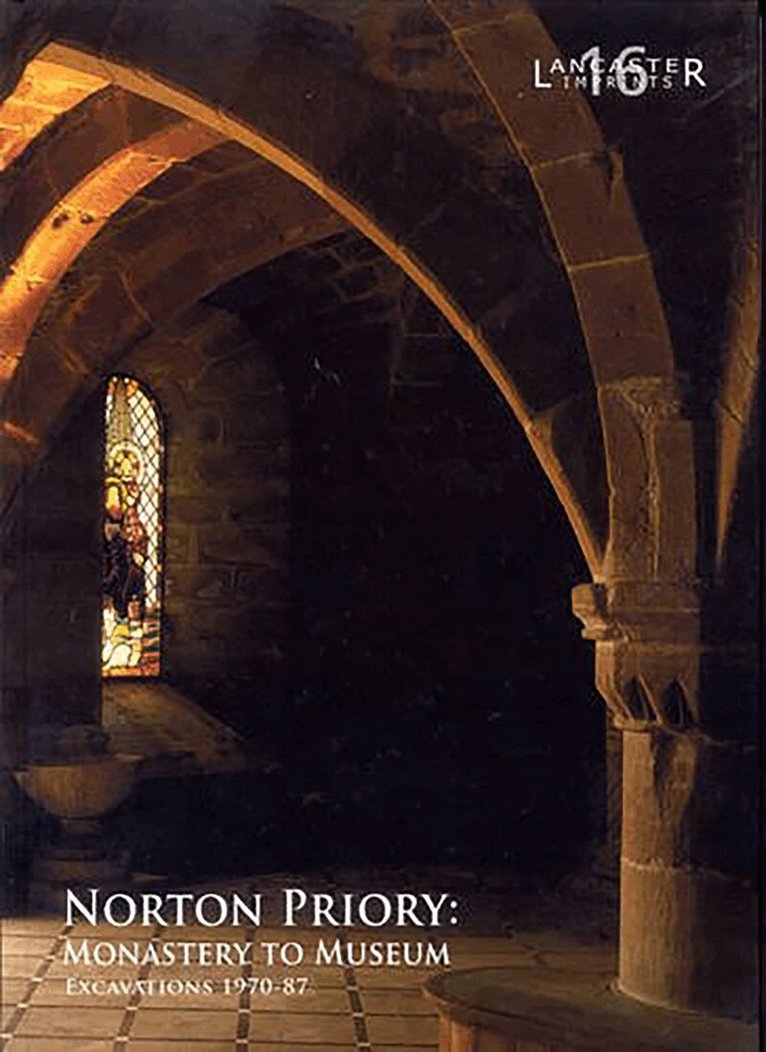
Norton Priory: Monastery to Museum
Excavations 1970-87
Av Fraser Brown, Christine Howard-Davis m. fl.
Inbunden, 2008
770 kr
Lägg i varukorg
The Priory of St Mary was founded at Norton, Cheshire, in 1134, when the Augustinian canons of the Priory of St Bertelin, founded in Runcorn in 1115, were relocated to the site ‘at the request of Roger, bishop of Chester’. The priory was originally founded by William fitz Nigel, second baron of …
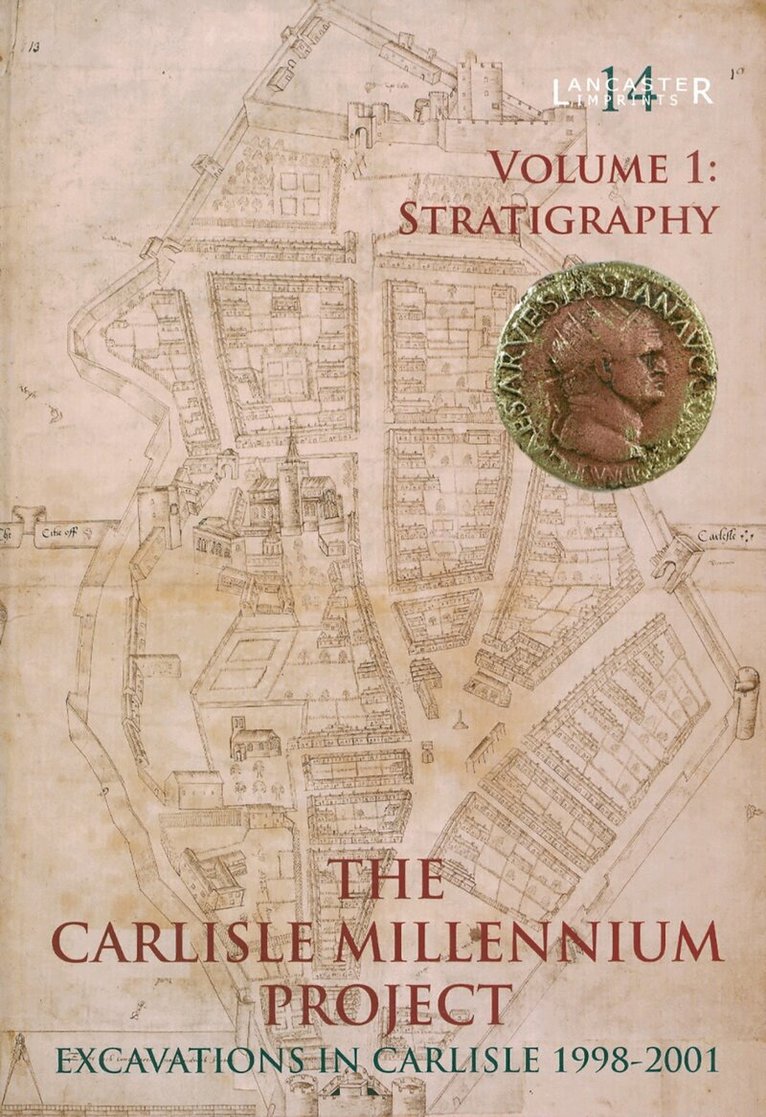
Carlisle Millennium Project: Excavations in Carlisle 1998-2001. Volume 1
Stratigraphy
Av John Zant
Inbunden, 2009
401 kr
Lägg i varukorg
From 1997 to 2001, works associated with Carlisle City Council's Gateway City (Millennium) Project on Castle Way and Castle Gardens provided an important opportunity to conduct a programme of archaeological excavations on the site of the Roman fort at Carlisle, and to examine the development of …
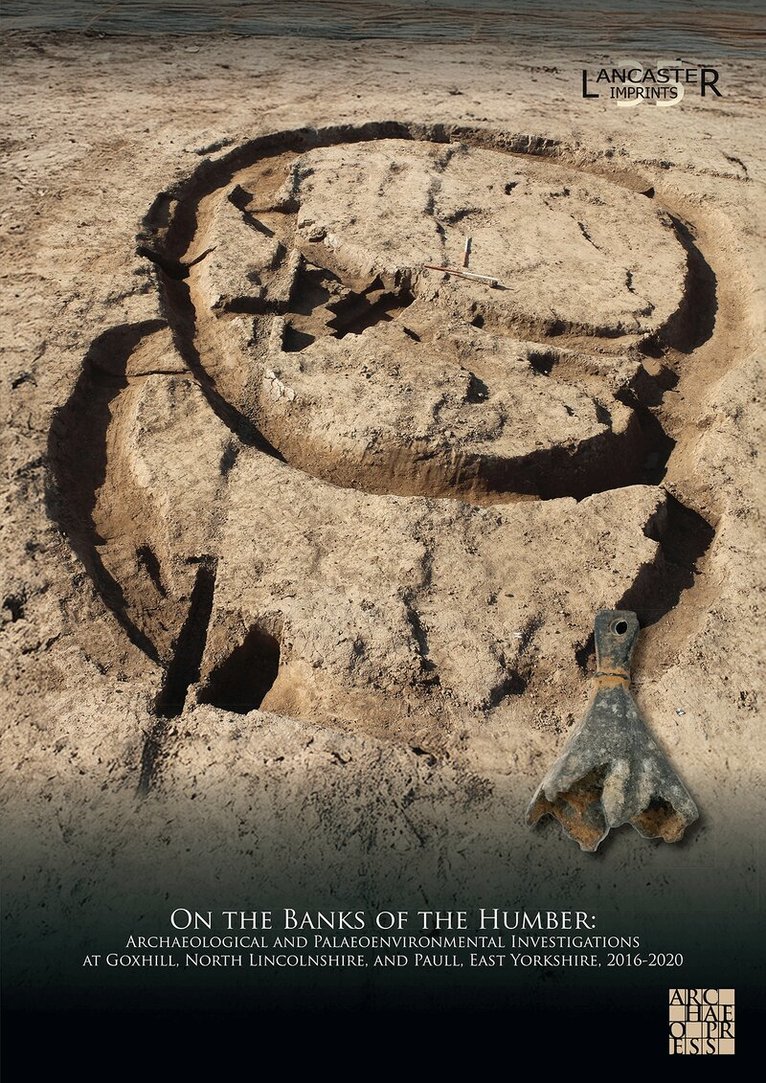
On the Banks of the Humber: Archaeological and Palaeoenvironmental Investigations at Goxhill, North Lincolnshire, and Paull, East Yorkshire, 2016-2020
Av Richard Gregory, Stephen Rowland m. fl.
Häftad, 2026
715 kr
Lägg i varukorg
The replacement of the Number 9 Feeder Gas Transmission Pipeline has provided an important opportunity to investigate early landscapes and settlement either side of the Humber Estuary. A combination of techniques has been employed over an eight-year period by Oxford Archaeology in order to explore …
Pioneers, Settlers, Villagers, and Warriors: Excavations at Ronaldsway Airport, Isle of Man
Av Richard Gregory, Fraser Brown
Inbunden, 2026
1345 kr
Lägg i varukorg
During 2008 and 2009, Oxford Archaeology completed an extensive campaign of archaeological excavation at Ronaldsway Airport, Isle of Man, as part of a programme of runway and taxiway extension, and other airport improvements, undertaken by the Isle of Man Airport Division (part of the Isle of Man …
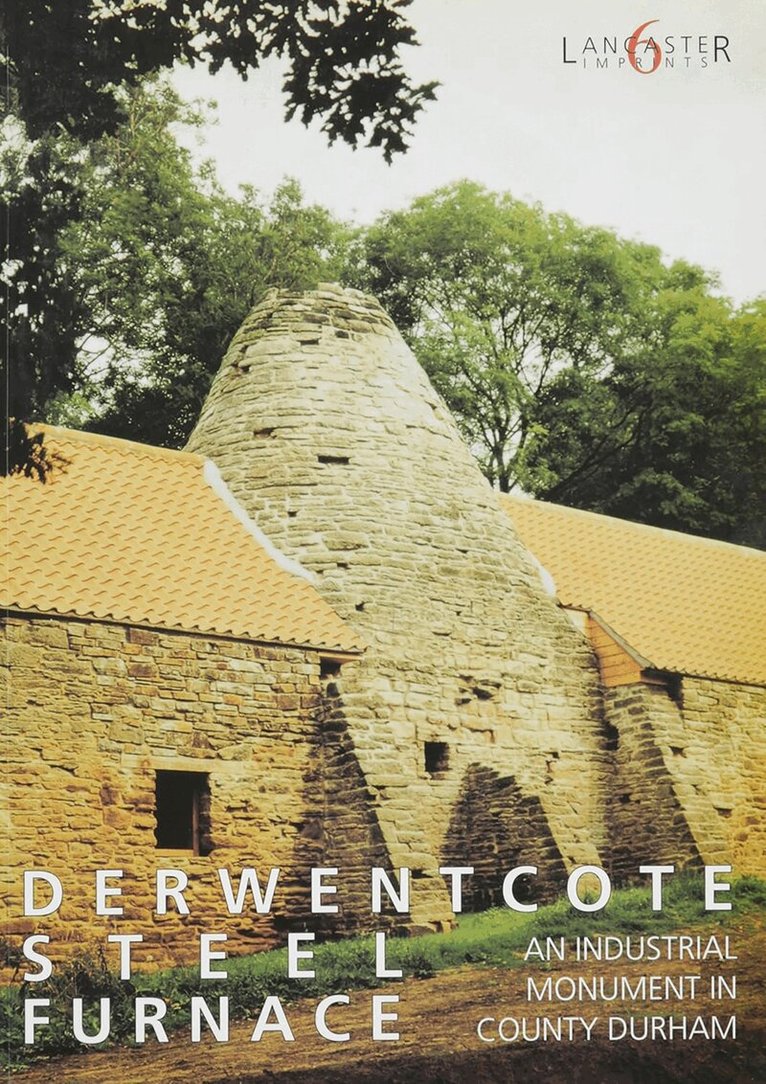
Derwentcote Steel Furnace
An Industrial monument in County Durham
Av D. Cranstone
Häftad, 1997
322 kr
Lägg i varukorg
A forge at Derwentcote, Co Durham, was built in c1719, and operated until 1891. The cementation steel furnace which is the main subject of this report was probably added in c 1733, and remained in use until between 1875 and 1891. The works was operated by a series of relatively short-lived …
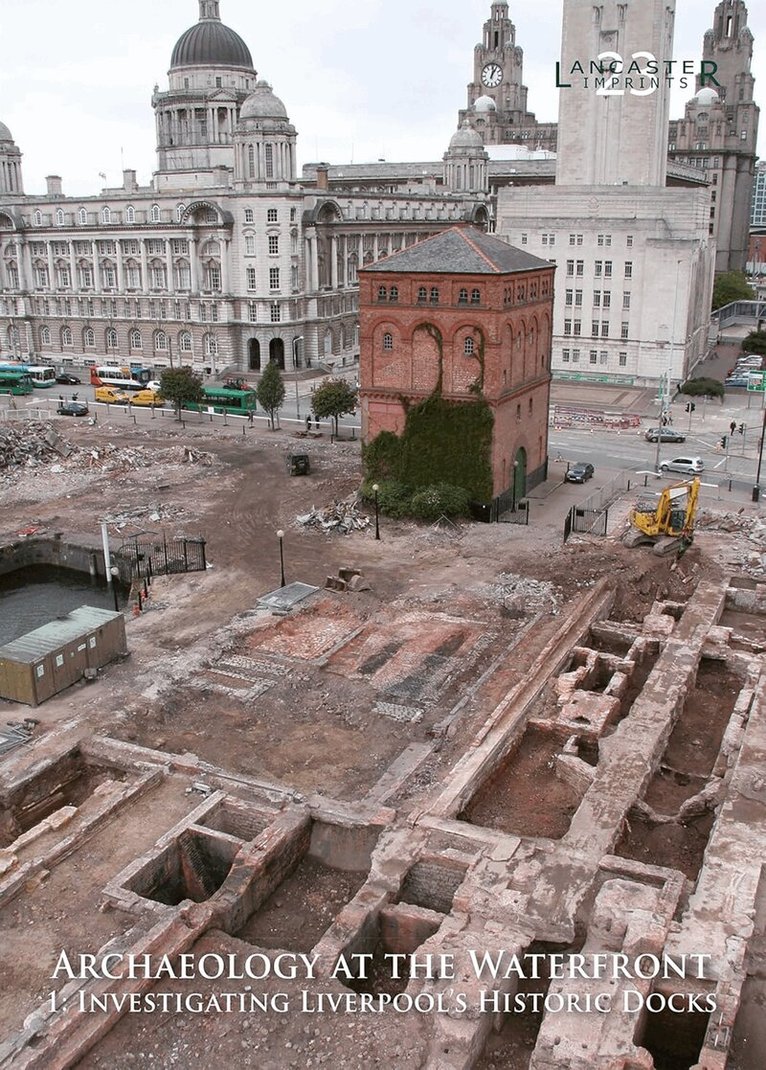
Archaeology at the Waterfront vol 1
Liverpool Docks
Av Richard A. Gregory, Caroline Raynor m. fl.
Häftad, 2014
322 kr
Lägg i varukorg
This volume presents the findings of the largest campaign of archaeological investigation along Liverpool's historic waterfront, by Oxford Archaeology North and the National Museums Liverpool Field Archaeology Unit. This work centred on the areas of Mann Island, Pier Head, and the Central Docks, …
From Mesolithic Encampment to Medieval Estate: The Archaeology of the Bay Gateway
The Archaeology of the Bay Gateway
Av Jeremy Bradley, Christine Howard-Davis
Häftad, 2018
392 kr
Lägg i varukorg
The Bay Gateway, a highway developed by Lancashire County Council and substantially funded by the Department for Transport, was constructed by Costain between 2014 and 2016 to provide a direct connection between the Port of Heysham, on the Lancashire coast, and Junction 34 of the M6 motorway, c 11 …
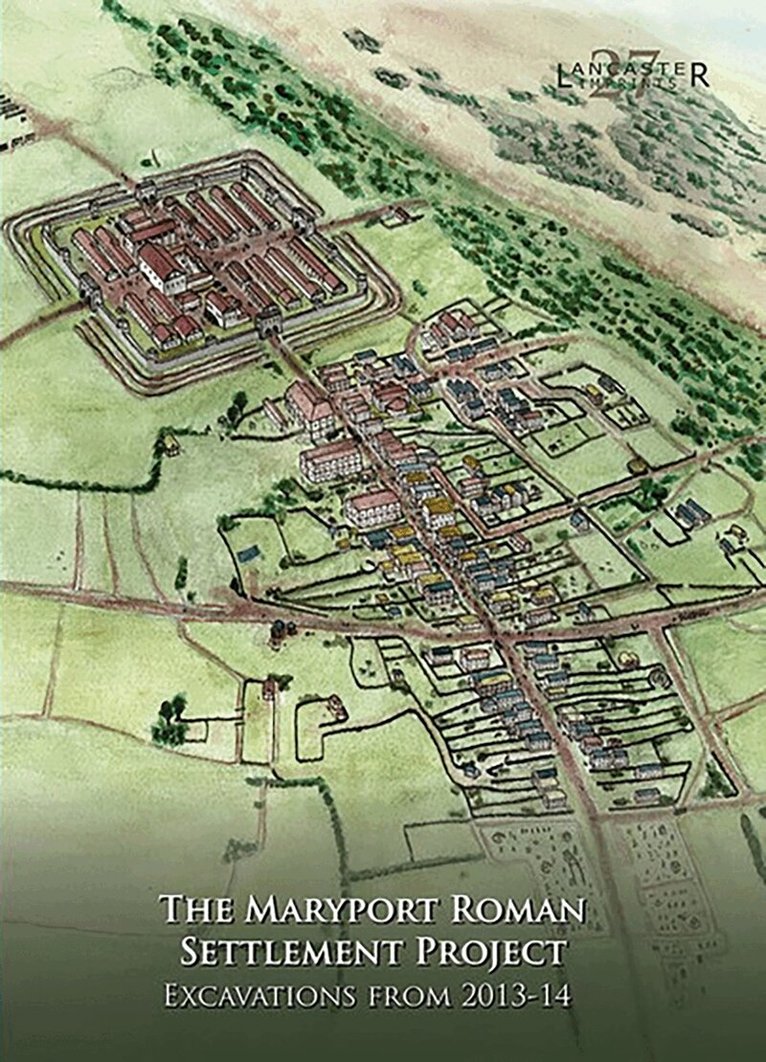
Maryport Roman Settlement Project
Excavations, 2013-14
Av John Zant
Häftad, 2019
401 kr
Lägg i varukorg
In August and September 2013, and again in April and May 2014, Oxford Archaeology, on behalf of the former Hadrian's Wall Trust (HWT), undertook a research and community-training excavation within the extramural settlement associated with the Roman fort at Maryport, Cumbria. The project sought to …
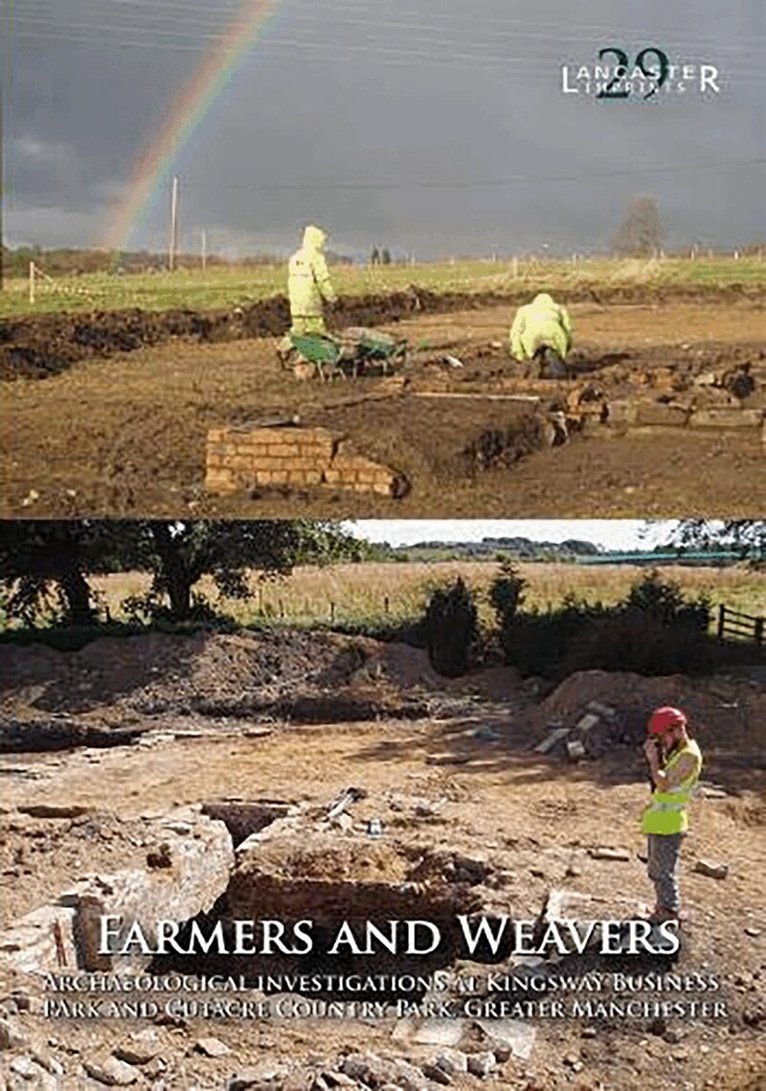
Farmers and Weavers: Archaeological Investigations at Kingsway Business Park and Cutacre Country Park, Greater Manchester
Investigation at Kingsway Buisiness Park and Cutacre Country Park, Greater Manchester
Av Richard Gregory, Peter Arrowsmith m. fl.
Häftad, 2021
388 kr
Lägg i varukorg
Large-scale redevelopment at Kingsway Business Park, near Rochdale, and Cutacre Country Park, near Bolton, has provided an important opportunity to investigate the prehistoric and later rural landscapes in the south-eastern corner of the historic county of Lancashire, now part of Greater …