Legitimate and Illegitimate Violence in Islamic Thought – serie
Visar alla böcker i serien Legitimate and Illegitimate Violence in Islamic Thought. Handla med fri frakt och snabb leverans.
3 produkter
3 produkter
1 303 kr
Skickas inom 7-10 vardagar
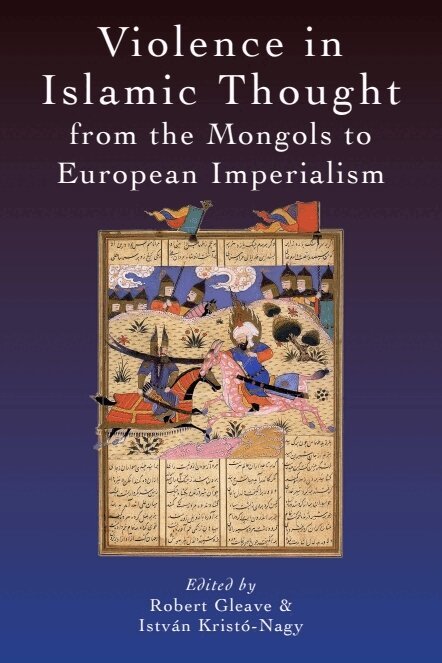
The violent conquest of the eastern part of the lands under Muslim rule by the Mongols marked a new period in the history of Islamic civilisation and in attitudes towards violence. This volume examines the various intellectual and cultural reactions of Muslim thinkers to these events, both within and without the territories subjected to Mongol control. Each chapter examines how violent acts were assessed by Muslim intellectuals, analysing both changes and continuity within Islamic thought over time. Each chapter is structured around a case study in which violent acts are justified or condemned, revealing the variety of attitudes to violence in the medieval period. They are framed by a detailed introduction, focusing on theoretical perspectives on violence and religion and their application, or otherwise, to medieval Islam.
Violence in Islamic Thought from European Imperialism to the Post-Colonial Era
Inbunden, Engelska, 2021
2 095 kr
Skickas inom 3-6 vardagar
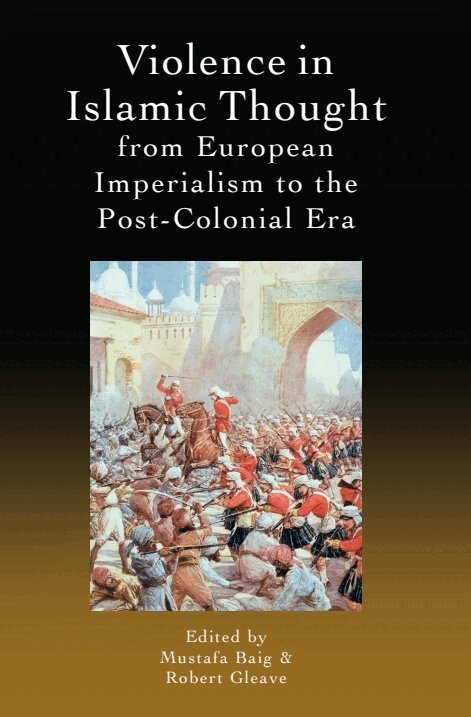
This volume shows the diversity of approaches to violence in Islamic thought between the 19th century and the present day, avoiding the limiting characterisations of Islam being inherently ‘violent’ or ‘peaceful’. It shows how ideas of ‘justified violence’ – grounded in Islamic theological and juristic traditions – reoccur throughout history, up to the contemporary period. Chapters on earlier events provide context for contemporary debates on violence, showing how traditional legal and theological ideas (such as the sovereignty of God’s law and peace treaties) are used to both legitimise and de-legitimise violence.
Violence in Islamic Thought from European Imperialism to the Post-Colonial Era
Häftad, Engelska, 2022
594 kr
Skickas inom 3-6 vardagar
Explores Muslim attitudes towards violence from the 19th century to the present dayExamines perceptions and expressions of violence in a wide range of contexts in the modern period: Algeria, Afghanistan, Egypt, India, Iraq, Israel, Libya, Nigeria, Palestine, Syria, Tunisia and Yemen Shows the nuances behind headline-making events and organisations such as al-Qaeda, the Taliban, Islamic State, Salafi jihadism, the Mahdi Army, Hamas, Hezbollah and the Arab RevolutionsEngages with key figures including Fa?l-i ?aqq Khayr?b?d?, Ahmad Riza Khan, Muqtad al-?adr, Mu?ammad al-Maqdisi, Ayman al-?aw?hir? and Turk? al-Bin?Al?Enables a more informed understanding of the nature of violence in the modern period, in the Muslim world and beyondMuslim attitudes toward violence have been reshaped in light of the colonial context since the 18th and 19th centuries, and in response to regional and world-changing events of the contemporary period. This volume shows the diversity of approaches to violence in Islamic thought, avoiding the limiting characterisations of Islam being inherently 'violent' or 'peaceful'.It shows how ideas of 'justified violence' grounded in Islamic theological and juristic traditions reoccur throughout history, up to the contemporary period. Chapters on earlier events provide context for contemporary debates on violence, showing how traditional legal and theological ideas (such as the sovereignty of God's law and peace treaties) are used to both legitimise and de-legitimise violence.Violence in Islamic Thought from European Imperialism to the Post-Colonial Era is the final volume in the Violence in Islamic Thought trilogy. Taken together, the three books cover key aspects of violence in Islamic thought from the earliest time to the present day, mapping a trajectory of thinking about violence over 14 centuries of Islamic history.