Lemann Center for Brazilian Studies Series – Serie
Visar alla böcker i serien Lemann Center for Brazilian Studies Series. Handla med fri frakt och snabb leverans.
4 produkter
4 produkter
1 365 kr
Skickas inom 7-10 vardagar
A classic of Brazilian literary criticism and historiography, Brazil and the Dialectic of Colonization explores the unique character of Brazil from its colonial beginnings to its emergence as a modern nation. This translation presents the thought of Alfredo Bosi, one of contemporary Brazil's leading intellectuals, to an English-speaking audience. Portugal extracted wealth from its Brazilian colony. Slaves--first indigenous peoples, later Africans--mined its ore and cut its sugarcane. From the customs of the colonists and the aspirations of the enslaved rose Brazil. Bosi scrutinizes signal points in the creation of Brazilian culture--the plays and poetry, the sermons of missionaries and Jesuit priests, the Indian novels of JosÉ de Alencar and the Voices of Africa of poet Castro Alves. His portrait of the country's response to the pressures of colonial conformity offers a groundbreaking appraisal of Brazilian culture as it emerged from the tensions between imposed colonial control and the African and Amerindian cults--including the Catholic-influenced ones--that resisted it.
1 202 kr
Skickas inom 7-10 vardagar
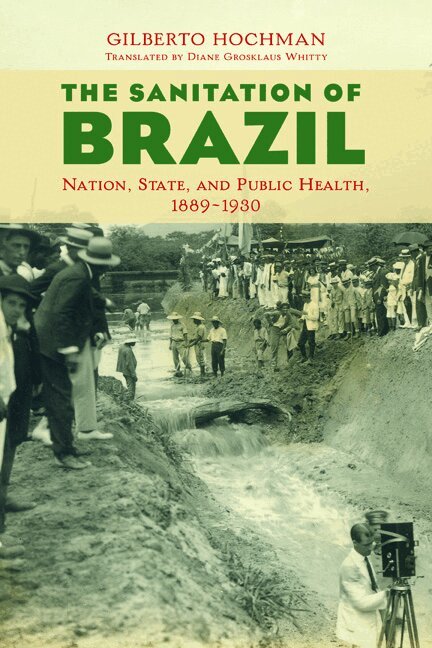
Celebrated as a major work since its original publication, The Sanitation of Brazil traces how rural health and sanitation policies influenced the formation of Brazil's national public health system. Gilberto Hochman's pioneering study examines the ideological, social and political forces that approached questions of health and government action. The era from 1910 to 1930 offered unique opportunities for public health reform, and Hochman examines its successes and failures. He looks at how health became a state concern, tying the emergence of public health policies to a nationalistic movement and to a convergence of the elites' social consciousness with their political and material interests. Politicians weighed the costs and benefits of state-run public health versus the burdens imposed by disease. Physicians and intellectuals, meanwhile, swayed them with warnings that endemic disease and official neglect might affect everyone--rich and poor, rural and urban, interior and coastal--if left unchecked. The book shows how disease and health were and are associated with nation-state building in Brazil.
374 kr
Skickas inom 7-10 vardagar
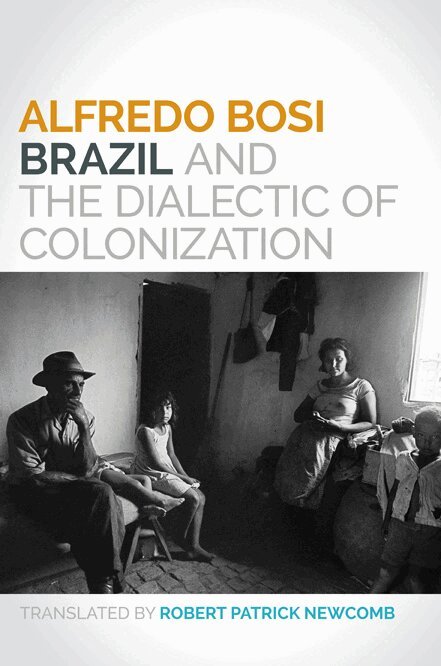
A classic of Brazilian literary criticism and historiography, Brazil and the Dialectic of Colonization explores the unique character of Brazil from its colonial beginnings to its emergence as a modern nation. This translation presents the thought of Alfredo Bosi, one of contemporary Brazil's leading intellectuals, to an English-speaking audience. Portugal extracted wealth from its Brazilian colony. Slaves--first indigenous peoples, later Africans--mined its ore and cut its sugarcane. From the customs of the colonists and the aspirations of the enslaved rose Brazil. Bosi scrutinizes signal points in the creation of Brazilian culture--the plays and poetry, the sermons of missionaries and Jesuit priests, the Indian novels of JosÉ de Alencar and the Voices of Africa of poet Castro Alves. His portrait of the country's response to the pressures of colonial conformity offers a groundbreaking appraisal of Brazilian culture as it emerged from the tensions between imposed colonial control and the African and Amerindian cults--including the Catholic-influenced ones--that resisted it.
265 kr
Skickas inom 7-10 vardagar
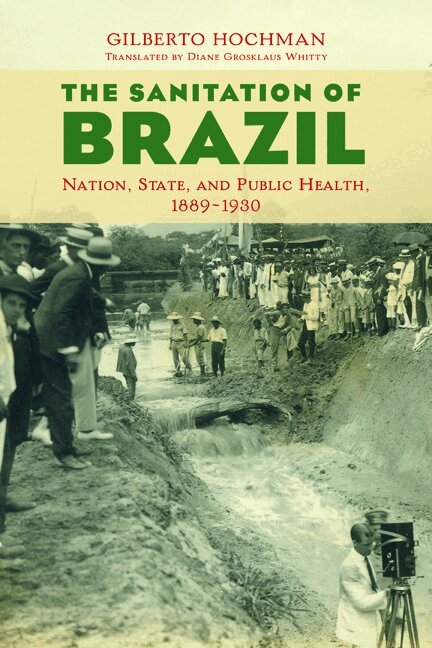
Celebrated as a major work since its original publication, The Sanitation of Brazil traces how rural health and sanitation policies influenced the formation of Brazil's national public health system. Gilberto Hochman's pioneering study examines the ideological, social and political forces that approached questions of health and government action. The era from 1910 to 1930 offered unique opportunities for public health reform, and Hochman examines its successes and failures. He looks at how health became a state concern, tying the emergence of public health policies to a nationalistic movement and to a convergence of the elites' social consciousness with their political and material interests. Politicians weighed the costs and benefits of state-run public health versus the burdens imposed by disease. Physicians and intellectuals, meanwhile, swayed them with warnings that endemic disease and official neglect might affect everyone--rich and poor, rural and urban, interior and coastal--if left unchecked. The book shows how disease and health were and are associated with nation-state building in Brazil.