Library of Modern American History – serie
Visar alla böcker i serien Library of Modern American History. Handla med fri frakt och snabb leverans.
19 produkter
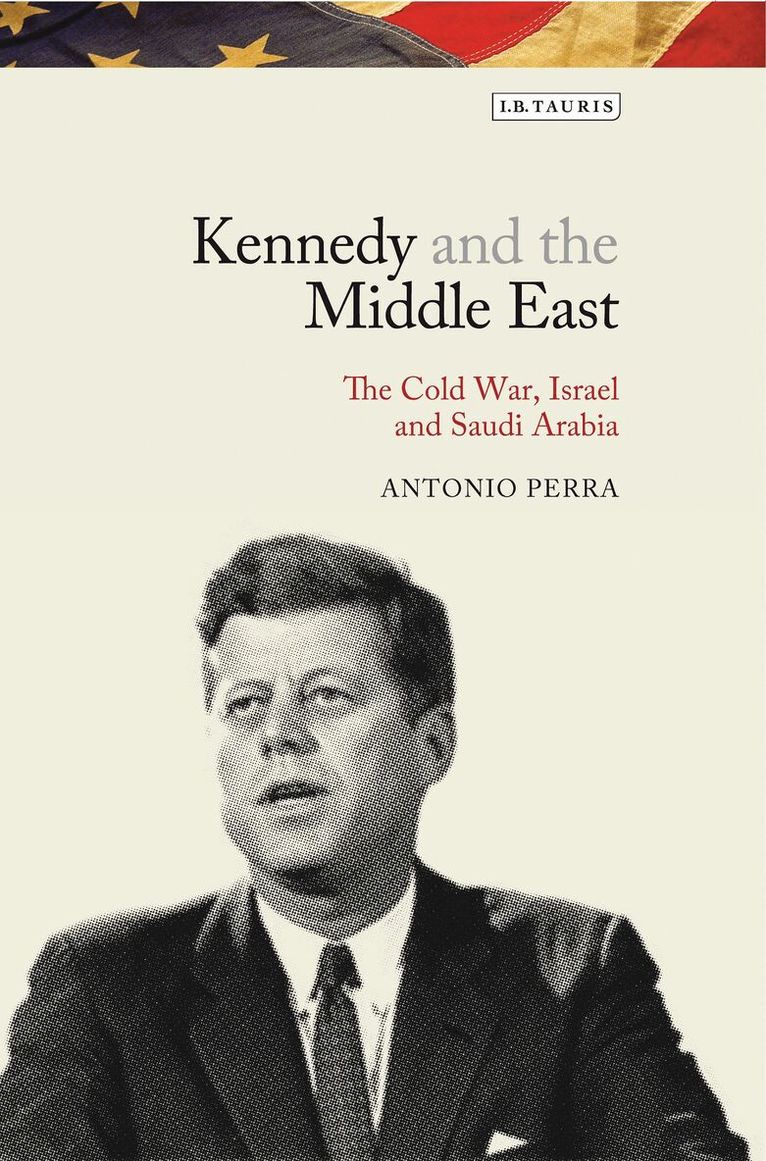
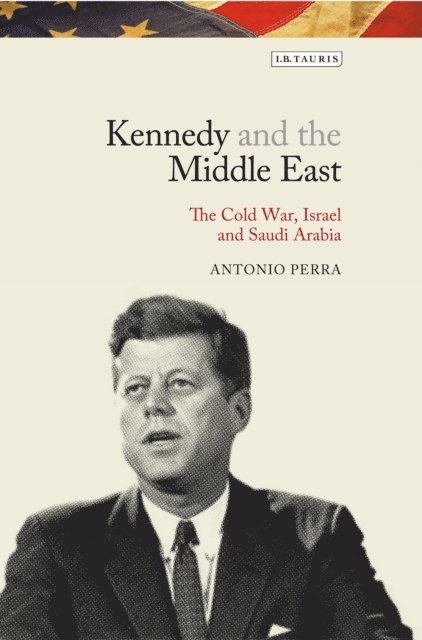
Kennedy and the Middle East
The Cold War, Israel and Saudi Arabia
Häftad, 2019
517 kr
Lägg i varukorg
At the height of the Cold War, the John F. Kennedy administration designed an ambitious plan for the Middle East-its aim was to seek rapprochement with Nasser's Egypt in order to keep the Arab world neutral and contain the perceived communist threat. In order to offset this approach, Kennedy sought …
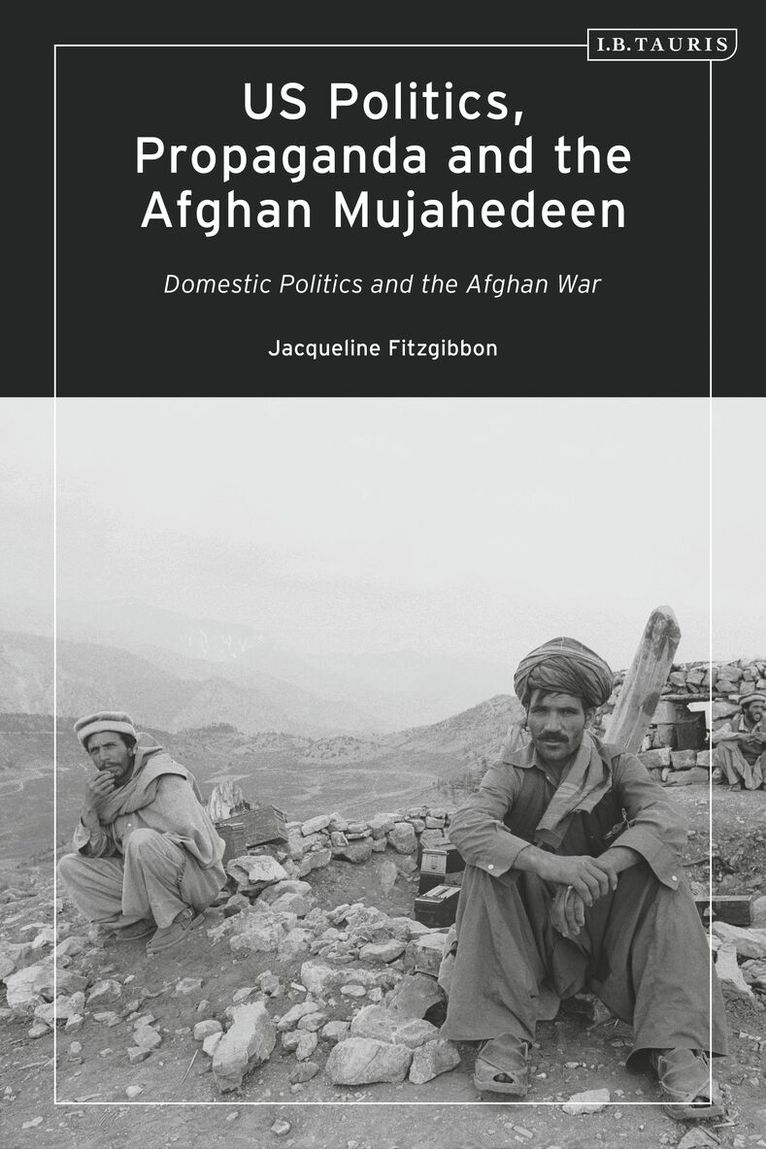
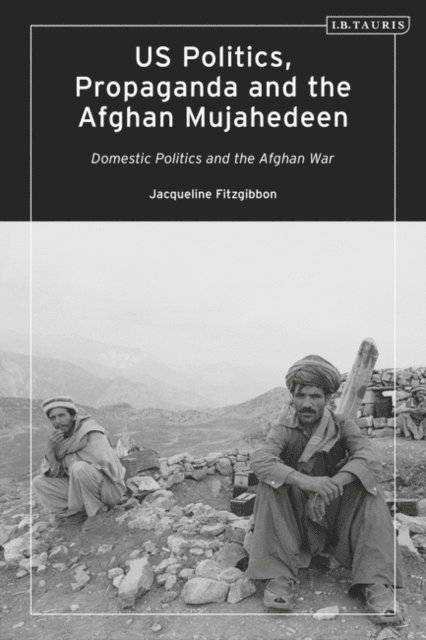
US Politics, Propaganda and the Afghan Mujahedeen: Domestic Politics and the Afghan War
Häftad, 2021
473 kr
Lägg i varukorg
Influential fundraising groups and senators in the US made enormous efforts in the First Afghan War to present the Mujahedeen as ‘freedom fighters’ – even while the CIA secretly armed them. A mass propaganda effort was launched, aimed at portraying parts of Afghanistan as victims of communist …
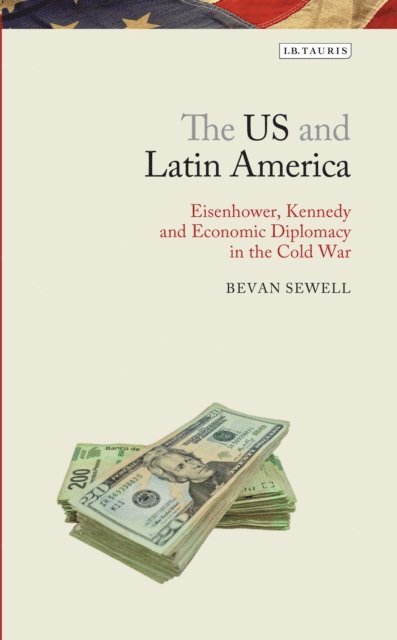
US and Latin America
Eisenhower, Kennedy and Economic Diplomacy in the Cold War
Av Bevan Sewell
E-bok, 2015
546 kr
Lägg i varukorg
The US in the 1950s and 1960s wanted to prevent a new communist regime in the Western hemisphere at any cost. Under President Eisenhower the US pursued a policy of support for dictators, the economic shoring up of regimes that impoverished their own people and sanctioned direct interventions such …
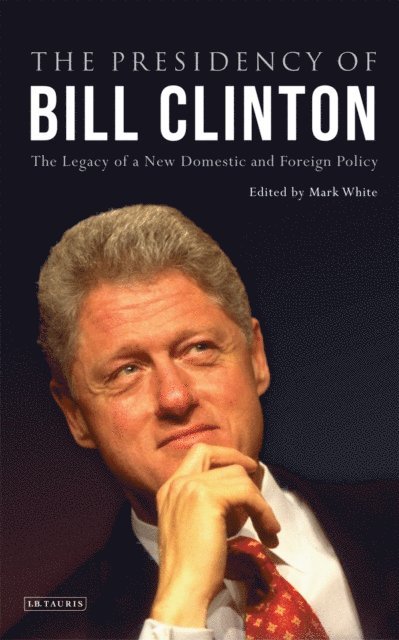
Presidency of Bill Clinton
The Legacy of a New Domestic and Foreign Policy
Av Mark White
E-bok, 2012
1660 kr
Lägg i varukorg
The presidency of Bill Clinton has an intrinsic historical significance: a marker of generational change, as he was the first 'baby boomer' to reach the White House; the first president whose personal life received no less attention than his policies; and the first elected Democrat President to win …
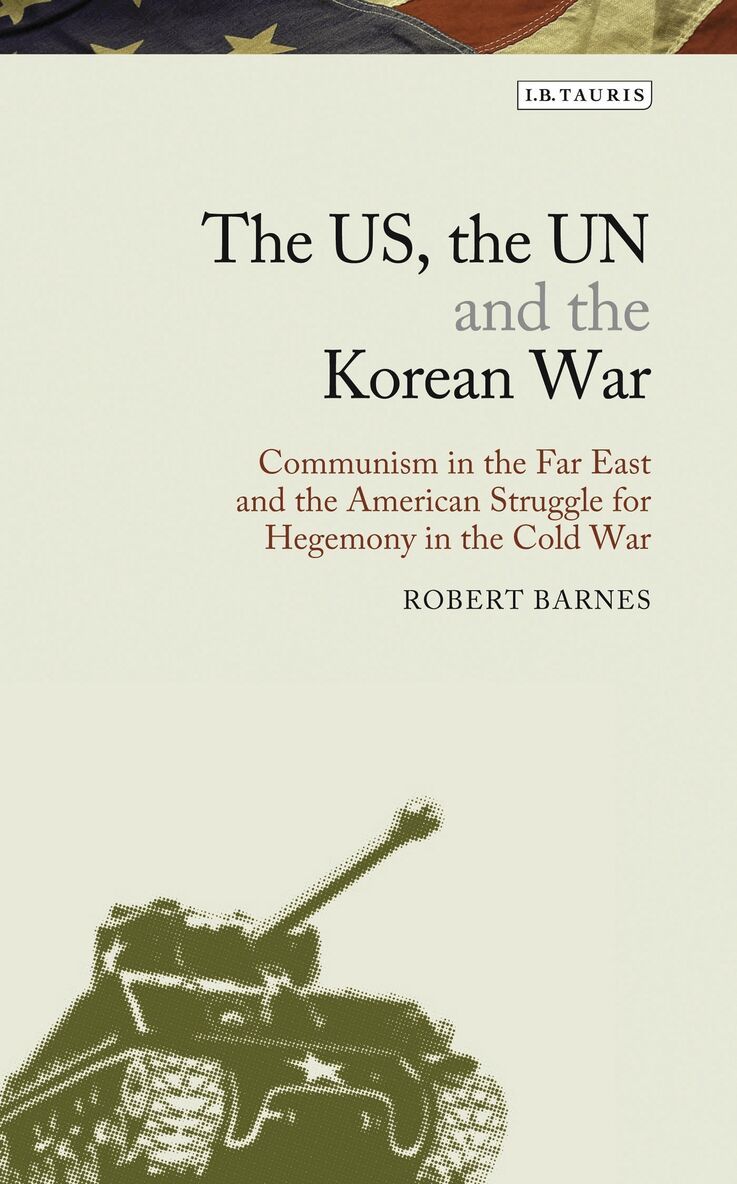
US, the UN and the Korean War
Communism in the Far East and the American Struggle for Hegemony in the Cold War
E-bok, 2014
529 kr
Lägg i varukorg
Military, social and economic historians have long appreciated the significance of the conflict in Korea in shaping the post-war world. The policy of containment was formed, China was established as an important military power, and the US increased its military expenditure fourfold as a result of a …
Cultural Left and the Reagan Era
U.S. Protest and Central American Revolution
Av Nick Witham
E-bok, 2015
2316 kr
Lägg i varukorg
The Reagan era is usually seen as an era of unheralded prosperity, and as a high-watermark of Republican success. President Ronald Reagan's belief in "Reaganomics", his media-friendly sound-bites and "can do" personality have come to define the era. However, this was also a time of domestic protest …
US and Latin America
Eisenhower, Kennedy and Economic Diplomacy in the Cold War
Av Bevan Sewell
Häftad, 2020
502 kr
Lägg i varukorg
The US in the 1950s and 1960s wanted to prevent a new communist regime in the Western hemisphere at any cost. Under President Eisenhower the US pursued a policy of support for dictators, the economic shoring up of regimes that impoverished their own people and sanctioned direct interventions such …
US, the UN and the Korean War
Communism in the Far East and the American Struggle for Hegemony in the Cold War
Häftad, 2020
502 kr
Lägg i varukorg
Military, social and economic historians have long appreciated the significance of the conflict in Korea in shaping the post-war world. The policy of containment was formed, China was established as an important military power, and the US increased its military expenditure fourfold as a result of a …
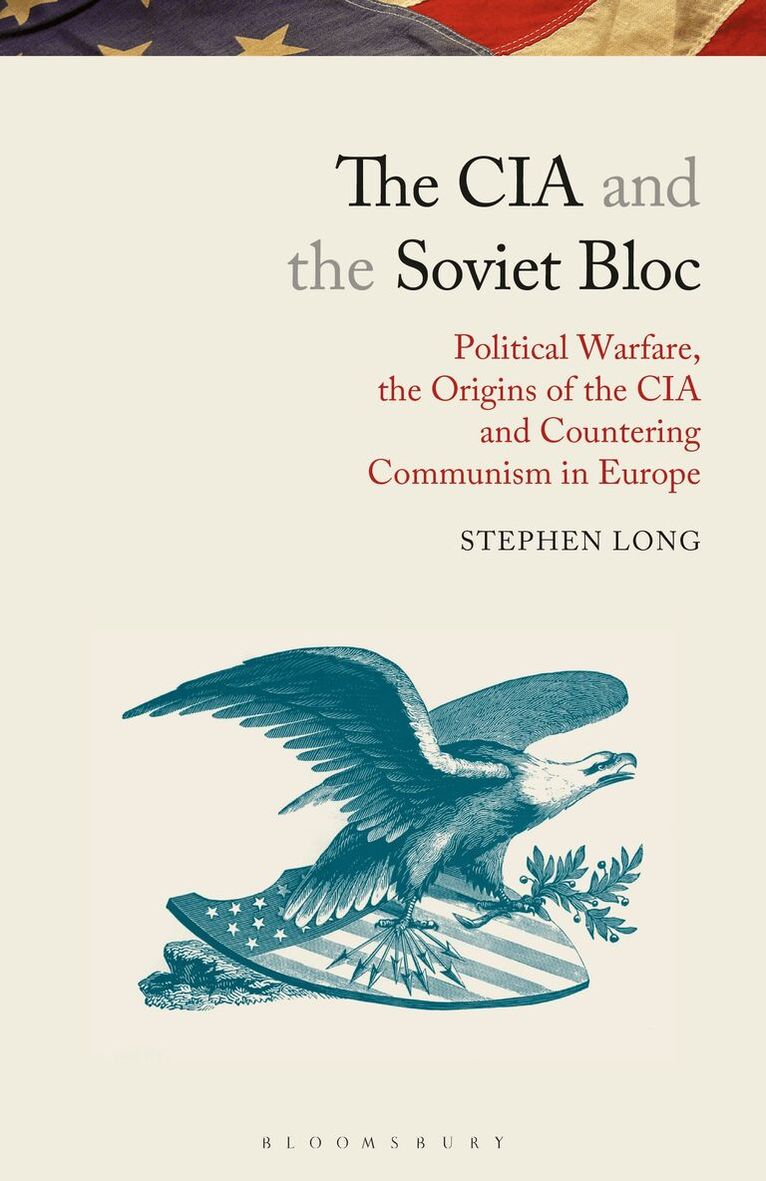
CIA and the Soviet Bloc
Political Warfare, the Origins of the CIA and Countering Communism in Europe
Av Stephen Long
Häftad, 2020
502 kr
Lägg i varukorg
The Central Intelligence Agency was established by Harry S. Truman after World War II and it soon provided covert political and paramilitary support to further US foreign policy. Strengthened by President Eisenhower and under the command of Allen Dulles, by the early 1950s, the CIA was actively …
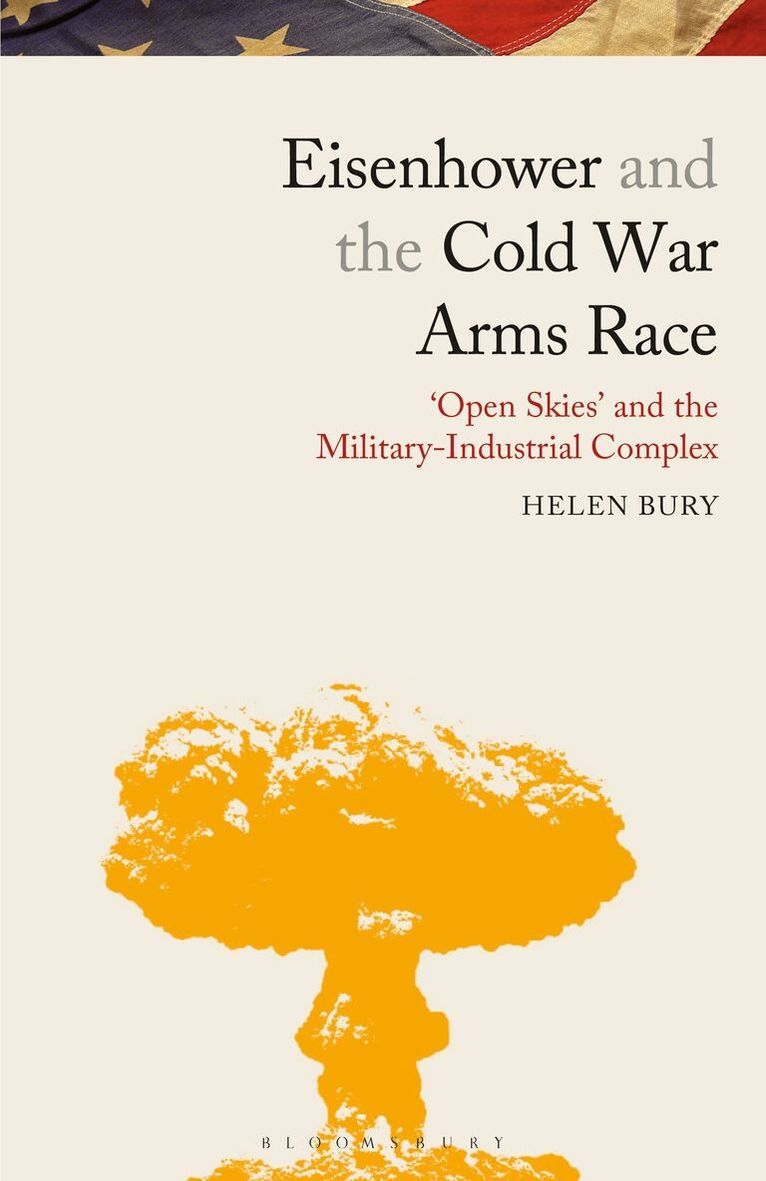
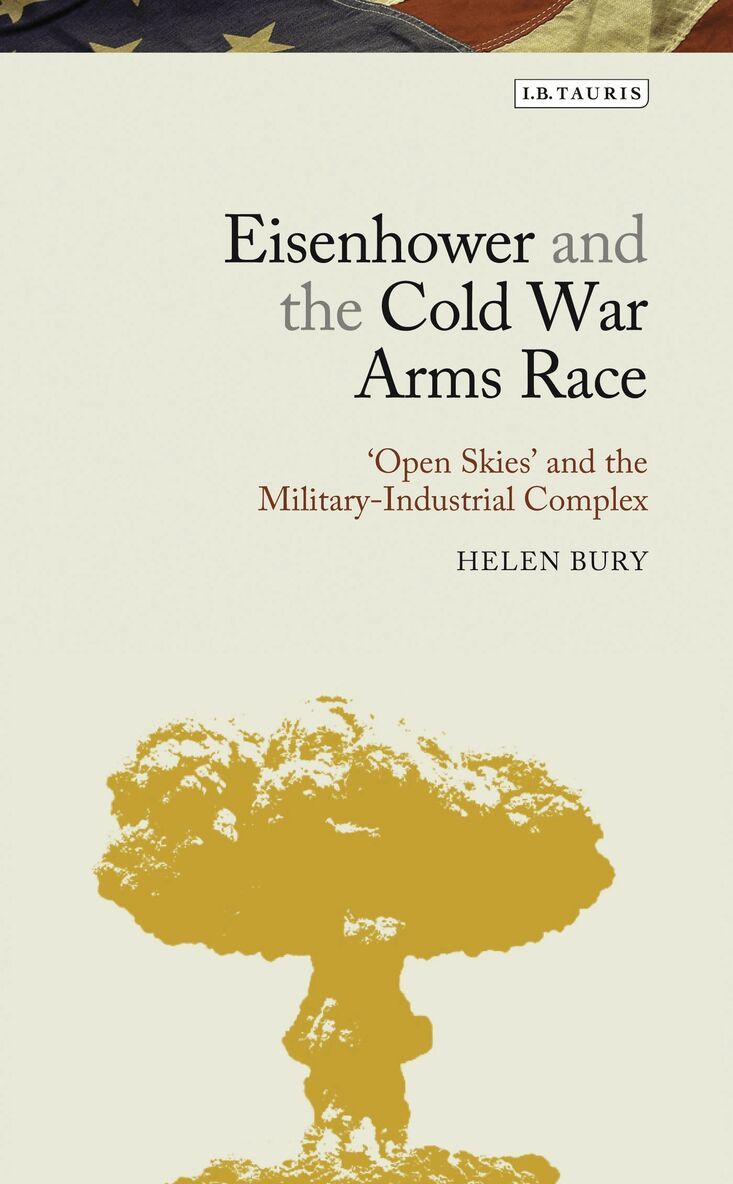
Eisenhower and the Cold War Arms Race
‘Open Skies’ and the Military-Industrial Complex
Av Helen Bury
Häftad, 2020
517 kr
Lägg i varukorg
Under the growing shadow of the Cold War, President Eisenhower announced his 'Open Skies' initiative to Soviet, British and French delegations at the Geneva Summit in 1955. In a climate of intense fear and suspicion, this proposed system of mutual aerial inspection was dismissed by Khrushchev and …
Eisenhower and the Cold War Arms Race
‘Open Skies’ and the Military-Industrial Complex
Av Helen Bury
Inbunden, 2013
1898 kr
Lägg i varukorg
Under the growing shadow of the Cold War, President Eisenhower announced his 'Open Skies' initiative to Soviet, British and French delegations at the Geneva Summit in 1955. In a climate of intense fear and suspicion, this proposed system of mutual aerial inspection was dismissed by Khrushchev and …
US, the UN and the Korean War
Communism in the Far East and the American Struggle for Hegemony in the Cold War
Inbunden, 2014
2043 kr
Lägg i varukorg
Military, social and economic historians have long appreciated the significance of the conflict in Korea in shaping the post-war world. The policy of containment was formed, China was established as an important military power, and the US increased its military expenditure fourfold as a result of a …
CIA and the Soviet Bloc
Political Warfare, the Origins of the CIA and Countering Communism in Europe
Av Stephen Long
Inbunden, 2014
2043 kr
Lägg i varukorg
The Central Intelligence Agency was established by Harry S. Truman after World War II and it soon provided covert political and paramilitary support to further US foreign policy. Strengthened by President Eisenhower, by the early 1950s, under the command of Allen Dulles, the CIA was actively …
US and Latin America
Eisenhower, Kennedy and Economic Diplomacy in the Cold War
Av Bevan Sewell
Inbunden, 2015
2043 kr
Lägg i varukorg
The US in the 1950s and 1960s wanted to prevent a new communist regime in the Western hemisphere at any cost. Under President Eisenhower the US pursued a policy of support for dictators, the economic shoring up of regimes that impoverished their own people and sanctioned direct interventions such …
Cultural Left and the Reagan Era
U.S. Protest and Central American Revolution
Av Nick Witham
Inbunden, 2015
2043 kr
Lägg i varukorg
The Reagan era is usually seen as an era of unheralded prosperity, and as a high-watermark of Republican success. President Ronald Reagan's belief in "Reaganomics", his media-friendly sound-bites and "can do" personality have come to define the era. However, this was also a time of domestic protest …
Kennedy and the Middle East
The Cold War, Israel and Saudi Arabia
Inbunden, 2017
2043 kr
Lägg i varukorg
At the height of the Cold War, the John F. Kennedy administration designed an ambitious plan for the Middle East-its aim was to seek rapprochement with Nasser's Egypt in order to keep the Arab world neutral and contain the perceived communist threat. In order to offset this approach, Kennedy sought …
Kennedy and the Middle East
The Cold War, Israel and Saudi Arabia
E-bok, 2017
550 kr
Lägg i varukorg
At the height of the Cold War, the John F. Kennedy administration designed an ambitious plan for the Middle East-its aim was to seek rapprochement with Nasser's Egypt in order to keep the Arab world neutral and contain the perceived communist threat. In order to offset this approach, Kennedy sought …
US Politics, Propaganda and the Afghan Mujahedeen: Domestic Politics and the Afghan War
E-bok, 2020
514 kr
Lägg i varukorg
Influential fundraising groups and senators in the US made enormous efforts in the First Afghan War to present the Mujahedeen as 'freedom fighters' – even while the CIA secretly armed them with surface to air missiles and other weapons. A mass propaganda effort was launched, aimed at portraying …
US Politics, Propaganda and the Afghan Mujahedeen: Domestic Politics and the Afghan War
E-bok, 2020
514 kr
Lägg i varukorg
Influential fundraising groups and senators in the US made enormous efforts in the First Afghan War to present the Mujahedeen as 'freedom fighters' – even while the CIA secretly armed them with surface to air missiles and other weapons. A mass propaganda effort was launched, aimed at portraying …