Library of Modern Jewish Literature – serie
Visar alla böcker i serien Library of Modern Jewish Literature. Handla med fri frakt och snabb leverans.
16 produkter
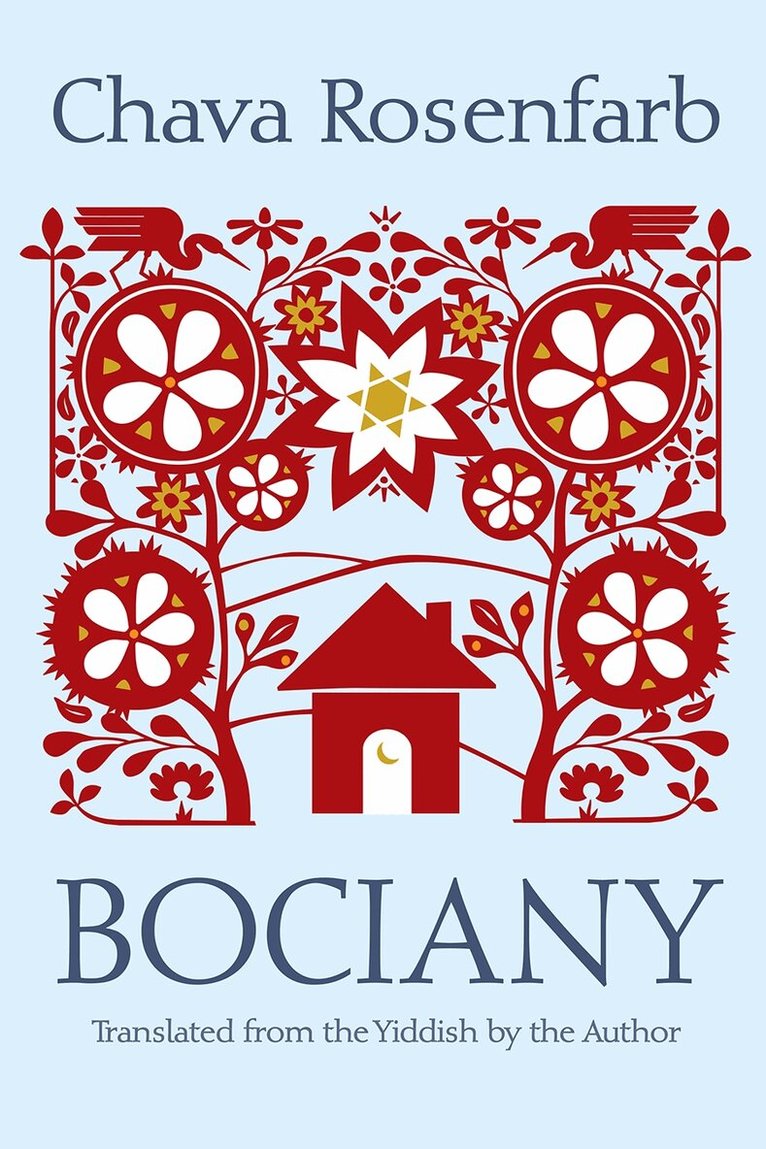
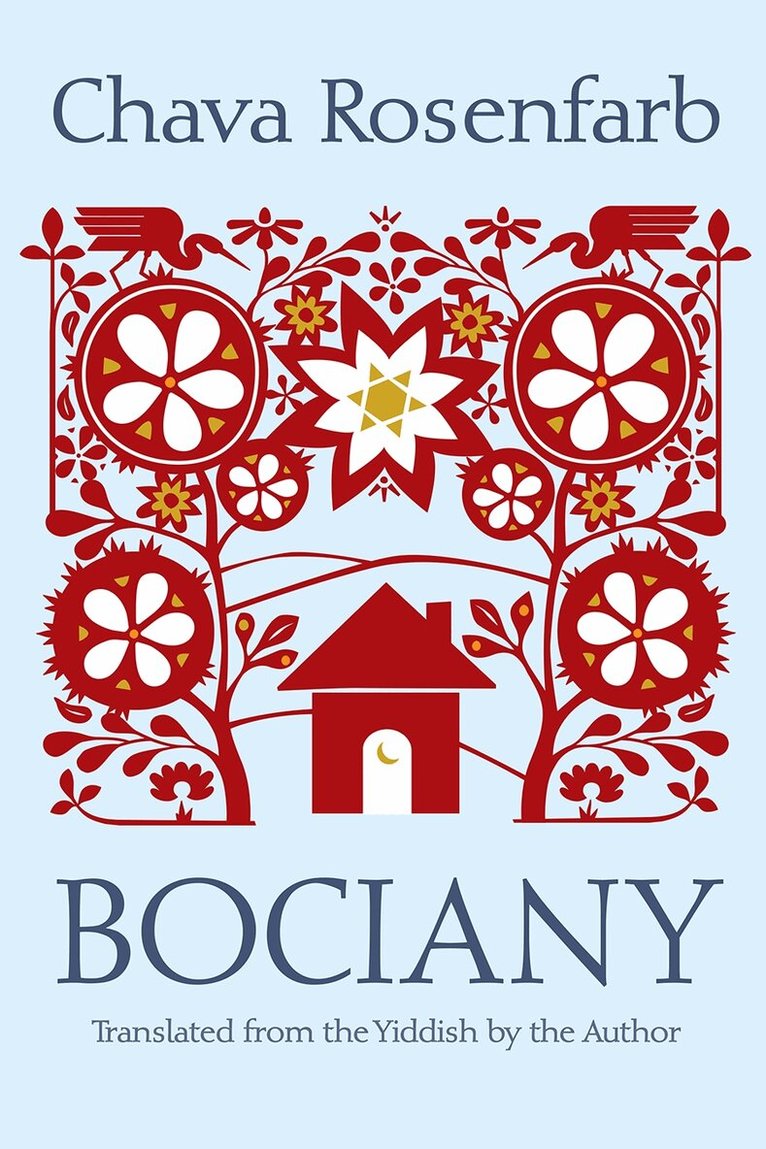
Bociany
Inbunden, 2000
521 kr
Lägg i varukorg
Sholem Aleichem romanticized shtetl life. Isaac Bashevis Singer eroticized it. ln the novel Bociany and its sequel, Of Lodz and Love, Chava Rosenfarb brings a vanished world to vibrant, compelling life. Rosenfarb follows the destinies of characters from the Polish town of Bociany as they grow up, …
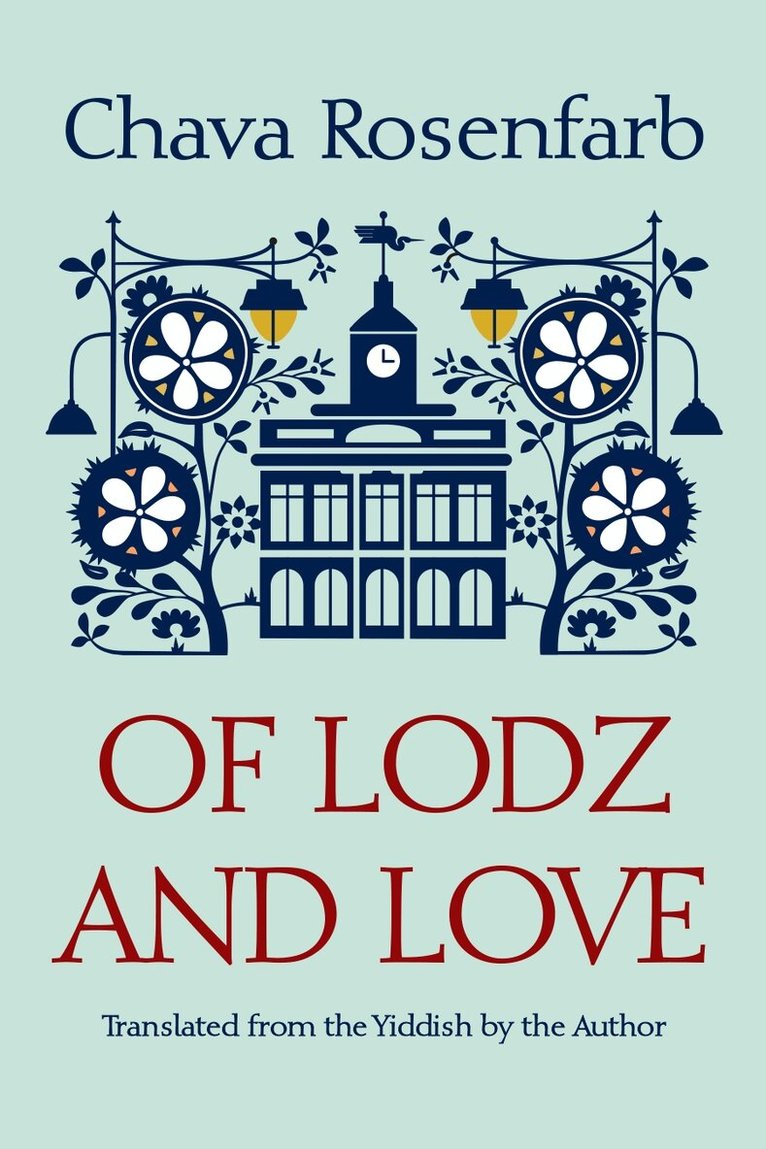
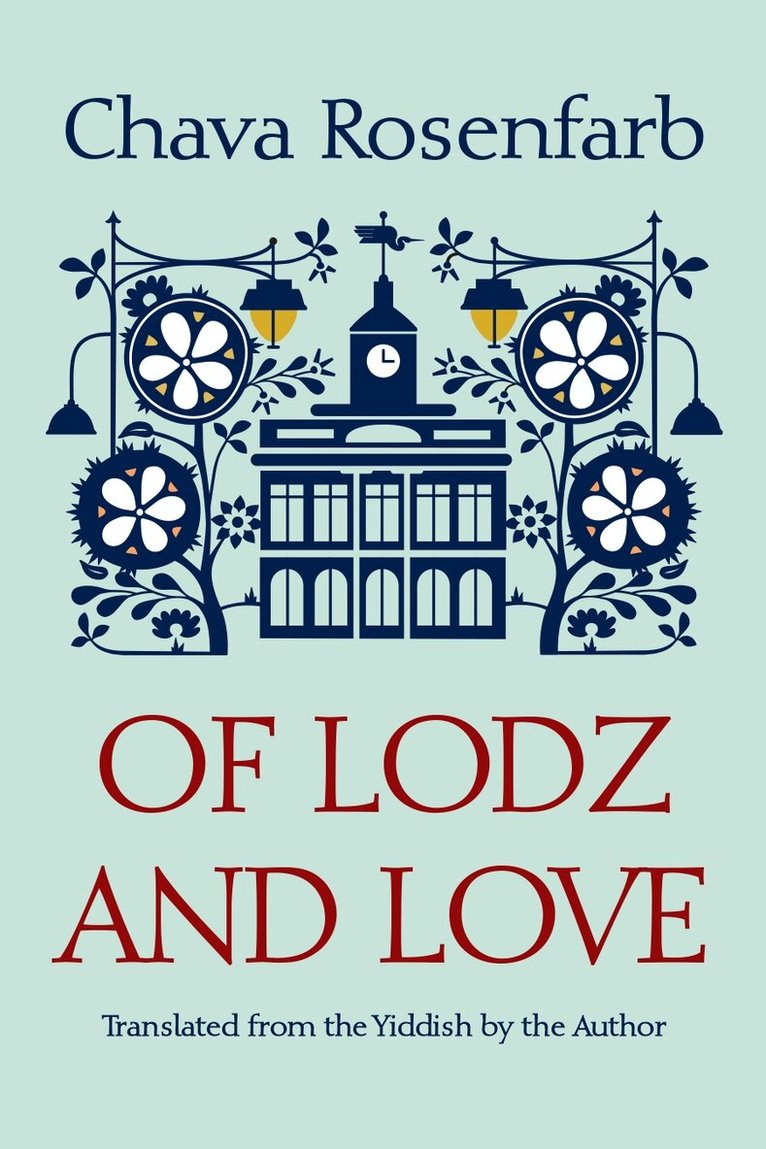
Of Lodz and Love
Inbunden, 2000
521 kr
Lägg i varukorg
In Of Lodz and Love, Chava Rosenfarb revisits her themes of the the shtetl and pre-Holocaust Poland, of economic and political oppression, and of the upheavals that would herald a new Jewish national and political awakening. The story takes Yacov, son of Hindele, and Binele, the daughter of the …
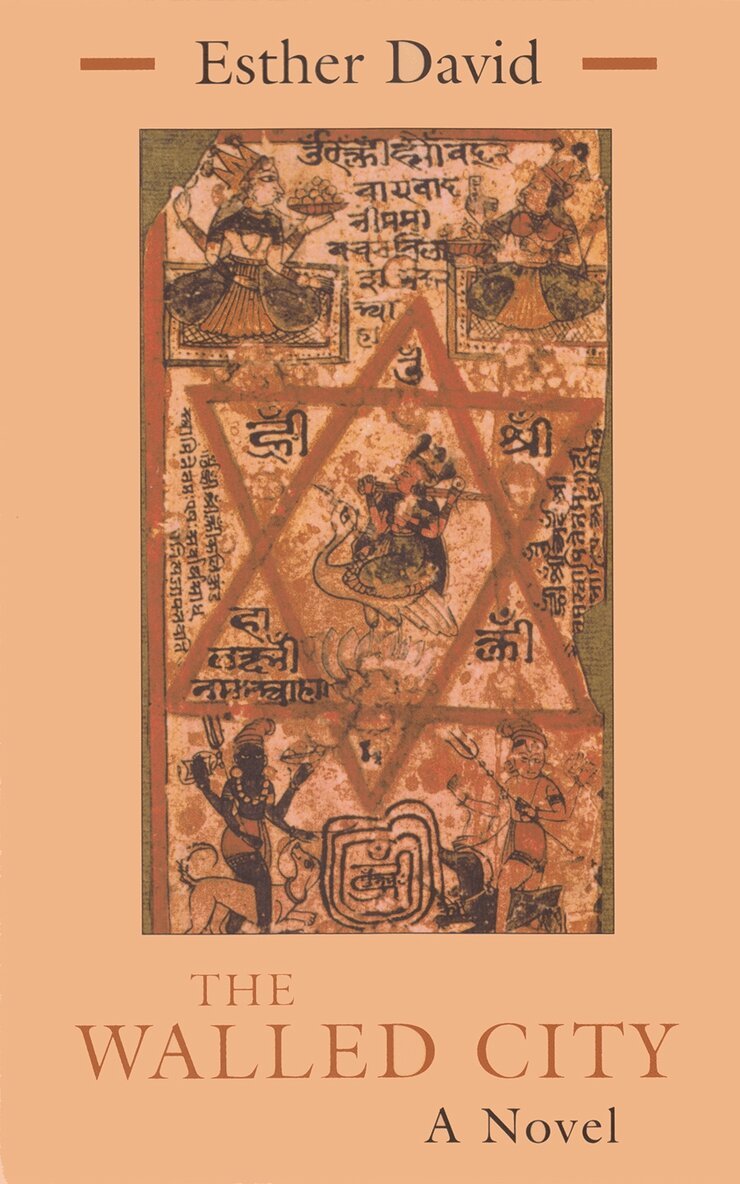
Walled City
Av Esther David
Häftad, 2002
251 kr
Lägg i varukorg
This novel traces the rigid circumscribed lives of three generations of women in an extended Jewish family in the walled Indian city of Ahmedabad.
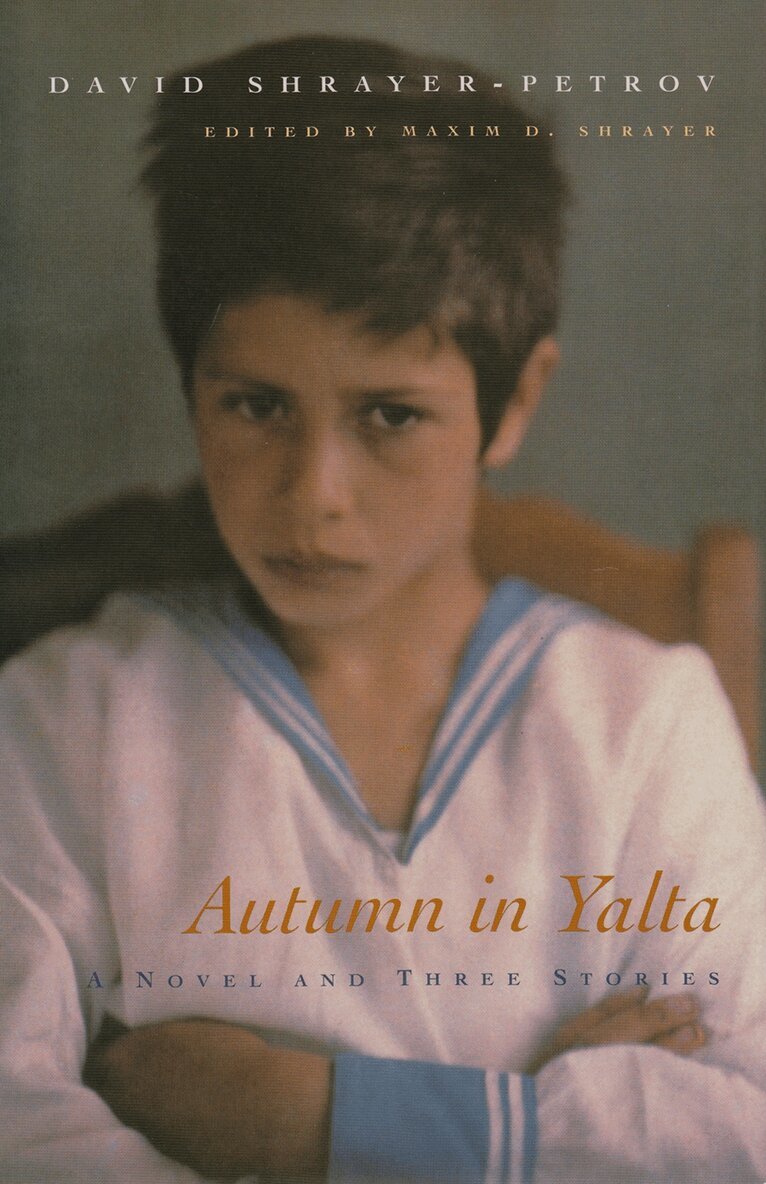
Autumn in Yalta
A Novel and Three Stories
Av David Shrayer-Petrov, Maxim D. Shrayer m. fl.
Inbunden, 2006
336 kr
Lägg i varukorg
The powerful voice of David Shrayer-Petrov's immigrant fiction blends Russian, Jewish, and American traditions. Collecting an autobiographical novel and three short stories, ""Autumn in Yalta"" brings together the achievements of the great Russian masters Chekhov and Nabokov and the magisterial …
Bociany
Häftad, 2024
249 kr
Lägg i varukorg
In Bociany, Rosenfarb offers completely absorbing portrayals of Jews and Christians from several walks of life in the shtetl. Her primary characters are the scribe’s widow Hindele, her son Yacov, the chalk vendor Yossele Abedale, and his daughter Binele. Jewish relations with neighboring Catholics …
Of Lodz and Love
Häftad, 2025
249 kr
Lägg i varukorg
In Of Lodz and Love, Chava Rosenfarb revisits her themes of the the shtetl and pre-Holocaust Poland, of economic and political oppression, and of the upheavals that would herald a new Jewish national and political awakening. The story takes Yacov, son of Hindele, and Binele, the daughter of the …
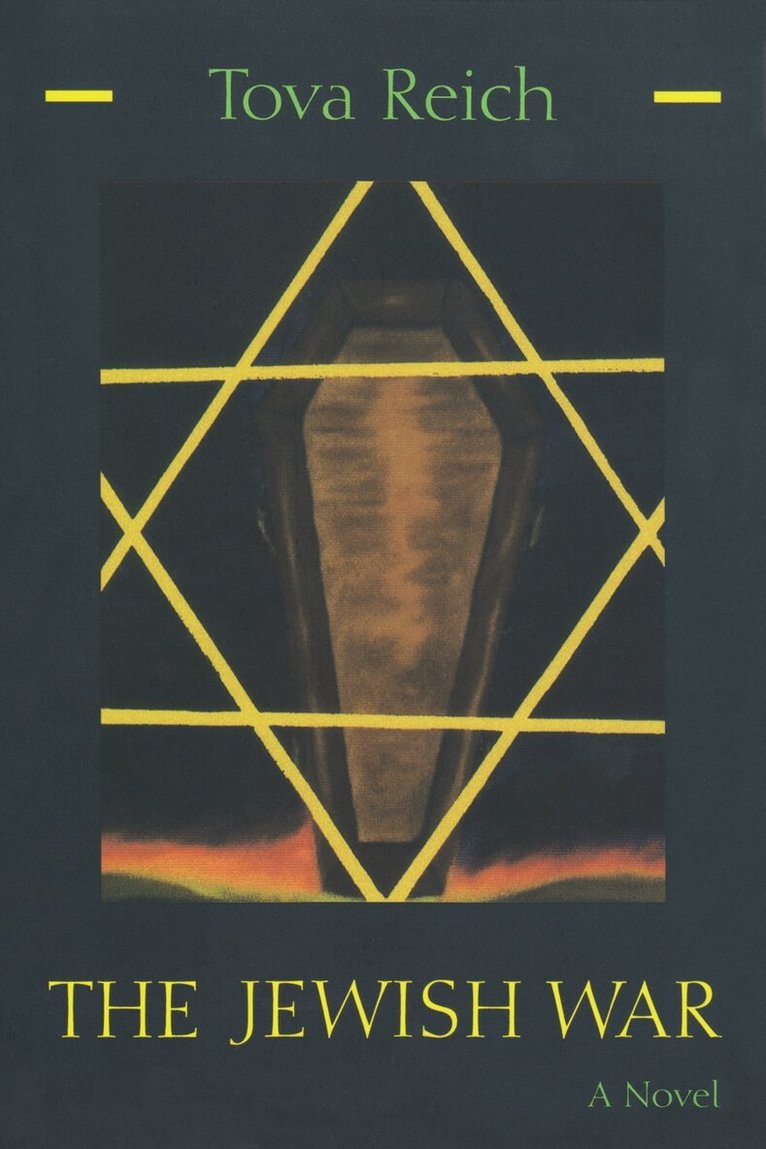
Jewish War
A Novel
Av Tova Reich
Häftad, 1997
249 kr
Tillfälligt slut
Set in the near future within a war-torn Israel, The Jewish War chronicles the rise to power of Jerry Goldberg, a Bronx teen who has devoted his life to hastening the arrival of the Jewish Messiah. Charismatic and ambitious, Jerry changes his name to Yehudi Hagoel and amasses a cadre of followers …
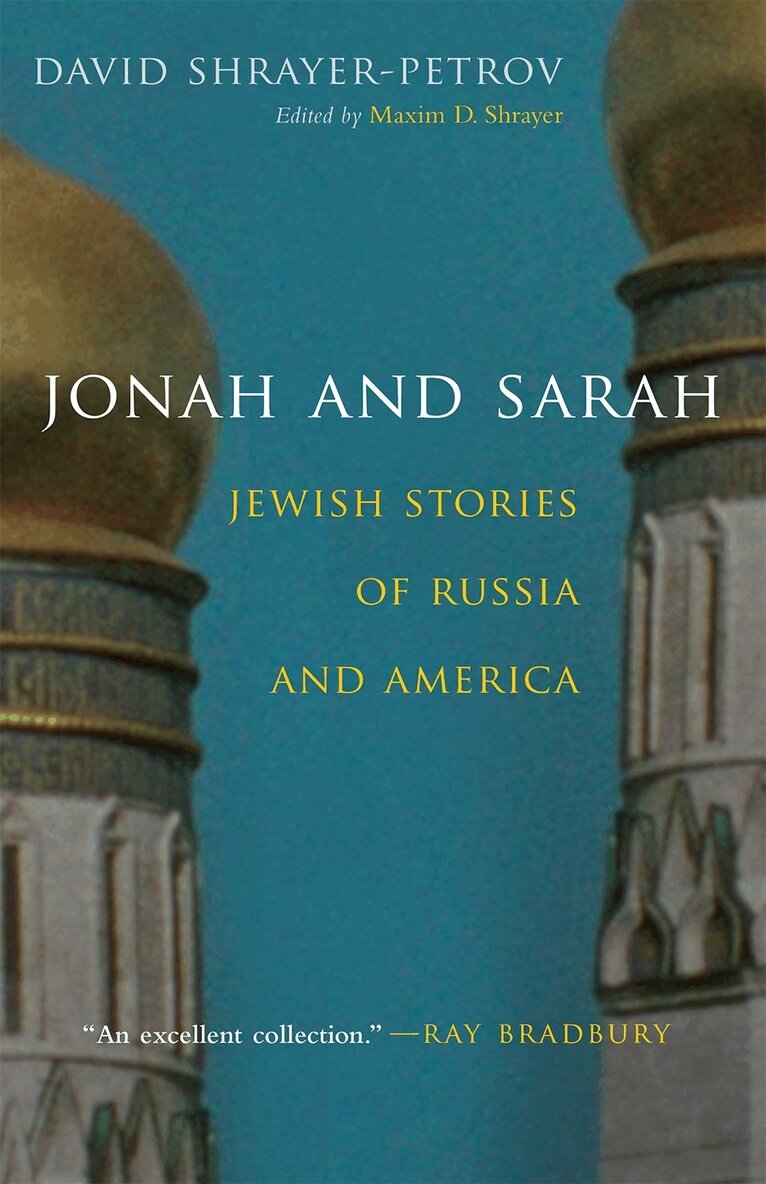
Jonah and Sarah
Jewish Stories of Russia and America
Av David Shrayer-Petrov, Maxim D. Shrayer m. fl.
Inbunden, 2003
329 kr
Tillfälligt slut
In ""Jonah and Sarah"", love, talent and magic oppose - and sometimes vanquish - anti-Semitism, totalitarianism and vulgarity. From the deceptively simple narratives ""Apple Cider Vinegar"" and ""A Hurricane Named Bob"" to the surrealist tale ""Dismemberers"" and the magical ""Jonah and Sarah"" and …
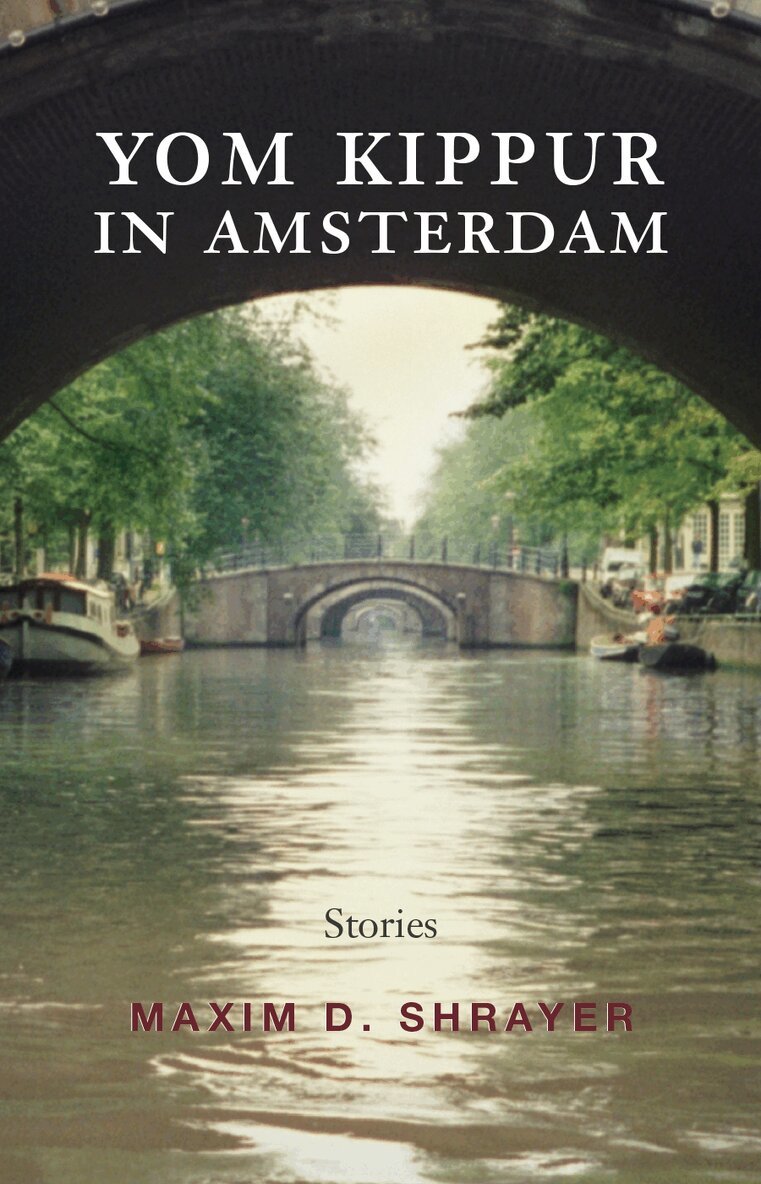
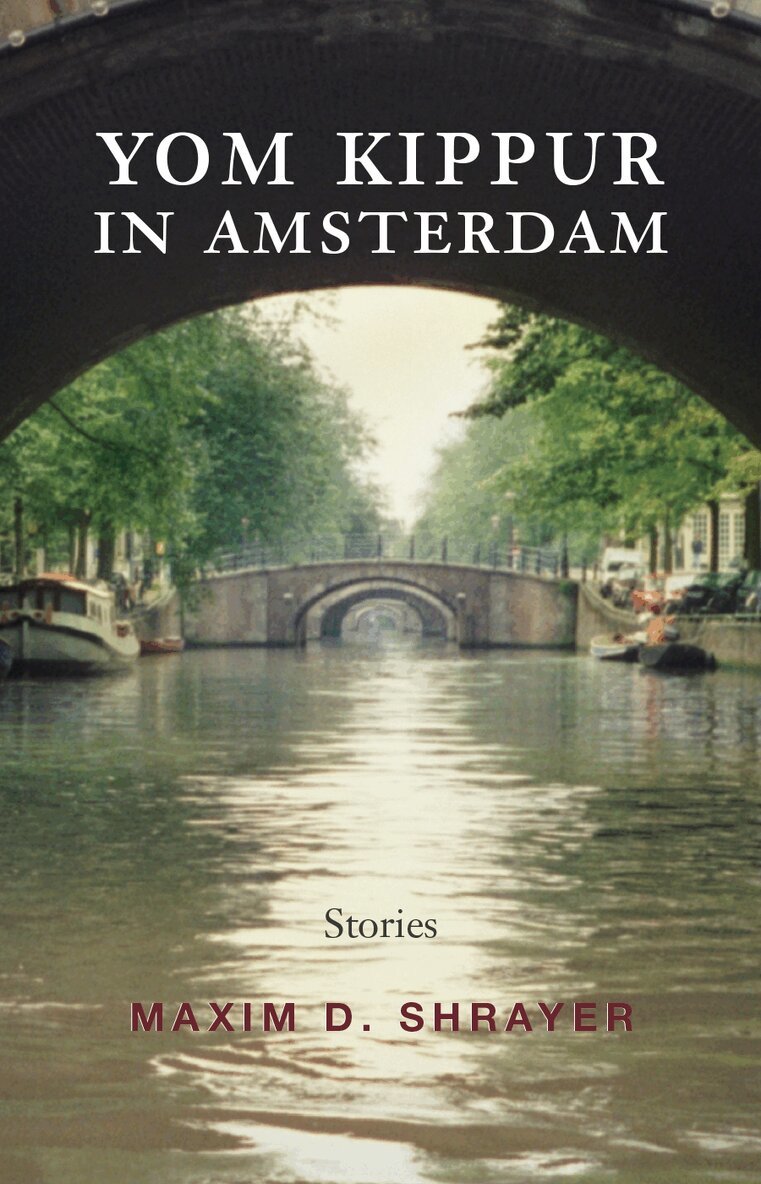
Yom Kippur in Amsterdam
Stories
Inbunden, 2009
329 kr
Tillfälligt slut
Whether set in Maxim Shrayer's native Russia or in North America and Western Europe, the eight stories in this collection explore emotionally intricate relationships that cross traditional boundaries of ethnicity, religion, and culture. Tracing the lives, obsessions, and aspirations of …
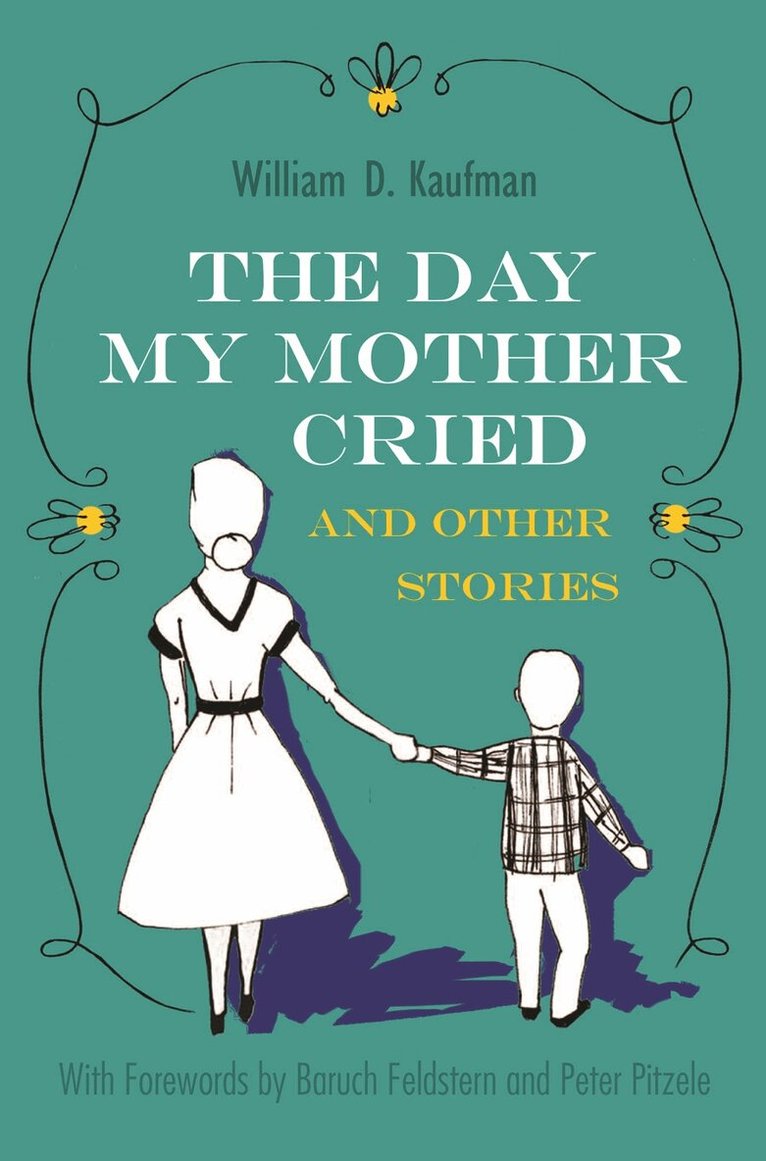
Day My Mother Cried and Other Stories
Inbunden, 2010
265 kr
Tillfälligt slut
The lasting charm of Kaufman’s stories lies in a delightful mix of personal incidents and observations set against an anchoring backdrop of cultural tradition. His new collection is filled with tales from his parents’ homeland in the Ukraine, his own childhood reminiscences, and his adult travels. …
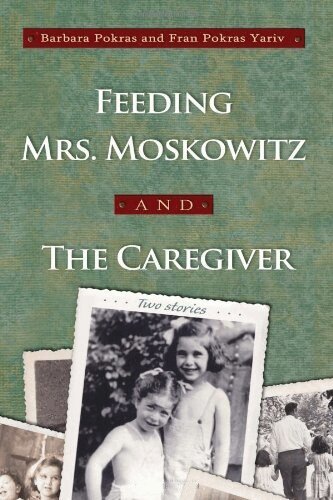
Feeding Mrs. Moskowitz and the Caregiver
Häftad, 2010
249 kr
Tillfälligt slut
In this pair of moving, gracefully poignant novellas, sisters Pokras and Yariv explore the world of the elderly with deft humor and heart-wrenching detail. Pokras' ""Feeding Mrs. Moskowitz"" introduces us to the remarkable Golde Moskowitz, an elderly Russian widow living alone with her memories. In …
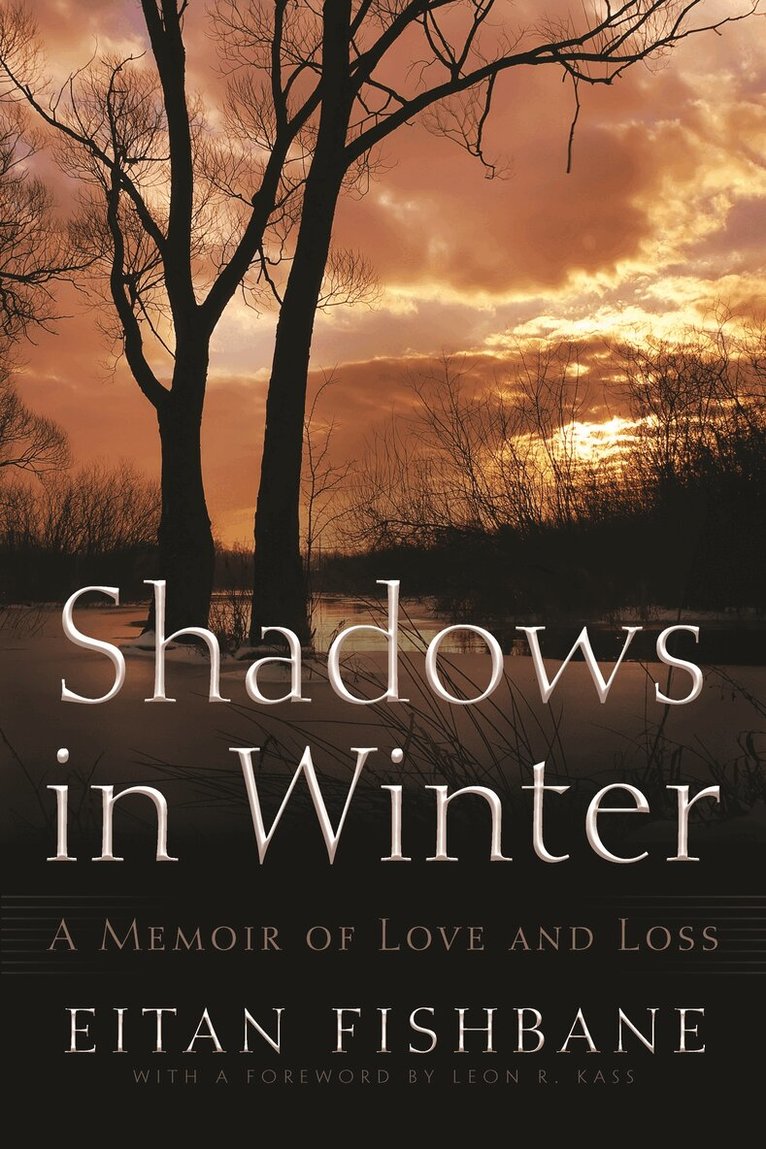
Shadows in Winter
A Memoir of Loss and Love
Inbunden, 2011
244 kr
Tillfälligt slut
In late February 2007, Leah Fishbane's life was flourishing. A promising young graduate student in Jewish history, she was an adoring mother to her nearly four-year-old daughter and two months into a new pregnancy. In an instant, all this was gone: Leah was struck down suddenly with a previously …
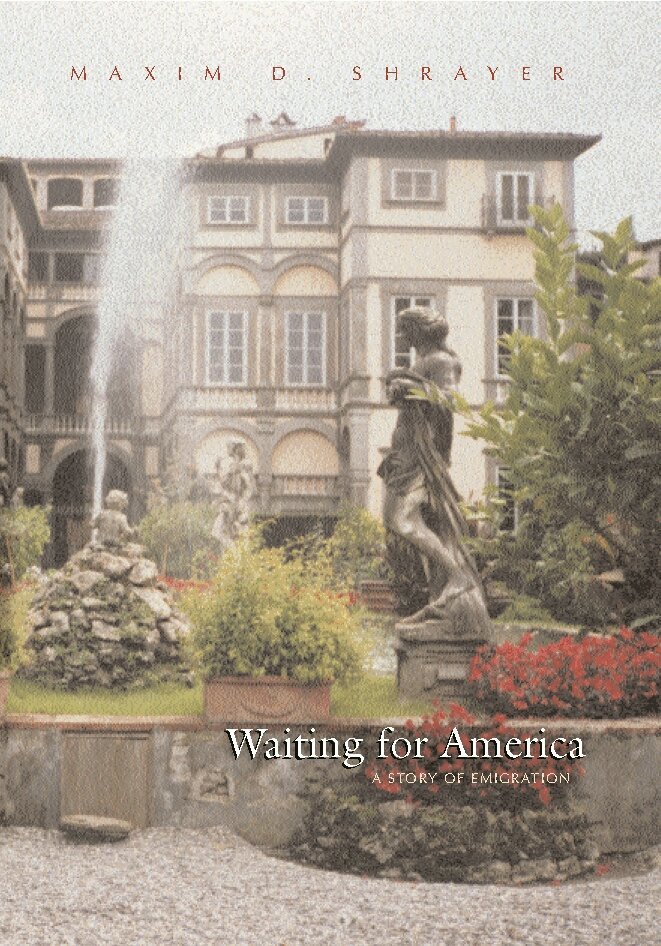
Waiting for America
A Story of Emigration
Av Maxim D. Shrayer, Herman R. Goldberg
Häftad, 2012
119 kr
Tillfälligt slut
In 1987 a young Jewish man, the central figure in this captivating book, leaves Moscow for good with his parents. They celebrate their freedom in opulent Vienna and spend two months in Rome and the coastal resort of Ladispoli. While waiting in Europe for a U.S. refugee visa, the book's …
Yom Kippur in Amsterdam
Stories
Häftad, 2012
200 kr
Tillfälligt slut
Whether set in Maxim D. Shrayer’s native Russia or in North America and Western Europe, the eight stories in this collection explore emotionally intricate relationships that cross traditional boundaries of ethnicity, religion, and culture. Tracing the lives, obsessions, and aspirations of …
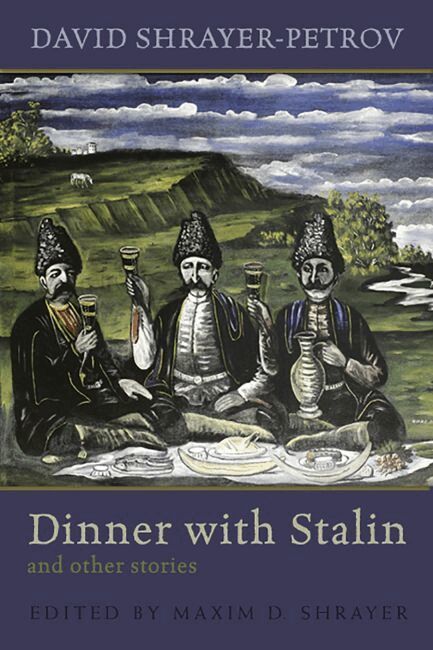
Dinner with Stalin and Other Stories
Av David Shrayer-Petrov, Maxim D. Shrayer
Inbunden, 2014
393 kr
Tillfälligt slut
These fourteen stories by the acclaimed master of Jewish-Russian fiction are set in the former USSR, Western Europe, and America. Dinner with Stalin features Soviet Jews grappling with issues of identity, acculturation, and assimilation. Shrayer-Petrov explores aspects of antisemitism and …
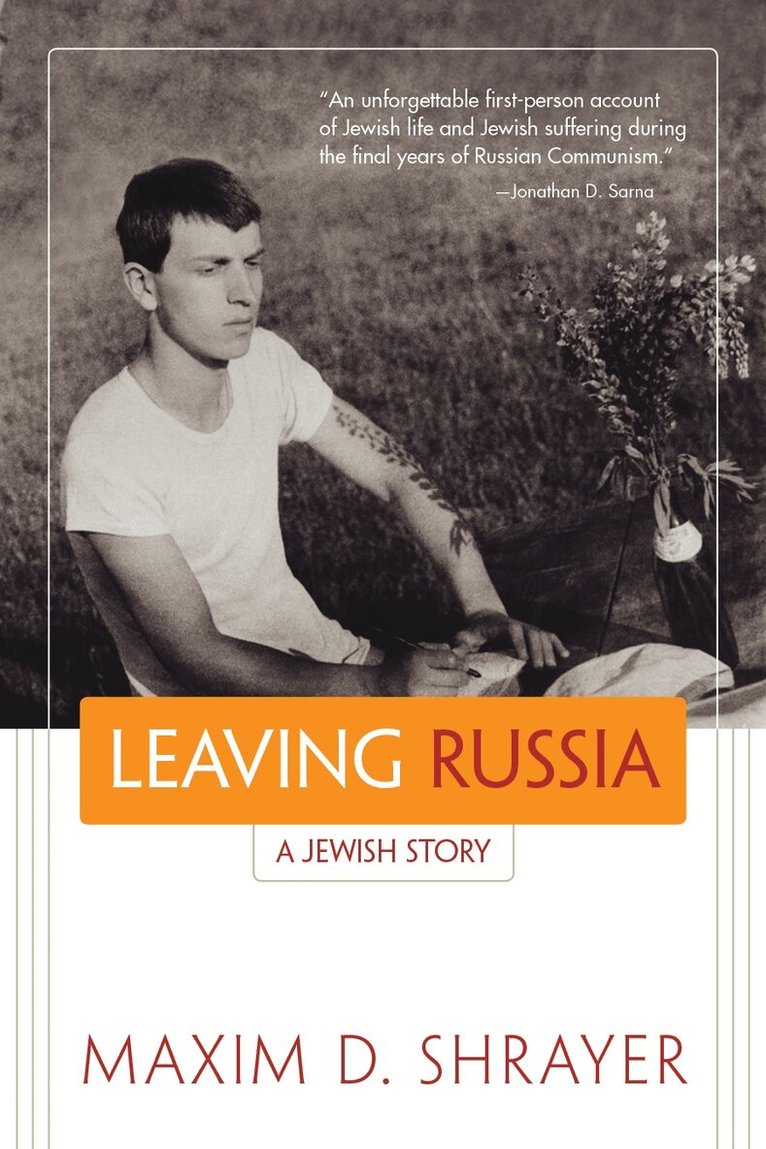
Leaving Russia
A Jewish Story
Häftad, 2017
229 kr
Tillfälligt slut
A memoir of coming of age and struggling to leave the USSR. Shrayer chronicles the triumphs and humiliations of a Soviet childhood and expresses the dreams and fears of a Jewish family that never gave up its hopes for a better life. Narrated in the tradition of Tolstoy's confessional trilogy and …