Makers of Islamic Civilization – serie
Visar alla böcker i serien Makers of Islamic Civilization. Handla med fri frakt och snabb leverans.
6 produkter
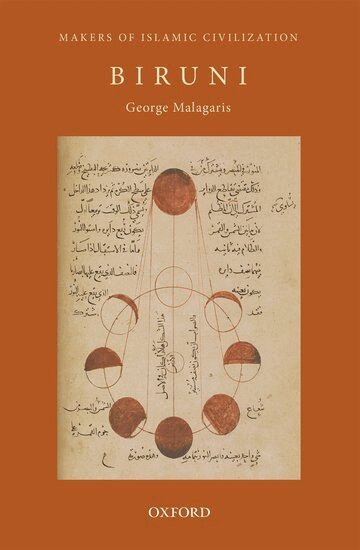
Biruni
Häftad, 2020
301 kr
Lägg i varukorg
This book places Biruni in his historical and cultural context within the long-term history of medieval Eurasia. It outlines the course of Biruni's life, clarifying key questions about his associations, travels, and patrons. Following an overview of Biruni's chief interests, it details his major …
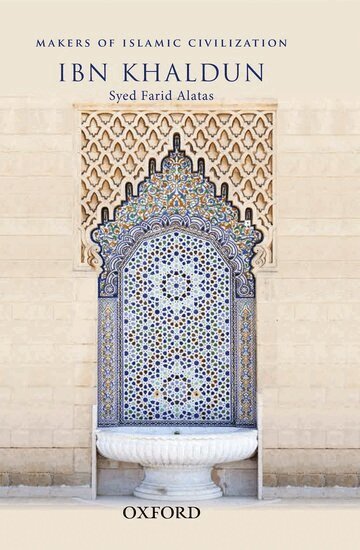
Ibn Khaldun
Häftad, 2013
212 kr
Lägg i varukorg
Ibn Khaldun (1332-1406) was one of the most remarkable Muslim scholars of the pre-modern period. He founded what he called the science of human society or social organization, as well as a new methodology for writing history and a new purpose for it, namely to understand the causes of events. While …
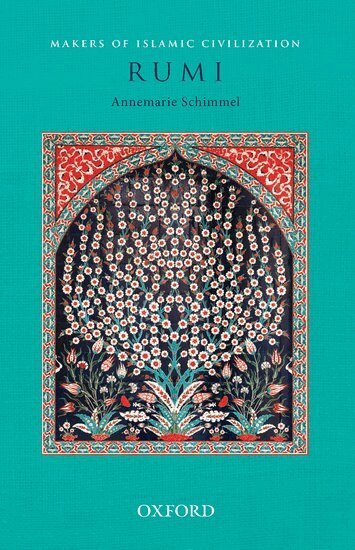
Rumi
Av Annemarie Schimmel, Paul Bergne
Häftad, 2014
307 kr
Lägg i varukorg
Jalaluddin Rumi (1207-1273) is the most famous exponent of the mystical tradition in Islam and venerated as 'Mevlana', 'our master'. The still flourishing Mevlevi order of dervishes, famous for their ecstatic music and dance, was organized by his eldest son on the basis of Rumi's teaching and …
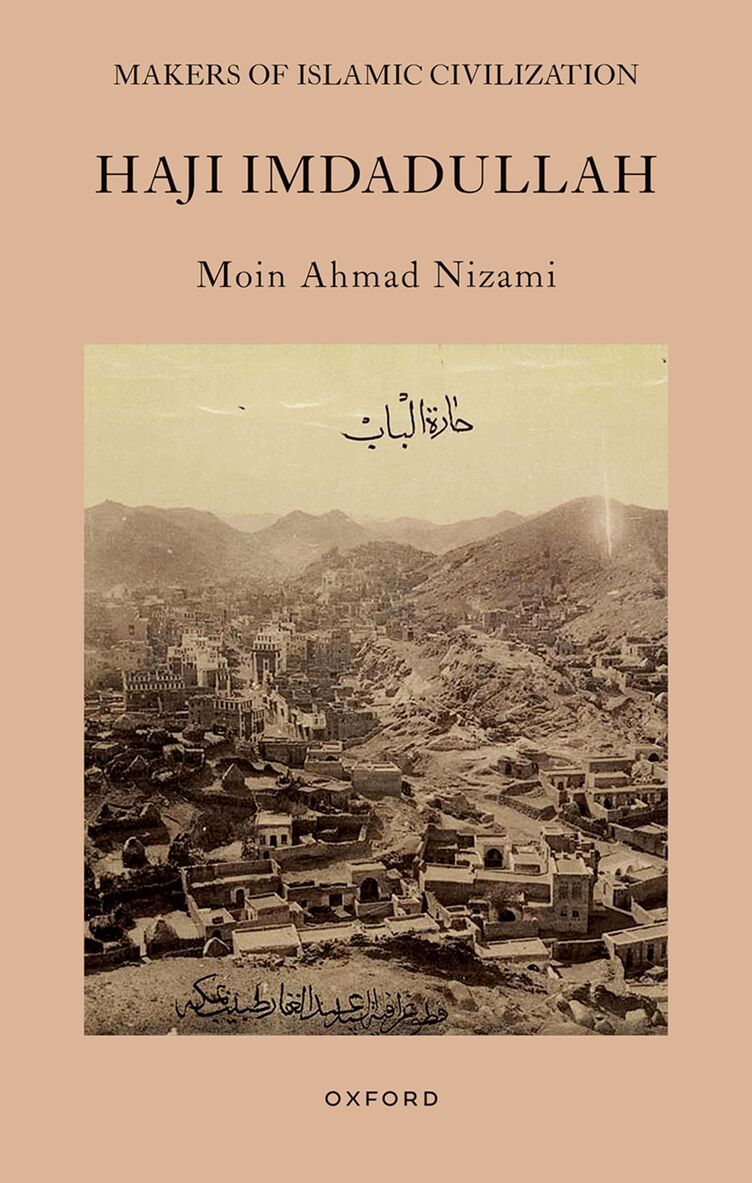
Haji Imdadullah
Makers of Islamic Civilization
Av Moin Nizami
Inbunden, 2025
506 kr
Lägg i varukorg
Haji Imdadullah (1817-1899) was a prominent Sufi shaykh of the Chishti order. The first part of his life coincided with the period when the British were consolidating their power over India. His family were long settled in the small towns in the north of the country. During the repression that …
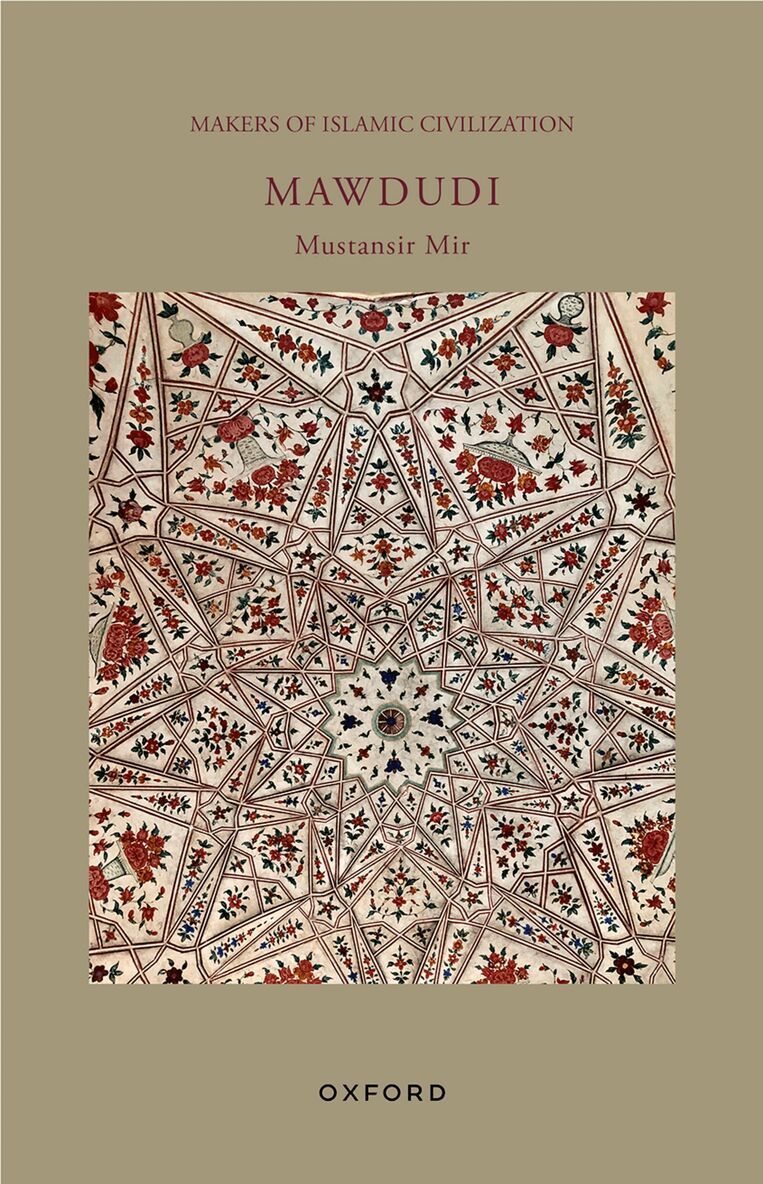
Mawdudi
Makers of Islamic Civilization
Inbunden, 2026
506 kr
Lägg i varukorg
Abu al-A`la Mawdudi (1903-1979) was a major Muslim scholar-activist of the Indian subcontinent. His writings, which deal with an extraordinarily wide range of subjects, and the political organization he founded, Jama`at-i Islami (Islamic Party), to give practical expres-sion to his programme of …
Said Nursi
Makers of Islamic Civilization
Häftad, 2008
275 kr
Lägg i varukorg
Said Nursi (1876-1960) was the most influential figure in twentieth century Muslim scholarship. He was the founder of what is arguably Turkey's most important popular religious grouping, the Nur Movement ('Nurculuk'), which sought - and seeks - to foster Islamic sensibilities through a system of …