Manager as … - Böcker
Visar alla böcker i serien Manager as …. Handla med fri frakt och snabb leverans.
5 produkter
5 produkter
626 kr
Skickas inom 10-15 vardagar
One of the most valuable roles a manager can perform in today's rapidly changing environment is to mentor and inspire the people around them to learn. By nurturing talent, motivating individual development, and encouraging excellence, a manager's mentoring can enhance individual performance and the organization's prospects for success. Mentoring is not an easy skill to develop, and many managers, who may excel at leading or coaching, may be disasters as mentors when it comes to creating a bond and bringing out untapped qualities in others. The Manager as Mentor goes beyond traditional approaches to explore the newest techniques in mentoring and collaboration. Featuring personal development tools, worksheets, and references, The Manager as Mentor will enable managers to bring out the best in themselves, the people they guide, and their organizations.Mentoring is an age-old practice, tracing its roots in ancient Greek folklore to Odysseus' friend, Mentor, whom the Homeric hero entrusted as guide to his son's development. Today, with the ascendance of the knowledge age and the transformation of the workplace into an environment of continual learning, mentoring has emerged as one of the most important and valuable roles a manager can perform. By serving as a role model, providing feedback, nurturing talent, inspiring individual development, and facilitating excellence, a manager's mentoring strengthens relationships within the organization, and ultimately contributes to such critical factors as improved job performance, low turnover, and greater profitability. Mentoring is not an easy skill to attain, however, and many managers who may excel at leading teams or coordinating projects may be disasters as mentors. The Manager as Mentor explores emerging trends and approaches to help managers master the skills of effective mentoring—and enhance themselves, their proteges, and their organizations in the process.Drawing from extensive research, dozens of examples, and their own practical application in training managers around the world, the authors argue that exceptional mentoring skills can be developed. They guide the reader toward understanding the key roles that mentors play and the activities and techniques they can employ for maximum impact. Diagnostic exercises will help readers assess their strengths, weaknesses, and opportunities for development, and create a step-by-step action plan for achieving goals—either individually or in groups. The authors also offer an extensive listing of resources for more in-depth information on various aspects of mentoring, such as problem solving, active listening, and employee advocacy. Ultimately, The Manager as Mentor offers the tools by which managers can promote learning, empowerment, and insight to create vibrant organizational cultures.
833 kr
Skickas inom 10-15 vardagar
Anyone who manages more than one direct report becomes, de facto, a team leader, mediator, and communicator extraordinaire. From meetings to training exercises to brainstorming sessions, managers are called upon to lead groups—defining goals and tasks and bridging differences among members to collaborate and innovate. Drawing from their extensive research, teaching, and practical application in the field of counseling and group dynamics, the authors show readers how to master the role of facilitator—one who engages others in dialogue, resolves conflicts, and steers groups toward collective solutions. From leading project teams to getting buy-in for new policy recommendations, managers will develop skills that can be applied in many contexts, wherever people are working in groups, ultimately contributing to greater awareness and understanding of different points of view. Featuring diagnostic exercises, worksheets, examples, and an extensive listing of resources, The Manager as Facilitator will provide individuals and teams with the tools to promote effective communication, capitalize on diversity, and improve productivity.Anyone who manages more than one direct report becomes, de facto, a team leader, mediator, and communicator extraordinaire. From meetings to training exercises to brainstorming sessions, managers are called upon to lead groups—defining goals and tasks, creating a climate of mutual support, and bridging differences among members to collaborate and innovate. Drawing from their extensive research, teaching, and practical application in the field of counseling and group dynamics, the authors show readers how to master the role of facilitator—one who engages others in dialogue, resolves conflicts, and steers groups toward collective solutions.From leading project teams to getting buy-in for new policy recommendations, managers will develop the skills that can be applied in many contexts, wherever people are working in groups, ultimately contributing to greater awareness and understanding of different points of view. Featuring diagnostic exercises, worksheets, examples, and an extensive listing of resources, The Manager as Facilitator will provide individuals and teams with the tools to promote effective communication, capitalize on diversity, and improve productivity.
489 kr
Skickas inom 10-15 vardagar
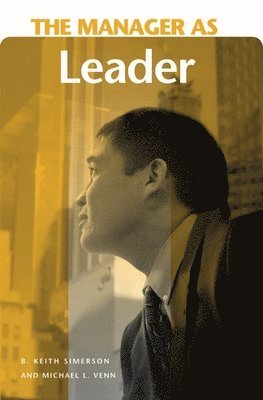
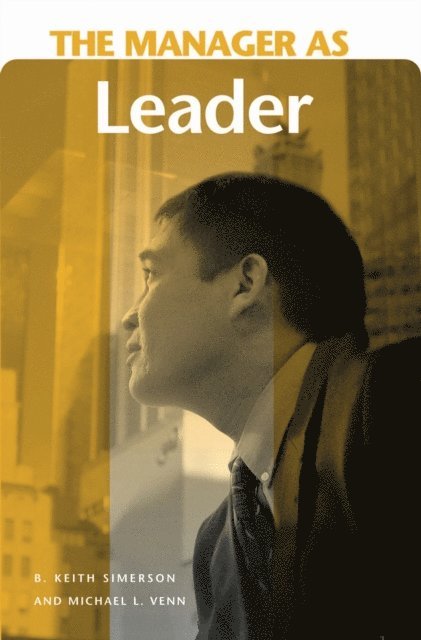
Against the backdrop of corporate downsizings and rightsizings that have forever blurred the line between leaders and followers, The Manager as Leader presents practical strategies, tools, and techniques for developing the leadership mindset and applying it on a daily basis. The book introduces the Contextual Leadership Model, which identifies nine fundamental leadership roles and six common contexts in which leadership is exercised, and guides readers toward matching their roles and actions to the particular context at hand—as well as making adjustments when context changes. Packed with illustrative examples, diagnostic tools, worksheets, and other interactive elements, and featuring an extensive listing of resources, The Manager as Leader is a hands-on guide to the art of leadership, whether you are an executive, manager, supervisor, or aspiring leader anywhere in the organization.An invisible line between individual contributor and leader was once thought to exist, separating leaders from followers. Two decades of downsizings and rightsizings have forever blurred this distinction and left us with three fundamental challenges: (1) How can an organization elicit leadership from everyone?; (2) How can those who choose to lead influence others to perform more effectively and efficiently than they ever thought possible?; (3) How can leaders continue to be successful when the environment in which they lead is constantly changing?Addressing these challenges requires a certain awareness and nimbleness on behalf of the person thinking and acting as the leader, regardless of their formal position. The Manager as Leader presents practical strategies, tools, and techniques for developing the leadership mindset and applying it on a daily basis. The book introduces the Contextual Leadership Model, which identifies nine fundamental leadership roles and six common contexts in which leadership is exercised, and guides readers toward matching their roles and actions to the particular context at hand; it also shows readers how to anticipate changes in context and adjust their roles and actions accordingly. Packed with illustrative examples, diagnostic tools, worksheets, and other interactive elements, and featuring an extensive listing of resources, The Manager as Leader is a hands-on guide to the art of leadership, whether you are an executive, manager, supervisor, or aspiring leader anywhere in the organization.
489 kr
Skickas inom 10-15 vardagar
A manager has more opportunity to directly motivate employees than does any other organizational influence. And in today's complex and fluid work environments, where retention of top-performing employees is paramount, managers are under considerable pressure to motivate individuals to achieve both personal and organizational goals. Integrating insights from management and psychology, The Manager as Motivator covers such issues as the development of a free-agent workforce, with talent following supply and demand; the emergence of employees as the only true sustainable advantage; and the opportunities and challenges that managers face in their role as motivators, especially when they themselves are wrestling with limited resources and competing demands. Featuring diagnostic exercises, case examples, checklists, and other interactive elements, the book addresses common myths and misconceptions about motivation (such as the popular focus on charismatic leaders) and offers readers many practical tools for becoming more effective motivators—and measuring the positive results.A manager has more opportunity to directly motivate employees than does any other organizational influence. Conversely, research reveals that de-motivating managers are the primary reason employees voluntarily leave. Managers set the tone, translate organizational strategy into employee performance and developmental plans, provide the carrots and the sticks to achieve those plans, and in virtually every other way reinforce—for better or worse—the cultural attitudes of the organization.The Manager as Motivator explores the dynamics of motivation, especially in the context of today's complex and fluid work enivronments, where retention of top-performing employees is paramount. Integrating insights from management and psychology, the author covers such issues as the development of a free-agent workforce, with talent following supply and demand; the emergence of employees as the only true sustainable advantage; and the opportunities and challenges that managers face in their role as motivators, especially when they themselves are wrestling with limited resources and competing demands. Featuring diagnostic exercises, case examples, checklists, and other interactive elements, the book addresses common myths and misconceptions about motivation (such as the popular focus on charismatic leaders) and offers readers many practical tools for becoming more effective motivators—and measuring the positive results.
972 kr
Skickas inom 5-8 vardagar
In theory, managers serve as guides, directors, decision makers, and energizers for their employees. Unfortunately, few managers have, themselves, been trained in the skills and techniques to get the best results from their employees, and managerial styles can run the gamut from permissive-but-ineffectual to aloof to autocratic. In The Manager as Coach, the authors focus on the key purposes of coaching—improving individual performance, solving problems, and securing results—in order to address the challenges of effective management head-on. Dispelling popular myths and misconceptions about coaching as a passing fad or a collection of superficial motivation techniques, they offer practical tools for mastering the skills of effective coaching to the benefit of employees and the organization, identifying four primary roles that managers—as coaches—play on a regular basis: trainer, career advisor, strategist, and performance appraiser. Featuring diagnostic exercises, worksheets, and a listing of resources, The Manager as Coach will help readers develop the qualities and skills to align individual and organizational goals and forge dynamic, productive relationships.Whether large or small, manufacturing or service, every organization selects managers and assigns them the task of securing results through people. In theory, managers serve as guides, directors, decision makers, and energizers for their employees. Unfortunately, few managers have, themselves, been trained in the skills and techniques to get the best results from their employees, and managerial styles can run the gamut from permissive-but-ineffectual to aloof to autocratic.This volume in The Manager as… series addresses the challenges of effective management head-on by exploring the role of manager as coach. Focusing on the key purposes of coaching—improving individual performance, solving problems, and securing results—the authors dispel popular myths and misconceptions of management coaching as a passing fad, a process of endless tutoring, or superficial motivation techniques, and offer practical tools for mastering the skills of effective coaching to the benefit of both employees and the organization. They identify four primary roles managers—as coaches—play on a regular basis: trainer, career advisor, strategist, and performance appraiser. Featuring diagnostic exercises, worksheets, and a listing of resources, The Manager as Coach will help readers develop the qualities and skills to align individual and organizational goals and forge dynamic, productive relationships.