Mediterranean Historical Review Book Series - Böcker
Visar alla böcker i serien Mediterranean Historical Review Book Series. Handla med fri frakt och snabb leverans.
2 produkter
2 produkter
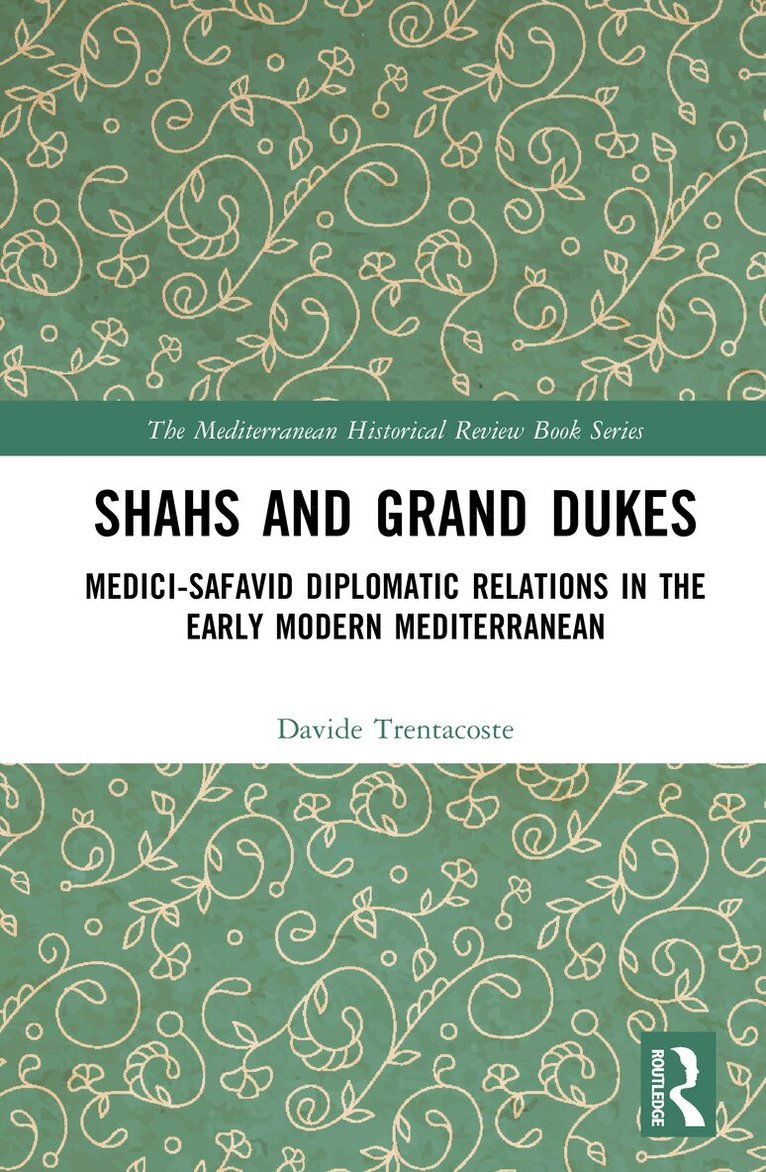
Shahs and Grand Dukes
Medici-Safavid Diplomatic Relations in the Early Modern Mediterranean
Inbunden, Engelska, 2026
2 258 kr
Kommande
The Early Modern period was not only an age of artistic and cultural flourishing but also one of intense diplomatic encounters across religious and cultural boundaries. Above all, it was a time that witnessed the very making of modern diplomacy. European powers increasingly engaged with distant empires such as Safavid Persia, which played a crucial role in shaping the geopolitical balance of the wider Mediterranean world. The Safavids in particular emerged as a key interlocutor for several European states in their long-standing confrontation with the Ottoman Empire. Within this framework, the Grand Duchy of Tuscany under the Medici initiated and maintained a continuous relationship with the Safavid dynasty from the late sixteenth and the early seventeenth century until its collapse in the eighteenth century.Although the existence of Medici–Safavid relations has been acknowledged, these contacts have remained marginal in historiography. This book offers the first comprehensive study of these exchanges, reconstructing their evolution across more than a century of correspondence, embassies and mutual negotiation. Drawing on extensive archival research and a large corpus of previously untapped primary sources, it explores the diplomatic, political and pragmatic dimensions of these encounters. It demonstrates how these interactions reveal the operation of Early Modern realpolitik, where confessional divides were often outweighed by strategic imperatives.Combining rigorous scholarship with a clear chronological narrative, the book will appeal to historians of Early Modern diplomacy, Mediterranean studies and cross-cultural exchange, as well as to readers interested in the interplay between Christian Europe and the Islamic world during a formative period of global interaction.
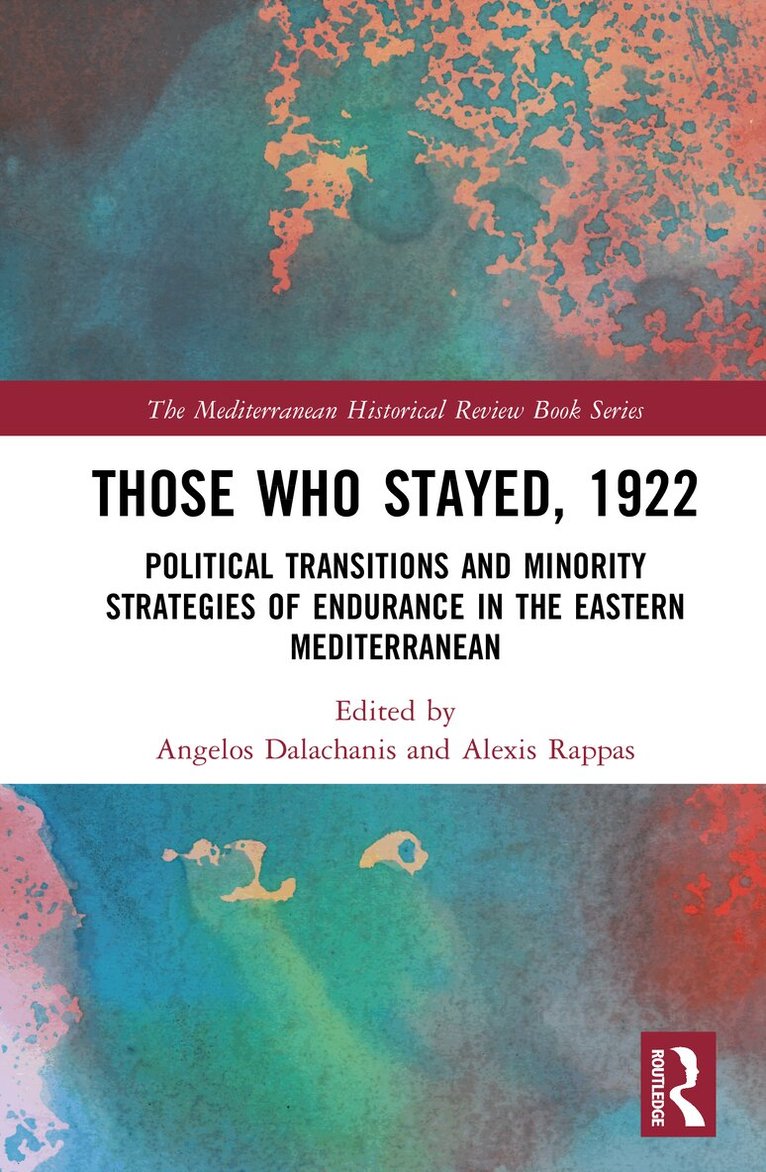
Those Who Stayed, 1922
Political Transitions and Minority Strategies of Endurance in the Eastern Mediterranean
Inbunden, Engelska, 2025
2 176 kr
Skickas inom 10-15 vardagar
The year 1922 marks a major turning point in Eastern Mediterranean history, with the abolition of the Ottoman Sultanate concluding a long period of upheaval known as the “Eastern Question.” As the empire gave way to European colonization and the nation-state model, its once multicultural societies were homogenized through violence, population transfers, and treaties. The liberal principle of national self-determination often led to devastating human costs, as populations were either massacred, forcibly exchanged, or reduced to “minorities” within new political entities.While scholarship has thoroughly documented the demographic changes that accompanied the post-Ottoman transition, this volume focuses on a less explored dimension: the agency of those labeled as minorities. It examines how these communities navigated their new reality within emerging nation-states or League of Nations mandates. Adopting a broad and situational understanding of “minority,” it includes both legally defined groups and those marginalized in practice, such as Muslims in Western Thrace, Christians in Istanbul, Armenians in Jerusalem, Muslims in Serbia, and Jews in Salonica.The volume uses diverse methodologies—archival research, network analysis, microhistory, and translocal perspectives – to investigate the lived experiences of entrenched minorities. It offers new insights into both lesser-known and familiar minority groups, while engaging critically with existing literature. By emphasizing these groups’ strategies and resilience, the volume challenges narratives dominated by violence and nostalgia, offering a more nuanced understanding of post-1922 Eastern Mediterranean history. It will appeal not only to scholars of minority studies but to anyone interested in the region’s modern past.