Alexis Rappas – författare
Visar alla böcker från författaren Alexis Rappas. Handla med fri frakt och snabb leverans.
5 produkter
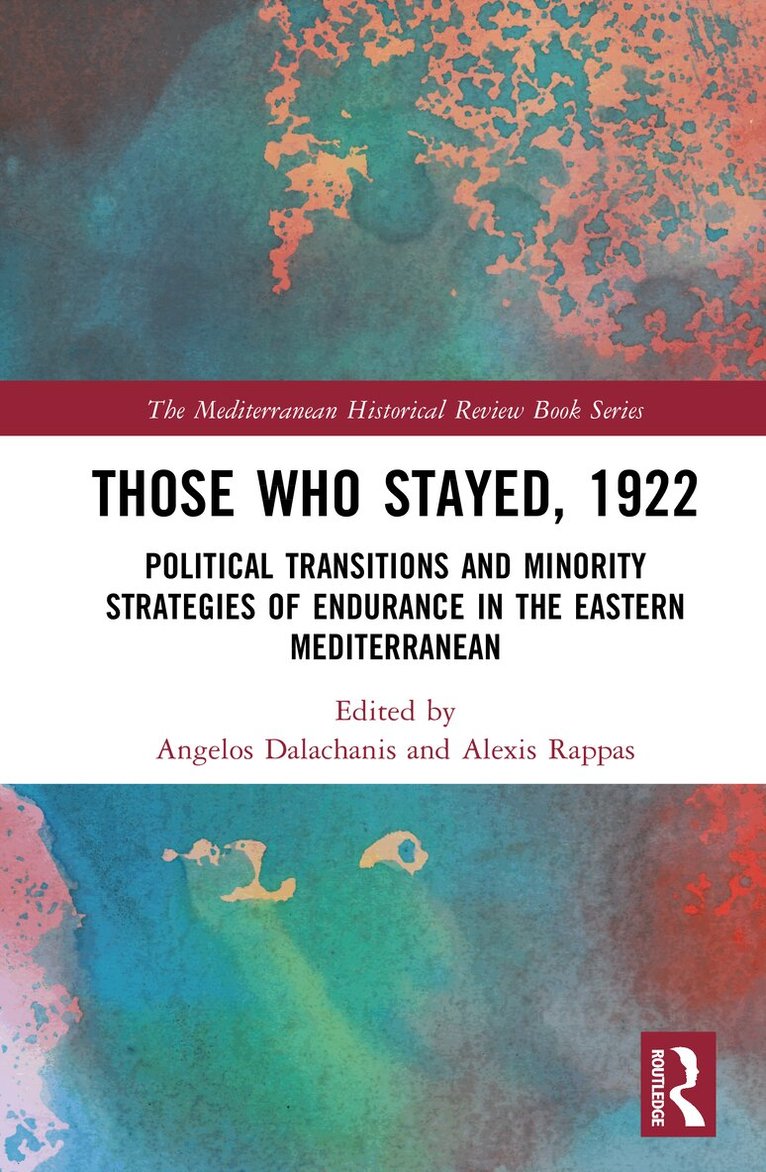
Those Who Stayed, 1922
Political Transitions and Minority Strategies of Endurance in the Eastern Mediterranean
Av Angelos Dalachanis, Alexis Rappas
Inbunden, 2025
2585 kr
Lägg i varukorg
The year 1922 marks a major turning point in Eastern Mediterranean history, with the abolition of the Ottoman Sultanate concluding a long period of upheaval known as the “Eastern Question.” As the empire gave way to European colonization and the nation-state model, its once multicultural societies …
Those Who Stayed, 1922
Political Transitions and Minority Strategies of Endurance in the Eastern Mediterranean
Av Alexis Rappas, Angelos Dalachanis
E-bok, 2025
856 kr
Lägg i varukorg
The year 1922 marks a major turning point in Eastern Mediterranean history, with the abolition of the Ottoman Sultanate concluding a long period of upheaval known as the "e;Eastern Question."e; As the empire gave way to European colonization and the nation-state model, its once …
Those Who Stayed, 1922
Political Transitions and Minority Strategies of Endurance in the Eastern Mediterranean
Av Alexis Rappas, Angelos Dalachanis
E-bok, 2025
838 kr
Lägg i varukorg
The year 1922 marks a major turning point in Eastern Mediterranean history, with the abolition of the Ottoman Sultanate concluding a long period of upheaval known as the "e;Eastern Question."e; As the empire gave way to European colonization and the nation-state model, its once …
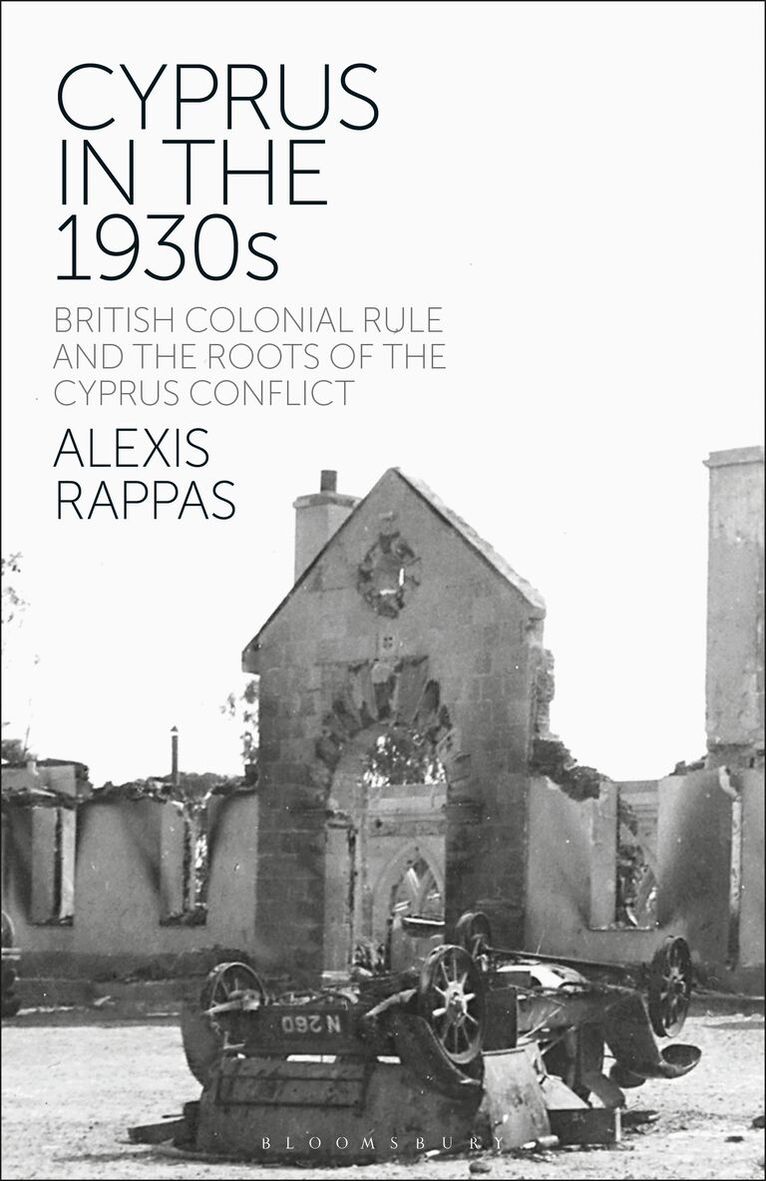
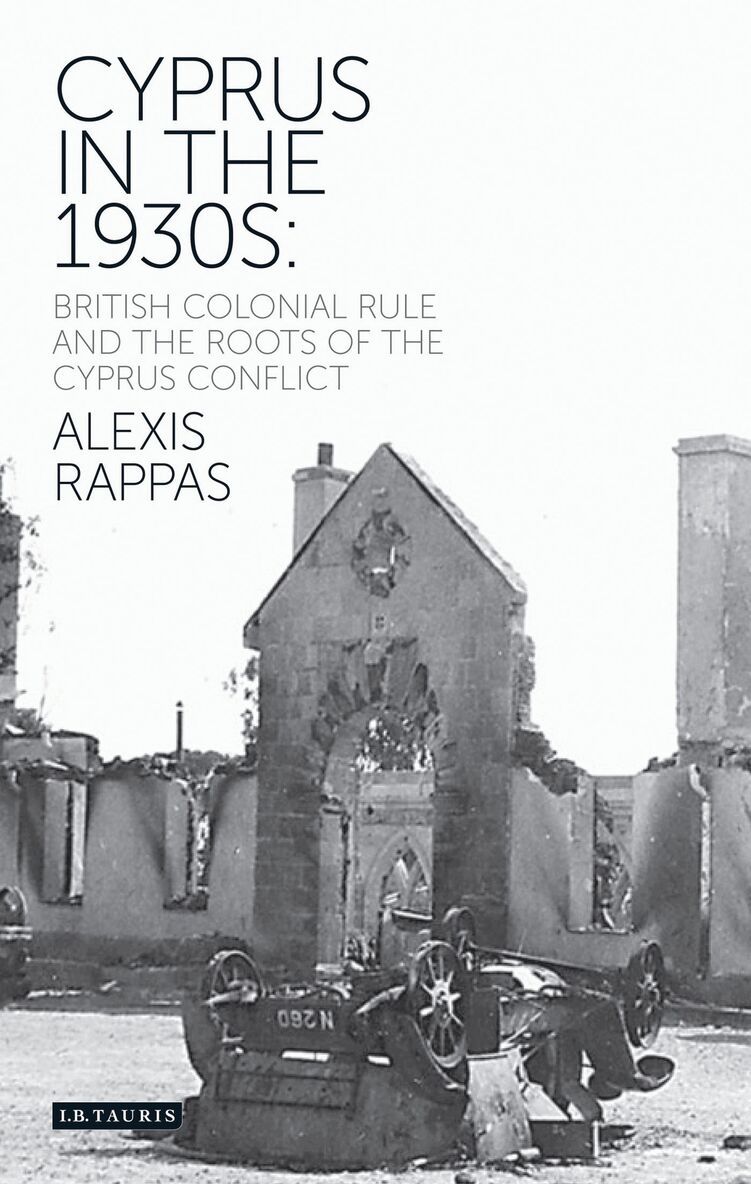
Cyprus in the 1930s
British Colonial Rule and the Roots of the Cyprus Conflict
Häftad, 2020
502 kr
Lägg i varukorg
Why has the unification of Cyprus proved impossible? The existing literature looks to the 1950s, and the formation of EOKA under George Grivas. Here, Alexis Rappas challenges the dominance of that starting point in the current histories of the island, showing that the key to the conflict between …
Cyprus in the 1930s
British Colonial Rule and the Roots of the Cyprus Conflict
Inbunden, 2014
2043 kr
Lägg i varukorg
Why has the unification of Cyprus proved impossible? The existing literature looks to the 1950s, and the formation of EOKA under George Grivas. Here, Alexis Rappas challenges the dominance of that starting point in the current histories of the island, showing that the key to the conflict between …