New Perspectives on Maritime History & Nautical Archaeology – serie
Visar alla böcker i serien New Perspectives on Maritime History & Nautical Archaeology. Handla med fri frakt och snabb leverans.
19 produkter
X Marks the Spot
The Archaeology of Piracy
Av Russell K. Skowronek, Charles R. Ewen
Häftad, 2007
312 kr
Lägg i varukorg
This collection piques the imagination with historical evidence about the actual exploits of pirates as revealed in the archaeological record of such ships as Blackbeard's Queen Anne's Revenge, recently discovered off Beaufort Inlet, North Carolina; the Speaker, which sailed in the Indian Ocean; …
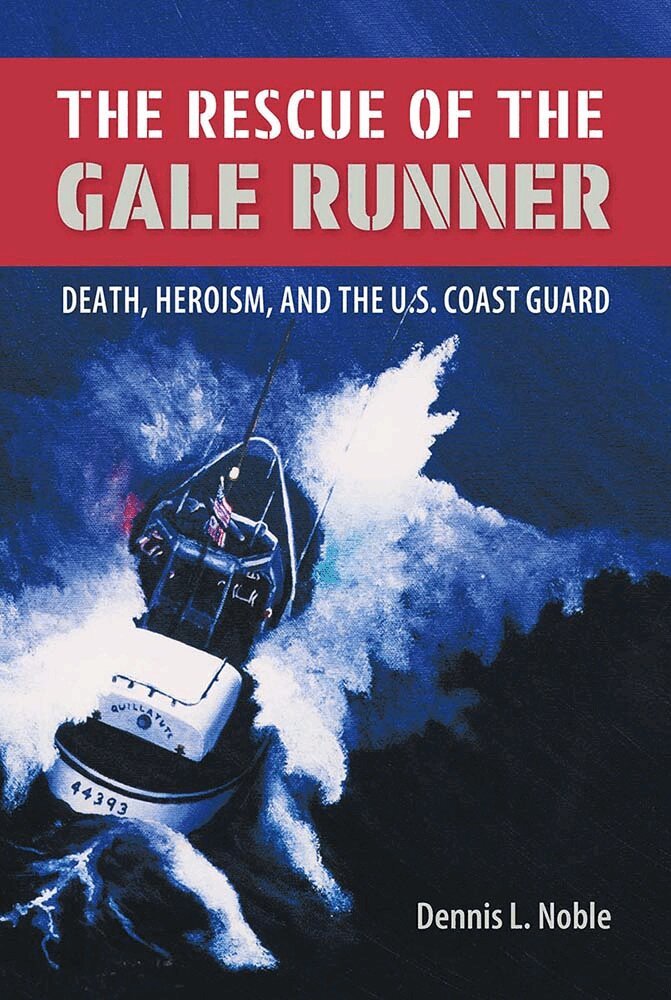
Rescue of the ""Gale Runner
Death, Heroism, and the U.S. Coast Guard
Häftad, 2008
312 kr
Lägg i varukorg
"Recounts the tragic story of the crew of the U.S. Coast Guard Quillayute River Station, who attempted to rescue the sailors of the sailboat Gale Runner in February 1997. . . . Will give you a greater understanding and respect for what the men and women of the U.S. Coast Guard are asked to do and …
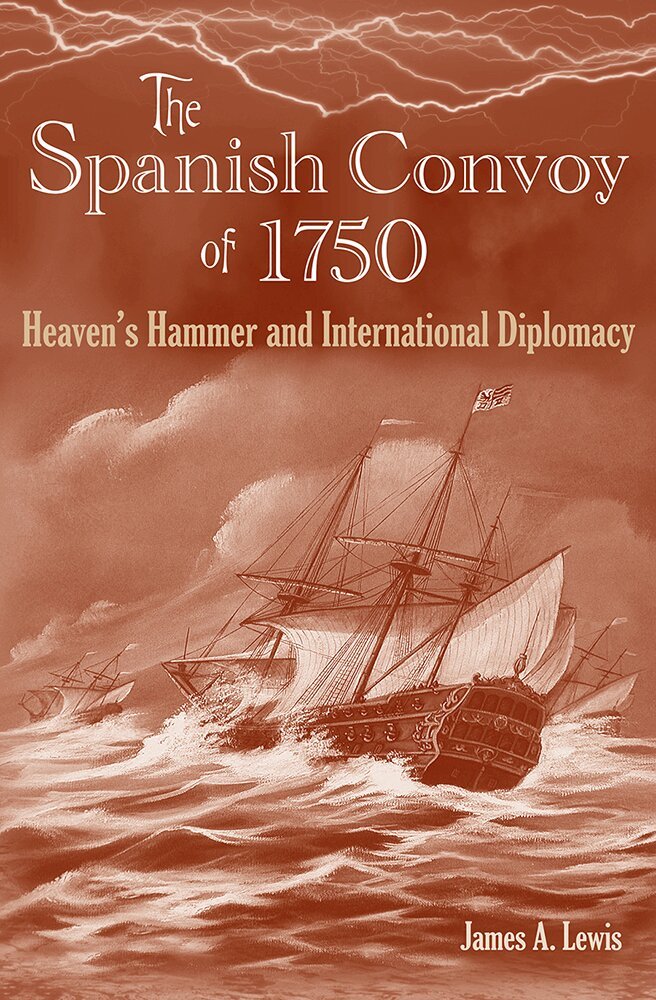
Spanish Convoy of 1750
Heaven's Hammer and International Diplomacy
Inbunden, 2009
754 kr
Lägg i varukorg
Spanish flotas (convoys) traversed the Atlantic throughout the colonial period, shuttling men and goods between the Old and New Worlds. In August 1750, at the height of hurricane season, a small convoy of seven ships left Havana for Cadiz. A fierce storm scattered the ships from North Carolina's …
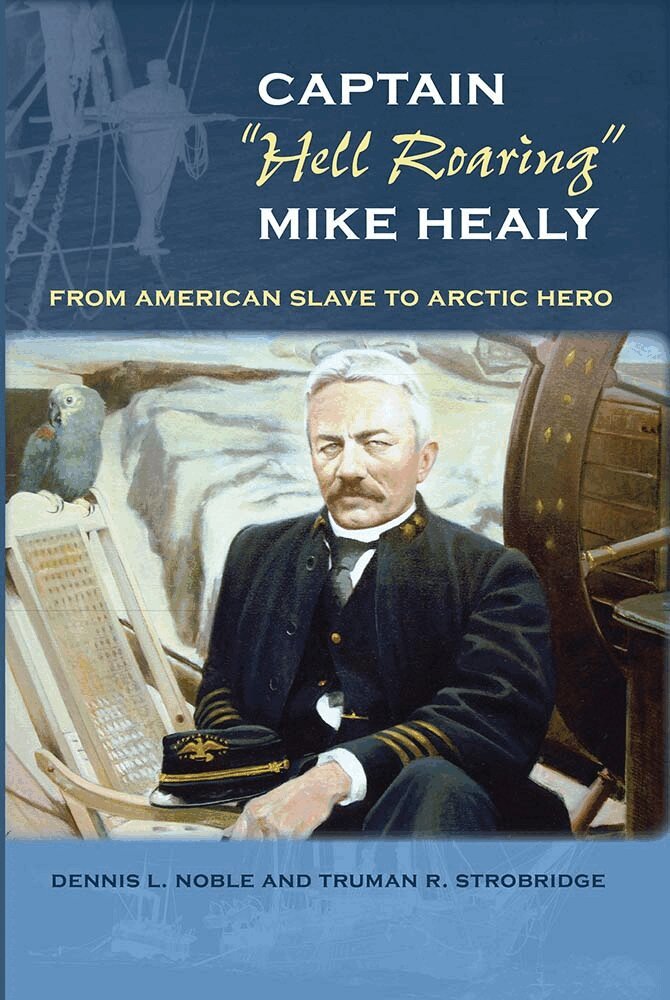
Captain ""Hell Roaring"" Mike Healy
From American Slave to Arctic Hero
Av Dennis L. Noble, Truman R. Strobridge
Häftad, 2017
297 kr
Lägg i varukorg
In the late 1880s, many lives in northern and western maritime Alaska rested in the capable hands of Michael A. Healy (1839-1904), through his service to the U.S. Revenue Cutter Service. Healy arrested lawbreakers, put down mutinies aboard merchant ships, fought the smuggling of illegal liquor and …
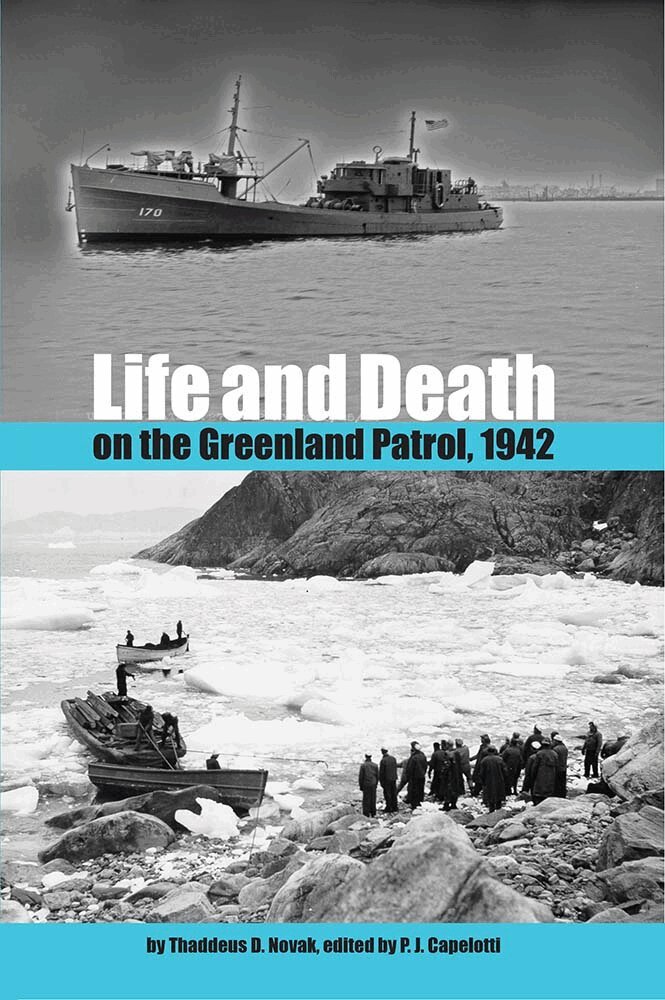
Life and Death on the Greenland Patrol, 1942
Av Thaddeus D. Novak, P.J. Capelotti
Häftad, 2014
254 kr
Lägg i varukorg
Though the Greenland coast was of vital importance to Allied forces, U.S. Coast Guard crews serving there were relegated to converted fishing vessels known as “wooden shoes.” Hastily commissioned in Boston to serve as escorts for supply routes to new air bases in Greenland, ten Arctic trawlers were …
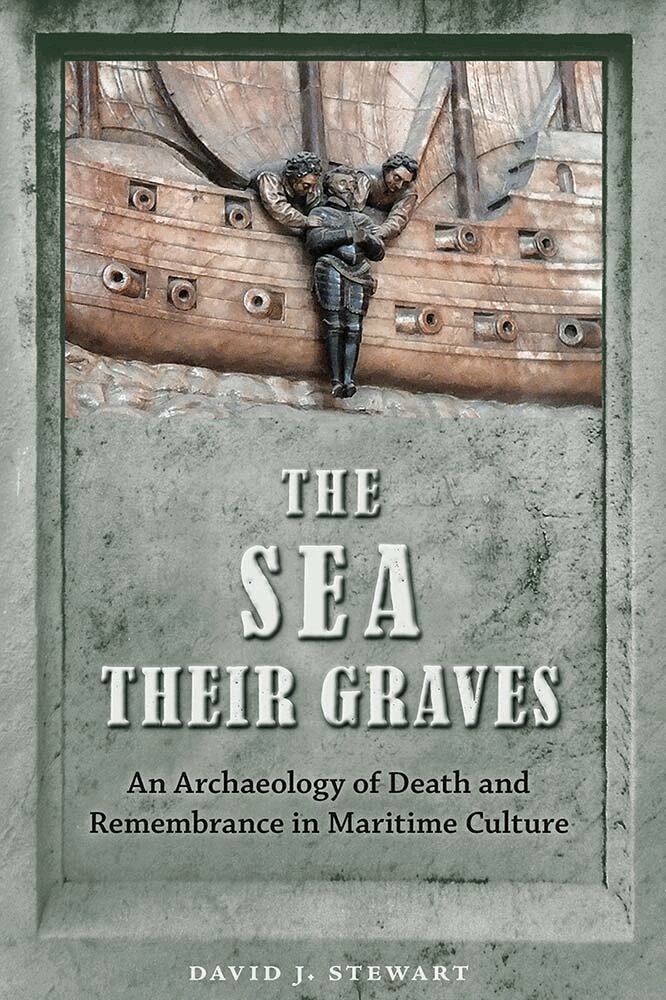
Sea Their Graves
An Archaeology of Death and Remembrance in Maritime Culture
Häftad, 2019
275 kr
Lägg i varukorg
Like other groups with dangerous occupations, mariners have developed a close-knit culture bound by loss and memory. Death regularly disrupts the fabric of this culture and necessitates actions designed to mend its social structure. From the ritual of burying a body at sea to the creation of …
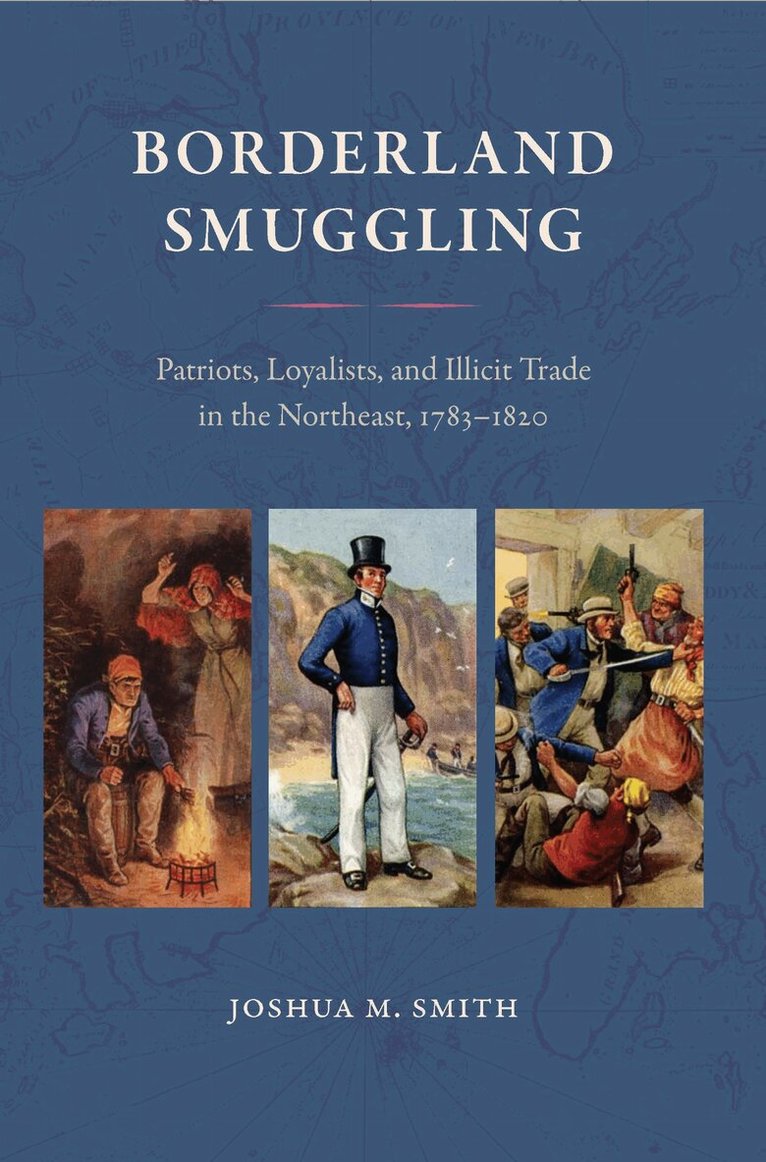
Borderland Smuggling
Patriots, Loyalists, and Illicit Trade in the Northeast, 1783-1820
Häftad, 2019
254 kr
Lägg i varukorg
North American Society for Oceanic History John Lyman Book Award in United States Maritime HistoryPassamaquoddy Bay lies between Maine and New Brunswick at the mouth of the St. Croix River. Most of it (including Campobello Island) is within Canada, but the Maine town of Lubec lies at the bay's …
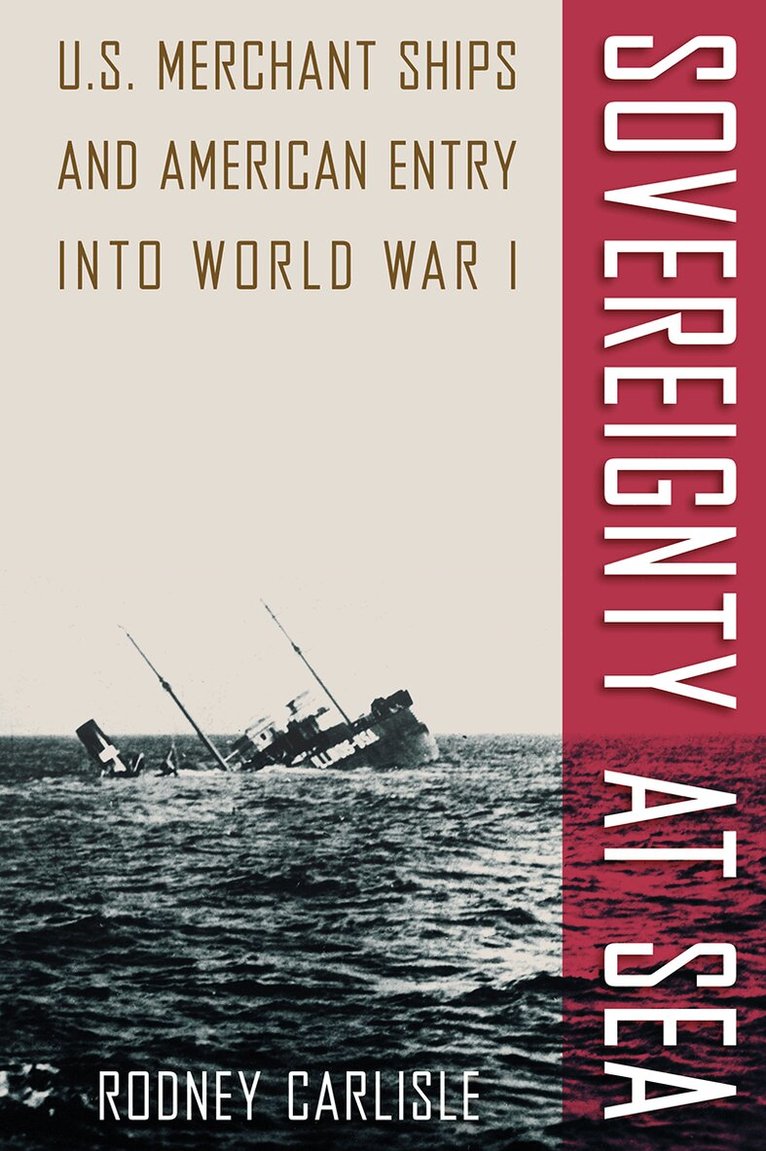
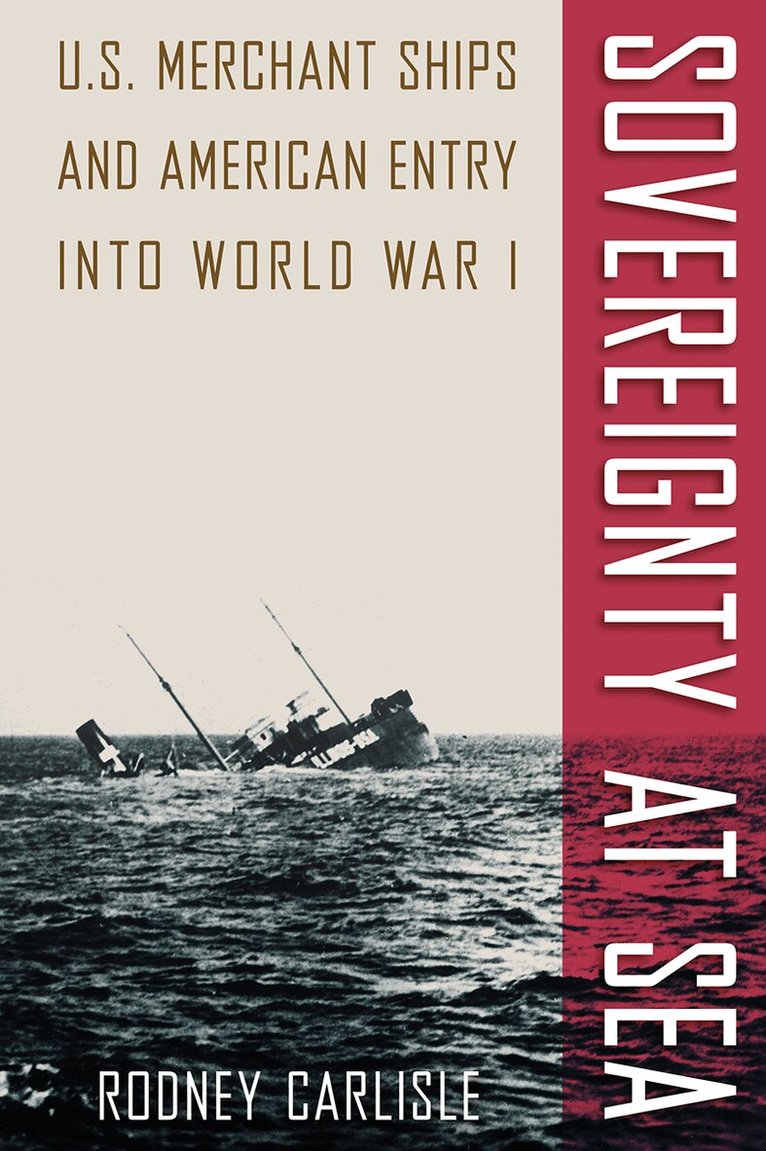
Sovereignty at Sea
U.S. Merchant Ships and American Entry Into World War I
Inbunden, 2018
877 kr
Lägg i varukorg
While numerous studies have examined Woodrow Wilson's policy of neutrality prior to U.S. entry into World War I, none has focused on the actual merchant ship losses that created the final casus belli. This work focuses on what the president knew and when he knew it concerning the loss of ten ships …
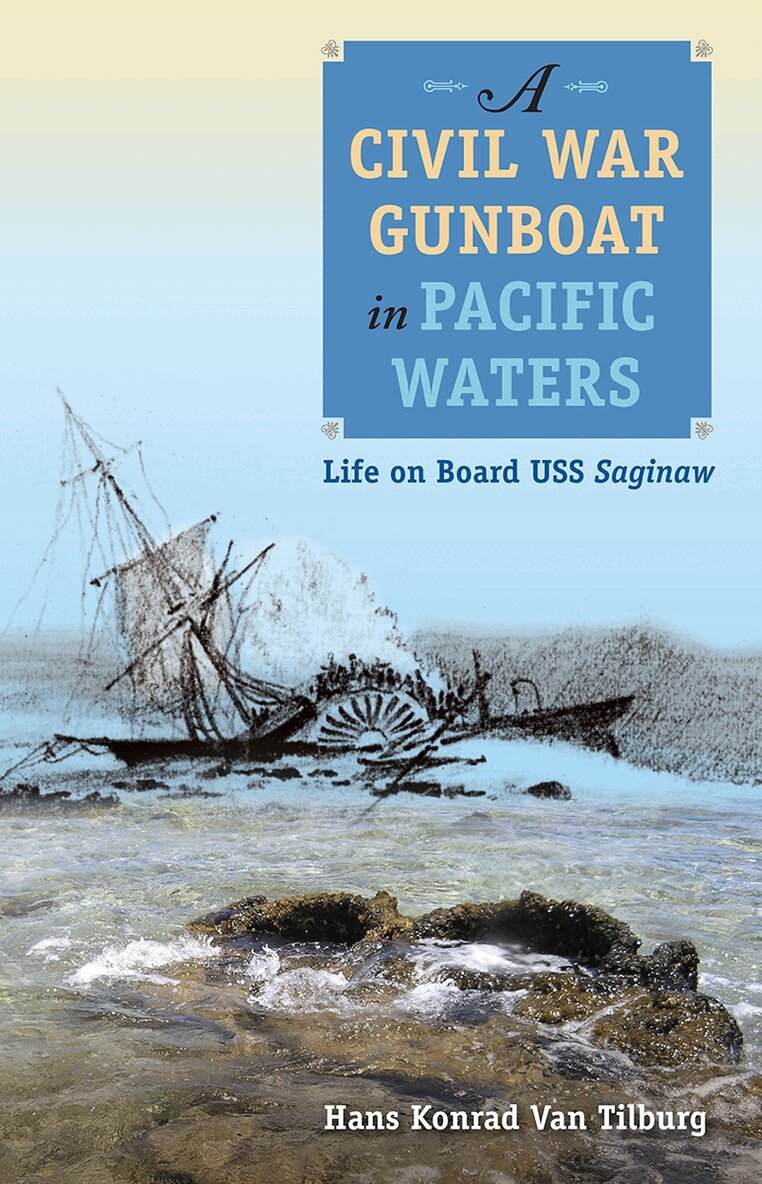
Civil War Gunboat in Pacific Waters
Life on Board USS Saginaw
Häftad, 2023
312 kr
Lägg i varukorg
The USS Saginaw was a Civil War gunboat that served in Pacific and Asian waters between 1860 and 1870. During this decade, the crew witnessed the trade disruptions of the Opium Wars, the Taiping Rebellion, the transportation of Confederate sailors to Central America, the French intervention in …
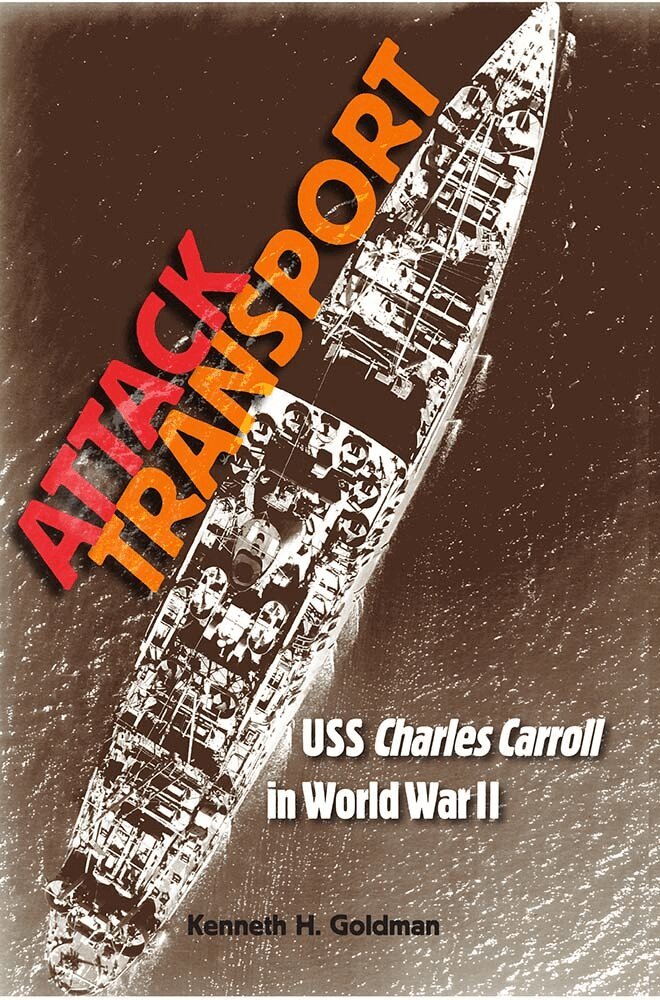
Attack Transport
USS Charles Carroll in World War II
Häftad, 2026
266 kr
Lägg i varukorg
The story of the "Lucky Chuck," which earned six battle stars during WWIIIn November 1942, the amphibious transport ship USS Charles Carroll carried troops from Norfolk to invade North Africa. In 1945 it was transferred to the Pacific for the invasion of Okinawa. In between, the "Lucky Chuck," as …
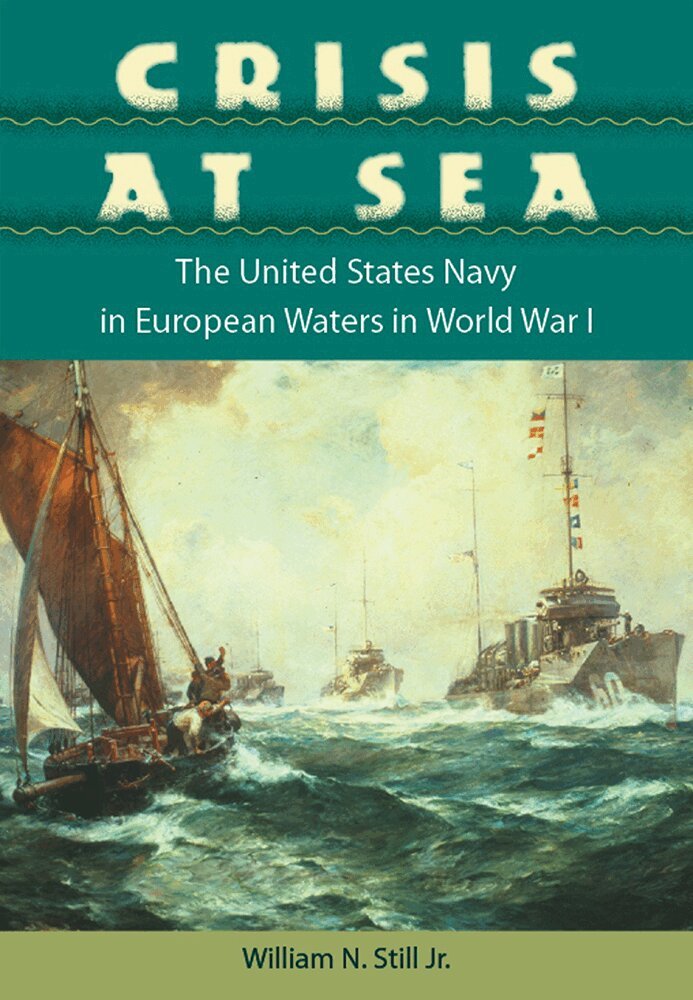
Crisis at Sea
The United States Navy in European Waters in World War I
Av William N. Still, James C. Bradford
Inbunden, 2007
1157 kr
Tillfälligt slut
Crisis at Sea is the first comprehensive history of the United States Navy in European waters during World War I. Drawing on vast American, British, German, French, and Italian sources, the author presents the U.S. Naval experience as America moved into the modern age of naval warfare. Not limited …
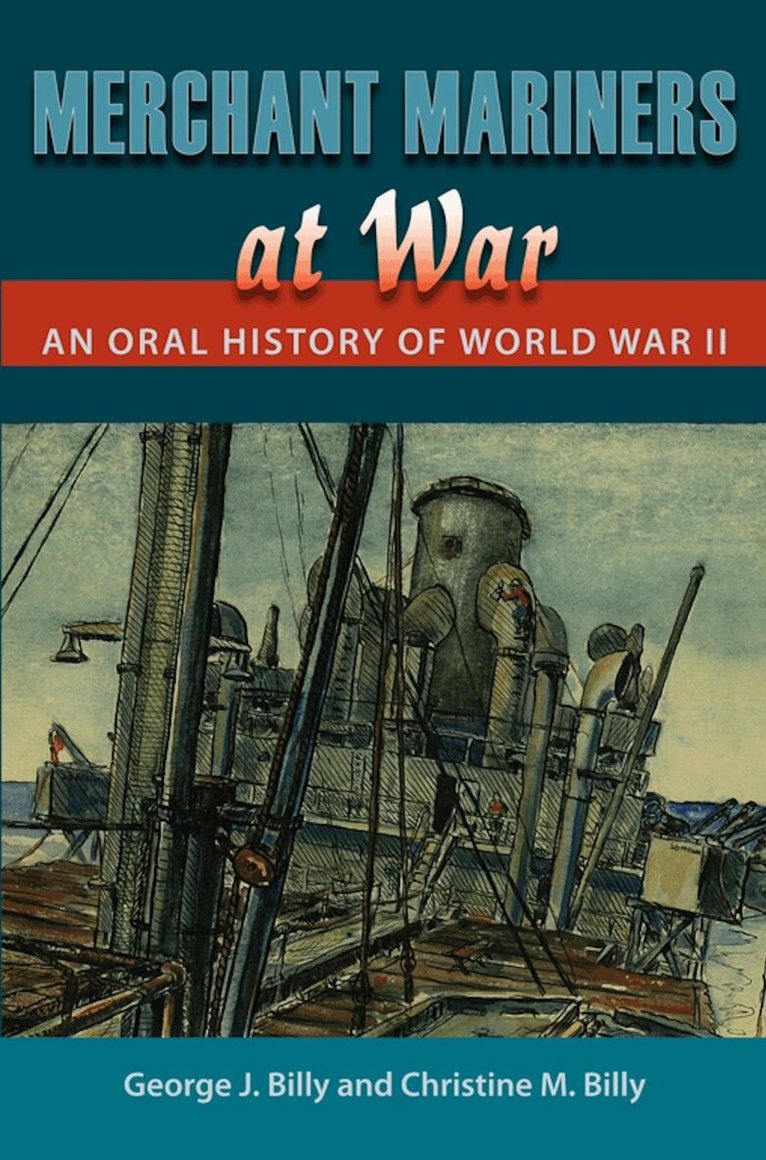
Merchant Mariners at War
An Oral History of World War II
Av George J. Billy, Christine M. Billy
Inbunden, 2008
352 kr
Tillfälligt slut
Thousands of cargo ships sailed in both the Atlantic and Pacific theaters of World War II manned by young men who braved blockades, torpedoes, and bombings to deliver vital supplies to the Allied forces and make victory possible. These mariners have received little if any credit; they are the …
Steamboat ""Montana"" and the Opening of the West
History, Excavation, and Architecture
Av Annalies Corbin, Bradley A. Rodgers
Inbunden, 2008
697 kr
Tillfälligt slut
The Montana was a shining example of modern design and technological sophistication when it made its maiden voyage in 1879. But it is remembered for its ironic end: only five years after it was launched, the Montana struck a railroad bridge near Bridgeton, Missouri, and sank.One of the largest …
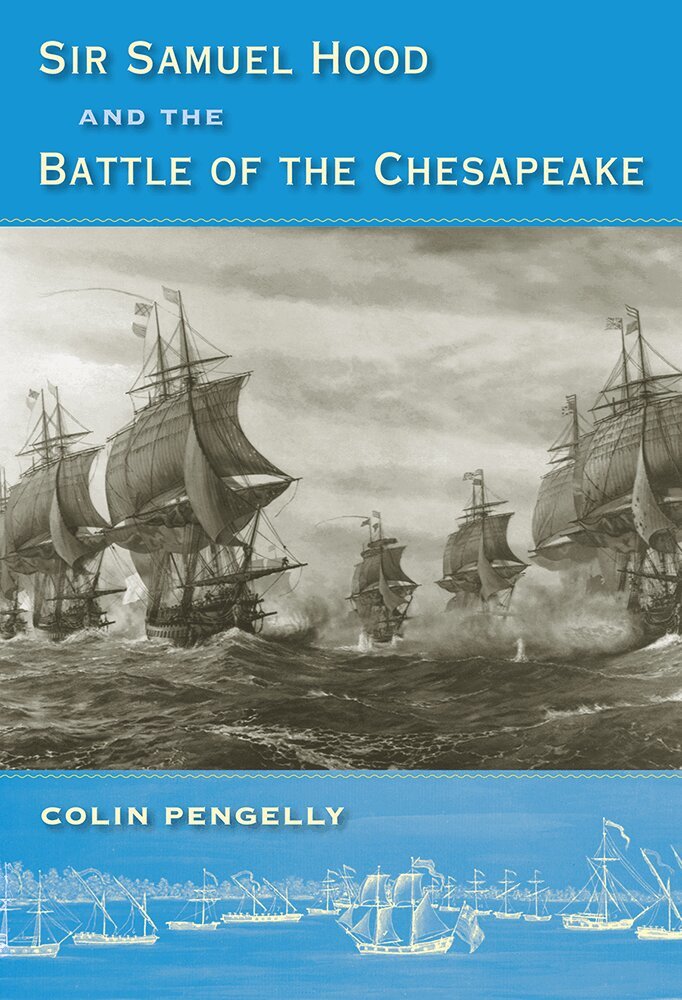
Sir Samuel Hood and the Battle of the Chesapeake
Inbunden, 2009
812 kr
Tillfälligt slut
The Siege of Yorktown - the military engagement that ended the American Revolutionary War - would not have been possible without the French fleet's major strategic victory in the Battle of the Chesapeake on September 5, 1781. It was during this battle that British fleets lost control of the …
American Coastal Rescue Craft
A Design History of Coastal Rescue Craft Used by the USLSS and USCG
Av William D. Wilkinson, Timothy R. Dring
2009
1703 kr
Tillfälligt slut
William Wilkinson and Timothy Dring provide detailed history and technical design information on each and every type of small rescue craft ever used by the United States Life-Saving Service and United States Coast Guard, from the early 1800s to current day. By looking at these vessels, many of …
Sovereignty at Sea
Inbunden, 2010
812 kr
Tillfälligt slut
While numerous studies have examined Woodrow Wilson's policy of neutrality prior to U.S. entry into World War I, none has focused on the actual merchant ship losses that created the final casus belli. This work focuses on what the president knew and when he knew it concerning the loss of ten ships …
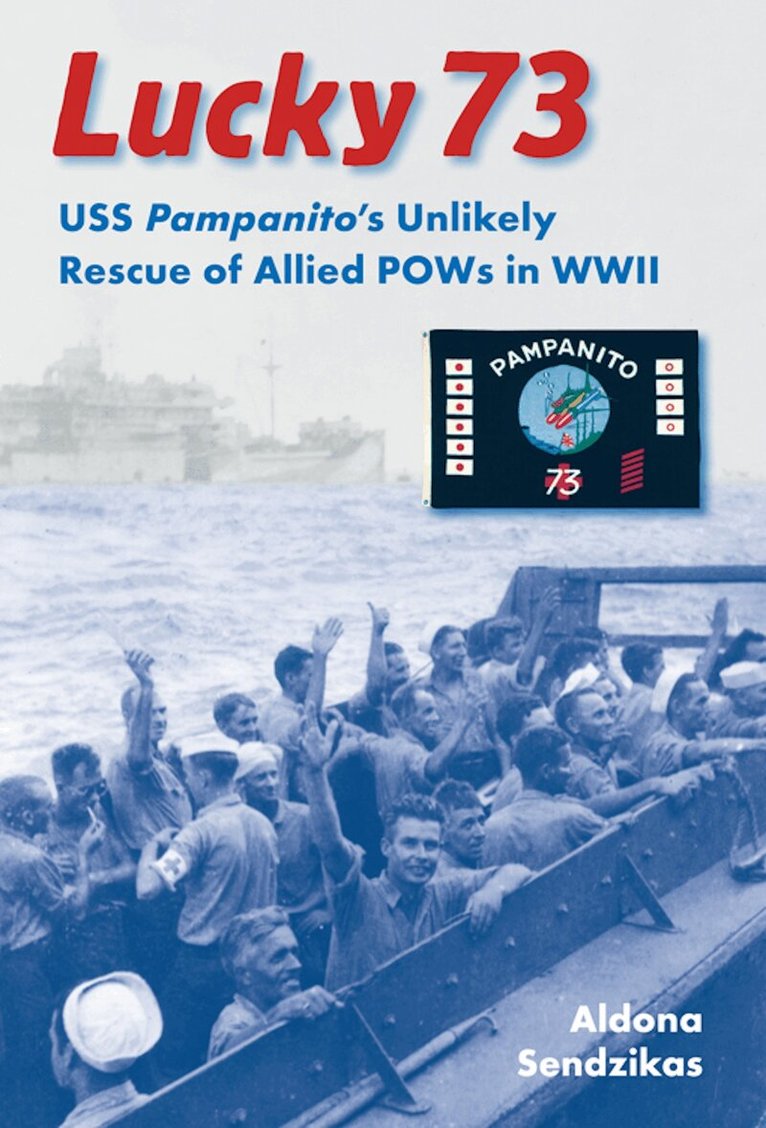
Lucky 73
USS Pampanito's Unlikely Rescue of Allied POWs in WWII
Inbunden, 2010
294 kr
Tillfälligt slut
Today USS Pampanito is a tourist destination. During WWII the submarine earned six battle stars, sank six Japanese ships, damaged four others, and rescued seventy-three British and Australian POWs from the South China Sea. Astonishingly, this rescue happened three days after she sank one of the …
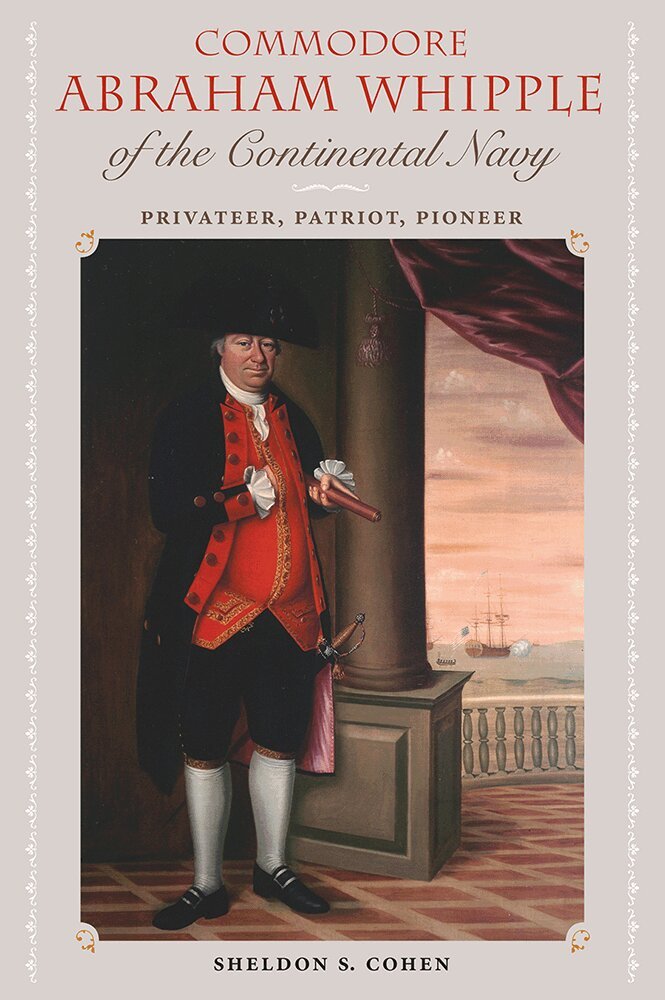
Commodore Abraham Whipple of the Continental Navy
Privateer, Patriot, Pioneer
Inbunden, 2010
837 kr
Tillfälligt slut
Abraham Whipple (1733-1819) commanded insurgents who destroyed HMS Gaspee in Narragansett Bay and helped direct the successful invasion of the Bahamas. This little-known, yet intrepid and frequently successful Continental Navy officer contributed significantly to the War for Independence. An …
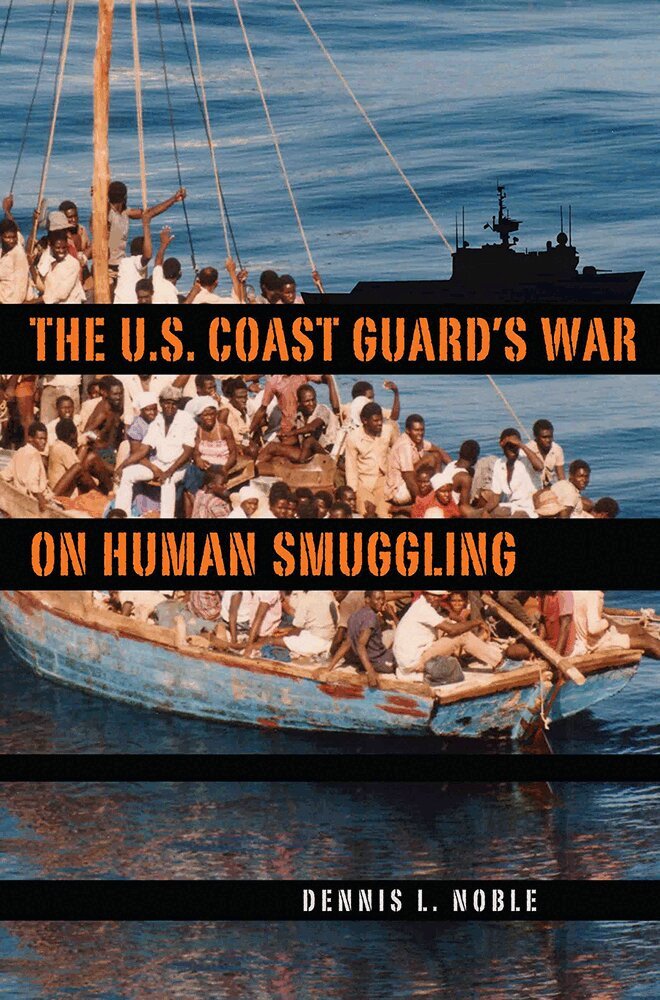
U. S. Coast Guard's War on Human Smuggling
Inbunden, 2011
352 kr
Tillfälligt slut
Of all the hot-button issues facing the United States in the early twenty-first century, perhaps none is presently generating more passion than illegal immigration. But what the vociferous public debates and sound bites often miss is that the story is far larger than the land border with Mexico. …