Ohio Bicentennial Series - Böcker
Visar alla böcker i serien Ohio Bicentennial Series. Handla med fri frakt och snabb leverans.
5 produkter
5 produkter
440 kr
Skickas inom 7-10 vardagar
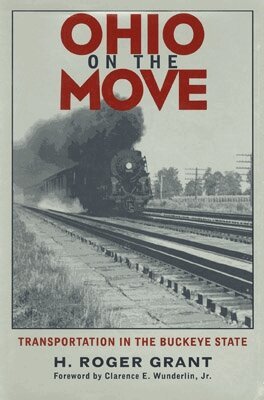
Few American states can match the rich and diverse transportation heritage of Ohio. Every major form of public conveyance eventually served the Buckeye state. From the "Canal Age" to the "Interurban Era," Ohio emerged as a national leader. The state's central location, abundant natural resources, impressive wealth, shrewd business leadership, and episodes of good fortune explain the dynamic nature of its transport past.Ohio on the Move is the first systematic scholarly account of the transportation history of Ohio. To date, little has appeared on several subjects discussed here, including intercity bus and truck operations and commercial aviation. The more familiar topics of river and lake transport, canals, steam railroads, electric interurbans, and mass transit are extensively explored in the Ohio context.In this inaugural volume of Ohio University Press's Ohio Bicentennial Series, Professor Grant demonstrates the truth of the slogan that Ohio is "the heart of it all" - not solely by location but also in the impressive network of transportation arteries that have linked the state, whether natural waterways and air space or various artificial land-travel routes.
305 kr
Skickas inom 7-10 vardagar
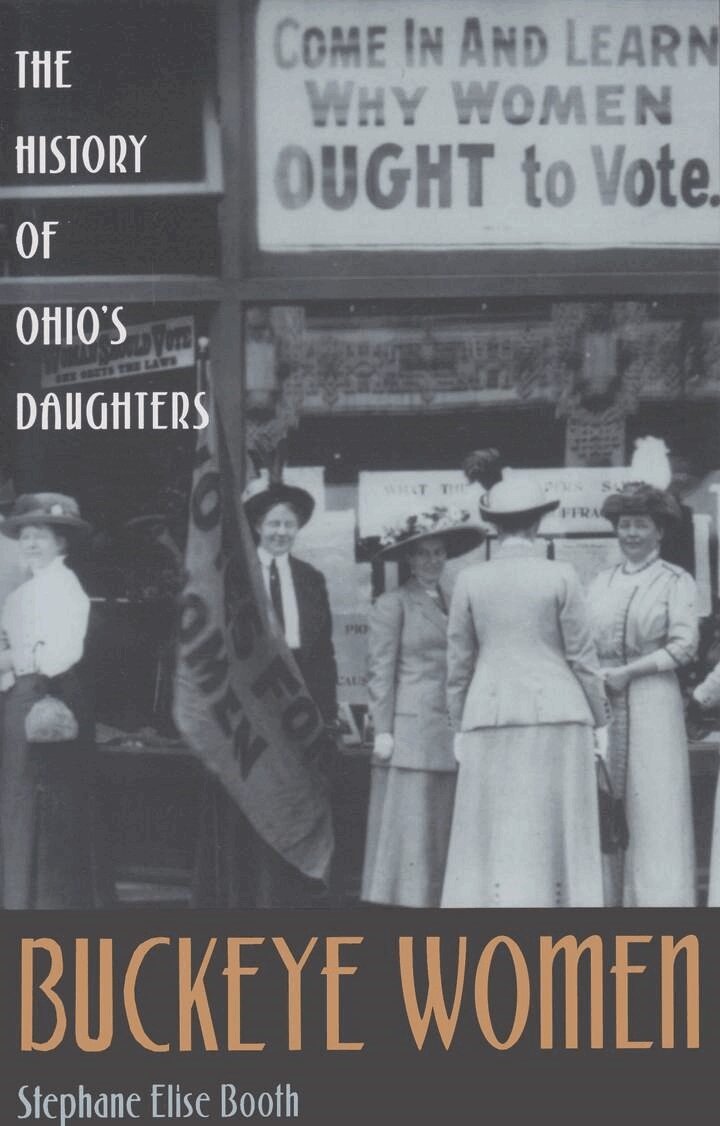
By the last two decades of the twentieth century, Ohio women had held positions as university presidents, chief executive officers, judges, superintendents of schools, and lieutenant governor. They had won Pulitzer Prizes and, in one case, the Nobel Prize for Literature.But these women stood on the shoulders of those who came before: the pioneering women who helped tame the Ohio frontier, who filled the breach, who worked for reform, and who struggled for their own rights as citizens of one of the most prosperous states in the Union.Buckeye Women is an accessible and comprehensive account of the role Ohio women have assumed in the history of the state and a narrative of their hardships and of the victories that have been won in the past two hundred years.In this timely contribution to the Ohio Bicentennial Series, Professor Stephane Booth has written a rich and well-researched volume, providing for the first time a record of the vast and pivotal accomplishments shared by the women of Ohio over the last two centuries and documenting their contribution to the state's remarkable heritage.
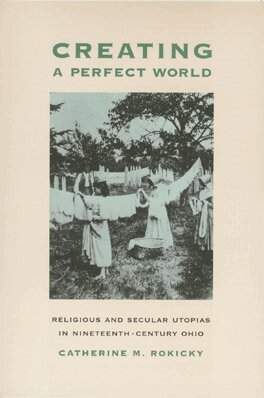
Creating a Perfect World
Religious and Secular Utopias in Nineteenth-Century Ohio
Häftad, Engelska, 2002
273 kr
Skickas inom 10-15 vardagar
Powerful currents of religious revival and political and social reform swept nineteenth-century America. Many people expressed their radical religious and social ideals by creating or joining self-contained utopian communities. These utopianists challenged the existing social and economic order with alternative notions about religion, marriage, family, sexuality, property ownership, and wage labor.Between 1787 and 1919, approximately 270 utopian communities existed in the United States. Due to its unique location on the young nation's frontier, the state of Ohio was the site of much of this activity.Creating a Perfect World examines Ohio's utopian movements, both religious and secular. These include the United Society of Believers in Christ's Second Coming, or Shakers; the Society of Separatists at Zoar; the Mormons, who stopped in the state for several years on their way west; and several societies based on the philosophies of European social reformers Robert Owen and Charles Fourier.In this detailed account of a unique and fascinating chapter in Ohio's history, Catherine M. Rokicky profiles these communities and explores their ideals, how and why they were established, their leaders, and their members' reasons for joining and sometimes leaving. She also examines the roles men and women played, their approaches to communal living and community property, their economic activities, their relations with surrounding communities and the state, and the various reasons for their success or failure.
210 kr
Skickas inom 7-10 vardagar
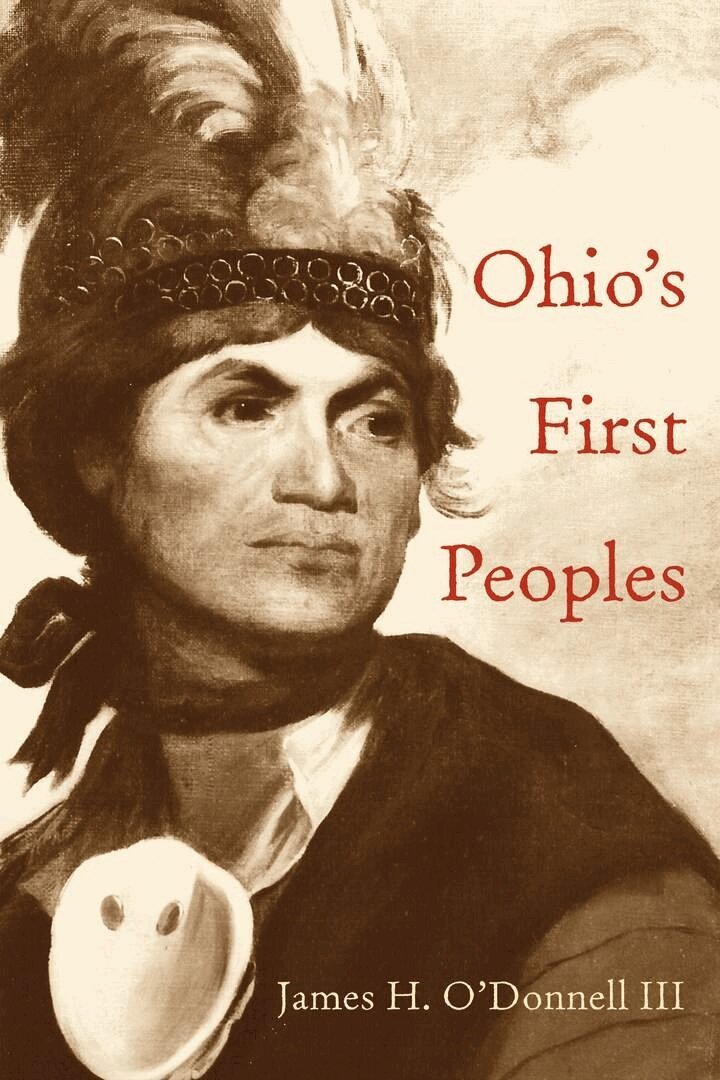
Although founders of the state like Rufus Putnam pointed to the remaining prehistoric earthworks at Marietta as evidence that the architects were a people of "ingenuity, industry, and elegance," their words did not prevent a rivalry with the area's Indian inhabitants that was settled only through decades of warfare and treaty-making.Native American armies managed to win battles with Josiah Harmar and Arthur St. Clair, but not the war with Anthony Wayne. By the early nineteenth century only a few native peoples remained, still hoping to retain their homes. Pressures from federal and state governments as well as the settlers' desire for land, however, left the earlier inhabitants no refuge. By the mid-1840s they were gone, leaving behind relatively few markers on the land.Ohio's First Peoples depicts the Native Americans of the Buckeye State from the time of the well-known Hopewell peoples to the forced removal of the Wyandots in the 1840s.Professor James O'Donnell presents the stories of the early Ohioans based on the archaeological record. In an accessible narrative style, he provides a detailed overview of the movements of Fort Ancient peoples driven out by economic and political forces in the seventeenth century. Ohio's plentiful game and fertile farmlands soon lured tribes such as the Wyandots, Shawnees, and Delawares, which are familiar to observers of the historic period.In celebrating the bicentennial of Ohio, we need to remember its earliest residents. Ohio's First Peoples recounts their story and documents their contribution to Ohio's full heritage.
432 kr
Skickas inom 10-15 vardagar
Key to the successful teaching and learning of history is its personalization. In presenting documents that help Ohio's rich history come alive in the minds of its readers, this book has purposely sought to provide eyewitness, first-person narratives that will make the reader want to turn the page and keep on reading. At the same time, mindful of the significance of guideposts basic to our understanding of the development of the state, care has been taken to include those documents such as constitutions, laws, and ordinances that have truly made a difference in the shaping of our institutions and the lives of our people.With informative and accessible introductions to each document, editors Shriver and Wunderlin have produced a book of record that reveals the sources of Ohio's heritage. The Documentary Heritage of Ohio is the second volume in the Ohio Bicentennial Series and a must for all libraries, schools, and the bookshelves of any who wish to appreciate the state's historic accomplishments and rich heritage not only for the bicentennial of statehood in 2003 but for many years to come.