Panofsky-Professur am Zentralinstitut für Kunstgeschichte München – serie
Visar alla böcker i serien Panofsky-Professur am Zentralinstitut für Kunstgeschichte München. Handla med fri frakt och snabb leverans.
2 produkter
2 produkter
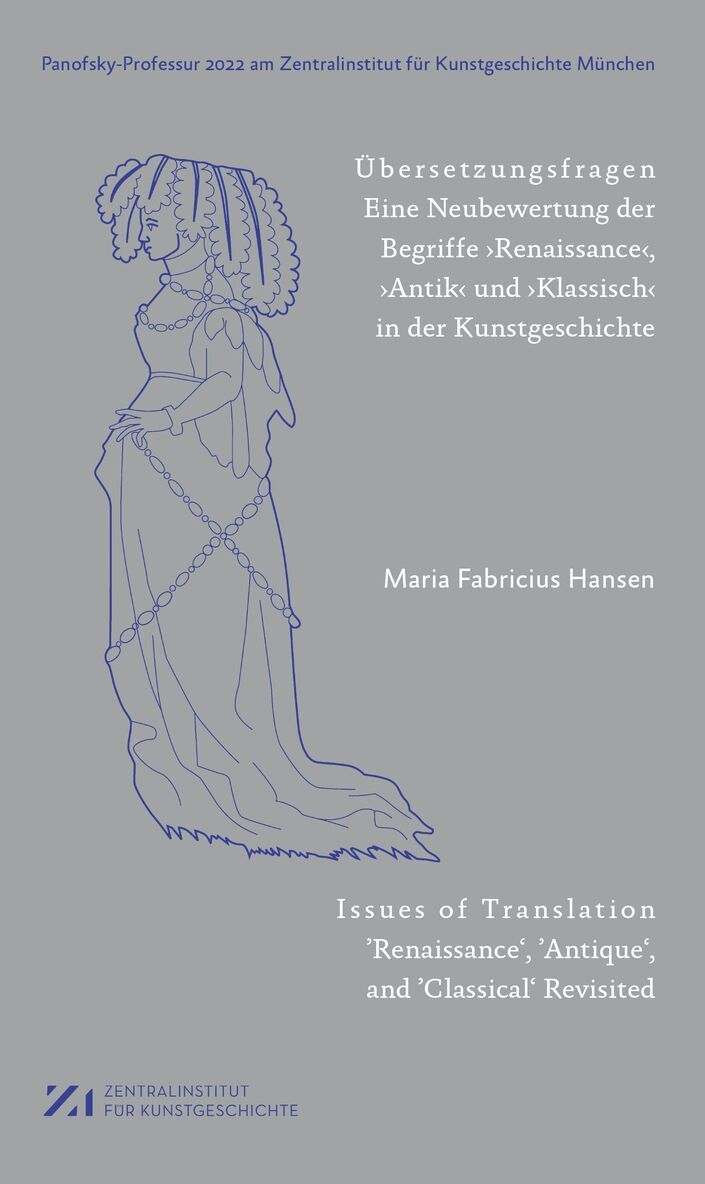
Übersetzungsfragen
Eine Neubewertung der Begriffe ‚Renaissance‘, ,Antik‘ und ‚Klassisch‘ in der Kunstgeschichte
Häftad, Tyska, 2024
221 kr
Skickas inom 5-8 vardagar
Erwin Panofsky’s assertions in Renaissance and Renascences in Western Art (1960) that a new historical consciousness and a quest for an ‘all’antica’ idiom was manifest in the art and architecture of the period are routinely reiterated in art historical narratives.By formally analyzing fifteenth-century visual culture, however, questions can be raised about what the artists and architects of the period actually used as their models and how they understood and studied the past. Maria Fabricius Hansen juxtaposes in this essay the conventional definitions of the Renaissance, through its endeavors to revive or renew Roman Antiquity, with observations of paintings and buildings of the fifteenth century in order to reconsider the characteristics of Italian visual culture of the time. Debate on the ideas of all’antica and classicism in the Italian Renaissance Critical review of art historical mappings of causes of inspiration from Roman antiquity Discussion of Panofsky, Renaissance and Renascences in Western Art (1960)
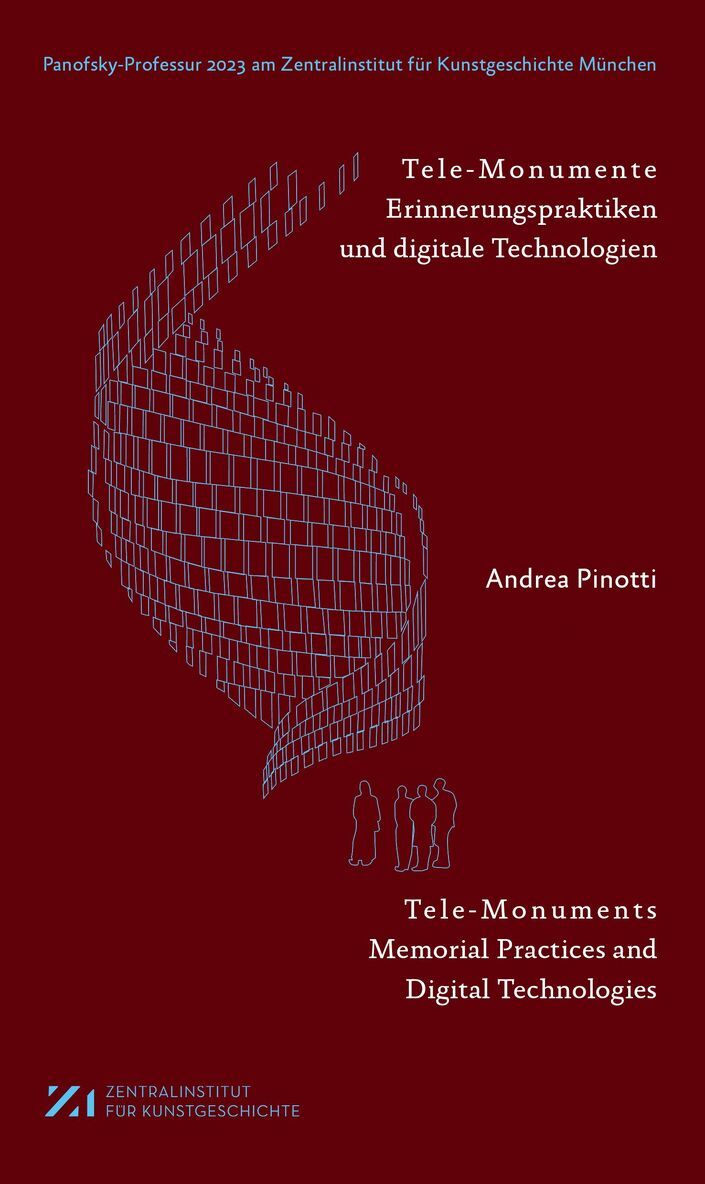
Tele-Monumente - Tele-Monuments
Erinnerungspraktiken und digitale Technologien - Memorial Practices and Digital Technologies
Häftad, Tyska, 2026
245 kr
Kommande
When we think of monuments, we usually refer to objects made of stone or bronze that embody the social memory of a nation or community and make it tangible in material objects. New digital technologies – virtual reality, augmented reality and artificial intelligence – lend commemorative practices an unexpected materiality and novel potential.This book offers a critical comparative overview of the various types of digital monuments and considers them as strategies of telepresence, from aesthetic as well as ethical and socio-political perspectives. Several paradigmatic case studies are analysed to show how the experience of externalised memory is being profoundly transformed in the age of algorithmic media.Innovative critical approach comparing digital technologies (VR, AR, AI) as commemorative strategiesTele-commemoration is contextualised within the human dialectics near/farAnalysis of how social memory is reshaped in the age of algorithmic media