Polis: Fordham Series in Urban Studies – serie
Visar alla böcker i serien Polis: Fordham Series in Urban Studies. Handla med fri frakt och snabb leverans.
16 produkter
16 produkter
Häftad, Engelska, 2018
129 kr
Skickas inom 5-8 vardagar
Zonas Peligrosas: The Challenge of Creating Safe Neighborhoods in Central America examines indicators of orderliness and security in El Salvador, shows how policies and programs based on disorganization theory have been used, and why they might not make Salvadoran urban dwellers safer. In Latin America, these prescriptions form the basis for what has become known as "citizen security" policy. Just as in disorganization theory, citizen security emphasizes strong social cohesion and expectations for action on the part of neighbors and civil society. Mimicking the methodology of disorganization theorists from the Chicago School, Tom Hare conducted four neighborhood studies in the San Salvador metropolitan area. Mixed methods, including two hundred original survey-interviews, were used to create a rich description of each case. The cases were selected in order to compare and contrast the social order in neighborhoods with varying levels of security and physical and demographic makeup.
Häftad, Engelska, 2018
129 kr
Skickas inom 5-8 vardagar
Thames Town—an English-like village built in Shanghai—is many places at once: a successful tourist destination, an affluent residential cluster, a city of migrant workers, and a ghost town. The Real Fake explores how the users of Thames Town transform a themed space into something more than a "fake place." Piazzoni understands authenticity as a dynamic relationship between people, places, and meanings that enables urban transformations. She argues that authenticity underlies the social and physical production of space through both top-down and bottom-up dynamics. The systems of moral and aesthetic judgments that people associate with "the authentic" materialize in Thames Town. Authenticity excludes some users as it inhibits access and usage especially to the migrant poor. And yet, ideas of the authentic also encourage everyday spontaneous appropriations of space that break the village's staged atmosphere. Most scholars criticize theming by arguing that it produces a "fake," controlling city. Piazzoni complicates this view by demonstrating that although the exclusionary character of theming remains unquestionable, it is precisely the experience of "fakeness" that allows Thames Town's users to develop a sense of place. Authenticity, the ways people construct and spatialize its meanings, intervenes holistically in the making and remaking of space.
Häftad, Engelska, 2020
430 kr
Skickas inom 5-8 vardagar
Urban Formalism radically reimagines what it meant to "read" a brave new urban world during the transformative middle decades of the nineteenth century. At a time when contemporaries in the twin capitals of modernity in the West, New York and Paris, were learning to make sense of unfamiliar surroundings, city peoples increasingly looked to the experiential patterns, or forms, from their everyday lives in an attempt to translate urban experience into something they could more easily comprehend. Urban Formalism interrogates both the risks and rewards of an interpretive practice that depended on the mutual relation between urbanism and formalism, at a moment when the subjective experience of the city had reached unprecedented levels of complexity.This book not only provides an original cultural history of forms. It posits a new form of urban history, comprising the representative rituals of interpretation that have helped give meaningful shape to metropolitan life.
Inbunden, Engelska, 2020
1 593 kr
Skickas inom 10-15 vardagar
Urban Formalism radically reimagines what it meant to "read" a brave new urban world during the transformative middle decades of the nineteenth century. At a time when contemporaries in the twin capitals of modernity in the West, New York and Paris, were learning to make sense of unfamiliar surroundings, city peoples increasingly looked to the experiential patterns, or forms, from their everyday lives in an attempt to translate urban experience into something they could more easily comprehend. Urban Formalism interrogates both the risks and rewards of an interpretive practice that depended on the mutual relation between urbanism and formalism, at a moment when the subjective experience of the city had reached unprecedented levels of complexity.This book not only provides an original cultural history of forms. It posits a new form of urban history, comprising the representative rituals of interpretation that have helped give meaningful shape to metropolitan life.
Inbunden, Engelska, 2022
1 569 kr
Skickas inom 10-15 vardagar
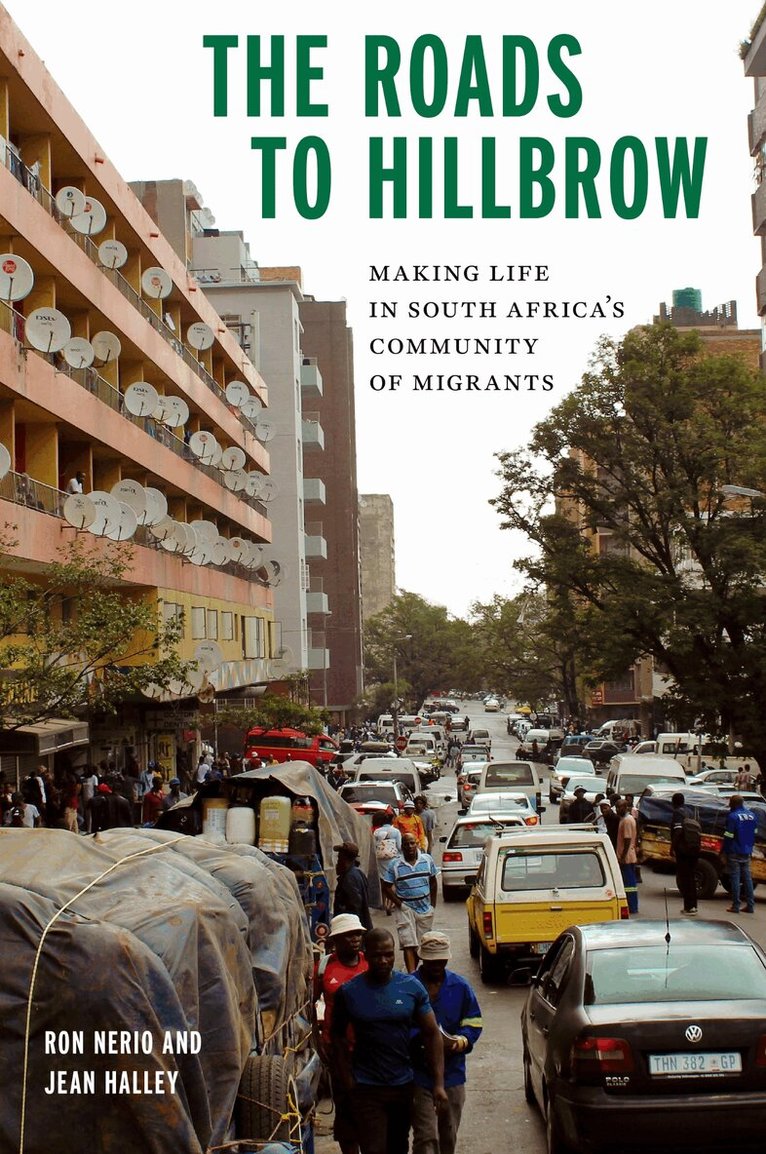
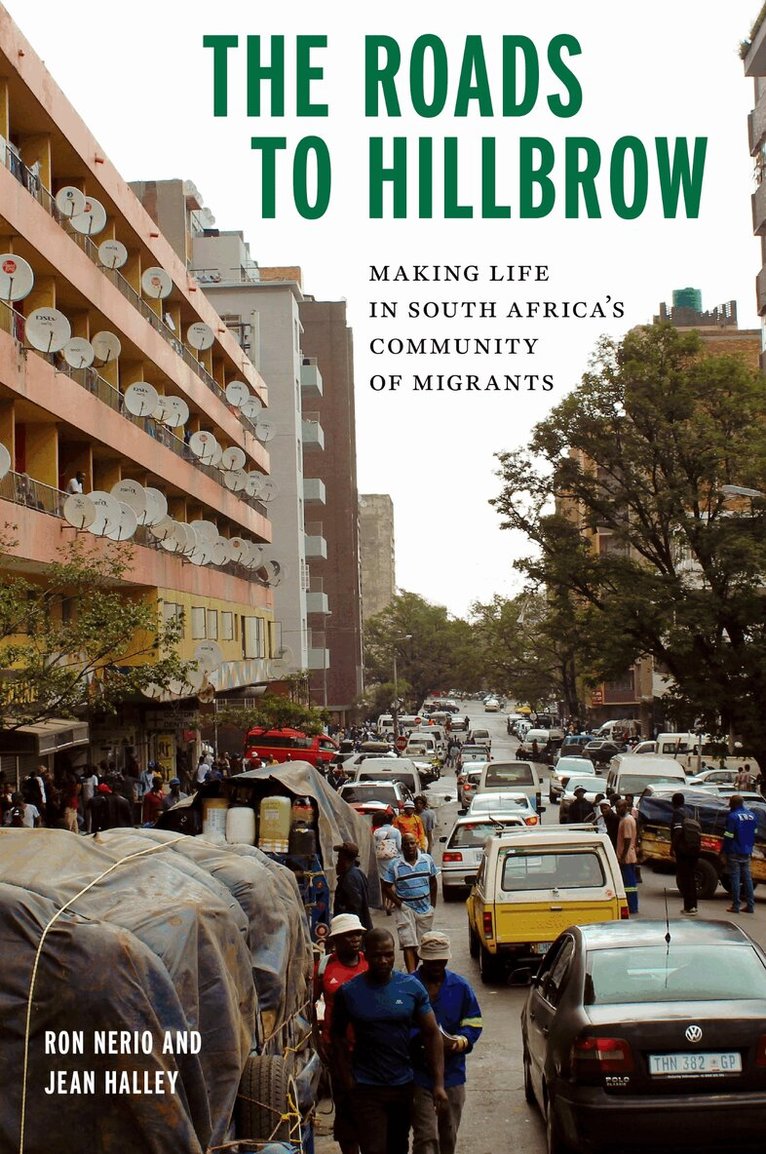
This highly accessible portrayal of a post-apartheid neighborhood in transition analyzes the relationship between identity, migration, and place.Since it was founded in 1894, amidst Johannesburg's transformation from a mining town into the largest city in southern Africa, Hillbrow has been a community of migrants. As the "city of gold" accumulated wealth on the backs of migrant laborers from southern Africa, Jewish Eastern Europeans who had fled pogroms joined other Europeans and white South Africans in this emerging suburb. After World War II, Hillbrow became a landscape of high-rises that lured western and southern Europeans seeking prosperity in South Africa's booming economy. By the 1980s, Hillbrow housed some of the most vibrant and visible queer spaces on the continent while also attracting thousands of Indian and Black South Africans who defied apartheid laws to live near the city center. Filling the void for a book about migration within the Global South, The Roads to Hillbrow explores how one South African neighborhood transformed from a white suburb under apartheid into a "grey zone" during the 1970s and 1980s to become a "port of entry" for people from at least twenty-five African countries. The Roads to Hillbrow explores the diverse experiences of domestic and transnational migrants who have made their way to this South African community following war, economic dislocation, and the social trauma of apartheid. Authors Ron Nerio and Jean Halley weave sociology, history, memoir, and queer studies with stories drawn from more than 100 interviews. Topics cover the search for employment, options for housing, support for unaccompanied minors, possibilities for queer expression, the creation of safe parks for children, and the challenges of living without documents. Current residents of Hillbrow also discuss how they cope with inequality, xenophobia, high levels of crime, and the harsh economic impacts of COVID-19.Many of the book's interviewees arrived in Hillbrow seeking not only to gain better futures for themselves but also to support family members in rural parts of South Africa or in their countries of origin. Some immerse themselves in justice work, while others develop LGBTQ+ support networks, join religious and community groups, or engage in artistic expression. By emphasizing the disparate voices of migrants and people who work with migrants, this book shows how the people of Hillbrow form connections and adapt to adversity.
Häftad, Engelska, 2022
427 kr
Skickas inom 5-8 vardagar
This highly accessible portrayal of a post-apartheid neighborhood in transition analyzes the relationship between identity, migration, and place.Since it was founded in 1894, amidst Johannesburg's transformation from a mining town into the largest city in southern Africa, Hillbrow has been a community of migrants. As the "city of gold" accumulated wealth on the backs of migrant laborers from southern Africa, Jewish Eastern Europeans who had fled pogroms joined other Europeans and white South Africans in this emerging suburb. After World War II, Hillbrow became a landscape of high-rises that lured western and southern Europeans seeking prosperity in South Africa's booming economy. By the 1980s, Hillbrow housed some of the most vibrant and visible queer spaces on the continent while also attracting thousands of Indian and Black South Africans who defied apartheid laws to live near the city center. Filling the void for a book about migration within the Global South, The Roads to Hillbrow explores how one South African neighborhood transformed from a white suburb under apartheid into a "grey zone" during the 1970s and 1980s to become a "port of entry" for people from at least twenty-five African countries. The Roads to Hillbrow explores the diverse experiences of domestic and transnational migrants who have made their way to this South African community following war, economic dislocation, and the social trauma of apartheid. Authors Ron Nerio and Jean Halley weave sociology, history, memoir, and queer studies with stories drawn from more than 100 interviews. Topics cover the search for employment, options for housing, support for unaccompanied minors, possibilities for queer expression, the creation of safe parks for children, and the challenges of living without documents. Current residents of Hillbrow also discuss how they cope with inequality, xenophobia, high levels of crime, and the harsh economic impacts of COVID-19.Many of the book's interviewees arrived in Hillbrow seeking not only to gain better futures for themselves but also to support family members in rural parts of South Africa or in their countries of origin. Some immerse themselves in justice work, while others develop LGBTQ+ support networks, join religious and community groups, or engage in artistic expression. By emphasizing the disparate voices of migrants and people who work with migrants, this book shows how the people of Hillbrow form connections and adapt to adversity.
Inbunden, Engelska, 2022
1 569 kr
Skickas inom 10-15 vardagar
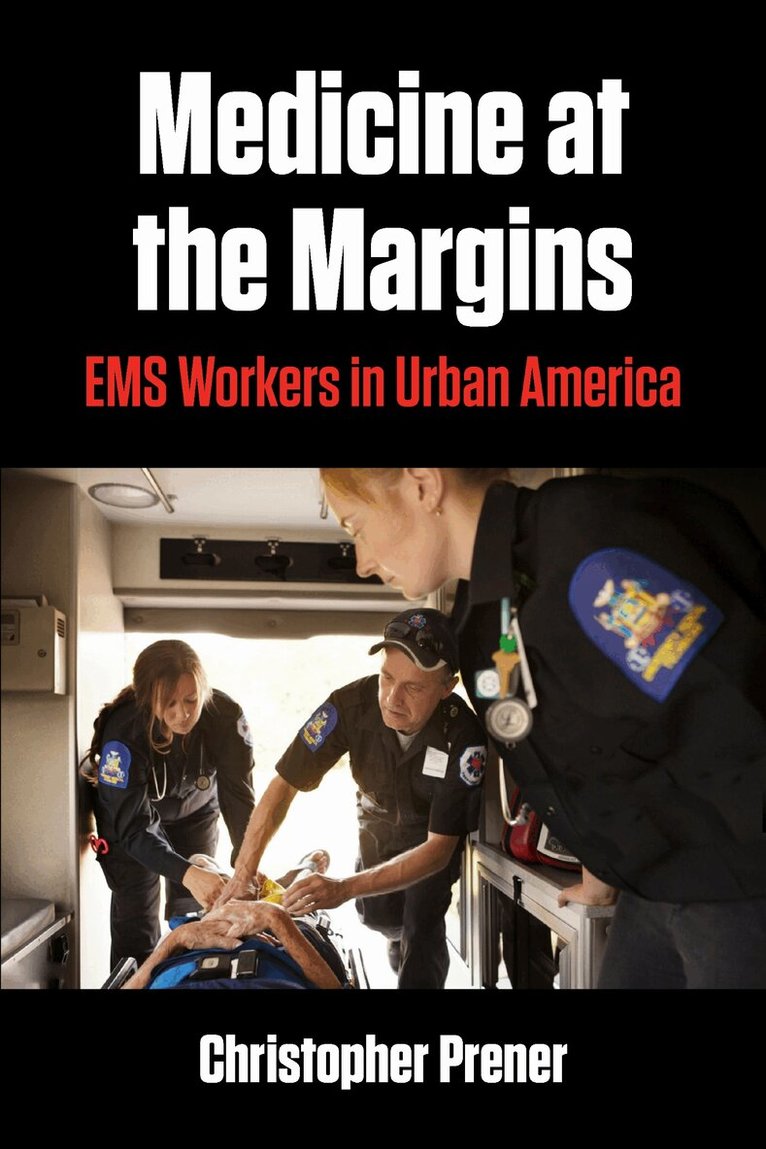
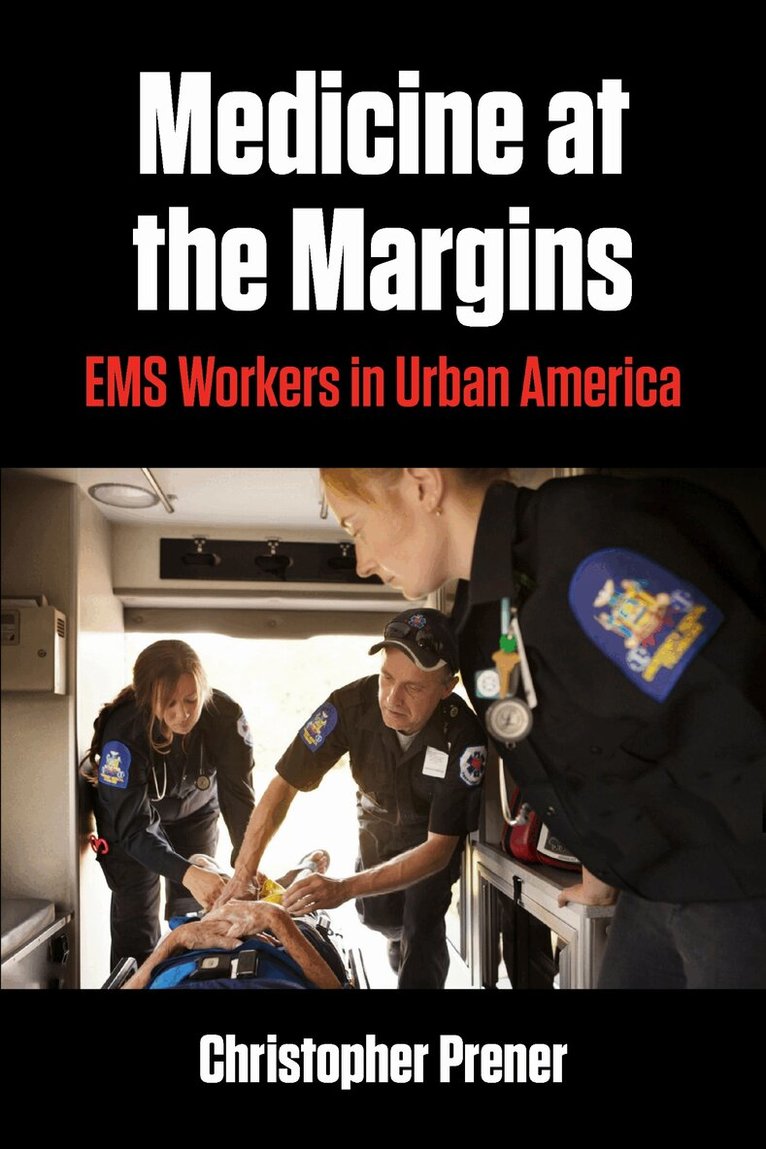
Presents a unique view of social problems and conflicts over urban space from the cab of an ambulance.While we imagine ambulances as a site for critical care, the reality is far more complicated. Social problems, like homelessness, substance abuse, and the health consequences of poverty, are encountered every day by Emergency Medical Services (EMS) workers. Written from the lens of a sociologist who speaks with the fluency of a former Emergency Medical Technician (EMT), Medicine at the Margins delves deeply into the world of EMTs and paramedics in American cities, an understudied element of our health care system.Like the public hospital, the EMS system is a key but misunderstood part of our system of last resort. Medicine at the Margins presents a unique prism through which urban social problems, the health care system, and the struggling social safety net refract and intersect in largely unseen ways. Author Christopher Prener examines the forms of marginality that capture the reality of urban EMS work and showcases the unique view EMS providers have of American urban life. The rise of neighborhood stigma and the consequences it holds for patients who are assumed by providers to be malingering is critical for understanding not just the phenomenon of non- or sub-acute patient calls but also why they matter for all patients. This sense of marginality is a defining feature of the experience of EMS work and is a statement about the patient population whom urban EMS providers care for daily. Prener argues that the pre-hospital health care system needs to embrace its role in the social safety net and how EMSs' future is in community practice of paramedicine, a port of a broader mandate of pre-hospital health care. By leaning into this work, EMS providers are uniquely positioned to deliver on the promise of community medicine.At a time when we are considering how to rely less on policing, the EMS system is already tasked with treating many of the social problems we think would benefit from less involvement with law involvement. Medicine at the Margins underscores why the EMS system is so necessary and the ways in which it can be expanded.
Häftad, Engelska, 2022
427 kr
Skickas inom 5-8 vardagar
Presents a unique view of social problems and conflicts over urban space from the cab of an ambulance.While we imagine ambulances as a site for critical care, the reality is far more complicated. Social problems, like homelessness, substance abuse, and the health consequences of poverty, are encountered every day by Emergency Medical Services (EMS) workers. Written from the lens of a sociologist who speaks with the fluency of a former Emergency Medical Technician (EMT), Medicine at the Margins delves deeply into the world of EMTs and paramedics in American cities, an understudied element of our health care system.Like the public hospital, the EMS system is a key but misunderstood part of our system of last resort. Medicine at the Margins presents a unique prism through which urban social problems, the health care system, and the struggling social safety net refract and intersect in largely unseen ways. Author Christopher Prener examines the forms of marginality that capture the reality of urban EMS work and showcases the unique view EMS providers have of American urban life. The rise of neighborhood stigma and the consequences it holds for patients who are assumed by providers to be malingering is critical for understanding not just the phenomenon of non- or sub-acute patient calls but also why they matter for all patients. This sense of marginality is a defining feature of the experience of EMS work and is a statement about the patient population whom urban EMS providers care for daily. Prener argues that the pre-hospital health care system needs to embrace its role in the social safety net and how EMSs' future is in community practice of paramedicine, a port of a broader mandate of pre-hospital health care. By leaning into this work, EMS providers are uniquely positioned to deliver on the promise of community medicine.At a time when we are considering how to rely less on policing, the EMS system is already tasked with treating many of the social problems we think would benefit from less involvement with law involvement. Medicine at the Margins underscores why the EMS system is so necessary and the ways in which it can be expanded.
Inbunden, Engelska, 2023
1 427 kr
Skickas inom 10-15 vardagar
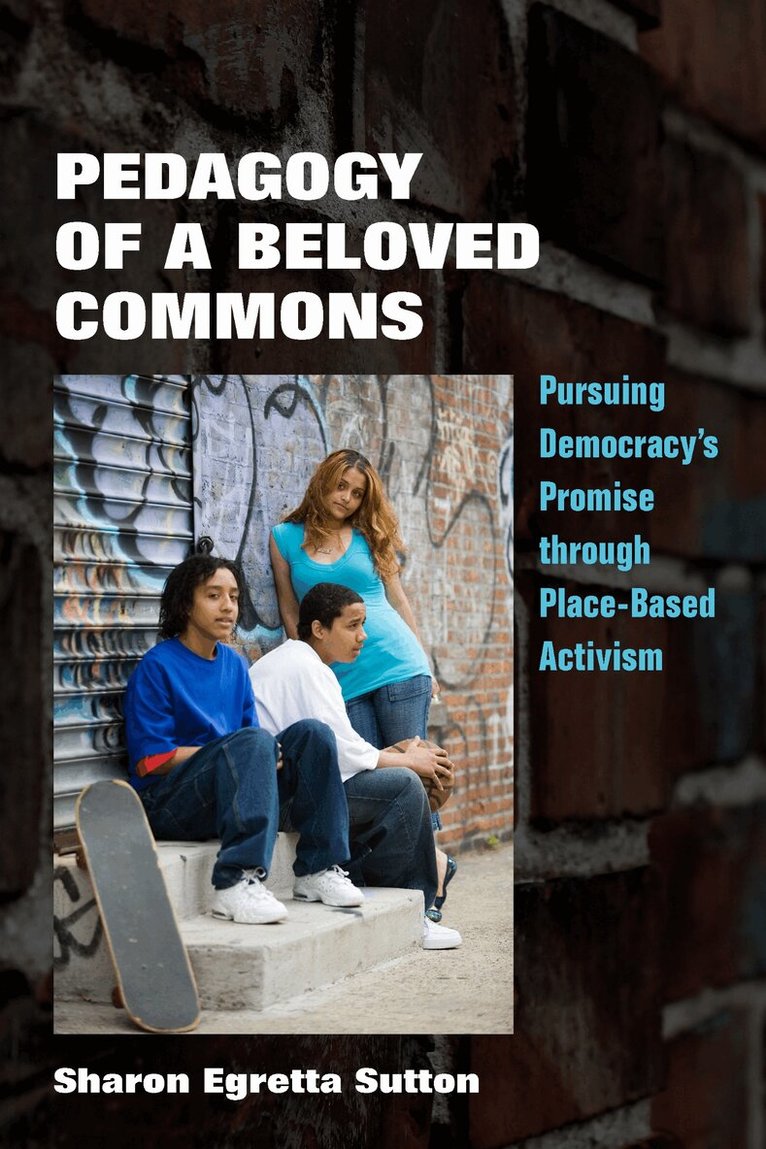
A rare and powerful illustration of what it takes to become a sustainable, community-embedded organization that continually grows the next generation of compassionate leaders.This essential, timely book meets us at our current moment of crisis to offer hope that American democracy's stalled trajectory toward its founding creed to embrace all, and not just some, can indeed be re-invigorated. Pedagogy of a Beloved Commons is about low-income youth of color working within justice-oriented, community-based organizations to improve the social and spatial conditions in their surroundings. It draws from hundreds of pages of data, some collected over a decade ago by graduate research assistants at three universities and some collected recently by a graduate research assistant at a fourth university, to present verbatim quotes from interviews with constituents of three youth-serving organizations. The book posits that the disinvested neighborhoods where youth experience abandonment and marginality in fact can serve as a call to action, given appropriate organizational support.Pedagogy of a Beloved Commons envisions a place-based critical pedagogy that can provide young people with the practical skills and deep values to engage with today's economic, racial, and ecological crises. It offers a welcome antidote to a neoliberal education system that has not only veered away from its public mandate to advance democratic citizenship but that has also reinforced today's insidious economic inequality, rendering illusive the idea that rich and poor can work together toward a common good. Between these pages resonates a passionate call for an approach to cultivating citizens who have the critical skills to challenge injustice, the courage to hold the rich and powerful accountable, and the empathy to advance not just their own self-interest but also the health and well-being of their communities and the planet. The author proposes that such citizens develop by exercising collective agency in "the commons," a political and psychic space whose values are mapped out in physical space. Through the expert use of an architect's lens, this groundbreaking book argues that the three-dimensional concreteness of the nation's disinvested neighborhoods provides a virtual stage where disenfranchised youth can experiment with collective life, become more discerning about the forces that have shaped their communities, and practice working toward just and inclusive futures.Merging Paolo Freire's seminal theory of critical pedagogy with Grace Lee Boggs's belief that hands-on community-building can disrupt the ever more destructive forces of neoliberal capitalism, Pedagogy of a Beloved Commons refines an aspirational framework for a pathway forward through a careful analysis of three exemplar organizations. It offers rich, unique portraits of young people transforming their communities in southwest Detroit, Wai'anae, and Harlem, respectively illustrating place-based activism through theater, organic farming, and critical inquiry. Here activism is framed as the hands-on engagement of youth in addressing inequities in the commons of their neighborhoods through small but persistent interventions that also help them learn the language of solidarity and collectivity that a sustainable democracy needs. Pedagogy of a Beloved Commons is a must-read for our times and for our future.
Häftad, Engelska, 2023
337 kr
Skickas inom 5-8 vardagar
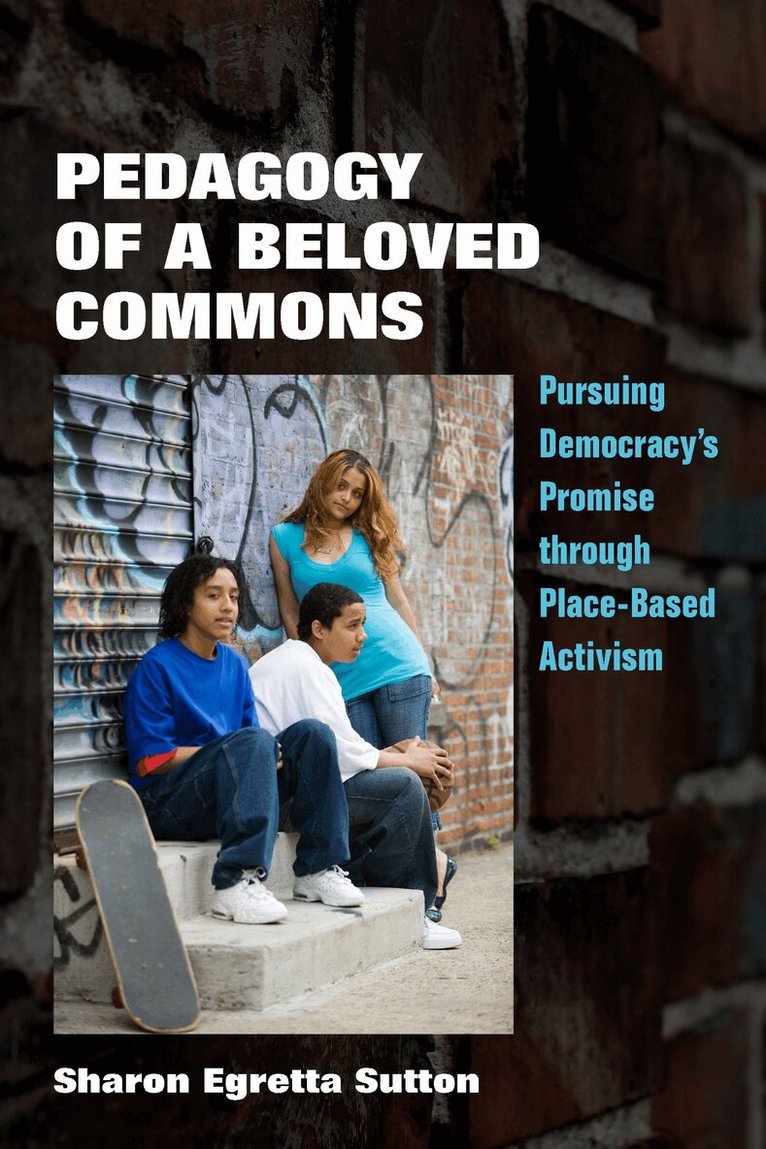
A rare and powerful illustration of what it takes to become a sustainable, community-embedded organization that continually grows the next generation of compassionate leaders.This essential, timely book meets us at our current moment of crisis to offer hope that American democracy's stalled trajectory toward its founding creed to embrace all, and not just some, can indeed be re-invigorated. Pedagogy of a Beloved Commons is about low-income youth of color working within justice-oriented, community-based organizations to improve the social and spatial conditions in their surroundings. It draws from hundreds of pages of data, some collected over a decade ago by graduate research assistants at three universities and some collected recently by a graduate research assistant at a fourth university, to present verbatim quotes from interviews with constituents of three youth-serving organizations. The book posits that the disinvested neighborhoods where youth experience abandonment and marginality in fact can serve as a call to action, given appropriate organizational support.Pedagogy of a Beloved Commons envisions a place-based critical pedagogy that can provide young people with the practical skills and deep values to engage with today's economic, racial, and ecological crises. It offers a welcome antidote to a neoliberal education system that has not only veered away from its public mandate to advance democratic citizenship but that has also reinforced today's insidious economic inequality, rendering illusive the idea that rich and poor can work together toward a common good. Between these pages resonates a passionate call for an approach to cultivating citizens who have the critical skills to challenge injustice, the courage to hold the rich and powerful accountable, and the empathy to advance not just their own self-interest but also the health and well-being of their communities and the planet. The author proposes that such citizens develop by exercising collective agency in "the commons," a political and psychic space whose values are mapped out in physical space. Through the expert use of an architect's lens, this groundbreaking book argues that the three-dimensional concreteness of the nation's disinvested neighborhoods provides a virtual stage where disenfranchised youth can experiment with collective life, become more discerning about the forces that have shaped their communities, and practice working toward just and inclusive futures.Merging Paolo Freire's seminal theory of critical pedagogy with Grace Lee Boggs's belief that hands-on community-building can disrupt the ever more destructive forces of neoliberal capitalism, Pedagogy of a Beloved Commons refines an aspirational framework for a pathway forward through a careful analysis of three exemplar organizations. It offers rich, unique portraits of young people transforming their communities in southwest Detroit, Wai'anae, and Harlem, respectively illustrating place-based activism through theater, organic farming, and critical inquiry. Here activism is framed as the hands-on engagement of youth in addressing inequities in the commons of their neighborhoods through small but persistent interventions that also help them learn the language of solidarity and collectivity that a sustainable democracy needs. Pedagogy of a Beloved Commons is a must-read for our times and for our future.
Häftad, Engelska, 2024
301 kr
Skickas inom 5-8 vardagar
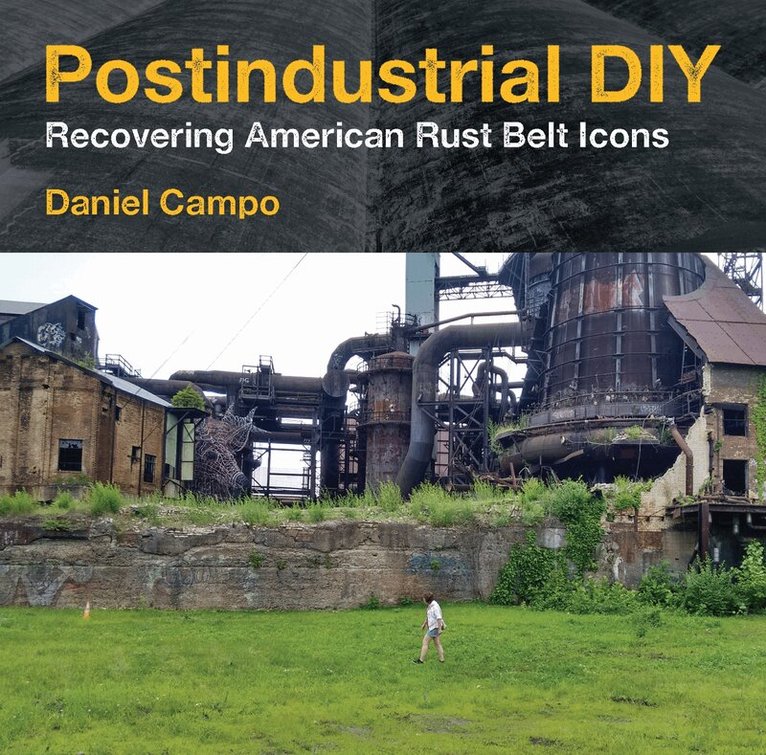
Chronicles grassroots efforts to recover, rebuild, and enjoy architecturally iconic but economically obsolete places in the American Rust Belt.A pioneering Detroit automobile factory. A legendary iron mill at the edge of Pittsburgh. A campus of concrete grain elevators in Buffalo. Two monumental train stations, one in Buffalo, the other in Detroit. These once-noble sites have since fallen from their towering grace. As local elected leaders did everything they could to destroy what was left of these places, citizens saw beauty and utility in these industrial ruins and felt compelled to act. Postindustrial DIY tells their stories.The culmination of more than a dozen years of on-the-ground investigation, ethnography, and historical analysis, author and urbanist Daniel Campo immerses the reader in this postindustrial landscape, weaving the perspectives of dozens of DIY protagonists as well as architects, planners, and preservationists. Working without capital, expertise, and sometimes permission in a milieu dominated by powerful political and economic interests, these do-it-yourself actors are driven by passion and a sense of civic duty rather than by profit or political expediency. They have craftily remade these sites into collective preservation projects and democratic grounds for arts and culture, environmental engagement, regional celebrations, itinerant play, and in-the-moment constructions. Their projects are generating excitement about the prospect of Rust Belt life, even as they often remain invisible to the uninformed passerby and fall short of professional preservation or environmental reclamation standards.Demonstrating that there is no such thing as a site that is "too far gone" to save or reuse, Postindustrial DIY is rich with case studies that demonstrate how great architecture is not simply for the elites or the wealthy. The citizen preservationists and urbanists described in this book offer looser, more playful, and often more publicly satisfying alternatives to the development practices that have transformed iconic sites into expensive real estate or a clean slate for the next profitable endeavor. Transcending the disciplinary boundaries of architecture, historic preservation, city planning, and landscape architecture, Postindustrial DIY suggests new ways to engage, adapt, and preserve architecturally compelling sites and bottom-up strategies for Rust Belt revival.
Inbunden, Engelska, 2025
411 kr
Skickas inom 5-8 vardagar
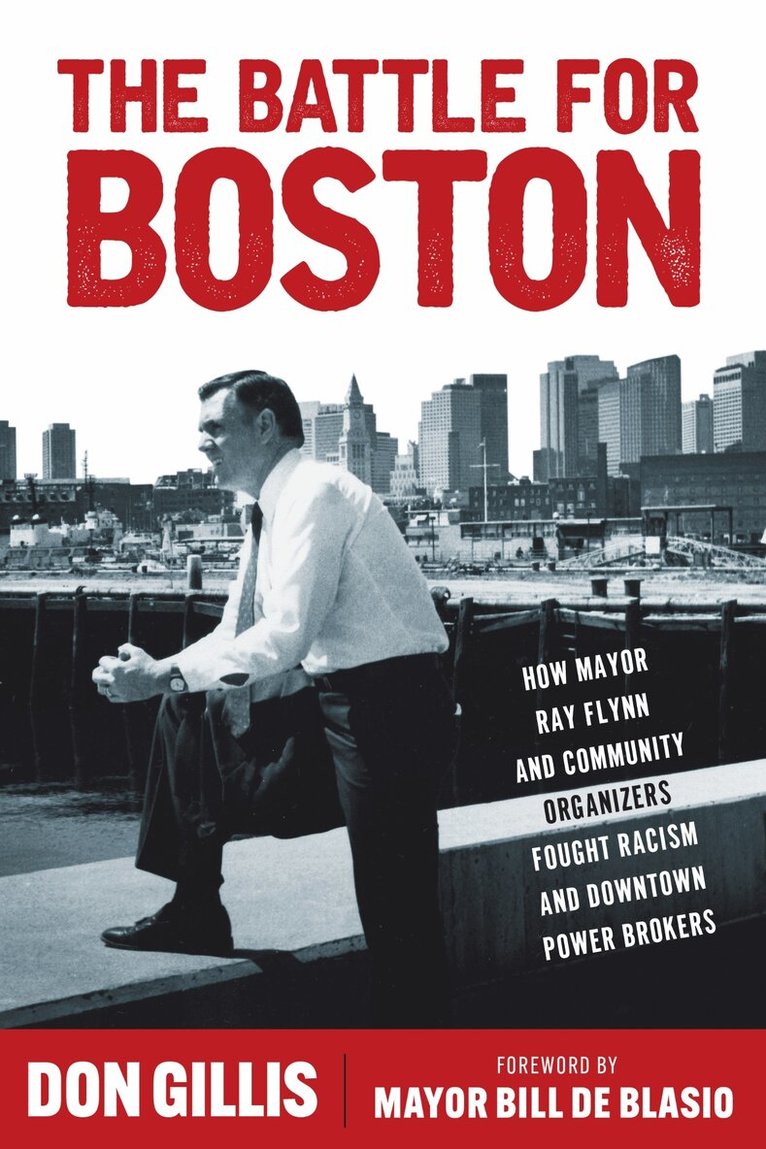
How Mayor Ray Flynn's leadership and a coalition of activists transformed Boston, challenging established powers and setting new precedents for urban governance The Battle for Boston captures the remarkable era under Mayor Ray Flynn, whose election in 1983 marked the beginning of a profound shift in the city's political and social landscape. Don Gillis, a Flynn senior advisor, chronicles the inspiring journey of a city that dared to challenge the entrenched power brokers—including developers, landlords, and banking industry leaders—through powerful grassroots campaigns.Gillis provides a vivid portrayal of the political dynamics and the coalition of community organizers, neighborhood leaders, and residents that played a pivotal role in rejecting the business-backed growth machine and the city's historically divisive racial politics. This book charts the strategic battles fought within the corridors of power and on the streets and highlights the substantial impact these movements had on the city's governance and power dynamics.In a historic turn, in 2021, Michelle Wu became the first woman, person of color, and Asian- American elected Mayor of Boston. Wu's victory on a similarly progressive platform as Flynn underscores the enduring relevance of his legacy, signaling a hopeful future for more inclusive and effectively governed cities.The Battle for Boston poses a critical inquiry: Can cities truly embrace progressivism and govern effectively in the twenty-first century? This qualitative narrative study is a testament to the possibility of such governance, driven by the indomitable spirit of those who strive for a fair and equitable society.
Inbunden, Engelska, 2026
1 165 kr
Skickas inom 10-15 vardagar
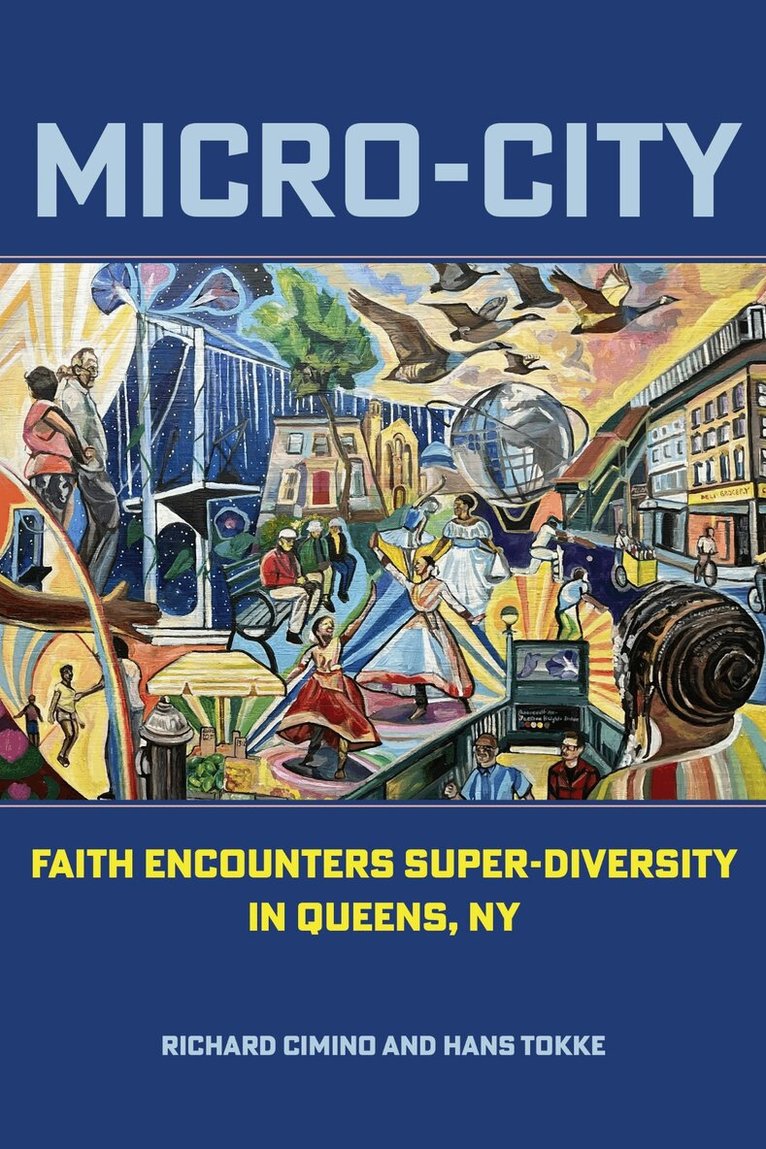
An on-the-ground study of how faith communities create belonging and build bridges across one of the most diverse urban landscapes in the worldMicro-City follows congregations, clergy, and everyday New Yorkers across twelve Queens neighborhoods to show how religious life both shelters difference and connects it in public. Blending theories from urban sociology and the sociology of religion with fieldwork, Richard Cimino and Hans Tokke map a borough where no single group is the majority and where people cluster into micro-communities that feel like home, yet still meet, trade, vote, and celebrate across lines of ethnicity, language, and creed.For readers interested in neighborhoods, culture, and faith, it offers a street-level tour of festivals, storefront churches, temples, parades, and parks. For scholars, students, and practitioners in urban studies, sociology of religion, and American studies, it sets out a usable framework for superdiversity grounded in interaction rituals and congregational niches, showing how bonding and bridging social capital take shape. Clergy, community organizers, and planners will find practical insights into how congregations act as specialist and generalist hubs, shaping neighborhood belonging, civic life, and cross-group cooperation.Readers encounter Little Guyana’s Liberty Avenue, Greek Astoria, Pan-Asian Bayside, Holy Hip-Hop in Hollis, Jain, Buddhist, and Hindu temples, and hipster Hunters Point. Along the way the authors introduce archetypes such as pastor- and pundit-preneurs, civic Catholicism and charismatics, Black-clergy groups, and show how religious culture influences neighborhood politics and everyday coexistence. The result is a field guide to how plural cities work, and how they can work better.
Häftad, Engelska, 2026
342 kr
Skickas
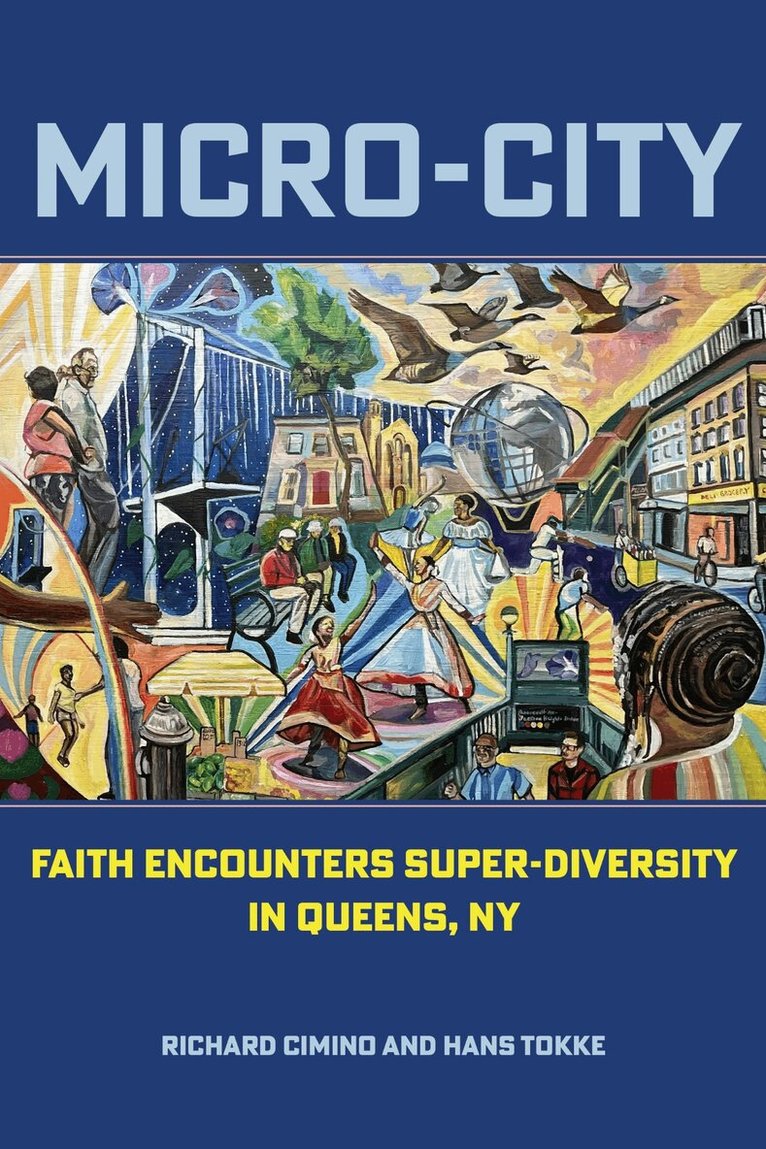
An on-the-ground study of how faith communities create belonging and build bridges across one of the most diverse urban landscapes in the worldMicro-City follows congregations, clergy, and everyday New Yorkers across twelve Queens neighborhoods to show how religious life both shelters difference and connects it in public. Blending theories from urban sociology and the sociology of religion with fieldwork, Richard Cimino and Hans Tokke map a borough where no single group is the majority and where people cluster into micro-communities that feel like home, yet still meet, trade, vote, and celebrate across lines of ethnicity, language, and creed.For readers interested in neighborhoods, culture, and faith, it offers a street-level tour of festivals, storefront churches, temples, parades, and parks. For scholars, students, and practitioners in urban studies, sociology of religion, and American studies, it sets out a usable framework for superdiversity grounded in interaction rituals and congregational niches, showing how bonding and bridging social capital take shape. Clergy, community organizers, and planners will find practical insights into how congregations act as specialist and generalist hubs, shaping neighborhood belonging, civic life, and cross-group cooperation.Readers encounter Little Guyana’s Liberty Avenue, Greek Astoria, Pan-Asian Bayside, Holy Hip-Hop in Hollis, Jain, Buddhist, and Hindu temples, and hipster Hunters Point. Along the way the authors introduce archetypes such as pastor- and pundit-preneurs, civic Catholicism and charismatics, Black-clergy groups, and show how religious culture influences neighborhood politics and everyday coexistence. The result is a field guide to how plural cities work, and how they can work better.
Inbunden, Engelska, 2026
1 165 kr
Skickas inom 10-15 vardagar
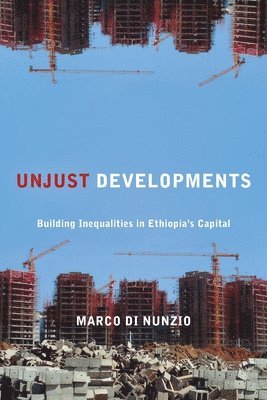
Why does injustice often deepen during moments of rapid urban growth? And what does the pursuit of more just urban futures look like when the realization of alternatives seems impossible?African cities have boomed over the last two decades. Large-scale infrastructure projects, high-rises, and real estate ventures have transformed urban landscapes. While urban poverty levels have declined, rising housing costs, stagnant wages, and forced evictions – twinned with political authoritarianism – have intensified precarity and injustice.Drawing on more than a decade of ethnographic research in construction sites, design offices, and new developments, anthropologist Marco Di Nunzio narrates the tensions animating the urban transformation that has reshaped Addis Ababa, Ethiopia’s capital, beyond recognition.Unjust Developments reminds us that city building in Addis Ababa, as elsewhere, is not only about economic accumulation. It is a moral project, rooted in the belief that modern infrastructure will generate opportunity and uplift the poor. These promises have often failed the poor. Commitments to infrastructure have given political leaders, investors, planners, developers, and architects the leverage to prioritize their own visions of development and dismiss demands for better wages and affordable housing as politically irrelevant or economically unviable. Government and corporate investments in the built environment have helped entrench unequal hierarchies of entitlement and rights.Yet city building remains a fragile achievement. It is marked by struggles not only between developers and displaced communities, or companies and workers, but also among the city builders themselves. Demands for a more just city and frictions within the building industry open space for rearticulating what counts as political necessity, moral action, expertise, and the future of development.In conversation with critical urbanism, anthropology, and moral philosophy, Unjust Developments offers a powerful account of city building as both a site of injustice and a terrain of struggle – where justice is not guaranteed, but persistently demanded.
Häftad, Engelska, 2026
374 kr
Skickas inom 5-8 vardagar
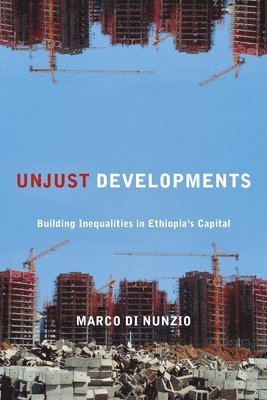
Why does injustice often deepen during moments of rapid urban growth? And what does the pursuit of more just urban futures look like when the realization of alternatives seems impossible?African cities have boomed over the last two decades. Large-scale infrastructure projects, high-rises, and real estate ventures have transformed urban landscapes. While urban poverty levels have declined, rising housing costs, stagnant wages, and forced evictions – twinned with political authoritarianism – have intensified precarity and injustice.Drawing on more than a decade of ethnographic research in construction sites, design offices, and new developments, anthropologist Marco Di Nunzio narrates the tensions animating the urban transformation that has reshaped Addis Ababa, Ethiopia’s capital, beyond recognition.Unjust Developments reminds us that city building in Addis Ababa, as elsewhere, is not only about economic accumulation. It is a moral project, rooted in the belief that modern infrastructure will generate opportunity and uplift the poor. These promises have often failed the poor. Commitments to infrastructure have given political leaders, investors, planners, developers, and architects the leverage to prioritize their own visions of development and dismiss demands for better wages and affordable housing as politically irrelevant or economically unviable. Government and corporate investments in the built environment have helped entrench unequal hierarchies of entitlement and rights.Yet city building remains a fragile achievement. It is marked by struggles not only between developers and displaced communities, or companies and workers, but also among the city builders themselves. Demands for a more just city and frictions within the building industry open space for rearticulating what counts as political necessity, moral action, expertise, and the future of development.In conversation with critical urbanism, anthropology, and moral philosophy, Unjust Developments offers a powerful account of city building as both a site of injustice and a terrain of struggle – where justice is not guaranteed, but persistently demanded.