Jean Halley - Böcker
Visar alla böcker från författaren Jean Halley. Handla med fri frakt och snabb leverans.
9 produkter
9 produkter
282 kr
Skickas inom 7-10 vardagar
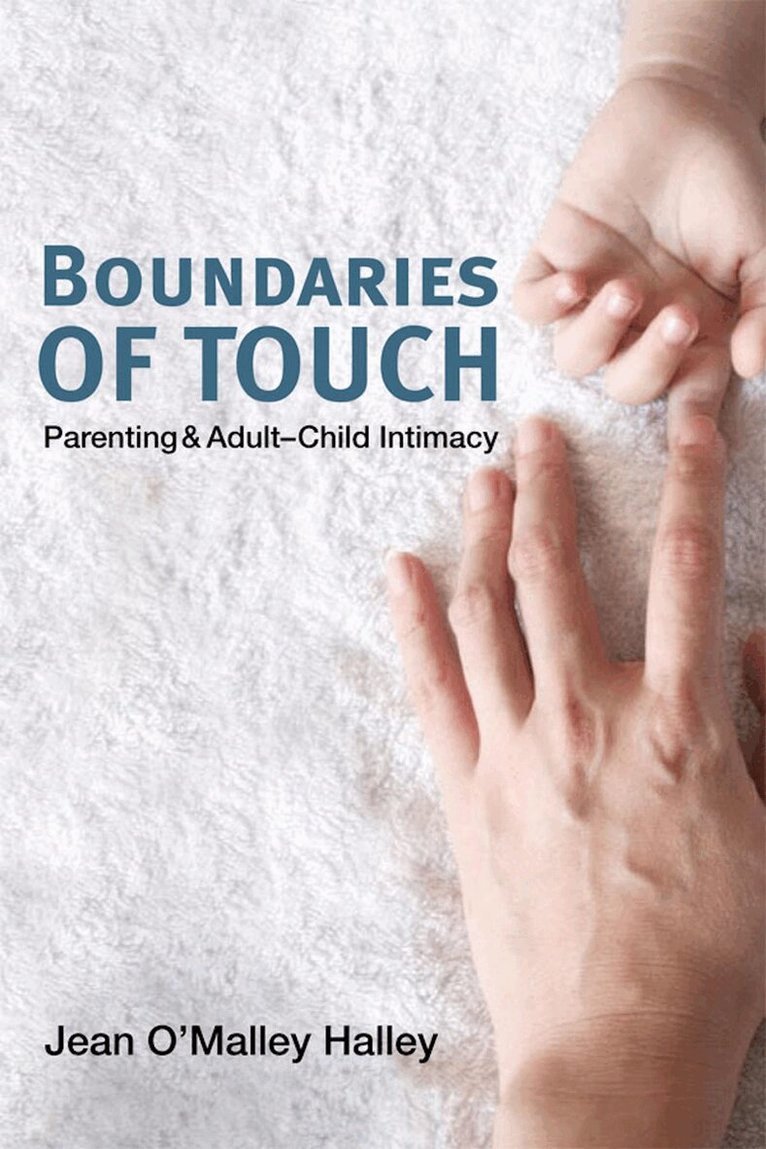
A history of the shifting and conflicting ideas about when, where, and how we should touch our childrenDiscussing issues of parent-child contact ranging from breastfeeding to sexual abuse, Jean O'Malley Halley traces the evolution of mainstream ideas about touching between adults and children over the course of the twentieth century in the United States. Debates over when a child should be weaned and whether to allow a child to sleep in the parent's bed reveal deep differences in conceptions of appropriate adult-child contact. Boundaries of Touch shows how arguments about adult-child touch have been politicized, simplified, and bifurcated into "naturalist" and "behaviorist" viewpoints, thereby sharpening certain binary constructions such as mind/body and male/female. Halley discusses the gendering of ideas about touch that were advanced by influential social scientists and parenting experts including Benjamin Spock, Alfred C. Kinsey, and Luther Emmett Holt. She also explores how touch ideology fared within and against the post-World War II feminist movements, especially with respect to issues of breastfeeding and sleeping with a child versus using a crib. In addition to contemporary periodicals and self-help books on child rearing, Halley uses information gathered from interviews she conducted with mothers ranging in age from twenty-eight to seventy-three. Throughout, she reveals how the parent-child relationship, far from being a private or benign subject, continues as a highly contested, politicized affair of keen public interest.
1 236 kr
Skickas inom 7-10 vardagar
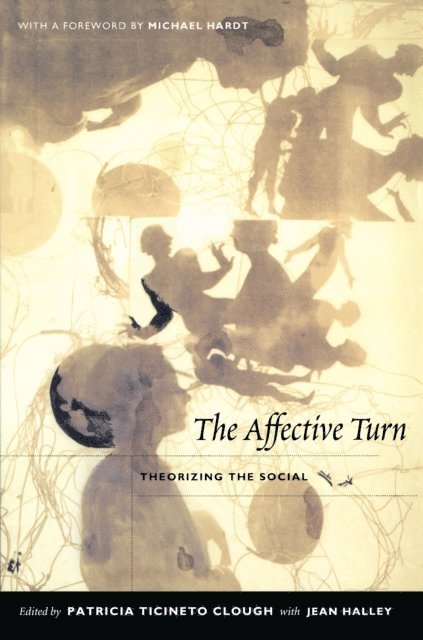
“The innovative essays in this volume . . . demonstrat[e] the potential of the perspective of the affects in a wide range of fields and with a variety of methodological approaches. Some of the essays . . . use fieldwork to investigate the functions of affects-among organized sex workers, health care workers, and in the modeling industry. Others employ the discourses of microbiology, thermodynamics, information sciences, and cinema studies to rethink the body and the affects in terms of technology. Still others explore the affects of trauma in the context of immigration and war. And throughout all the essays run serious theoretical reflections on the powers of the affects and the political possibilities they pose for research and practice.”-Michael Hardt, from the forewordIn the mid-1990s, scholars turned their attention toward the ways that ongoing political, economic, and cultural transformations were changing the realm of the social, specifically that aspect of it described by the notion of affect: pre-individual bodily forces, linked to autonomic responses, which augment or diminish a body’s capacity to act or engage with others. This “affective turn” and the new configurations of bodies, technology, and matter that it reveals, is the subject of this collection of essays. Scholars based in sociology, cultural studies, science studies, and women’s studies illuminate the movement in thought from a psychoanalytically informed criticism of subject identity, representation, and trauma to an engagement with information and affect; from a privileging of the organic body to an exploration of nonorganic life; and from the presumption of equilibrium-seeking closed systems to an engagement with the complexity of open systems under far-from-equilibrium conditions. Taken together, these essays suggest that attending to the affective turn is necessary to theorizing the social.Contributors. Jamie “Skye” Bianco, Grace M. Cho, Patricia Ticineto Clough, Melissa Ditmore, Ariel Ducey, Deborah Gambs, Karen Wendy Gilbert, Greg Goldberg, Jean Halley, Hosu Kim, David Staples, Craig Willse , Elizabeth Wissinger , Jonathan R. Wynn
360 kr
Skickas inom 7-10 vardagar
“The innovative essays in this volume . . . demonstrat[e] the potential of the perspective of the affects in a wide range of fields and with a variety of methodological approaches. Some of the essays . . . use fieldwork to investigate the functions of affects-among organized sex workers, health care workers, and in the modeling industry. Others employ the discourses of microbiology, thermodynamics, information sciences, and cinema studies to rethink the body and the affects in terms of technology. Still others explore the affects of trauma in the context of immigration and war. And throughout all the essays run serious theoretical reflections on the powers of the affects and the political possibilities they pose for research and practice.”-Michael Hardt, from the forewordIn the mid-1990s, scholars turned their attention toward the ways that ongoing political, economic, and cultural transformations were changing the realm of the social, specifically that aspect of it described by the notion of affect: pre-individual bodily forces, linked to autonomic responses, which augment or diminish a body’s capacity to act or engage with others. This “affective turn” and the new configurations of bodies, technology, and matter that it reveals, is the subject of this collection of essays. Scholars based in sociology, cultural studies, science studies, and women’s studies illuminate the movement in thought from a psychoanalytically informed criticism of subject identity, representation, and trauma to an engagement with information and affect; from a privileging of the organic body to an exploration of nonorganic life; and from the presumption of equilibrium-seeking closed systems to an engagement with the complexity of open systems under far-from-equilibrium conditions. Taken together, these essays suggest that attending to the affective turn is necessary to theorizing the social.Contributors. Jamie “Skye” Bianco, Grace M. Cho, Patricia Ticineto Clough, Melissa Ditmore, Ariel Ducey, Deborah Gambs, Karen Wendy Gilbert, Greg Goldberg, Jean Halley, Hosu Kim, David Staples, Craig Willse , Elizabeth Wissinger , Jonathan R. Wynn
1 373 kr
Skickas inom 10-15 vardagar
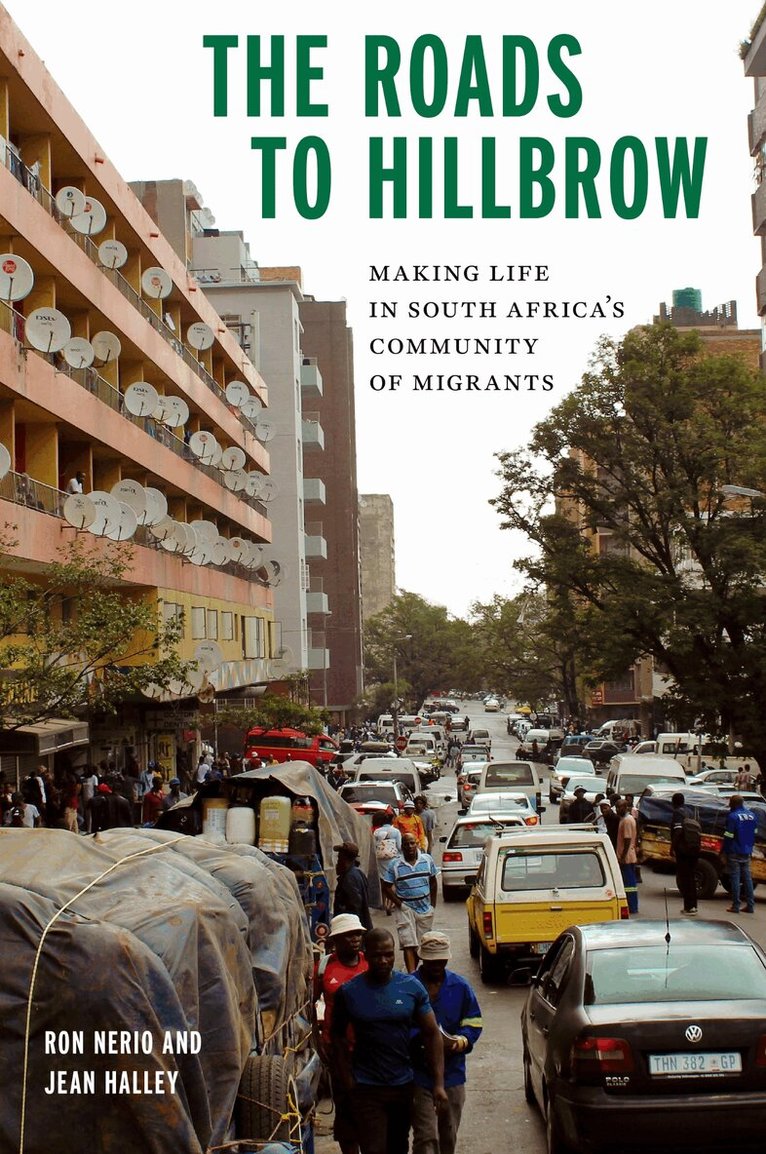
This highly accessible portrayal of a post-apartheid neighborhood in transition analyzes the relationship between identity, migration, and place.Since it was founded in 1894, amidst Johannesburg's transformation from a mining town into the largest city in southern Africa, Hillbrow has been a community of migrants. As the "city of gold" accumulated wealth on the backs of migrant laborers from southern Africa, Jewish Eastern Europeans who had fled pogroms joined other Europeans and white South Africans in this emerging suburb. After World War II, Hillbrow became a landscape of high-rises that lured western and southern Europeans seeking prosperity in South Africa's booming economy. By the 1980s, Hillbrow housed some of the most vibrant and visible queer spaces on the continent while also attracting thousands of Indian and Black South Africans who defied apartheid laws to live near the city center. Filling the void for a book about migration within the Global South, The Roads to Hillbrow explores how one South African neighborhood transformed from a white suburb under apartheid into a "grey zone" during the 1970s and 1980s to become a "port of entry" for people from at least twenty-five African countries. The Roads to Hillbrow explores the diverse experiences of domestic and transnational migrants who have made their way to this South African community following war, economic dislocation, and the social trauma of apartheid. Authors Ron Nerio and Jean Halley weave sociology, history, memoir, and queer studies with stories drawn from more than 100 interviews. Topics cover the search for employment, options for housing, support for unaccompanied minors, possibilities for queer expression, the creation of safe parks for children, and the challenges of living without documents. Current residents of Hillbrow also discuss how they cope with inequality, xenophobia, high levels of crime, and the harsh economic impacts of COVID-19.Many of the book's interviewees arrived in Hillbrow seeking not only to gain better futures for themselves but also to support family members in rural parts of South Africa or in their countries of origin. Some immerse themselves in justice work, while others develop LGBTQ+ support networks, join religious and community groups, or engage in artistic expression. By emphasizing the disparate voices of migrants and people who work with migrants, this book shows how the people of Hillbrow form connections and adapt to adversity.
371 kr
Skickas inom 7-10 vardagar
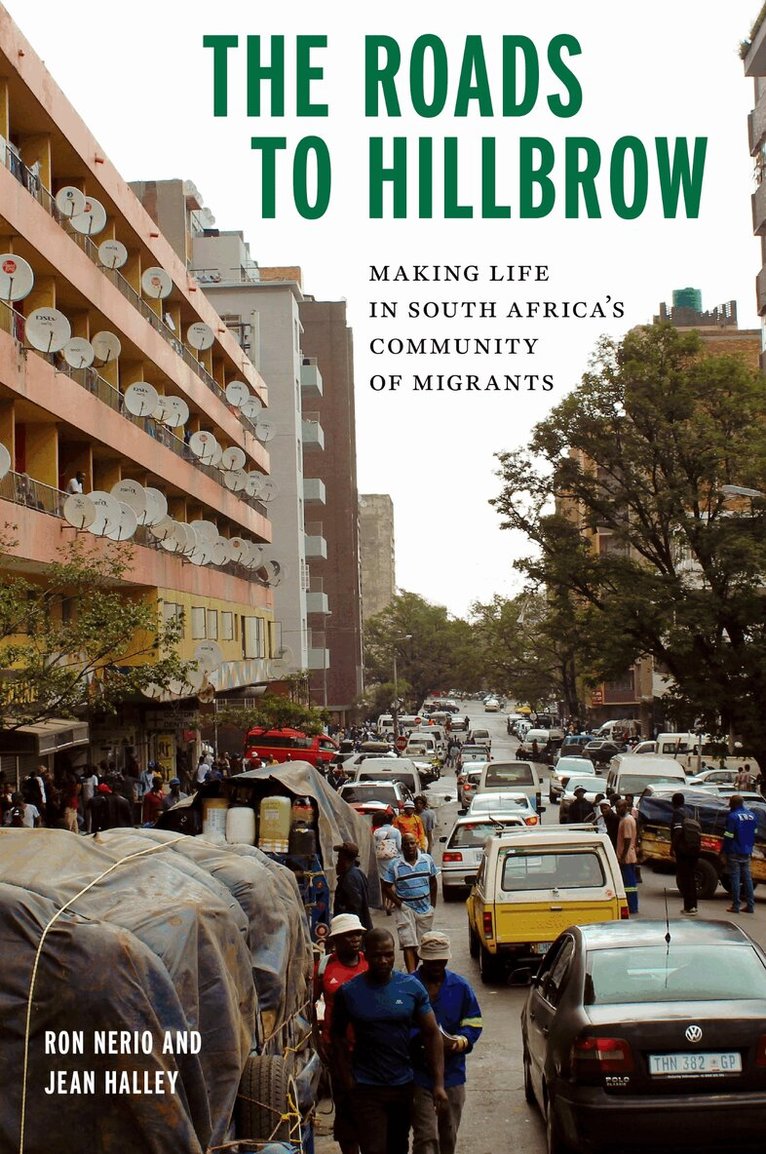
This highly accessible portrayal of a post-apartheid neighborhood in transition analyzes the relationship between identity, migration, and place.Since it was founded in 1894, amidst Johannesburg's transformation from a mining town into the largest city in southern Africa, Hillbrow has been a community of migrants. As the "city of gold" accumulated wealth on the backs of migrant laborers from southern Africa, Jewish Eastern Europeans who had fled pogroms joined other Europeans and white South Africans in this emerging suburb. After World War II, Hillbrow became a landscape of high-rises that lured western and southern Europeans seeking prosperity in South Africa's booming economy. By the 1980s, Hillbrow housed some of the most vibrant and visible queer spaces on the continent while also attracting thousands of Indian and Black South Africans who defied apartheid laws to live near the city center. Filling the void for a book about migration within the Global South, The Roads to Hillbrow explores how one South African neighborhood transformed from a white suburb under apartheid into a "grey zone" during the 1970s and 1980s to become a "port of entry" for people from at least twenty-five African countries. The Roads to Hillbrow explores the diverse experiences of domestic and transnational migrants who have made their way to this South African community following war, economic dislocation, and the social trauma of apartheid. Authors Ron Nerio and Jean Halley weave sociology, history, memoir, and queer studies with stories drawn from more than 100 interviews. Topics cover the search for employment, options for housing, support for unaccompanied minors, possibilities for queer expression, the creation of safe parks for children, and the challenges of living without documents. Current residents of Hillbrow also discuss how they cope with inequality, xenophobia, high levels of crime, and the harsh economic impacts of COVID-19.Many of the book's interviewees arrived in Hillbrow seeking not only to gain better futures for themselves but also to support family members in rural parts of South Africa or in their countries of origin. Some immerse themselves in justice work, while others develop LGBTQ+ support networks, join religious and community groups, or engage in artistic expression. By emphasizing the disparate voices of migrants and people who work with migrants, this book shows how the people of Hillbrow form connections and adapt to adversity.
1 045 kr
Skickas inom 10-15 vardagar
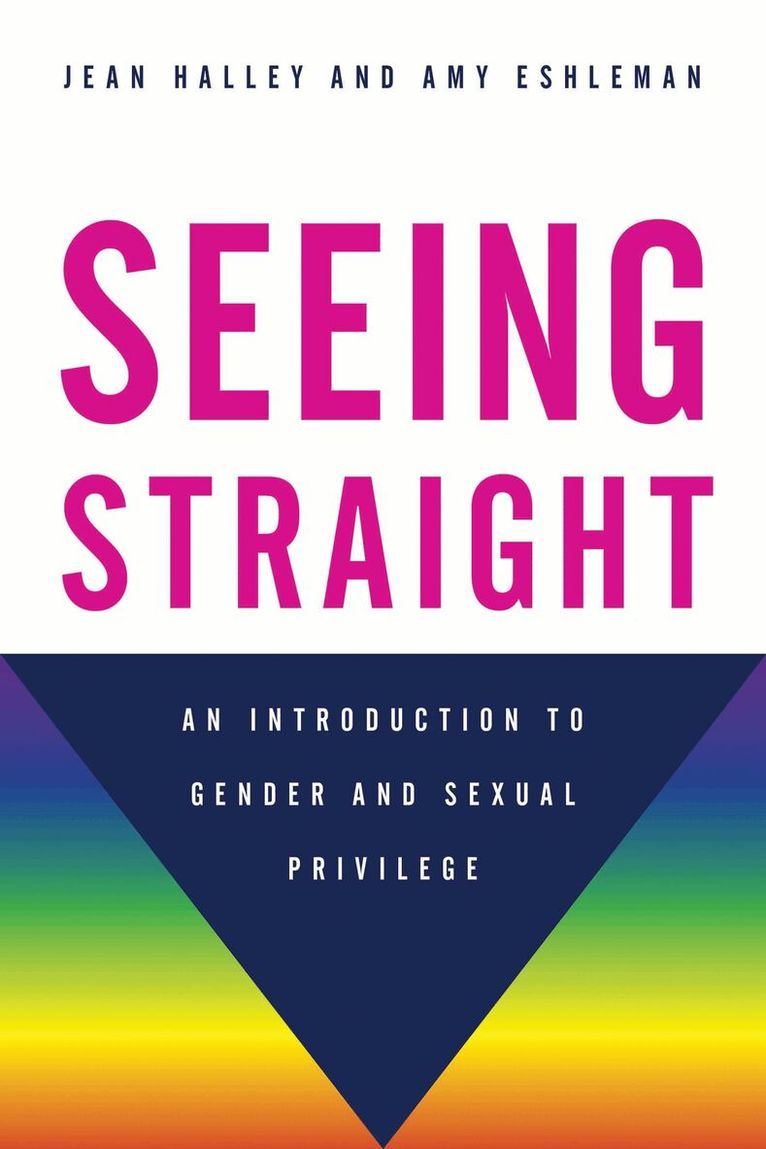
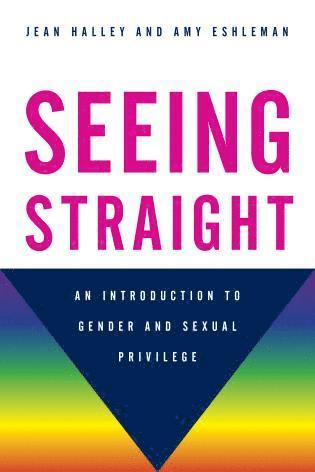
Seeing Straight introduces students to key concepts in gender and sexuality through the lens of privilege and power. After an accessible overview, the book asks students to examine the privilege inherent in approaching heterosexual and cisgender identities as “normal,” as well as the problems of treating queer gender and sexuality as “abnormal.” Compelling real-life examples illustrate theory and empirical research, revealing phenomena that shape not only students’ own lives, but also their communities, their country, and the field of gender studies itself. The book addresses tough topics like hate, violence, and privilege, and it also considers institutionalized heteronormativity through the military, law, religion, and more. The book ends with a chapter called “It’s Getting Better” that presents evidence for queer hope and courage. Filled with compelling true stories, this book is an ideal introduction to gender and sexuality that encourages students to question their own assumptions.
422 kr
Skickas inom 10-15 vardagar
Seeing Straight introduces students to key concepts in gender and sexuality through the lens of privilege and power. After an accessible overview, the book asks students to examine the privilege inherent in approaching heterosexual and cisgender identities as “normal,” as well as the problems of treating queer gender and sexuality as “abnormal.” Compelling real-life examples illustrate theory and empirical research, revealing phenomena that shape not only students’ own lives, but also their communities, their country, and the field of gender studies itself. The book addresses tough topics like hate, violence, and privilege, and it also considers institutionalized heteronormativity through the military, law, religion, and more. The book ends with a chapter called “It’s Getting Better” that presents evidence for queer hope and courage. Filled with compelling true stories, this book is an ideal introduction to gender and sexuality that encourages students to question their own assumptions.
1 209 kr
Skickas inom 10-15 vardagar
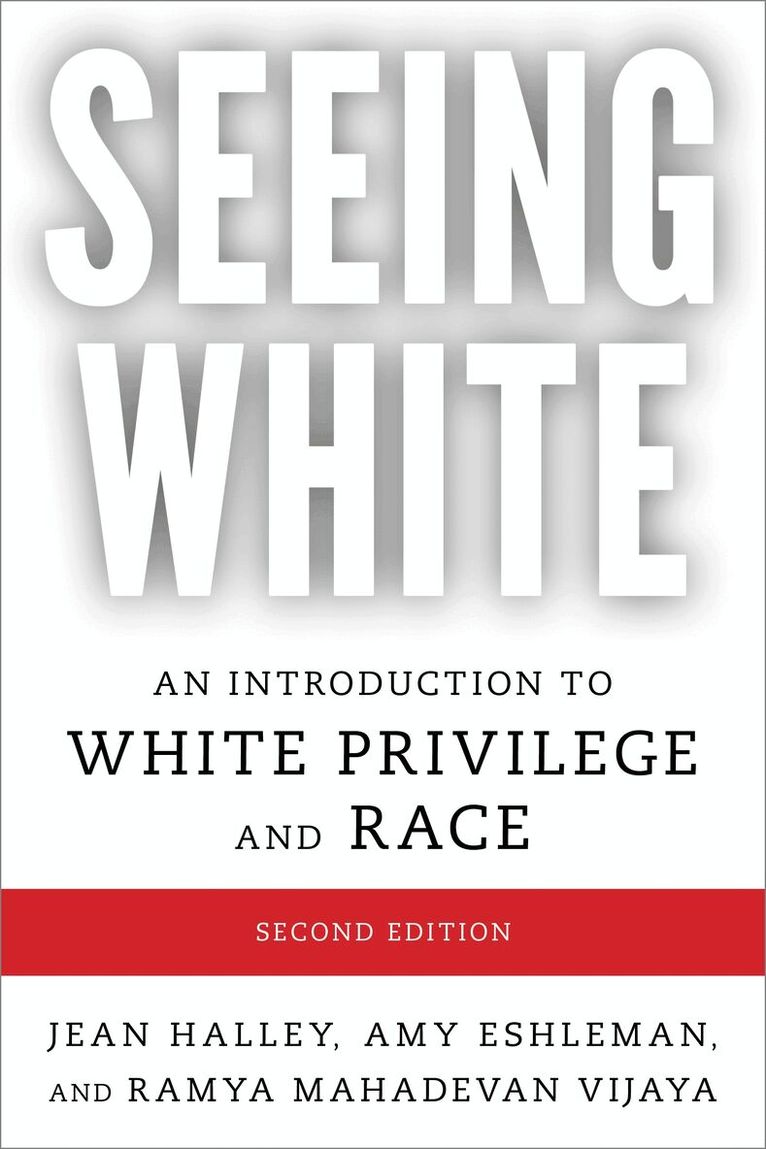
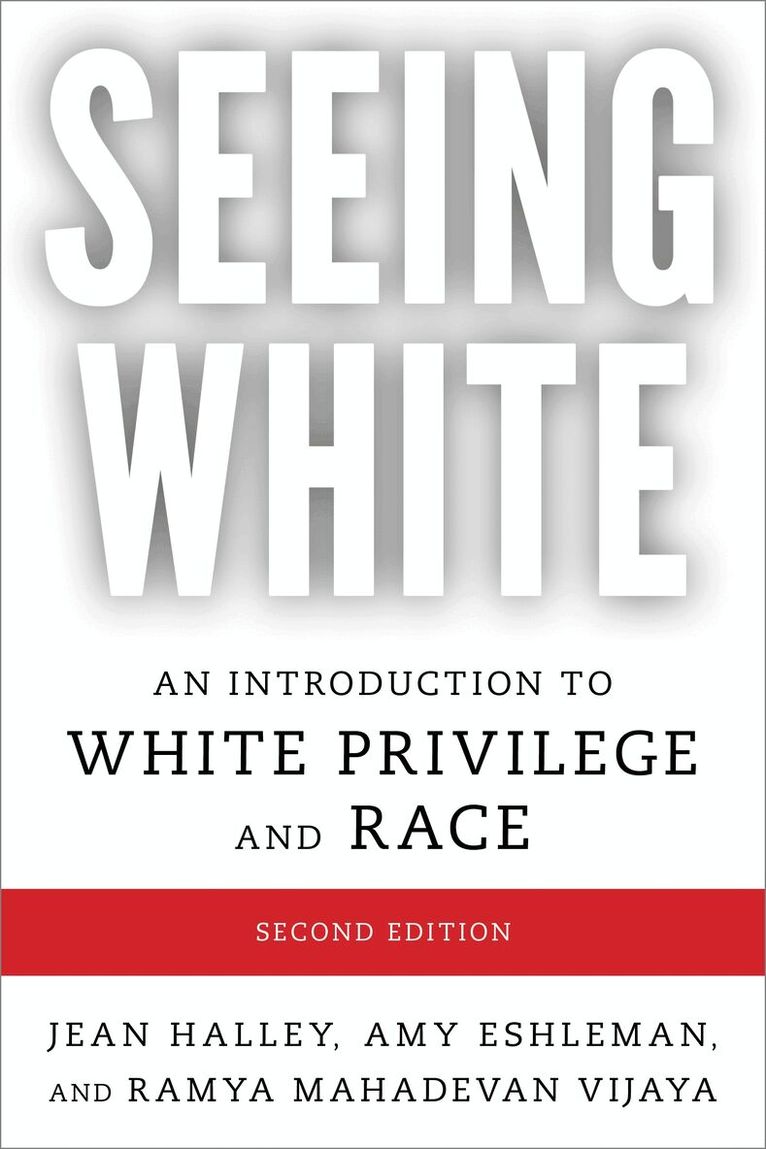
Seeing White: An Introduction to White Privilege and Race, Second Editionis an interdisciplinary, supplemental textbook that challenges undergraduate students to see race as everyone’s issue. The book’s early chapters establish a solid understanding of privilege and power, leading to a critical exploration of discrimination. The authors also draw upon key theoretical perspectives, such as cultural materialism, critical race theory, and the social construction of race to provide students with the tools to discuss racial privilege. The book’s interdisciplinary approach, including perspectives from sociology, psychology, history, and economics provides a holistic and accessible introduction to the challenging issue of race.Throughout the book, compelling, concrete examples and detailed definitions of terminology help students to understand theoretical perspectives and research evidence. Discussion questions at the end of each chapter encourage students to think critically about the theories and evidence, often prompting students to relate the material in the text to their own experiences. New to this EditionNew Chapter 4, “White Supremacy and Other Forms of Everyday Racism,” provides a history of white supremacy and its links to racism todayNew research on racial disparities in health equity helps debunk the idea of race as a biological category (Chapter 2)Revised Chapter 6, “Socioeconomic Class and White Privilege,” offers new material on the economic privilege of whiteness and the uneven distribution of American wealth Expanded history and discussion of Immigration laws including Chinese Exclusion Act, Immigration Act of 1924 and 1965 Hart-Celler Act present immigration in a global context and challenge anti-immigration rhetoric New as well as updated stories on exclusion from white spaces and the normativity of white culture engage students in critical reflection
488 kr
Skickas inom 10-15 vardagar
Seeing White: An Introduction to White Privilege and Race, Second Editionis an interdisciplinary, supplemental textbook that challenges undergraduate students to see race as everyone’s issue. The book’s early chapters establish a solid understanding of privilege and power, leading to a critical exploration of discrimination. The authors also draw upon key theoretical perspectives, such as cultural materialism, critical race theory, and the social construction of race to provide students with the tools to discuss racial privilege. The book’s interdisciplinary approach, including perspectives from sociology, psychology, history, and economics provides a holistic and accessible introduction to the challenging issue of race.Throughout the book, compelling, concrete examples and detailed definitions of terminology help students to understand theoretical perspectives and research evidence. Discussion questions at the end of each chapter encourage students to think critically about the theories and evidence, often prompting students to relate the material in the text to their own experiences. New to this EditionNew Chapter 4, “White Supremacy and Other Forms of Everyday Racism,” provides a history of white supremacy and its links to racism todayNew research on racial disparities in health equity helps debunk the idea of race as a biological category (Chapter 2)Revised Chapter 6, “Socioeconomic Class and White Privilege,” offers new material on the economic privilege of whiteness and the uneven distribution of American wealth Expanded history and discussion of Immigration laws including Chinese Exclusion Act, Immigration Act of 1924 and 1965 Hart-Celler Act present immigration in a global context and challenge anti-immigration rhetoric New as well as updated stories on exclusion from white spaces and the normativity of white culture engage students in critical reflection