Marco Di Nunzio - Böcker
Visar alla böcker från författaren Marco Di Nunzio. Handla med fri frakt och snabb leverans.
4 produkter
4 produkter
1 597 kr
Skickas inom 10-15 vardagar
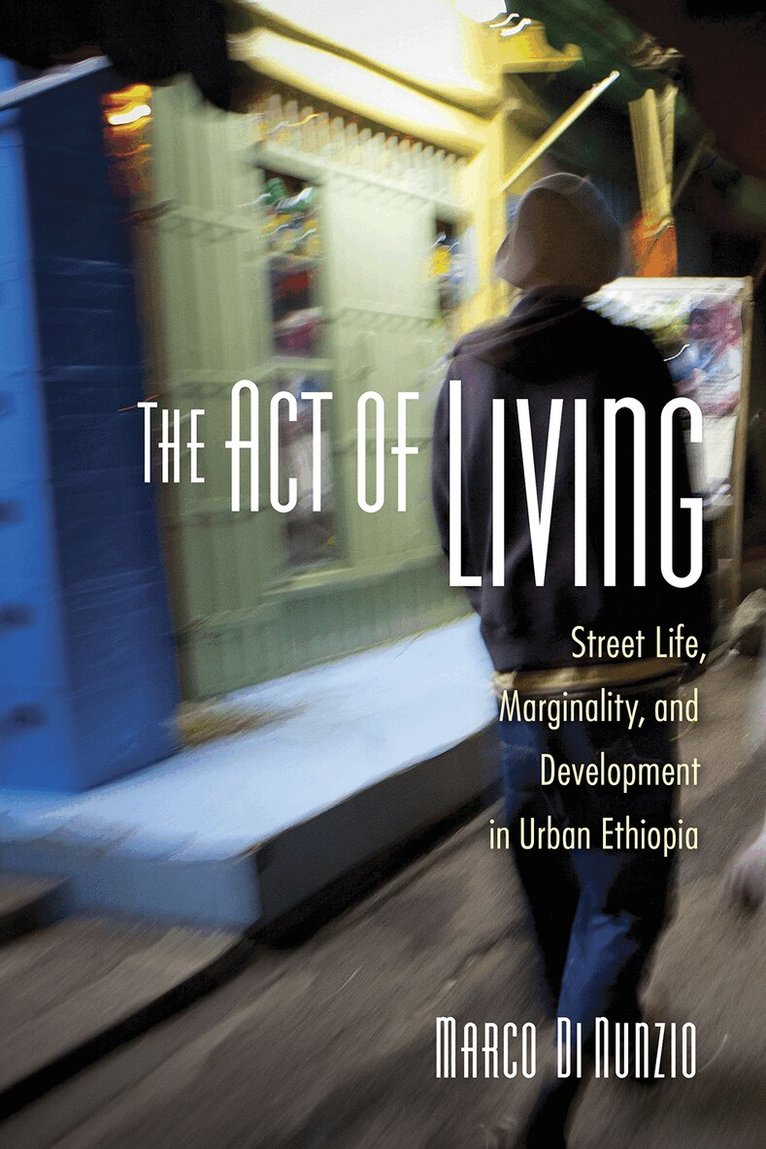
The Act of Living explores the relation between development and marginality in Ethiopia, one of the fastest growing economies in Africa. Replete with richly depicted characters and multi-layered narratives on history, everyday life and visions of the future, Marco Di Nunzio's ethnography of hustling and street life is an investigation of what is to live, hope and act in the face of the failing promises of development and change. Di Nunzio follows the life trajectories of two men, "Haile" and "Ibrahim," as they grow up in the Ethiopian capital Addis Ababa, enter street life to get by, and turn to the city's expanding economies of work and entrepreneurship to search for a better life. Apparently favourable circumstances of development have not helped them achieve social improvement. As their condition of marginality endures, the two men embark in restless attempts to transform living into a site for hope and possibility.By narrating Haile and Ibrahim's lives, The Act of Living explores how and why development continues to fail the poor, how marginality is understood and acted upon in a time of promise, and why poor people's claims for open-endedness can lead to better and more just alternative futures. Tying together anthropology, African studies, political science, and urban studies, Di Nunzio takes readers on a bold exploration of the meaning of existence, hope, marginality, and street life.
446 kr
Skickas inom 10-15 vardagar
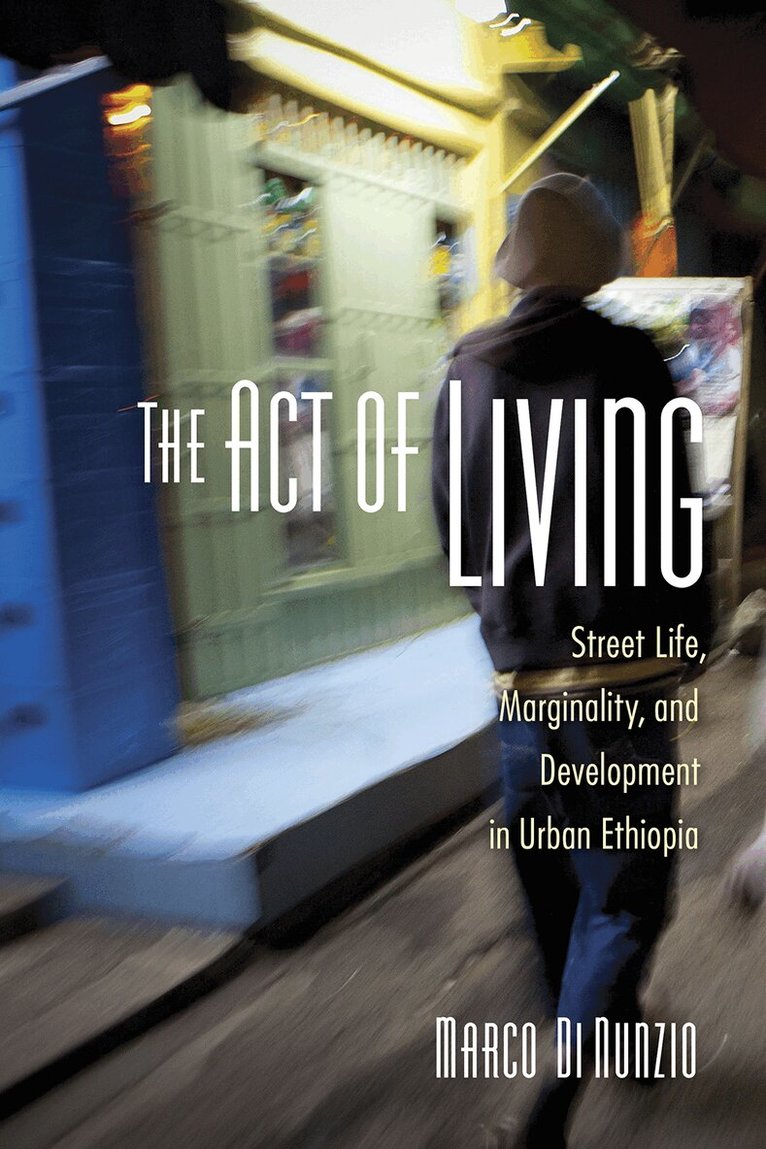
The Act of Living explores the relation between development and marginality in Ethiopia, one of the fastest growing economies in Africa. Replete with richly depicted characters and multi-layered narratives on history, everyday life and visions of the future, Marco Di Nunzio's ethnography of hustling and street life is an investigation of what is to live, hope and act in the face of the failing promises of development and change. Di Nunzio follows the life trajectories of two men, "Haile" and "Ibrahim," as they grow up in the Ethiopian capital Addis Ababa, enter street life to get by, and turn to the city's expanding economies of work and entrepreneurship to search for a better life. Apparently favourable circumstances of development have not helped them achieve social improvement. As their condition of marginality endures, the two men embark in restless attempts to transform living into a site for hope and possibility.By narrating Haile and Ibrahim's lives, The Act of Living explores how and why development continues to fail the poor, how marginality is understood and acted upon in a time of promise, and why poor people's claims for open-endedness can lead to better and more just alternative futures. Tying together anthropology, African studies, political science, and urban studies, Di Nunzio takes readers on a bold exploration of the meaning of existence, hope, marginality, and street life.
1 125 kr
Skickas inom 10-15 vardagar
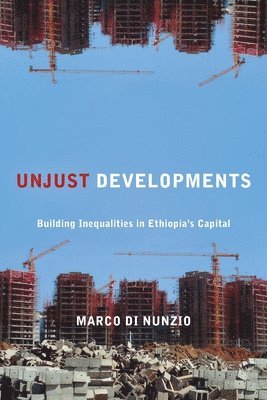
Why does injustice often deepen during moments of rapid urban growth? And what does the pursuit of more just urban futures look like when the realization of alternatives seems impossible?African cities have boomed over the last two decades. Large-scale infrastructure projects, high-rises, and real estate ventures have transformed urban landscapes. While urban poverty levels have declined, rising housing costs, stagnant wages, and forced evictions – twinned with political authoritarianism – have intensified precarity and injustice.Drawing on more than a decade of ethnographic research in construction sites, design offices, and new developments, anthropologist Marco Di Nunzio narrates the tensions animating the urban transformation that has reshaped Addis Ababa, Ethiopia’s capital, beyond recognition.Unjust Developments reminds us that city building in Addis Ababa, as elsewhere, is not only about economic accumulation. It is a moral project, rooted in the belief that modern infrastructure will generate opportunity and uplift the poor. These promises have often failed the poor. Commitments to infrastructure have given political leaders, investors, planners, developers, and architects the leverage to prioritize their own visions of development and dismiss demands for better wages and affordable housing as politically irrelevant or economically unviable. Government and corporate investments in the built environment have helped entrench unequal hierarchies of entitlement and rights.Yet city building remains a fragile achievement. It is marked by struggles not only between developers and displaced communities, or companies and workers, but also among the city builders themselves. Demands for a more just city and frictions within the building industry open space for rearticulating what counts as political necessity, moral action, expertise, and the future of development.In conversation with critical urbanism, anthropology, and moral philosophy, Unjust Developments offers a powerful account of city building as both a site of injustice and a terrain of struggle – where justice is not guaranteed, but persistently demanded.
361 kr
Skickas inom 7-10 vardagar
Why does injustice often deepen during moments of rapid urban growth? And what does the pursuit of more just urban futures look like when the realization of alternatives seems impossible?African cities have boomed over the last two decades. Large-scale infrastructure projects, high-rises, and real estate ventures have transformed urban landscapes. While urban poverty levels have declined, rising housing costs, stagnant wages, and forced evictions – twinned with political authoritarianism – have intensified precarity and injustice.Drawing on more than a decade of ethnographic research in construction sites, design offices, and new developments, anthropologist Marco Di Nunzio narrates the tensions animating the urban transformation that has reshaped Addis Ababa, Ethiopia’s capital, beyond recognition.Unjust Developments reminds us that city building in Addis Ababa, as elsewhere, is not only about economic accumulation. It is a moral project, rooted in the belief that modern infrastructure will generate opportunity and uplift the poor. These promises have often failed the poor. Commitments to infrastructure have given political leaders, investors, planners, developers, and architects the leverage to prioritize their own visions of development and dismiss demands for better wages and affordable housing as politically irrelevant or economically unviable. Government and corporate investments in the built environment have helped entrench unequal hierarchies of entitlement and rights.Yet city building remains a fragile achievement. It is marked by struggles not only between developers and displaced communities, or companies and workers, but also among the city builders themselves. Demands for a more just city and frictions within the building industry open space for rearticulating what counts as political necessity, moral action, expertise, and the future of development.In conversation with critical urbanism, anthropology, and moral philosophy, Unjust Developments offers a powerful account of city building as both a site of injustice and a terrain of struggle – where justice is not guaranteed, but persistently demanded.