Post-Conflict Law and Justice – serie
Visar alla böcker i serien Post-Conflict Law and Justice. Handla med fri frakt och snabb leverans.
14 produkter
14 produkter
Häftad, Engelska, 2020
574 kr
Skickas inom 10-15 vardagar
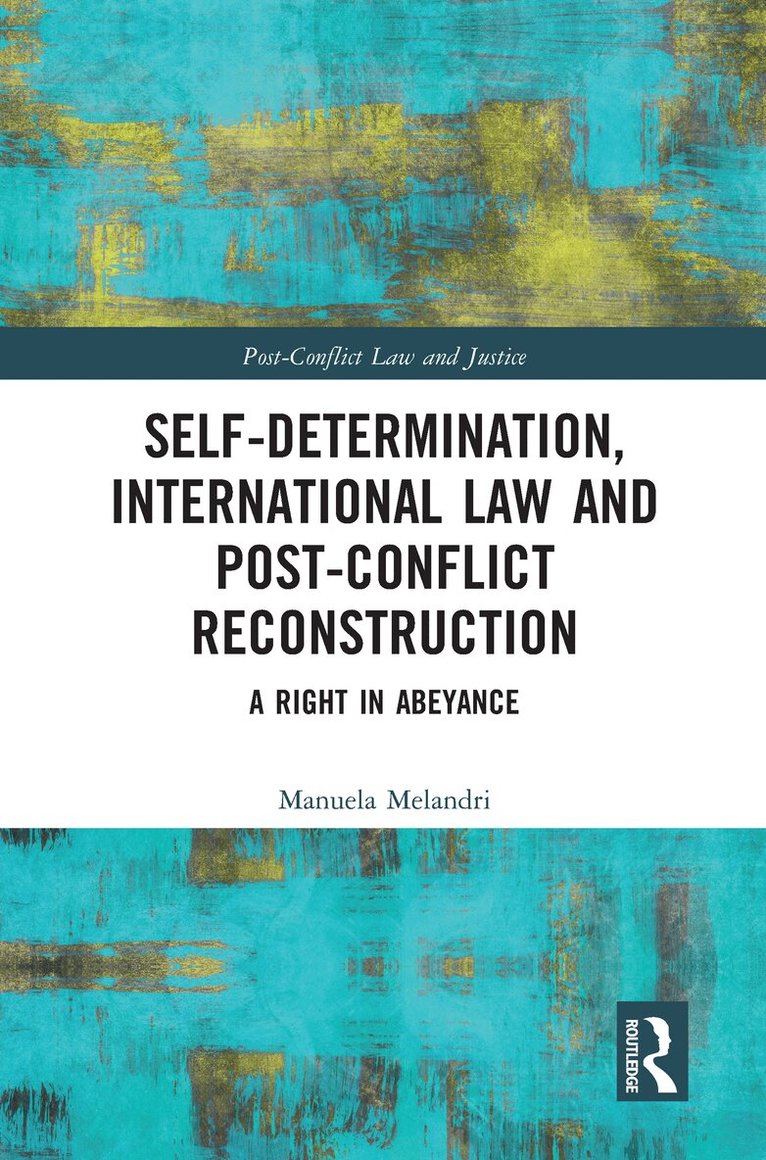
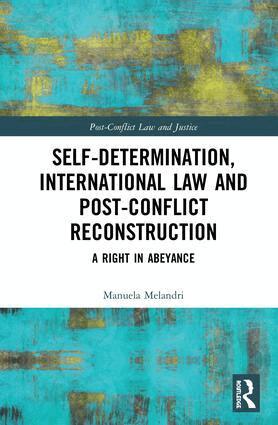
The right to self-determination has played a crucial role in the process of assisting oppressed people to put an end to colonial domination. Outside of the decolonization context, however, its relevance and application has constantly been challenged and debated. This book examines the role played by self-determination in international law with regard to post-conflict state building. It discusses the question of whether self-determination protects local populations from the intervention of international state-builders in domestic affairs. With a focus on the right as it applies to the people of an independent state, it explores how self-determination concerns that arise in the post-conflict period play out in relation to the reconstruction process. The book analyses the situation in Somalia as a means of drawing out the impact and significance of the legal principle of self-determination in the process of rebuilding post-conflict institutions. In so doing, it seeks to highlight how the relevance of self-determination is often overlooked in this context.
Häftad, Engelska, 2020
600 kr
Skickas inom 10-15 vardagar
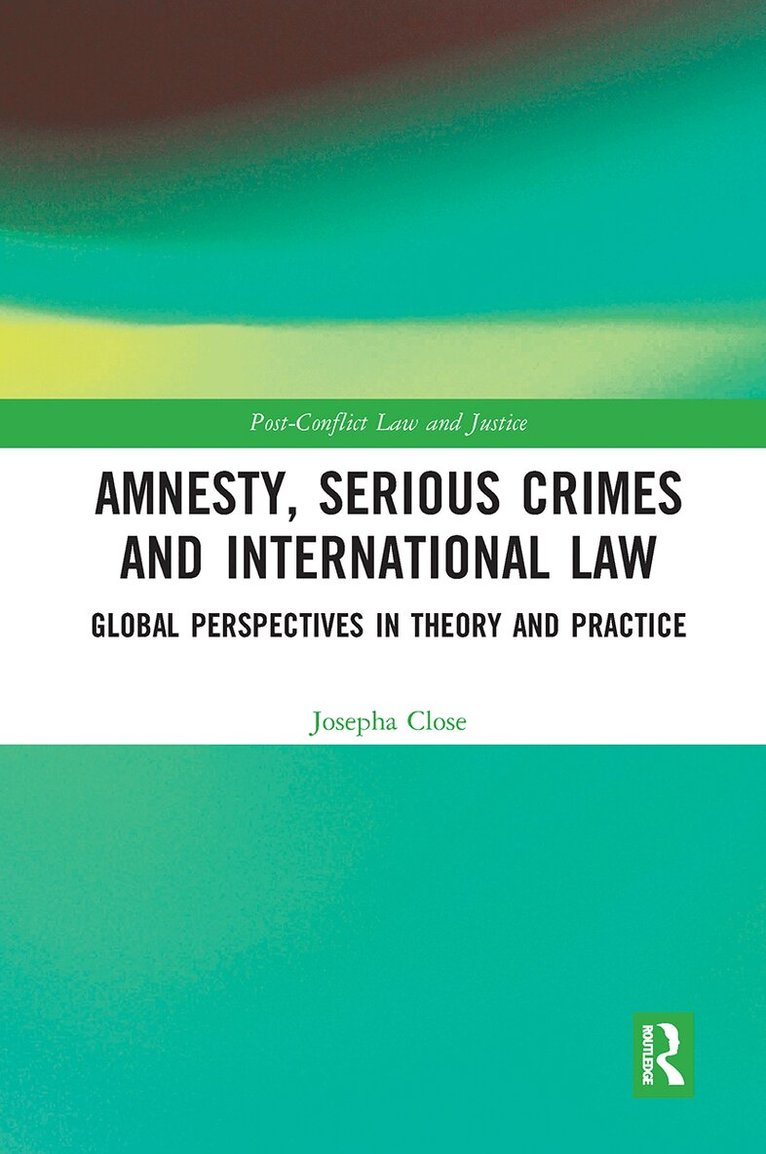
Amnesty, Serious Crimes and International Law examines the permissibility of amnesties for serious crimes in the contemporary international order. In the last few decades, there has been a growing tendency to consider that amnesties are prohibited in respect of certain grave crimes. However, the question remains controversial as there is no explicit treaty ban and general amnesties continue to be frequently issued in post-conflict and transitional contexts. The first part of the book explores the use of amnesties from antiquity to the present day. It reviews amnesty traditions in ancient societies and provides a global picture of modern amnesties. In parallel, it traces the development of the accountability paradigm underpinning the current prohibitive stance on amnesties. The second part assesses the position of modern international law on amnesties. It comprehensively analyses the main arguments supporting the existence of a general amnesty ban, including the duty to prosecute international crimes, the right to redress of victims of human rights violations, international standards and trends in state practice, and the mandate of international criminal courts. The book argues that, while international legal or policy requirements restrict the freedom of states to extend amnesty in respect of serious crimes, or the effectiveness of amnesty measures in preventing the prosecution of such crimes, these restrictions do not add up to an absolute and universal prohibition.
Häftad, Engelska, 2019
574 kr
Skickas inom 10-15 vardagar
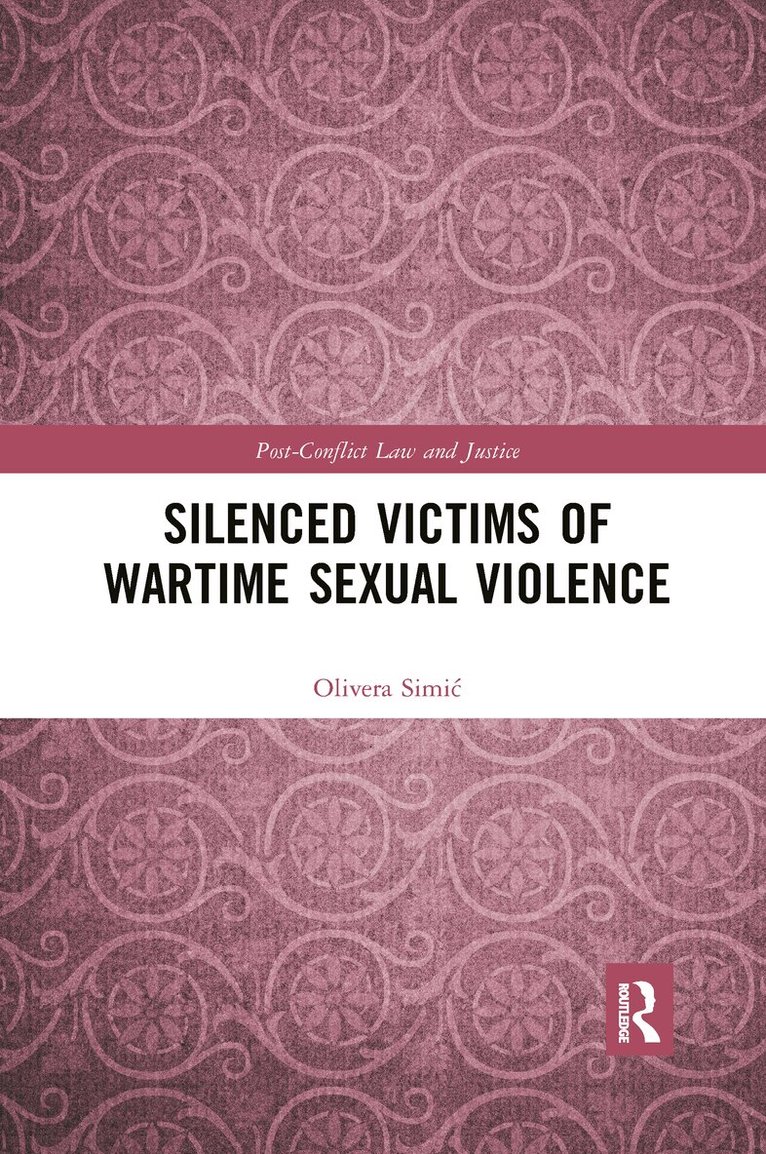
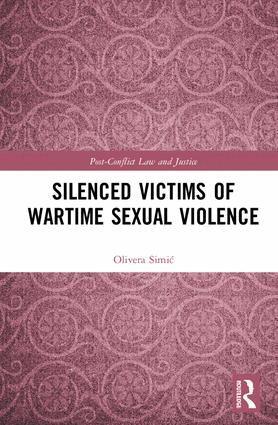
The condemnation of wartime sexual violence as a gross violation of human rights has received widespread support. While rape and other forms of sexual violence have attracted considerable local and international attention, this often excludes wartime sexual violence among women belonging to so-called ‘perpetrator’ war-torn nations. This book explores the silence surrounding women’s experiences of wartime sexual violence within academic, legal and public discourses. Olivera Simić argues that the international criminal law and feminist legal discourse on wartime sexual violence can construct a problematic victim hierarchy that excludes and misrecognises certain women’s experiences of sexual violence during and after armed conflict. The book focuses on the experiences of Bosnian Serb women, where the collapse of the former Yugoslavia led to brutal war and gross human rights violations throughout the 1990s. Two decades after the war, women in Bosnia and Herzegovina are still facing the legacies of the violence in the 1990s. Through this case Simić argues that while all women survivors of rape face problems of stigma, shame and lack of political visibility, their legal and symbolic status differ according to their ethno-national identity.Drawing on interviews with Bosnian Serb women survivors of rape in Bosnia and Herzegovina, feminist activists, local media, documentary and archival sources, the book examines ‘post-conflict justice’ as it is seen, lived and interpreted by women who belong to ‘perpetrator’ nations and will be of great interest and use to researchers, students and practitioners within post-conflict law and justice, international criminal law, security studies and gender studies.
Häftad, Engelska, 2021
574 kr
Skickas inom 10-15 vardagar
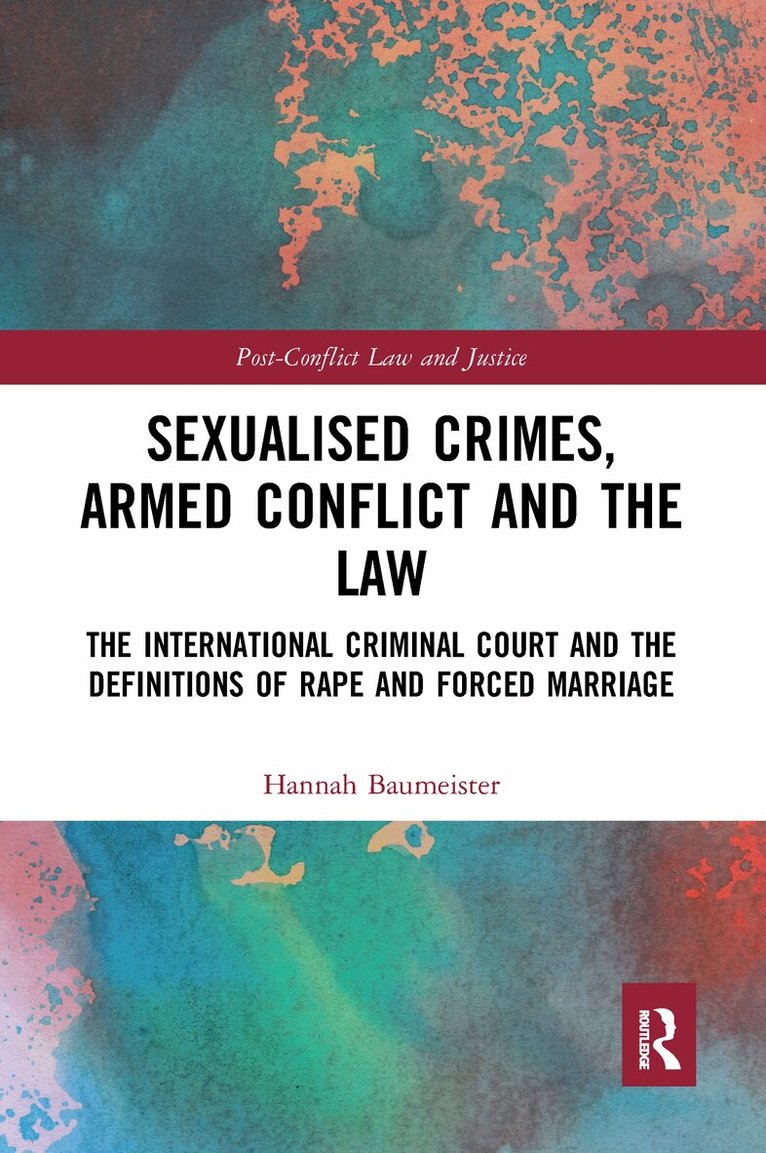
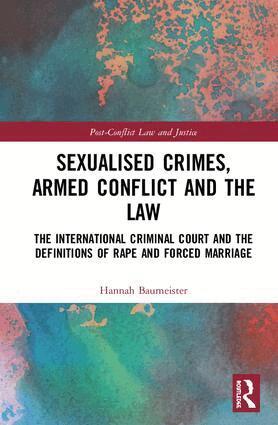
From ancient to modern times, sexualised war violence against women was tolerated if not encouraged as a means of reward, propaganda, humiliation, and terror. This was and is in defiance of international laws that have criminalised acts of sexualised war violence since the 18th century. Ad hoc international tribunals have addressed especially war rape since the 15th century. The International Criminal Court (ICC), however, is the first independent, permanent, international criminal court that recognises not only war rape but also sexual slavery and other sexualised crimes as crimes against humanity, war crimes, and acts of genocide in its statute and supporting documents.This book explores how the ICC definitions of rape and forced marriage came about, and addresses the ongoing challenge of how to define war rape and forced marriage in times of armed conflict in a way that adequately reflects women’s experiences, as well as the nature of the crimes. In addition to deepening the understanding of the ICC negotiations of war rape and forced marriage, and of the crimes themselves, this volume highlights relevant factors that need to be considered when criminalising acts of sexualised war violence under international law.Sexualised Crimes, Armed Conflict and the Law draws on feminist and constructivist theories and offers a comprehensive theoretical and empirical examination of the definition of rape and forced marriage. It presents the latest state of knowledge on the topic and will be of interest to researchers, academics, policymakers, officials and intergovernmental organisations, and students in the fields of post-conflict law and justice, international law, human rights law, international relations, gender studies, politics, and criminology.
Inbunden, Engelska, 2019
1 963 kr
Skickas inom 10-15 vardagar
Amnesty, Serious Crimes and International Law examines the permissibility of amnesties for serious crimes in the contemporary international order. In the last few decades, there has been a growing tendency to consider that amnesties are prohibited in respect of certain grave crimes. However, the question remains controversial as there is no explicit treaty ban and general amnesties continue to be frequently issued in post-conflict and transitional contexts. The first part of the book explores the use of amnesties from antiquity to the present day. It reviews amnesty traditions in ancient societies and provides a global picture of modern amnesties. In parallel, it traces the development of the accountability paradigm underpinning the current prohibitive stance on amnesties. The second part assesses the position of modern international law on amnesties. It comprehensively analyses the main arguments supporting the existence of a general amnesty ban, including the duty to prosecute international crimes, the right to redress of victims of human rights violations, international standards and trends in state practice, and the mandate of international criminal courts. The book argues that, while international legal or policy requirements restrict the freedom of states to extend amnesty in respect of serious crimes, or the effectiveness of amnesty measures in preventing the prosecution of such crimes, these restrictions do not add up to an absolute and universal prohibition.
Inbunden, Engelska, 2021
1 963 kr
Skickas inom 10-15 vardagar
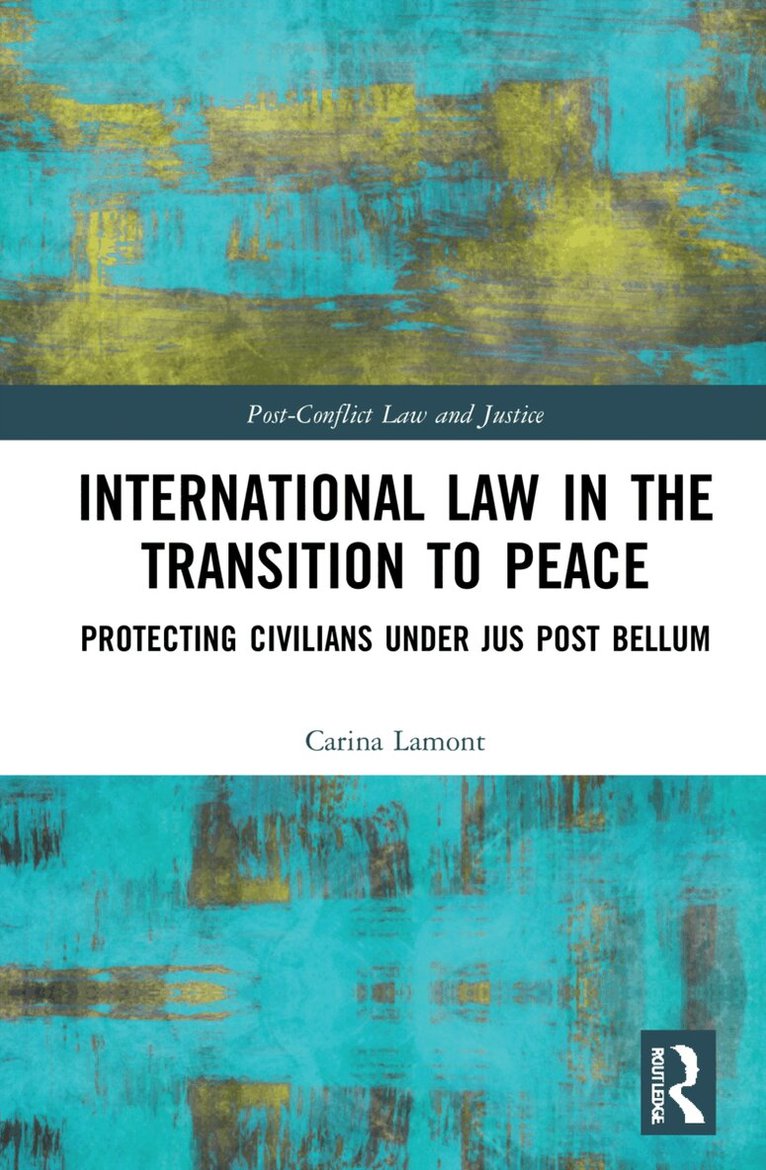
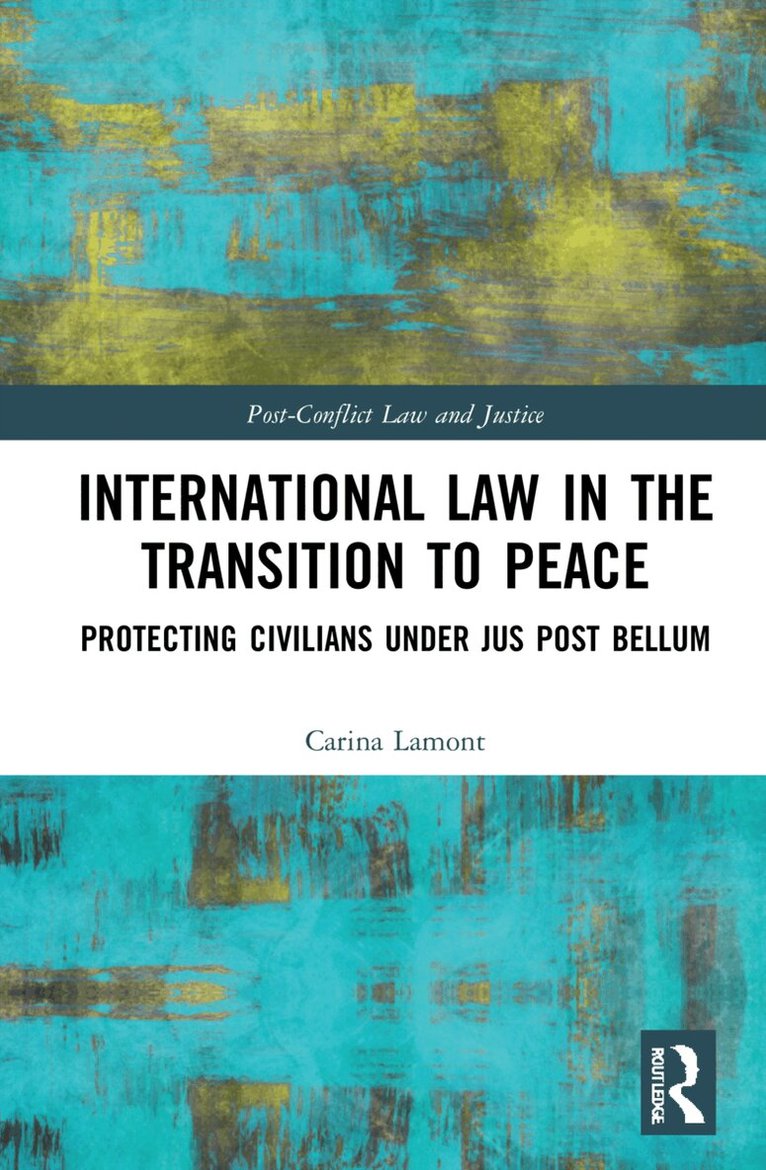
This book proposes a normative framework specifically designed for the complex and legally uncertain time period between armed conflicts and peace. As such, it contributes both to the furthering of a jus post bellum framework, and to enhanced legal clarity in complex and legally uncertain environments. This, in turn, contributes to strengthened protection engagements, and thus to improved prospects of enabling sustainable peace and security in both national and international perspectives. The book offers a novel but persuasive argument for a legal framework specific for transitional environments. Such legal framework, it is argued, is warranted in order to enable legal clarity to contemporary and outstanding legal issues, as well as to furthering peace efforts in complex environments. The legal framework suggested proposes a dividing line between applicable legal frameworks that, it is submitted, enhances both legal clarity on protection engagements and the quest for sustainable peace. The framework proposed is founded on a legal analysis of the protective nature and function of law. It thus provides a rare but important perspective on law that is of value in the quest for sustainable peace and security. The research draws uniquely on both contemporary legal debates, and on peace and conflict research. It does so in order to enable legal analysis that is both legally sound, as well as appropriate and adequate in today’s peace and security realities. The book provides a valuable resource for academics, researchers and policy-makers in the areas of Public International Law, International Humanitarian Law, International Human Rights Law, (the law of) Peace Operations, and Peace and Security Studies.
Häftad, Engelska, 2023
574 kr
Skickas inom 10-15 vardagar
This book proposes a normative framework specifically designed for the complex and legally uncertain time period between armed conflicts and peace. As such, it contributes both to the furthering of a jus post bellum framework, and to enhanced legal clarity in complex and legally uncertain environments. This, in turn, contributes to strengthened protection engagements, and thus to improved prospects of enabling sustainable peace and security in both national and international perspectives. The book offers a novel but persuasive argument for a legal framework specific for transitional environments. Such legal framework, it is argued, is warranted in order to enable legal clarity to contemporary and outstanding legal issues, as well as to furthering peace efforts in complex environments. The legal framework suggested proposes a dividing line between applicable legal frameworks that, it is submitted, enhances both legal clarity on protection engagements and the quest for sustainable peace. The framework proposed is founded on a legal analysis of the protective nature and function of law. It thus provides a rare but important perspective on law that is of value in the quest for sustainable peace and security. The research draws uniquely on both contemporary legal debates, and on peace and conflict research. It does so in order to enable legal analysis that is both legally sound, as well as appropriate and adequate in today’s peace and security realities. The book provides a valuable resource for academics, researchers and policy-makers in the areas of Public International Law, International Humanitarian Law, International Human Rights Law, (the law of) Peace Operations, and Peace and Security Studies.
Häftad, Engelska, 2021
574 kr
Skickas inom 10-15 vardagar
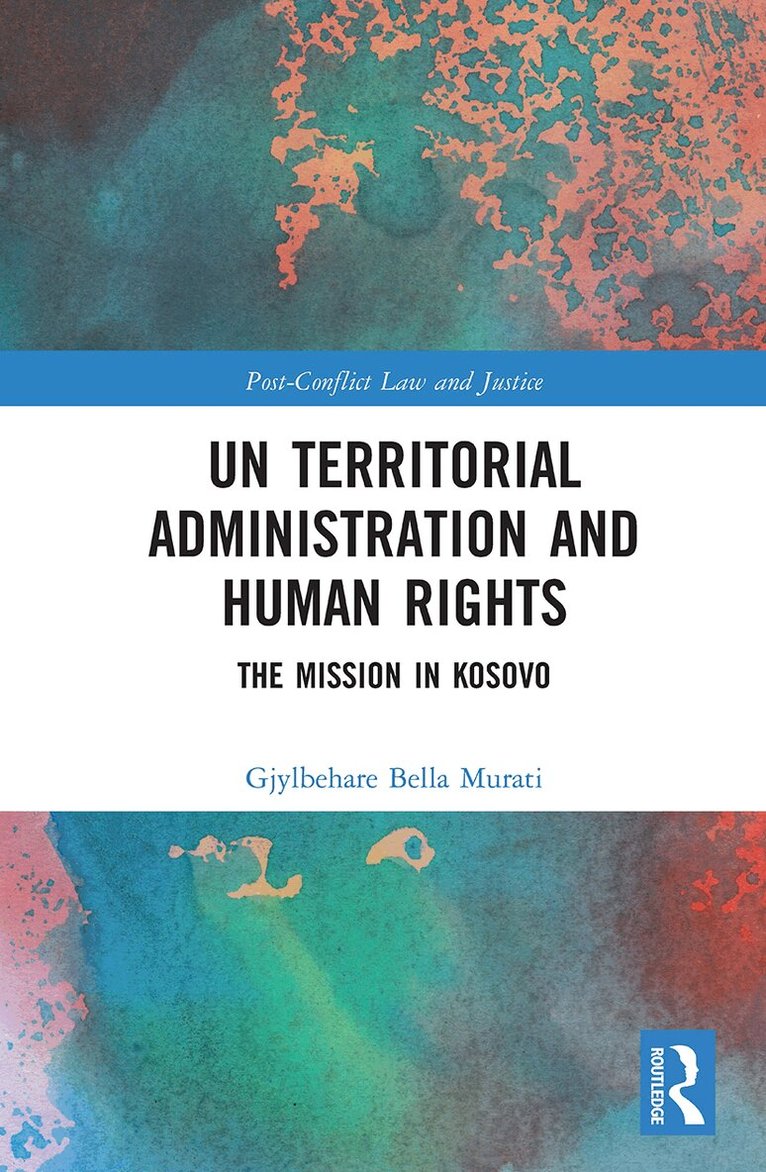
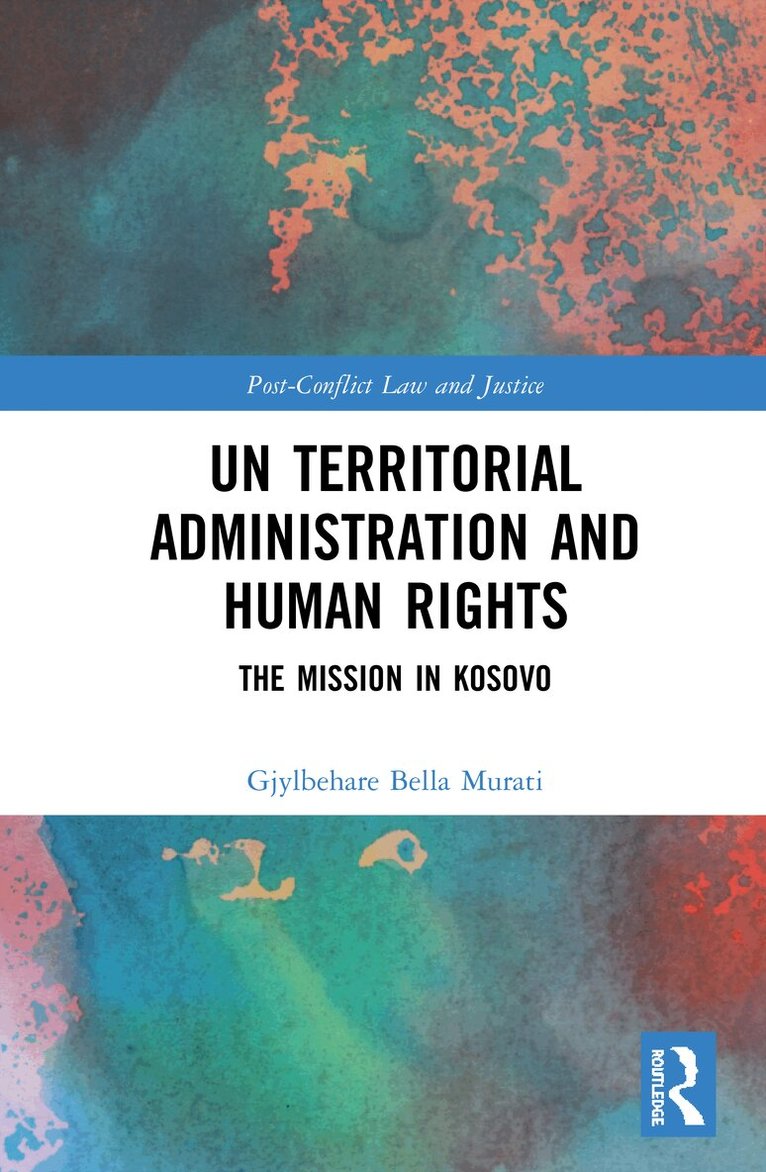
This book offers an original and insightful analysis of the human rights inadequacies that arise in the practice of UN territorial administration by analysing and assessing the practice of UNMIK. It provides arguments based on law and principles to support the thesis that a comprehensive legal framework governing the activities of the UN mission is a crucial prerequisite for its proper functioning. This is complemented by a discussion of several emerging issues surrounding the UN activity on the ground, namely, its legislative, judicial, and executive power.The author offers an extensive and well-documented analysis of the UN’s capacity as a surrogate state administration to respond to the needs of the governed population and, above all, protect its fundamental rights. Based on her findings, Murati concludes that only a comprehensive mandate can serve the long term interests of the international community’s objective to efficiently promote, protect, and fulfil human rights in a war-torn society.UN Territorial Administration and Human Rights provides a detailed critical legal analysis of one of the major UN administrations of territory after the Cold War, namely, the UN administration of Kosovo from 1999 to 2008. The analysis in this book will be beneficial to international law and international relations scholars and students, as well as policymakers and persons working for international organisations. The analysis and the lessons learned through this study shed light on the challenges entailed in governing territories and rebuilding state institutions while upholding the rule of law and ensuring respect for human rights.
Inbunden, Engelska, 2018
1 963 kr
Skickas inom 10-15 vardagar
From ancient to modern times, sexualised war violence against women was tolerated if not encouraged as a means of reward, propaganda, humiliation, and terror. This was and is in defiance of international laws that have criminalised acts of sexualised war violence since the 18th century. Ad hoc international tribunals have addressed especially war rape since the 15th century. The International Criminal Court (ICC), however, is the first independent, permanent, international criminal court that recognises not only war rape but also sexual slavery and other sexualised crimes as crimes against humanity, war crimes, and acts of genocide in its statute and supporting documents.This book explores how the ICC definitions of rape and forced marriage came about, and addresses the ongoing challenge of how to define war rape and forced marriage in times of armed conflict in a way that adequately reflects women’s experiences, as well as the nature of the crimes. In addition to deepening the understanding of the ICC negotiations of war rape and forced marriage, and of the crimes themselves, this volume highlights relevant factors that need to be considered when criminalising acts of sexualised war violence under international law.Sexualised Crimes, Armed Conflict and the Law draws on feminist and constructivist theories and offers a comprehensive theoretical and empirical examination of the definition of rape and forced marriage. It presents the latest state of knowledge on the topic and will be of interest to researchers, academics, policymakers, officials and intergovernmental organisations, and students in the fields of post-conflict law and justice, international law, human rights law, international relations, gender studies, politics, and criminology.
Inbunden, Engelska, 2020
1 963 kr
Skickas inom 10-15 vardagar
This book offers an original and insightful analysis of the human rights inadequacies that arise in the practice of UN territorial administration by analysing and assessing the practice of UNMIK. It provides arguments based on law and principles to support the thesis that a comprehensive legal framework governing the activities of the UN mission is a crucial prerequisite for its proper functioning. This is complemented by a discussion of several emerging issues surrounding the UN activity on the ground, namely, its legislative, judicial, and executive power.The author offers an extensive and well-documented analysis of the UN’s capacity as a surrogate state administration to respond to the needs of the governed population and, above all, protect its fundamental rights. Based on her findings, Murati concludes that only a comprehensive mandate can serve the long term interests of the international community’s objective to efficiently promote, protect, and fulfil human rights in a war-torn society.UN Territorial Administration and Human Rights provides a detailed critical legal analysis of one of the major UN administrations of territory after the Cold War, namely, the UN administration of Kosovo from 1999 to 2008. The analysis in this book will be beneficial to international law and international relations scholars and students, as well as policymakers and persons working for international organisations. The analysis and the lessons learned through this study shed light on the challenges entailed in governing territories and rebuilding state institutions while upholding the rule of law and ensuring respect for human rights.
Inbunden, Engelska, 2018
1 963 kr
Skickas inom 10-15 vardagar
The right to self-determination has played a crucial role in the process of assisting oppressed people to put an end to colonial domination. Outside of the decolonization context, however, its relevance and application has constantly been challenged and debated. This book examines the role played by self-determination in international law with regard to post-conflict state building. It discusses the question of whether self-determination protects local populations from the intervention of international state-builders in domestic affairs. With a focus on the right as it applies to the people of an independent state, it explores how self-determination concerns that arise in the post-conflict period play out in relation to the reconstruction process. The book analyses the situation in Somalia as a means of drawing out the impact and significance of the legal principle of self-determination in the process of rebuilding post-conflict institutions. In so doing, it seeks to highlight how the relevance of self-determination is often overlooked in this context.
Häftad, Engelska, 2016
701 kr
Skickas inom 10-15 vardagar
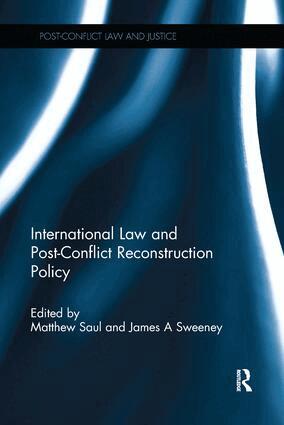
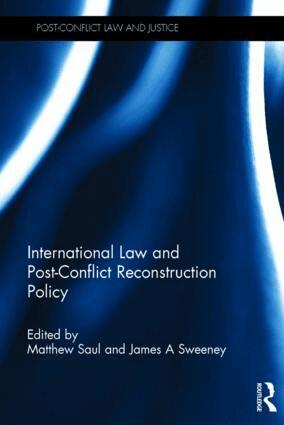
The trend for international engagement in post-conflict reconstruction has produced a host of best-practice postulates on topics such as local involvement in decision-making, accountability for past atrocities, sensitivity to context, and the construction of democratic institutions of governance. International law has potential relevance for many of these themes, yet the question of how the implementation of best-practice policy recommendations might be affected by international law remains under-examined. This book offers a fuller understanding of the role of international law in the practice of post-conflict reconstruction. It explores how international legal issues that arise in the post-conflict period relate to a number of strands of the policy debate, including government creation, constitution-making, gender policy, provision of security, justice for past atrocities, rule of law development, economic recovery, returning displaced persons, and responsibilities of international actors. The chapters of the book work to reveal the extent to which international law figures in the policy of internationally enabled post-conflict reconstruction across a range of sectors. They also highlight the scope for international law to be harnessed in a more effective manner from the perspective of the transition to peace and stability. The book lays out a basis for future policy making on post-conflict reconstruction; one that is informed about the international legal parameters, and more aware of how international law can be utilized to promote key objectives.
Inbunden, Engelska, 2015
2 152 kr
Skickas inom 10-15 vardagar
The trend for international engagement in post-conflict reconstruction has produced a host of best-practice postulates on topics such as local involvement in decision-making, accountability for past atrocities, sensitivity to context, and the construction of democratic institutions of governance. International law has potential relevance for many of these themes, yet the question of how the implementation of best-practice policy recommendations might be affected by international law remains under-examined. This book offers a fuller understanding of the role of international law in the practice of post-conflict reconstruction. It explores how international legal issues that arise in the post-conflict period relate to a number of strands of the policy debate, including government creation, constitution-making, gender policy, provision of security, justice for past atrocities, rule of law development, economic recovery, returning displaced persons, and responsibilities of international actors. The chapters of the book work to reveal the extent to which international law figures in the policy of internationally enabled post-conflict reconstruction across a range of sectors. They also highlight the scope for international law to be harnessed in a more effective manner from the perspective of the transition to peace and stability. The book lays out a basis for future policy making on post-conflict reconstruction; one that is informed about the international legal parameters, and more aware of how international law can be utilized to promote key objectives.
Inbunden, Engelska, 2018
2 026 kr
Skickas inom 10-15 vardagar
The condemnation of wartime sexual violence as a gross violation of human rights has received widespread support. While rape and other forms of sexual violence have attracted considerable local and international attention, this often excludes wartime sexual violence among women belonging to so-called ‘perpetrator’ war-torn nations. This book explores the silence surrounding women’s experiences of wartime sexual violence within academic, legal and public discourses. Olivera Simić argues that the international criminal law and feminist legal discourse on wartime sexual violence can construct a problematic victim hierarchy that excludes and misrecognises certain women’s experiences of sexual violence during and after armed conflict. The book focuses on the experiences of Bosnian Serb women, where the collapse of the former Yugoslavia led to brutal war and gross human rights violations throughout the 1990s. Two decades after the war, women in Bosnia and Herzegovina are still facing the legacies of the violence in the 1990s. Through this case Simić argues that while all women survivors of rape face problems of stigma, shame and lack of political visibility, their legal and symbolic status differ according to their ethno-national identity.Drawing on interviews with Bosnian Serb women survivors of rape in Bosnia and Herzegovina, feminist activists, local media, documentary and archival sources, the book examines ‘post-conflict justice’ as it is seen, lived and interpreted by women who belong to ‘perpetrator’ nations and will be of great interest and use to researchers, students and practitioners within post-conflict law and justice, international criminal law, security studies and gender studies.