
Practical Revolutions – serie
Visar alla böcker i serien Practical Revolutions. Handla med fri frakt och snabb leverans.
3 produkter
3 produkter
Häftad, Engelska, 2021
846 kr
Skickas inom 3-6 vardagar
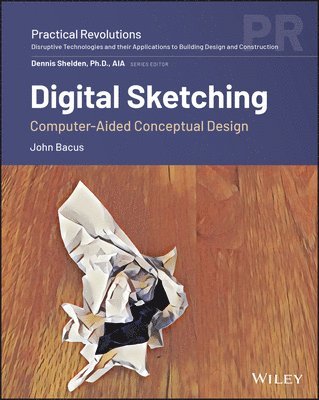
Learn to apply new digital design technologies at your own firm with this practical and insightful resourceDigital Sketching: Computer-Aided Conceptual Design delivers a comprehensive and insightful examination of how architects and other design professionals can best use digital design technology to become better designers. Celebrated professional, professor, and author John Bacus provides readers with practical and timely information on emerging digital design technologies and their effect on professional practice.By focusing on the big picture, this rigorous survey of conceptual design technology offers professionals realistic strategies for reclaiming time for design in the ever increasing speed of project delivery. This book helps architects (and others like them) learn to use digital sketching techniques to be better designers, right from the project’s very first sketch.As part of the groundbreaking Practical Revolutions series of books, Digital Sketching furthers the conversation of the practical deployment of emerging technologies in the building industries. This book provides readers with the information they need to evaluate digital design technology and decide whether or not to adopt and integrate it into their own processes. Readers will receive: An accelerated and accessible introduction to a highly technical topicPractical and applicable guidance on how to adapt a firm's business to adopt new technology without losing the benefit of existing intuition, skill, and experienceReal world implementations of specific techniques in the form of illuminating case studies that include results and lessons learnedPerfect for professional architectural designers, Digital Sketching also belongs on the bookshelves of interior designers, landscape architects, urban planners, contractors, and specialty fabricators of every kind. A disciplined sketching practice, especially through the digital methods discussed in this book, is a transformational benefit to anyone who designs and builds for a living.
- Nyhet
Häftad, Engelska, 2026
577 kr
Skickas inom 5-8 vardagar
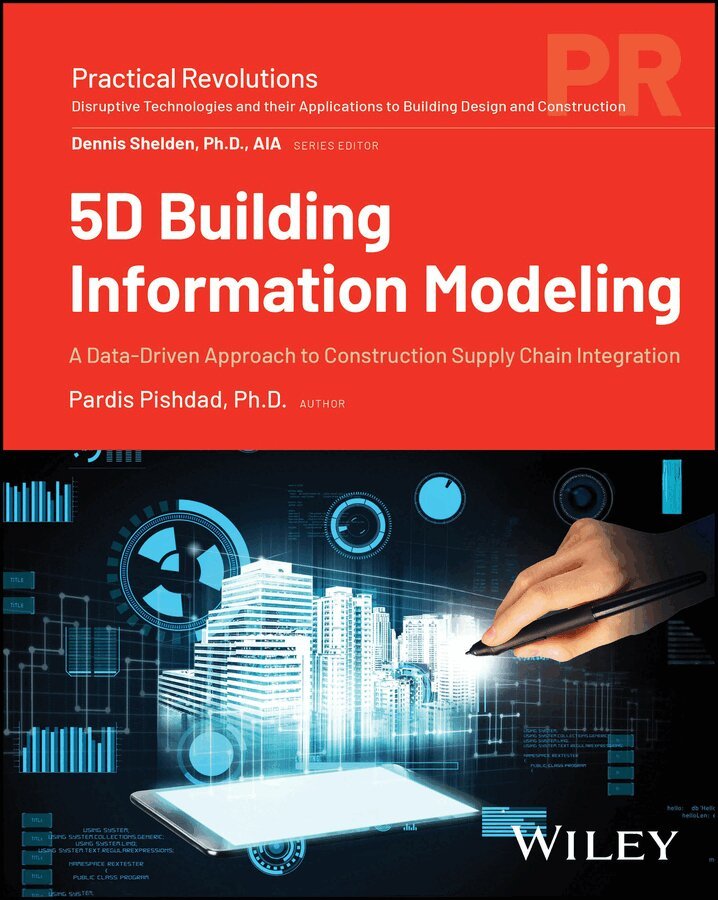
A roadmap to 5D+ BIM implementation with a focus on real-world use cases 5D Building Information Modeling: A Data-Driven Approach to Construction Supply Chain Integration is a valuable guide for architectural, engineering, and construction professionals seeking to learn how to implement this technology to optimize work efficiency. Beginning with a brief introduction to BIM and its history, the book highlights the unleveraged power of 5D+ in ameliorating the inefficiencies associated with fragmented construction supply chains. It covers the benefits of applying data-driven BIM to integrate supply chains and illustrates how the integration of 5D+ BIM serves as a technology, set of processes, and standardized classification system that streamlines the flows of information, material, and money. A thorough introduction to building information modeling with defined business value propositionsComprehensive case studies of 5D+ implementation and demonstrations of how structured data and standard practices can help increase efficiencyA detailed roadmap and framework for BIM, including technology, standards, workflow processes, and contractsComplete treatments of emerging technologies and practices poised to transform construction supply chain managementIntended for architects, engineers, contractors, owners, facility managers, suppliers, manufacturers, and consultants, 5D Building Information Modeling will also benefit academics, undergraduate and graduate students studying related fields.
Häftad, Engelska, 2026
530 kr
Kommande
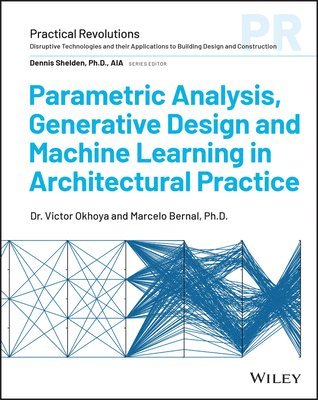
Let these cutting-edge tools revolutionize your architectural problem-solving Recent technological advances, including rapid development of high-performance computing power, have produced computational tools for architects and designers that are swiftly revolutionizing the field. Two of these tools, parametric analysis and generative design, can be used together to model complex problems and test solutions with extraordinary speed and efficiency. The next generation of architects and designers will bring these tools to bear in a transformed professional landscape. Parametric Analysis, Generative Design and Machine Learning in Architectural Practice offers a detailed introduction to these tools and their applications. Balancing theory and practice, it is replete with useful examples and provides algorithms for three different architectural scales: urban design, building design, and interior design. The book also presents a foundational discussion on machine learning in architectural practice, along with examples of machine learning applications for energy analysis and solar analysis. It is a must-own for architects looking to leverage an unprecedented level of computational power. The book also includes: Detailed guidelines for building performance simulation for energy analysis and daylight analysisAlgorithms for scales from interiors to buildings to entire cityscapesDiscussion of how to implement machine learning in order to solve complex problemsParametric Analysis, Generative Design and Machine Learning in Architectural Practice is ideal for professionals and students at every level looking to diversify their architectural toolkit.