QSAR in Environmental and Health Sciences - Böcker
Visar alla böcker i serien QSAR in Environmental and Health Sciences. Handla med fri frakt och snabb leverans.
14 produkter
14 produkter
955 kr
Skickas inom 10-15 vardagar
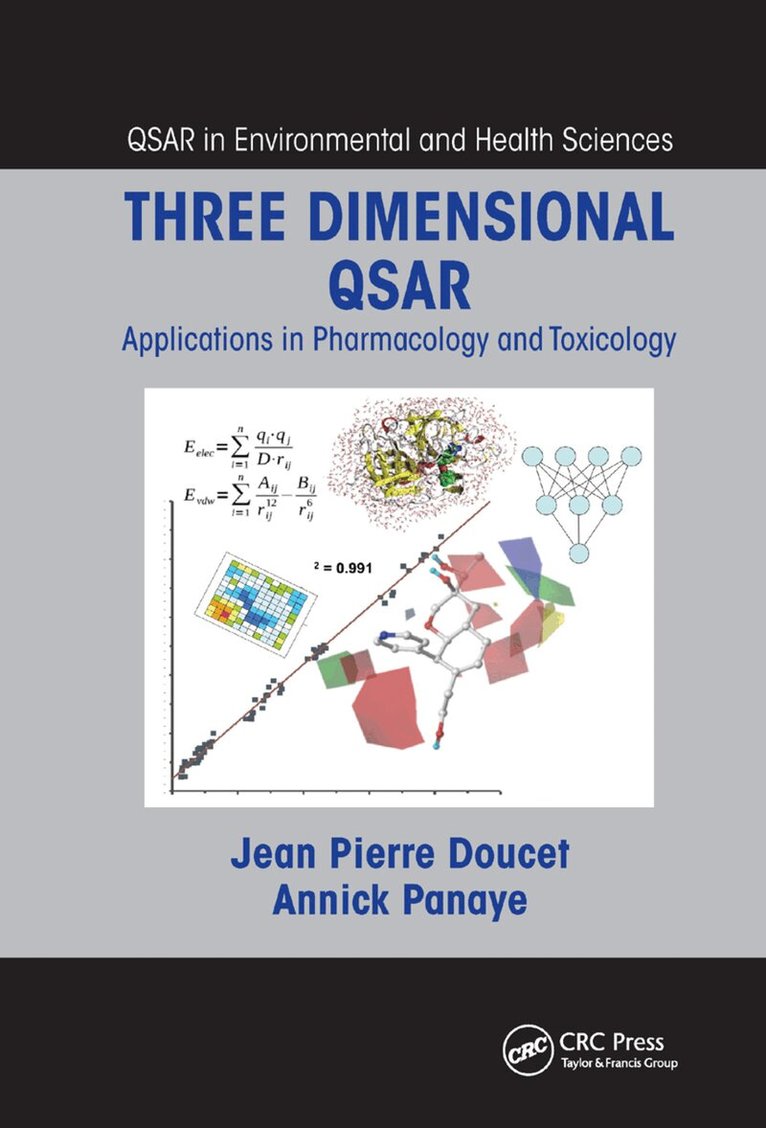
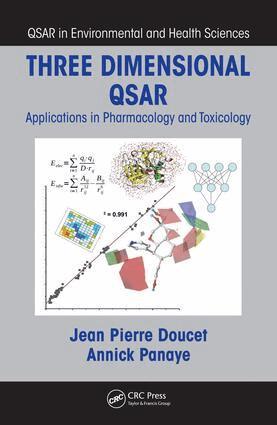
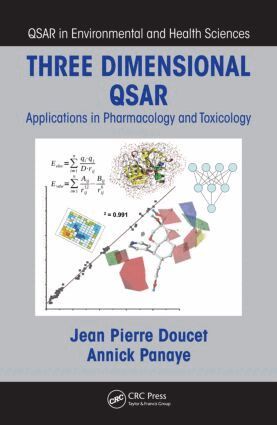
As a result of new statistical and mathematical approaches, improved visualization tools, and recognition by international regulatory groups, quantitative structure-activity relationships (QSARs) now play important roles in pharmacology for the design of new drugs as well as in toxicology and ecotoxicology for hazard identification and risk assessment. Providing up-to-date coverage of the field, Three Dimensional QSAR: Applications in Pharmacology and Toxicology presents the most recent QSAR methods and illustrates their scope, advantages, and limitations. Part I The first part of the book addresses CoMFA and related methods, such as CoMSIA, FLUFF, SOMFA. It also describes shape-, surface-, and volume-based approaches, including MSA, excluded volume, LIV, HASL, receptor surface model, COMPASS, and CoMSA.Part II Focusing on methods that use 3D information, the second part covers autocorrelation methods, such as GRIND; similarity-based methods, including similarity matrices and quantum similarity indices; and quantitative spectroscopic data–activity relationships. Some applications in data mining are also explored.Part III The third part deals with post-3D models. The authors discuss the adaptation of the receptor and simultaneous presence of several conformers or solvation mechanisms.Part IV The final part presents receptor-related approaches as well as docking and free energy calculations, which are treated at various levels. This part concerns the extensive sampling of phase space and approximate methods, such as linear interaction energy, Poisson–Boltzmann, and generalized Born models. A case study covering several parallel approaches is also developed.An appendix offers the basic principles of modeling and statistical tools routinely required in QSAR methodologies, includi
1 686 kr
Skickas inom 10-15 vardagar
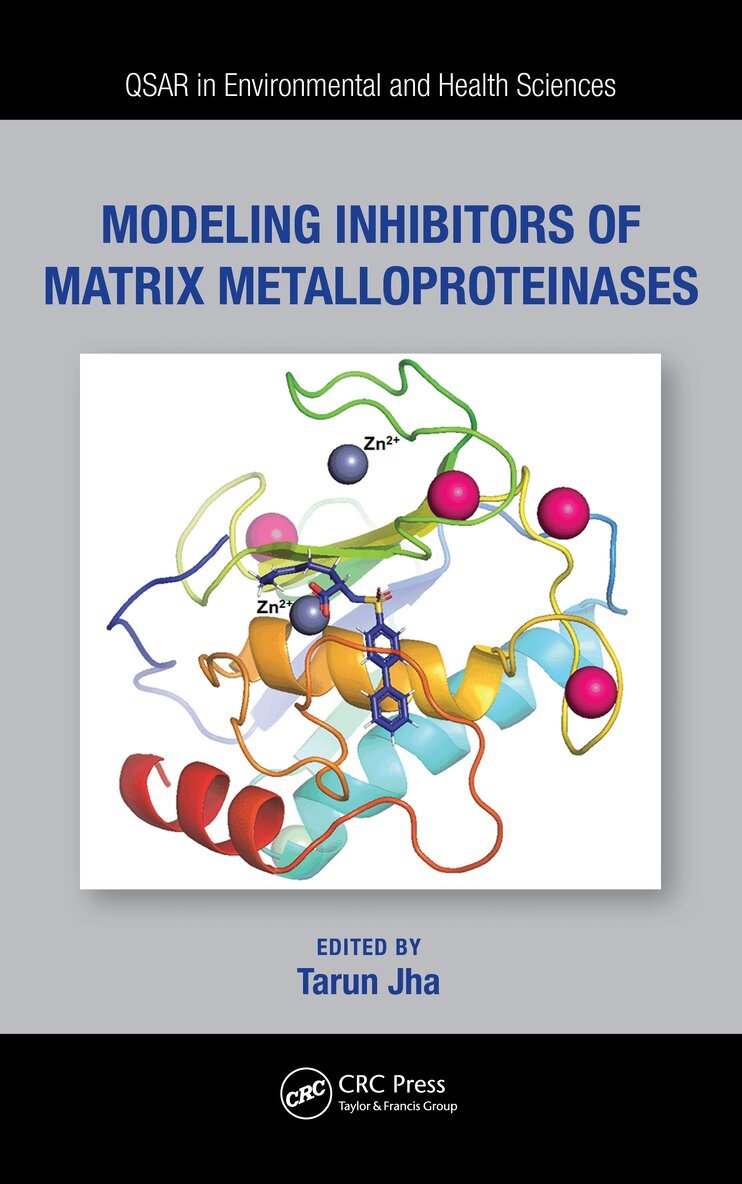
Matrix metalloproteinases (MMPs) have been established as promising biomolecular targets for novel drug design and discovery against numerous major disease conditions including various cancers, cardiovascular, neurodegenerative, inflammatory diseases, and more. This book covers various modern molecular modeling methodologies particularly related to MMP inhibitors. Included in the text are descriptions of ligand-based drug designing and structure-based drug designing modeling strategies for designing potential and target specific or selective MMPIs. This book will benefit those who are looking for an in-depth text on the design and discovery processes of novel and selective MMPIs.FeaturesDescribes modeling strategies applied to MMPsElaborates on the designing strategies of MMPs specificallyIncludes in-depth analyses of related case studiesActs as a guide for medicinal chemists, not only from pharmaceutical industries, but also from academiaCovers various modern molecular modeling methodologies, particularly related to MMPIs
735 kr
Skickas inom 10-15 vardagar
Matrix metalloproteinases (MMPs) have been established as promising biomolecular targets for novel drug design and discovery against numerous major disease conditions including various cancers, cardiovascular, neurodegenerative, inflammatory diseases, and more. This book covers various modern molecular modeling methodologies particularly related to MMP inhibitors. Included in the text are descriptions of ligand-based drug designing and structure-based drug designing modeling strategies for designing potential and target specific or selective MMPIs. This book will benefit those who are looking for an in-depth text on the design and discovery processes of novel and selective MMPIs.FeaturesDescribes modeling strategies applied to MMPsElaborates on the designing strategies of MMPs specificallyIncludes in-depth analyses of related case studiesActs as a guide for medicinal chemists, not only from pharmaceutical industries, but also from academiaCovers various modern molecular modeling methodologies, particularly related to MMPIs
Computational Design of Chemicals for the Control of Mosquitoes and Their Diseases
Häftad, Engelska, 2022
721 kr
Skickas inom 10-15 vardagar
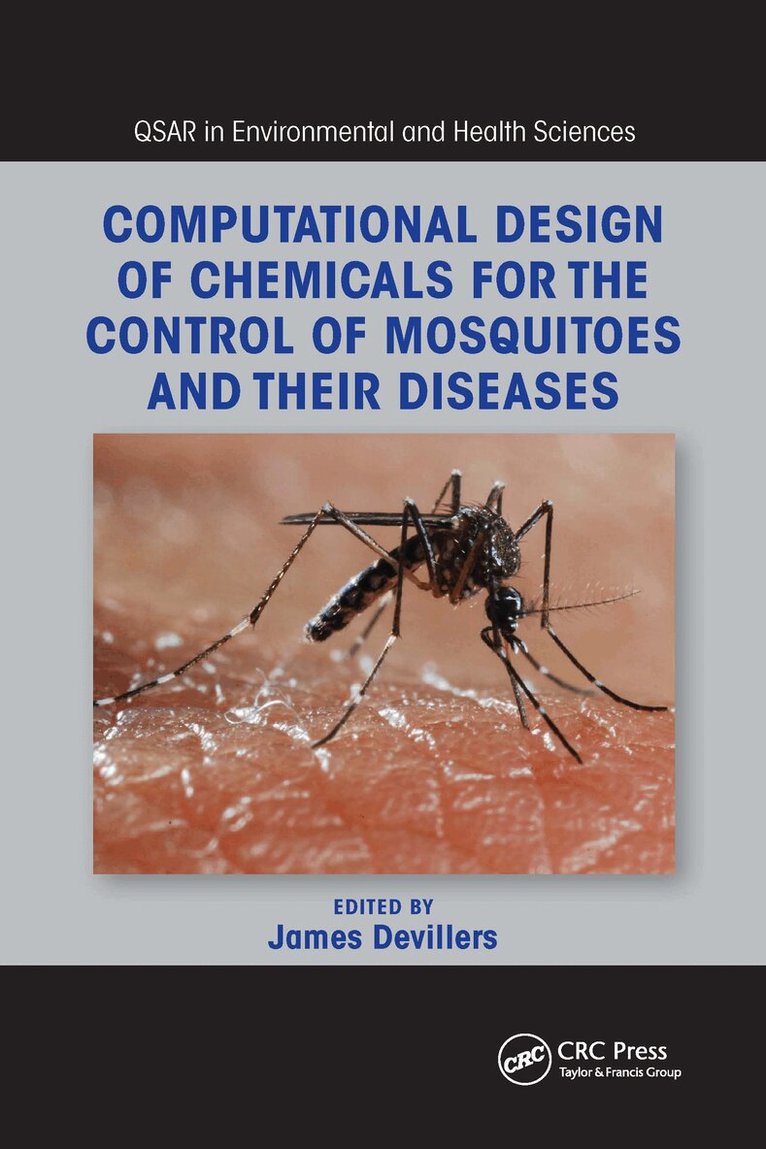
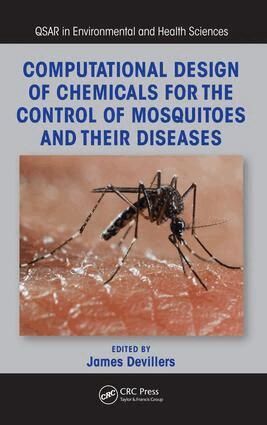
There is a compelling need for new drugs and efficient treatments against mosquito-borne diseases. Environmentally safe, but effective insecticides that address the problems of resistance are required. Computational Design of Chemicals for the Control of Mosquitoes and Their Diseases explains how the search for new substances effective against mosquitoes and their diseases has benefited from the use of in silico techniques. QSAR modeling is suited to identify the key structural features and/or physicochemical properties explaining an activity and to propose candidate molecules for further evaluation by laboratory tests. Homology modeling is useful to approximate the 3D structure of proteins of interest. Pharmacophore modeling is a powerful means to capture the chemical features responsible for an activity and to identify new potentially active compounds via the virtual screening of databases. Fugacity modeling and a wealth of other modeling paradigms are useful for risk assessment in vector borne disease control.
673 kr
Skickas inom 10-15 vardagar
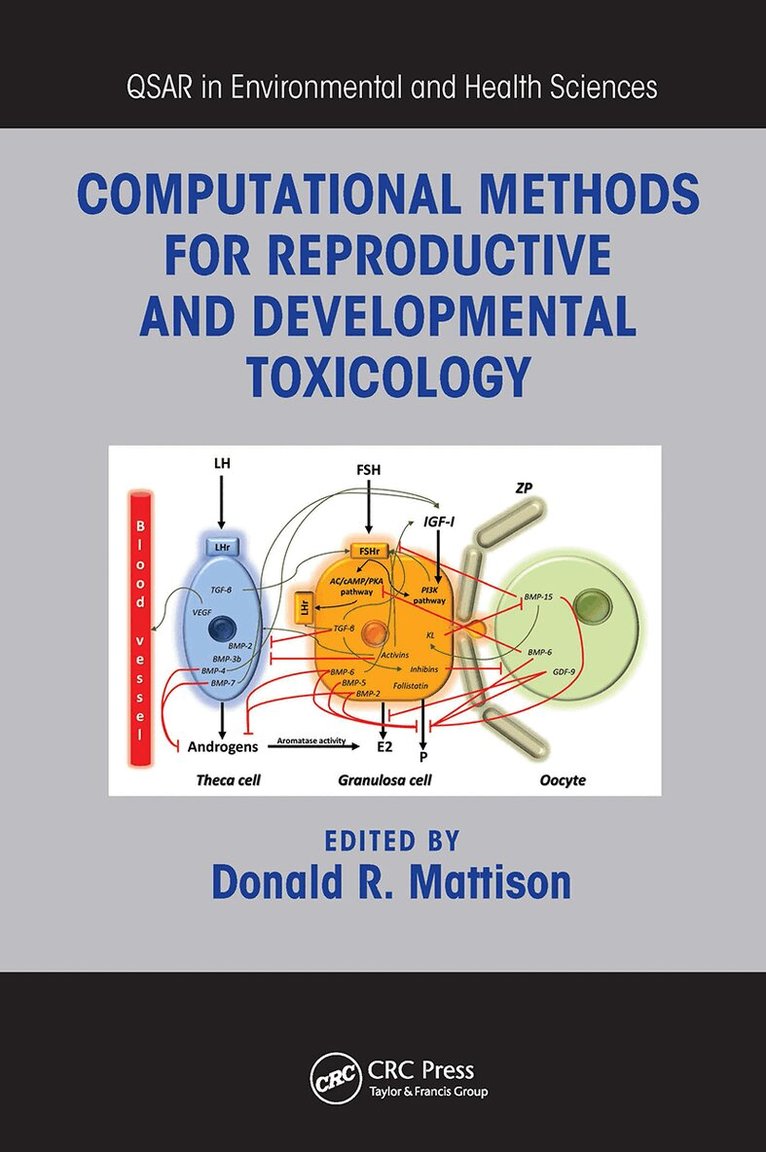
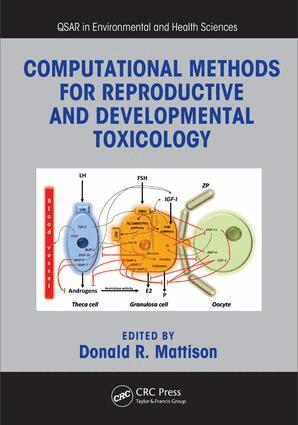
Building from the perspective of reproductive and developmental biology, Computational Methods for Reproductive and Developmental Toxicology provides a timely and comprehensive overview of approaches in reproductive and developmental toxicology.The book, which is part of the QSAR in Environmental and Health Sciences series, is divided into three broad sections. The first provides a review of methods and approaches to meet the need for safety assessments in product development and regulatory approaches for environmental chemicals. The next one reviews the biological processes and endpoints involved in reproduction and development. The final and largest section summarizes protocols for evaluating biological processes and endpoints within reproduction and development. It also discusses informatics resources and computational methods. The book takes a cross-disciplinary approach bringing together developmental, reproductive and systems biology, chemistry, toxicology, pharmacology, biostatistics, information sciences, bioinformatics, and computational approaches. This valuable resource provides those in the field with the necessary knowledge to evaluate both classic and recent approaches to characterize toxicity.
1 080 kr
Skickas inom 10-15 vardagar
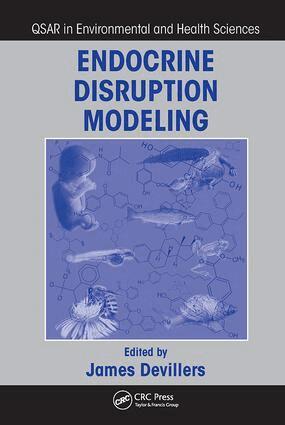
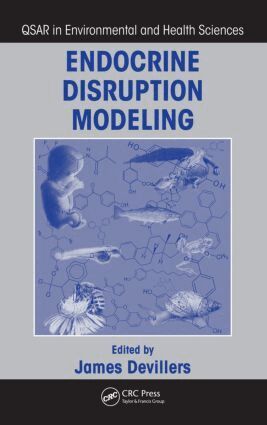
Uses Computational Tools to Simulate Endocrine Disruption PhenomenaEndocrine Disruption Modeling provides a practical overview of the current approaches for modeling endocrine activity and the related potential adverse effects they may induce on environmental and human health. Based on the extensive research of an international panel of contributors from industry, academia, and regulatory agencies, this is the first book devoted to using computer tools to better understand and simulate the multifaceted aspects of endocrine disruption in humans and wildlife. Explores Diverse Modeling Techniques and ApplicationsThis up-to-date resource focuses on xenobiotics that are accidentally released into the environment with the potential to disturb the normal functioning of the endocrine system of invertebrates and vertebrates but also on the specific agro-chemistry design of chemicals that take control of insect endocrine systems. A comprehensive research reference, Endocrine Disruption Modeling provides a collection of computational strategies to model these structurally diverse chemicals. It concludes with a review of the available e-resources in the field, rounding out the book’s task-oriented approach to future EDC discovery.Endocrine Disruption Modeling is the first book in the QSAR in Environmental and Health Sciences series (James Devillers, j.devillers@ctis.fr).
1 148 kr
Skickas inom 10-15 vardagar
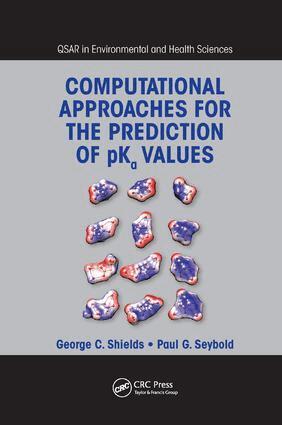
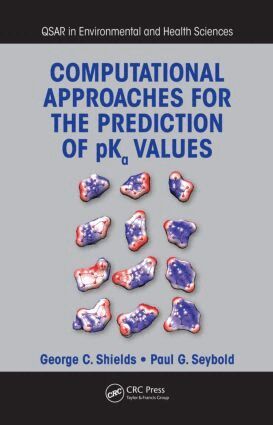
The pKa of a compound describes its acidity or basicity and, therefore, is one of its most important properties. Its value determines what form of the compound—positive ion, negative ion, or neutral species—will be present under different circumstances. This is crucial to the action and detection of the compound as a drug, pollutant, or other active chemical agent. In many cases it is desirable to predict pKa values prior to synthesizing a compound, and enough is now known about the salient features that influence a molecule’s acidity to make these predictions.Computational Approaches for the Prediction of pKa Values describes the insights that have been gained on the intrinsic and extrinsic features that influence a molecule’s acidity and discusses the computational methods developed to estimate acidity from a compound’s molecular structure. The authors examine the strengths and weaknesses of the theoretical techniques and show how they have been used to obtain information about the acidities of different classes of chemical compounds.The book presents theoretical methods for both general and more specific applications, covering methods for various acids in aqueous solutions—including oxyacids and related compounds, nitrogen acids, inorganic acids, and excited-state acids—as well as acids in nonaqueous solvents. It also considers temperature effects, isotope effects, and other important factors that influence pKa. This book provides a resource for predicting pKa values and understanding the bases for these determinations, which can be helpful in designing better chemicals for future uses.
Juvenile Hormones and Juvenoids
Modeling Biological Effects and Environmental Fate
Häftad, Engelska, 2018
904 kr
Skickas inom 10-15 vardagar
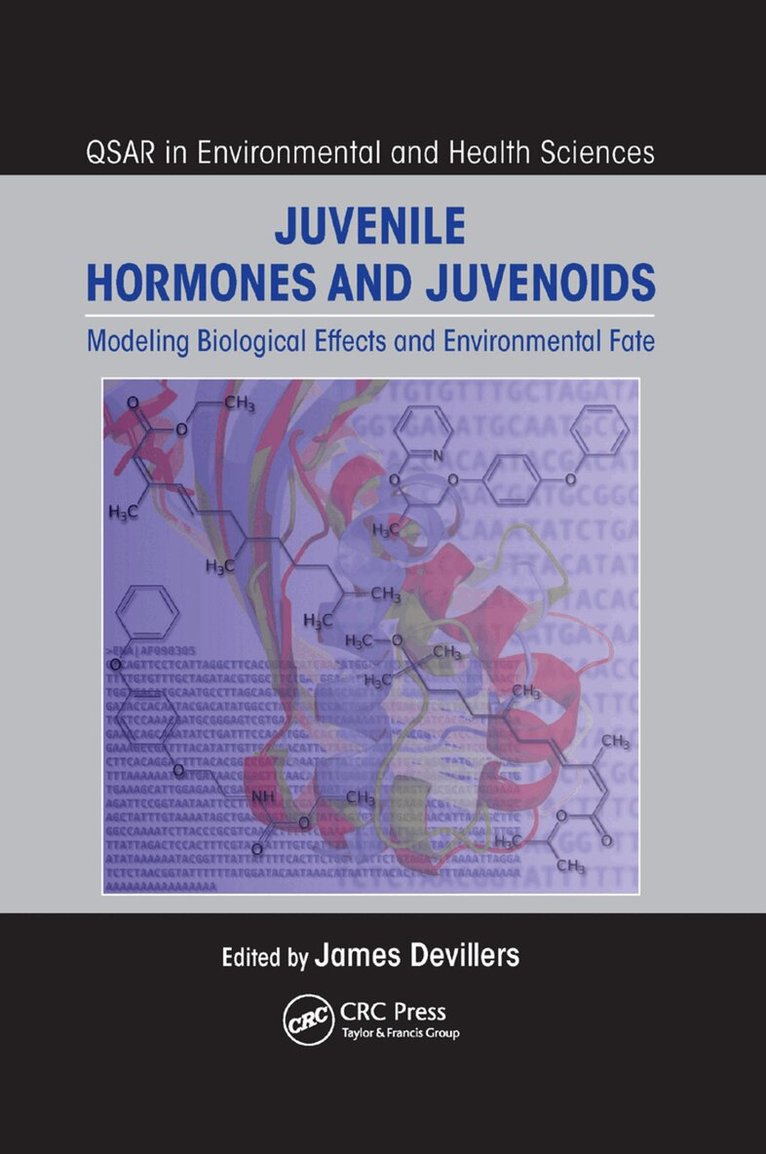
Juvenile hormones (JHs) are a group of structurally related sesquiterpenes secreted by the insect corpora allata. They affect most insect life-cycle stages and physiological functions, including embryogenesis, larval and adult development, metamorphosis, reproduction, metabolism, diapause, polyethism, and migration. Juvenoids such as methoprene, hydroprene, kinoprene, pyriproxyfen, and fenoxycarb are man-made chemicals that mimic the structure and/or activity of JHs, selectively targeting and disrupting the endocrine system of insects. They are particularly suited as larvicides for the control of pest and disease vectoring insects such as mosquitoes.Juvenile Hormones and Juvenoids: Modeling Biological Effects and Environmental Fate discusses the various modeling approaches that can be used to study the mechanism of action of JHs in insects and to estimate the adverse effects and the environmental fate of the juvenoids that mimic their activity. This book is the third of the QSAR in Environmental and Health Sciences series, but the first dedicated to the use of QSAR and other in silico techniques to provide these insights into JHs and their analogs.With contributions by an international team of scientists, the book begins with a historical survey of JHs and juvenoids. It then discusses biosynthesis of sesquiterpenoids followed by chapters covering JH activity such as morph-specific JH titers in crickets, and JH analog activity including soldier-specific organ development in termites and the role of methoprene in gene transcription. The book examines modeling approaches applied to resistance to JH analogs, to population dynamics of nontarget species in the presence of juvenoids, and to SAR and QSAR of JH mimics. The book concludes with a discussion on the use of multicriteria analysis for selecting insecticides for vector control.
2 970 kr
Skickas inom 7-10 vardagar
Uses Computational Tools to Simulate Endocrine Disruption PhenomenaEndocrine Disruption Modeling provides a practical overview of the current approaches for modeling endocrine activity and the related potential adverse effects they may induce on environmental and human health. Based on the extensive research of an international panel of contributors from industry, academia, and regulatory agencies, this is the first book devoted to using computer tools to better understand and simulate the multifaceted aspects of endocrine disruption in humans and wildlife. Explores Diverse Modeling Techniques and ApplicationsThis up-to-date resource focuses on xenobiotics that are accidentally released into the environment with the potential to disturb the normal functioning of the endocrine system of invertebrates and vertebrates but also on the specific agro-chemistry design of chemicals that take control of insect endocrine systems. A comprehensive research reference, Endocrine Disruption Modeling provides a collection of computational strategies to model these structurally diverse chemicals. It concludes with a review of the available e-resources in the field, rounding out the book’s task-oriented approach to future EDC discovery.Endocrine Disruption Modeling is the first book in the QSAR in Environmental and Health Sciences series (James Devillers, j.devillers@ctis.fr).
3 421 kr
Skickas inom 10-15 vardagar
As a result of new statistical and mathematical approaches, improved visualization tools, and recognition by international regulatory groups, quantitative structure-activity relationships (QSARs) now play important roles in pharmacology for the design of new drugs as well as in toxicology and ecotoxicology for hazard identification and risk assessment. Providing up-to-date coverage of the field, Three Dimensional QSAR: Applications in Pharmacology and Toxicology presents the most recent QSAR methods and illustrates their scope, advantages, and limitations. Part I The first part of the book addresses CoMFA and related methods, such as CoMSIA, FLUFF, SOMFA. It also describes shape-, surface-, and volume-based approaches, including MSA, excluded volume, LIV, HASL, receptor surface model, COMPASS, and CoMSA.Part II Focusing on methods that use 3D information, the second part covers autocorrelation methods, such as GRIND; similarity-based methods, including similarity matrices and quantum similarity indices; and quantitative spectroscopic data–activity relationships. Some applications in data mining are also explored.Part III The third part deals with post-3D models. The authors discuss the adaptation of the receptor and simultaneous presence of several conformers or solvation mechanisms.Part IV The final part presents receptor-related approaches as well as docking and free energy calculations, which are treated at various levels. This part concerns the extensive sampling of phase space and approximate methods, such as linear interaction energy, Poisson–Boltzmann, and generalized Born models. A case study covering several parallel approaches is also developed.An appendix offers the basic principles of modeling and statistical tools routinely required in QSAR methodologies, includi
2 307 kr
Skickas inom 10-15 vardagar
Building from the perspective of reproductive and developmental biology, Computational Methods for Reproductive and Developmental Toxicology provides a timely and comprehensive overview of approaches in reproductive and developmental toxicology.The book, which is part of the QSAR in Environmental and Health Sciences series, is divided into three broad sections. The first provides a review of methods and approaches to meet the need for safety assessments in product development and regulatory approaches for environmental chemicals. The next one reviews the biological processes and endpoints involved in reproduction and development. The final and largest section summarizes protocols for evaluating biological processes and endpoints within reproduction and development. It also discusses informatics resources and computational methods. The book takes a cross-disciplinary approach bringing together developmental, reproductive and systems biology, chemistry, toxicology, pharmacology, biostatistics, information sciences, bioinformatics, and computational approaches. This valuable resource provides those in the field with the necessary knowledge to evaluate both classic and recent approaches to characterize toxicity.
2 713 kr
Skickas inom 10-15 vardagar
The pKa of a compound describes its acidity or basicity and, therefore, is one of its most important properties. Its value determines what form of the compound—positive ion, negative ion, or neutral species—will be present under different circumstances. This is crucial to the action and detection of the compound as a drug, pollutant, or other active chemical agent. In many cases it is desirable to predict pKa values prior to synthesizing a compound, and enough is now known about the salient features that influence a molecule’s acidity to make these predictions.Computational Approaches for the Prediction of pKa Values describes the insights that have been gained on the intrinsic and extrinsic features that influence a molecule’s acidity and discusses the computational methods developed to estimate acidity from a compound’s molecular structure. The authors examine the strengths and weaknesses of the theoretical techniques and show how they have been used to obtain information about the acidities of different classes of chemical compounds.The book presents theoretical methods for both general and more specific applications, covering methods for various acids in aqueous solutions—including oxyacids and related compounds, nitrogen acids, inorganic acids, and excited-state acids—as well as acids in nonaqueous solvents. It also considers temperature effects, isotope effects, and other important factors that influence pKa. This book provides a resource for predicting pKa values and understanding the bases for these determinations, which can be helpful in designing better chemicals for future uses.
Juvenile Hormones and Juvenoids
Modeling Biological Effects and Environmental Fate
Inbunden, Engelska, 2013
2 700 kr
Skickas inom 7-10 vardagar
Juvenile hormones (JHs) are a group of structurally related sesquiterpenes secreted by the insect corpora allata. They affect most insect life-cycle stages and physiological functions, including embryogenesis, larval and adult development, metamorphosis, reproduction, metabolism, diapause, polyethism, and migration. Juvenoids such as methoprene, hydroprene, kinoprene, pyriproxyfen, and fenoxycarb are man-made chemicals that mimic the structure and/or activity of JHs, selectively targeting and disrupting the endocrine system of insects. They are particularly suited as larvicides for the control of pest and disease vectoring insects such as mosquitoes.Juvenile Hormones and Juvenoids: Modeling Biological Effects and Environmental Fate discusses the various modeling approaches that can be used to study the mechanism of action of JHs in insects and to estimate the adverse effects and the environmental fate of the juvenoids that mimic their activity. This book is the third of the QSAR in Environmental and Health Sciences series, but the first dedicated to the use of QSAR and other in silico techniques to provide these insights into JHs and their analogs.With contributions by an international team of scientists, the book begins with a historical survey of JHs and juvenoids. It then discusses biosynthesis of sesquiterpenoids followed by chapters covering JH activity such as morph-specific JH titers in crickets, and JH analog activity including soldier-specific organ development in termites and the role of methoprene in gene transcription. The book examines modeling approaches applied to resistance to JH analogs, to population dynamics of nontarget species in the presence of juvenoids, and to SAR and QSAR of JH mimics. The book concludes with a discussion on the use of multicriteria analysis for selecting insecticides for vector control.
Computational Design of Chemicals for the Control of Mosquitoes and Their Diseases
Inbunden, Engelska, 2018
3 561 kr
Skickas inom 10-15 vardagar
There is a compelling need for new drugs and efficient treatments against mosquito-borne diseases. Environmentally safe, but effective insecticides that address the problems of resistance are required. Computational Design of Chemicals for the Control of Mosquitoes and Their Diseases explains how the search for new substances effective against mosquitoes and their diseases has benefited from the use of in silico techniques. QSAR modeling is suited to identify the key structural features and/or physicochemical properties explaining an activity and to propose candidate molecules for further evaluation by laboratory tests. Homology modeling is useful to approximate the 3D structure of proteins of interest. Pharmacophore modeling is a powerful means to capture the chemical features responsible for an activity and to identify new potentially active compounds via the virtual screening of databases. Fugacity modeling and a wealth of other modeling paradigms are useful for risk assessment in vector borne disease control.