Rapid Biological and Social Inventories – serie
Visar alla böcker i serien Rapid Biological and Social Inventories. Handla med fri frakt och snabb leverans.
9 produkter
China: Yunnan, Southern Gaoligongshan
Av Douglas F. Stotz, Emily J. Harris
Häftad, 2003
264 kr
Lägg i varukorg
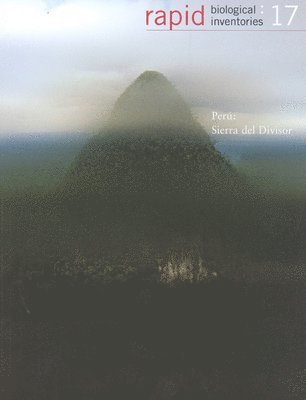
Perú: Sierra del Divisor
Rapid Biological Inventories: 17
Av Corine Vriesendorp, Thomas S. Schulenberg m. fl.
Häftad, 2007
261 kr
Lägg i varukorg
In August of 2005, scientists conducted a rapid inventory in Sierra del Divisor, a mountain range that rises dramatically from the lowlands of central Amazonian Peru. This assessment, presented here in English and Spanish, collects their research on the plants and animals of the region as well as …
Ecuador
Cabeceras Cofanes-Chingual
Av Corine Vriesendorp, William S. Alverson m. fl.
Häftad, 2010
264 kr
Lägg i varukorg
The remote, rugged Cabeceras Cofanes-Chingual is one of the last intact mountainous regions in Ecuador and serves as the most important remaining refuge for endangered, range-restricted flora and fauna of the Ecuadorian Andes. In October 2008 scientists from Ecuador, Peru, and the United States …
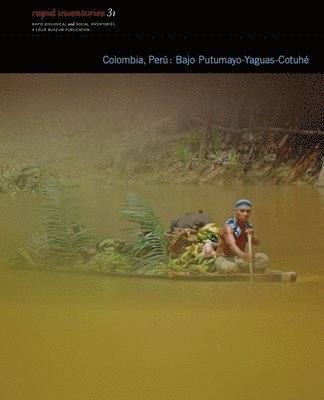
Colombia, Perú: Bajo Putumayo–Cotuhé – Rapid Biological and Social Inventories Report 31
Av Christopher C. Jarrett, Michelle E. Thompson m. fl.
Häftad, 2021
264 kr
Lägg i varukorg
In October 2019, a large multidisciplinary team of geologists, biologists, social scientists, and local residents explored the rivers, forests, and human communities around the junction of the Putumayo and Cotuhé Rivers in the lowland Amazonian regions of Colombia and Peru. This report describes …
Brasil: Alto Rio Içá
Síntese dos Resultados
Av Jeremy M. Campbell, R. Elliott Oakley m. fl.
Häftad, 2027
264 kr
Kommande
Bolivia: Pando, Madre de Dios
Av Debra K. Moskovits, William S. Alverson m. fl.
Häftad, 2003
264 kr
Tillfälligt slut
Bolivia: Pando, Federico Roman
Av Debra K. Moskovits, William S. Alverson m. fl.
Häftad, 2003
264 kr
Tillfälligt slut
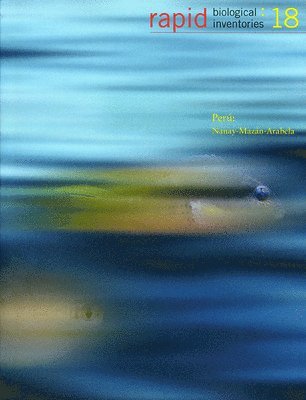
Rapid Biological Inventories: 18
Peru: Nanay-Mazan-Arabela
Av Corine Vriesendorp, Jose A. Alvarez m. fl.
Häftad, 2008
261 kr
Tillfälligt slut
In August of 2006, scientists conducted a rapid inventory of the Nanay-Mazan-Arabela Headwaters, three watersheds in the northwestern Peruvian Amazon. This assessment, presented here in English and Spanish, collects their research on the plants and animals of the region as well as the social and …
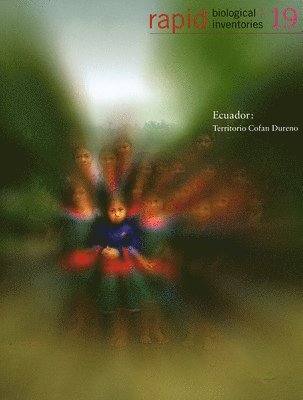
Rapid Biological Inventories: 19
Ecuador: Territorio Cofan Dureno
Av Randall Borman, Corine Vriesendorp m. fl.
Häftad, 2008
261 kr
Tillfälligt slut
In May of 2007, scientists conducted a rapid inventory in the Dureno Territory, part of the Cofan ancestral territories in the Amazon basin of eastern Ecuador. Presented primarily in Spanish but including sections in English and A'ingae, the language of the Cofan, this assessment collects those …