Routledge Archaeologies of the Viking World – serie
Visar alla böcker i serien Routledge Archaeologies of the Viking World. Handla med fri frakt och snabb leverans.
20 produkter
20 produkter
Häftad, Engelska, 2024
608 kr
Skickas inom 10-15 vardagar
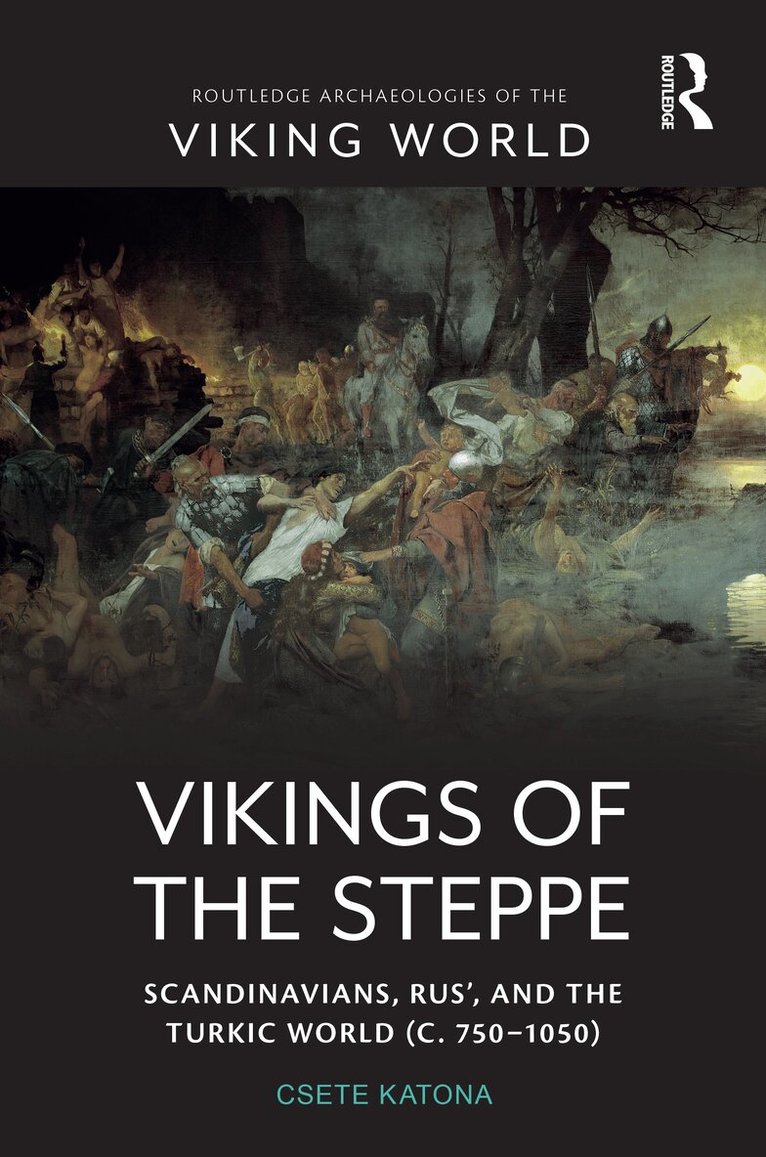
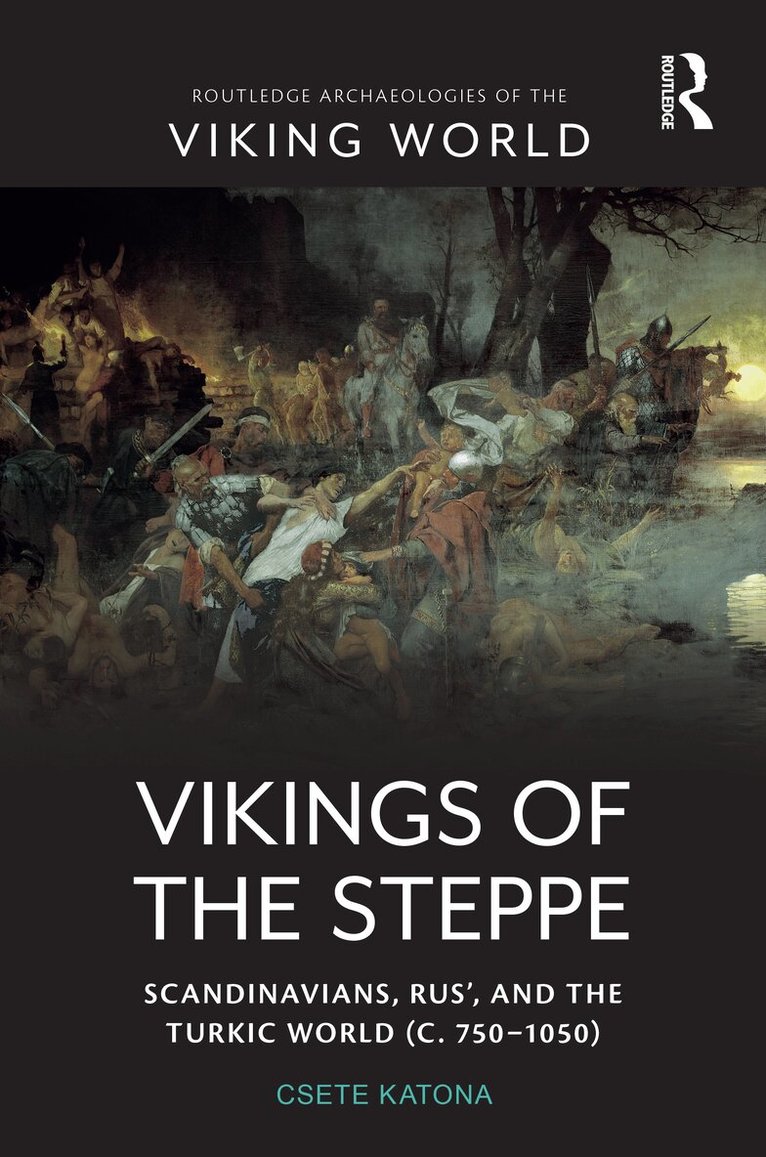
This book explores the relationship between Vikings, Rus’ and nomadic (mostly Turkic) steppe dwellers during the course of the Viking Age (c. 750–1050) in a geographical area stretching from Eastern Scandinavia through the Kievan Rus’, Byzantium, the Islamic world to the Western Eurasian steppes.The primary focus is the steppe influence on the development of Scandinavian-Rus’ culture. It illustrates the effects of Turkic (nomadic) cultures on the evolving Scandinavian-Rus’ communities in their military technology and tactics, as well as in everyday customs, ritual traditions and religious perceptions, whilst paying attention to the politico-commercial necessities and possible communication channels tying these two cultures, normally considered to be distinct, together. The arguments are supported by a multi-disciplinary analysis of diverse historical and archaeological materials occasionally supplemented with linguistic evidence. The result is a comprehensive evaluation of the relations of the Scandinavians active in the ‘East’ with Turkic groups, and brings (the so far neglected) steppes into Viking studies in general.The book will fill a serious scholarly gap in the field of Viking studies and will be read by both academics and students interested in the archaeological and historical sources concerned with the traditions of the ‘Eastern Vikings’.
Inbunden, Engelska, 2020
2 225 kr
Skickas inom 10-15 vardagar
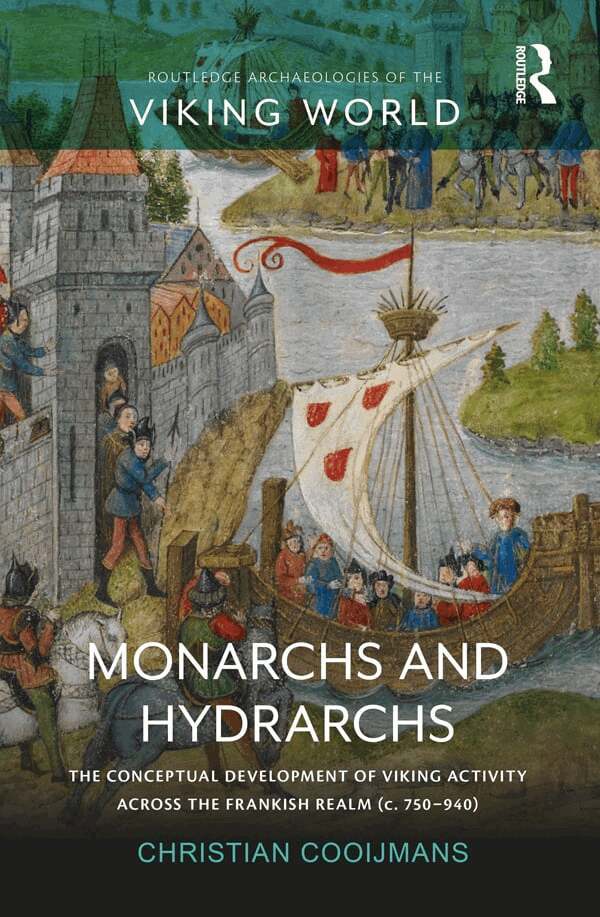
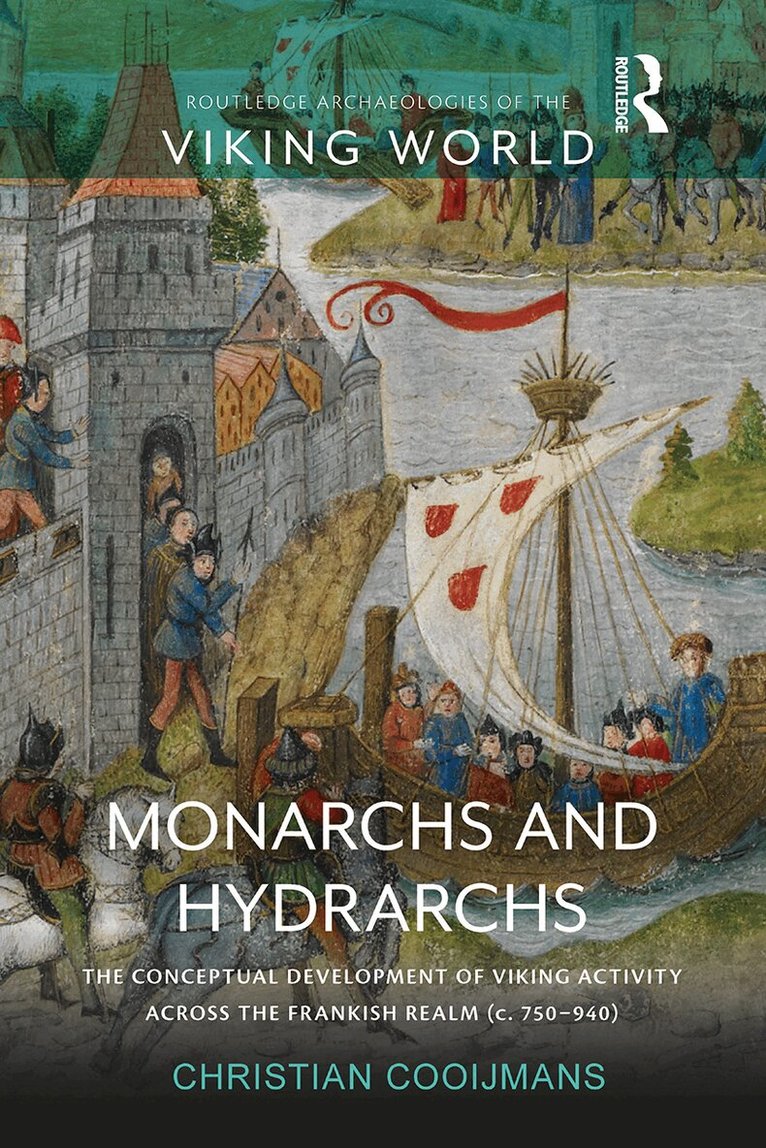
As the politico-economic exploits of vikings in and around the Frankish realm remain, to a considerable extent, obscured by the constraints of a fragmentary and biased corpus of (near-)contemporary evidence, this volume approaches the available interdisciplinary data on a cumulative and conceptual level, allowing overall spatiotemporal patterns of viking activity to be detected and defined – and thereby challenging the notion that these movements were capricious, haphazard, and gratuitous in character. Set against a backdrop of continuous commerce and knowledge exchange, this overarching survey demonstrates the existence of a relatively uniform, sequential framework of wealth extraction, encampment, and political engagement, within which Scandinavian fleets operated as adaptable, ambulant polities – or ‘hydrarchies’. By delineating and visualising this framework, a four-phased conceptual development model of hydrarchic conduct and consequence is established, whose validity is substantiated by its application to a number of distinct regional case studies. The parameters of this abstract model affirm that Scandinavian movements across Francia were the result of prudent and expedient decision-making processes, contingent on exchanged intelligence, cumulative experience, and the ongoing individual and collective need for socioeconomic subsistence and enrichment.Monarchs and Hydrarchs will appeal to both students and specialists of the Viking Age, whilst serving as an equally valuable resource to those investigating early medieval Francia, Scandinavia, and the North Sea world as a whole.
Inbunden, Engelska, 2021
2 225 kr
Skickas inom 10-15 vardagar
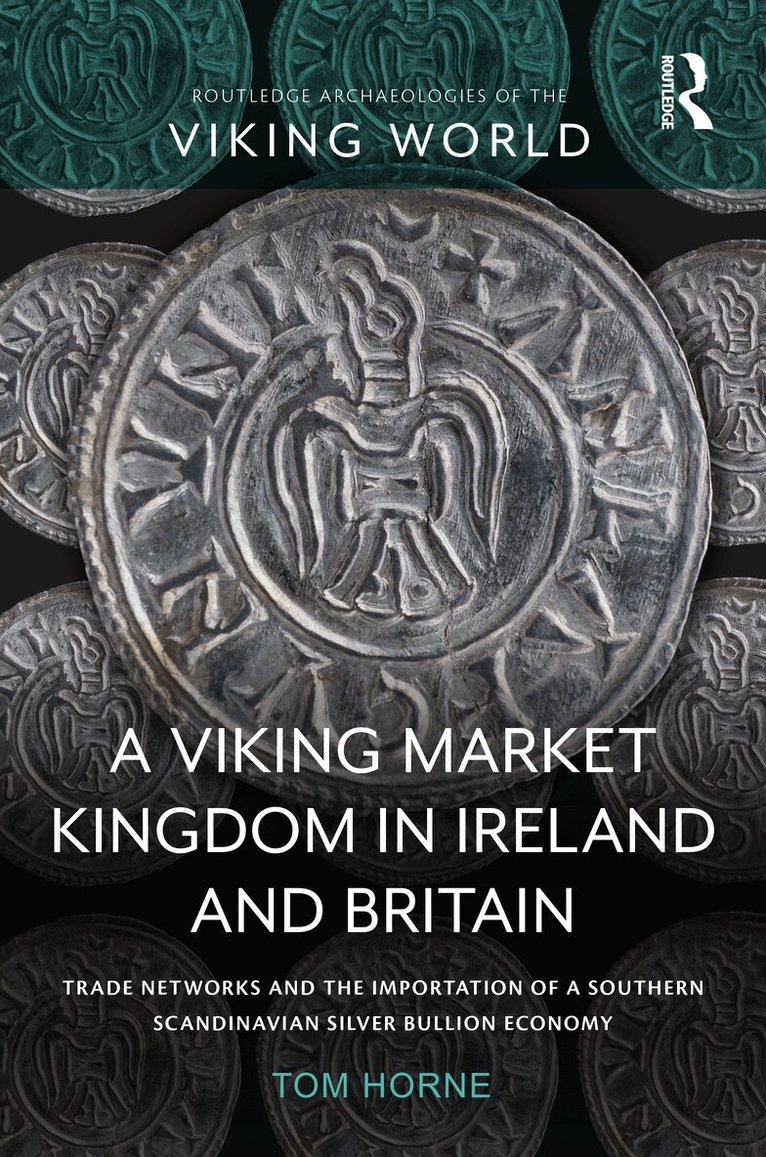
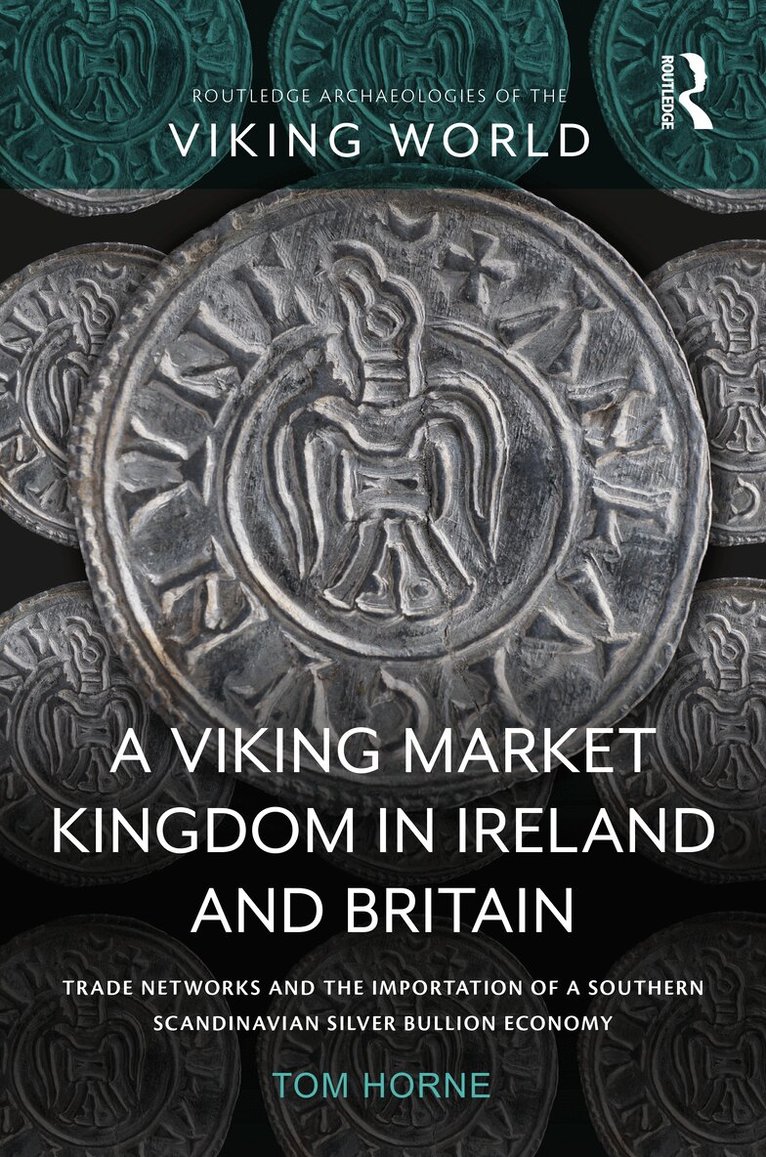
Viking-Age trade, network theory, silver economies, kingdom formation, and the Scandinavian raiding and settlement of Ireland and Britain are all popular subjects. However, few have looked for possible connections between these phenomena, something this book suggests were closely related.By allying Blomkvist’s network-kingdoms with Sindbæk’s nodal market-networks, it is argued that the political and economic character of Viking-Age Britain and Ireland – my ‘Insular Scandinavia’ – is best understood if Dublin and Jórvík are seen as being established as nodes of a market-based network-kingdom. Based on a dataset relating to the then developing bullion economies of the central and eastern Scandinavian worlds and southern Scandinavia in particular, it is argued that war-band leaders from, or familiar with, ‘Danish’ markets like Hedeby and Kaupang transposed to Insular Scandinavia the concept of polities based on establishment of markets and the protection of routeways between them. Using this book, readers can think of interlinked Dublin and Great Army elites creating an Insular version of a Danish-style nodal market kingdom based on commerce and silver currencies.A Viking Market Kingdom in Ireland and Britain will help specialist researchers and students of Viking archaeology make connections between southern Scandinavia and the market economy of the Uí Ímair (‘descendants of Ívarr’) operating out of the twin nodes of Dublin and Jórvík via the initial establishment of Hiberno-Scandinavian longphuirt and the related winter-camps of the Viking Great Army.
Inbunden, Engelska, 2022
2 225 kr
Skickas inom 10-15 vardagar
This book explores the relationship between Vikings, Rus’ and nomadic (mostly Turkic) steppe dwellers during the course of the Viking Age (c. 750–1050) in a geographical area stretching from Eastern Scandinavia through the Kievan Rus’, Byzantium, the Islamic world to the Western Eurasian steppes.The primary focus is the steppe influence on the development of Scandinavian-Rus’ culture. It illustrates the effects of Turkic (nomadic) cultures on the evolving Scandinavian-Rus’ communities in their military technology and tactics, as well as in everyday customs, ritual traditions and religious perceptions, whilst paying attention to the politico-commercial necessities and possible communication channels tying these two cultures, normally considered to be distinct, together. The arguments are supported by a multi-disciplinary analysis of diverse historical and archaeological materials occasionally supplemented with linguistic evidence. The result is a comprehensive evaluation of the relations of the Scandinavians active in the ‘East’ with Turkic groups, and brings (the so far neglected) steppes into Viking studies in general.The book will fill a serious scholarly gap in the field of Viking studies and will be read by both academics and students interested in the archaeological and historical sources concerned with the traditions of the ‘Eastern Vikings’.
Inbunden, Engelska, 2023
2 225 kr
Skickas inom 10-15 vardagar
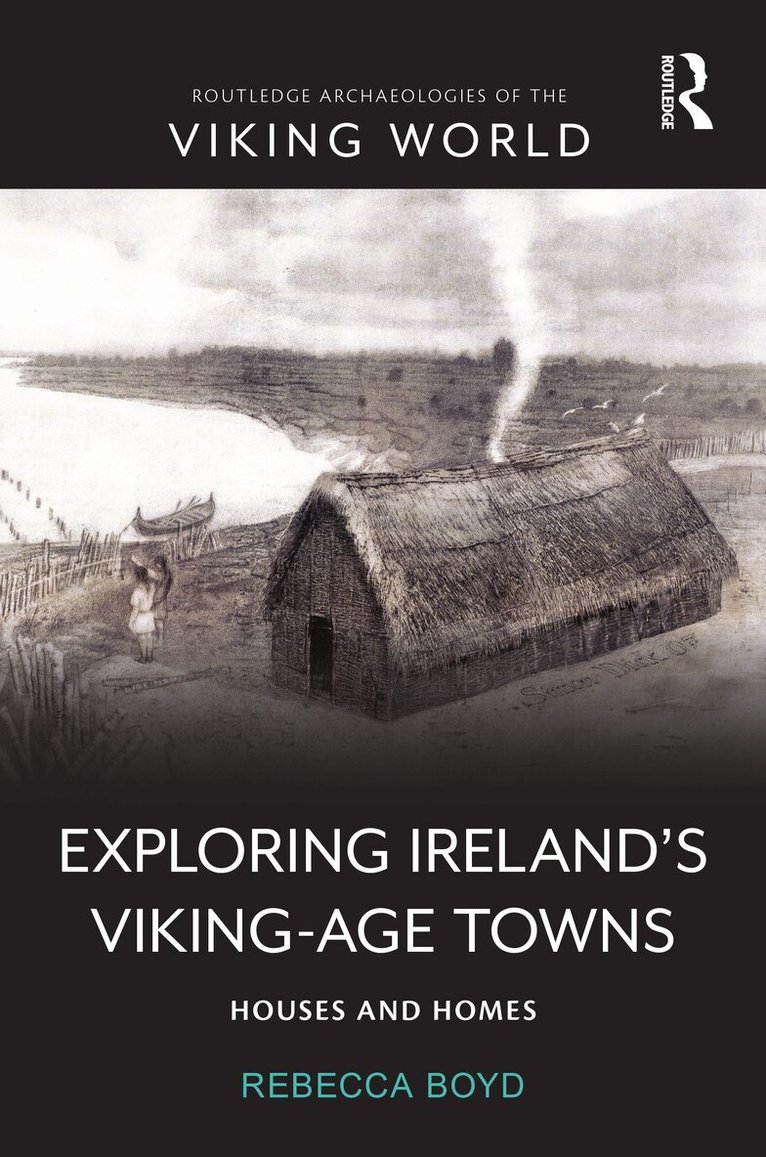
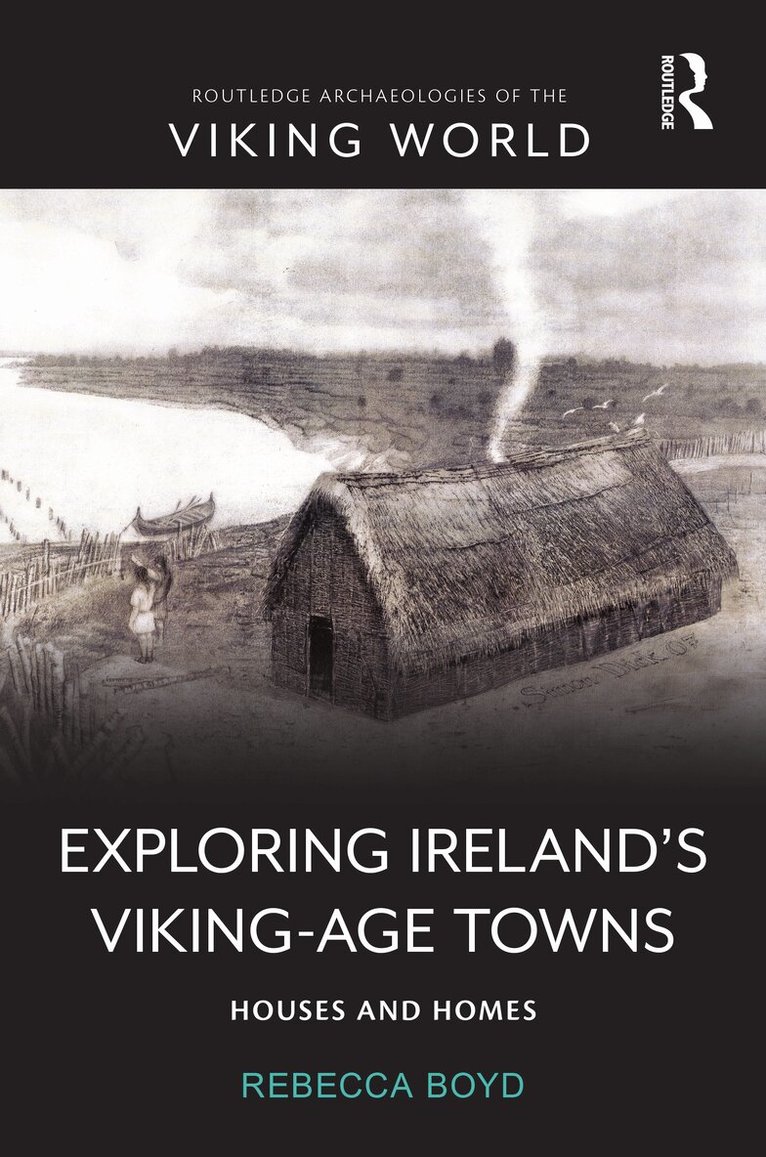
Exploring Ireland’s Viking-Age Towns discusses the emergence of towns, urban lifestyles, and urban identities in Ireland. This coincides with the arrival of the Vikings and the appearance of the post-and-wattle Type 1 house. These houses reflect this crucial transition to urban living with its attendant changes for individuals, households, and society.Exploring Ireland’s Viking-Age Towns uses household archaeology as a lens to explore the materiality, variability, and day-to-day experiences of living in these houses. It moves from the intimate scale of individual households to the larger scale of Ireland’s earliest urban communities. For the first time, this book considers how these houses were more than just buildings: they were homes, important places where people lived, worked, and died. These new towns were busy places with a multitude of people, ideas, and things. This book uses the mass of archaeological data to undertake comparative analyses of houses and properties, artefact distribution patterns, and access analysis studies to interrogate some 500 Viking-Age urban houses. This analysis is structured in three parts: an investigation of the houses, the households, and the town. Exploring Ireland’s Viking-Age Towns discusses how these new urban households managed their homes to create a sense of place and belonging in these new environments and allow themselves to develop a new, urban identity.This book is suited to advanced students and specialists of the Viking Age in Ireland, but archaeologists and historians of the early medieval and Viking worlds will find much of interest here. It will also appeal to readers with interests in the archaeology of house and home, households, identities, and urban studies.
Häftad, Engelska, 2022
665 kr
Skickas inom 10-15 vardagar
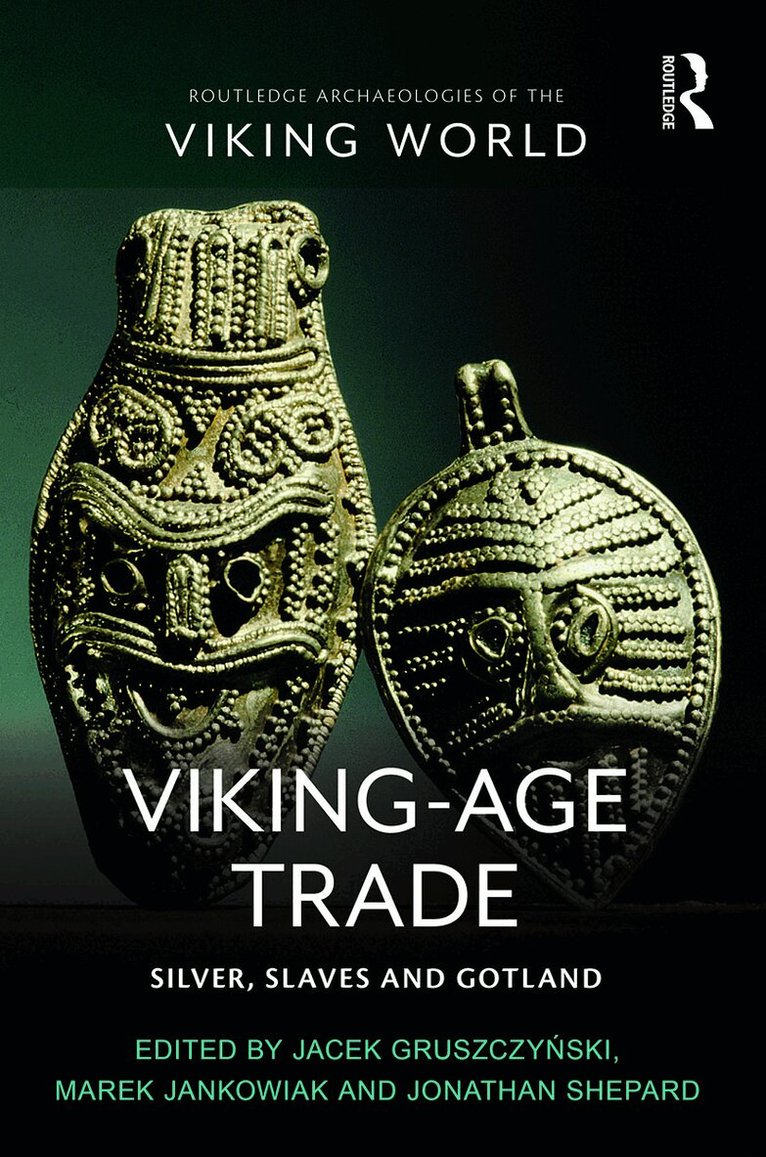
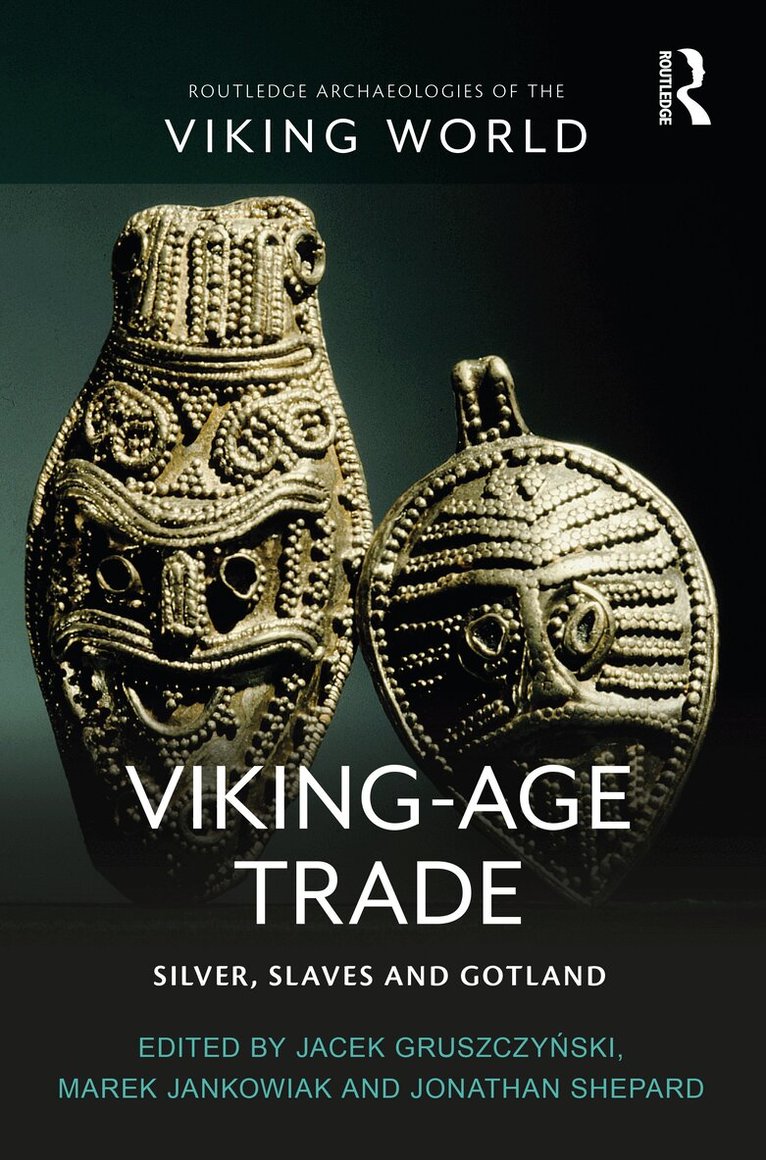
That there was an influx of silver dirhams from the Muslim world into eastern and northern Europe in the ninth and tenth centuries is well known, as is the fact that the largest concentration of hoards is on the Baltic island of Gotland. Recent discoveries have shown that dirhams were reaching the British Isles, too. What brought the dirhams to northern Europe in such large numbers? The fur trade has been proposed as one driver for transactions, but the slave trade offers another – complementary – explanation. This volume does not offer a comprehensive delineation of the hoard finds, or a full answer to the question of what brought the silver north. But it highlights the trade in slaves as driving exchanges on a trans-continental scale. By their very nature, the nexuses were complex, mutable and unclear even to contemporaries, and they have eluded modern scholarship. Contributions to this volume shed light on processes and key places: the mints of Central Asia; the chronology of the inflows of dirhams to Rus and northern Europe; the reasons why silver was deposited in the ground and why so much ended up on Gotland; the functioning of networks – perhaps comparable to the twenty-first-century drug trade; slave-trading in the British Isles; and the stimulus and additional networks that the Vikings brought into play. This combination of general surveys, presentations of fresh evidence and regional case studies sets Gotland and the early medieval slave trade in a firmer framework than has been available before.
Häftad, Engelska, 2020
694 kr
Skickas inom 10-15 vardagar
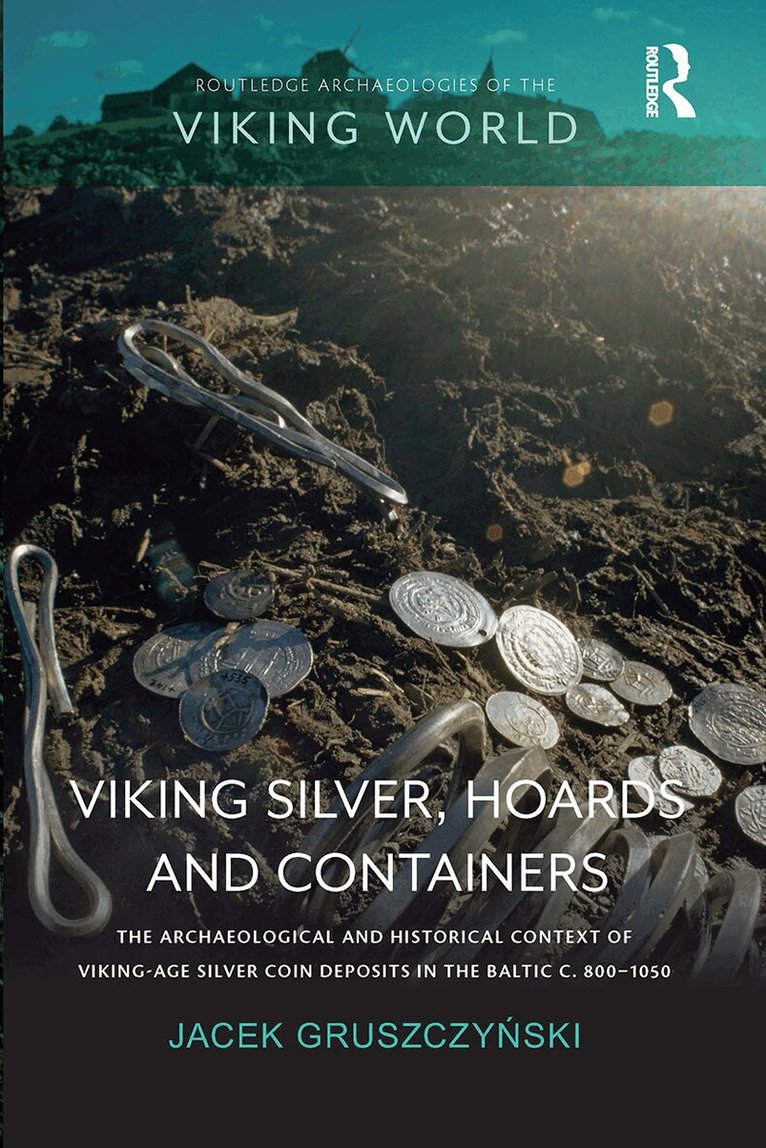
It is widely accepted that the Viking Age (c. 800–1050) stimulated the development of long-distance, regional and local trade and exchange networks. The clearest archaeological evidence for these contacts is mainly in the form of silver artefacts predominantly found in hoards in Northern and Central Europe – the Baltic zone. However, beyond occasional national- or regional-level research, there have been no attempts at a historically guided comparative archaeological survey of the Baltic zone as a whole.By investigating silver hoards and the context of their deposition, Viking Silver, Hoards and Containers seeks to understand the variety of functions performed by hoards; the differences in function within regions; the hoards’ relationship with trade; and the nature and function of emporia. It also examines the extent to which the findings mesh with literary evidence and the nature of the different societies benefiting from the influx of silver in the Viking Age. Crucially, the book features a catalogue, which provides a thorough overview and update of Baltic-zone hoards.Viking Silver, Hoards and Containers is intended for use by students of, and specialists in, early medieval, Viking and Slavic history and archaeology. However, it will also be a useful teaching resource for other general courses in archaeology, anthropology and material culture, numismatics, economic history, religious studies, GIS and statistics.
Inbunden, Engelska, 2019
2 225 kr
Skickas inom 10-15 vardagar
It is widely accepted that the Viking Age (c. 800–1050) stimulated the development of long-distance, regional and local trade and exchange networks. The clearest archaeological evidence for these contacts is mainly in the form of silver artefacts predominantly found in hoards in Northern and Central Europe – the Baltic zone. However, beyond occasional national- or regional-level research, there have been no attempts at a historically guided comparative archaeological survey of the Baltic zone as a whole.By investigating silver hoards and the context of their deposition, Viking Silver, Hoards and Containers seeks to understand the variety of functions performed by hoards; the differences in function within regions; the hoards’ relationship with trade; and the nature and function of emporia. It also examines the extent to which the findings mesh with literary evidence and the nature of the different societies benefiting from the influx of silver in the Viking Age. Crucially, the book features a catalogue, which provides a thorough overview and update of Baltic-zone hoards.Viking Silver, Hoards and Containers is intended for use by students of, and specialists in, early medieval, Viking and Slavic history and archaeology. However, it will also be a useful teaching resource for other general courses in archaeology, anthropology and material culture, numismatics, economic history, religious studies, GIS and statistics.
Häftad, Engelska, 2021
665 kr
Skickas inom 10-15 vardagar
As the politico-economic exploits of vikings in and around the Frankish realm remain, to a considerable extent, obscured by the constraints of a fragmentary and biased corpus of (near-)contemporary evidence, this volume approaches the available interdisciplinary data on a cumulative and conceptual level, allowing overall spatiotemporal patterns of viking activity to be detected and defined – and thereby challenging the notion that these movements were capricious, haphazard, and gratuitous in character. Set against a backdrop of continuous commerce and knowledge exchange, this overarching survey demonstrates the existence of a relatively uniform, sequential framework of wealth extraction, encampment, and political engagement, within which Scandinavian fleets operated as adaptable, ambulant polities – or ‘hydrarchies’. By delineating and visualising this framework, a four-phased conceptual development model of hydrarchic conduct and consequence is established, whose validity is substantiated by its application to a number of distinct regional case studies. The parameters of this abstract model affirm that Scandinavian movements across Francia were the result of prudent and expedient decision-making processes, contingent on exchanged intelligence, cumulative experience, and the ongoing individual and collective need for socioeconomic subsistence and enrichment.Monarchs and Hydrarchs will appeal to both students and specialists of the Viking Age, whilst serving as an equally valuable resource to those investigating early medieval Francia, Scandinavia, and the North Sea world as a whole.
Häftad, Engelska, 2023
608 kr
Skickas inom 10-15 vardagar
Viking-Age trade, network theory, silver economies, kingdom formation, and the Scandinavian raiding and settlement of Ireland and Britain are all popular subjects. However, few have looked for possible connections between these phenomena, something this book suggests were closely related.By allying Blomkvist’s network-kingdoms with Sindbæk’s nodal market-networks, it is argued that the political and economic character of Viking-Age Britain and Ireland – my ‘Insular Scandinavia’ – is best understood if Dublin and Jórvík are seen as being established as nodes of a market-based network-kingdom. Based on a dataset relating to the then developing bullion economies of the central and eastern Scandinavian worlds and southern Scandinavia in particular, it is argued that war-band leaders from, or familiar with, ‘Danish’ markets like Hedeby and Kaupang transposed to Insular Scandinavia the concept of polities based on establishment of markets and the protection of routeways between them. Using this book, readers can think of interlinked Dublin and Great Army elites creating an Insular version of a Danish-style nodal market kingdom based on commerce and silver currencies.A Viking Market Kingdom in Ireland and Britain will help specialist researchers and students of Viking archaeology make connections between southern Scandinavia and the market economy of the Uí Ímair (‘descendants of Ívarr’) operating out of the twin nodes of Dublin and Jórvík via the initial establishment of Hiberno-Scandinavian longphuirt and the related winter-camps of the Viking Great Army.
Inbunden, Engelska, 2024
2 225 kr
Skickas inom 10-15 vardagar
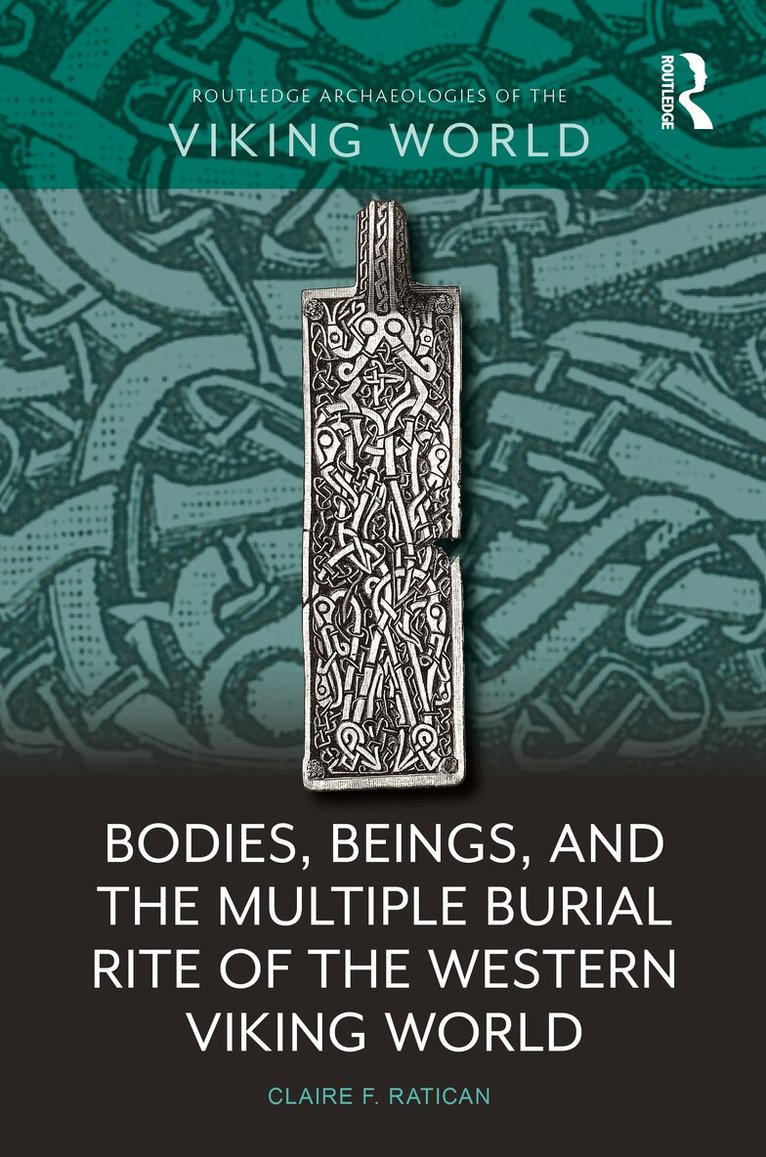
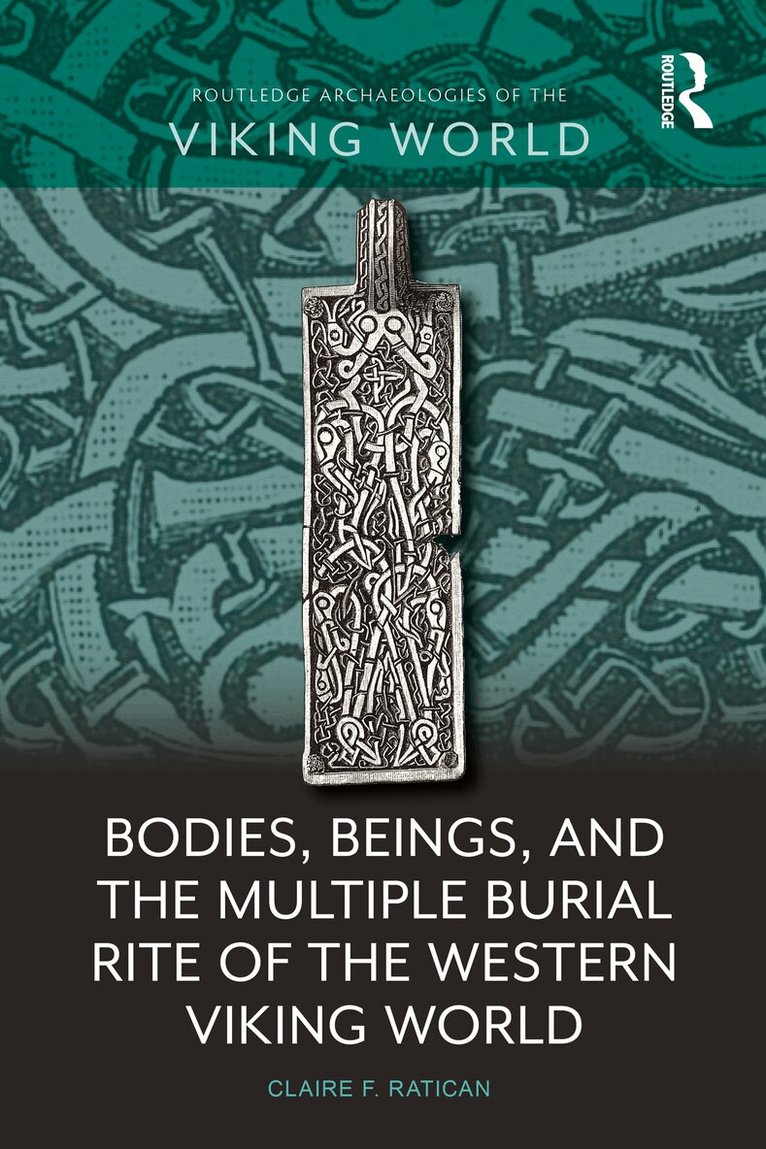
This book explores multiple burials, the presence of more than one individual within a grave, within the Viking Age mortuary landscape throughout Scandinavia and the lands of their westward diaspora.Even though a number of spectacular examples have captured the imagination of professionals and the public alike, multiple burials have not been the subject of dedicated and systematic archaeological investigation. By adopting a perspective grounded in relationality and an analysis that centres on three types of beings—humans, animals and things—this book explores the ways in which each being entered into entangled relationships with the other, thereby mutually constituting the nature of their existence in Viking Age minds. For the first time, the corpus of Viking Age multiple burials located across the lands of the Western Scandinavian diaspora and their counterparts in the urban trading centres of Kaupang (Norway) and Hedeby (formerly Denmark) is synthesised into a single study, firmly situating the multiple burial rite within the wider suite of normative burial practices observed across the Viking World. The book meaningfully engages with a developing discourse in the Scandinavian tradition increasingly revealing the fluidity of being across human, animal and thing bodies in Iron Age mentalities and material culture. Ultimately, it poses the question: are humans, animals, and things similar forms of bodies and beings in the Viking World?This book will appeal to students and researchers of death and burial in the Viking World.
Häftad, Engelska, 2026
685 kr
Kommande
This book explores multiple burials, the presence of more than one individual within a grave, within the Viking Age mortuary landscape throughout Scandinavia and the lands of their westward diaspora.Even though a number of spectacular examples have captured the imagination of professionals and the public alike, multiple burials have not been the subject of dedicated and systematic archaeological investigation. By adopting a perspective grounded in relationality and an analysis that centres on three types of beings—humans, animals and things—this book explores the ways in which each being entered into entangled relationships with the other, thereby mutually constituting the nature of their existence in Viking Age minds. For the first time, the corpus of Viking Age multiple burials located across the lands of the Western Scandinavian diaspora and their counterparts in the urban trading centres of Kaupang (Norway) and Hedeby (formerly Denmark) is synthesised into a single study, firmly situating the multiple burial rite within the wider suite of normative burial practices observed across the Viking World. The book meaningfully engages with a developing discourse in the Scandinavian tradition increasingly revealing the fluidity of being across human, animal and thing bodies in Iron Age mentalities and material culture. Ultimately, it poses the question: are humans, animals, and things similar forms of bodies and beings in the Viking World?This book will appeal to students and researchers of death and burial in the Viking World.
Inbunden, Engelska, 2023
2 225 kr
Skickas inom 10-15 vardagar
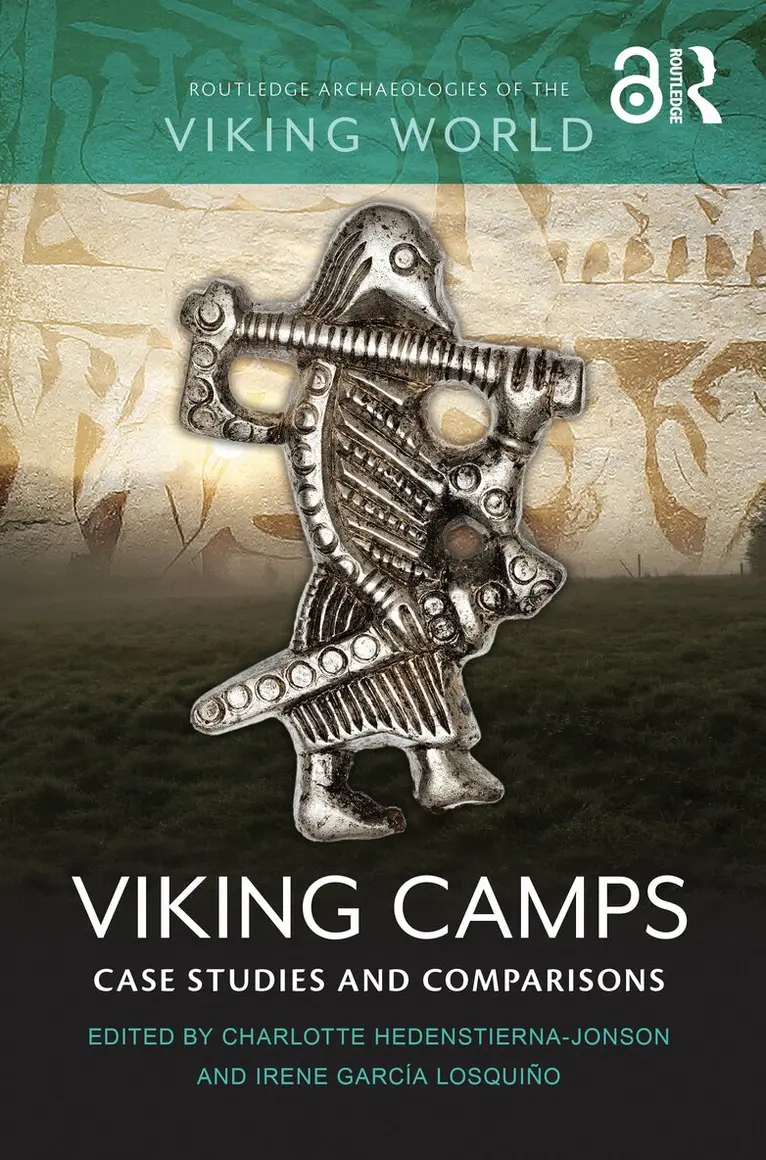
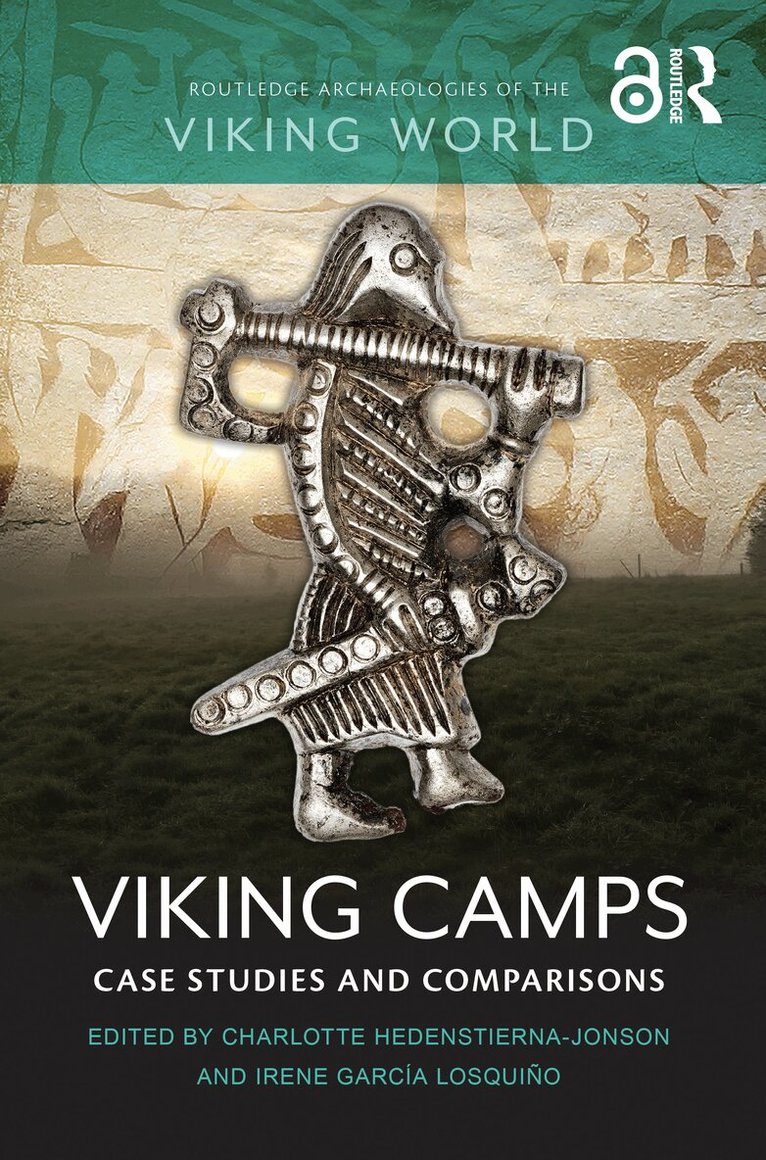
This book is the coming together of several disciplines under the thematic umbrella of Viking Camps and provides the very latest research presented by the leading researchers in the field, making it the most comprehensive compilation of the phenomenon of Viking camps to date.Compiling the current state of research on encampments across the Viking world and their impact on their surroundings, this volume provides an all-encompassing analysis of their characteristics—functions, form, inner workings, and interaction with the landscape and the local population. It initiates a wider discussion on the features and functions that define them, making it possible to identify and understand new sites, also broadening the geographical scope. Sites in Ireland, England, Sweden, Frankia, and Iberia are presented and explored, allowing the reader to understand the camp phenomenon from a comparative, more inclusive perspective. The combination of geographically bound case-studies and in-depth analyses of specific themes, such as economy and religion, bring together an abundance of methodologies and approaches. The volume introduces new interdisciplinary approaches to define and identify Viking encampment sites, combining archaeology, historical documents, metal detecting, landscape analysis, and toponymic research. It builds the methodological foundations for future research on Viking camps, the armies inhabiting them, and their interaction with the surrounding world.Viking Camps contributes to a better understanding of the functioning of Viking expeditionary groups, both on campaign and during the early stages of settlement, and will be of use to researchers in Viking archaeology, history, and Viking Studies.
Häftad, Engelska, 2025
665 kr
Skickas inom 10-15 vardagar
This book is the coming together of several disciplines under the thematic umbrella of Viking Camps and provides the very latest research presented by the leading researchers in the field, making it the most comprehensive compilation of the phenomenon of Viking camps to date.Compiling the current state of research on encampments across the Viking world and their impact on their surroundings, this volume provides an all-encompassing analysis of their characteristics—functions, form, inner workings, and interaction with the landscape and the local population. It initiates a wider discussion on the features and functions that define them, making it possible to identify and understand new sites, also broadening the geographical scope. Sites in Ireland, England, Sweden, Frankia, and Iberia are presented and explored, allowing the reader to understand the camp phenomenon from a comparative, more inclusive perspective. The combination of geographically bound case-studies and in-depth analyses of specific themes, such as economy and religion, bring together an abundance of methodologies and approaches. The volume introduces new interdisciplinary approaches to define and identify Viking encampment sites, combining archaeology, historical documents, metal detecting, landscape analysis, and toponymic research. It builds the methodological foundations for future research on Viking camps, the armies inhabiting them, and their interaction with the surrounding world.Viking Camps contributes to a better understanding of the functioning of Viking expeditionary groups, both on campaign and during the early stages of settlement, and will be of use to researchers in Viking archaeology, history, and Viking Studies.
Häftad, Engelska, 2025
665 kr
Skickas inom 10-15 vardagar
Exploring Ireland’s Viking-Age Towns discusses the emergence of towns, urban lifestyles, and urban identities in Ireland. This coincides with the arrival of the Vikings and the appearance of the post-and-wattle Type 1 house. These houses reflect this crucial transition to urban living with its attendant changes for individuals, households, and society.Exploring Ireland’s Viking-Age Towns uses household archaeology as a lens to explore the materiality, variability, and day-to-day experiences of living in these houses. It moves from the intimate scale of individual households to the larger scale of Ireland’s earliest urban communities. For the first time, this book considers how these houses were more than just buildings: they were homes, important places where people lived, worked, and died. These new towns were busy places with a multitude of people, ideas, and things. This book uses the mass of archaeological data to undertake comparative analyses of houses and properties, artefact distribution patterns, and access analysis studies to interrogate some 500 Viking-Age urban houses. This analysis is structured in three parts: an investigation of the houses, the households, and the town. Exploring Ireland’s Viking-Age Towns discusses how these new urban households managed their homes to create a sense of place and belonging in these new environments and allow themselves to develop a new, urban identity.This book is suited to advanced students and specialists of the Viking Age in Ireland, but archaeologists and historians of the early medieval and Viking worlds will find much of interest here. It will also appeal to readers with interests in the archaeology of house and home, households, identities, and urban studies.
Inbunden, Engelska, 2024
2 082 kr
Skickas inom 10-15 vardagar
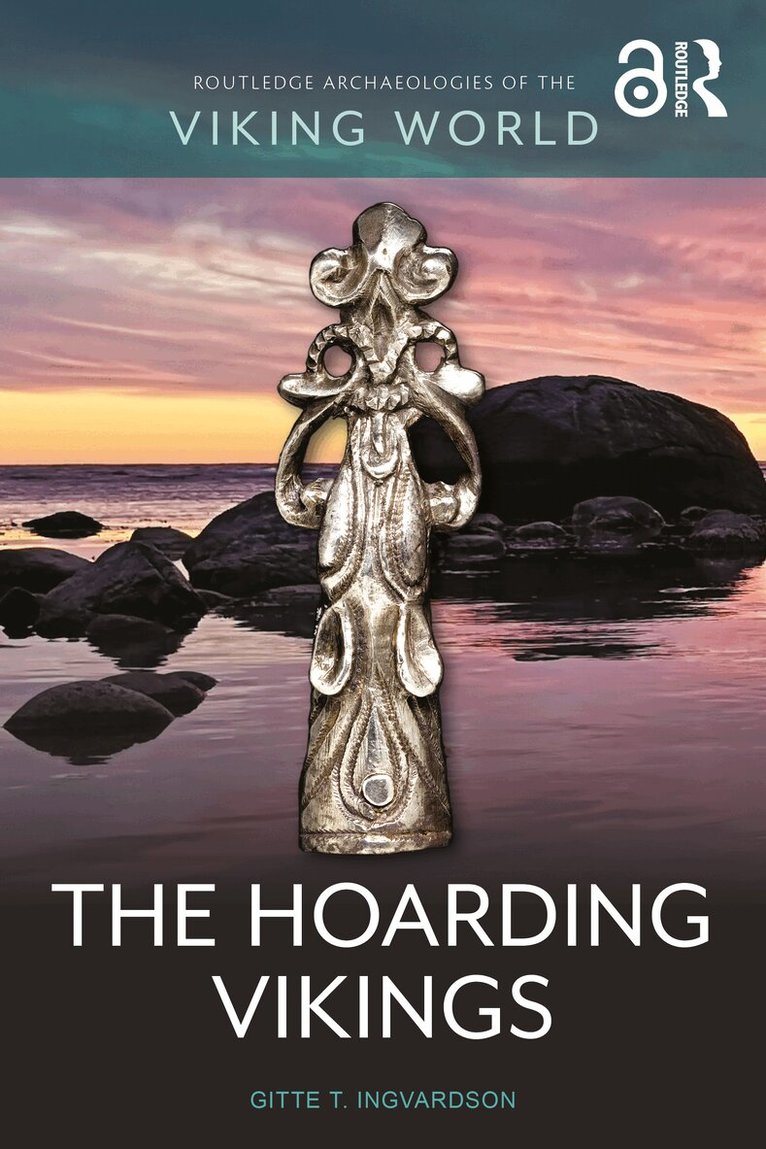
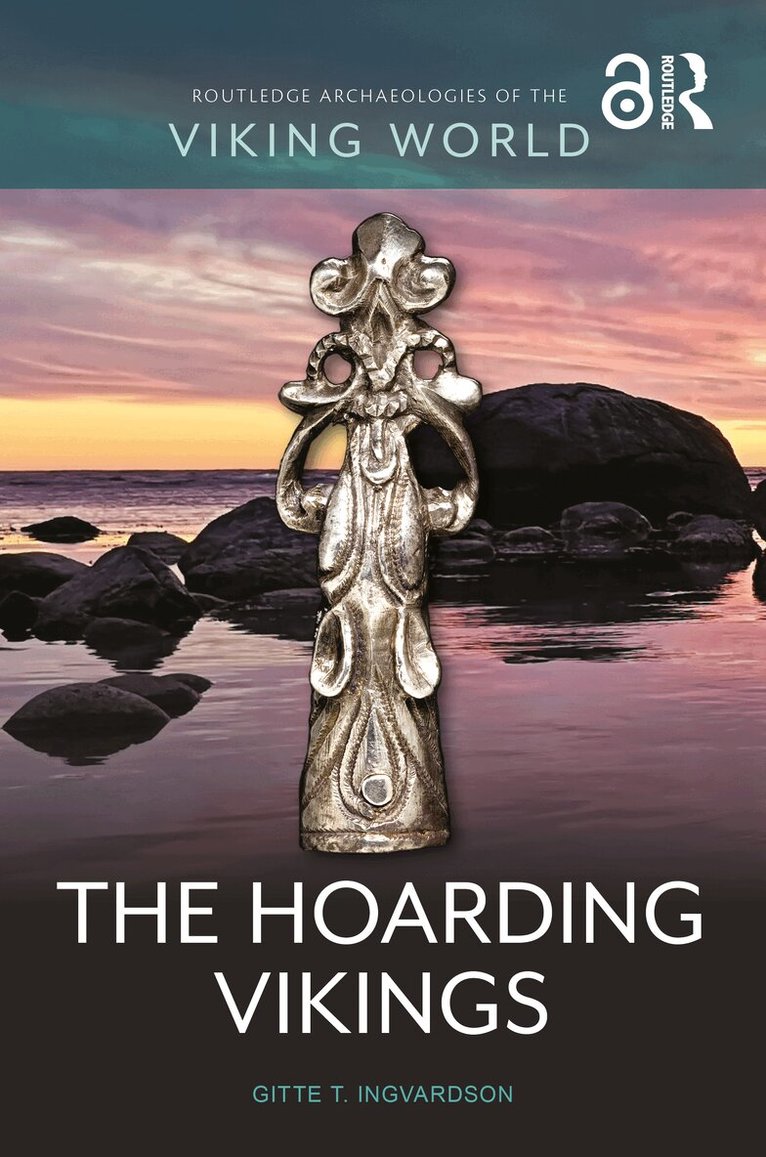
This book investigates whether Viking hoards leave behind traces of the people who deposited them and the reasons for doing so. The focus is on the Viking-Age hoards of the Danish island of Bornholm in the Baltic Sea, a unique find group in both quantity and quality.The large number of excavated Bornholm hoards enable the inclusion of the archaeological context on an unpreceded scale. This book explores how hoards fulfilled many different purposes and Bourdieu’s theory on capital and field forms the theoretical frame for a multi-contextual analysis of the hoards’ relation to the economic, social, cultural, and ritual fields. A fundamental principle of the methodical approach is that all parts of the hoards are equally important for interpretation. It is in the interaction between archaeological and numismatic data, between the objects’ production and circulation data, and between the accumulation and deposition data, that the functions of the hoards appear. This holistic analytic model illuminates how and by whom the hoards were accumulated and deposited, theorising that the motivations for purpose of depositing different hoard types vary and that these motivations are reflected in the deposition contexts. Besides describing the acts and actors that influenced the accumulation and deposition of silver, the book also examines how hoards influenced Viking-Age people and society.Demonstrating that the motivation behind the accumulation and deposition of hoards was multifaceted, The Hoarding Vikings is for researchers and students of Viking archaeology.The Open Access version of this book, available at http://www.taylorfrancis.com, has been made available under a Creative Commons Attribution (CC-BY) 4.0 license.
Häftad, Engelska, 2026
685 kr
Kommande
This book investigates whether Viking hoards leave behind traces of the people who deposited them and the reasons for doing so. The focus is on the Viking-Age hoards of the Danish island of Bornholm in the Baltic Sea, a unique find group in both quantity and quality.The large number of excavated Bornholm hoards enable the inclusion of the archaeological context on an unpreceded scale. This book explores how hoards fulfilled many different purposes and Bourdieu’s theory on capital and field forms the theoretical frame for a multi-contextual analysis of the hoards’ relation to the economic, social, cultural, and ritual fields. A fundamental principle of the methodical approach is that all parts of the hoards are equally important for interpretation. It is in the interaction between archaeological and numismatic data, between the objects’ production and circulation data, and between the accumulation and deposition data, that the functions of the hoards appear. This holistic analytic model illuminates how and by whom the hoards were accumulated and deposited, theorising that the motivations for purpose of depositing different hoard types vary and that these motivations are reflected in the deposition contexts. Besides describing the acts and actors that influenced the accumulation and deposition of silver, the book also examines how hoards influenced Viking-Age people and society.Demonstrating that the motivation behind the accumulation and deposition of hoards was multifaceted, The Hoarding Vikings is for researchers and students of Viking archaeology.The Open Access version of this book, available at http://www.taylorfrancis.com, has been made available under a Creative Commons Attribution (CC-BY) 4.0 license.
Häftad, Engelska, 2026
685 kr
Kommande
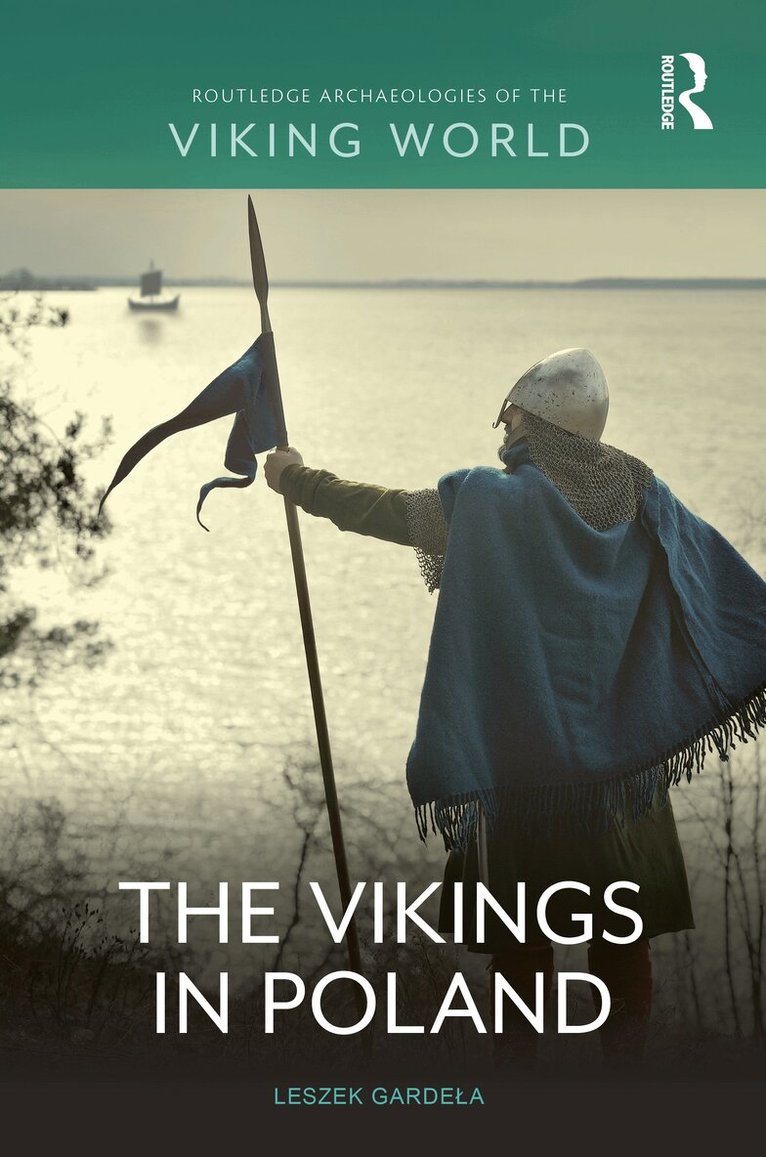
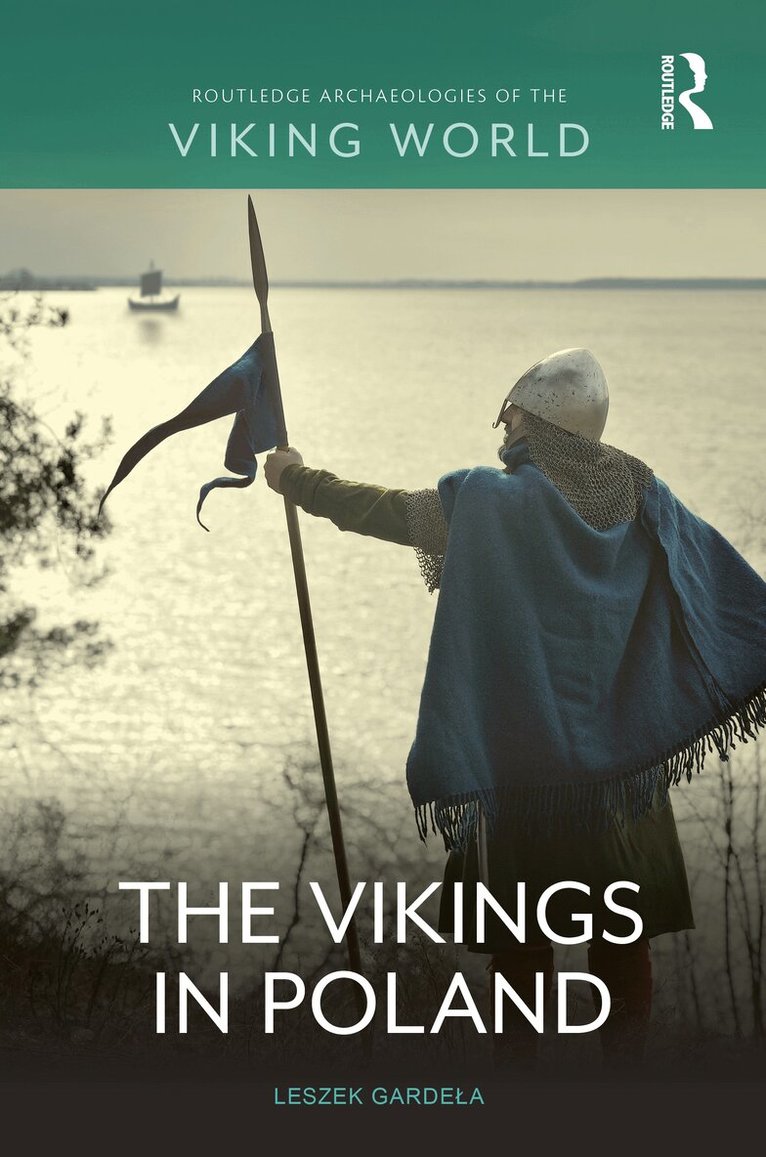
This pioneering work offers a meticulous exploration of Scandinavian presence in Viking Age Poland. Unveiling the complexities and controversies of past research and delving into the nuances of reciprocal interactions between Western Slavic and Scandinavian populations as revealed through archaeology and medieval texts, the book casts genuinely new light on a previously overlooked part of the Viking world.In setting the stage for these investigations, the monograph traces the evolution of Viking and Old Norse studies in Poland. It covers the romanticisation of Norse culture and literature, the dark days of the Second World War when archaeology was strongly driven by violent ideologies, and the profound changes that occurred in academia after the fall of communism and Poland’s accession to the European Union. At the core of this book are thorough investigations into cross-cultural interactions along the shores of the southern Baltic as well as in the interior of Poland. Using first-hand analyses of archaeological evidence from bustling ports of trade, settlement sites, silver hoards, and burial grounds, it is argued that the relationship between the local Western Slavic population and the Scandinavian migrants was highly complex but overall very symmetrical. Crucial notions such as the construction of identity in diasporic communities, ritual behaviour, and the symbolic content of Viking Age material culture are also discussed at length, offering new insights into Scandinavian and Slavic minds.Enriched with high-quality illustrations, photographs, as well as artistic reconstructions, this book fills many blank spaces in the field of Viking studies and is intended both for professional audiences and general readers interested in the intricacies of our shared past.
Inbunden, Engelska, 2020
2 225 kr
Skickas inom 10-15 vardagar
That there was an influx of silver dirhams from the Muslim world into eastern and northern Europe in the ninth and tenth centuries is well known, as is the fact that the largest concentration of hoards is on the Baltic island of Gotland. Recent discoveries have shown that dirhams were reaching the British Isles, too. What brought the dirhams to northern Europe in such large numbers? The fur trade has been proposed as one driver for transactions, but the slave trade offers another – complementary – explanation. This volume does not offer a comprehensive delineation of the hoard finds, or a full answer to the question of what brought the silver north. But it highlights the trade in slaves as driving exchanges on a trans-continental scale. By their very nature, the nexuses were complex, mutable and unclear even to contemporaries, and they have eluded modern scholarship. Contributions to this volume shed light on processes and key places: the mints of Central Asia; the chronology of the inflows of dirhams to Rus and northern Europe; the reasons why silver was deposited in the ground and why so much ended up on Gotland; the functioning of networks – perhaps comparable to the twenty-first-century drug trade; slave-trading in the British Isles; and the stimulus and additional networks that the Vikings brought into play. This combination of general surveys, presentations of fresh evidence and regional case studies sets Gotland and the early medieval slave trade in a firmer framework than has been available before.
Inbunden, Engelska, 2024
2 225 kr
Skickas inom 10-15 vardagar
This pioneering work offers a meticulous exploration of Scandinavian presence in Viking Age Poland. Unveiling the complexities and controversies of past research and delving into the nuances of reciprocal interactions between Western Slavic and Scandinavian populations as revealed through archaeology and medieval texts, the book casts genuinely new light on a previously overlooked part of the Viking world.In setting the stage for these investigations, the monograph traces the evolution of Viking and Old Norse studies in Poland. It covers the romanticisation of Norse culture and literature, the dark days of the Second World War when archaeology was strongly driven by violent ideologies, and the profound changes that occurred in academia after the fall of communism and Poland’s accession to the European Union. At the core of this book are thorough investigations into cross-cultural interactions along the shores of the southern Baltic as well as in the interior of Poland. Using first-hand analyses of archaeological evidence from bustling ports of trade, settlement sites, silver hoards, and burial grounds, it is argued that the relationship between the local Western Slavic population and the Scandinavian migrants was highly complex but overall very symmetrical. Crucial notions such as the construction of identity in diasporic communities, ritual behaviour, and the symbolic content of Viking Age material culture are also discussed at length, offering new insights into Scandinavian and Slavic minds.Enriched with high-quality illustrations, photographs, as well as artistic reconstructions, this book fills many blank spaces in the field of Viking studies and is intended both for professional audiences and general readers interested in the intricacies of our shared past.