Routledge Library Editions: Women and Writing – serie
Visar alla böcker i serien Routledge Library Editions: Women and Writing. Handla med fri frakt och snabb leverans.
17 produkter
17 produkter
18 673 kr
Skickas inom 10-15 vardagar
This 8-volume collection contains titles originally published between 1976 and 2004. It covers women’s writing from a variety of perspectives, exploring the options open to women writers through the centuries, which allowed women’s voices to be heard through their writing. From novels and poetry to autobiography and oral histories. Individual titles include the female social narrative, psychological and literary analysis, lesbian history, feminist and literary criticism, and more. This set will be a valuable resource for those interested in literature, history, feminism, and women’s studies.
Inbunden, Engelska, 2022
1 917 kr
Skickas inom 10-15 vardagar
How did the Victorian woman cope with the image of herself as a writer?What were the constraints on female friendships in a world centred on the pre-eminence of the husband?How significant for an ambitious woman were her politics about men?At the heart of this book, originally published in 1990, is a friendship between two women: Jane Carlyle and the novelist Geraldine Jewsbury. But it was a difficult friendship, and in its difficulty lies much that is illuminating: about nineteenth-century domestic ideology; about writing for a market, and female fame; and about the complex ambivalences between women.Examining aspects of their lives, writing, and relationships, alongside those of two other writers – Felicia Hemans and Geraldine’s sister, Maria Jane – Norma Clarke provides a subtle and illuminating discussion of the possibilities that were open to women in the Victorian age.
Häftad, Engelska, 2024
469 kr
Skickas inom 10-15 vardagar
How did the Victorian woman cope with the image of herself as a writer?What were the constraints on female friendships in a world centred on the pre-eminence of the husband?How significant for an ambitious woman were her politics about men?At the heart of this book, originally published in 1990, is a friendship between two women: Jane Carlyle and the novelist Geraldine Jewsbury. But it was a difficult friendship, and in its difficulty lies much that is illuminating: about nineteenth-century domestic ideology; about writing for a market, and female fame; and about the complex ambivalences between women.Examining aspects of their lives, writing, and relationships, alongside those of two other writers – Felicia Hemans and Geraldine’s sister, Maria Jane – Norma Clarke provides a subtle and illuminating discussion of the possibilities that were open to women in the Victorian age.
Inbunden, Engelska, 2022
1 599 kr
Skickas inom 10-15 vardagar
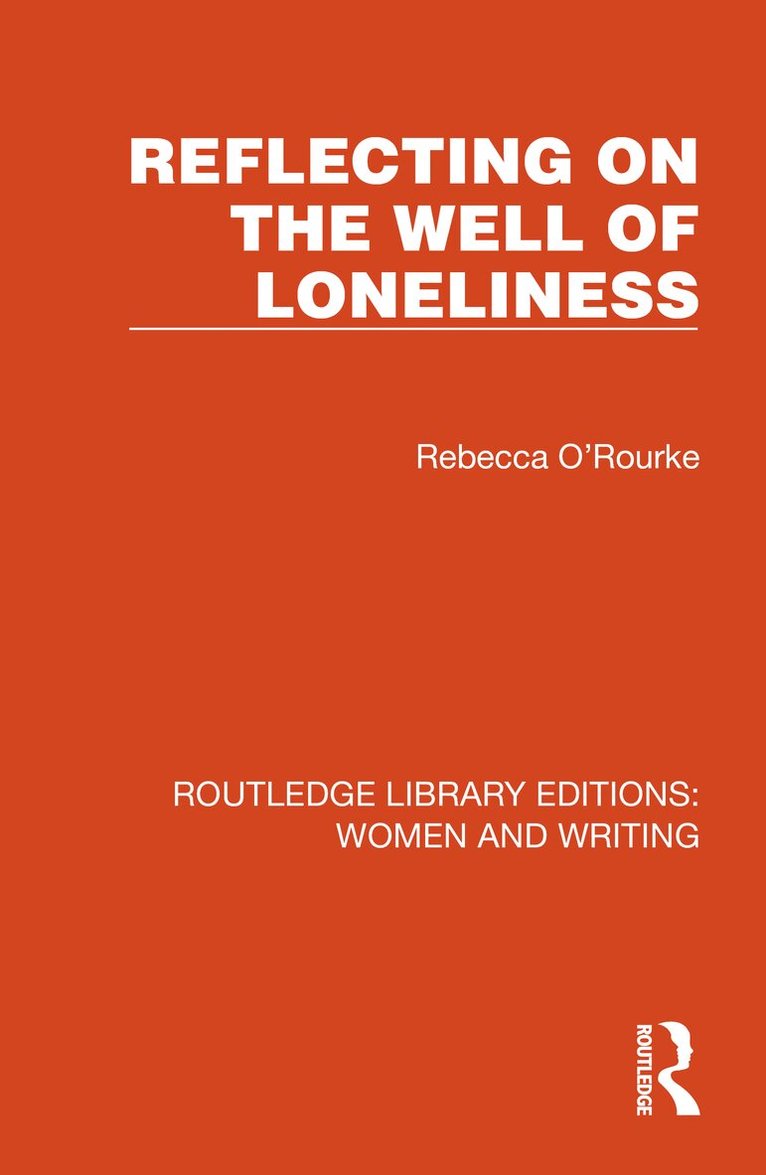
‘Noble, accomplished, wealthy, self-sacrificing, and honourable, Stephen Gordon is the perfect hero,’ says Rebecca O’Rourke. But Stephen is a woman, and a lesbian. Here is an indication of the tantalizing complexity of The Well of Loneliness. Banned for obscenity when first published in 1928, The Well is now a bestseller, translated into numerous languages, but it must rank as one of the best known and least understood novels of the twentieth century. It combines the life and times of Stephen Gordon, the novel’s female protagonist, with a plea, directed to God and society, for tolerance towards homosexuality. Stephen Gordon has embodied what it means to be a lesbian for generations of women readers. But, as the perfect hero, she makes for an awkward heroine. Originally published in 1989, herself a novelist, critic, and lesbian, Rebecca O’Rourke examines what makes the figure of Stephen Gordon both infuriating and inspiring to lesbian and non-lesbian readers alike. She details the novel’s fascinating publishing history through an analysis of the motives and preoccupations of previous critics and biographers, many of whom mistakenly saw in The Well of Loneliness a fictional account of Radclyffe Hall’s own life. The novel’s status as the ‘bible of lesbianism’ has been a mixed blessing, often confirming the worst stereotypes of lesbianism, while at the same time ensuring its visibility. Rebecca O’Rourke includes a fascinating survey of reader’s reactions to the book which was still, at the time, so many years after its first publication, the first ‘lesbian’ novel many women picked up.
Häftad, Engelska, 2024
485 kr
Skickas inom 10-15 vardagar
‘Noble, accomplished, wealthy, self-sacrificing, and honourable, Stephen Gordon is the perfect hero,’ says Rebecca O’Rourke. But Stephen is a woman, and a lesbian. Here is an indication of the tantalizing complexity of The Well of Loneliness. Banned for obscenity when first published in 1928, The Well is now a bestseller, translated into numerous languages, but it must rank as one of the best known and least understood novels of the twentieth century. It combines the life and times of Stephen Gordon, the novel’s female protagonist, with a plea, directed to God and society, for tolerance towards homosexuality. Stephen Gordon has embodied what it means to be a lesbian for generations of women readers. But, as the perfect hero, she makes for an awkward heroine. Originally published in 1989, herself a novelist, critic, and lesbian, Rebecca O’Rourke examines what makes the figure of Stephen Gordon both infuriating and inspiring to lesbian and non-lesbian readers alike. She details the novel’s fascinating publishing history through an analysis of the motives and preoccupations of previous critics and biographers, many of whom mistakenly saw in The Well of Loneliness a fictional account of Radclyffe Hall’s own life. The novel’s status as the ‘bible of lesbianism’ has been a mixed blessing, often confirming the worst stereotypes of lesbianism, while at the same time ensuring its visibility. Rebecca O’Rourke includes a fascinating survey of reader’s reactions to the book which was still, at the time, so many years after its first publication, the first ‘lesbian’ novel many women picked up.
Inbunden, Engelska, 2022
2 235 kr
Skickas inom 10-15 vardagar
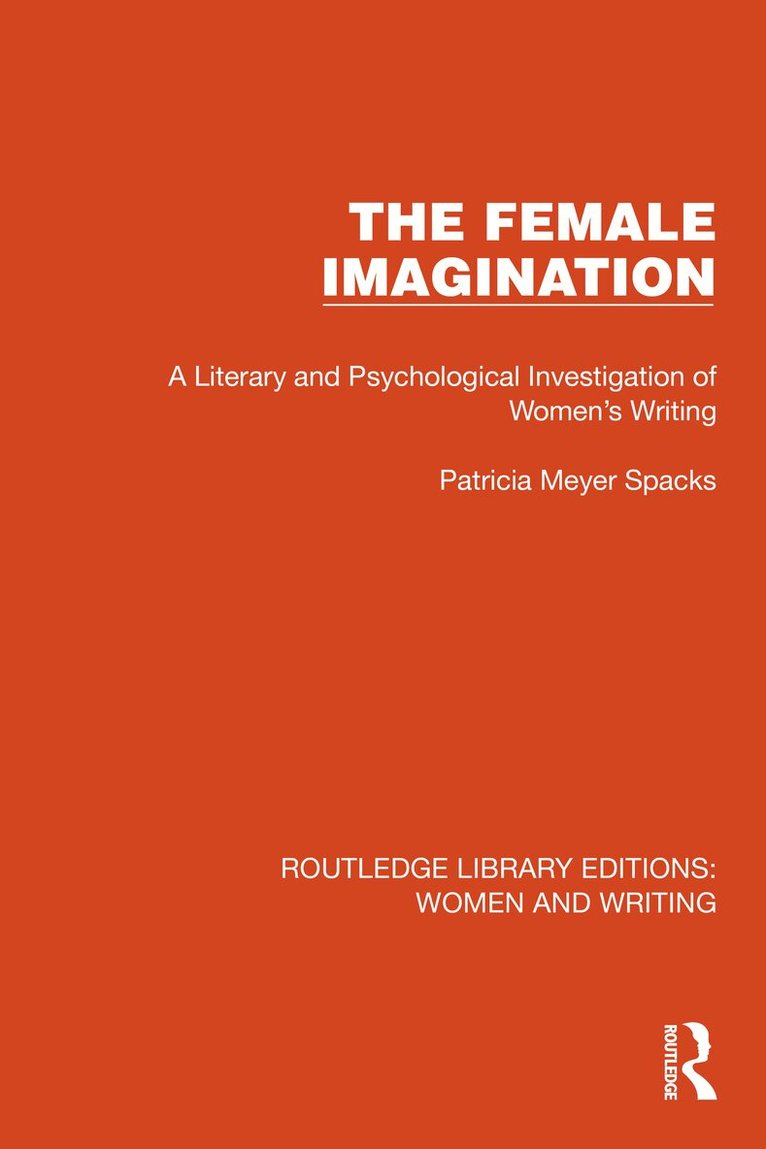
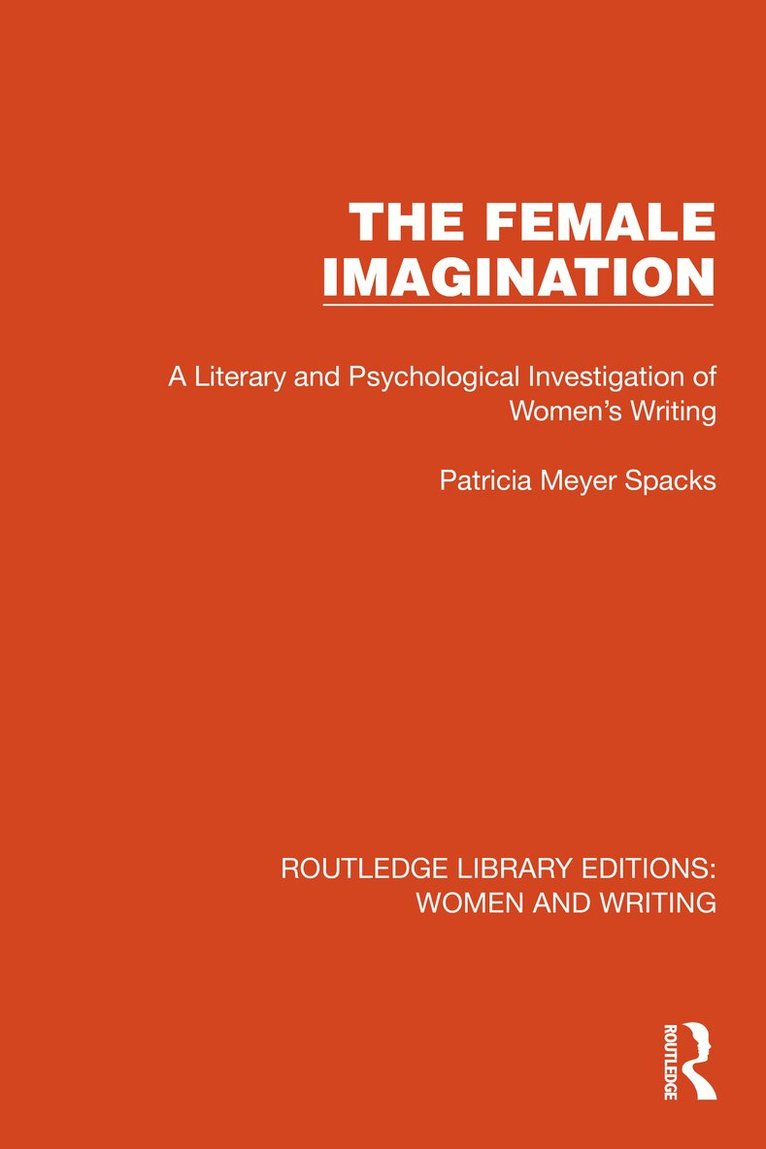
Is there such a thing as a female literary imagination – a special brand of insight and intuition that characterises women’s writing? Is there something about a novel, whether by Jane Austen, Charlotte Brontë or Doris Lessing, that tells us that it could only have been written by a woman? Do the subject matter, form and style that women choose throw light on the way they think and feel?In this brilliant and highly readable book, originally published in 1976, Patricia Spacks analyses the female view of the world. Juxtaposing – sometimes in startlingly original combination some eighty books written between the seventeenth century and the present day she uses both literary and psychological analysis to explore patterns that recur again and again in the stories women tell – whether about their own lives or the lives of their fictional characters. She dissects female experience in the twentieth century as viewed by an array of writers ranging from Kate Millet to Virginia Woolf; examines the interplay of social passivity and psychic power that dominates characters such as Maggie Tulliver and Jane Eyre, the altruism that impels Jane Austen’s and Mrs Gaskell’s heroines, the ‘acceptance’ of Virginia Woolf’s Mrs Ramsey, the personal and social conflicts that beset so many of the adolescent girls that figure in both nineteenth-century and contemporary literature; reveals the complex motives that can be bound up in a women’s deliberate choice of the artist’s role, as appears in the writings of Isadora Duncan’s and Dora Carrington, Marie Bashkirtseff and Mary McCartney – and the surprising forms ‘freedom’ can take, as for Beatrice Webb in the East End of London or Isak Dinerson in the wilds of Africa…The voices echo and re-echo across the years in fascinating counter-point. Their range is enormous – rebels and reformers, actresses and painters, Society ladies and unknown girls in small towns, novels, poems, memoirs, diaries and letters, both English and American, and alongside classics such as Wuthering Heights and well-known modern works such as The Bell Jar, Patricia Spacks introduces an intriguing selection of relatively unknown writers, such as Napoleon’s psychoanalyst great-niece Marie Bonaparte, the Victorian arch-fantasist Mary MacLane and the autobiography of a seventeenth-century Duchess.The Female Imagination is much more than a study of women’s writing. It is an inquiry into the nature of female thought, self-expression and experience. As such it should appeal to every educated woman – and to many men too.
Häftad, Engelska, 2024
501 kr
Skickas inom 10-15 vardagar
Is there such a thing as a female literary imagination – a special brand of insight and intuition that characterises women’s writing? Is there something about a novel, whether by Jane Austen, Charlotte Brontë or Doris Lessing, that tells us that it could only have been written by a woman? Do the subject matter, form and style that women choose throw light on the way they think and feel?In this brilliant and highly readable book, originally published in 1976, Patricia Spacks analyses the female view of the world. Juxtaposing – sometimes in startlingly original combination some eighty books written between the seventeenth century and the present day she uses both literary and psychological analysis to explore patterns that recur again and again in the stories women tell – whether about their own lives or the lives of their fictional characters. She dissects female experience in the twentieth century as viewed by an array of writers ranging from Kate Millet to Virginia Woolf; examines the interplay of social passivity and psychic power that dominates characters such as Maggie Tulliver and Jane Eyre, the altruism that impels Jane Austen’s and Mrs Gaskell’s heroines, the ‘acceptance’ of Virginia Woolf’s Mrs Ramsey, the personal and social conflicts that beset so many of the adolescent girls that figure in both nineteenth-century and contemporary literature; reveals the complex motives that can be bound up in a women’s deliberate choice of the artist’s role, as appears in the writings of Isadora Duncan’s and Dora Carrington, Marie Bashkirtseff and Mary McCartney – and the surprising forms ‘freedom’ can take, as for Beatrice Webb in the East End of London or Isak Dinerson in the wilds of Africa…The voices echo and re-echo across the years in fascinating counter-point. Their range is enormous – rebels and reformers, actresses and painters, Society ladies and unknown girls in small towns, novels, poems, memoirs, diaries and letters, both English and American, and alongside classics such as Wuthering Heights and well-known modern works such as The Bell Jar, Patricia Spacks introduces an intriguing selection of relatively unknown writers, such as Napoleon’s psychoanalyst great-niece Marie Bonaparte, the Victorian arch-fantasist Mary MacLane and the autobiography of a seventeenth-century Duchess.The Female Imagination is much more than a study of women’s writing. It is an inquiry into the nature of female thought, self-expression and experience. As such it should appeal to every educated woman – and to many men too.
Inbunden, Engelska, 2022
1 917 kr
Skickas inom 10-15 vardagar
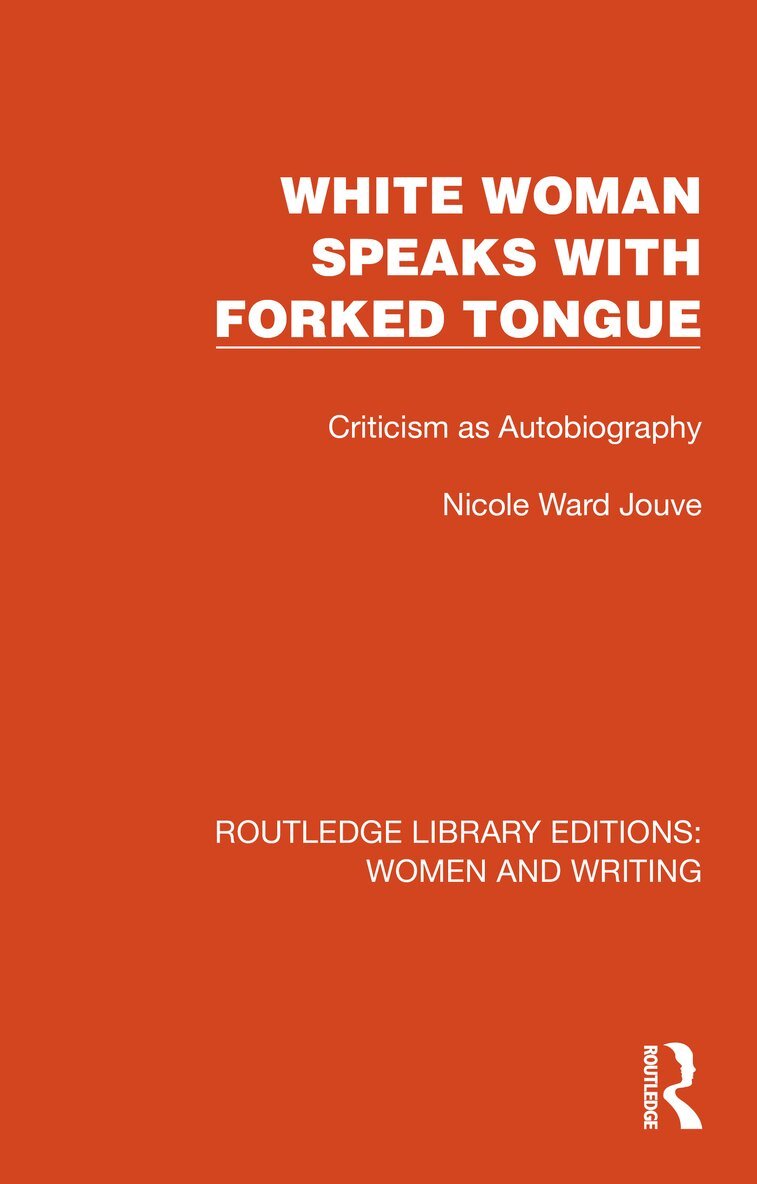
Originally published in 1991. The style of this startlingly original appraisal of a broad range of women’s writing suggests a new direction for feminist criticism, combining as it does challenging, intellectual debate and fresh textual analysis with fictional example and autobiographical detail to make a wholly new invention in the field.In addressing the need for the critic to say ‘I’ and to own judgments and statements instead of attributing these to an apparently impersonal third person, the author here points up some of the shortcomings of much prevailing ‘feminist’ analysis, challenging the very foundations of the Anglo-American feminist idea.Purposely avoiding the ‘totalising’ effect of much academic criticism, the writer/critic finds a new format and a new methodology for her insights and observations on a range of writers, from Doris Lessing to Hélène Cixious. Her unique analysis of the links between criticism and autobiography enable her to highlight the absurdity of attempting to write in the light of recent critical and scientific knowledge as if the self were a stable, unified construct, introducing instead a new, creative understanding of the methods and modes of women’s writing.This sparkling collection presents an exciting and original new voice in literary criticism. It tackles issues fundamental to literary theory, feminist criticism, psychoanalysis and cultural studies, offering new critical insights and providing a significant and wholly original feminist contribution to these key fields.
Häftad, Engelska, 2024
469 kr
Skickas inom 10-15 vardagar
Originally published in 1991. The style of this startlingly original appraisal of a broad range of women’s writing suggests a new direction for feminist criticism, combining as it does challenging, intellectual debate and fresh textual analysis with fictional example and autobiographical detail to make a wholly new invention in the field.In addressing the need for the critic to say ‘I’ and to own judgments and statements instead of attributing these to an apparently impersonal third person, the author here points up some of the shortcomings of much prevailing ‘feminist’ analysis, challenging the very foundations of the Anglo-American feminist idea.Purposely avoiding the ‘totalising’ effect of much academic criticism, the writer/critic finds a new format and a new methodology for her insights and observations on a range of writers, from Doris Lessing to Hélène Cixious. Her unique analysis of the links between criticism and autobiography enable her to highlight the absurdity of attempting to write in the light of recent critical and scientific knowledge as if the self were a stable, unified construct, introducing instead a new, creative understanding of the methods and modes of women’s writing.This sparkling collection presents an exciting and original new voice in literary criticism. It tackles issues fundamental to literary theory, feminist criticism, psychoanalysis and cultural studies, offering new critical insights and providing a significant and wholly original feminist contribution to these key fields.
Inbunden, Engelska, 2022
1 667 kr
Skickas inom 10-15 vardagar
In this original and highly accomplished study, first published in 1994, Marie Maclean studies the writings of social rebels and explores the relationship between their personal narratives and illegitimacy.The case studies which Maclean examines fall into four groups:those which stress alternative family structures and ‘female genealogies’those which pair female illegitimacy and revolutionthose which question the deliberate refusal of the name of the father by the legitimatethose which study the revenge of genius on the society which excludes itSkilfully interweaving feminist theory, French literary criticism, social and cultural history, deconstruction and psychoanalytic theory, Maclean traces the place of these personal narratives of illegitimacy in history and their use in theory, from Elizabeth I to Freud, Sartre and Derrida.The Name of the Mother will be of vital interest and importance to any student of critical theory, feminist philosophy, French or cultural studies.
Häftad, Engelska, 2024
469 kr
Skickas inom 10-15 vardagar
In this original and highly accomplished study, first published in 1994, Marie Maclean studies the writings of social rebels and explores the relationship between their personal narratives and illegitimacy.The case studies which Maclean examines fall into four groups:those which stress alternative family structures and ‘female genealogies’those which pair female illegitimacy and revolutionthose which question the deliberate refusal of the name of the father by the legitimatethose which study the revenge of genius on the society which excludes itSkilfully interweaving feminist theory, French literary criticism, social and cultural history, deconstruction and psychoanalytic theory, Maclean traces the place of these personal narratives of illegitimacy in history and their use in theory, from Elizabeth I to Freud, Sartre and Derrida.The Name of the Mother will be of vital interest and importance to any student of critical theory, feminist philosophy, French or cultural studies.
Inbunden, Engelska, 2022
1 917 kr
Skickas inom 10-15 vardagar
How do women’s poetic voices disrupt cultural forms? What is the relationship between female desire and the structures of poetry? Is ‘writing the body’ essentialist?Originally published in 1991, Impertinent Voices explores these questions in a sensitive and challenging study of female poetic strategies.Looking closely at the intricate and disturbing poetry of some of the twentieth century’s greatest poets – Sylvia Plath, Adrienne Rich, H. D., Audre Lorde – Liz Yorke uses the theories of Irigaray, Cixous and Kristeva to illuminate her own clear and original analyses of the ways in which feminist understandings have been produced within poetic and cultural forms. Although they struggle with a language which has traditionally excluded female sexuality and subjectivity, women poets refuse to be silenced. Their ‘impertinent’ voices break out of the constraining myths of the prevailing culture, precipitating new beginnings and new ways of looking at the world. Detailed close readings of the poems are here matched with a clear theoretical approach, making this both an exciting exploration of new terrain and an excellent introduction to the ways in which, for women writers, theoretical models and creative practice work hand in hand.
Häftad, Engelska, 2024
485 kr
Skickas inom 10-15 vardagar
How do women’s poetic voices disrupt cultural forms? What is the relationship between female desire and the structures of poetry? Is ‘writing the body’ essentialist?Originally published in 1991, Impertinent Voices explores these questions in a sensitive and challenging study of female poetic strategies.Looking closely at the intricate and disturbing poetry of some of the twentieth century’s greatest poets – Sylvia Plath, Adrienne Rich, H. D., Audre Lorde – Liz Yorke uses the theories of Irigaray, Cixous and Kristeva to illuminate her own clear and original analyses of the ways in which feminist understandings have been produced within poetic and cultural forms. Although they struggle with a language which has traditionally excluded female sexuality and subjectivity, women poets refuse to be silenced. Their ‘impertinent’ voices break out of the constraining myths of the prevailing culture, precipitating new beginnings and new ways of looking at the world. Detailed close readings of the poems are here matched with a clear theoretical approach, making this both an exciting exploration of new terrain and an excellent introduction to the ways in which, for women writers, theoretical models and creative practice work hand in hand.
Inbunden, Engelska, 2022
1 917 kr
Skickas inom 10-15 vardagar
The social novel in nineteenth-century Britain has been considered the effort of a predominantly male canon of writers. In this ground-breaking study, originally published in 1985, Joseph Kestner challenges that assumption, arguing that it was a succession of female writers – women often meriting only a footnote in literary history – who initiated and advanced the tradition of using narrative fiction to register protest, expose abuses, and promote reform.Kestner explores the contributions to Victorian social policy by the fiction of these neglected authors (Hannah More, Elizabeth Stone, Frances Trollope, Charlotte Tonna, Camilla Toulmin, Geraldine Jewsbury, Fanny Mayne, Julia Kavanagh, Dinah Mulock Craik) as well as more prominent female authors (Maria Edgeworth, Harriet Martineau, Elizabeth Gaskell, Charlotte Brontë, George Eliot) and male writers (Charles Dickens, Benjamin Disraeli, G. M. W. Reynolds, John Galt, Charles Kingsley). This is an important work for every scholar, student, and reader of nineteenth-century literature and history, women’s studies, and sociology. Kestner’s book will encourage a reappraisal of women writers and their role in Victorian Britain and advance a long-needed reassessment of the traditional canon of nineteenth-century literature.In rediscovering the literary and social contribution of these undervalued writers, Kestner provides a chronological assessment of the female social narrative. Tracing the form from its inception in the late eighteenth century to its evolution in the 1830s and 1840s and to its maturation in the 1850s and 1860s, he reveals the continuity of a developing literary tradition that included early writers like More and later practitioners like Tonna, Stone, Jewsbury, and Mayne. In the process Kestner establishes a new basis for assessing major writers such as Eliot and Gaskell. In consciously using fiction for social protest purposes, these novelists were responding to a society marked by transition. Their common emphasis was on the plight of the disenfranchised in a new era and the need for manifold reforms in such areas as housing, labor legislation, education, childcare, access to employment, sanitation, and marital law. Reform was necessary as England evolved from an agricultural to an industrial economic system.Kestner uses evidence such as Parliamentary investigations and early social reporting by James Kay, William Cooke Taylor, Peter Gaskell, and others to assess the validity of the protests of these novelists. Their impassioned novels supplemented the legislative findings of male-dominated Parliamentary committees and reached an audience, often specifically addressed as female, that government documents could not. Galvanizing readers through their narratives, the socially conscious female writers gained new political influence that contributed to legislative process. These writers also won artistic ground, commanding a serious literary attention and respect never before accorded women writers. It is that serious literary status, Kestner argues, unjustly neglected for so long, that must be reclaimed today as we rethink and revise our view of Victorian fiction.
Häftad, Engelska, 2024
469 kr
Skickas inom 10-15 vardagar
The social novel in nineteenth-century Britain has been considered the effort of a predominantly male canon of writers. In this ground-breaking study, originally published in 1985, Joseph Kestner challenges that assumption, arguing that it was a succession of female writers – women often meriting only a footnote in literary history – who initiated and advanced the tradition of using narrative fiction to register protest, expose abuses, and promote reform.Kestner explores the contributions to Victorian social policy by the fiction of these neglected authors (Hannah More, Elizabeth Stone, Frances Trollope, Charlotte Tonna, Camilla Toulmin, Geraldine Jewsbury, Fanny Mayne, Julia Kavanagh, Dinah Mulock Craik) as well as more prominent female authors (Maria Edgeworth, Harriet Martineau, Elizabeth Gaskell, Charlotte Brontë, George Eliot) and male writers (Charles Dickens, Benjamin Disraeli, G. M. W. Reynolds, John Galt, Charles Kingsley). This is an important work for every scholar, student, and reader of nineteenth-century literature and history, women’s studies, and sociology. Kestner’s book will encourage a reappraisal of women writers and their role in Victorian Britain and advance a long-needed reassessment of the traditional canon of nineteenth-century literature.In rediscovering the literary and social contribution of these undervalued writers, Kestner provides a chronological assessment of the female social narrative. Tracing the form from its inception in the late eighteenth century to its evolution in the 1830s and 1840s and to its maturation in the 1850s and 1860s, he reveals the continuity of a developing literary tradition that included early writers like More and later practitioners like Tonna, Stone, Jewsbury, and Mayne. In the process Kestner establishes a new basis for assessing major writers such as Eliot and Gaskell. In consciously using fiction for social protest purposes, these novelists were responding to a society marked by transition. Their common emphasis was on the plight of the disenfranchised in a new era and the need for manifold reforms in such areas as housing, labor legislation, education, childcare, access to employment, sanitation, and marital law. Reform was necessary as England evolved from an agricultural to an industrial economic system.Kestner uses evidence such as Parliamentary investigations and early social reporting by James Kay, William Cooke Taylor, Peter Gaskell, and others to assess the validity of the protests of these novelists. Their impassioned novels supplemented the legislative findings of male-dominated Parliamentary committees and reached an audience, often specifically addressed as female, that government documents could not. Galvanizing readers through their narratives, the socially conscious female writers gained new political influence that contributed to legislative process. These writers also won artistic ground, commanding a serious literary attention and respect never before accorded women writers. It is that serious literary status, Kestner argues, unjustly neglected for so long, that must be reclaimed today as we rethink and revise our view of Victorian fiction.
Inbunden, Engelska, 2022
2 151 kr
Skickas inom 10-15 vardagar
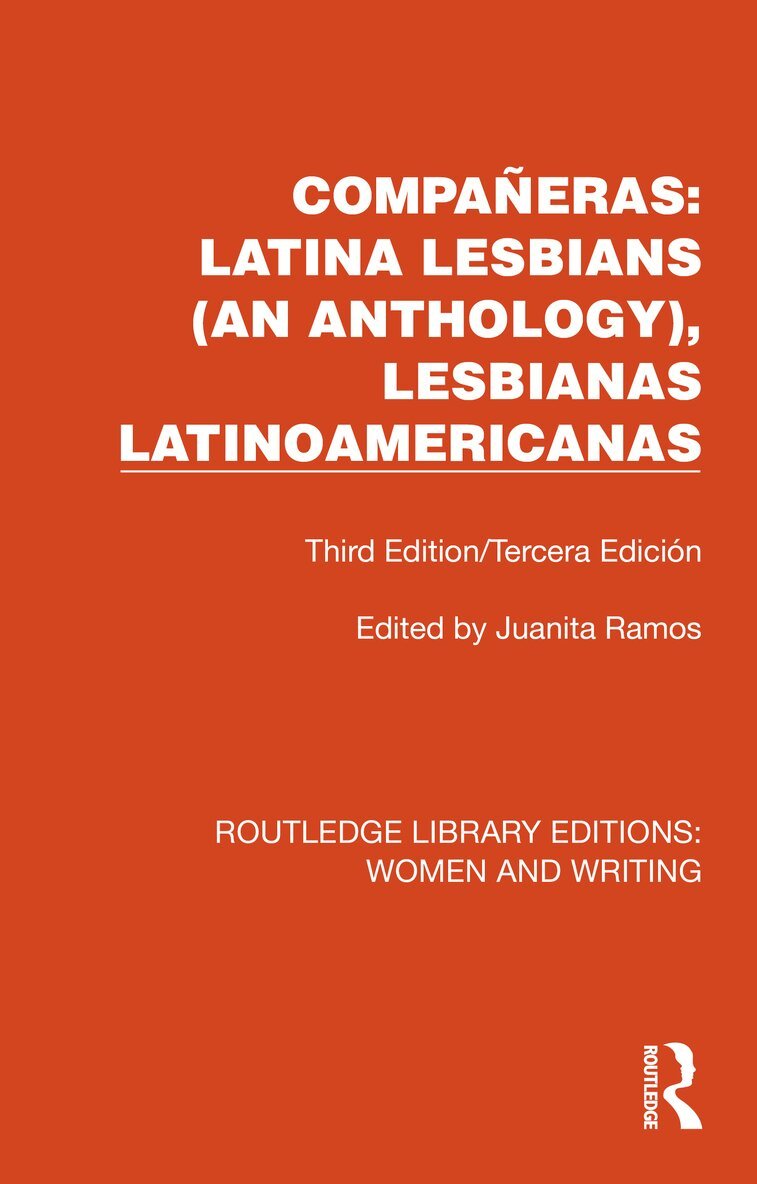
Originally published in 1987 and revised in 2004, Compañeras speaks with the voices of Latina lesbians who are puertorriqueñas, chicanas, cubanas, chilenas, hondureñas, brasileñas, colombianas, argentinas, peruanas, costarricenses, mexicanas, ecuatorianas, bolivianas, dominicanas, and nicaragüenses; women who met to speak about what it implies to be both Latina and lesbian in our communities, whether we live in Latin America or the US.Each time a woman begins to speak, a liberating process begins, one that is unavoidable and has powerful political implications. In these pages we see repeated the process of self-discovery, of affirmation in coming out of the closet, the search for a definition of our identity within the family and our community, the search for answers, for meaning in our personal struggle, and the commitment to a political struggle to end all forms of oppression. The stages of increasing awareness become clear when we begin to recount the story of our lives to someone else, someone who has experienced the same changes. When we write or speak about these changes, we establish our experience as valid and real, we begin to analyze, and that analysis gives us the necessary perspective to place our lives in a context where we know what to do next. Compañeras becomes an instrument of unity, a political tool.Compañeras habla a través de la voz de lesbianas latinoamericanas, chicanas, puertorriqueñas, cubanas, chilenas, hondureñas, brasileñas, colombianas, argentinas, peruanas, costarricense, mexicanas, ecuatorianas, bolivianas, dominicanas, y nicaragüenses; mujeresque se encontraron para hablar sobre lo que significa en nuestra comunidad ser ambas cosas, latinoamericanas y lesbianas, sea que vivamos en América Latina o en los Estados Unidos.Cada vez que una mujer comienza a hablar, comienza el proceso de liberación; es algo inevitable que tiene implicaciones politicas ponderosas. En estas paginas vemos repetido nuestro propio proceso de descubrimiento, la afirmación al asumirnos ante los demás, la búsqueda de una definición de identidad dentro de la familia y de nuestra comunidad, la búsqueda de repuestas significativas a las muchas personales y el compromise en la lucha politica para acabar con toda forma de opresión. Las etapas de crecimiento o de desarrollo de nuestra conciencia se hacen claras cuando comenzamos a reecontar la historia de nuestras vidas en alguien más, alguien que ha experimentado los mismos cambios. Cuando hablamos sobre estos cambios afirmamos nuestra experienca como válida y real, y ese análisis nos da la perspectiva necesaria para colocar neustras vidas dentro de un context que nos permita saber cuál es el próximo paso que temenos que dar. Compañeras viene a ser un instrument de unidad, una herramienta politica.
Häftad, Engelska, 2023
491 kr
Skickas inom 10-15 vardagar
Originally published in 1987 and revised in 2004, Compañeras speaks with the voices of Latina lesbians who are puertorriqueñas, chicanas, cubanas, chilenas, hondureñas, brasileñas, colombianas, argentinas, peruanas, costarricenses, mexicanas, ecuatorianas, bolivianas, dominicanas, and nicaragüenses; women who met to speak about what it implies to be both Latina and lesbian in our communities, whether we live in Latin America or the US.Each time a woman begins to speak, a liberating process begins, one that is unavoidable and has powerful political implications. In these pages we see repeated the process of self-discovery, of affirmation in coming out of the closet, the search for a definition of our identity within the family and our community, the search for answers, for meaning in our personal struggle, and the commitment to a political struggle to end all forms of oppression. The stages of increasing awareness become clear when we begin to recount the story of our lives to someone else, someone who has experienced the same changes. When we write or speak about these changes, we establish our experience as valid and real, we begin to analyze, and that analysis gives us the necessary perspective to place our lives in a context where we know what to do next. Compañeras becomes an instrument of unity, a political tool.Compañeras habla a través de la voz de lesbianas latinoamericanas, chicanas, puertorriqueñas, cubanas, chilenas, hondureñas, brasileñas, colombianas, argentinas, peruanas, costarricense, mexicanas, ecuatorianas, bolivianas, dominicanas, y nicaragüenses; mujeresque se encontraron para hablar sobre lo que significa en nuestra comunidad ser ambas cosas, latinoamericanas y lesbianas, sea que vivamos en América Latina o en los Estados Unidos.Cada vez que una mujer comienza a hablar, comienza el proceso de liberación; es algo inevitable que tiene implicaciones politicas ponderosas. En estas paginas vemos repetido nuestro propio proceso de descubrimiento, la afirmación al asumirnos ante los demás, la búsqueda de una definición de identidad dentro de la familia y de nuestra comunidad, la búsqueda de repuestas significativas a las muchas personales y el compromise en la lucha politica para acabar con toda forma de opresión. Las etapas de crecimiento o de desarrollo de nuestra conciencia se hacen claras cuando comenzamos a reecontar la historia de nuestras vidas en alguien más, alguien que ha experimentado los mismos cambios. Cuando hablamos sobre estos cambios afirmamos nuestra experienca como válida y real, y ese análisis nos da la perspectiva necesaria para colocar neustras vidas dentro de un context que nos permita saber cuál es el próximo paso que temenos que dar. Compañeras viene a ser un instrument de unidad, una herramienta politica.