Selected Topics in Superconductivity - Böcker
Visar alla böcker i serien Selected Topics in Superconductivity. Handla med fri frakt och snabb leverans.
14 produkter
14 produkter
2 333 kr
Skickas inom 10-15 vardagar
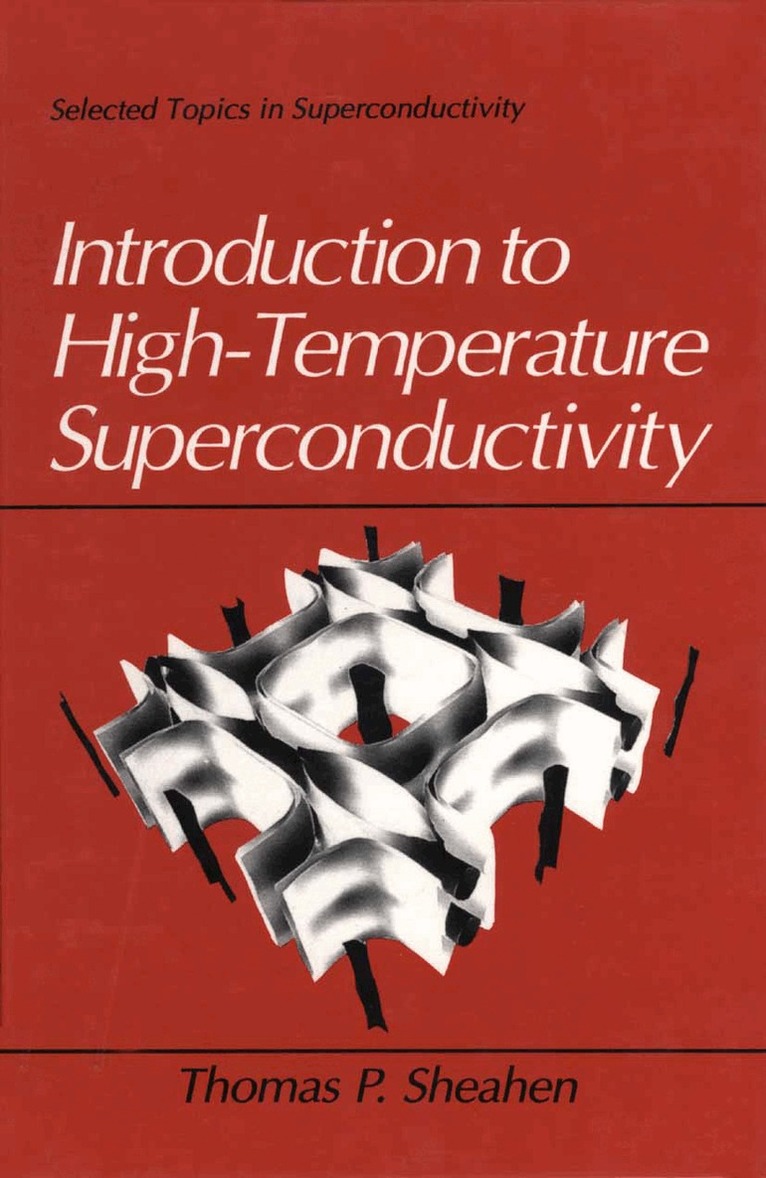
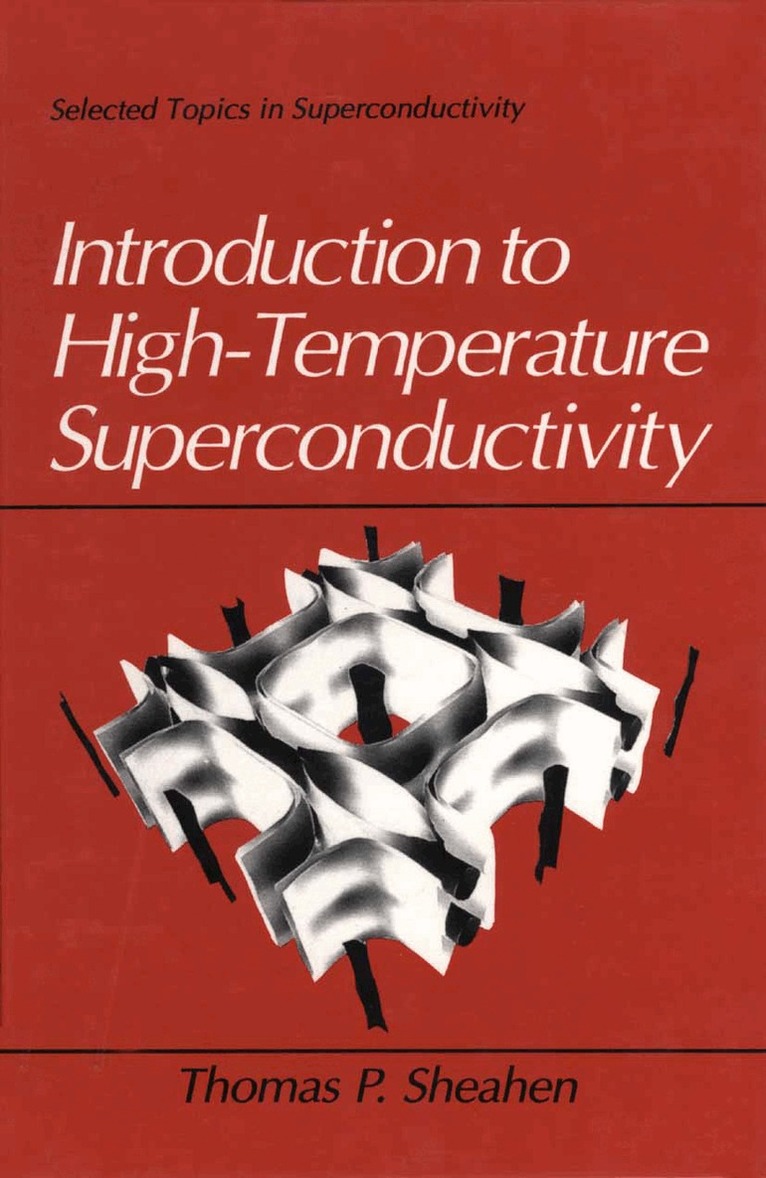
High temperature superconductivity (HTSC) hast he potential todramatically impact many commercial markets, including the electric power industry. Since 1987, the Electric Power Research Institute (EPRI) has supported aprogram to develop HTSC applications fort he power industry. The purpose ofEPRI is to manage technical research and development programs to improve power production, distribution, and use. The institute is supported by the voluntary contributions ofs ome7 00 electric utilities and has over 600 utility technical experts as advisors. One objectiveo f EPRI's HTSC program is to ed ucate utility engineers andexecutives on the technical issues related to HTSC materials and the supporting technologies needed for their application. To accomplish this, Argonne National Laboratory was commissioned to preparea series of monthly re ports that would explain th e significanceo f recent advances in HTSC. Acomponent o f each report was a tutorial on some aspect of the HTSC field. Topics ranged from the various ways that thin films are deposited tot he mechanisms used to operatem ajor cryogenic systems. The tutorials became very popularw ithin the utility industry.Surprisingly, the reports also became popular with scientists at universities, corporate labo ratories, and thenational laboratories. A lthough these researchers are quite experienced in one aspect of the technology, they are nots ostron g inothers. Itw ast he diversity and thoroughness ofthe tutorials that made them so valuable.
1 064 kr
Skickas inom 10-15 vardagar
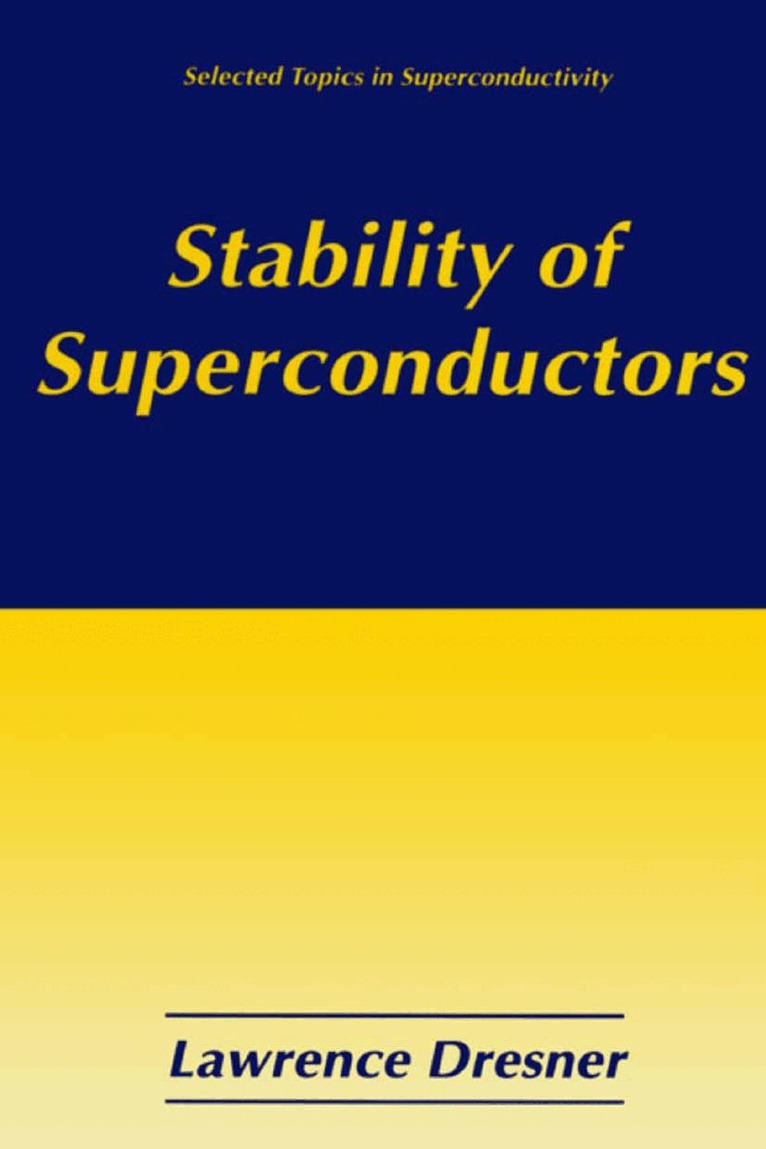
In this definitive text in the field, the author gives a detailed account of the major problem of applied superconductivitiy-the stability of superconductors. His work focuses on the application of superconductiors to the construction of magnets. Students and engineers will discover the underlying principles of applied superconductivity and will learn how to solve mathematical problems with advanced methods of calculation.
1 064 kr
Skickas inom 10-15 vardagar
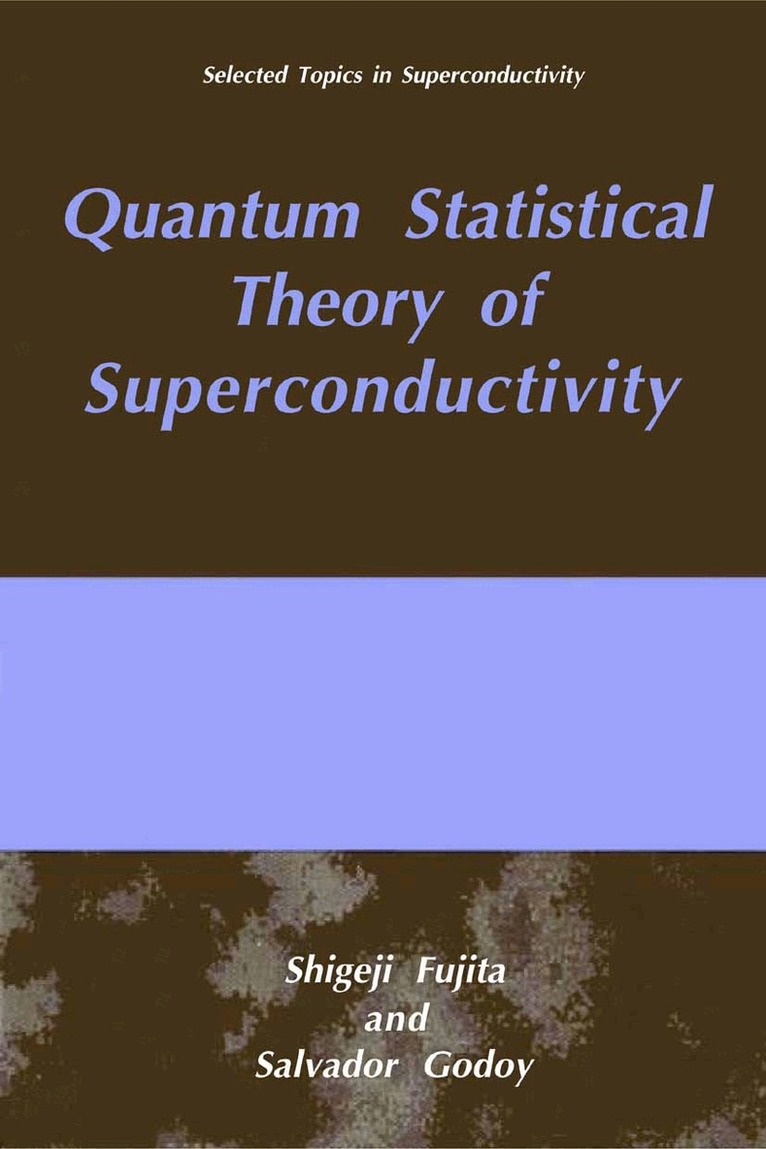
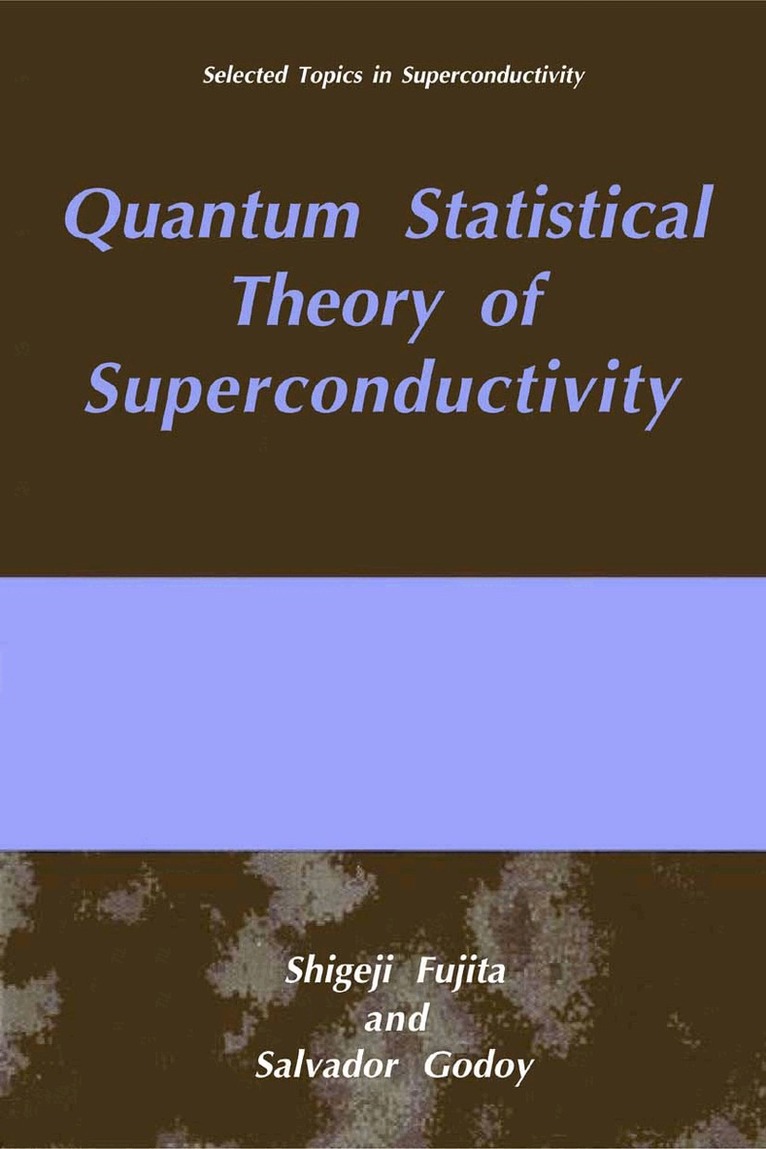
In this text, Shigeji Fujita and Salvador Godoy guide first and second-year graduate students through the essential aspects of superconductivity. The authors open with five preparatory chapters thoroughly reviewing a number of advanced physical concepts-such as free-electron model of a metal, theory of lattice vibrations, and Bloch electrons. The remaining chapters deal with the theory of superconductivity-describing the basic properties of type I, type II compound, and high-Tc superconductors as well as treating quasi-particles using Heisenberg's equation of motion. The book includes step-by-step derivations of mathematical formulas, sample problems, and illustrations.
1 064 kr
Skickas inom 10-15 vardagar
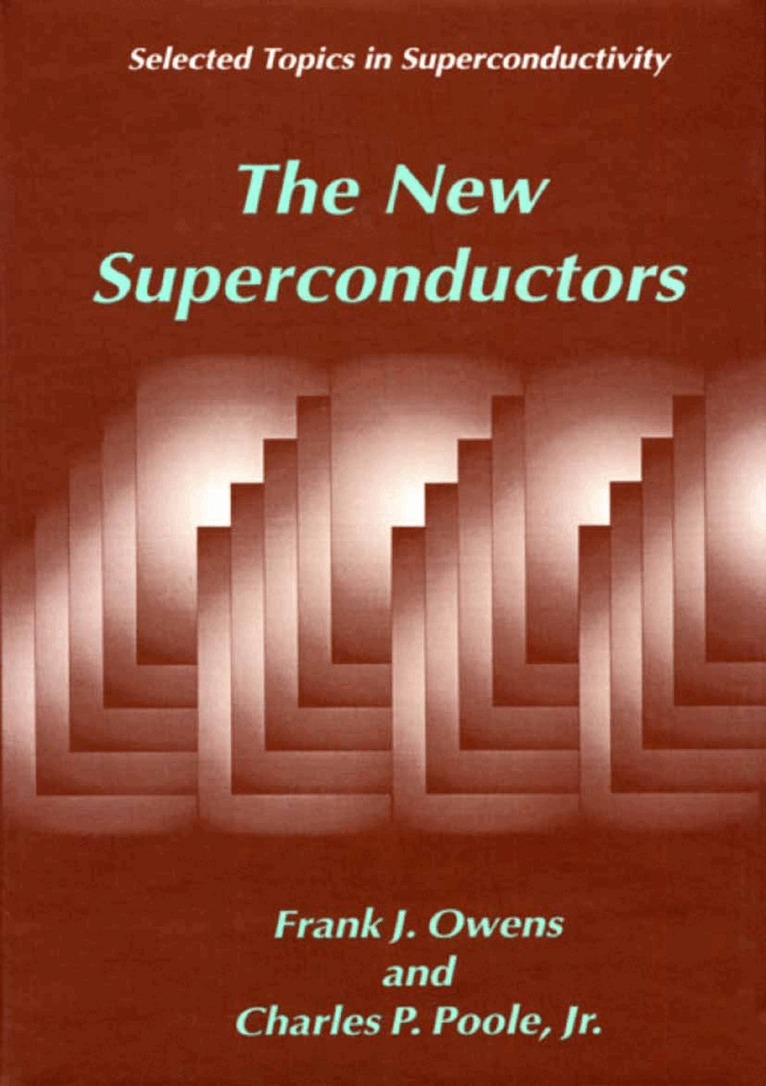
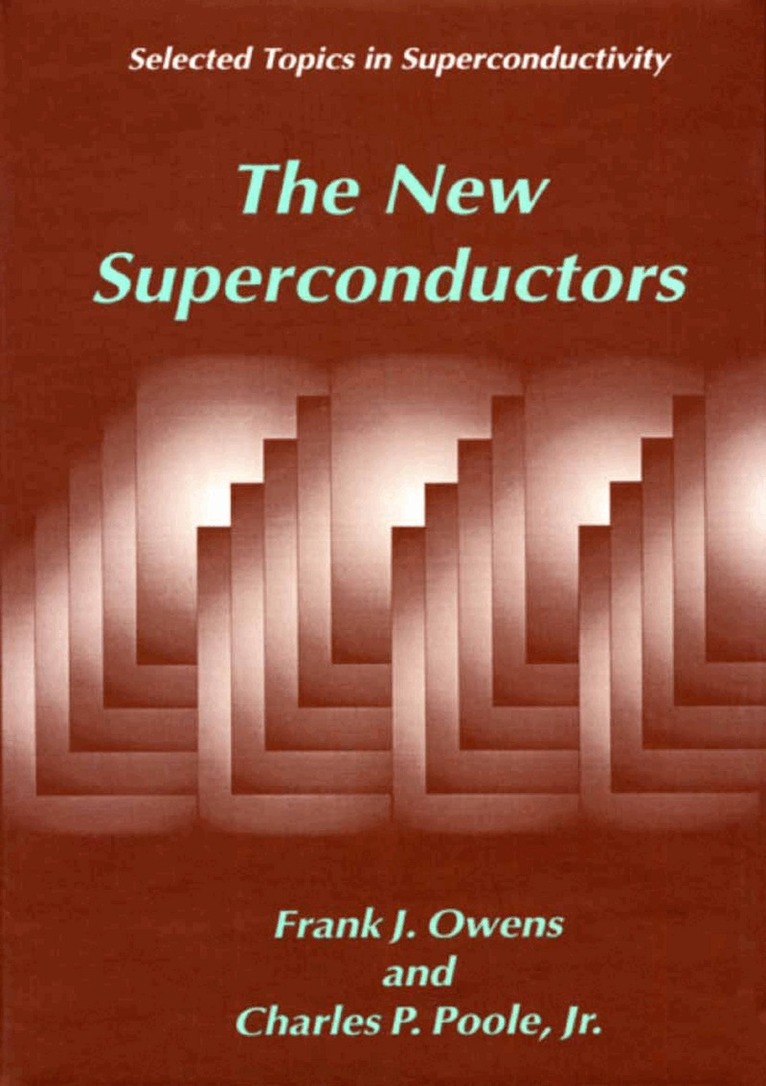
In The New Superconductors, Frank J. Owens and Charles P. Poole, Jr., offer a descriptive, non-mathematical presentation of the latest superconductors and their properties for the non-specialist. Highlights of this up-to-date text include chapters on superfluidity, the latest copper oxide types, fullerenes, and prospects for future research. The book also features many examples of commercial applications; an extensive glossary that defines superconductivity terms in clear language; and a supplementary list of readings for the interested lay reader.
1 064 kr
Skickas inom 10-15 vardagar
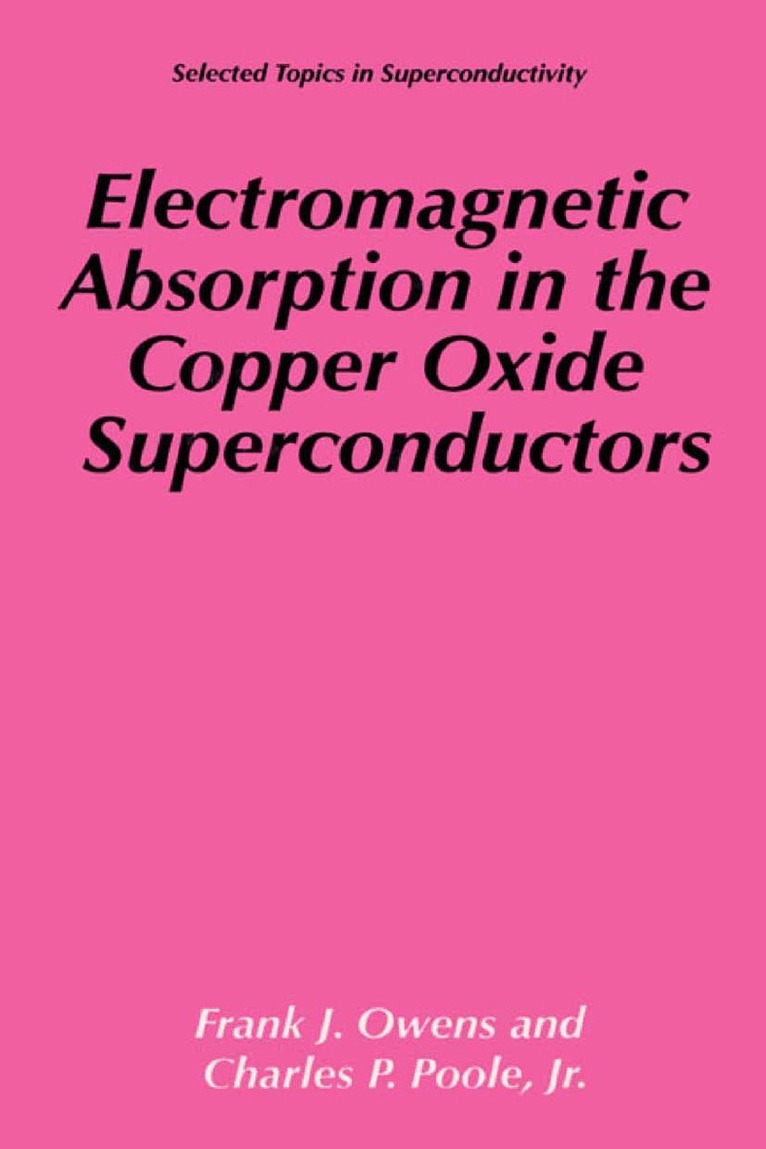
This volume presents an overview of the field of electromagnetic absorption, with an emphasis on the new superconducting materials. After an elementary introduction to superconductivity, the authors highlight those properties most essential to understanding electromagnetic absorption of the superconducting state. They then outline both basic theories and salient experimental results, emphasizing qualitative aspects and experimental measurements. Readers should gain not only a basic understanding of the subject but also an appreciation of the wealth of information provided by electromagnetic absorption measurements, as well as insights into the mechanisms of absorption.
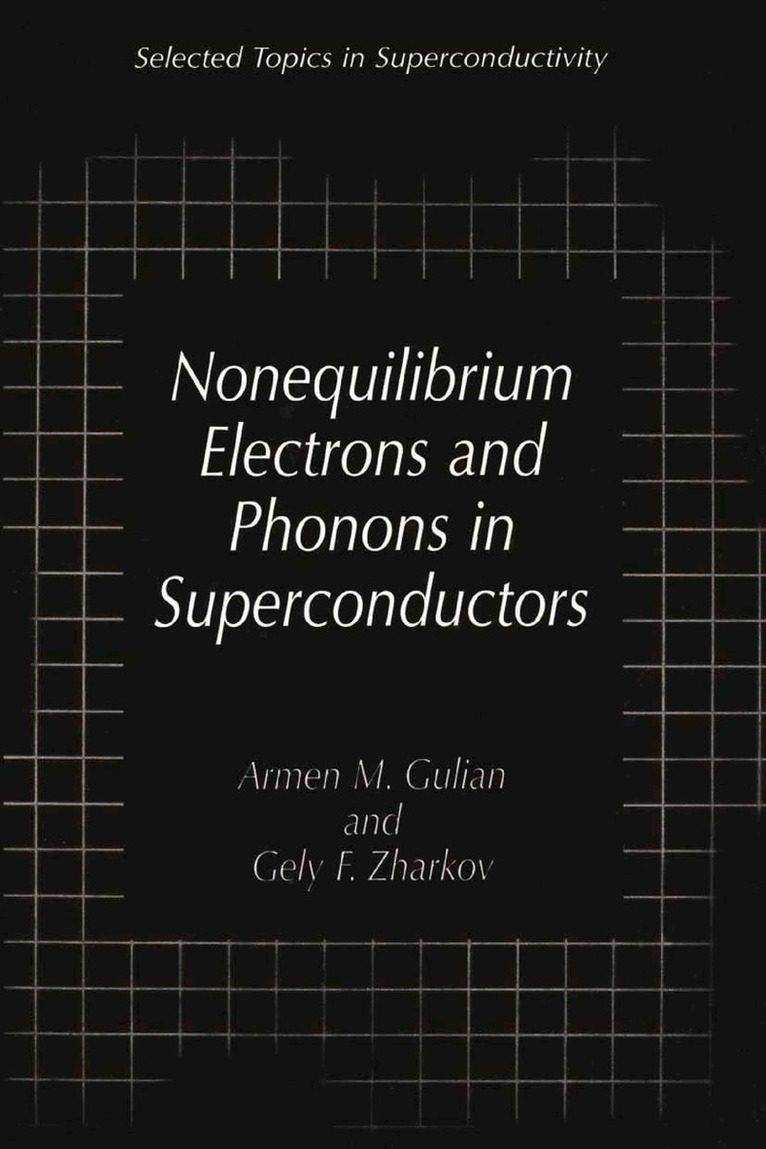
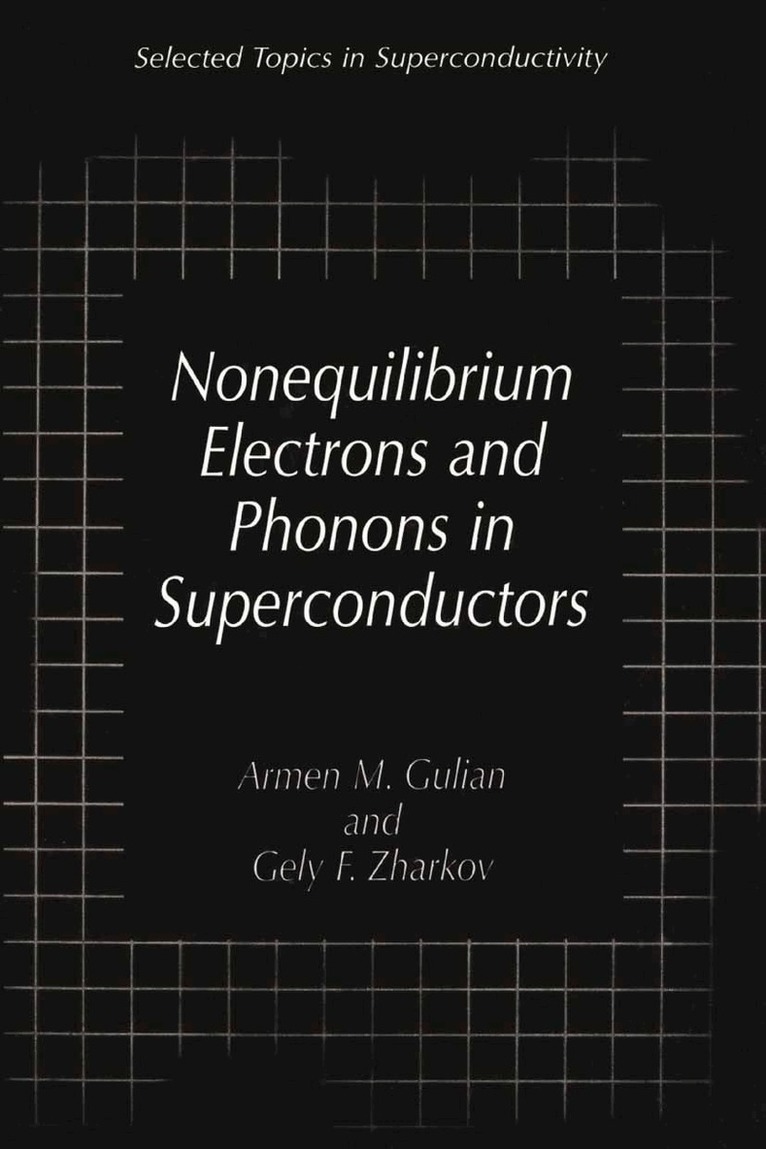
Nonequilibrium Electrons and Phonons in Superconductors
Selected Topics in Superconductivity
Inbunden, Engelska, 1999
1 593 kr
Skickas inom 10-15 vardagar
th Superconductivity occ upies as pecial, unique place in the 20 century physics. Just think ofi t: its microscopic mechanism was understood only in 1957-46years after the discovery of superconductivity in 1911. In contrast, thetheory ofnormal metals behavior (or, to be more precise, the theory of metals in normal state) wasformed as early as the twenties, immediately f ollowing the creation of quantum mechanics. Moreover, when I took up the theory of superconductivity in 1943, not only microscopic theory was non existent, but even macroscopic superconductivity theory was quiteincomplete. The problem is that the Londons equations, introduced in 1935, allow only aquantitative description ofsuperconductors in magneticf ields weak in comparison with the critical field. Also,even in weakfields, theLondons theory is strictly applicableonly to Type II superconductors-although the division ofsuperconductors into Type I and Type II materials was notsuggested until much later, in early 1950's.Asf ar as nonequilibrium phenomena are conc erned, then until 1943 the most remarkable, yet proved to be fault afterwards, implication was that ofa complete absence ofa ll thermoelectric effects in superconducting state.
2 121 kr
Skickas inom 10-15 vardagar
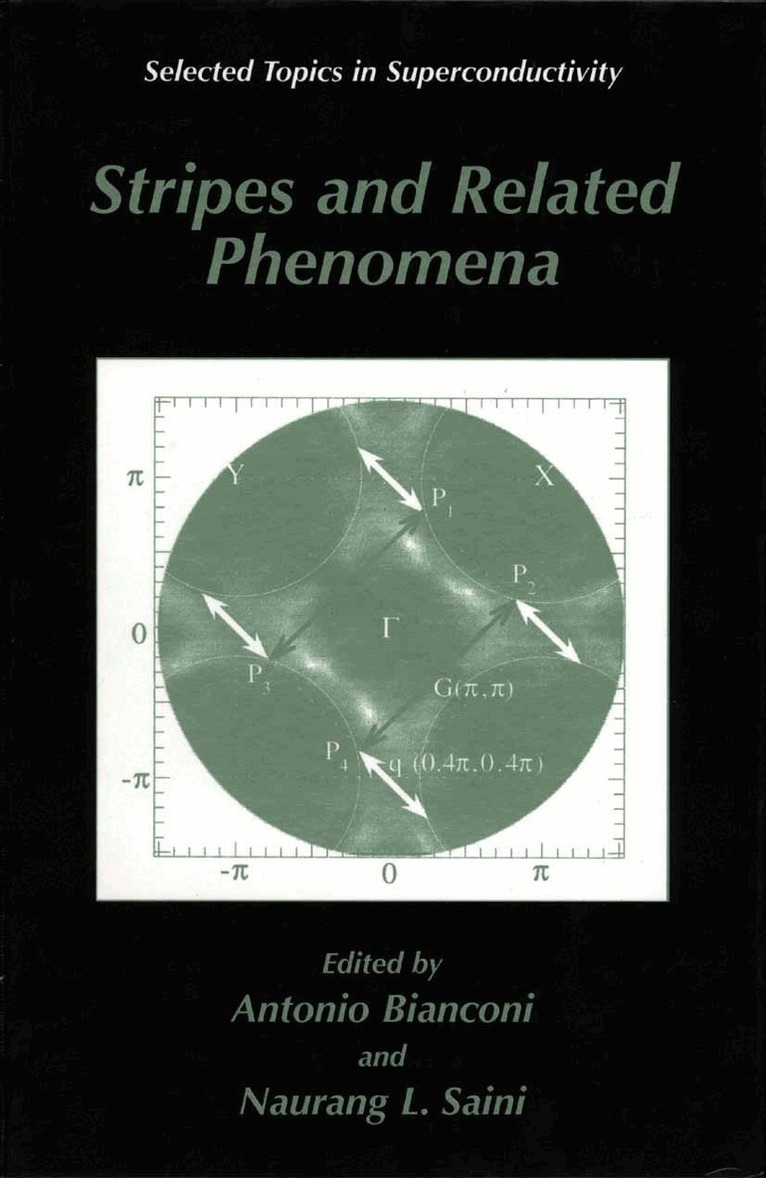
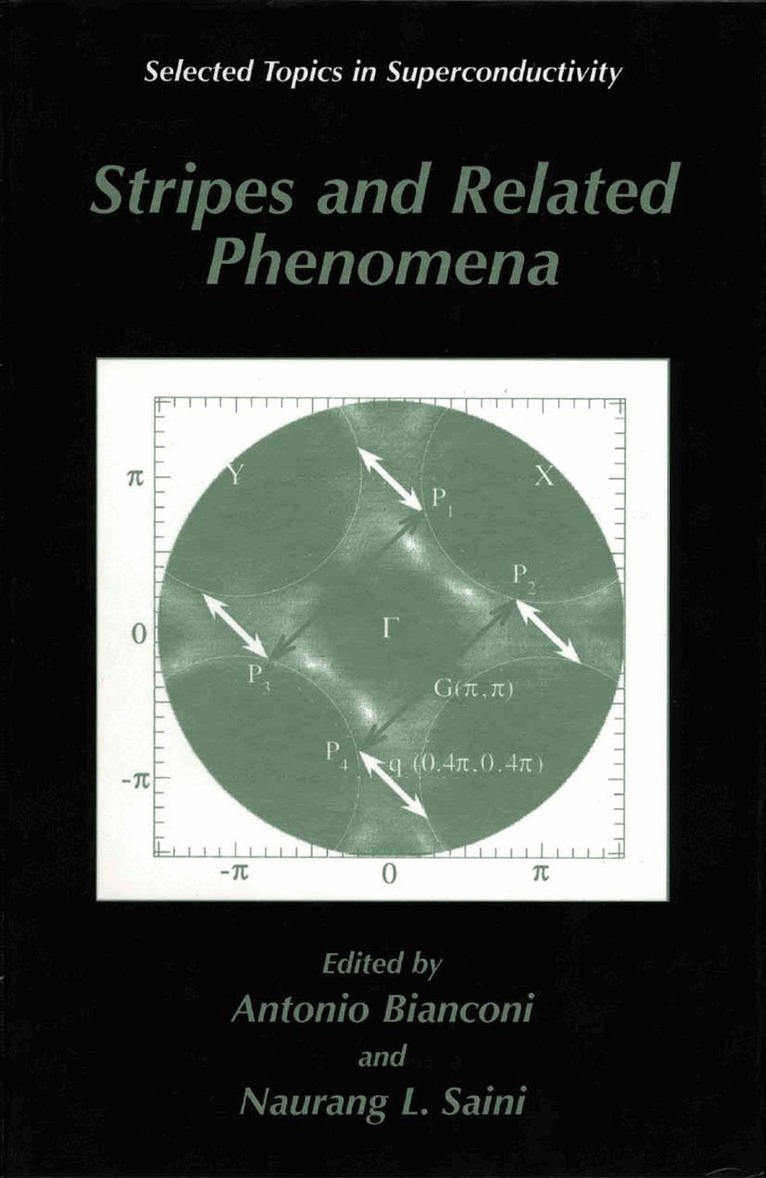
This book is a collection of papers in the field of stripes and high Tc superconductivity. The most relevant theoretical and experimental contributions from experts in the field of stripes, presented at the "Second International Conference on Stripes and High Tc Superconductivity", are selected for publication. The book includes contributions on other stripe phases observed in manganites, nikelates, spin ladders, and heterostructures. Since a large stream of research in a growing community is converging towards the stripe scenario, this book serves as an important reference in the field of striped phases and high Tc superconductivity. The problem of high Tc superconductors has been a central issue in solid-state physics since 1987. After the discovery of high Tc superconductivity (HTSC) in doped perovskites, it was realized that HTSC appears in an unknown complex electronic phase of condensed matter. In the early years, all theories of HTSC were focused on the physics of a homogeneous 2D metal with large electron--electron correlations or on a 2D polaron gas. Only after 1990 a novel paradigm started to emerge in which this 2D metallic phase is described as an inhomogeneous metal.This was the outcome of several experimental evidences of phase separation at low doping. Following the discovery by the Rome Group in 1992 that "the changes move freely mainly in one direction like the water running in the grooves in corrugated iron foil", a new scenario for understanding superconductivity in high Tc superconductors was opened. Since the charges move like rivers, the physics of these materials shifts towards the physics of novel mesoscopic heterostructures and complex electronic solids. Therefore, understanding the striped phases in the perovskites not only provides an opportunity to understand the anomalous metallic state of cuprate superconductors, but also suggests a way to design new materials of technological importance. The stripes are begetting a field of general scientific interest.
1 064 kr
Skickas inom 10-15 vardagar
In this definitive text in the field, the author gives a detailed account of the major problem of applied superconductivitiy-the stability of superconductors. His work focuses on the application of superconductiors to the construction of magnets. Students and engineers will discover the underlying principles of applied superconductivity and will learn how to solve mathematical problems with advanced methods of calculation.
Nonequilibrium Electrons and Phonons in Superconductors
Selected Topics in Superconductivity
Häftad, Engelska, 2010
1 593 kr
Skickas inom 10-15 vardagar
th Superconductivity occ upies as pecial, unique place in the 20 century physics. Just think ofi t: its microscopic mechanism was understood only in 1957-46years after the discovery of superconductivity in 1911. In contrast, thetheory ofnormal metals behavior (or, to be more precise, the theory of metals in normal state) wasformed as early as the twenties, immediately f ollowing the creation of quantum mechanics. Moreover, when I took up the theory of superconductivity in 1943, not only microscopic theory was non existent, but even macroscopic superconductivity theory was quiteincomplete. The problem is that the Londons equations, introduced in 1935, allow only aquantitative description ofsuperconductors in magneticf ields weak in comparison with the critical field. Also,even in weakfields, theLondons theory is strictly applicableonly to Type II superconductors-although the division ofsuperconductors into Type I and Type II materials was notsuggested until much later, in early 1950's.Asf ar as nonequilibrium phenomena are conc erned, then until 1943 the most remarkable, yet proved to be fault afterwards, implication was that ofa complete absence ofa ll thermoelectric effects in superconducting state.
2 333 kr
Skickas inom 10-15 vardagar
High temperature superconductivity (HTSC) hast he potential todramatically impact many commercial markets, including the electric power industry. Since 1987, the Electric Power Research Institute (EPRI) has supported aprogram to develop HTSC applications fort he power industry. The purpose ofEPRI is to manage technical research and development programs to improve power production, distribution, and use. The institute is supported by the voluntary contributions ofs ome7 00 electric utilities and has over 600 utility technical experts as advisors. One objectiveo f EPRI's HTSC program is to ed ucate utility engineers andexecutives on the technical issues related to HTSC materials and the supporting technologies needed for their application. To accomplish this, Argonne National Laboratory was commissioned to preparea series of monthly re ports that would explain th e significanceo f recent advances in HTSC. Acomponent o f each report was a tutorial on some aspect of the HTSC field. Topics ranged from the various ways that thin films are deposited tot he mechanisms used to operatem ajor cryogenic systems. The tutorials became very popularw ithin the utility industry.Surprisingly, the reports also became popular with scientists at universities, corporate labo ratories, and thenational laboratories. A lthough these researchers are quite experienced in one aspect of the technology, they are nots ostron g inothers. Itw ast he diversity and thoroughness ofthe tutorials that made them so valuable.
1 064 kr
Skickas inom 10-15 vardagar
In The New Superconductors, Frank J. Owens and Charles P. Poole, Jr., offer a descriptive, non-mathematical presentation of the latest superconductors and their properties for the non-specialist. Highlights of this up-to-date text include chapters on superfluidity, the latest copper oxide types, fullerenes, and prospects for future research. The book also features many examples of commercial applications; an extensive glossary that defines superconductivity terms in clear language; and a supplementary list of readings for the interested lay reader.
1 064 kr
Skickas inom 10-15 vardagar
In this text, Shigeji Fujita and Salvador Godoy guide first and second-year graduate students through the essential aspects of superconductivity. The authors open with five preparatory chapters thoroughly reviewing a number of advanced physical concepts-such as free-electron model of a metal, theory of lattice vibrations, and Bloch electrons. The remaining chapters deal with the theory of superconductivity-describing the basic properties of type I, type II compound, and high-Tc superconductors as well as treating quasi-particles using Heisenberg's equation of motion. The book includes step-by-step derivations of mathematical formulas, sample problems, and illustrations.
2 121 kr
Skickas inom 10-15 vardagar
The problem of superconductors has been a central issue in Solid State Physics since 1987. After the discovery of superconductivity (HTSC) in doped perovskites, it was realized that the HTSC appears in an unknown complex electronic phase of c- densed matter. In the early years, all theories of HTSC were focused on the physics of a homogeneous 2D metal with large electron–electron correlations or on a 2D polaron gas. Only after 1990, a novel paradigm started to grow where this 2D metallic phase is described as an inhomogeneous metal. This was the outcome of several experimental evidences of phase separation at low doping. Since 1992, a series of conferences on phase separation were organized to allow scientists to get together to discuss the phase separation and related issues. Following the discovery by the Rome group in 1992 that “the charges move freely mainly in one direction like the water running in the grooves in the corrugated iron foil,” a new scenario to understand superconductivity in the superconductors was open. Because the charges move like rivers, the physics of these materials shifts toward the physics of novel mesoscopic heterostructures and complex electronic solids. Therefore, understanding the striped phases in the perovskites not only provides an opportunity to understand the anomalous metallic state of cuprate superconductors, but also suggests a way to design new materials of technological importance. Indeed, the stripes are becoming a field of general scientific interest.
1 064 kr
Skickas inom 10-15 vardagar
In 1987 a major breakthrough occurred in materials science. A new family of materials was discovered that became superconducting above the temperature at which nitrogen gas liquifies, namely, 77 K or –196°C. Within months of the discovery, a wide variety of experimental techniques were brought to bear in order to measure the properties of these materials and to gain an understanding of why they superconduct at such high temperatures. Among the techniques used were electromagnetic absorption in both the normal and the superconducting states. The measurements enabled the determination of a wide variety of properties, and in some instances led to the observation of new effects not seen by other measu- ments, such as the existence of weak-link microwave absorption at low dc magnetic fields. The number of different properties and the degree of detail that can be obtained from magnetic field- and temperature-dependent studies of electromagnetic abso- tion are not widely appreciated. For example, these measurements can provide information on the band gap, critical fields, the H–T irreversibility line, the amount of trapped flux, and even information about the symmetry of the wave function of the Cooper pairs. It is possible to use low dc magnetic field-induced absorption of microwaves with derivative detection to verify the presence of superconductivity in a matter of minutes, and the measurements are often more straightforward than others. For example, they do not require the physical contact with the sample that is necessary when using four-probe resistivity to detect superconductivity.