Skira Mini Art Books – serie
Visar alla böcker i serien Skira Mini Art Books. Handla med fri frakt och snabb leverans.
5 produkter
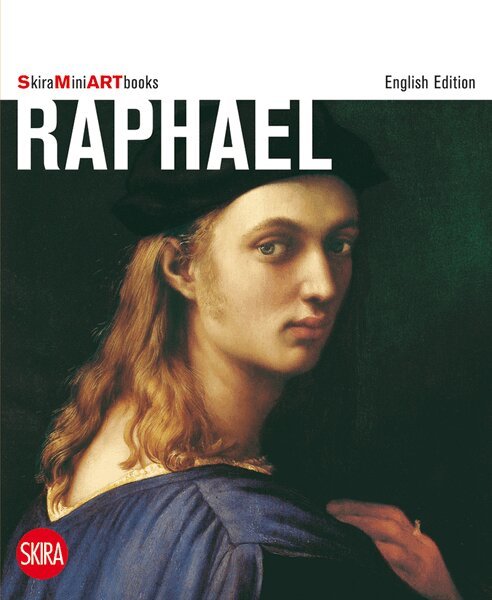
Raphael
Häftad, 2010
57 kr
Lägg i varukorg
Skira Mini ARTbooks is a pocket-sized series, conveniently priced, very practical and with lots of images dedicated to single international artists, artistic movements and painting genres. The genius of Italian painting, symbol of grace and beauty, is considered one of the greatest and most popular …
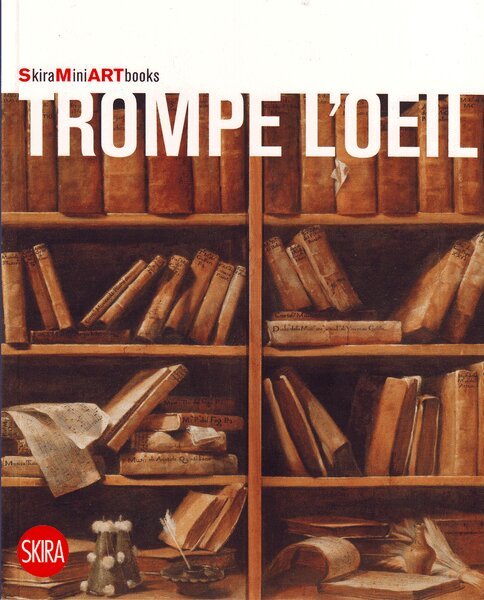
Trompe-L'oeil
Häftad, 2008
57 kr
Lägg i varukorg
Trompe-l'oeil, a French term meaning to trick, the eye, describes a painting that deceives the spectator into thinking that the objects in it are real, not merely represented. To successfully fool the eye of the viewer, trompe-l'oeil artists choose objects, situations and compositional devices …
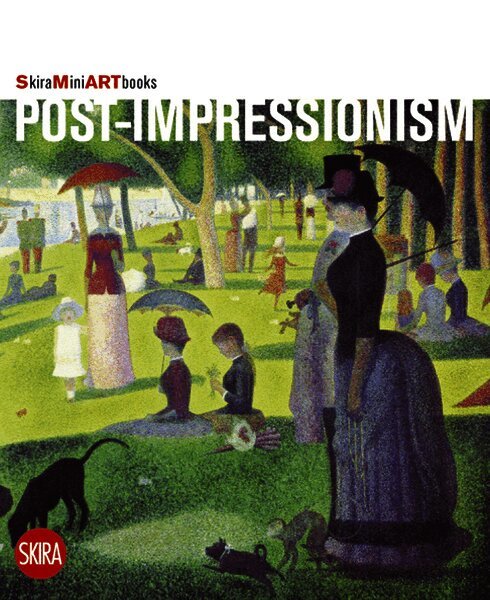
Post-Impressionism
Häftad, 2008
57 kr
Lägg i varukorg
Post-Impressionism is a movement in France that represented both an extension of Impressionism and a rejection of that style’s inherent limitations. The term Post-Impressionism was coined by the English art critic Roger Fry for the work of such late 19th-century painters as Paul Cézanne, Georges …
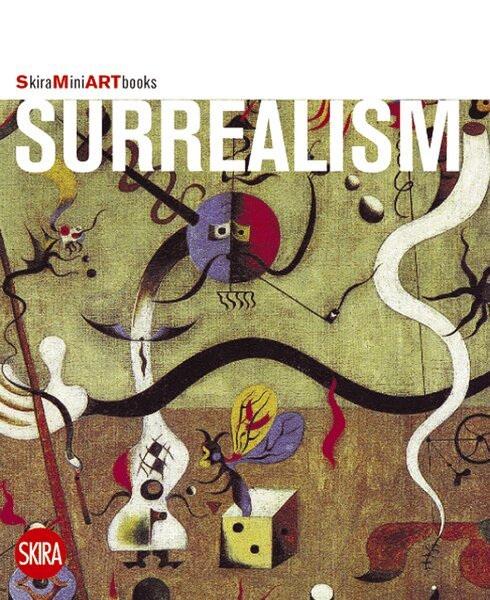
Surrealism
Häftad, 2008
57 kr
Tillfälligt slut
Surrealism is an art movement, dedicated to expressing the imagination as revealed in dreams, free of the conscious control of reason and convention. Surrealism inherited its anti-rationalist sensibility from Dada, but was lighter in spirit than that movement. Like Dada, it was shaped by emerging …