Social Issues in Education Series – Serie
Visar alla böcker i serien Social Issues in Education Series. Handla med fri frakt och snabb leverans.
4 produkter
4 produkter
583 kr
Skickas inom 7-10 vardagar
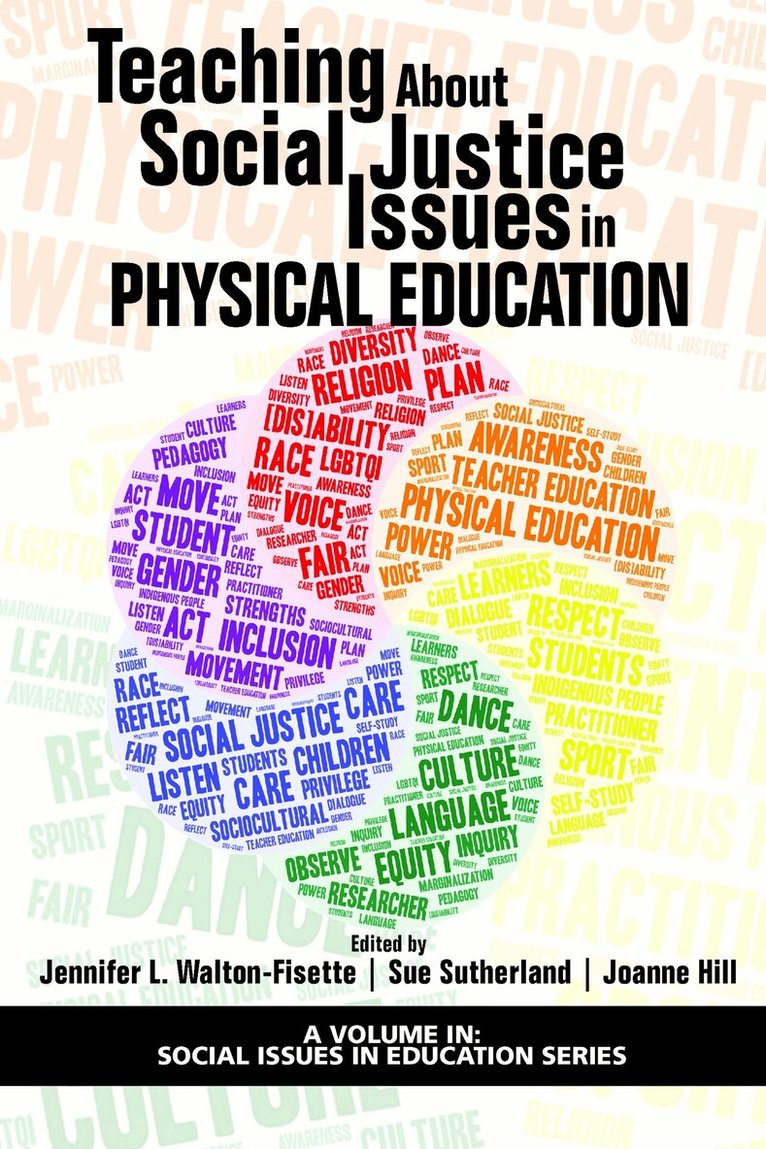
Addressing social justice issues in a physical education context is necessary both at the higher education and PK-12 settings. Limited undergraduate and graduate programs educate their students about social justice issues, thus, resulting in licensed teachers who lack the content knowledge, comfort level and pedagogical tools on how to educate students about issues related to social justice. Grounded in the transformative pedagogy theoretical framework, this book will offer practical lessons and strategies on a wide variety of social issues (e.g., body, race, self-identity, immigration) that can be used in teacher education and the PK-12 setting. The goal is for teacher educators and practitioners to feel more comfortable with teaching about and for social justice and believe this resource will enhance their content and pedagogical knowledge in the quest to achieve that goal.The purpose of this book is to provide physical education teacher educators and PK-12 physical education teachers with lesson plans and resources on how to address social justice issues in a physical education setting. This book will include sample lesson plans/activities that address a wide variety of social issues – the what, the how and the challenges and possibilities that the author(s) encountered when teaching such a lesson/activity. Addressing social justice issues has been limited in physical education, both in higher education and PK-12, especially in the United States. Numerous scholars, internationally, have engaged in research studies that explored how social justice issues are addressed in physical education teacher education. Although we have research to support the limitations and complexities of teaching about sociocultural issues and for social justice, a more practical resource for teacher educators and inservice teachers is needed.The market for this book will be physical education teacher educators and PK-12 physical education teachers throughout the world.
1 032 kr
Skickas inom 7-10 vardagar
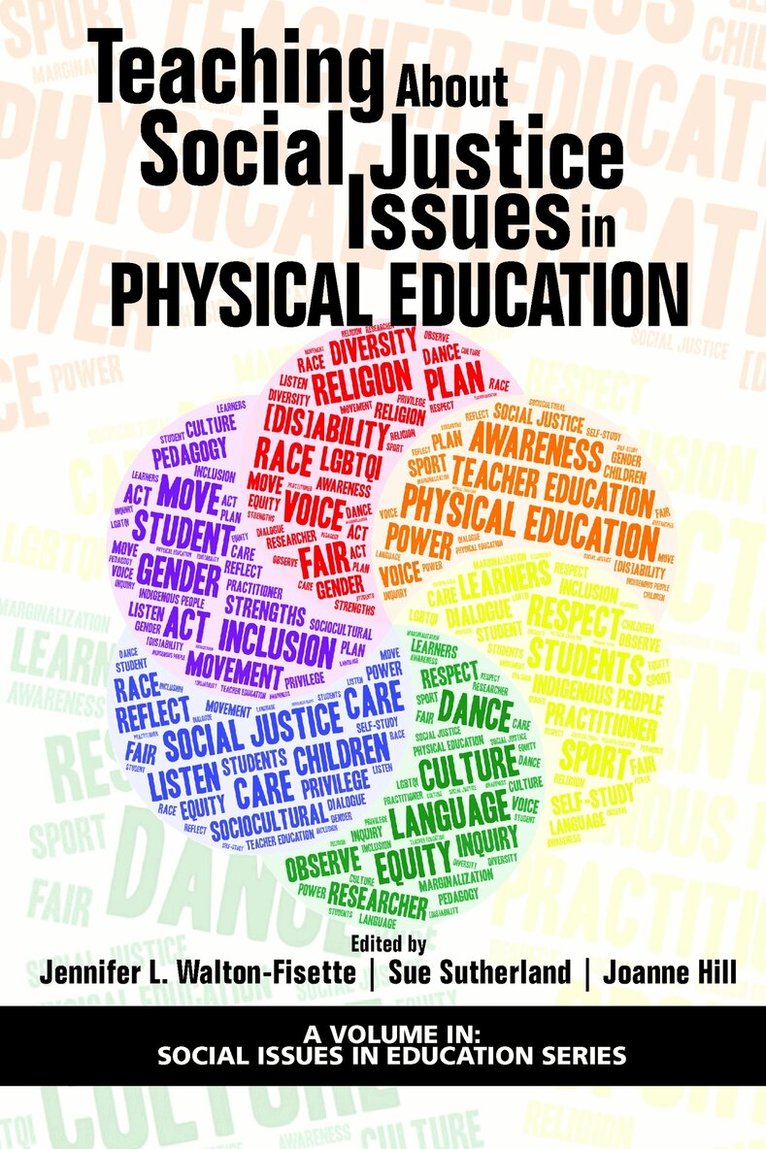
Addressing social justice issues in a physical education context is necessary both at the higher education and PK-12 settings. Limited undergraduate and graduate programs educate their students about social justice issues, thus, resulting in licensed teachers who lack the content knowledge, comfort level and pedagogical tools on how to educate students about issues related to social justice. Grounded in the transformative pedagogy theoretical framework, this book will offer practical lessons and strategies on a wide variety of social issues (e.g., body, race, self-identity, immigration) that can be used in teacher education and the PK-12 setting. The goal is for teacher educators and practitioners to feel more comfortable with teaching about and for social justice and believe this resource will enhance their content and pedagogical knowledge in the quest to achieve that goal.The purpose of this book is to provide physical education teacher educators and PK-12 physical education teachers with lesson plans and resources on how to address social justice issues in a physical education setting. This book will include sample lesson plans/activities that address a wide variety of social issues – the what, the how and the challenges and possibilities that the author(s) encountered when teaching such a lesson/activity. Addressing social justice issues has been limited in physical education, both in higher education and PK-12, especially in the United States. Numerous scholars, internationally, have engaged in research studies that explored how social justice issues are addressed in physical education teacher education. Although we have research to support the limitations and complexities of teaching about sociocultural issues and for social justice, a more practical resource for teacher educators and inservice teachers is needed.The market for this book will be physical education teacher educators and PK-12 physical education teachers throughout the world.
519 kr
Skickas inom 7-10 vardagar
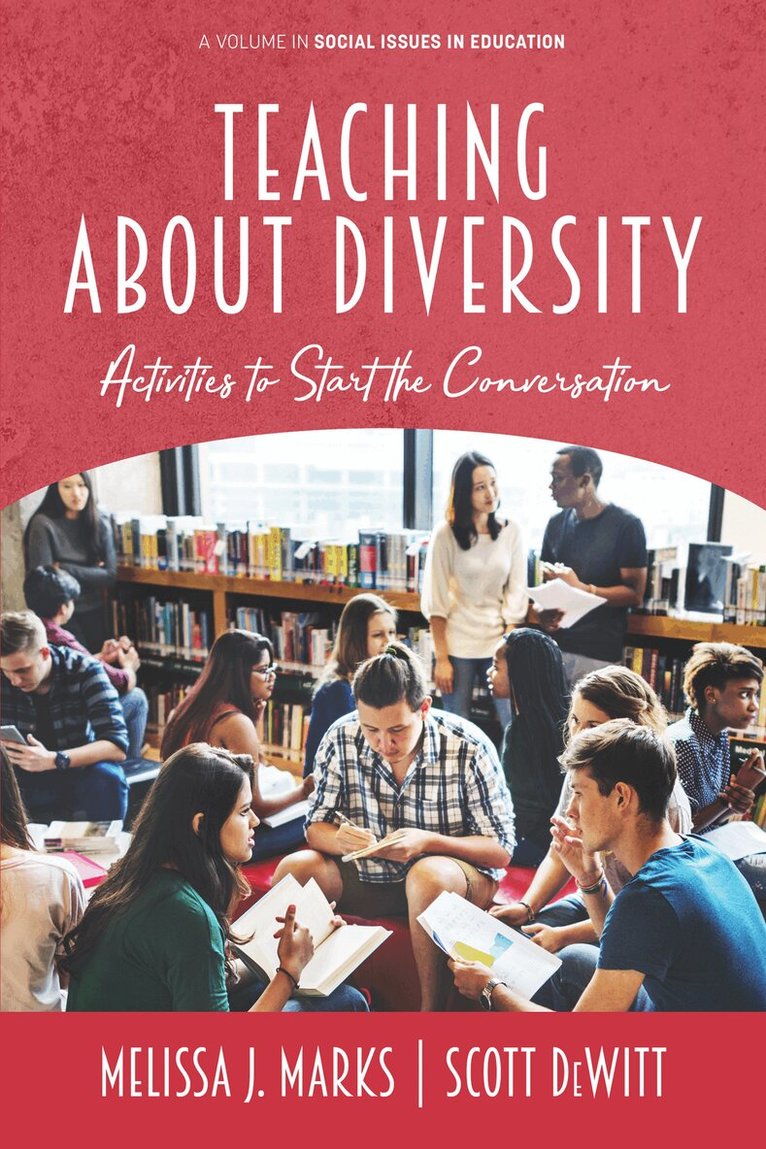
This book offers easily implemented strategies for use with secondary and undergraduate students to promote greater engagement with the realities of diversity and commitment to social justice within their classrooms. Defining diversity broadly, the book provides effective pedagogical techniques to help students question their own assumptions, think critically, and discuss issues within race, religion, ethnicity, gender, sexual orientation, socioeconomic status, and ability.The K-12 student population is increasingly diverse in terms of race, ethnicity, language, religion, socio-economic status, and family structure. However, the overwhelming majority of teachers continues to come from White, non-urban, middle class backgrounds (Fletcher, 2014; Hughes et al., 2011) These differences can have serious repercussions for student learning. Non-majority students who feel that their culture or background is not acknowledged or accepted at school are likely to disengage from expected academic and social activities (Hughes et al., 2011). Concurrently, the majority students remain unaware of privilege and ignorant of societal systemic discrimination.In order to teach for social justice, ideas regarding power structure, privilege, and oppression need to be discussed openly. Fear of upsetting students or not knowing how to handle the issue of social justice are commonly heard reasons for not discussing “difficult” subjects (Marks, Binkley, & Daly, 2014). However, when teachers choose not to discuss topics within diversity, students assume that the topics are taboo, dangerous, or unimportant. These assumptions impede students’ abilities to ask important questions, learn how to speak about issues effectively and comprehend the complex challenges woven into current national conversations.
958 kr
Skickas inom 7-10 vardagar
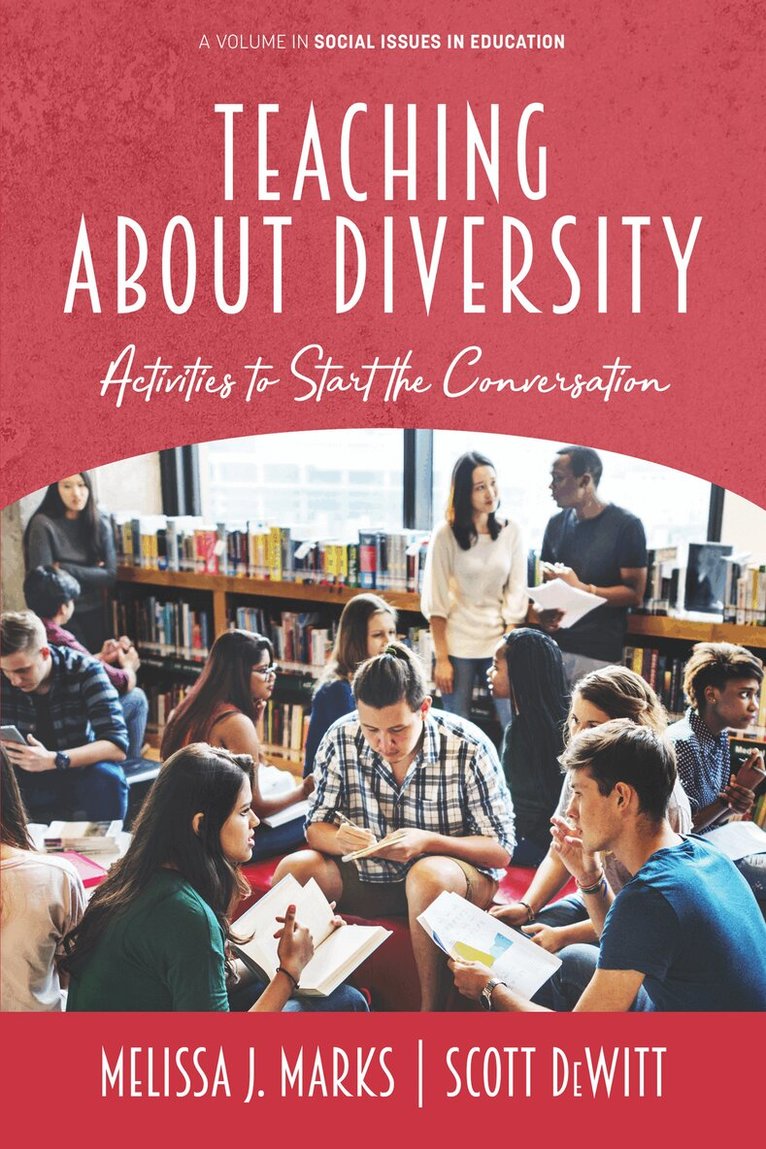
This book offers easily implemented strategies for use with secondary and undergraduate students to promote greater engagement with the realities of diversity and commitment to social justice within their classrooms. Defining diversity broadly, the book provides effective pedagogical techniques to help students question their own assumptions, think critically, and discuss issues within race, religion, ethnicity, gender, sexual orientation, socioeconomic status, and ability.The K-12 student population is increasingly diverse in terms of race, ethnicity, language, religion, socio-economic status, and family structure. However, the overwhelming majority of teachers continues to come from White, non-urban, middle class backgrounds (Fletcher, 2014; Hughes et al., 2011) These differences can have serious repercussions for student learning. Non-majority students who feel that their culture or background is not acknowledged or accepted at school are likely to disengage from expected academic and social activities (Hughes et al., 2011). Concurrently, the majority students remain unaware of privilege and ignorant of societal systemic discrimination.In order to teach for social justice, ideas regarding power structure, privilege, and oppression need to be discussed openly. Fear of upsetting students or not knowing how to handle the issue of social justice are commonly heard reasons for not discussing “difficult” subjects (Marks, Binkley, & Daly, 2014). However, when teachers choose not to discuss topics within diversity, students assume that the topics are taboo, dangerous, or unimportant. These assumptions impede students’ abilities to ask important questions, learn how to speak about issues effectively and comprehend the complex challenges woven into current national conversations.