Studies in Medieval Religions and Cultures – serie
Visar alla böcker i serien Studies in Medieval Religions and Cultures. Handla med fri frakt och snabb leverans.
14 produkter
14 produkter
Inbunden, Engelska, 2023
2 059 kr
Skickas inom 10-15 vardagar
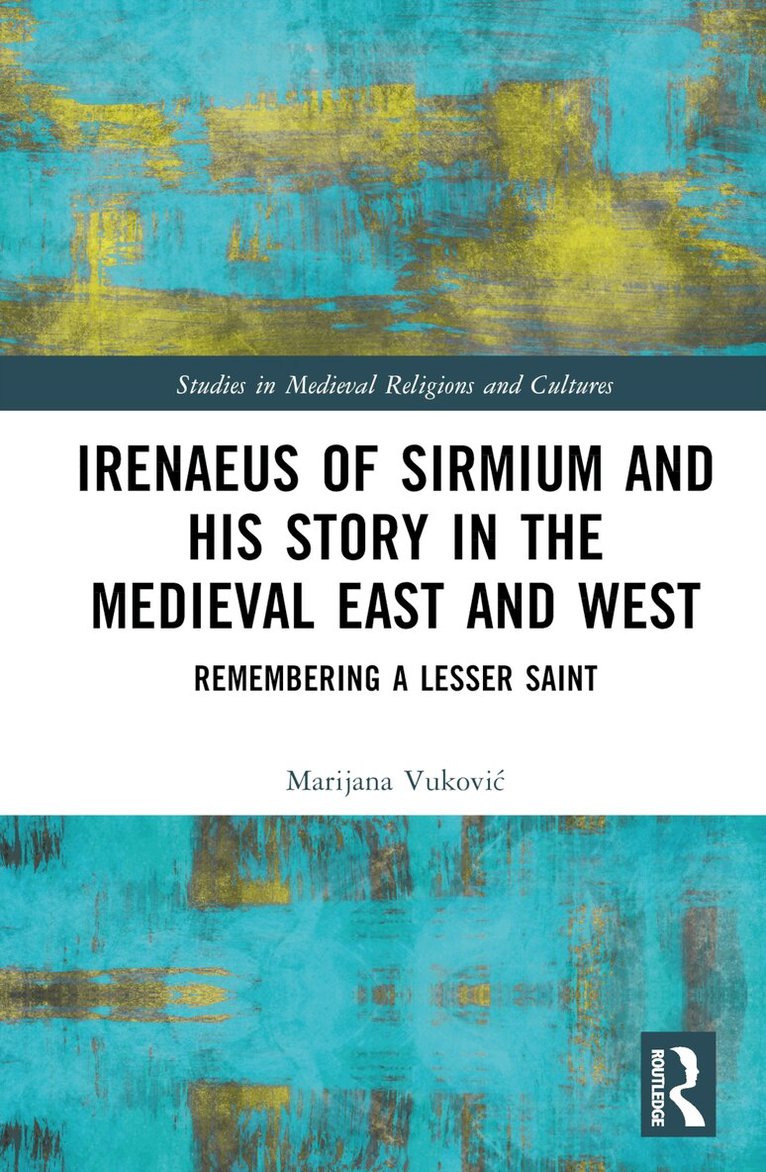
The study of hagiographies has generally been focused on the more prominent saints of late antiquity and the Middle Ages who inspired significant and long-lasting veneration. However, this has caused many less-well-known saints to be pushed aside and forgotten.This book is a study into one such saint, Irenaeus, a martyr who was killed in 304 CE in Sirmium, Pannonia. His short-lived cult, his feast day, and the account of his martyrdom (which had been translated into Latin, Greek, Old Slavonic, Georgian, and Armenian) had all been forgotten during the Middle Ages. This book examines Irenaeus of Sirmium’s life, cult, sainthood, and eventual disappearance from the memory of medieval Christendom, in the context of a wider study on the memory of those less-well-known saints who, like Irenaeus, became neglected and eventually forgotten.Irenaeus of Sirmium and His Story in the Medieval East and West will be of interest to scholars and students alike interested in hagiography, medieval literature and history, as well as all those interested in the religious history of Byzantium, medieval Europe, and the Slavic world.
Inbunden, Engelska, 2024
2 137 kr
Skickas inom 10-15 vardagar
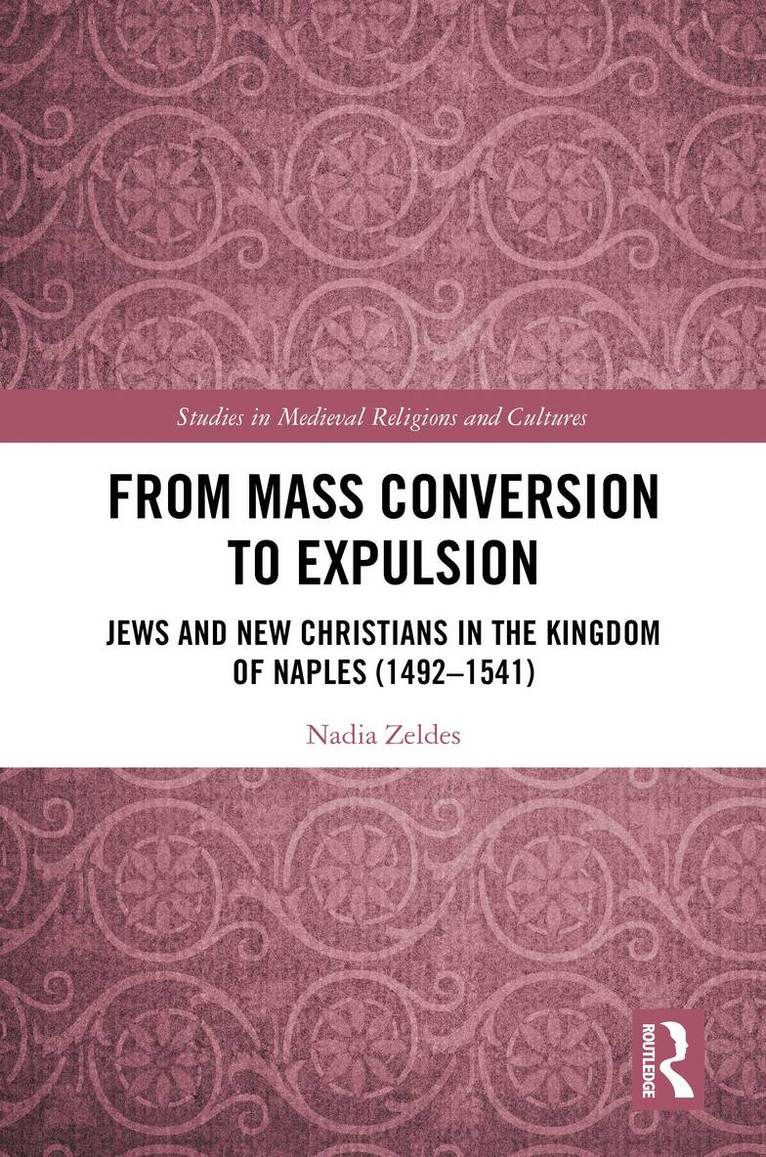
This book explores the events that marked the last decades of Jewish presence in the kingdom of Naples from 1492 to 1541. It employs a comparative approach in the examination of the mass conversion of the Jews in the Kingdom of Naples in 1495, the failed attempt to establish a Spanish‑style inquisition, and the expulsions of 1510 and 1541. By relying on a variety of sources, including Hebrew literary works and rabbinic Responsa, this study sheds new light on the reception of the refugees of 1492, the evolvement of the political and military crisis of 1495, the attacks on the Jewish communities, and Jewish reaction, all aspects that have never before been subject to systematic analysis. The Spanish victory of 1503 and the transformation of southern Italy into a Spanish‑ruled dominion bring this discussion closer to the Iberian model of mass conversions and expulsions. The unprecedented expulsion of the New Christians along with the Jews offers a unique opportunity for drawing a parallel with the much later expulsion of the Moriscos from Spain.By highlighting these aspects, this book offers insights for understanding the larger issues of the integration of refugees and rejection of minority groups, questions that are as relevant to present concerns and politics as they were on the eve of the modern era.
Häftad, Engelska, 2025
639 kr
Skickas inom 10-15 vardagar
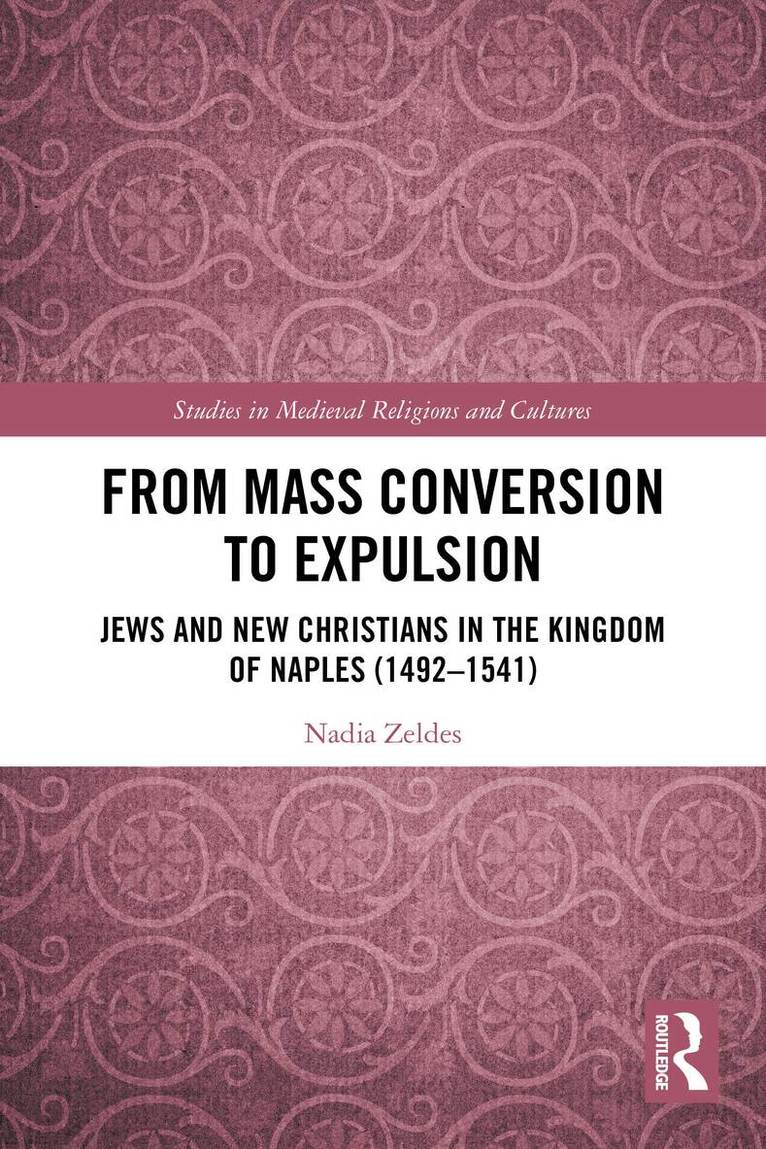
This book explores the events that marked the last decades of Jewish presence in the kingdom of Naples from 1492 to 1541. It employs a comparative approach in the examination of the mass conversion of the Jews in the Kingdom of Naples in 1495, the failed attempt to establish a Spanish‑style inquisition, and the expulsions of 1510 and 1541. By relying on a variety of sources, including Hebrew literary works and rabbinic Responsa, this study sheds new light on the reception of the refugees of 1492, the evolvement of the political and military crisis of 1495, the attacks on the Jewish communities, and Jewish reaction, all aspects that have never before been subject to systematic analysis. The Spanish victory of 1503 and the transformation of southern Italy into a Spanish‑ruled dominion bring this discussion closer to the Iberian model of mass conversions and expulsions. The unprecedented expulsion of the New Christians along with the Jews offers a unique opportunity for drawing a parallel with the much later expulsion of the Moriscos from Spain.By highlighting these aspects, this book offers insights for understanding the larger issues of the integration of refugees and rejection of minority groups, questions that are as relevant to present concerns and politics as they were on the eve of the modern era.
Inbunden, Engelska, 2026
2 245 kr
Kommande
Birgittine Acts of Memory begins from a simple but insistent premise: memory is not something that is stored, but something that happens. Focusing on the Birgittine Order across late medieval Europe, modern Europe, and contemporary spaces, the volume explores how remembrance takes shape through gestures, materials, voices, and spaces. Moving beyond static notions of preservation, it approaches memory as an active, embodied, and relational process, entangled with questions of authority, devotion, and communal life, and unfolding across liturgy, objects, and affective practices.Bringing together interdisciplinary contributions, the book moves across manuscripts, liturgical performance, visual culture, queer theory, and testamentary bequests, attending to the acts that sustain and transform memory. Birgittine communities emerge not as passive repositories but as dynamic sites where memory is continuously produced, negotiated, and reconfigured. What is at stake is not only what is remembered, but how memory circulates, how it attaches itself to bodies and objects, and how it opens different temporalities within enclosed and public life. Memory, in this sense, is not merely retrospective but generative, shaping identities, communities, and devotional experience across time and space.This volume will be of interest to scholars and students of medieval studies, religious history, memory studies, art history, and manuscript studies, as well as to readers engaged with material religion, monastic culture, and interdisciplinary approaches to the premodern archive.
Inbunden, Engelska, 2026
2 225 kr
Kommande
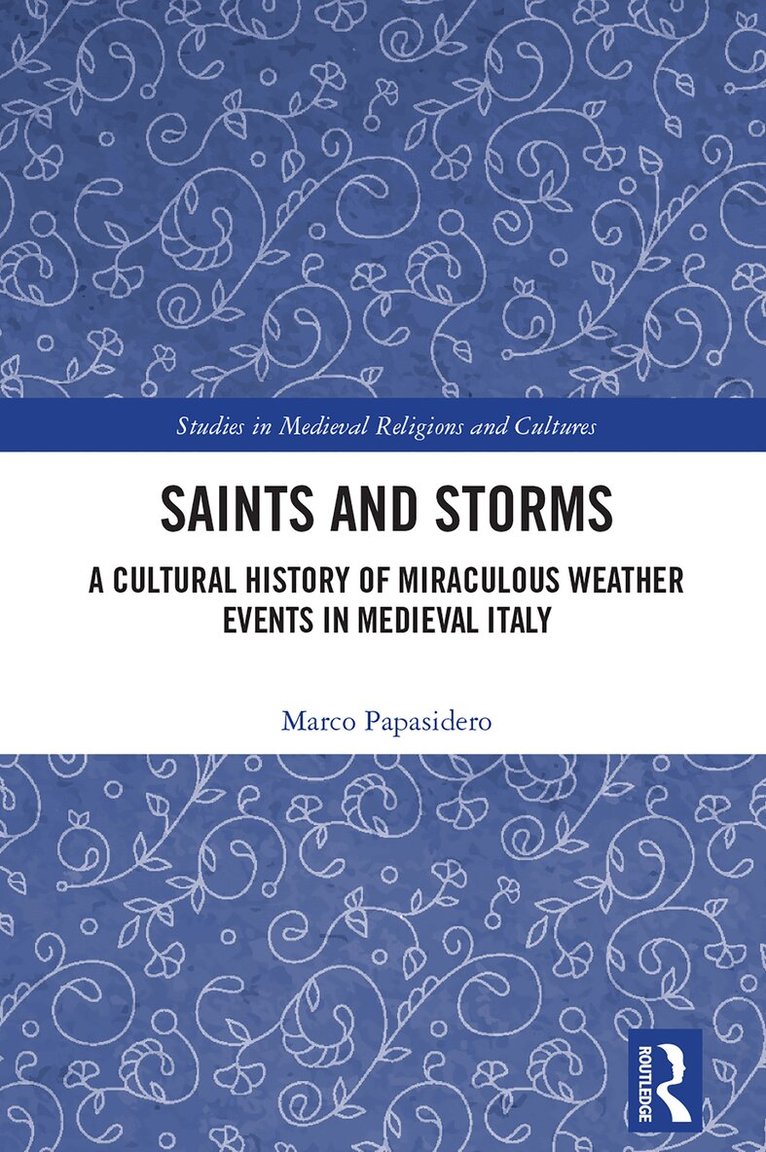
This book explores how medieval Italy perceived, interpreted, and sought to influence weather and climatic phenomena through the lens of sanctity. Focusing on hagiographic narratives from the Early to the Late Middle Ages, it reconstructs a rich corpus of miracle stories in which saints calm storms and hail, bring rain during droughts, or protect sailors and river travellers from tempests. By reading these accounts as cultural texts, the volume offers a history of miraculous weather in medieval Italy, spanning the centuries before the Medieval Warm Period and the onset of the Little Ice Age. At the same time, it situates the evidence of the peninsula within a broader European and Mediterranean framework, highlighting the particular importance of maritime and coastal environments. The volume has a strong comparative structure, in which medieval sources are in constant dialogue with tales from Antiquity and artistic works. Combining cultural history and historical anthropology, the study sheds light on how medieval communities understood climate variability, articulated fear and hope in the face of natural forces, and embedded weather events within systems of belief and ritual. The result is a nuanced contribution to the cultural and environmental history of the Middle Ages and to the history of human–climate relations.Its primary audience comprises students and scholars specialising in medieval studies, the history of religion, hagiography, and cultural history.
Inbunden, Engelska, 2025
2 137 kr
Skickas inom 10-15 vardagar
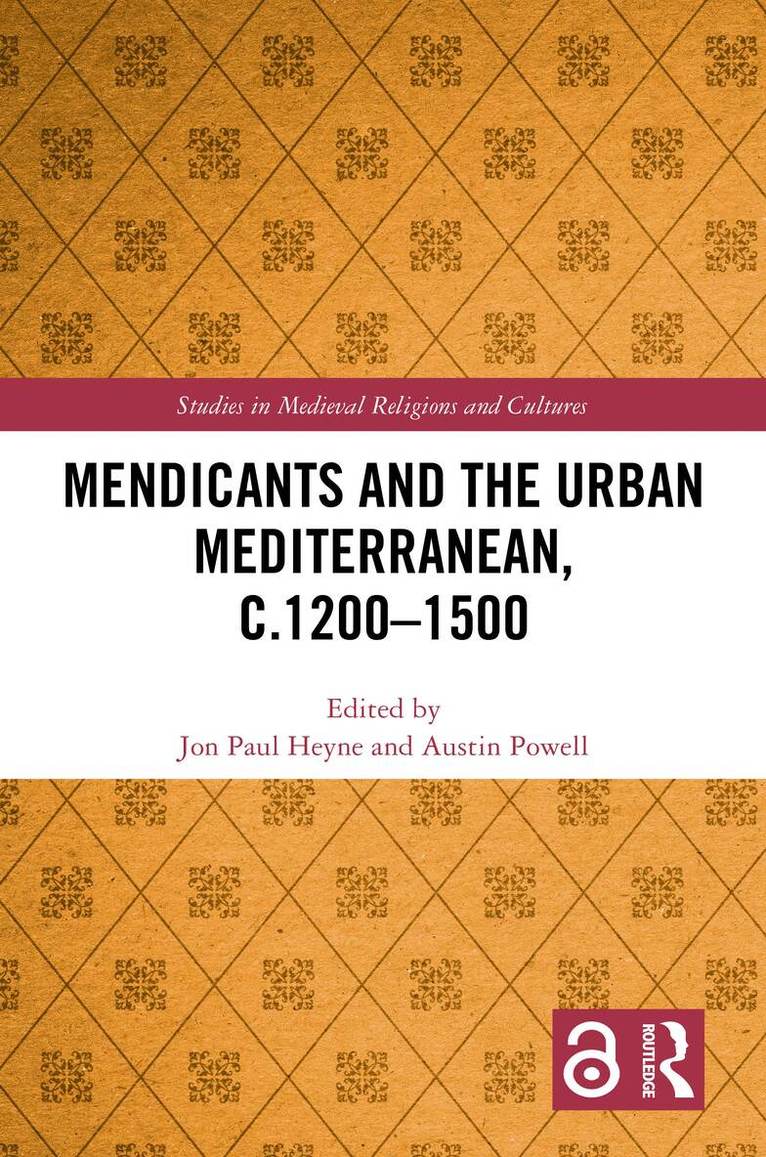
This volume explores the relationship of mendicant men and women to cities and their inhabitants in the Mediterranean world, c.1200–1500. It asks questions including: what was specifically “urban” about the mendicant movement? what does it mean to think of the mendicants as an “urban phenomenon”? and was there anything common to mendicant experiences in the cities of the Mediterranean?In addressing these questions, the volume expands our understanding of the mendicants by offering chapters that examine this religious movement within urban environments from the Iberian Peninsula, North Africa, Southern France, and Italy, to the Dalmatian Coast, Aegean Islands, Egypt, and the Levant. The chapters treat a wide array of textual, artistic, and architectural sources to consider how mendicants navigated and negotiated the unique social dynamics of Mediterranean cities in their interactions with political potentates, merchants, prisoners, pilgrims, religious and intellectual elites, non‑Christians, and inhabitants of the surrounding countryside. It thus offers an interdisciplinary and broad survey of mendicancy as a social‑religious phenomenon of the urban Mediterranean, demonstrating that these communities can be defined by much more than their traditionally accepted roles as beggars, preachers, and teachers.Mendicants and the Urban Mediterranean, c.1200–1500 will be of interest to scholars and students across multiple disciplines engaged in questions about medieval mendicancy, gender, urban society, inter‑religious encounters, and the Mediterranean.
Häftad, Engelska, 2026
665 kr
Kommande
This volume explores the relationship of mendicant men and women to cities and their inhabitants in the Mediterranean world, c.1200–1500. It asks questions including: what was specifically “urban” about the mendicant movement? what does it mean to think of the mendicants as an “urban phenomenon”? and was there anything common to mendicant experiences in the cities of the Mediterranean?In addressing these questions, the volume expands our understanding of the mendicants by offering chapters that examine this religious movement within urban environments from the Iberian Peninsula, North Africa, Southern France, and Italy, to the Dalmatian Coast, Aegean Islands, Egypt, and the Levant. The chapters treat a wide array of textual, artistic, and architectural sources to consider how mendicants navigated and negotiated the unique social dynamics of Mediterranean cities in their interactions with political potentates, merchants, prisoners, pilgrims, religious and intellectual elites, non‑Christians, and inhabitants of the surrounding countryside. It thus offers an interdisciplinary and broad survey of mendicancy as a social‑religious phenomenon of the urban Mediterranean, demonstrating that these communities can be defined by much more than their traditionally accepted roles as beggars, preachers, and teachers.Mendicants and the Urban Mediterranean, c.1200–1500 will be of interest to scholars and students across multiple disciplines engaged in questions about medieval mendicancy, gender, urban society, inter‑religious encounters, and the Mediterranean.
Inbunden, Engelska, 2023
2 068 kr
Skickas inom 10-15 vardagar
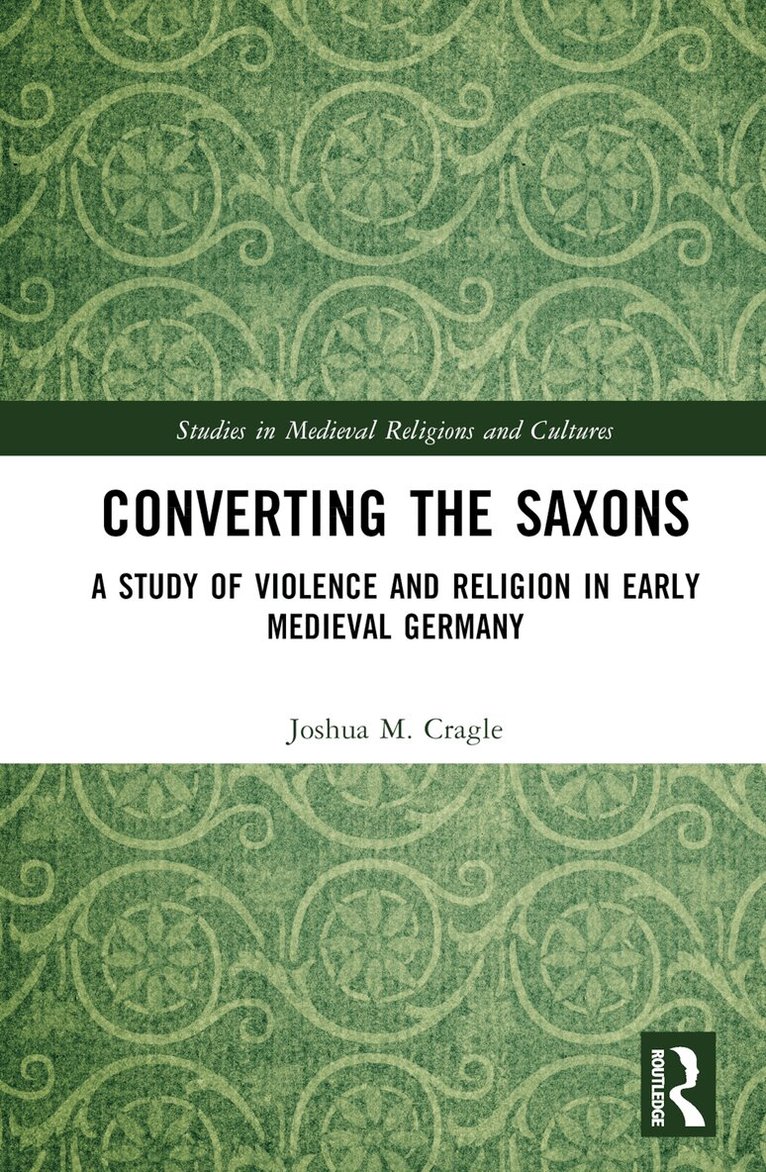
Utilizing a “crusading ethos,” from 772 to 804 AD, Charlemagne, King of the Franks, waged war against the continental Saxons to integrate them within the growing Frankish Empire and facilitate their conversion to Christianity. While substantial research has been produced concerning various components of Carolingian history, this work offers a unique examination of Charlemagne’s Saxon Wars as a case study for understanding methods of conversion used in the Christianization of Europe, as well as their significance for subsequent conversion strategies employed around the globe.Converting the Saxons builds on prior scholarly research, is grounded in primary sources, and is contextualized with a robust historical introduction. Throughout the text, particular emphasis is given to Christian encounters with paganism and the way paganism was interpreted, confronted, and transformed. Within those encounters, we observe myriad forces of coercion and incentivization used in societal religious conversion, demonstrating the need for a serious reconsideration of the standard narratives surrounding Christian missions.This book provides a scholarly and accessible resource for students and researchers interested in transhistorical methods of conversion, the history of Christianity, Early Medieval paganism, Colonial religious encounters, and the nature of religious conversion.
Häftad, Engelska, 2025
639 kr
Skickas inom 10-15 vardagar
Utilizing a “crusading ethos,” from 772 to 804 AD, Charlemagne, King of the Franks, waged war against the continental Saxons to integrate them within the growing Frankish Empire and facilitate their conversion to Christianity. While substantial research has been produced concerning various components of Carolingian history, this work offers a unique examination of Charlemagne’s Saxon Wars as a case study for understanding methods of conversion used in the Christianization of Europe, as well as their significance for subsequent conversion strategies employed around the globe.Converting the Saxons builds on prior scholarly research, is grounded in primary sources, and is contextualized with a robust historical introduction. Throughout the text, particular emphasis is given to Christian encounters with paganism and the way paganism was interpreted, confronted, and transformed. Within those encounters, we observe myriad forces of coercion and incentivization used in societal religious conversion, demonstrating the need for a serious reconsideration of the standard narratives surrounding Christian missions.This book provides a scholarly and accessible resource for students and researchers interested in transhistorical methods of conversion, the history of Christianity, Early Medieval paganism, Colonial religious encounters, and the nature of religious conversion.
Inbunden, Engelska, 2025
2 137 kr
Skickas inom 10-15 vardagar
Islam and Papal Power in Late Medieval and Early Modern Europe traces the influential history of another book: Riccoldo da Montecroce’s Contra legem Sarracenorum. Around 1301, a Dominican missionary named Riccoldo da Montecroce wrote a treatise on the Qur’an, arguing against the validity of the Muslim faith. Over the next two hundred years, Europeans read, copied, translated, and circulated Riccoldo’s work more than any other text on Islam. This study overviews and contextualizes that popularity in order to analyze Christian understandings of Islam in early modern Europe.Analysing the thirty-four surviving manuscript copies, this book studies the way the text was transcribed, the notes that readers made in the margins, and the contexts in which it was copied. Critically, this book also puts the transmission analysis into the broader context of major European historical developments. This context reveals that Contra legem became a tool for Europeans who linked fear of the Ottoman Empire to instability within the Church. Specifically, readers used Riccoldo’s descriptions of the dangers of the Qur’an to conflate the Ottoman Empire with a broader Islamic threat to Christian society. Such positioning helped readers to substantiate the divine authority of the western Church – and especially the papacy – as a bulwark against this threat.This book will be of interest to scholars working on interreligious dialogue and Christian-Muslim relations in medieval and early modern Europe and the Mediterranean. It will appeal to historians of religion, scholars of late medieval and early modern thought, and students of pre- and early modern history at the upper undergraduate and graduate levels.
Häftad, Engelska, 2026
765 kr
Kommande
Islam and Papal Power in Late Medieval and Early Modern Europe traces the influential history of another book: Riccoldo da Montecroce’s Contra legem Sarracenorum. Around 1301, a Dominican missionary named Riccoldo da Montecroce wrote a treatise on the Qur’an, arguing against the validity of the Muslim faith. Over the next two hundred years, Europeans read, copied, translated, and circulated Riccoldo’s work more than any other text on Islam. This study overviews and contextualizes that popularity in order to analyze Christian understandings of Islam in early modern Europe.Analysing the thirty-four surviving manuscript copies, this book studies the way the text was transcribed, the notes that readers made in the margins, and the contexts in which it was copied. Critically, this book also puts the transmission analysis into the broader context of major European historical developments. This context reveals that Contra legem became a tool for Europeans who linked fear of the Ottoman Empire to instability within the Church. Specifically, readers used Riccoldo’s descriptions of the dangers of the Qur’an to conflate the Ottoman Empire with a broader Islamic threat to Christian society. Such positioning helped readers to substantiate the divine authority of the western Church – and especially the papacy – as a bulwark against this threat.This book will be of interest to scholars working on interreligious dialogue and Christian-Muslim relations in medieval and early modern Europe and the Mediterranean. It will appeal to historians of religion, scholars of late medieval and early modern thought, and students of pre- and early modern history at the upper undergraduate and graduate levels.
Häftad, Engelska, 2025
639 kr
Skickas inom 10-15 vardagar
The study of hagiographies has generally been focused on the more prominent saints of late antiquity and the Middle Ages who inspired significant and long-lasting veneration. However, this has caused many less-well-known saints to be pushed aside and forgotten.This book is a study into one such saint, Irenaeus, a martyr who was killed in 304 CE in Sirmium, Pannonia. His short-lived cult, his feast day, and the account of his martyrdom (which had been translated into Latin, Greek, Old Slavonic, Georgian, and Armenian) had all been forgotten during the Middle Ages. This book examines Irenaeus of Sirmium’s life, cult, sainthood, and eventual disappearance from the memory of medieval Christendom, in the context of a wider study on the memory of those less-well-known saints who, like Irenaeus, became neglected and eventually forgotten.Irenaeus of Sirmium and His Story in the Medieval East and West will be of interest to scholars and students alike interested in hagiography, medieval literature and history, as well as all those interested in the religious history of Byzantium, medieval Europe, and the Slavic world.
Inbunden, Engelska, 2025
2 137 kr
Skickas inom 10-15 vardagar
Addressing fundamental questions about the conversion of the West to Christianity between the fourth and eighth centuries, this book explores how and why new religions spread in societies that were previously foreign to them and examines what happens to old gods and traditional beliefs in the process. The spread of Christianity through rural areas in the post-Roman West was marked by confrontation, rejection, and incorporation of alternative beliefs whose resilience stemmed from their connection with the diverse demands of everyday life of peasant communities. The slow process of penetration and spread of the “new religion” in the countryside, with the contradictions that characterized it, can only be fully understood through its integration into the more global process that was underway at the time: that of the development of new relations of power and domination, with the resistance that opposed it. With a theoretical approach, the volume addresses deeper questions about how Christianity developed alongside economic and social processes of change.This book is a compelling resource for historians, sociologists, anthropologists, and religious studies scholars, as well as any reader interested in the high Middle Ages.
Inbunden, Engelska, 2026
2 225 kr
Kommande
Unlike other works on Glastonbury Abbey, this book examines the lives and relationships of its monks, using methods such as quantitative and network analysis to extract substantial data from records between 900 and 1550.The book's recurring theme is that, in one sense, Glastonbury was not remarkable at all; yet in another, both the people and the place were extraordinary. This book argues that, through 400 years of national turbulence, Glastonbury Abbey -- hidden away in Somerset -- kept calm and carried on successfully managing its estates, fulfilling its spiritual duties, and becoming the wealthiest monastery in England. In addition, it is proposed that after Glastonbury's Late Saxon zenith, it was never a place of significant national importance until the English Romantic Period, when its mystique was revived. Chapter 1 sets the context for the research. The demographics of Glastonbury monks and their living conditions are explored in Chapter 2, and their education and careers in Chapter 3. The abbot's role, reputation, and performance are assessed in Chapter 4, while Chapter 5 examines Glastonbury's relationships with people and institutions. Agency theory is used to examine the abbey's power dynamics and prestige in Chapter 6. In Chapter 7, Glastonbury Abbey as a place and corporation is explored through its property and seignorial lordship.This book is written for the enquiring mind and historians who want facts and a different approach to history.