Studies in Naval History and Sea Power – serie
Visar alla böcker i serien Studies in Naval History and Sea Power. Handla med fri frakt och snabb leverans.
6 produkter
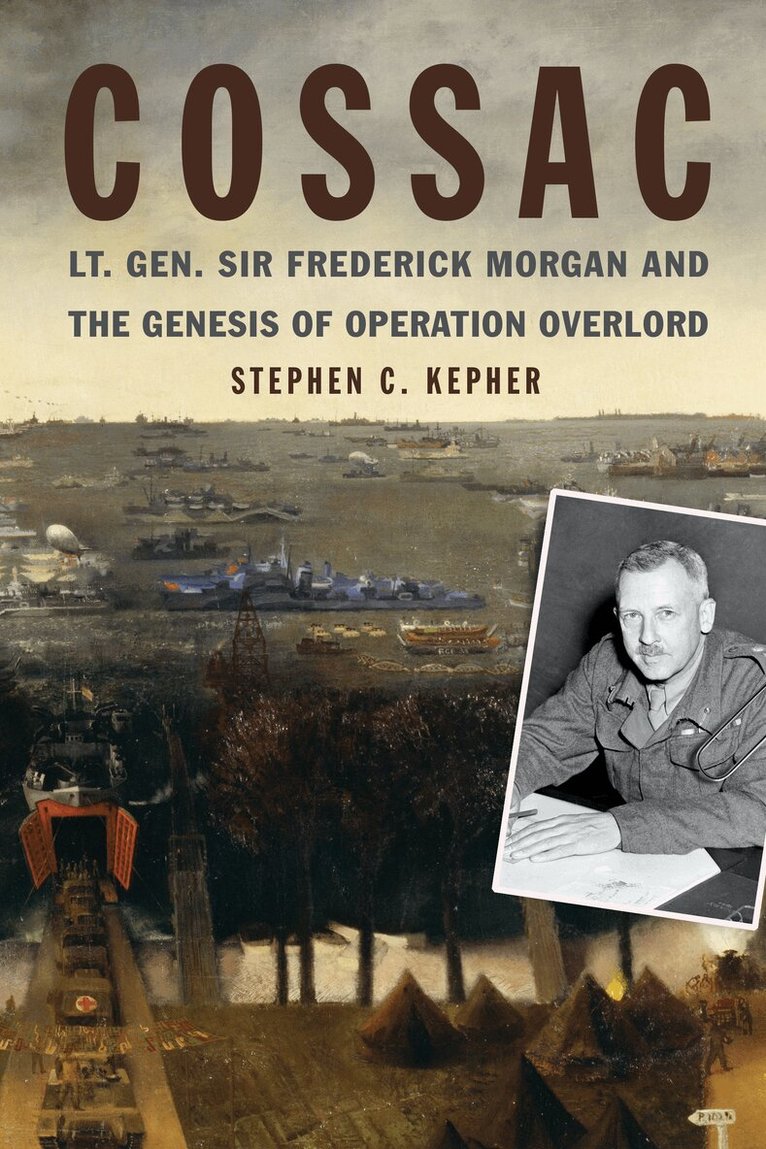
COSSAC
Lt. Gen. Sir Frederick Morgan and the Genesis of Operation OVERLORD
Inbunden, 2020
396 kr
Lägg i varukorg
When Frederick Morgan was appointed COSSAC (Chief of Staff to the Supreme Allied Commander), in the spring of 1943, there was no approved plan for a cross-Channel attack and no commander. There was not even agreement about when the re-entry into the Continent would occur. The western Allies were in …
Learning War
The Evolution of Fighting Doctrine in the U.S. Navy, 1898-1945
Av Trent Hone
Häftad, 2022
338 kr
Lägg i varukorg
Learning War examines the U.S. Navy's doctrinal development from 1898-1945 and explains why the Navy in that era was so successful as an organization at fostering innovation. A revolutionary study of one of history's greatest success stories, this book draws profoundly important conclusions that …
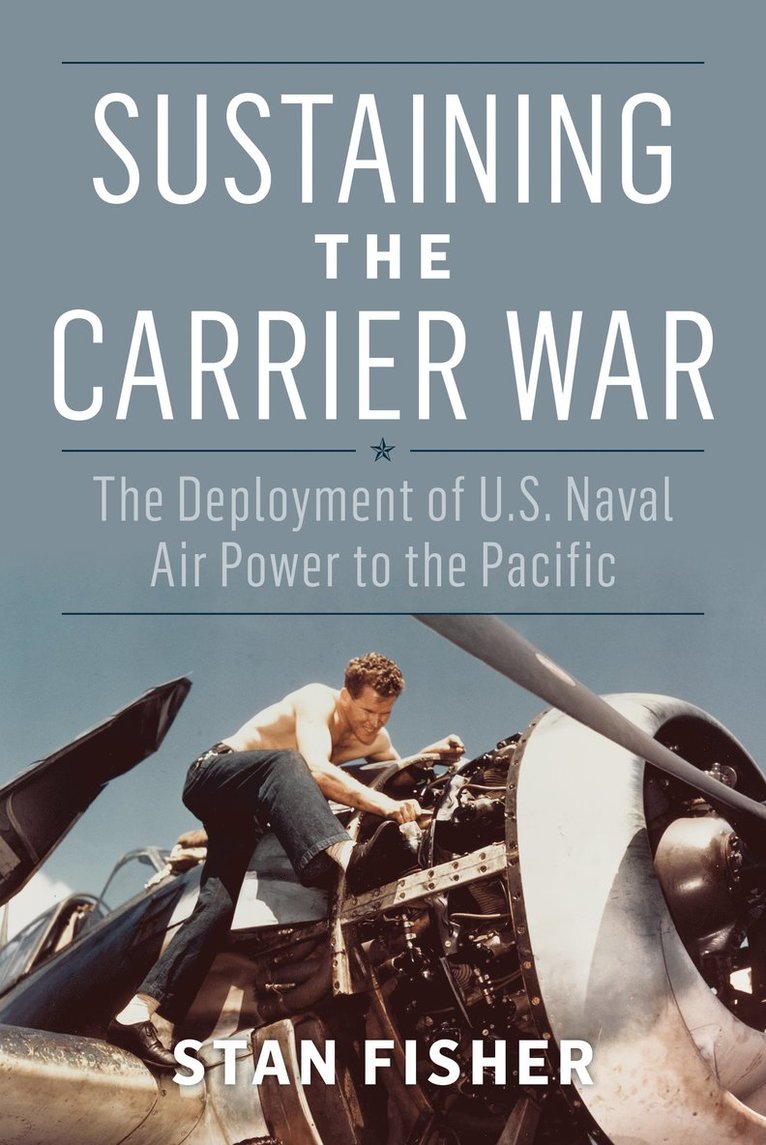
Sustaining the Carrier War
The Deployment of U.S. Naval Air Power to the Pacific
Av Stan Fisher
Inbunden, 2023
292 kr
Lägg i varukorg
The ability of the United States Navy to fight and win a protracted war in the Pacific was not solely the result of technology, tactics, or leadership. Naval aviation maintenance played a major role in the U.S. victory over Japan in the second World War. The naval war against Japan did not achieve …
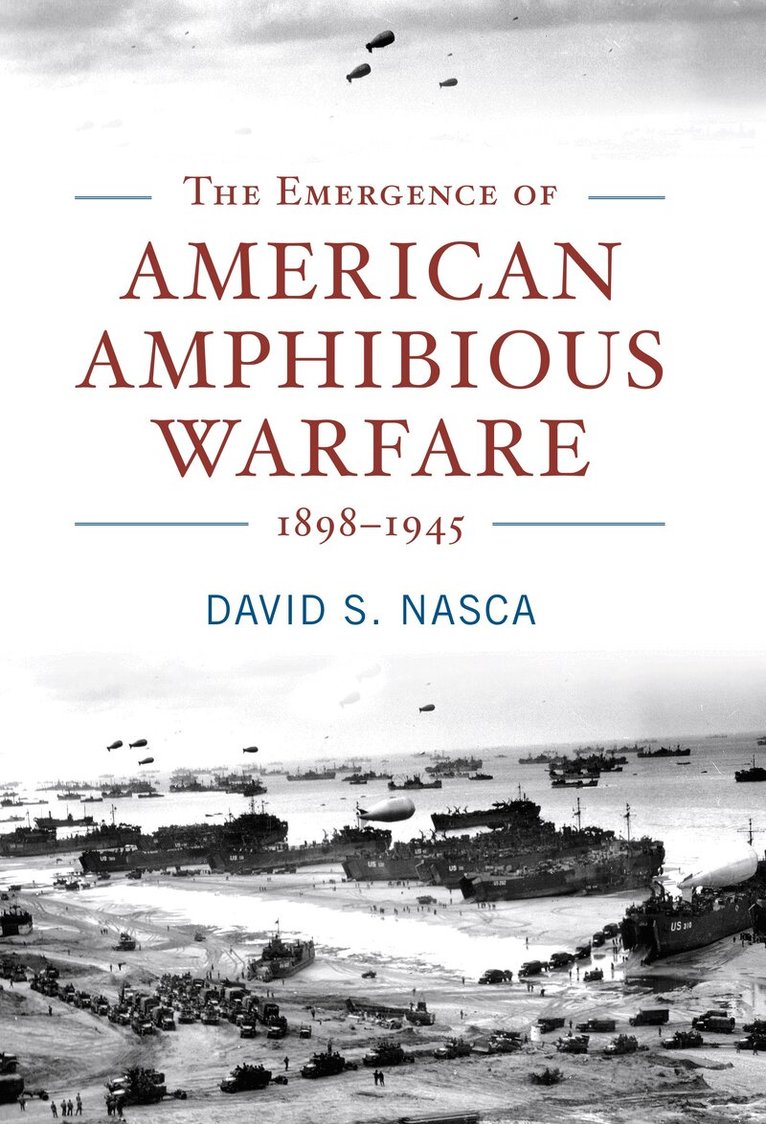
Emergence of American Amphibious Warfare, 1898-1945
Av David Nasca
Inbunden, 2020
457 kr
Tillfälligt slut
The Emergence of American Amphibious Warfare, 1898-1945 examines how the United States became a superpower through amphibious operations in order to project military power. While other major world powers pursued and embraced different weapons and technologies in order to create different means of …
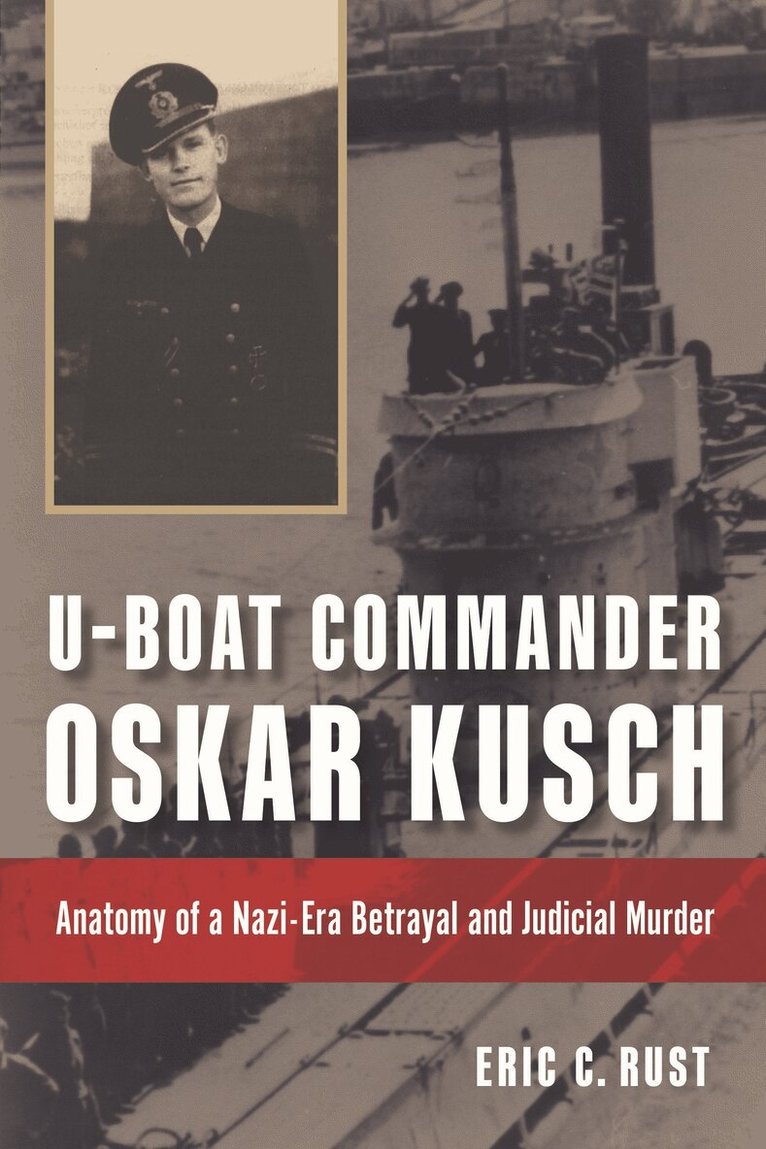
U-Boat Commander Oskar Kusch
Anatomy of a Nazi-Era Betrayal and Judicial Murder
Inbunden, 2020
512 kr
Tillfälligt slut
To his enlisted men on U-154, Lieutenant Oskar Kusch was the ideal skipper--bright, experienced, successful, caring, tolerably eccentric--and a popular captain who always brought his boat home safely when so many others vanished without a trace. To most of his officers Kusch came across as someone …
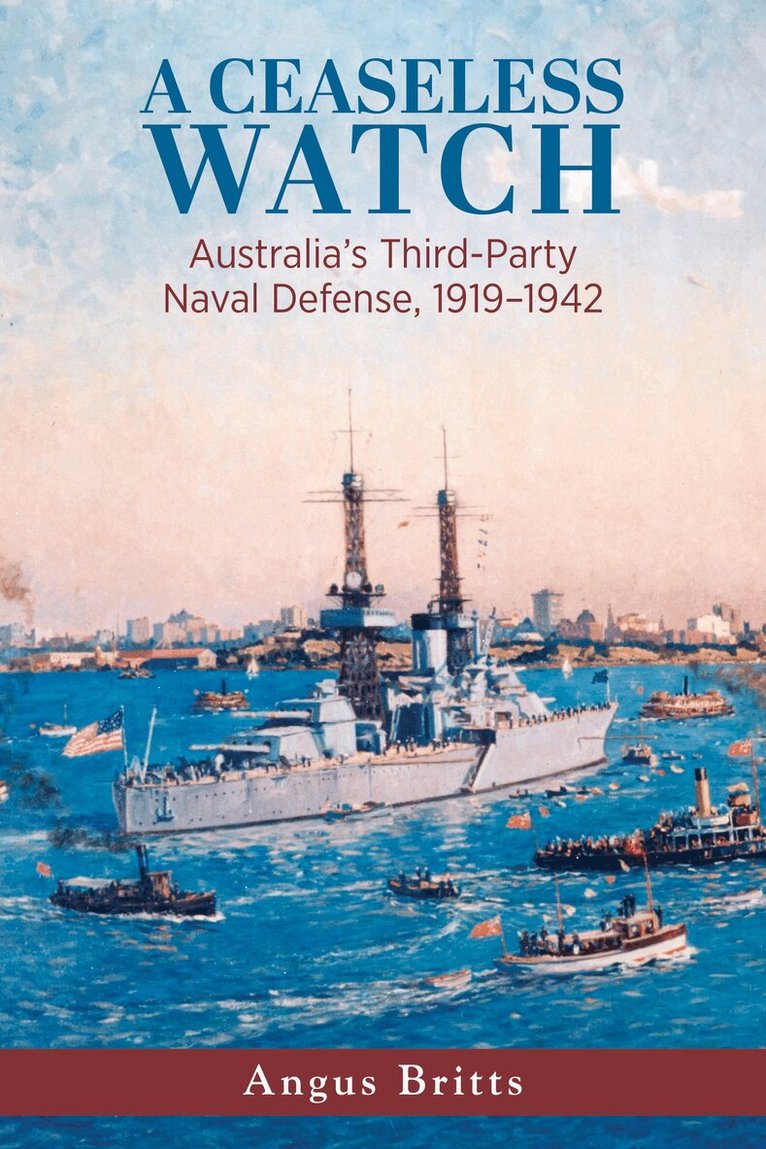
Ceaseless Watch
Australia's Third-Party Naval Defense, 1919-1942
Av Angus Britts
Inbunden, 2021
566 kr
Tillfälligt slut
A Ceaseless Watch: Australia's Third Party Naval Defense, 1919-1942 illustrates how Australia confronted the need to base its post-World War I defense planning around the security provided by a major naval power: in the first instance, Britain, and later the United States. Spanning the period …