Texts and Translations of Transcendence and Transformation – serie
Visar alla böcker i serien Texts and Translations of Transcendence and Transformation. Handla med fri frakt och snabb leverans.
4 produkter
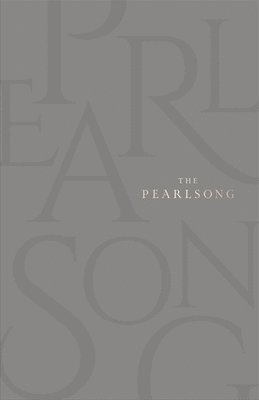
Pearlsong
Av Adam Bremer–mccollum, Charles M. Stang m. fl.
Häftad, 2025
398 kr
Lägg i varukorg
The Pearlsong is an ancient poem that recounts the story of a Parthian prince sent by his parents on a mission to Egypt to retrieve a pearl from the clutches of a giant serpent. Along the way, the prince falls asleep and forgets his identity and mission. A letter from his parents awakens him, gives …
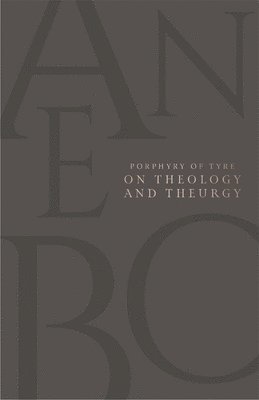
On Theology and Theurgy
Häftad, 2026
310 kr
Lägg i varukorg
Porphyry of Tyre (c. 234–305) was not only the biographer of his teacher Plotinus, and the editor of his Enneads, but an important Platonist philosopher in his own right. On Theology and Theurgy presents two of Porphyry’s texts, preserved in fragments, in which he tries to bring philosophy to bear …
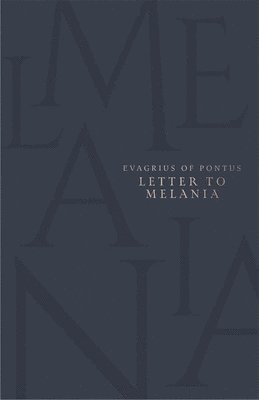
Letter to Melania
Av Evagrius of Pontus, Adam Bremer-McCollum m. fl.
Häftad, 2026
177 kr
Kommande
In a text known as the Letter to Melania, or the Great Letter, Christian monastic philosopher Evagrius of Pontus (345–399) delivers a moving meditation on the power of language (spoken and written), the composition of humanity in light of the three persons of God, and the final restoration or …
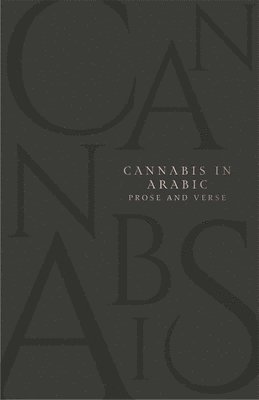
Cannabis in Arabic Verse and Prose
Häftad, 2027
203 kr
Kommande
From the thirteenth to the fifteenth centuries, a number of historians, jurists, poets, and others writing in Arabic turned their attention to a newly arrived plant, Cannabis indica, noting its psychoactive powers and how it first spread among Sufis. They discuss cannabis’s origins, who uses it and …