The Callaloo African Diaspora Series - Böcker
Visar alla böcker i serien The Callaloo African Diaspora Series. Handla med fri frakt och snabb leverans.
7 produkter
7 produkter
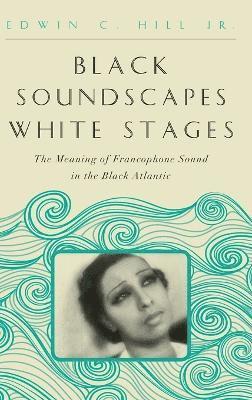
Black Soundscapes White Stages
The Meaning of Francophone Sound in the Black Atlantic
Inbunden, Engelska, 2013
649 kr
Skickas inom 5-8 vardagar
Black Soundscapes White Stages explores the role of sound in understanding the African Diaspora on both sides of the Atlantic, from the City of Light to the islands of the French Antilles. From the writings of European travelers in the seventeenth century to short-wave radio transmissions in the early twentieth century, Edwin C. Hill Jr. uses music, folk song, film, and poetry to listen for the tragic cri negre. Building a conceptualization of black Atlantic sound inspired by Frantz Fanon's pioneering work on colonial speech and desire, Hill contends that sound constitutes a terrain of contestation, both violent and pleasurable, where colonial and anti-colonial ideas about race and gender are critically imagined, inscribed, explored, and resisted. In the process, this book explores the dreams and realizations of black diasporic mobility and separation as represented by some of its most powerful soundtexts and cultural practitioners, and it poses questions about their legacies for us today.In the process, thee dreams and realities of Black Atlantic mobility and separation as represented by some of its most powerful soundtexts and cultural practitioners, such as the poetry of Leon-Gontran Damas-a founder of the Negritude movement-and Josephine Baker's performance in the 1935 film Princesse Tam Tam. As the first in Johns Hopkins' new series on the African Diaspora, this book offers new insight into the legacies of these exceptional artists and their global influence.
589 kr
Skickas inom 7-10 vardagar
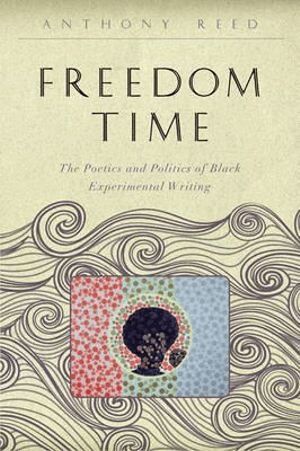
Standard literary criticism tends to either ignore or downplay the unorthodox tradition of black experimental writing that emerged in the wake of protests against colonization and Jim Crow-era segregation. Histories of African American literature likewise have a hard time accounting for the distinctiveness of experimental writing, which is part of a general shift in emphasis among black writers away from appeals for social recognition or raising consciousness. In Freedom Time, Anthony Reed offers a theoretical reading of "black experimental writing" that presents the term both as a profound literary development and as a concept for analyzing how writing challenges us to rethink the relationships between race and literary techniques. Through extended analyses of works by African American and Afro-Caribbean writers-including N. H. Pritchard, Suzan-Lori Parks, NourbeSe Philip, Kamau Brathwaite, Claudia Rankine, Douglas Kearney, Harryette Mullen, and Nathaniel Mackey-Reed develops a new sense of the literary politics of formally innovative writing and the connections between literature and politics since the 1960s.Freedom Time reclaims the power of experimental black voices by arguing that readers and critics must see them as more than a mere reflection of the politics of social protest and identity formation. With an approach informed by literary, cultural, African American, and feminist studies, Reed shows how reworking literary materials and conventions liberates writers to push the limits of representation and expression.
442 kr
Tillfälligt slut
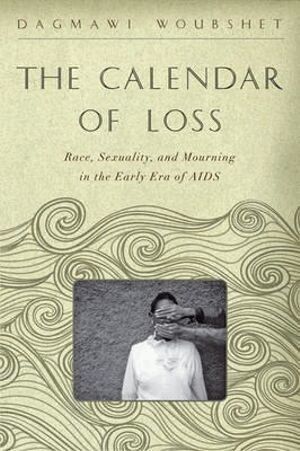
His world view colored by growing up in 1980s Ethiopia, where death governed time and temperament, Dagmawi Woubshet offers a startlingly fresh interpretation of melancholy and mourning during the early years of the AIDS epidemic in The Calendar of Loss. When society denies a patient's disease and then forbids survivors mourning rites, how does a child bear witness to a parent's death or a lover grieve for his beloved? Looking at a range of high and popular works of grief-including elegies, eulogies, epistles to the dead, funerals, and obituaries-Woubshet identifies a unique expression of mourning that emerged in the 1980s and early 1990s in direct response to the AIDS catastrophe. What Woubshet dubs a "poetics of compounding loss" expresses what it was like for queer mourners to grapple with the death of lovers and friends in rapid succession while also coming to terms with the fact of their own imminent mortality.The time, consolation, and closure that allow the bereaved to get through loss were for the mourners in this book painfully thwarted, since with each passing friend, and with mounting numbers of the dead, they were provided with yet more evidence of the certain fatality of the virus inside them. Ultimately, the book argues, these disprized mourners turned to their sorrow as a necessary vehicle of survival, placing open grief at the center of art and protest, insisting that lives could be saved through the very speech acts precipitated by death. An innovative and moving study, The Calendar of Loss illuminates how AIDS mourning confounds and traverses how we have come to think about loss and grief, insisting that the bereaved can confront death in the face of shame and stigma in eloquent ways that also imply a fierce political sensibility and a longing for justice.
400 kr
Skickas inom 5-8 vardagar
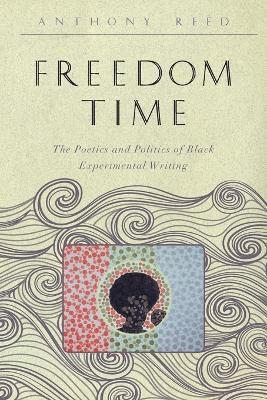
Standard literary criticism tends to either ignore or downplay the unorthodox tradition of black experimental writing that emerged in the wake of protests against colonization and Jim Crow-era segregation. Histories of African American literature likewise have a hard time accounting for the distinctiveness of experimental writing, which is part of a general shift in emphasis among black writers away from appeals for social recognition or raising consciousness. In Freedom Time, Anthony Reed offers a theoretical reading of "black experimental writing" that presents the term both as a profound literary development and as a concept for analyzing how writing challenges us to rethink the relationships between race and literary techniques. Through extended analyses of works by African American and Afro-Caribbean writers-including N. H. Pritchard, Suzan-Lori Parks, NourbeSe Philip, Kamau Brathwaite, Claudia Rankine, Douglas Kearney, Harryette Mullen, and Nathaniel Mackey-Reed develops a new sense of the literary politics of formally innovative writing and the connections between literature and politics since the 1960s.Freedom Time reclaims the power of experimental black voices by arguing that readers and critics must see them as more than a mere reflection of the politics of social protest and identity formation. With an approach informed by literary, cultural, African American, and feminist studies, Reed shows how reworking literary materials and conventions liberates writers to push the limits of representation and expression.
650 kr
Skickas inom 7-10 vardagar
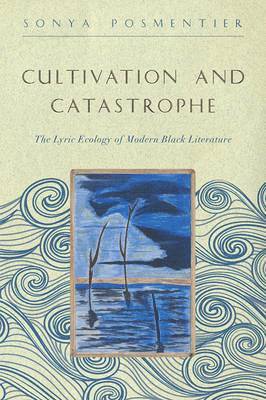
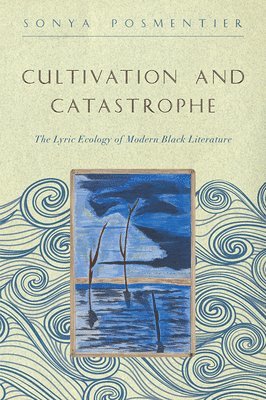
At the intersection of social and environmental history there has emerged a rich body of black literary response to natural and agricultural experiences, whether the legacy of enforced agricultural labor or of the destruction and displacement brought about by a hurricane. In Cultivation and Catastrophe, Sonya Posmentier uncovers a vivid diasporic tradition of black environmental writing that responds to the aftermath of plantation slavery, urbanization, and free and forced migrations. While humanist discourses of African American and postcolonial studies often sustain a line between nature and culture, this book instead emphasizes the relationship between them, offering an innovative environmental history of modern black literature. Posmentier argues that environmental experiences of growth and rupture define the literature of black freedom, an archive that ranges from sonnets, mini-epics, documentary poems, periodicals, and novels to blues songs, dancehall productions, and ethnographic writing. In turn, this literature generates important and surprising models for ecological thought.Claude McKay, for example, connects rows of potatoes to the poetic line; Zora Neale Hurston composes rhythmic communal lyrics in the Florida "muck" following a deadly hurricane; and Derek Walcott critiques property-based ecological relations through the archipelagic shape of his mid-career poetry. Posmentier examines how these writers, along with Gwendolyn Brooks, Bessie Smith, Sterling Brown, Lloyd Lovindeer, Kamau Brathwaite, and others give voice to racialized experiences of alienation from the land while simultaneously envisioning a modern poetics of survival, repair, and generation. Going against the grain of scholarship that has situated modern black diasporic agency largely in metropolitan sites, Posmentier traces a black literary history of environmental and social disaster while exploring the possibilities and limits of poetry as an archive for black modern culture in its many forms. This pathbreaking book offers stunning new insight into modern black literature, environmental humanities, and poetry and poetics.
408 kr
Skickas inom 7-10 vardagar
A transformative literary history of black environmental writing.Winner, William Sanders Scarborough Prize by the Modern Language AssociationAt the intersection of social and environmental history there has emerged a rich body of Black literary response to natural and agricultural experiences, whether the legacy of enforced agricultural labor or the destruction and displacement brought about by a hurricane. In Cultivation and Catastrophe, Sonya Posmentier uncovers a vivid diasporic tradition of Black environmental writing that responds to the aftermath of plantation slavery, urbanization, and free and forced migrations. While humanist discourses of African American and postcolonial studies often sustain a line between nature and culture, this book instead emphasizes the relationship between them, offering an innovative environmental history of modern black literature.
787 kr
Kommande
How race and space shape one another in profound and often contested ways.How does race shape the spaces we inhabit, and how do those spaces, in turn, shape our perception of race? This book addresses these questions by bringing cultural theory into dialogue with the practices of design, planning, and architecture. Edited by K. Ian Grandison and Marlon B. Ross, the essays in this collection argue that racial identity is never separate from the landscapes, infrastructures, and built environments that are so familiar that we often fail to see their ideological and economic implications.The first two chapters, authored by Grandison and Ross, frame the theory and methods of what they term "critical landscape studies" with case studies on historic preservation and gentrification, respectively. The other essays build on this approach from different interdisciplinary perspectives—investigating further how race is embedded in the processes of planning, preservation, and urban development, and how spatial practices are never neutral terrains but instead represent contested cultural records. Contributors reveal how the vertical hierarchies of race—long defined by the extremes of whiteness and Blackness—are continually negotiated across the categories of gender, sexuality, religion, and diaspora. The volume also underscores how disciplines that have too often treated space as abstract or universal must confront its racialized dimensions with greater rigor, while design professions must attend to the cultural identities, material interests, and power imbalances that shape and are shaped by the environments they create.From university campuses to gentrifying neighborhoods and from sacred landscapes to sites of ecological struggle, the essays in this collection offer a timely and provocative critical analysis of how space and race interact and inform each other. It challenges readers to see how the politics of racial formation and representation are embedded in the landscapes that surround us, and how those built environments in turn influence cultural perceptions of identity and belonging.