War and Militarism in African History – serie
Visar alla böcker i serien War and Militarism in African History. Handla med fri frakt och snabb leverans.
14 produkter
14 produkter
Inbunden, Engelska, 2020
904 kr
Skickas inom 5-8 vardagar
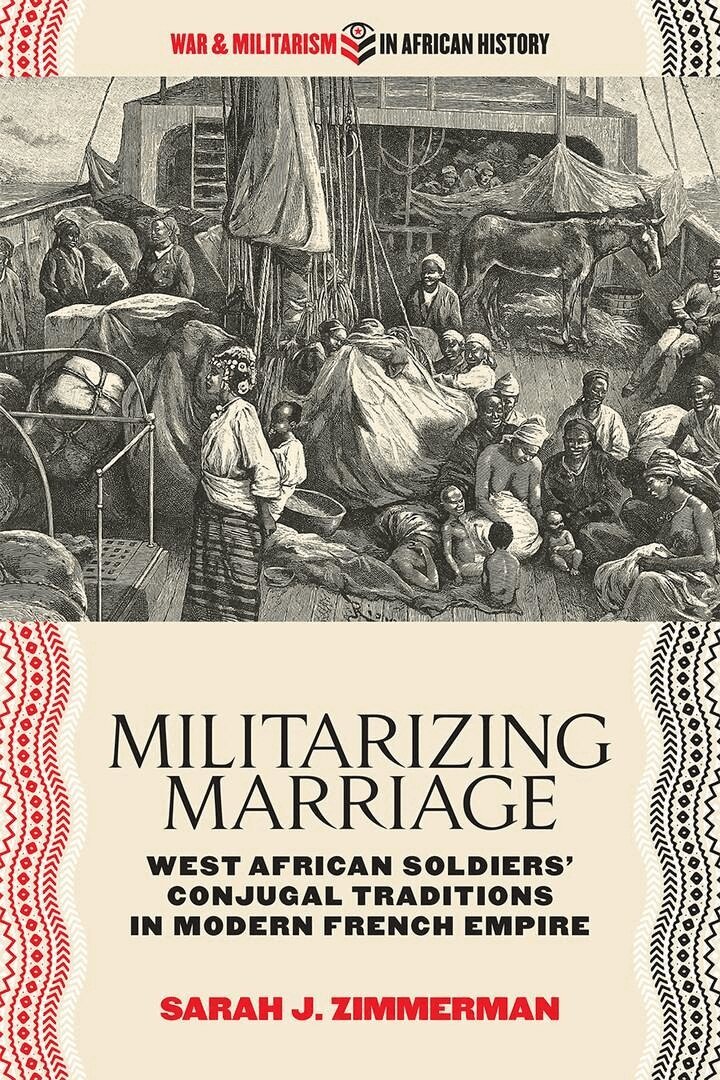
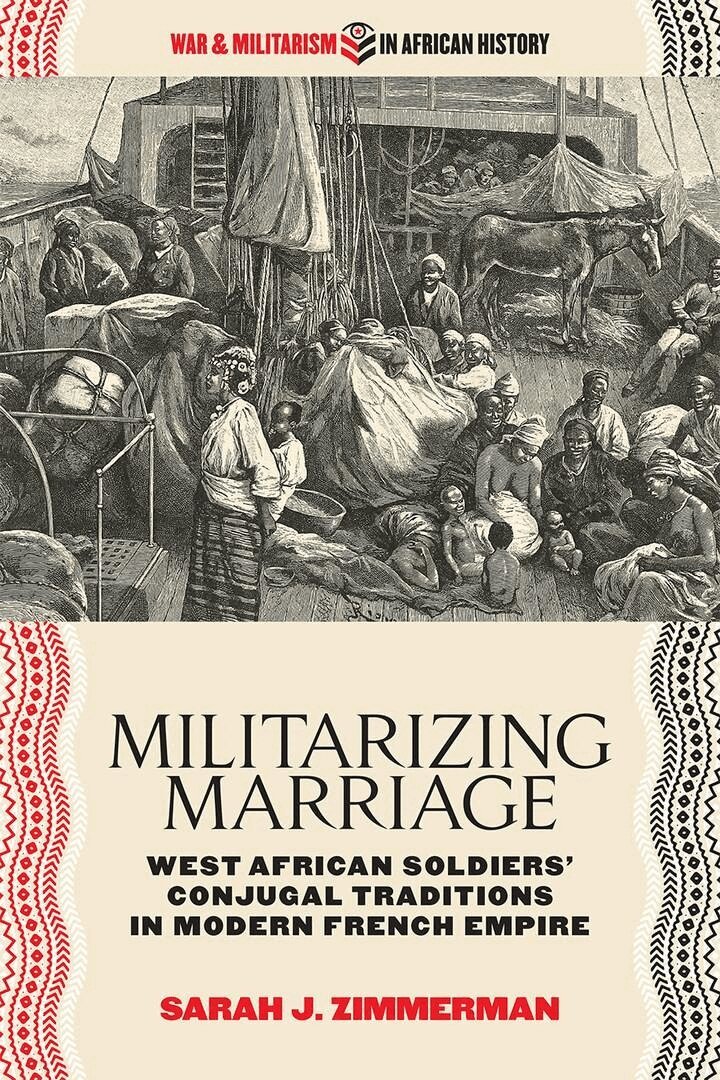
Following tirailleurs sénégalais' deployments in West Africa, Congo, Madagascar, North Africa, Syria-Lebanon, Vietnam, and Algeria from the 1880s to 1962, Militarizing Marriage historicizes how African servicemen advanced conjugal strategies with women at home and abroad. Sarah J. Zimmerman examines the evolution of women's conjugal relationships with West African colonial soldiers to show how the sexuality, gender, and exploitation of women were fundamental to the violent colonial expansion and the everyday operation of colonial rule in modern French Empire. These conjugal behaviors became military marital traditions that normalized the intimate manifestation of colonial power in social reproduction across the empire. Soldiers' cross-colonial and interracial households formed at the intersection of race and sexuality outside the colonizer/colonized binary. Militarizing Marriage uses contemporary feminist scholarship on militarism and violence to portray how the subjugation of women was indispensable to military conquest and colonial rule.
Häftad, Engelska, 2021
386 kr
Skickas inom 5-8 vardagar
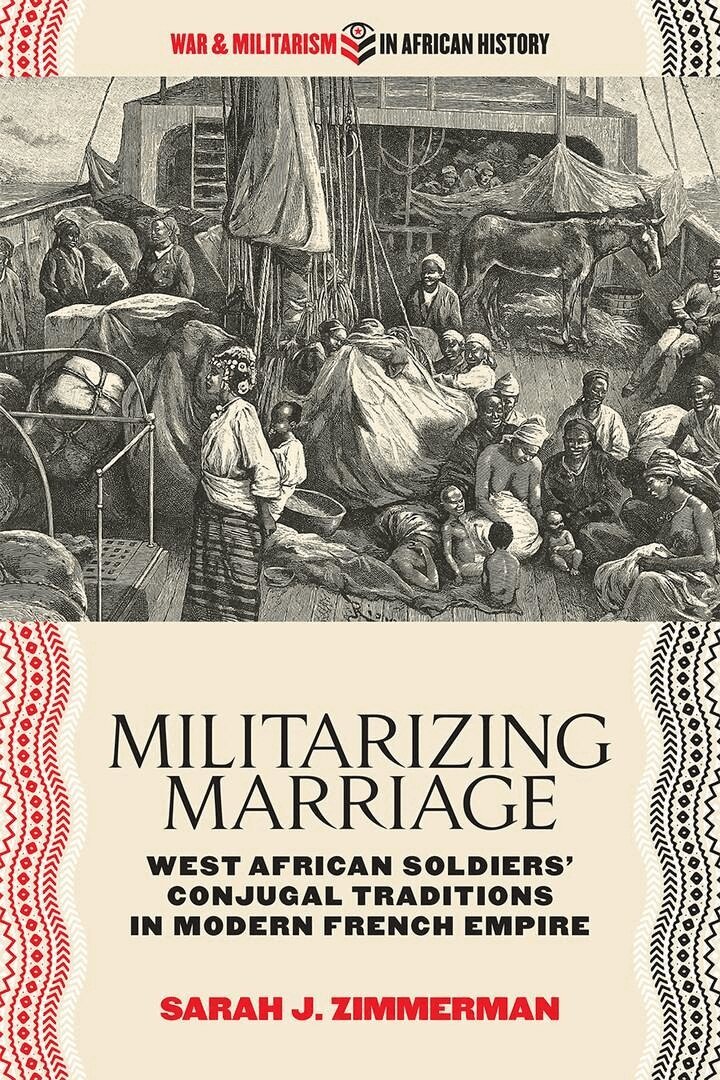
Following tirailleurs sénégalais' deployments in West Africa, Congo, Madagascar, North Africa, Syria-Lebanon, Vietnam, and Algeria from the 1880s to 1962, Militarizing Marriage historicizes how African servicemen advanced conjugal strategies with women at home and abroad. Sarah J. Zimmerman examines the evolution of women's conjugal relationships with West African colonial soldiers to show how the sexuality, gender, and exploitation of women were fundamental to the violent colonial expansion and the everyday operation of colonial rule in modern French Empire. These conjugal behaviors became military marital traditions that normalized the intimate manifestation of colonial power in social reproduction across the empire. Soldiers' cross-colonial and interracial households formed at the intersection of race and sexuality outside the colonizer/colonized binary. Militarizing Marriage uses contemporary feminist scholarship on militarism and violence to portray how the subjugation of women was indispensable to military conquest and colonial rule.
Inbunden, Engelska, 2021
904 kr
Skickas inom 5-8 vardagar
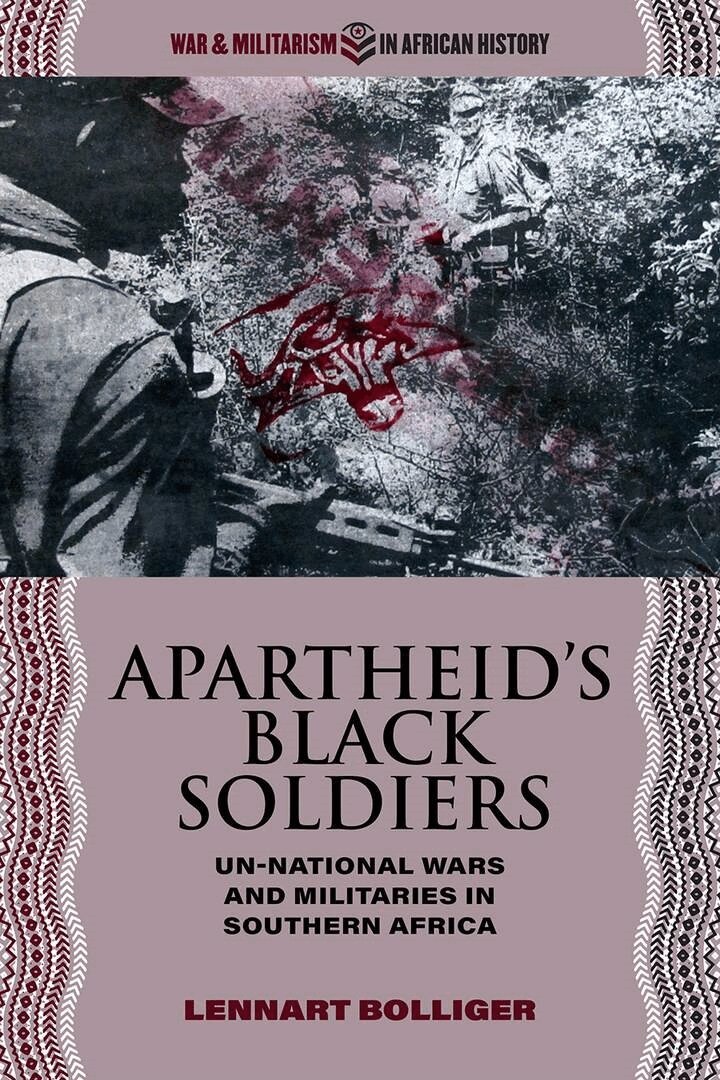
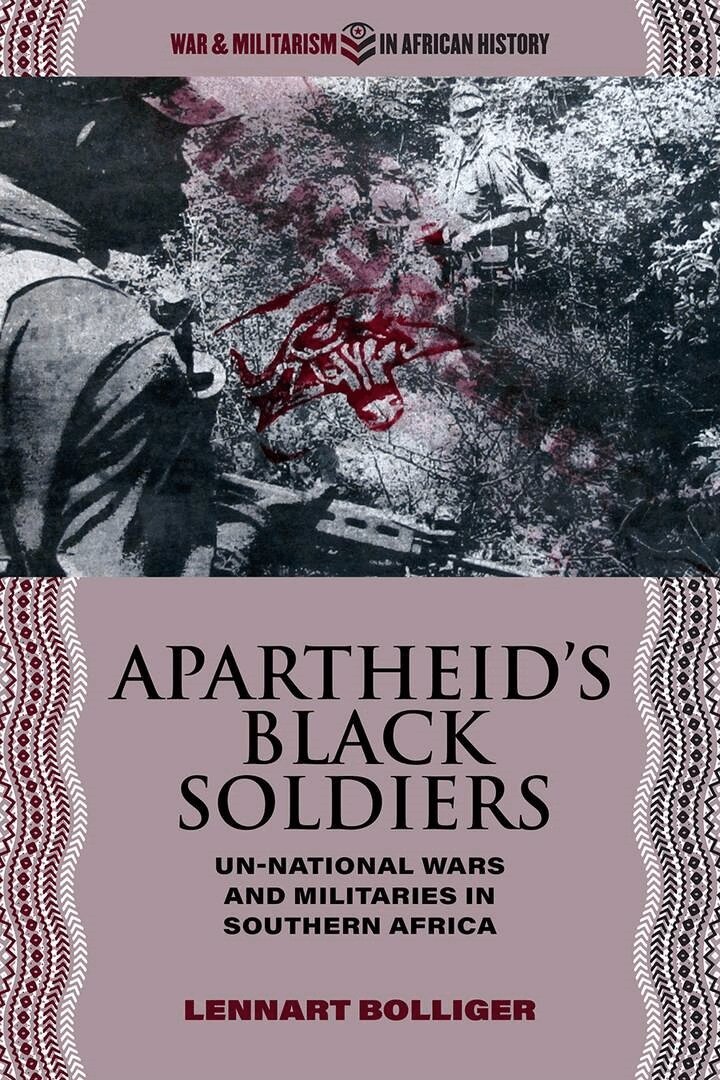
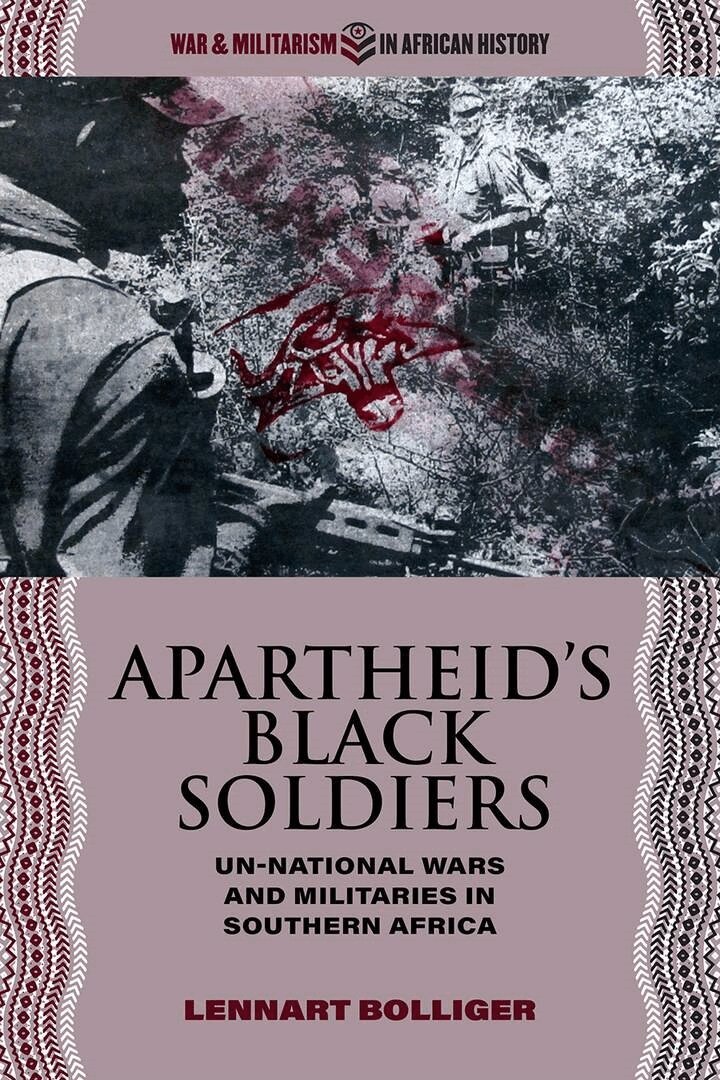
New oral histories from Black Namibian and Angolan troops who fought in apartheid South Africa's security forces reveal their involvement, and its impact on their lives, to be far more complicated than most historical scholarship has acknowledged. In anticolonial struggles across the African continent, tens of thousands of African soldiers served in the militaries of colonial and settler states. In southern Africa, they often made up the bulk of these militaries and, in some contexts, far outnumbered those who fought in the liberation movements' armed wings. Despite these soldiers' significant impact on the region's military and political history, this dimension of southern Africa's anticolonial struggles has been almost entirely ignored in previous scholarship. Black troops from Namibia and Angola spearheaded apartheid South Africa's military intervention in their countries' respective anticolonial war and postindependence civil war. Drawing from oral history interviews and archival sources, Lennart Bolliger challenges the common framing of these wars as struggles of national liberation fought by and for Africans against White colonial and settler-state armies. Focusing on three case studies of predominantly Black units commanded by White officers, Bolliger investigates how and why these soldiers participated in South Africa's security forces and considers the legacies of that involvement. In tackling these questions, he rejects the common tendency to categorize the soldiers as "collaborators" and "traitors" and reveals the un-national facets of anticolonial struggles. Finally, the book's unique analysis of apartheid military culture shows how South Africa's military units were far from monolithic and instead developed distinctive institutional practices, mythologies, and concepts of militarized masculinity.
Inbunden, Engelska, 2021
904 kr
Skickas inom 5-8 vardagar
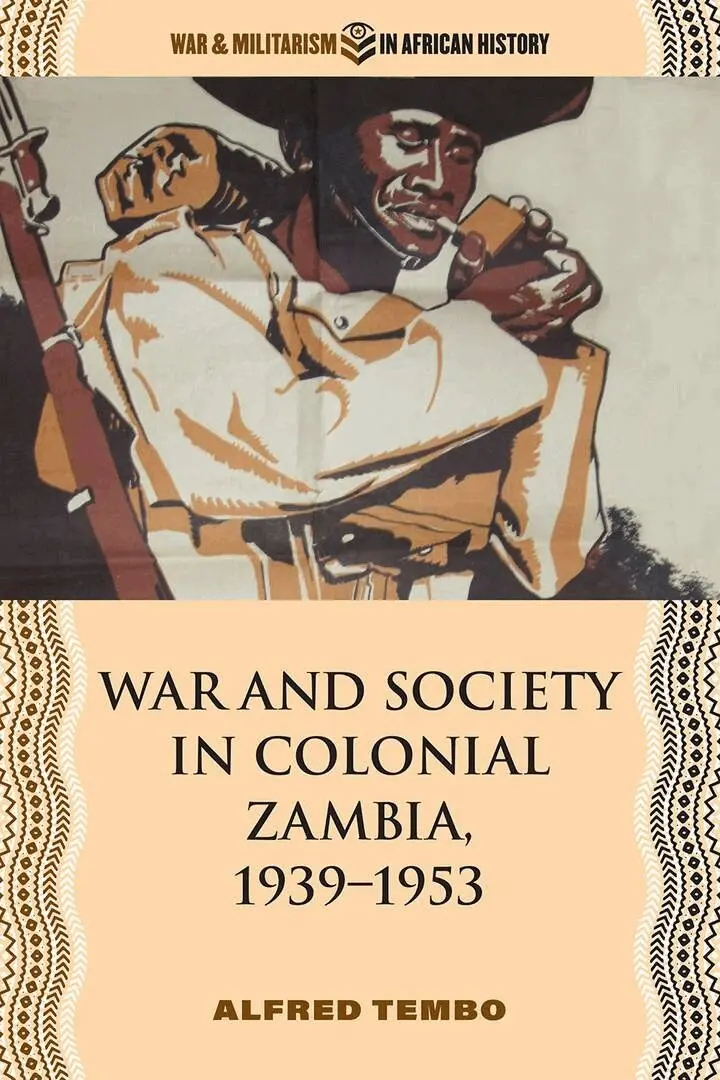
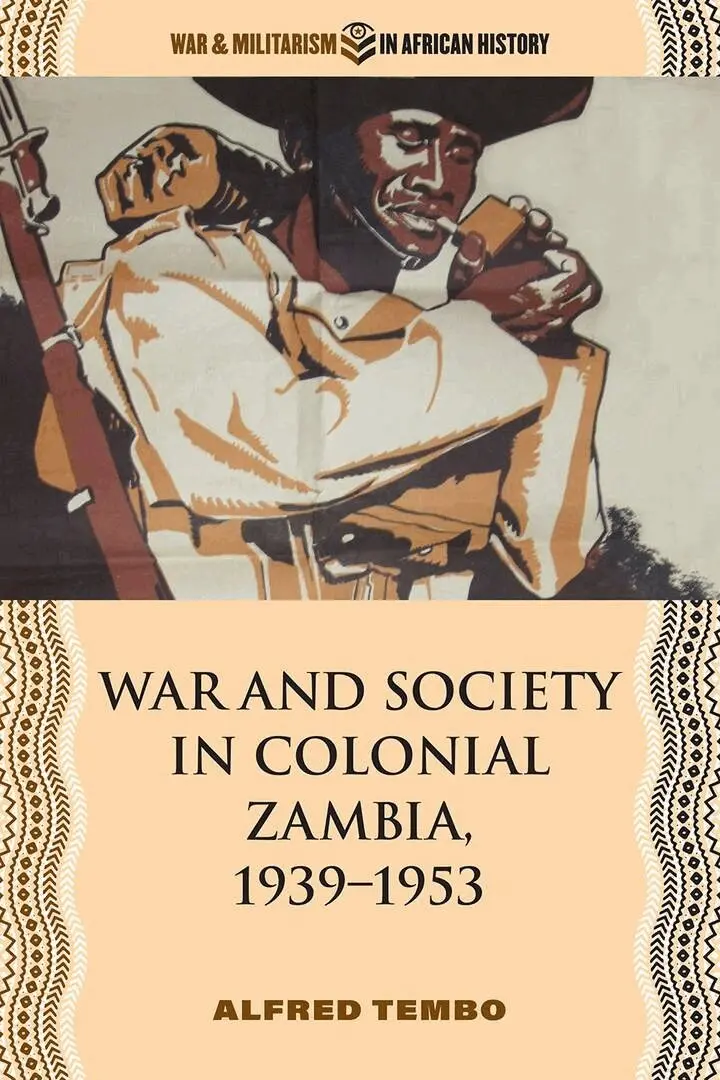
Written from a Zambian perspective, this leading study shows how the British colony of Northern Rhodesia (later Zambia) organized and deployed human, military, and natural resources during and after the Second World War. The Second World War brought unprecedented pressures to bear on Britain's empire, which then included colonial Northern Rhodesia. Through new archival materials and oral histories, War and Society in Colonial Zambia tells—from an African perspective—the story of how the colony organized its human and natural resources on behalf of the imperial government. Alfred Tembo first examines government propaganda and recruitment of personnel for the Northern Rhodesia Regiment, which served in East Africa, Palestine, Ceylon, Burma, and India. Later, Zambia's economic contribution to the Allied war effort would foreground the central importance of the colony's mining industry as well as its role as supplier of rubber and beeswax following the fall of the Southeast Asian colonies to the Japanese in early 1942. Finally, Tembo presents archival and oral evidence about life on the home front, including the social impact of wartime commodity shortages, difficulties posed by incoming Polish refugees, and the more interventionist forms of colonial governance that these circumstances engendered.
Häftad, Engelska, 2022
386 kr
Skickas inom 5-8 vardagar
Written from a Zambian perspective, this leading study shows how the British colony of Northern Rhodesia (later Zambia) organized and deployed human, military, and natural resources during and after the Second World War. The Second World War brought unprecedented pressures to bear on Britain's empire, which then included colonial Northern Rhodesia. Through new archival materials and oral histories, War and Society in Colonial Zambia tells—from an African perspective—the story of how the colony organized its human and natural resources on behalf of the imperial government. Alfred Tembo first examines government propaganda and recruitment of personnel for the Northern Rhodesia Regiment, which served in East Africa, Palestine, Ceylon, Burma, and India. Later, Zambia's economic contribution to the Allied war effort would foreground the central importance of the colony's mining industry as well as its role as supplier of rubber and beeswax following the fall of the Southeast Asian colonies to the Japanese in early 1942. Finally, Tembo presents archival and oral evidence about life on the home front, including the social impact of wartime commodity shortages, difficulties posed by incoming Polish refugees, and the more interventionist forms of colonial governance that these circumstances engendered.
Häftad, Engelska, 2022
386 kr
Skickas inom 5-8 vardagar
New oral histories from Black Namibian and Angolan troops who fought in apartheid South Africa's security forces reveal their involvement, and its impact on their lives, to be far more complicated than most historical scholarship has acknowledged. In anticolonial struggles across the African continent, tens of thousands of African soldiers served in the militaries of colonial and settler states. In southern Africa, they often made up the bulk of these militaries and, in some contexts, far outnumbered those who fought in the liberation movements' armed wings. Despite these soldiers' significant impact on the region's military and political history, this dimension of southern Africa's anticolonial struggles has been almost entirely ignored in previous scholarship. Black troops from Namibia and Angola spearheaded apartheid South Africa's military intervention in their countries' respective anticolonial war and postindependence civil war. Drawing from oral history interviews and archival sources, Lennart Bolliger challenges the common framing of these wars as struggles of national liberation fought by and for Africans against White colonial and settler-state armies. Focusing on three case studies of predominantly Black units commanded by White officers, Bolliger investigates how and why these soldiers participated in South Africa's security forces and considers the legacies of that involvement. In tackling these questions, he rejects the common tendency to categorize the soldiers as "collaborators" and "traitors" and reveals the un-national facets of anticolonial struggles. Finally, the book's unique analysis of apartheid military culture shows how South Africa's military units were far from monolithic and instead developed distinctive institutional practices, mythologies, and concepts of militarized masculinity.
Inbunden, Engelska, 2024
904 kr
Skickas inom 5-8 vardagar
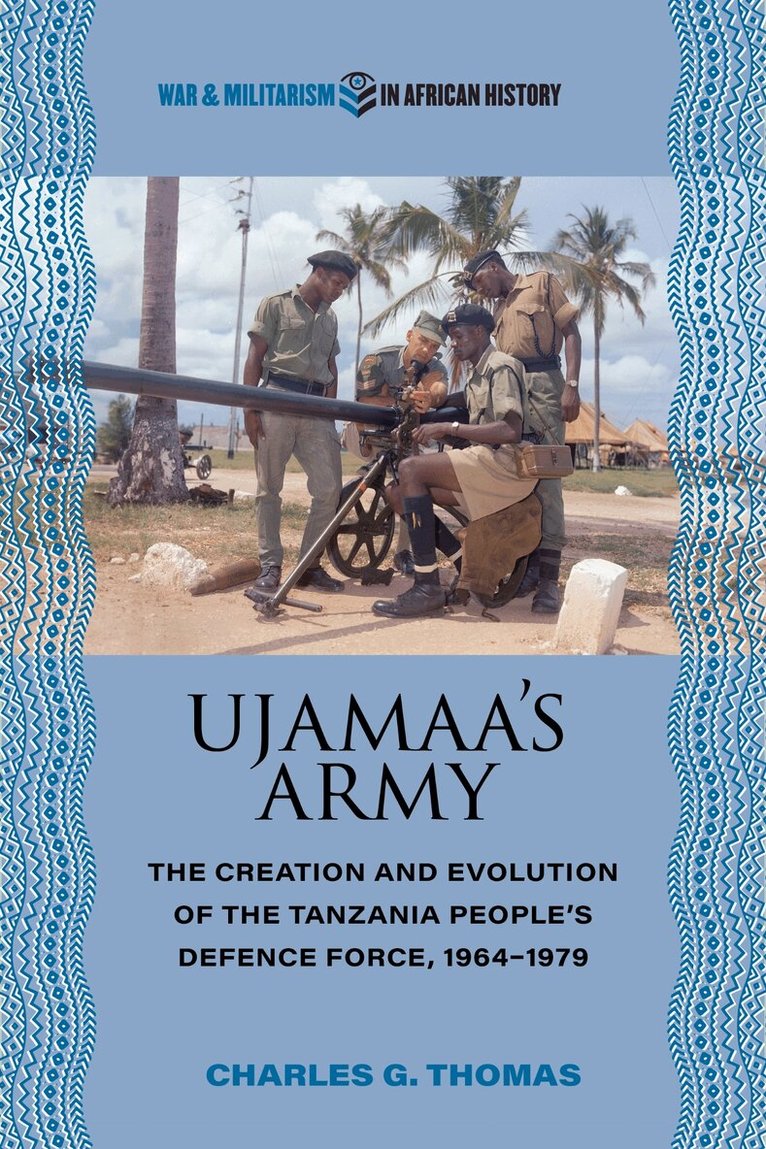
The immediate postcolonial moment brought both promise and peril for the states of Africa and their security. The process of decolonization generated instability, and the emergent Cold War caught up the still-fragile independent states in a global ideological struggle between superpowers. While the political story of these states has been written in detail, the story of their militaries has been largely inaccessible, leaving only sketches of the coups, mutinies, and overall failures of security that outside observers could chronicle.Ujamaa’s Army traces the evolution of the Tanzania People’s Defence Force from its inception in 1964 following the broader East African uprisings to its fully realized form on the eve of Tanzania’s 1978 conflict with Uganda. The book gathers primary interviews with key military actors within Tanzania and interweaves their narratives with archival sources to produce a detailed history of the culmination of President Julius Nyerere’s ideological project and the military leadership’s vision of a professional and effective force for guarding the nation and supporting liberation struggles across Southern Africa.
Häftad, Engelska, 2024
386 kr
Skickas inom 5-8 vardagar
The immediate postcolonial moment brought both promise and peril for the states of Africa and their security. The process of decolonization generated instability, and the emergent Cold War caught up the still-fragile independent states in a global ideological struggle between superpowers. While the political story of these states has been written in detail, the story of their militaries has been largely inaccessible, leaving only sketches of the coups, mutinies, and overall failures of security that outside observers could chronicle.Ujamaa’s Army traces the evolution of the Tanzania People’s Defence Force from its inception in 1964 following the broader East African uprisings to its fully realized form on the eve of Tanzania’s 1978 conflict with Uganda. The book gathers primary interviews with key military actors within Tanzania and interweaves their narratives with archival sources to produce a detailed history of the culmination of President Julius Nyerere’s ideological project and the military leadership’s vision of a professional and effective force for guarding the nation and supporting liberation struggles across Southern Africa.
Inbunden, Engelska, 2023
904 kr
Skickas inom 5-8 vardagar
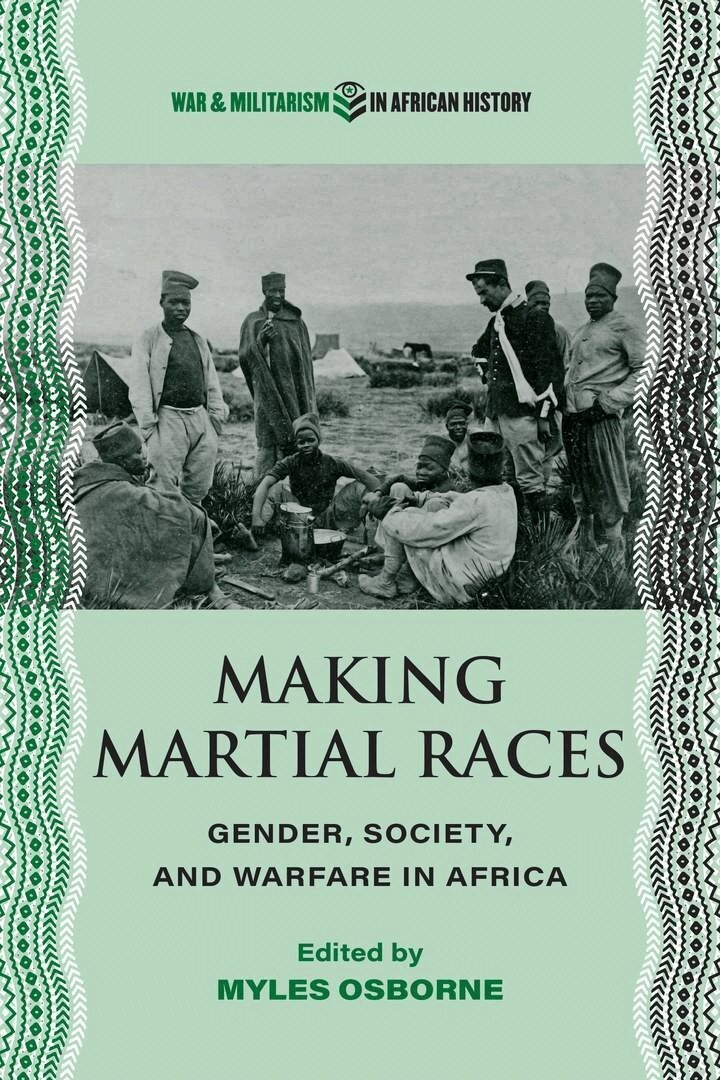
European colonizers in Africa required the service of local soldiers and military auxiliaries to uphold their power. These African men were initially engaged by the expeditions of European surveyors and explorers during the late nineteenth century, then quickly pressed into service in the notorious campaigns of pacification. Two world wars further expanded both the numbers of African soldiers in European employ and the roles they played; many of these men would continue their jobs into the era of decolonization in the 1960s and 1970s.Colonial administrators and military planners often chose their recruits based on the notion of “martial race”-a label that denoted peoples supposedly possessing an inborn aptitude for warfare and fighting. But the notion always obscured more than it revealed: few Europeans could agree on which “races”-or ethnic groups-were “martial,” and in any case, the identities of those groups changed continuously. Nevertheless, this belief remained a fundamental, guiding principle of the European presence in colonial Africa.The concept of “martial race” remains an awkward and ill-fitting Eurocentric category until African contributions, perspectives, and agencies are considered. “Martial race” was never a label neatly affixed by European administrators; rather, African peoples both contested its terms and shaped its contours. This book therefore takes as its starting point the idea of martial race and recasts it as a zone in which African men and women negotiated with their European counterparts, as well as with one another.The contributors to this volume take a broad approach to the topic, one that minimizes divisions between the precolonial, colonial, and postcolonial eras, and thinks through how cultural practices and notions of warfare and martial traditions shifted and were transformed from one period into another. These scholars’ research touches on a wide variety of subjects, including-efforts to think about culture and martial race;-the intersection of ethnic identity and the creation of “tribes” with colonial martial race theory;-the connection between colonial ethnography and constructions of martial subjectivities;-the role of gender in shaping martial notions;-the contribution of women to creating or disputing martial identities;-the idea of martial race as it intersected with slavery;-warring traditions and economies of honor as avenues for staking claims to martial genealogies; and-claims to special status by veterans of anticolonial revolutionary wars.
Häftad, Engelska, 2023
386 kr
Skickas inom 5-8 vardagar
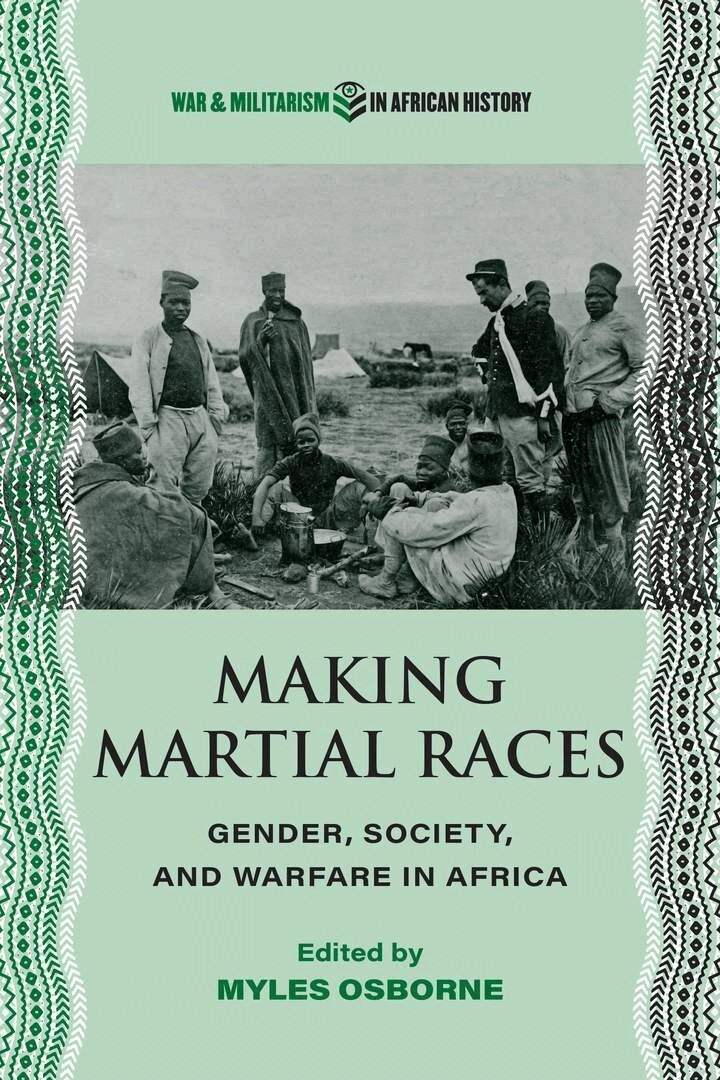
European colonizers in Africa required the service of local soldiers and military auxiliaries to uphold their power. These African men were initially engaged by the expeditions of European surveyors and explorers during the late nineteenth century, then quickly pressed into service in the notorious campaigns of pacification. Two world wars further expanded both the numbers of African soldiers in European employ and the roles they played; many of these men would continue their jobs into the era of decolonization in the 1960s and 1970s.Colonial administrators and military planners often chose their recruits based on the notion of “martial race”-a label that denoted peoples supposedly possessing an inborn aptitude for warfare and fighting. But the notion always obscured more than it revealed: few Europeans could agree on which “races”-or ethnic groups-were “martial,” and in any case, the identities of those groups changed continuously. Nevertheless, this belief remained a fundamental, guiding principle of the European presence in colonial Africa.The concept of “martial race” remains an awkward and ill-fitting Eurocentric category until African contributions, perspectives, and agencies are considered. “Martial race” was never a label neatly affixed by European administrators; rather, African peoples both contested its terms and shaped its contours. This book therefore takes as its starting point the idea of martial race and recasts it as a zone in which African men and women negotiated with their European counterparts, as well as with one another.The contributors to this volume take a broad approach to the topic, one that minimizes divisions between the precolonial, colonial, and postcolonial eras, and thinks through how cultural practices and notions of warfare and martial traditions shifted and were transformed from one period into another. These scholars’ research touches on a wide variety of subjects, including-efforts to think about culture and martial race;-the intersection of ethnic identity and the creation of “tribes” with colonial martial race theory;-the connection between colonial ethnography and constructions of martial subjectivities;-the role of gender in shaping martial notions;-the contribution of women to creating or disputing martial identities;-the idea of martial race as it intersected with slavery;-warring traditions and economies of honor as avenues for staking claims to martial genealogies; and-claims to special status by veterans of anticolonial revolutionary wars.
Inbunden, Engelska, 2025
1 353 kr
Skickas inom 5-8 vardagar
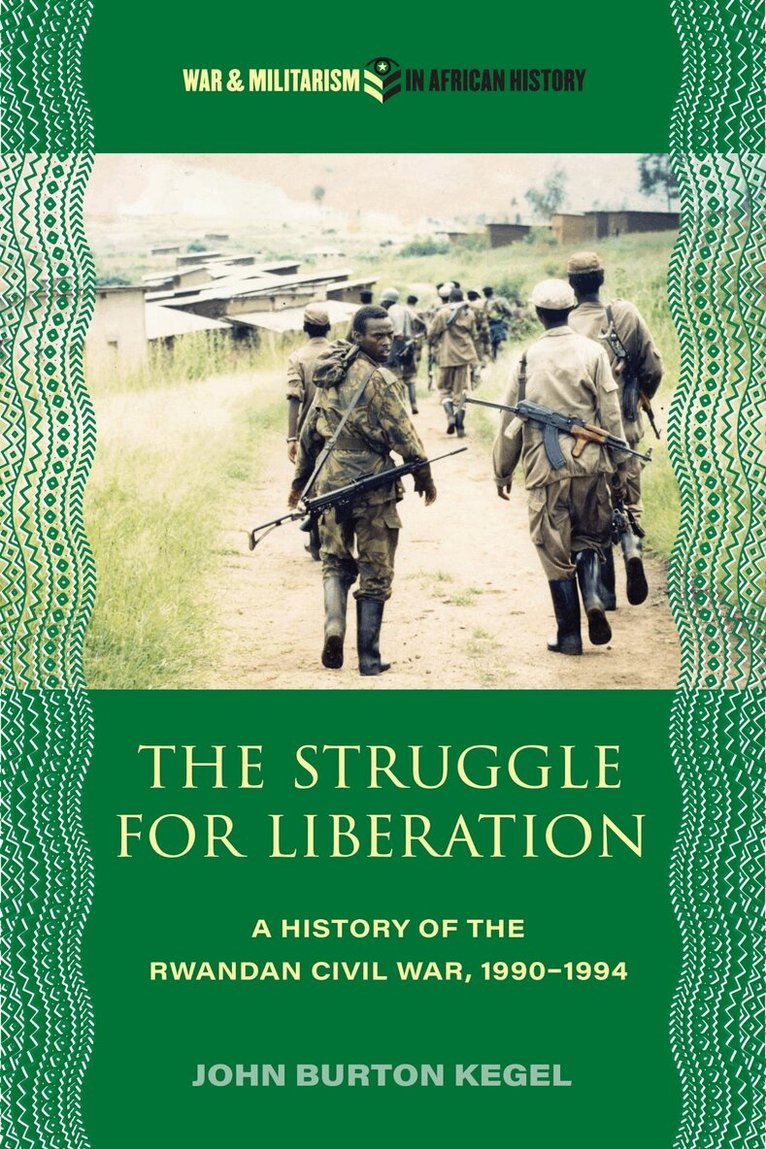
The story of the Rwandan Genocide has been told many times by scholars and journalists. Over the course of a hundred days in the spring and summer of 1994, about eight hundred thousand Tutsi and moderate Hutu were murdered by their extremist Hutu compatriots. Those hundred days defined the final phase of a four-year civil war, also known as the Struggle for Liberation, which formed the immediate context of the genocide. Though scholars have researched the preparations for the genocide and the international community’s role in it, none has placed the Struggle for Liberation at the heart of the narrative. However, the preparation of the genocide, the rise and fall of the moderate opposition, the degradation of the Forces armées rwandaises (FAR) from a respected fighting force to a genocidal militia, the role of the international community, the Arusha negotiations, and the execution of the genocide all took place in the context of that war. John Burton Kegel contends that the Struggle for Liberation forms the bedrock of any genuine understanding of Rwanda between 1990 and 1994, and indeed beyond.The Struggle for Liberation, which eventually led to the genocide, was fought between the FAR and the civilians and soldiers of the Rwandan Patriotic Front (RPF) and its armed wing, the Rwandan Patriotic Army (RPA). The civil war started on October 1, 1990, when the RPF entered Rwanda from Uganda, where Rwandan refugees had lived throughout the Great Lakes region since roughly 1959. This book traces the history of those refugees-and Rwanda’s deeper Hutu-Tutsi divide-from the precolonial period up to 1990. It also provides a wholly new take on how the disciplined RPF, which rules Rwanda to this day, was born and organized.
Häftad, Engelska, 2025
365 kr
Skickas
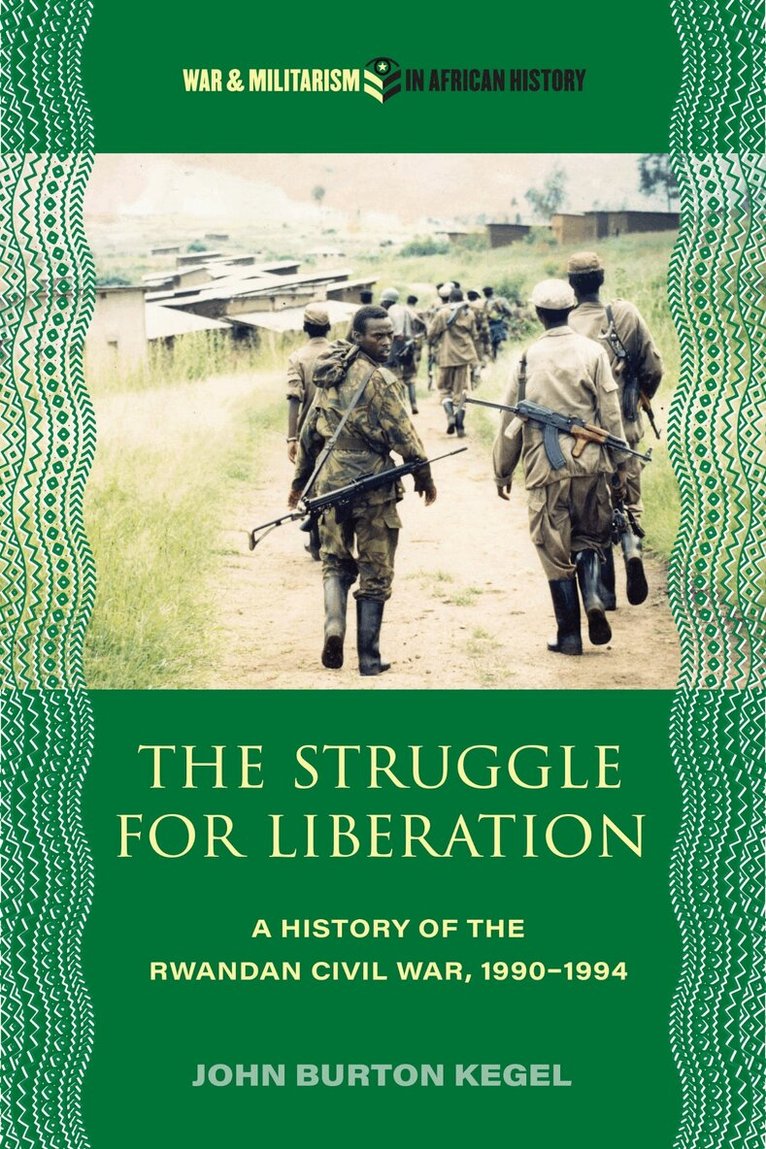
The story of the Rwandan Genocide has been told many times by scholars and journalists. Over the course of a hundred days in the spring and summer of 1994, about eight hundred thousand Tutsi and moderate Hutu were murdered by their extremist Hutu compatriots. Those hundred days defined the final phase of a four-year civil war, also known as the Struggle for Liberation, which formed the immediate context of the genocide. Though scholars have researched the preparations for the genocide and the international community’s role in it, none has placed the Struggle for Liberation at the heart of the narrative. However, the preparation of the genocide, the rise and fall of the moderate opposition, the degradation of the Forces armées rwandaises (FAR) from a respected fighting force to a genocidal militia, the role of the international community, the Arusha negotiations, and the execution of the genocide all took place in the context of that war. John Burton Kegel contends that the Struggle for Liberation forms the bedrock of any genuine understanding of Rwanda between 1990 and 1994, and indeed beyond.The Struggle for Liberation, which eventually led to the genocide, was fought between the FAR and the civilians and soldiers of the Rwandan Patriotic Front (RPF) and its armed wing, the Rwandan Patriotic Army (RPA). The civil war started on October 1, 1990, when the RPF entered Rwanda from Uganda, where Rwandan refugees had lived throughout the Great Lakes region since roughly 1959. This book traces the history of those refugees-and Rwanda’s deeper Hutu-Tutsi divide-from the precolonial period up to 1990. It also provides a wholly new take on how the disciplined RPF, which rules Rwanda to this day, was born and organized.
Inbunden, Engelska, 2026
1 353 kr
Skickas inom 5-8 vardagar
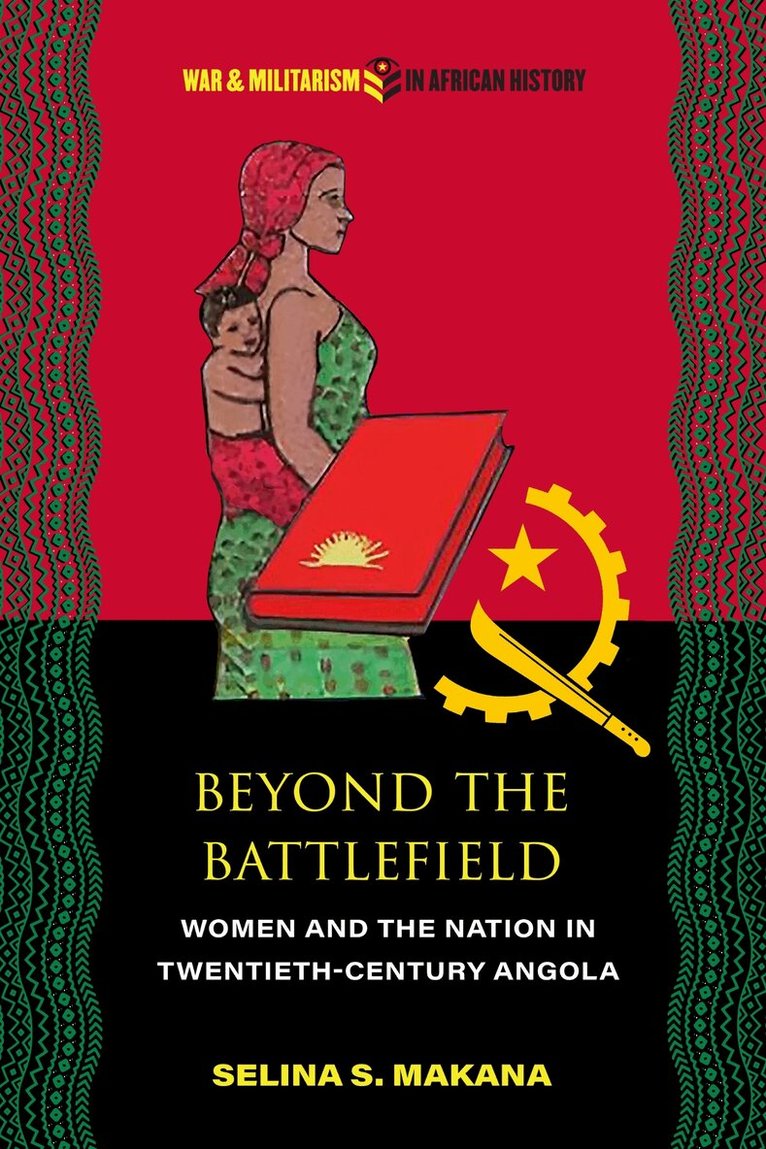
Beyond the Battlefield offers a critical reappraisal of Angola’s nationalist history by centering the experiences and political agency of women during the country’s transition from Portuguese colonial rule to independence. Challenging dominant masculinist narratives that equate anticolonial resistance with armed combat, this study introduces maternalist nationalism as a theoretical framework to illuminate how women engaged in nation building through often-overlooked forms of labor and activism.While men were largely visible on the battlefield, women fought a parallel struggle on the home front-mobilizing care work, reproductive labor, and political engagement in ways that were essential to the liberation movement and the postindependence state. Drawing on archival sources and women’s testimonies, Makana explores how patriotic motherhood - a concept defined as the fusion of nationalist politics with gendered expectations of women’s roles-enabled women to see themselves as vital contributors to the nation’s future.This study contributes to scholarship in African history, gender studies, and postcolonial theory by offering a nuanced account of the intersections among militarism, nationalism, and gender. It invites readers to reconsider the frameworks through which political subjectivity and historical memory are constructed. Beyond the Battlefield is an essential resource for scholars and students interested in the gendered dimensions of colonialism, war, and state formation in modern Africa.
Häftad, Engelska, 2026
400 kr
Skickas inom 5-8 vardagar
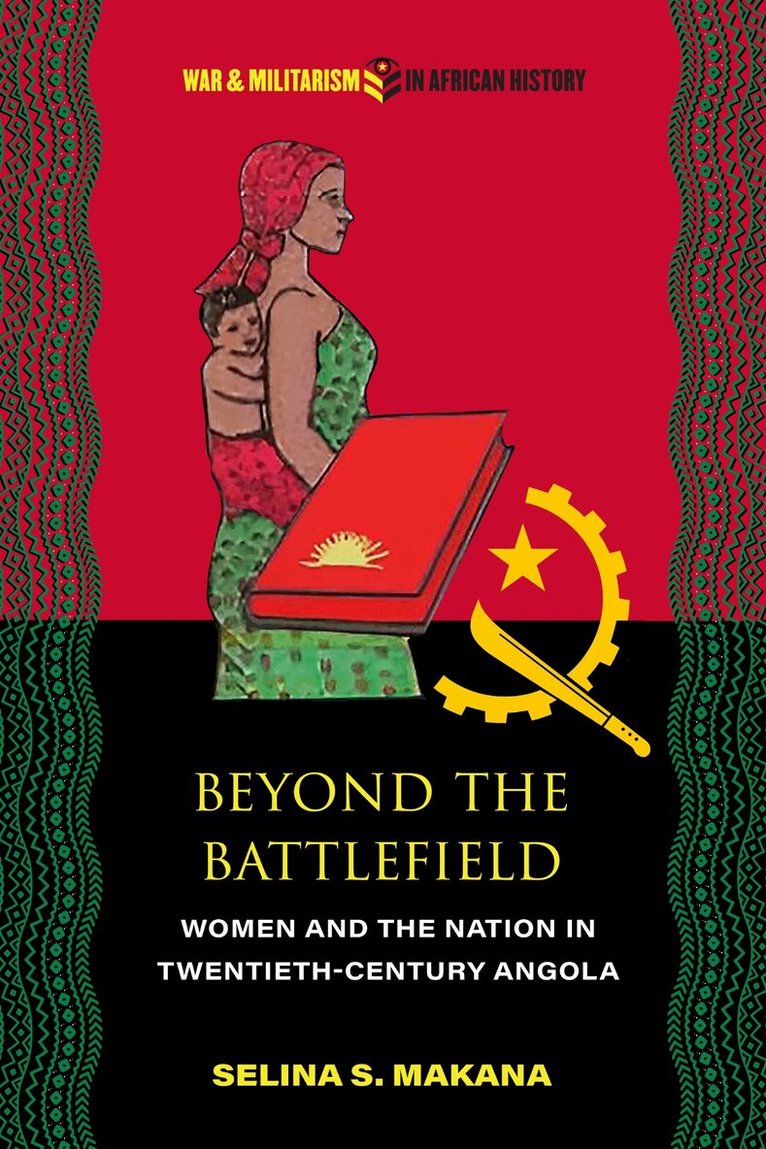
Beyond the Battlefield offers a critical reappraisal of Angola’s nationalist history by centering the experiences and political agency of women during the country’s transition from Portuguese colonial rule to independence. Challenging dominant masculinist narratives that equate anticolonial resistance with armed combat, this study introduces maternalist nationalism as a theoretical framework to illuminate how women engaged in nation building through often-overlooked forms of labor and activism.While men were largely visible on the battlefield, women fought a parallel struggle on the home front-mobilizing care work, reproductive labor, and political engagement in ways that were essential to the liberation movement and the postindependence state. Drawing on archival sources and women’s testimonies, Makana explores how patriotic motherhood-a concept defined as the fusion of nationalist politics with gendered expectations of women’s roles-enabled women to see themselves as vital contributors to the nation’s future.This study contributes to scholarship in African history, gender studies, and postcolonial theory by offering a nuanced account of the intersections among militarism, nationalism, and gender. It invites readers to reconsider the frameworks through which political subjectivity and historical memory are constructed. Beyond the Battlefield is an essential resource for scholars and students interested in the gendered dimensions of colonialism, war, and state formation in modern Africa.