Yale Fastback Series – serie
Visar alla böcker i serien Yale Fastback Series. Handla med fri frakt och snabb leverans.
16 produkter
16 produkter
Häftad, Engelska, 1979
328 kr
Skickas inom 5-8 vardagar
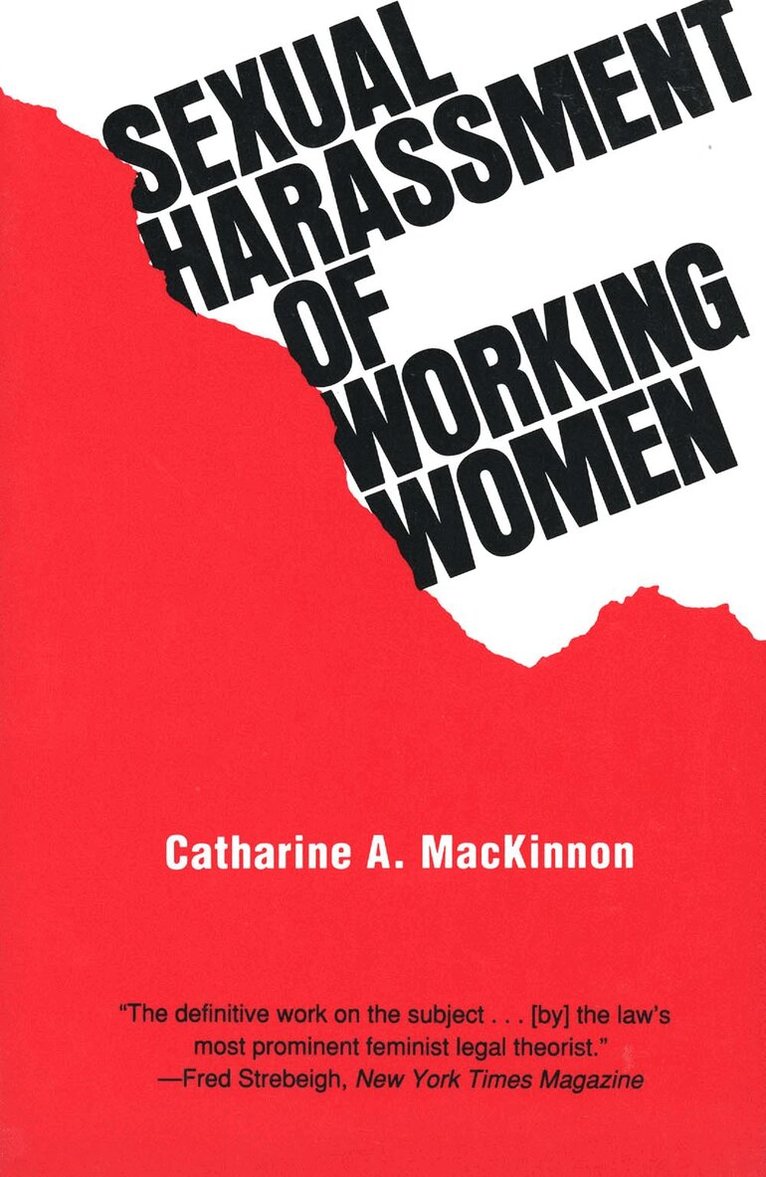
Sexual harassment of working women has been widely practiced and systematically ignored. Men’s control over women’s jobs has often made coerced sexual relations the price of women’s material survival. Considered trivial or personal, or natural and inevitable, sexual harassment has become a social institution.MacKinnon offers here the first major attempt to understand sexual harassment as a pervasive social problem and to present a legal argument that it is discrimination based on sex. Beginning with an analysis of victims’ experiences, she then examines sex discrimination doctrine as a whole, both for its potential in prohibiting sexual harassment and for its limitations.Two distinct approaches to sex discrimination are seen to animate the law: one based on an analysis of the differences between the sexes, the other upon women’s social inequality. Arguing that sexual harassment at work is sex discrimination under both approaches, she criticizes the effectiveness of the law in reaching the real determinants of women’s social status. She concludes that a recognition of sexual harassment as illegal would support women’s economic equality and sexual self-determination at a point where the two are linked.
Häftad, Engelska, 1979
324 kr
Skickas inom 5-8 vardagar
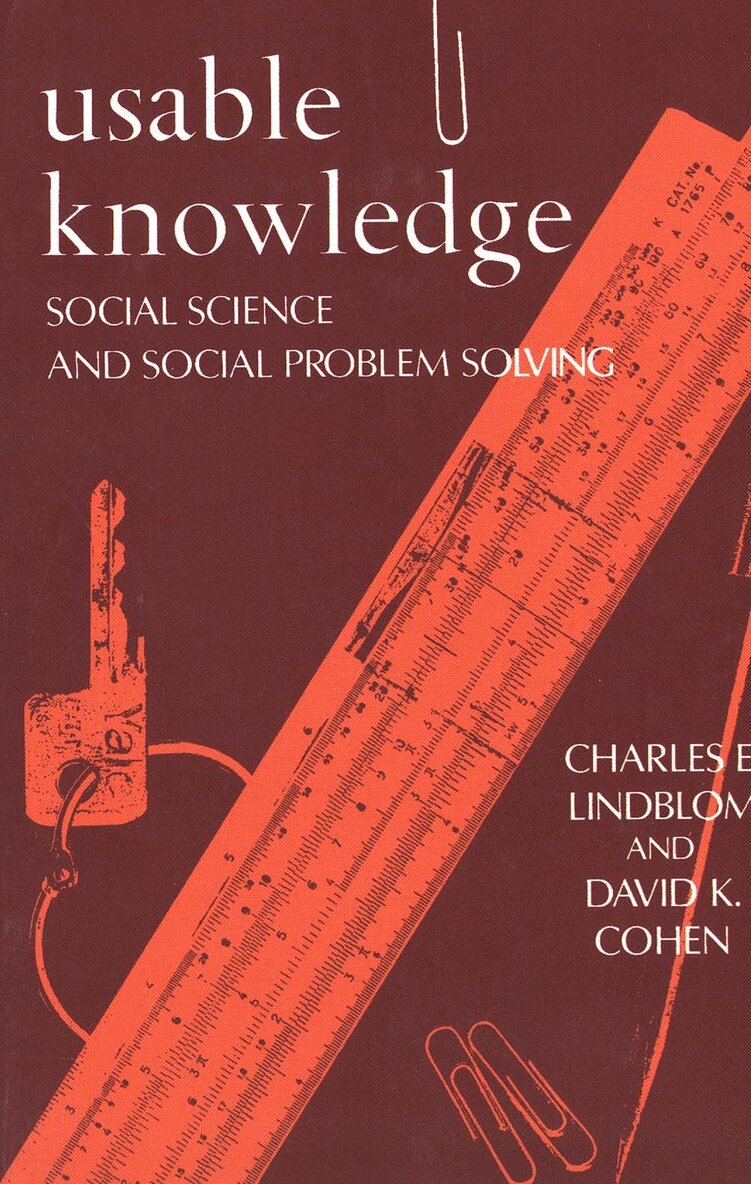
The problem that gives rise to this book is dissatisfaction with social science and social research as instruments of social problem solving. Policy makers and other practical problem solvers frequently voice disappointment with what they are offered. And many social scientists and social researchers think they should be more drawn upon, more useful, and more influential. Out of the discontent have come numerous diagnoses and prescriptions.This thoughtful contribution to the discussion provides an agenda of basic questions that should be asked and answered by those who are concerned about the impact of social science and research on real life problems. In general, Cohen and Lindblom believe that social scientists are crippled by a misunderstanding of their own trade, and they suggest that the tools of their trade be applied to the trade itself.Social scientists do not always fully appreciate that professional social inquiry is only one of several ways of solving a problem. They are also often engaged in a mistaken pursuit of authoritativeness, not recognizing that their contribution can never be more than a partial one. Cohen and Lindblom suggest that they reexamine their criteria for selecting subjects for research, study their tactics as compared to those of policy makers, and consider more carefully their role in relation to other routes to problem solving. To stimulate further inquiry into these fundamental issues, they also provide a comprehensive bibliography.
Häftad, Engelska, 1980
341 kr
Skickas inom 5-8 vardagar
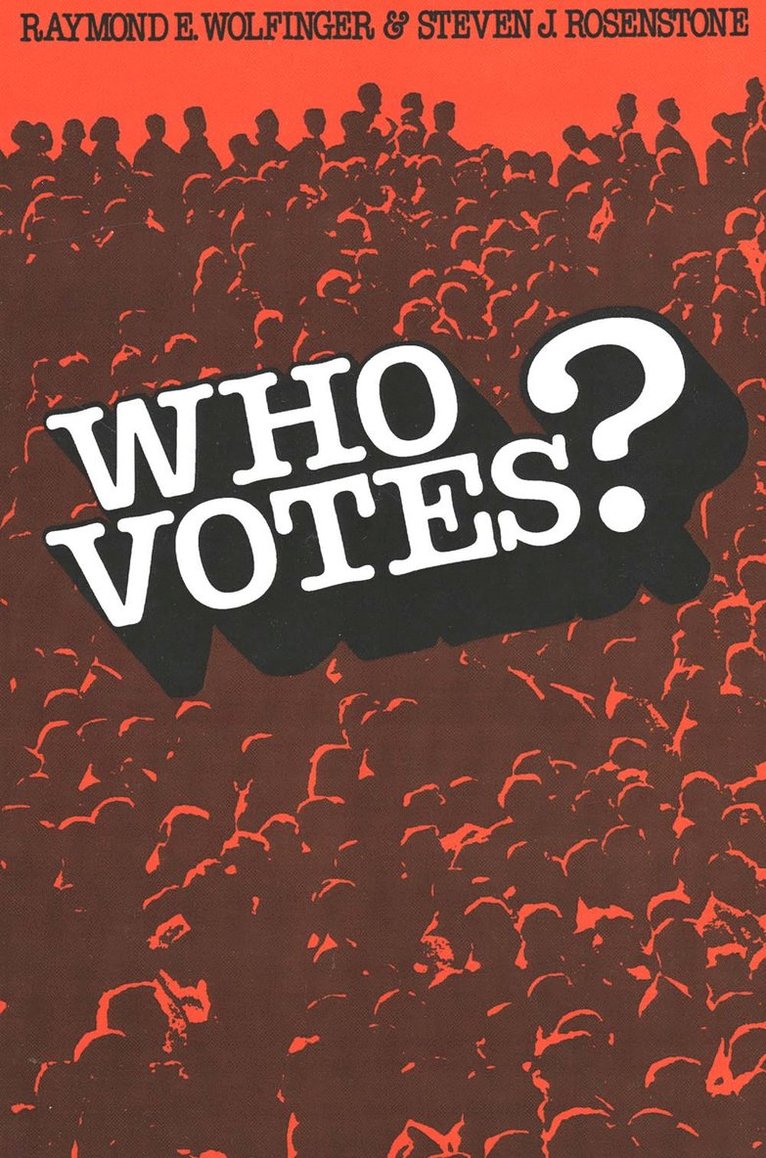
Elections are at the heart of the American political system, but in 1976 only 54 percent of the voting age population went to the polls. The question of who votes matters greatly to everyone involved in politics and to all those concerned about the current and future state of American democracy. Based on data from the 1972 and 1974 Census Bureau surveys, Wolfinger and Rosenstone are able to identify for the first time those social and economic groups that are most likely to vote and to explain sensibly and convincingly those factors that influence voter turnout.
Häftad, Engelska, 1981
346 kr
Skickas inom 5-8 vardagar
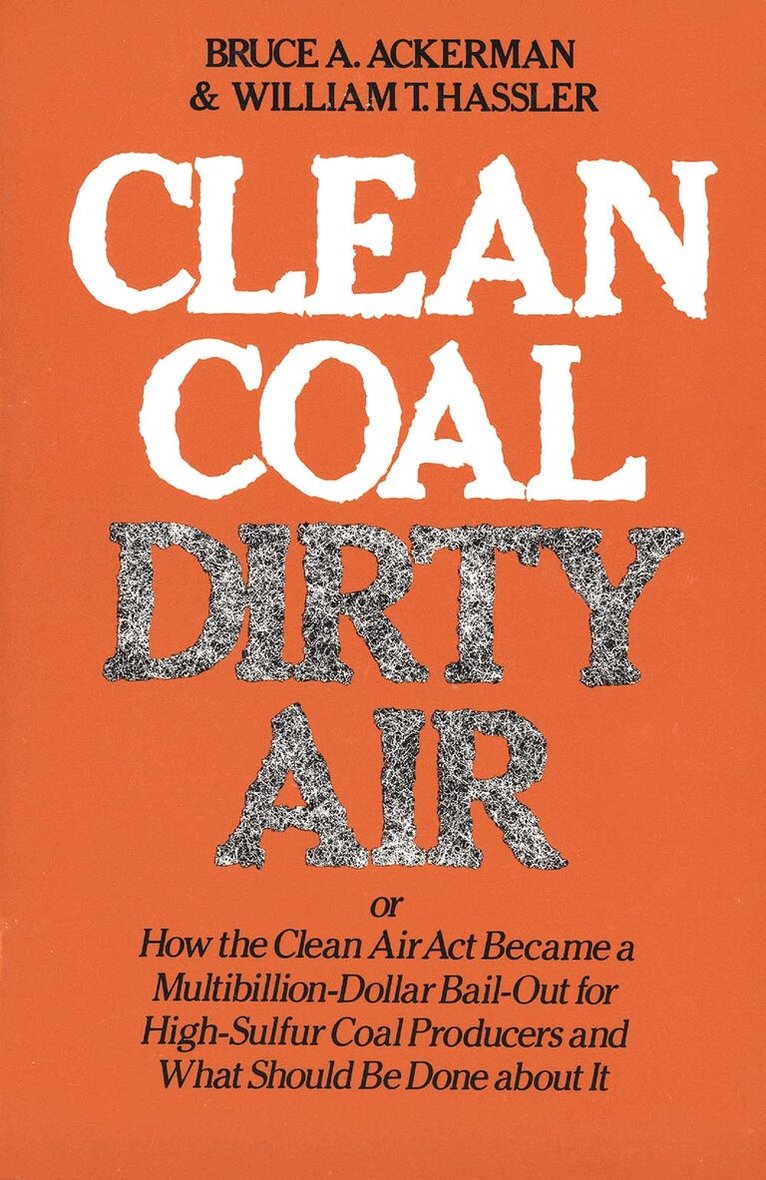
A pioneering study of dynamics of politics and technocracy that generated mistaken policies that still haunt environmental law today.
Häftad, Engelska, 1984
424 kr
Skickas inom 3-6 vardagar
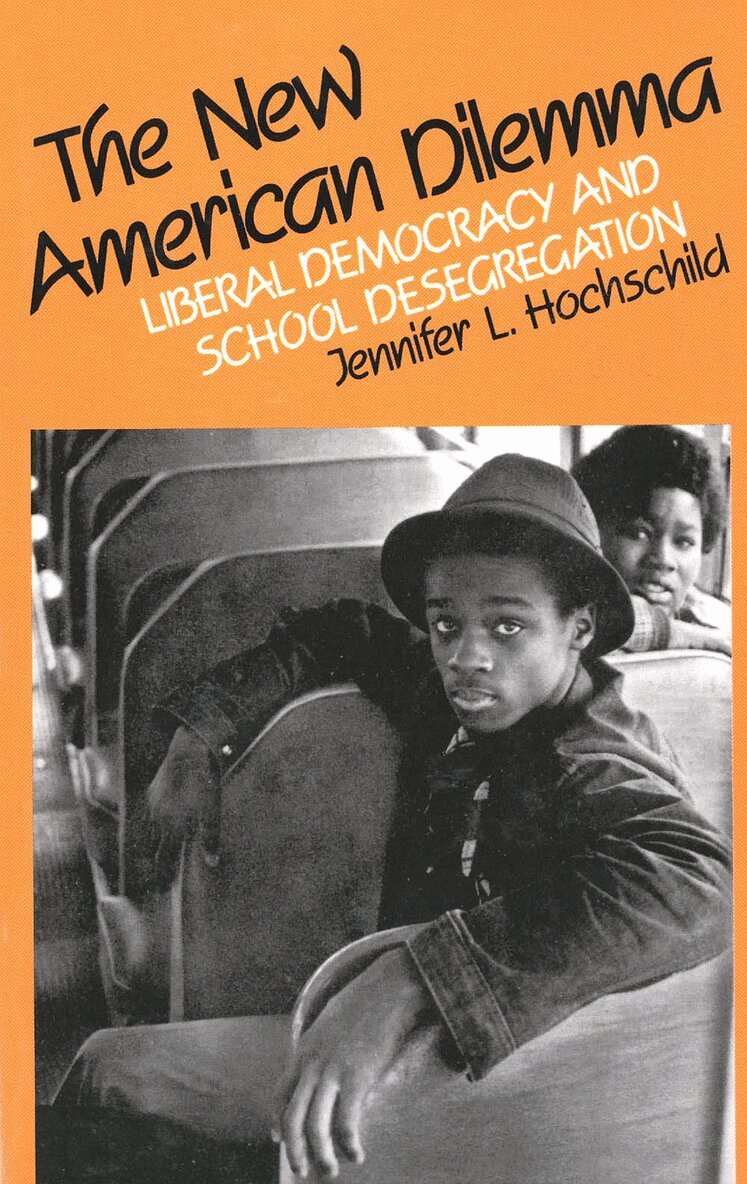
Conventional wisdom and democratic theory hold that the best way to achieve controversial policy changes is in small, cautious steps and with participation of the various groups involved. Yet America’s thirty years of experience with school desegregation shows this belief to be false. In this provocative new book, Jennifer Hochschild argues that when incremental and participatory methods are used to desegregate schools, both blacks and whites end up worse off—with little freedom and equality for blacks, much disruption and pain for both races, and few educational gains for anyone. However, school desegregation can succeed—for everyone—when rapid and extensive change is imposed by nonelected officials, at a centralized level, and without citizen involvement.Hochschild examines the record of school desegregation to show why this is so. She demonstrates, for example, that parental advisory groups have been ineffective or even harmful in designing new plans; that busing a few students short distances has been less effective than busing many students throughout a metropolitan area; that slowly phasing in desegregation increases white flight. More profoundly, she shows that racism is deeply embedded in our society and that whites may not be as willing to give it up as they think. Hochschild contends that we must choose between superficial “safe” changes that benefit a few at the expense of many and profound, deeply unpopular changes that in the long run will liberate most. That is the real American dilemma. “A comprehensive synthesis of what is known about the processes of school desegregation and a powerful policy-oriented argument on a subject whose crucial significance Americans have been unable to wish away.” –Paul E. Peterson, Brookings Institution
Häftad, Engelska, 1989
358 kr
Skickas inom 5-8 vardagar
Three Mile Island, Seabrook, Diablo Canyon: their controversies have come to symbolize the unhappy fate of American nuclear power. Three decades of effort and an investment of several hundred billion dollars have culminated in wide-spread public fear, huge financial losses, an unworkable regulatory system, and a virtual ban on new reactors. How did one of the world's most flexible political and economic systems produce such a technological white elephant? What does this enormous failure reveal about the compatibility of democracy and technology? And what lessons can be learned for future energy policy making?To answer these questions, Joseph Morone and Edward Woodhouse offer a nonpartisan diagnosis of the decision-making processes that led to the industry's current state. What we think of as nuclear power, they argue, is just one of many technical and organizational forms this energy source could have taken. It was shaped by political and economic choices of the 1950s and 1960s, not by any internal dynamic of the technology. If a few of those choices had been made differently--particularly regarding the scale-up and diffusion of reactors--the nuclear enterprise might have evolved far more acceptably. The ills of the first nuclear era stemmed not from any fundamental incompatibility between technology and democracy, but from a failure of democracy to live up to its own standards of good decision making.Although many nations have turned away from civilian nuclear power, problems with fossil fuels--particularly climate changes from the greenhouse effect--may lead to reappraisal of the nuclear option. A radically altered form of nuclear power, together with alternative energy sources and intensified conservation, could provide a more acceptable and less environmentally destructive energy future--if we learn from the failures of the first nuclear era.
Häftad, Engelska, 1990
530 kr
Skickas inom 5-8 vardagar
Was the Iran-Contra affair caused by executive lawlessness or legislative folly? Or did it result instead from structural defects in our national security decision-making system? In this important book, Harold Hongju Koh argues that the affair was not aberrational but symptomatic of a chronic dysfunction in America’s foreign policy process. Combining practical knowledge of government with insights from law, history, and political science, Koh presents the definitive historical and constitutional analysis of the Iran-Contra affair, the subsequent investigations, and the trial of Oliver North. He then discusses the implications of the Iran-Contra scandal for the constitutional conduct of national security policy and offers prescriptions to improve this decision-making system. Koh contends that the Iran-Contra affair arose not from Watergate, as many have claimed, but from Vietnam, for it was only the latest episode in a series of foreign policy decisions made by unrestrained executive discretion. Koh shows that throughout its history America has operated under a “National Security Constitution,” a constitutionally defined national security process that views that administration of foreign affairs as a power shared by the president, Congress, and the courts. Yet the executive branch has increased its role in making foreign policy at the expense of the other branches, placing in jeopardy this vision of constitutional balance. Koh advocates a national security charter to reform the foreign policy-making process and offers innovative proposals about war powers, international agreements, emergency economic powers, intelligence oversight, and information control. His proposals would restrain the executive and restore and reinvigorate the constitutional roles of Congress and the federal judiciary in national security decision-making. This challenging book forces government decision-makers, scholars, and concerned citizens to reexamine the process by which the United States will conduct its foreign affairs into the next century.
Häftad, Engelska, 1990
448 kr
Skickas inom 5-8 vardagar
"I know of no other publication that serves the function that this book provides. It is invaluable."—David Barr, Lambda Legal Defense and Education Fund, New YorkPersons with AIDS and with AIDS-Related Complex (ARC) must cope with pressing income and health needs. The U.S. social welfare system offers financial and health care benefits to disabled people, but its maze of programs is frustrating and difficult to understand. This vitally important book is the first comprehensive, step-by-step guide to obtaining social welfare benefits for people with AIDS and ARC. The book discusses the programs that are available, from Social Security, Supplemental Security Income, and welfare to Medicaid, Medicare, food stamps, housing, drugs, and hospital care. In each case it cuts through the complexities of the welfare system and summarizes in practical and concise terms what benefits are available, who is eligible for them, where and how to apply, how to appeal, and other key data. The handbook also contains state-by-state lists of resources and suggestions for program improvements. The book is an essential reference not only for the one million people who are HIV-infected but also for every worker and agency that assists these individuals. It will also be helpful to needy, disabled, or elderly persons seeking access to similar benefits.
Häftad, Engelska, 1991
404 kr
Skickas inom 5-8 vardagar
The seriousness, potential dimensions, and likely victims of the AIDS epidemic were known as early as 1981, yet the reaction of public and private organizations was shockingly slow and feeble and is even now woefully inadequate. Basing their analysis largely on the hardest hit city, New York, Charles Perrow and Mauro Guillén deliver a passionate, yet well-documented indictment of governmental and private groups for failing to provide the necessary education and care in response to this disaster. In this controversial book the authors describe the patterns of denial, avoidance, and segregation that various organizations exhibited toward the AIDS crisis and its victims. In so doing they extend our theories of organizational dynamics. It is well known that society has an aversion to the major groups threatened or afflicted with AIDS—male homosexuals and, more recently, intravenous drug users and their sexual partners—and that the poor and members of the minorities contribute most heavily to the ranks of the drug users. This situation, Perrow and Guillén argue, results in a stigma that makes AIDS unique among epidemics and contaminates the response of most organizations involved. Society’s hostility toward the urban poor bears even more responsibility for the organizational mishandling of the crisis than the economic and ideological preoccupations of the Reagan era and the homophobia of lawmakers and establishment organizations. The second wave of the epidemic, affecting intravenous drug users, and through them, crack users, interacts fatally with growing problems of poverty in the inner cities, where homelessness, joblessness, rising tuberculosis and syphilis rates, crime, and the paucity of strong indigenous community agencies all foster the rapid spread of the disease. What is needed, the authors contend, is an all-out war on AIDS that attacks both sexual discrimination and poverty. The AIDS epidemic, they claim, presents an occasion for redressing long-standing social injustices.
Häftad, Engelska, 1994
511 kr
Skickas inom 5-8 vardagar
The reform of American medical care is the most important topic on the nation's domestic agenda and the centerpiece of the Clinton administration's plans for social policy and long-term economic development. This book, written by a preeminent analyst of medical politics and policy who is a frequent adviser to Congress, helps to clarify the current debate over the President's bill and the proposed alternatives to it. It is essential reading for 1994.Theodore Marmor, whose work has appeared in scholarly journals and books, as well as in the nation's major newspapers and magazines, here presents some of his most recent writings that illuminate the historical, political, and economic considerations lying behind various proposals now under debate. Marmor explains what we can and cannot expect from reform of American medicine, and he addresses the many conflicting claims about the remedies for America's problems with medical costs, quality, access, and organizations. He discusses, for example:—the misplaced faith that cutting waste will greatly ease our financial troubles and markedly improve our health;—the exaggerated arguments for "managed competition";—the myths that either non-profit or for-profit institutions are the key to reform;—the misleading and fearful debate over rationing;—the lessons to be learned from Canada's and Japan's experiments with universal health insurance;—the controversial place of Medicare in the current reform struggle;—barriers facing implementation of any of the major health care proposals;—and the possibility of fusing different approaches to achieve reform.
Häftad, Engelska, 1994
387 kr
Skickas inom 5-8 vardagar
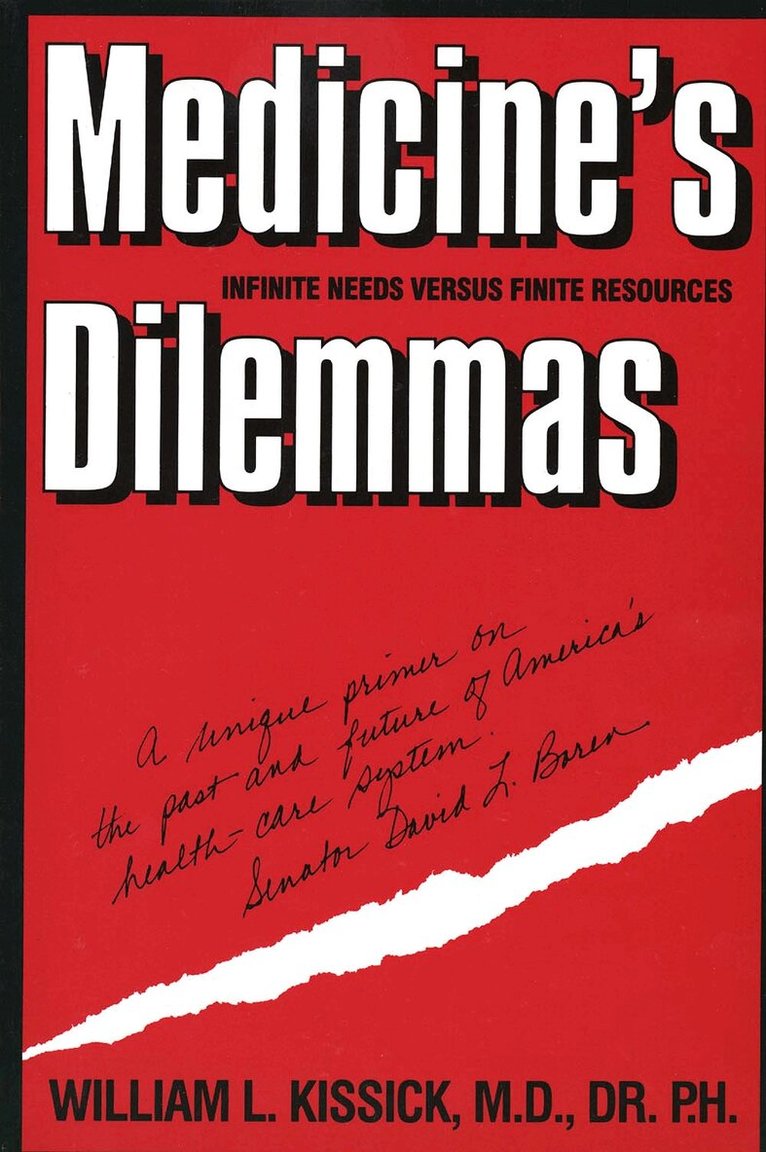
Can the United States provide a health care program that offers a comprehensive package of the highest-quality health benefits to all Americans while containing health care costs? In this important book, Dr. William L. Kissick says that it cannot: no society in the world has sufficient resources to provide all the health services its population is capable of utilizing.Dr. Kissick was an active participant in the drafting of Medicare legislation in the 1960s and for the past twenty-five years has held joint positions in a medical school and a business school where he has specialized in health care management. Drawing on his long experience in the field, he discusses the dimensions of the current crisis, the financial and medical implications of alternative proposals--including the program put forth by the Clinton administration--and the requirements for long-term strategies. He argues that although there are no ideal solutions to health care reform, there are many significant programs at the regional, state, and local level that can serve as prototypes for the restructuring of the organization, financing, and delivery of health services. Dr. Kissick discusses some of these alternatives and suggests that after the federal government legislates a health care policy, it should be implemented through collaboration with state and local initiatives, for such programs have been built on an understanding of regional needs, expectations, and cultural diversity.
Häftad, Engelska, 1995
493 kr
Skickas inom 5-8 vardagar
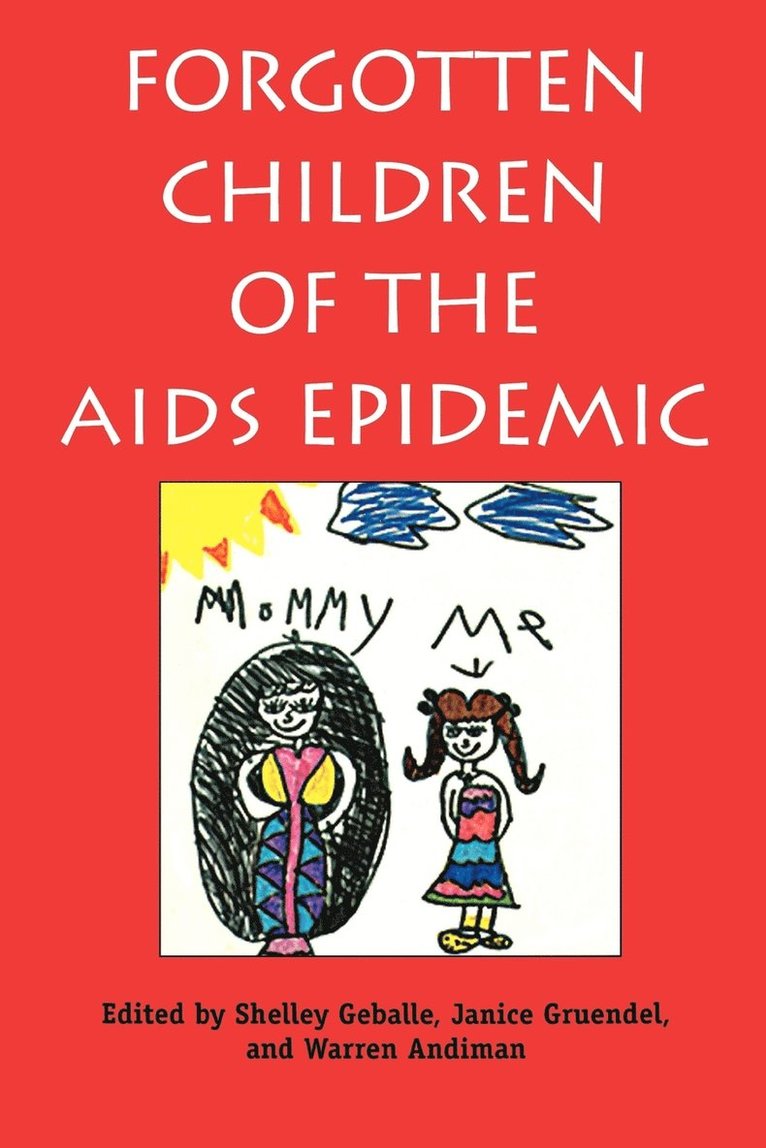
"Mommy, why can`t the doctors make you better?"..."You won`t be there, will you? Who`ll take care of me?"—Rachel, age 5AIDS breaks the rules of dying. It strikes the young rather than the old, decimating families and devastating communities. It will leave as its legacy a generation of orphans—traumatized by multiple losses, isolation, stigma, and grief. By the turn of the century, more than a hundred thousand children and youth in the United States—and ten million worldwide—will lose their parents to AIDS.Written by professionals in medicine, law, social work, anthropology, psychiatry, and public policy, this volume is the first full-length look at the issues facing children whose parents and siblings are dying of AIDS: what children experience, how it affects them, how we can meet their emotional needs and help them find second families, how we counter the stigmas they face. Authors explore ways to promote resilience in these AIDS-affected children. Stories of the children and their caretakers, told in their own words, are woven throughout.Pioneering and practical, the book presents an action agenda and resource directory for our nation`s policymakers as well as for parents and those who work with children in both formal and informal settings.This book is produced in conjunction with a video, Mommy, Who`ll Take Care of Me? Forgotten Children of the AIDS Epidemic, which will be shown on PBS and is also available from Yale University Press.
Häftad, Engelska, 1995
358 kr
Skickas inom 5-8 vardagar
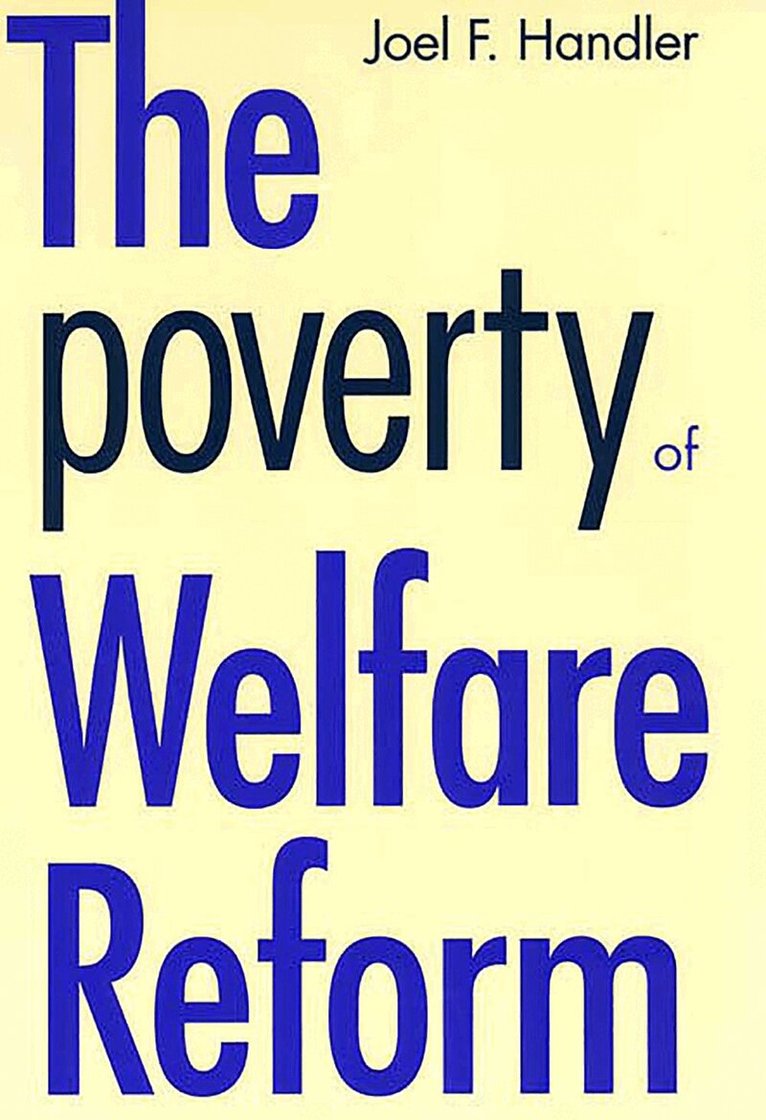
Once again, America is getting tough on welfare. Democrats and Republicans at both the national and state levels seem to have agreed that paying public funds to the poor—particularly to single mothers and their children—perpetuates dependency and undermines self-sufficiency and the work ethic.In this book Joel Handler, a national expert on welfare, points out the fallacies in the current proposals for welfare reform, arguing that they merely recycle old remedies that have not worked. He analyzes the prejudice that has historically existed against "the undeserving poor" and shows that the stereotype of the inner-city woman of color who has children in order to stay on welfare is untrue. Most welfare mothers are in the labor market, says Handler; however, the work that is available to them is most often low-wage, part-time employment with no benefits. Efforts to move large numbers of welfare recipients to full-time employment are not likely to be successful, especially since most of the welfare programs for single mothers are at the state and local levels, and these governments are reluctant to spend the extra money needed to institute work or other reform programs. Handler suggests that national reform efforts should focus less on welfare and blaming the victim and more on increasing labor markets and reducing poverty through legislation that promotes, for example, the Earned Income Tax Credit and universal health care benefits. Welfare reform, by itself, does nothing to improve the job market, and unless there are more jobs paying more income, we will have done nothing to lessen poverty or reduce welfare.
Häftad, Engelska, 1997
479 kr
Skickas inom 5-8 vardagar
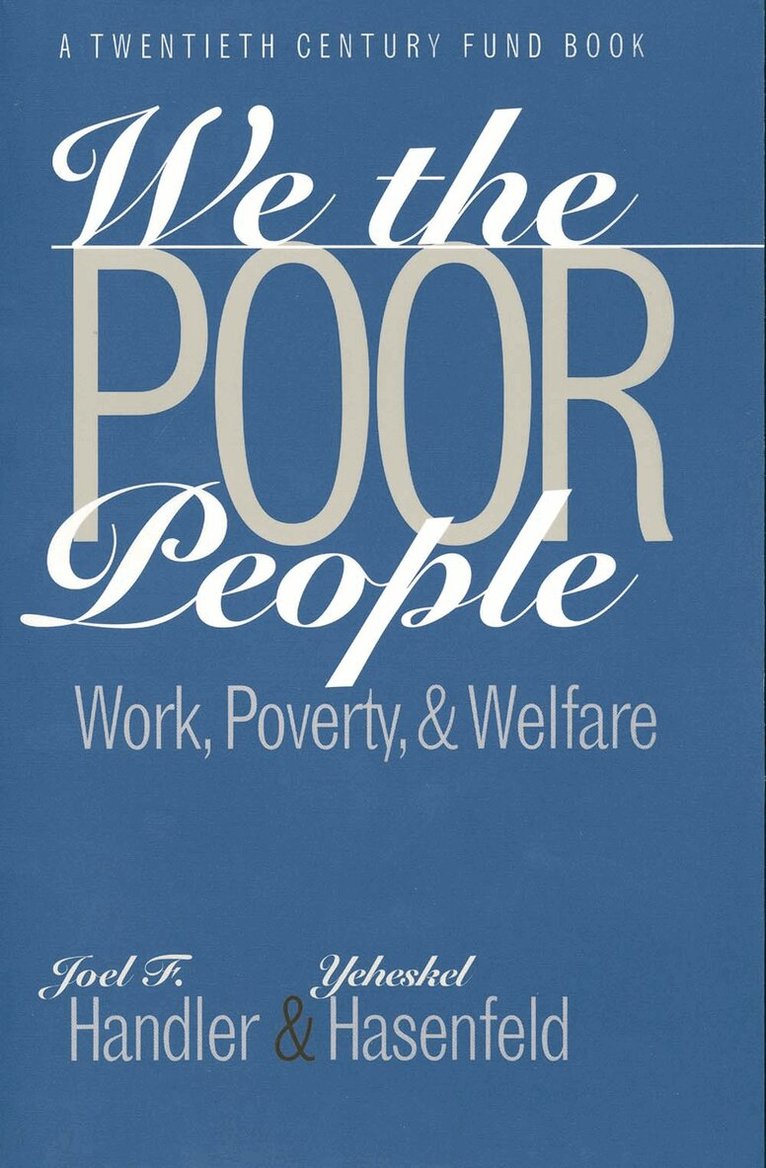
Current welfare reforms—including recently enacted federal legislation—are largely symbolic politics, argue two experts in this important new book. According to Joel F. Handler and Yeheskel Hasenfeld, the real problem we face is not the spread of welfare but the spread of poverty among the working poor, a group that includes most welfare recipients. The surest way to solve the problem is to create jobs and supplement low-wage work. The authors offer proposals that would make it possible for individuals to support themselves and their families through working and that would establish a safety net for those relatively few individuals who are unable to do so.The authors discuss current policies, efforts, and programs designed to deal with the poor and analyze what works, what does not work, and why. Instead of income maintenance strategies, they promote policies that would facilitate leaving welfare for work—particularly in the case of single mothers. Their proposals range from creating jobs and supplementing income through the Earned Income Tax Credit (EITC) to raising the minimum wage to providing health insurance and child care support. These are not inexpensive solutions, but they must occur if we truly wish to live in a society that strives to provide opportunities for all.
Häftad, Engelska, 1997
475 kr
Skickas inom 5-8 vardagar
Twenty-five years ago, the Cuyahoga River in Ohio was so contaminated that it caught fire, air pollution in some cities was thick enough to taste, and environmental laws focused on the obvious enemy: large American factories with belching smokestacks and pipes gushing wastes. Federal legislation has succeeded in providing cleaner air and water, but we now confront a different set of environmental problems—less visible and more subtle. This important book offers thought-provoking ideas on how America can respond to changing public health and ecological risks and create sound environmental policy for the future. The innovative thinkers of the Next Generation Project of the Yale Center for Environmental Law and Policy—experts from business, government, nongovernmental organizations, and academia—propose reforms that balance environmental efforts with other public needs and issues. They call for new foundations for environmental law and policy, adoption of a more diverse set of policy tools and strategies (economic incentives, ecolabels), and new connections between critical sectors (agriculture, energy, transportation, service providers) and environmental policy. Future progress must involve not only officials from the U.S. Environmental Protection Agency and state environmental protection departments, say the authors, but also decision-makers as diverse as mayors, farmers, energy company executives, and delivery route planners. To be effective, next-generation policy-making will view environmental challenges comprehensively, connect academic theory with practical policy, and bridge the gaps that have caused recent policy debates to break down in rancor. This book begins the process of accomplishing these challenging goals.
Häftad, Engelska, 2000
206 kr
Skickas inom 5-8 vardagar
Tamoxifen is one of the most widely prescribed drugs used to prevent the recurrence of breast cancer. A nonsteroidal antiestrogen, it has been successful in treating postmenopausal women at nearly all stages of breast cancer. Despite its popularity, disturbing questions remain about the use of this drug. How effective is tamoxifen in treating patients who have hormone-insensitive breast tumors or who have not yet reached menopause? What are the potential risks in taking tamoxifen, and do they ever outweigh its benefits? Should tamoxifen be administered as a prophylactic drug for healthy premenopausal women who are at high risk of developing breast cancer? In this vitally important book, two leading scientific investigators present a balanced and accessible discussion of the diagnosis of breast cancer and the risks, benefits, and limitations of treatment alternatives, particularly tamoxifen. Michael W. DeGregorio and Valerie J. Wiebe discuss the history and evolution of tamoxifen as a treatment for breast cancer, explaining how it works, what its side effects are, and why tamoxifen treatment is unsuccessful for some women. They present the controversies surrounding the National Cancer Institute's study of tamoxifen as a preventive for breast cancer, describing the hopes of the proponents of the study and the fears of its detractors (potential risks to women in the study include thrombosis, uterine cancer, and even breast cancer itself). The book is an invaluable aid to women faced with decisions about treatment or prevention of breast cancer.