Yale Series in Economic and Financial History – serie
Visar alla böcker i serien Yale Series in Economic and Financial History. Handla med fri frakt och snabb leverans.
11 produkter
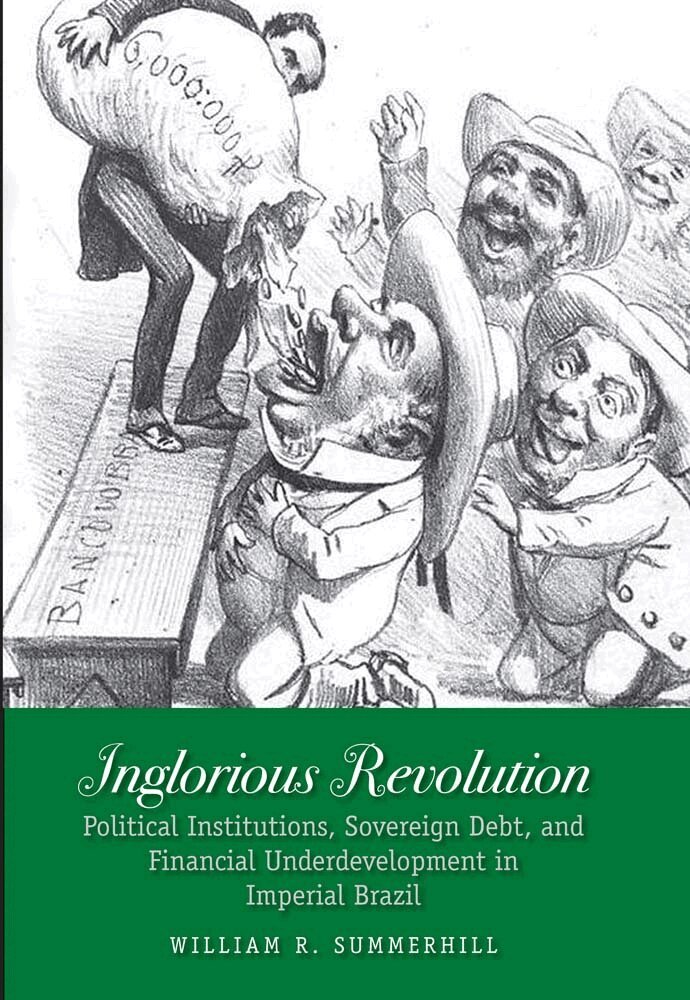
Inglorious Revolution
Political Institutions, Sovereign Debt, and Financial Underdevelopment in Imperial Brazil
Inbunden, 2015
1242 kr
Lägg i varukorg
Nineteenth-century Brazil’s constitutional monarchy credibly committed to repay sovereign debt, borrowing repeatedly in international and domestic capital markets without default. Yet it failed to lay the institutional foundations that private financial markets needed to thrive. This study shows …
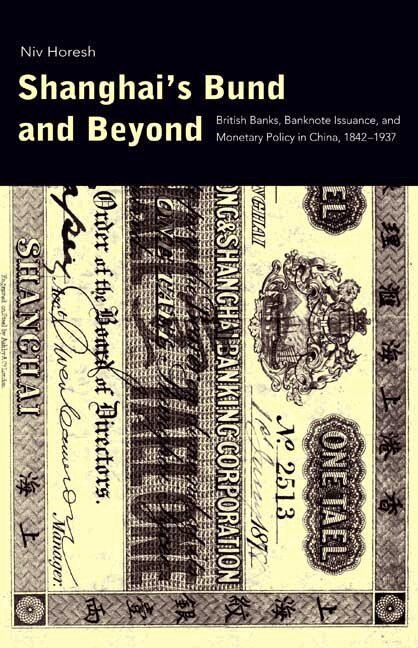
Shanghai's Bund and Beyond
British Banks, Banknote Issuance, and Monetary Policy in China, 1842-1937
Av Niv Horesh
Inbunden, 2009
846 kr
Lägg i varukorg
As China emerges as a global powerhouse, this timely book examines its economic past and the shaping of its financial institutions. The first comparative study of foreign banking in prewar China, the book surveys the impact of British overseas bank notes on China's economy before the outbreak of …
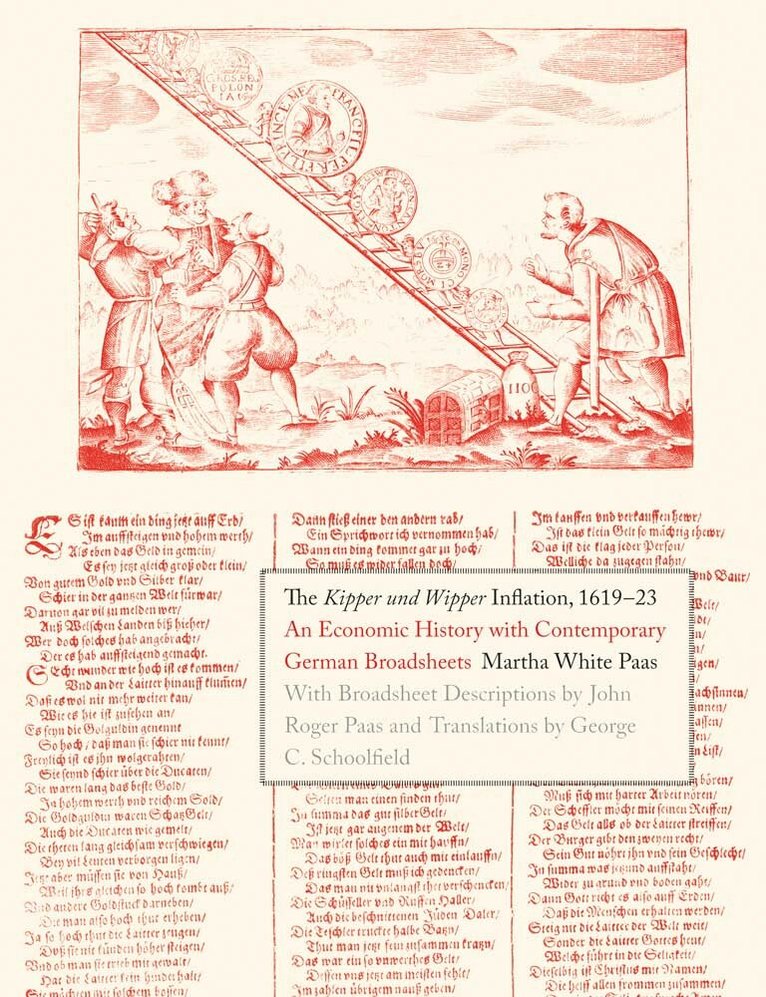
Kipper und Wipper Inflation, 1619-23
An Economic History with Contemporary German Broadsheets
Inbunden, 2012
1431 kr
Lägg i varukorg
This book is an economic analysis of the Kipper und Wipper inflation of 1619–23, the most serious German inflation before the hyperinflation following World War I, with a particular focus on how it affected people’s lives and behavior. The volume features full-page reproductions of rare …
Financial Fraud and Guerrilla Violence in Missouri's Civil War, 1861-1865
Inbunden, 2010
1091 kr
Lägg i varukorg
Winner of the 2011 Tom Watson Brown Book AwardAn award-winning exploration of a Civil War financial conspiracy in Missouri—and its reverberations todayIn this original work, Mark W. Geiger explores the impact of a previously unknown financial conspiracy in Civil War–era Missouri, a sham-loan scheme …
"I Am Not Master of Events"
The Speculations of John Law and Lord Londonderry in the Mississippi and South Sea Bubbles
Av Larry Neal
Inbunden, 2012
846 kr
Lägg i varukorg
Two of the greatest financial fiascos of all time took place at the same time and were instigated by two acquaintances: the Mississippi Bubble, on which John Law at first made a vast fortune and gained sway over French finances; and the South Sea Bubble, launched by Law and Thomas Pitt, Jr., Lord …
Odd Couple
International Trade and Labor Standards in History
Inbunden, 2012
1091 kr
Lägg i varukorg
It has become commonplace to think that globalization has produced a race to the bottom in terms of labor standards and quality of life: the cheaper the labor and the lower the benefits afforded workers, the more competitively a country can participate on the global stage. But in this book the …
Hope Springs Eternal
French Bondholders and the Repudiation of Russian Sovereign Debt
Inbunden, 2016
1337 kr
Lägg i varukorg
In 1918, the Soviet revolutionary government repudiated the Tsarist regime’s sovereign debt, triggering one of the biggest sovereign defaults ever. Yet the price of Russian bonds remained high for years. Combing French archival records, Kim Oosterlinck shows that, far from irrational, investors had …
Floor Rules
Insider Culture in Financial Markets
Inbunden, 2025
340 kr
Lägg i varukorg
A compelling account of how markets really govern themselves, and why they often baffle and outrage outsiders One of the reasons many people believe financial markets are lawless and irrational—and rigged—is that they follow two sets of rules. The official rules, set by law or by the heads of the …
Origins of American Health Insurance
A History of Industrial Sickness Funds
Inbunden, 2007
905 kr
Tillfälligt slut
How did the United States come to have its distinctive workplace-based health insurance system? Why did Progressive initiatives to establish a government system fail? This book explores the history of health insurance in the United States from its roots in the nineteenth-century sickness funds …
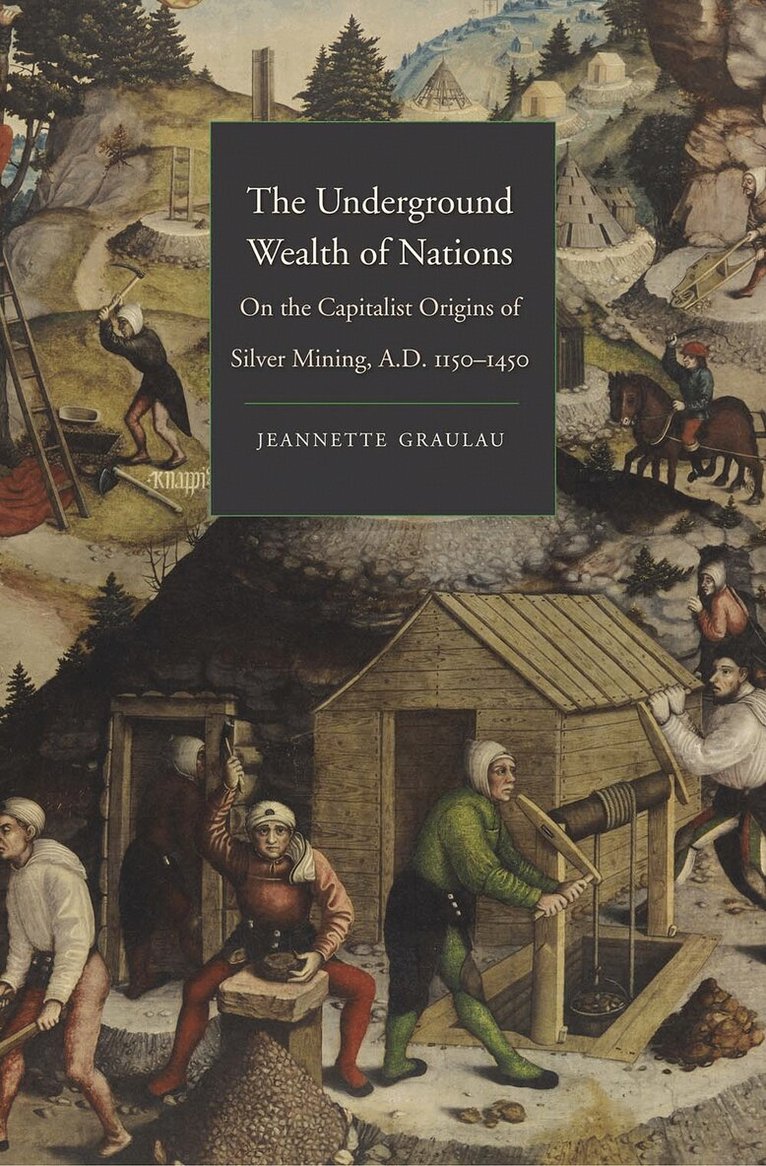
Underground Wealth of Nations
On the Capitalist Origins of Silver Mining, A.D. 1150-1450
Inbunden, 2019
880 kr
Tillfälligt slut
Silver mining was a capitalist business long before the supposed origin of modern capitalismHundreds of years before a sixteenth‑century crisis in European agriculture led to the origins of capital, investment, and finance, the silver mining industry exhibited many of the features of modern …
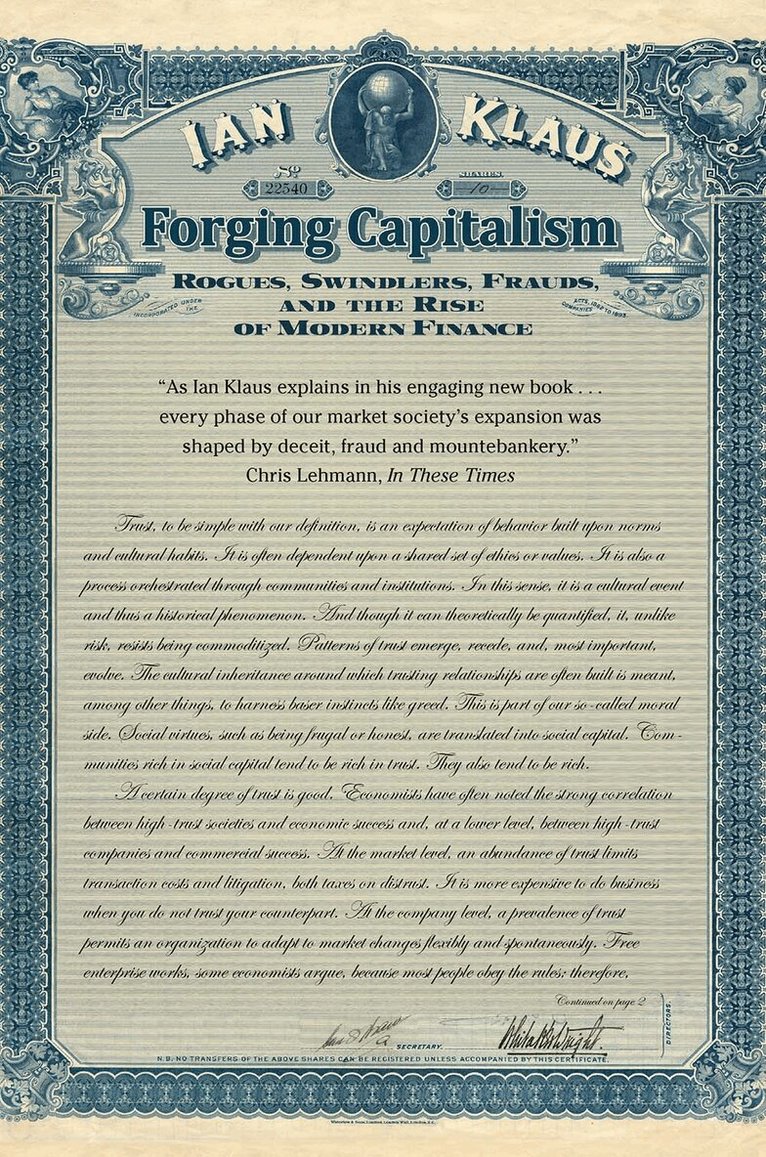
Forging Capitalism
Rogues, Swindlers, Frauds, and the Rise of Modern Finance
Av Ian Klaus
Häftad, 2017
208 kr
Tillfälligt slut
A riveting history of raw capitalism that exposes the unscrupulousness at its heartVice is endemic to Western capitalism, according to this fascinating, wildly entertaining, often startling history of modern finance. Ian Klaus’s Forging Capitalism demonstrates how international financial affairs in …